Aquarium Supplies
Brightwell Microbacter Dry Rock Starter Kit Review: A Seven-Day Fishless Cycle for Dry Rock Tanks
A close look at the Brightwell Microbacter Dry Rock Starter Kit, a three-bottle system built for a seven-day fishless cycle on saltwater tanks started with dry rock and dry sand.
Introduction
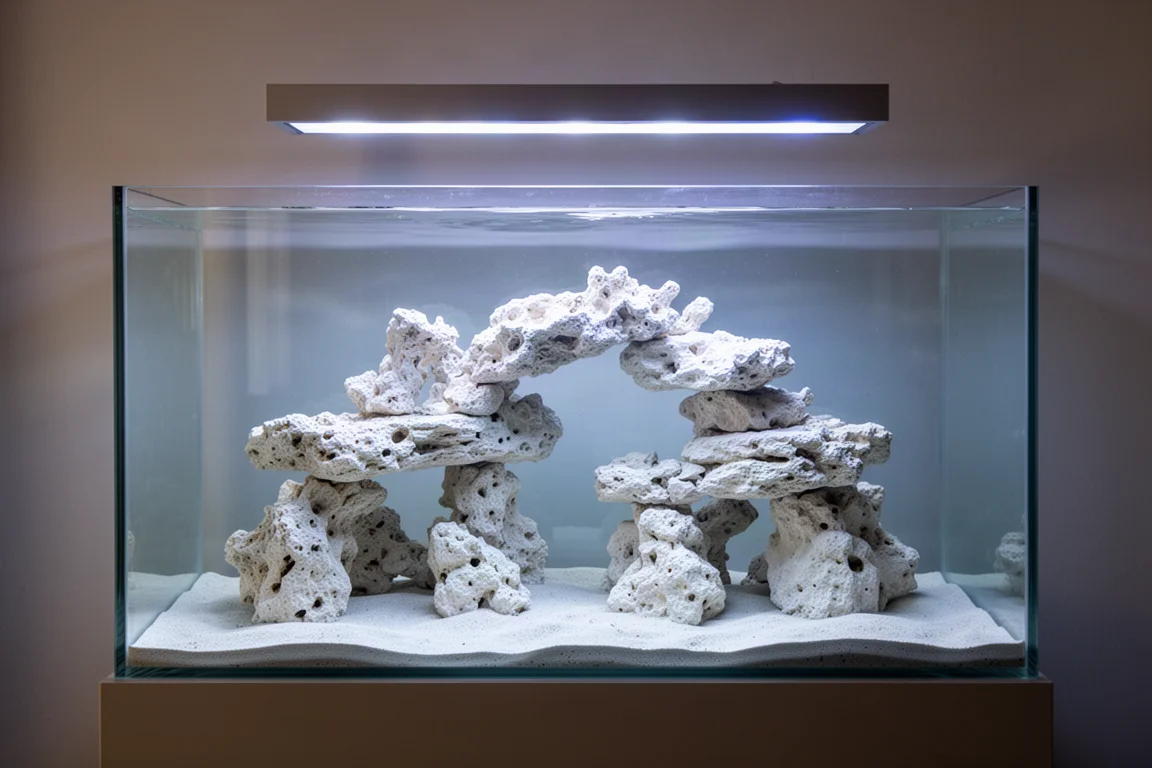
Every new saltwater tank has to complete a cycle before it can safely carry fish, and the route there depends on what the tank was built with. A system started with biologically diverse live rock follows one path. A system started with white dry rock and dry sand follows another, and it tends to take longer before it becomes stable.
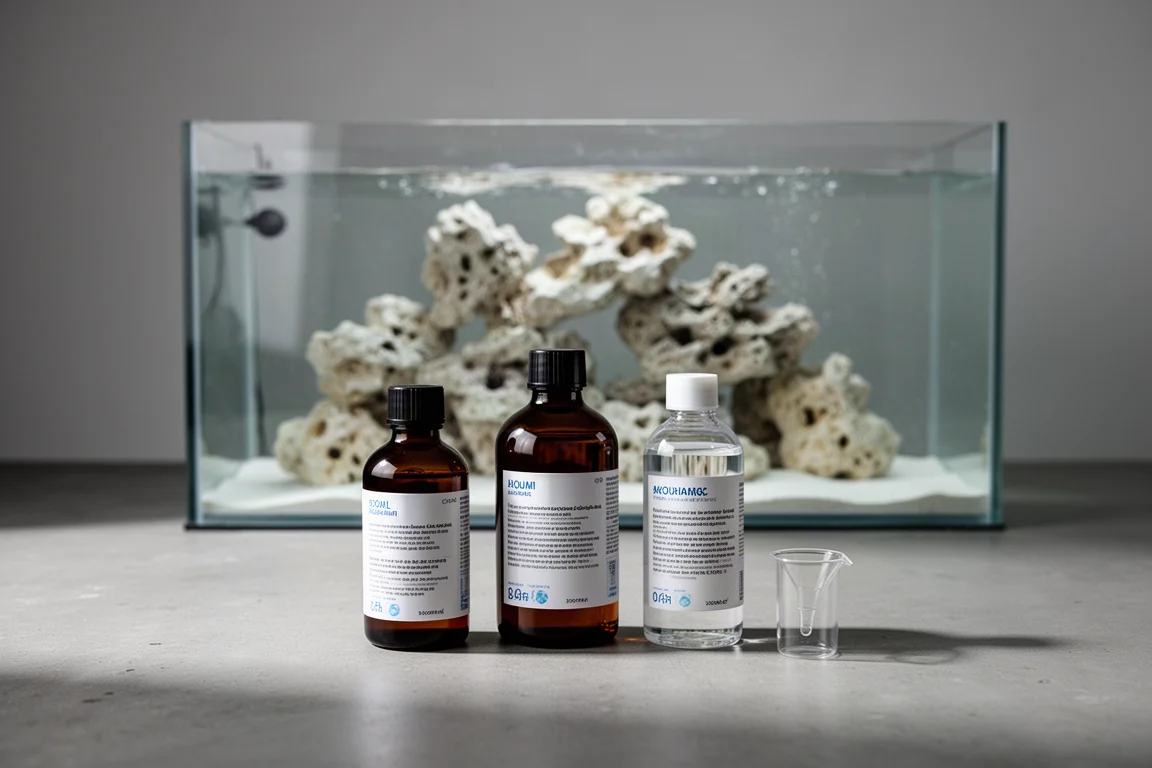
The Brightwell Microbacter Dry Rock Starter Kit is put together specifically for that second scenario. It is built around a fishless cycle on a tank started with natural dry rock and sand, and it bundles a live nitrifying bacteria culture, a balanced ammonia source, and a separate microbial product aimed at the algae and bacterial film stage that usually follows.
What makes the kit worth a closer look is the order of operations. The dosing sequence is laid out on the front of the box, so most of the guesswork about which bottle to add and when simply disappears.
Who This Kit Is For
This kit is aimed at a specific setup rather than at every new aquarium. It suits a tank started with dry white rock and dry sand, and it is designed for a fishless cycle, where the aquarium is matured first and fish are added afterwards with confidence that they will not be exposed to a buildup of harmful ammonia.
There are a couple of boundaries worth noting. The kit is not intended for artificial dry rock that has already been seeded with bacteria, whether live or dormant. Because dry rock and dry sand are the starting point, there is also no need to buy live sand alongside it.
The included bacteria culture is a concentrated blend of select live nitrifying bacteria formulated for salt and brackish aquariums, so it matches reef systems rather than freshwater tanks.
What Comes in the Box
Three products arrive together. Microbacter Start XLM is the concentrated nitrifying bacteria culture, and the amount supplied treats up to 100 gallons. Microbacter Quick Cycle provides the ammonia side of the cycle, and that bottle treats up to 300 gallons. Microbacter Clean is included for the stage after cycling, and it covers well beyond the size of the tank this kit targets.
If the display is larger than 100 gallons, the only shortfall is the Start XLM, and extra of that single bottle makes up the difference.
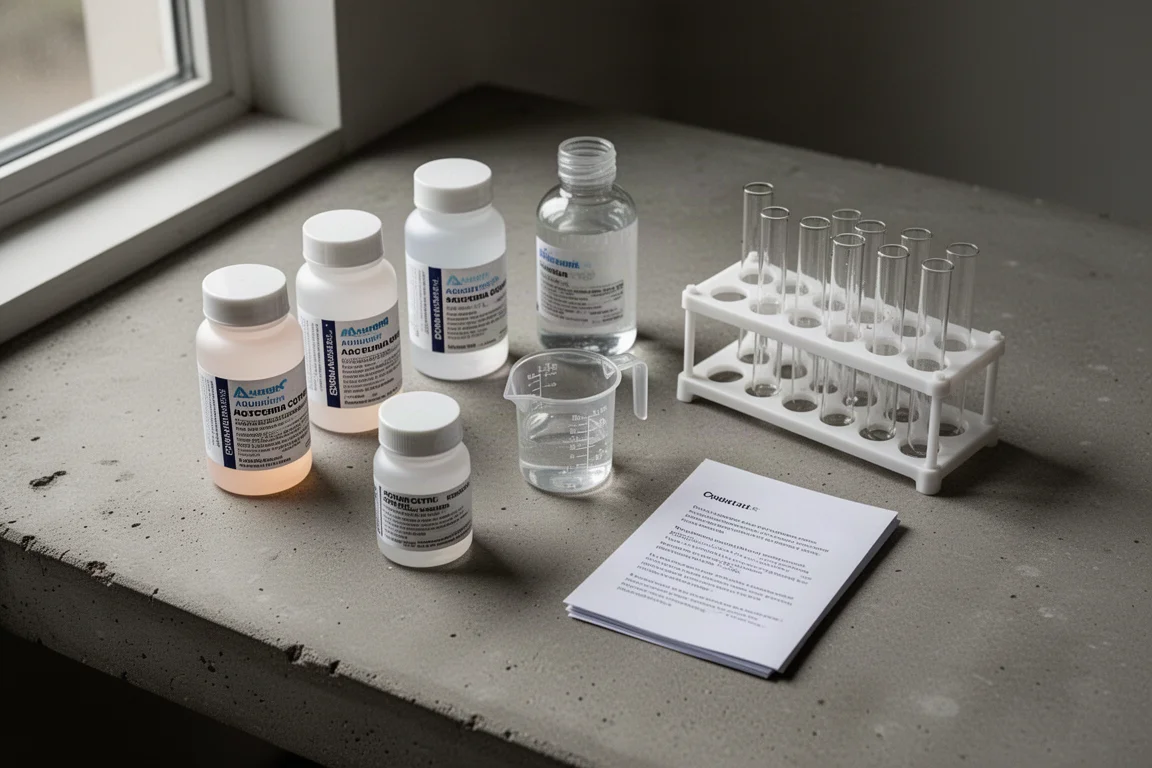
A few items sit outside the box but belong with the process. Reliable ammonia, nitrite and nitrate test kits are needed to follow the cycle and confirm when it has finished, and a solid pH test kit is a sensible addition. A dosing cup or similar measure helps with accuracy.
How the Seven-Day Fishless Cycle Works
The kit is built around a seven-day schedule, with each day described in clear steps printed on the packaging.
On day one, the skimmer and UV are switched off, and mechanical filtration such as filter socks or floss is removed. Salinity and temperature are checked to make sure they sit within the range appropriate for a reef tank. Quick Cycle is dosed following the directions on the package, an ammonia test is taken, and then Microbacter Start XLM goes in.
On days two and three, pH, ammonia and nitrite are tested and recorded. Those first readings show how quickly the bacteria are converting ammonia and populating the aquarium. Days four, five and six continue the same routine, and if ammonia or nitrite reads above 0.25 ppm, more Start XLM can optionally be added to accelerate the process.
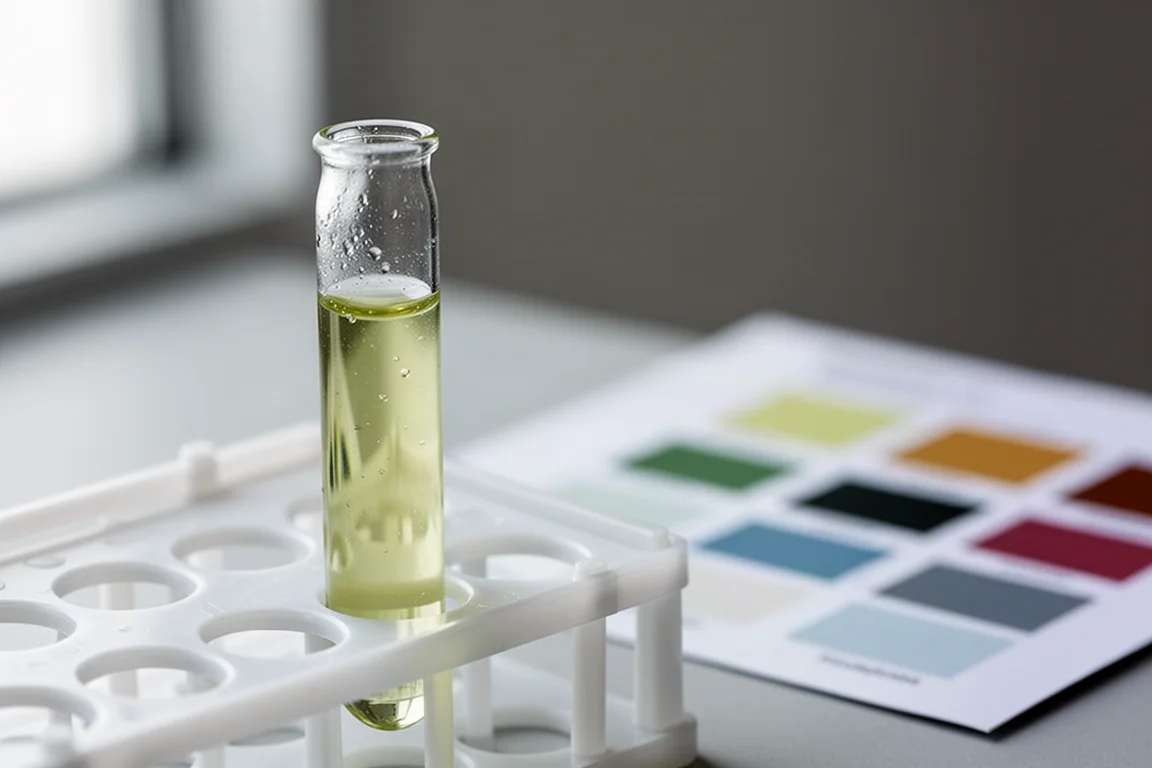
On day seven the tests are repeated. If ammonia and nitrite both read zero, nitrate is tested next. A nitrate reading of 0.25 ppm or higher means the cycle is complete.
After that, a 25 percent water change follows, the skimmer, UV and mechanical filtration go back on, and the tank is ready for its first fish. Adding them slowly is still the sensible approach, starting with the hardiest species. A pair of clownfish one week, then a hardy tang or an algae-eating blenny the next, is a reasonable pace.
Main Strengths
The clearest strength is that the kit removes a decision. Instead of sourcing a bacteria culture, an ammonia source and a post-cycle treatment separately and working out how they relate to each other, everything arrives together with a sequence printed exactly where it is needed.
The ammonia source is more than plain ammonia. It also carries the nitrate and phosphate that the beneficial bacteria need to thrive and populate rapidly, which supports the speed the schedule is built around.
The inclusion of Microbacter Clean is the detail that separates this kit from simpler cycling bundles. It adds a workhorse crew of microbes and natural enzymes intended to out-compete nuisance algae and bacterial films such as dinos and cyano. Avoiding a rough battle with algae and film is one of the main reasons people steer away from white rock in the first place, so having that step covered in the same box is genuinely useful.
Things to Consider Before Buying
The 100-gallon ceiling on the Start XLM is the first thing to check. Larger tanks need additional Start XLM, so the kit is not a complete answer on its own for a big system.
The kit also expects a particular starting point. It is not meant for artificial rock that already carries bacteria, and it is designed around a fishless cycle rather than a fast stocking approach. Anyone planning to add fish immediately is looking at the wrong product.
Testing is not optional. The schedule only means anything if ammonia, nitrite and nitrate are measured and recorded, and if pH is watched as well. Without that discipline through the week, there is no reliable way to confirm the cycle has finished.
Finally, the seven-day figure is a target rather than a guarantee. The day seven decision rests on readings reaching zero for ammonia and nitrite, and the optional extra Start XLM between days four and six exists precisely because progress can vary from tank to tank.
Buying Advice
For a new reef tank built on dry rock and dry sand, this kit covers the awkward part of the setup in a single purchase. The people who will get the most from it are those who want a defined fishless cycle they can follow day by day, and who are willing to test parameters and record the results as they work through it.
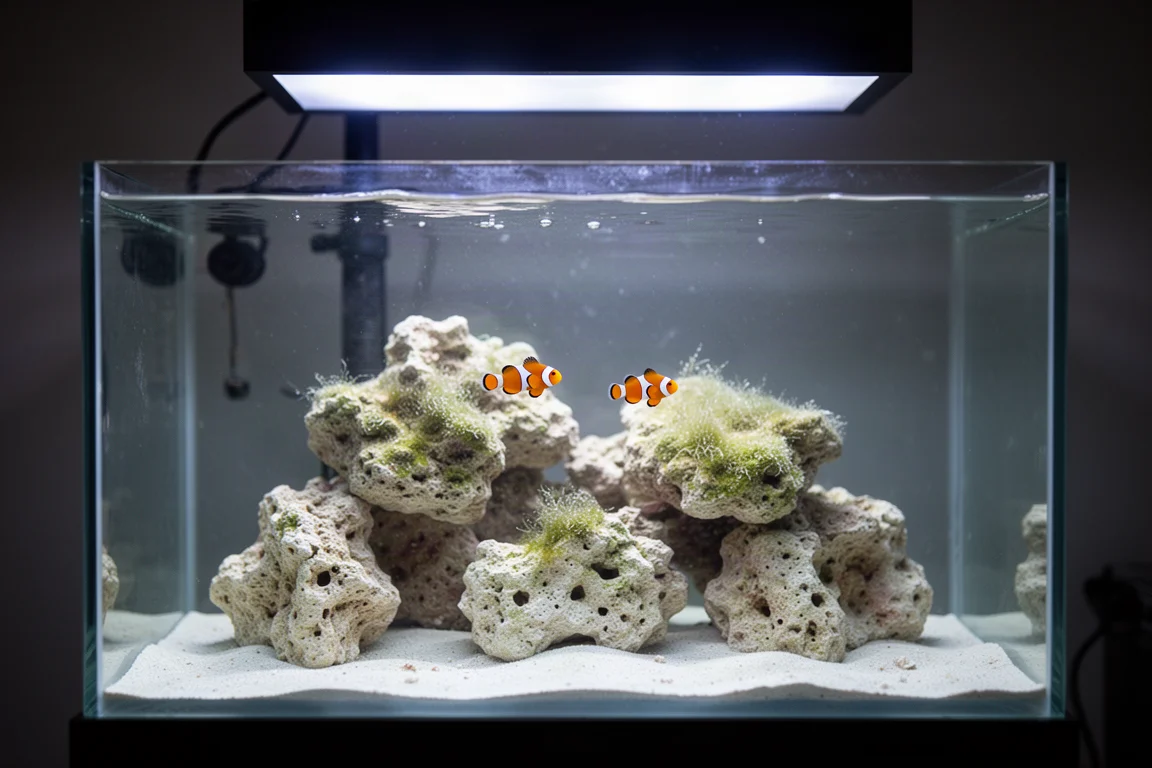
It also makes sense for anyone who has been put off white dry rock by the ugly stage. Having Microbacter Clean on the shelf from the beginning, ready for the moment the lights and filtration are running and the first fish are in, turns an unpredictable stretch of the build into a planned step.
Buyers with tanks larger than 100 gallons should plan on an extra bottle of Start XLM at the same time so the cycle is not interrupted midway. Anyone set on artificial rock seeded with bacteria, or on stocking fish on day one, should be looking at a different approach entirely.
Conclusion
The Brightwell Microbacter Dry Rock Starter Kit solves a narrow but very common problem well. It takes the three separate jobs of a fishless cycle on dry rock, establishing nitrifying bacteria, feeding them, and then managing the algae and film stage that follows, and puts them in one box with a seven-day sequence printed on the front.
The trade-offs are clear rather than hidden. It caps at 100 gallons for the bacteria culture, it expects dry white rock and sand as the starting point, and it only works if you test and record readings through the week. For the right setup, that is a small ask for a much calmer introduction to reef keeping.
Product link
View more details for Brightwell Microbacter Dry Rock Starter Kit
This product is mentioned in the review. Check the specifications, options, and compatibility before buying.
View more details for Brightwell Microbacter Dry Rock Starter KitFurther reading
Related Reviews
Aquarium Supplies
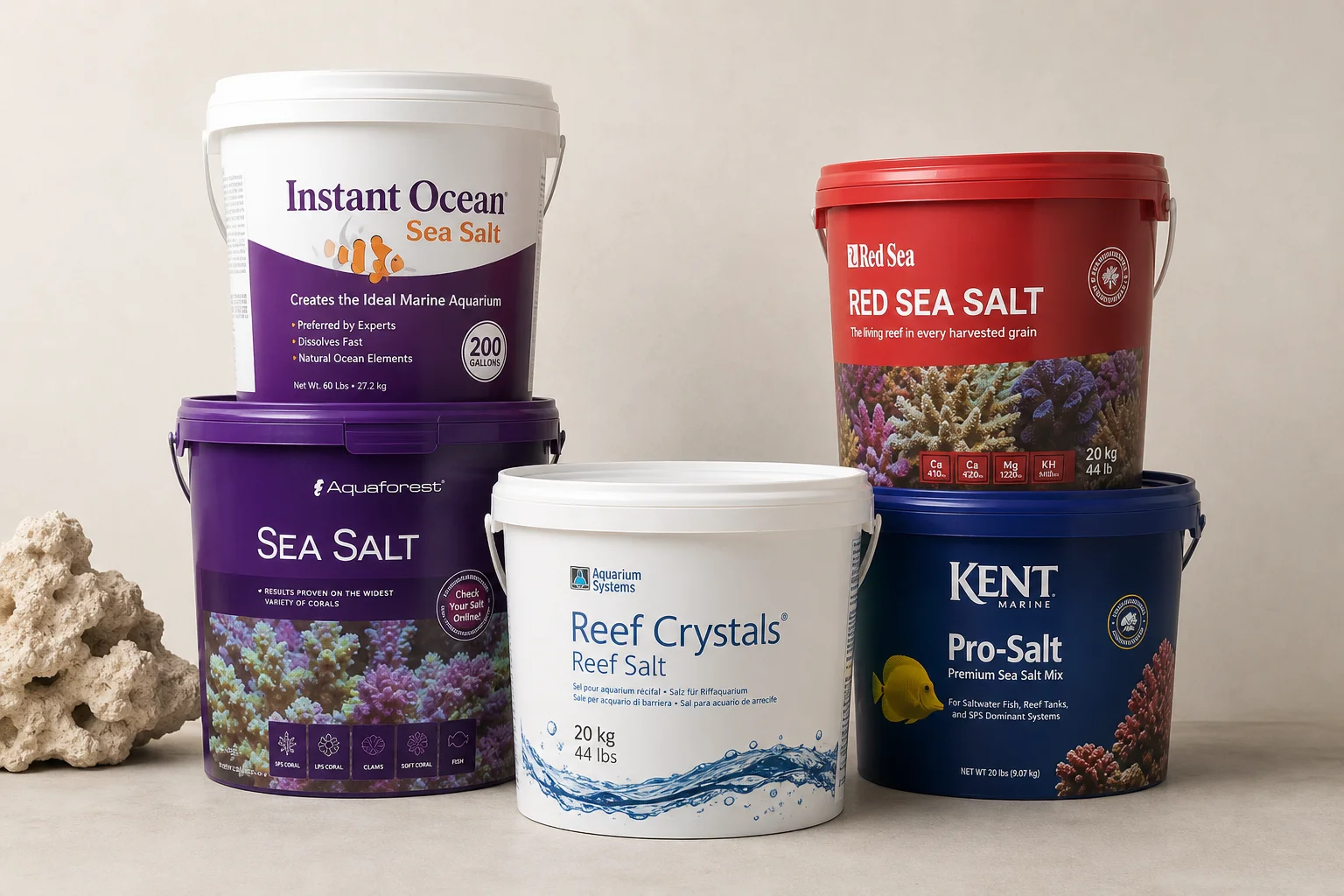
Best Saltwater Aquarium Mixes: A Beginner's Guide to Seawater Chemistry
Understanding seawater mixes and how to choose the right one for your reef tank, FOWLR setup, or beginner goals.
Aquarium Supplies
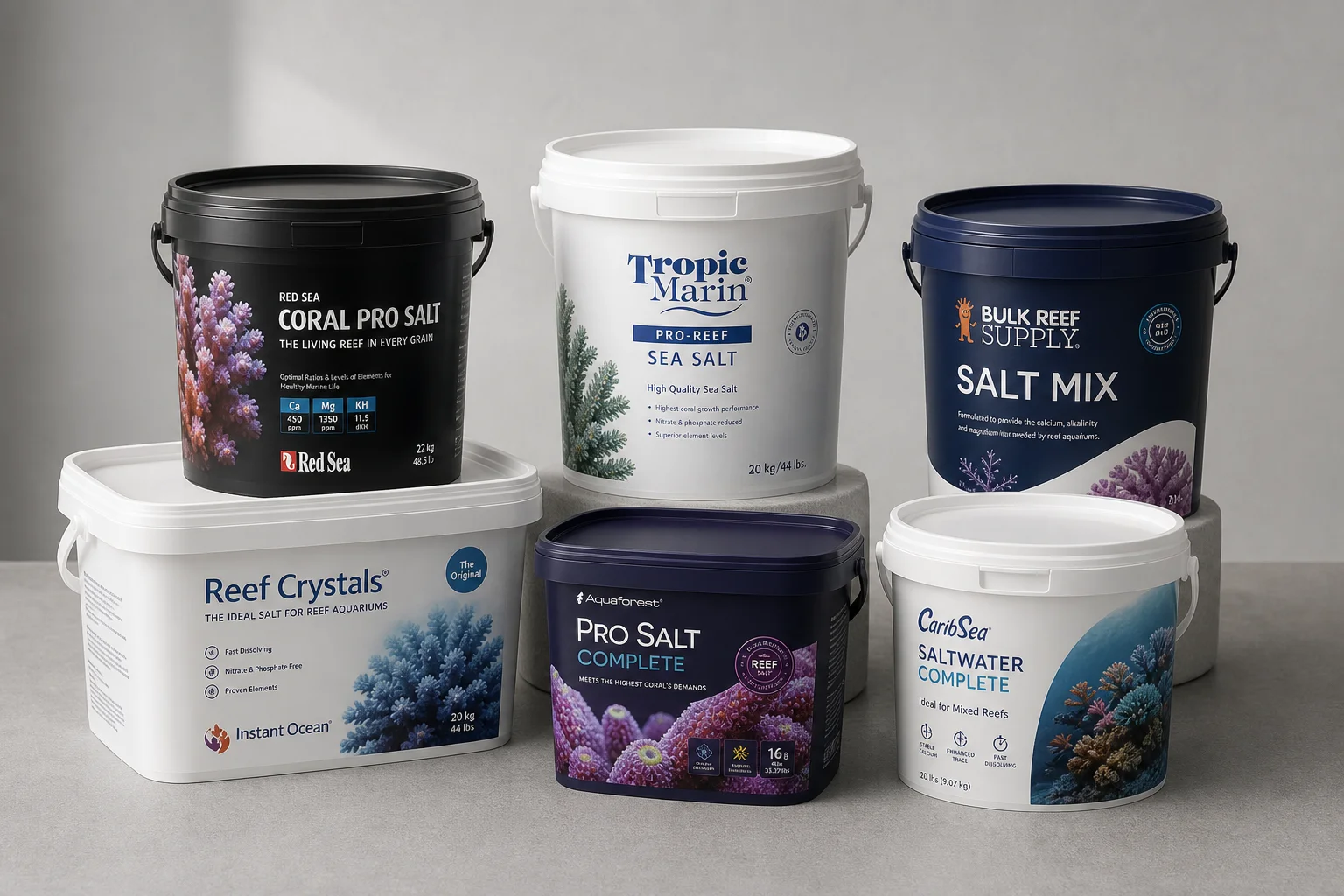
Best Saltwater Aquarium Salt Mixes 2019: Six Categories Tested and Ranked
A comprehensive breakdown of the top salt mixes across popularity, cost, mixing speed, purity, consistency, and overall performance for reef aquariums.
Aquarium Supplies
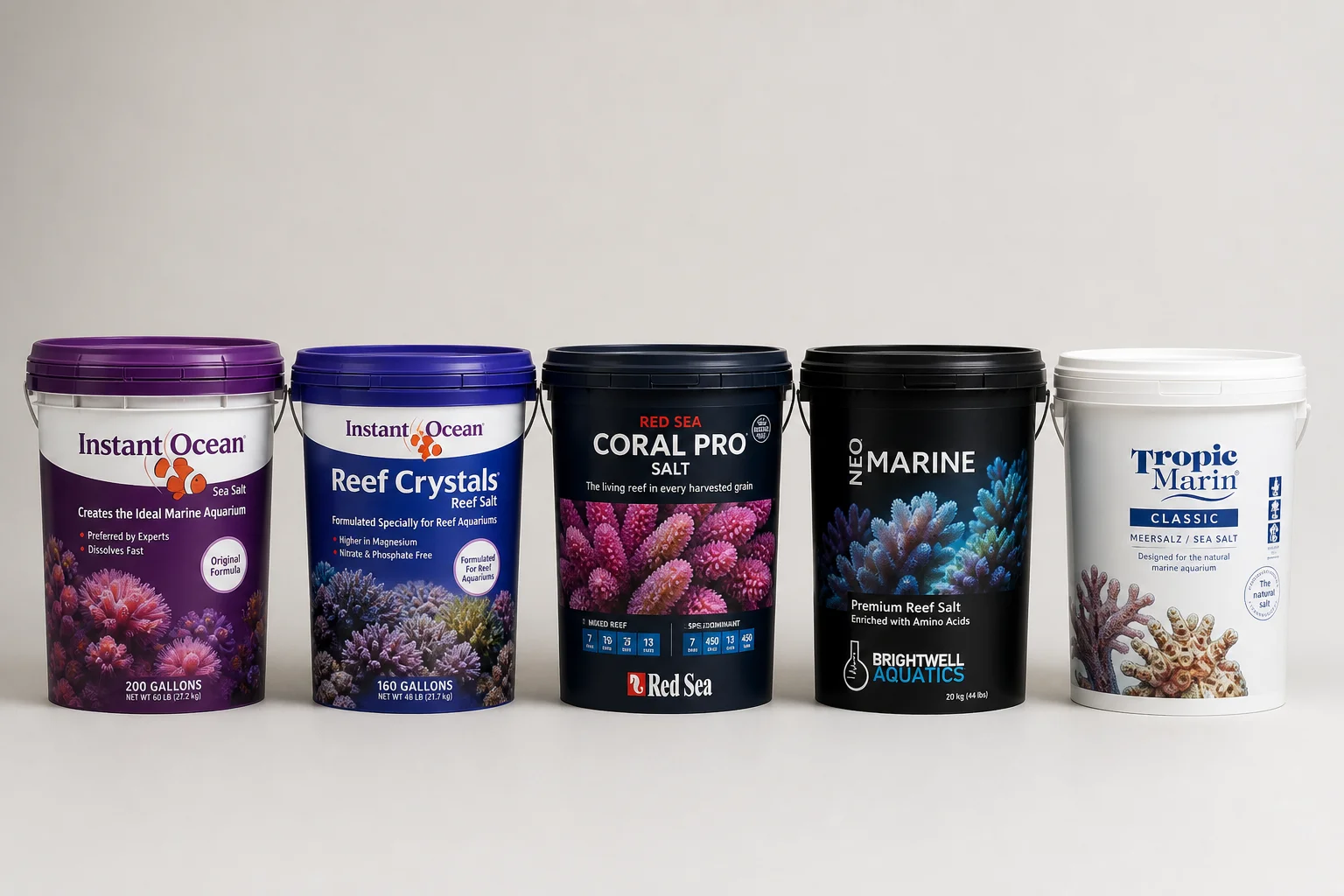
Best Saltwater Mixes for Aquariums: A Practical Guide for Beginners and Reef Keepers
Compare the top saltwater mixes by price, calcium, alkalinity, and intended use. Find the right mix for your tank setup and learn the proper mixing procedure.