Aquarium Supplies
Brightwell Aquatics Lugol's Solution Review: A Full-Strength 2% Iodine Coral Dip
A practical look at Brightwell Aquatics Lugol's Solution, how a 2% iodine dip is used to prevent and treat bacterial infections in LPS, Zoanthids, and soft corals, and what to keep in mind before buying.
Introduction
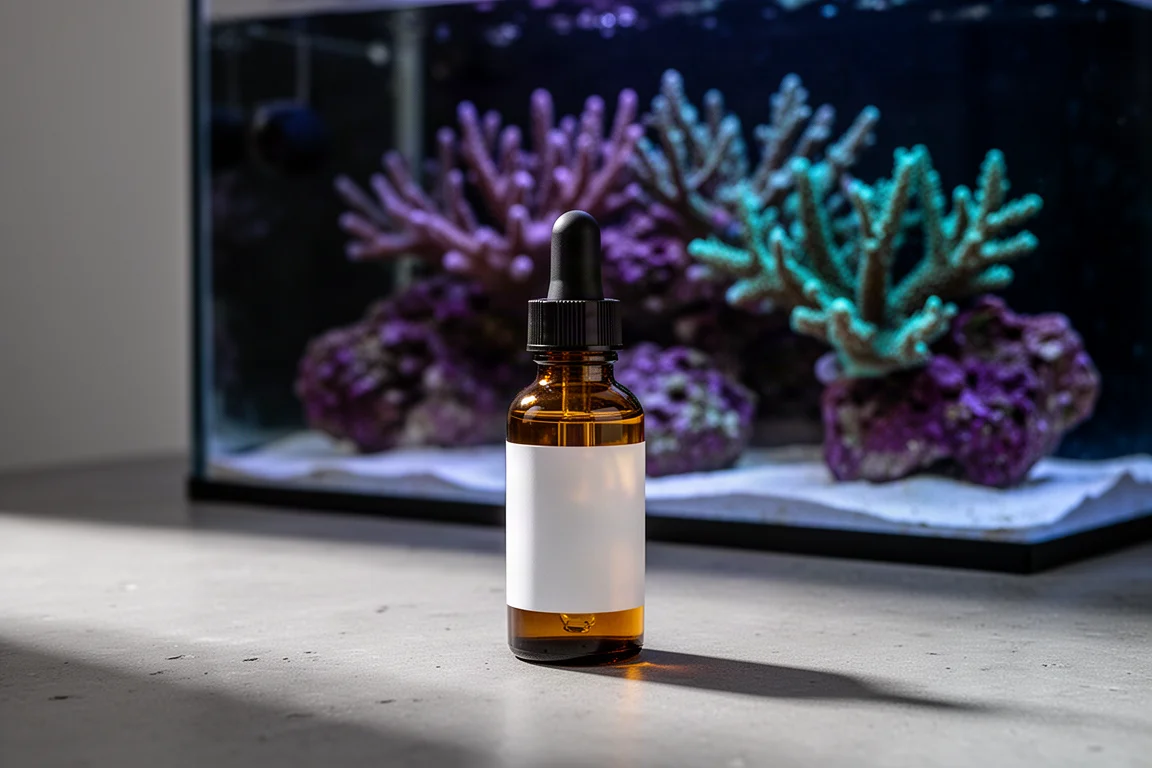
Lugol’s 2% iodine solution has been used for centuries as an antiseptic across many fields, long before reef aquariums existed. In the reef hobby, coral farmers, public aquariums, and advanced aquarists rely on it for those same disinfecting properties, both as a preventative measure and as a treatment against harmful bacterial infections in corals, mainly LPS, Zoanthids, and soft corals.
Concentration is the detail that matters most here. Many Lugol’s products on the market no longer hold the original 2% iodine strength, which can make them less effective as a dip. Brightwell Aquatics keeps the full strength of that original 2% solution, and that is the core reason this bottle is worth a closer look.
Who This Coral Dip Is For
This is a dip for reef keepers who want a working antiseptic on the shelf rather than a one-off treatment. It fits two clear situations. The first is prevention: dipping a coral before it enters the tank, whether it arrived by delivery or came home from a local fish store. The second is treatment: dipping when something looks wrong and you want to act rather than wait.
The product is most associated with LPS corals, including Euphyllia types such as frogspawns, hammers, and torches, along with Trachys, Scolys, Wellsos, Elegances, Goniopora, star polyps, and Zoanthids. Reefers have also used it on anemones and other soft corals, though that use calls for more caution. If your tank is stocked mainly with sensitive LPS and softies, this is squarely within the intended audience.
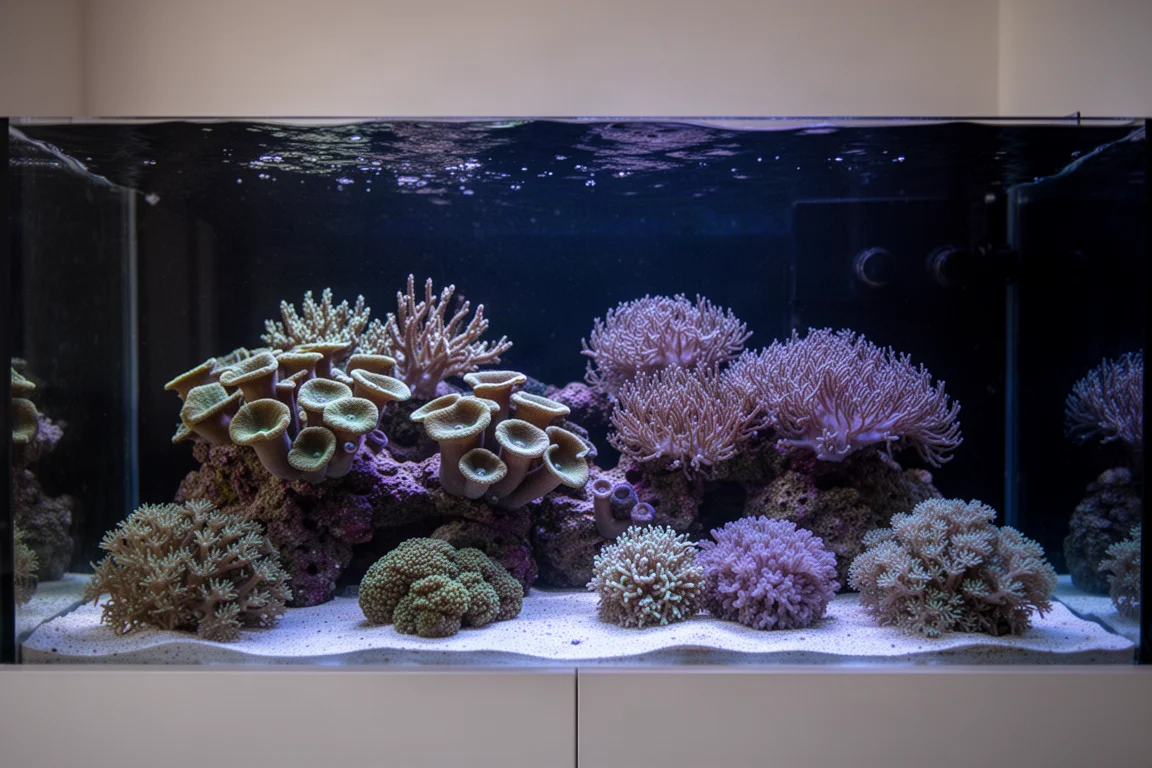
Beginners can use it too, but the value is highest for anyone building a routine around new arrivals. A coral that looks healthy on arrival can still be carrying a compromised immune system after shipping, lighting changes, different flow and water quality, or sudden shifts in salinity and temperature. Those stressors can leave a coral open to infections that take days or even weeks to become visible.
Main Strengths: Full-Strength 2% Iodine
The headline strength is the formulation itself. Brightwell Aquatics Lugol’s is a highly reactive combination of an iodine and iodide solution maintained at the full 2% concentration, the same strength the antiseptic has carried for centuries outside the aquarium world. Because several competing products have diluted away from that figure, keeping it intact is a meaningful point of difference for a dip.
Functionally, the solution works by oxidizing and disinfecting damaged coral tissue. That step matters more than it sounds: cleaning up compromised tissue is what helps stop an infection from spreading and gives the coral a chance to start recovering. The effect is directly tied to the iodine concentration, so a full-strength solution is doing the work a weaker one may only partly manage.
It is also a flexible tool rather than a single-purpose one. The same bottle covers preventative dipping for new specimens and reactive dipping for corals that already show signs of trouble, which keeps the routine simple and the shelf uncluttered.
Three Signs a Coral May Need a Dip
The first sign is behavior at the polyp level. Polyps that stay closed or look shriveled are the clearest early signal, and they show up in Zoanthids, star polyps, Trachys, and Euphyllia such as frogspawns, hammers, and torches. LPS that should normally look fat and fluffy but are now retracted are telling you something is off.
The second sign is visible damage. Tissue loss can come from coral warfare, fish nipping, water quality problems, or simply where the coral sits in the tank. Dipping is a sensible safety step in that situation, but it should be paired with a closer look at what caused the damage in the first place.
The third sign is the one nobody wants to see: brown jelly disease. It can be aggressive and deadly if it is left untreated. An LPS colony can look fine one moment and then be covered by a thick layer of brown slime the next. With colonies such as Euphyllia and Goniopora, the practical approach is to clip away the infected area first and then dip whatever healthy coral remains, since saving part of a colony beats losing all of it.
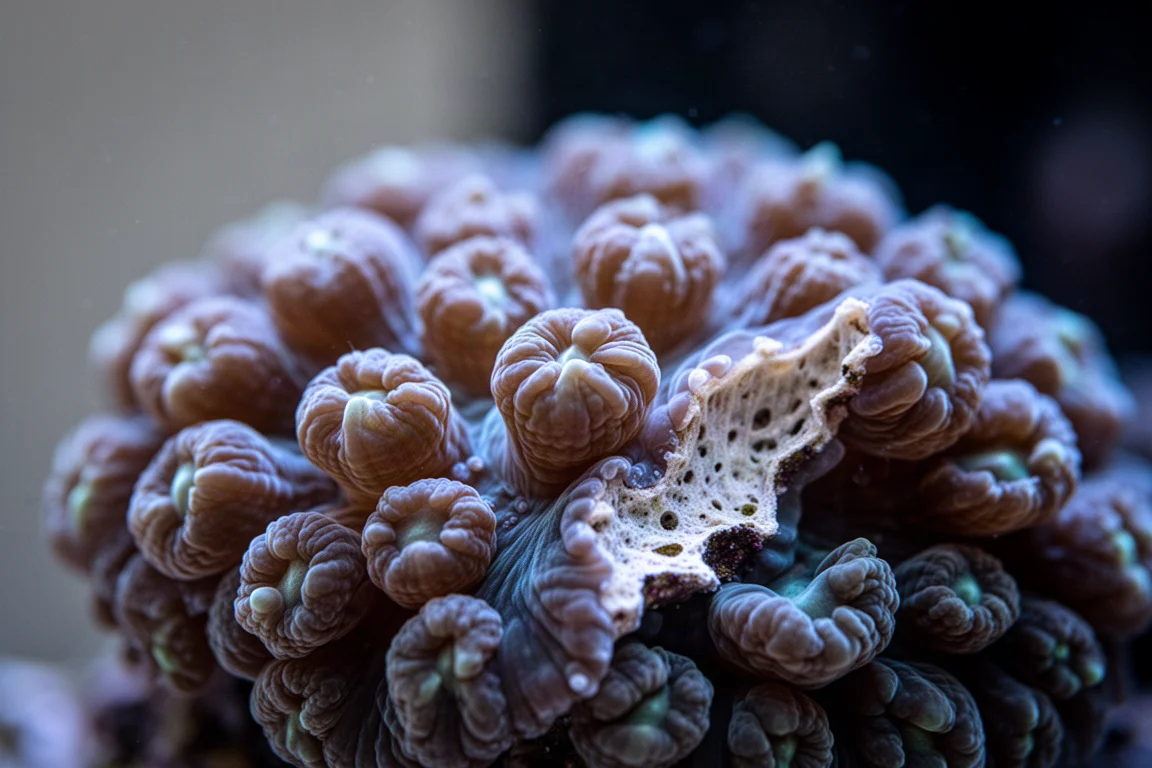
Some corals cannot be cut at all, including Scolys, Trachys, Wellsos, and Elegances. For those, the gentler route is to remove dead tissue with a baster or a soft brush, then dip the coral to sterilize the area and support recovery.
How to Dip Corals with Lugol’s: Practical Tips
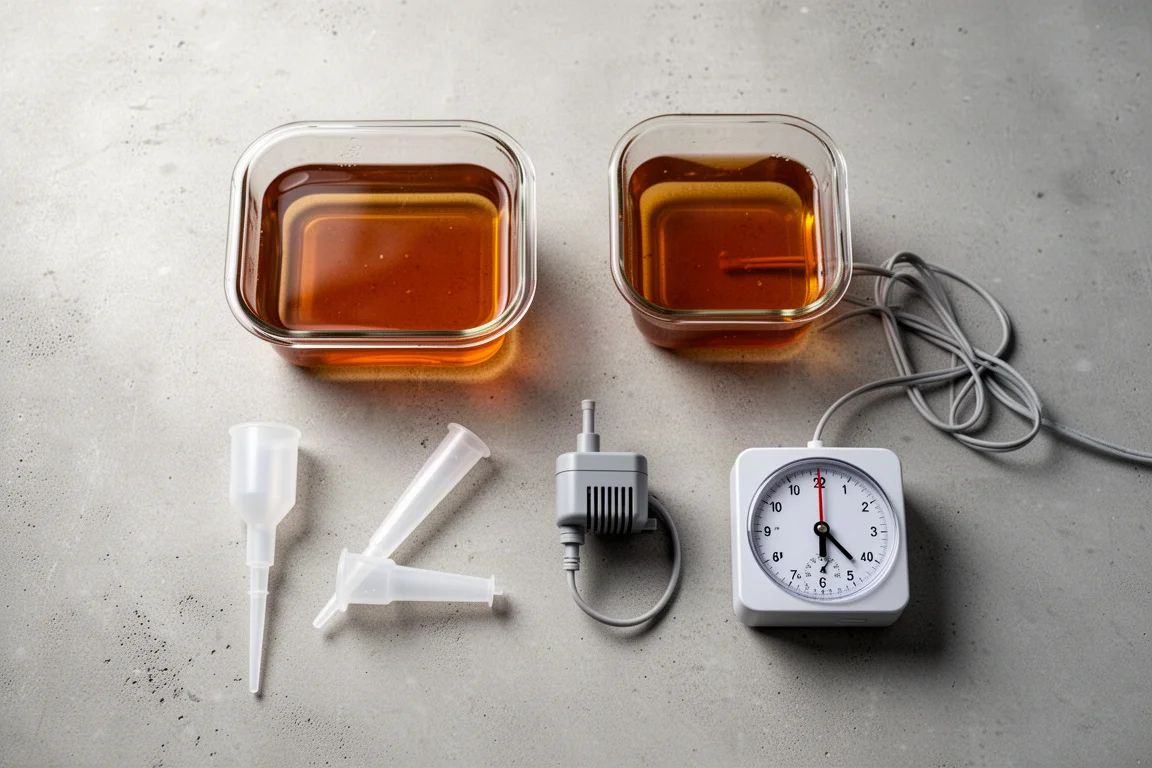
Matching water parameters is the first habit worth building. Whether the dip water comes from the tank or from freshly mixed saltwater, salinity, temperature, and other basic parameters should line up as closely as possible. A dip that shocks the coral adds stress on top of whatever is already wrong.
Second, follow the manufacturer’s directions exactly. Brightwell’s dip calculation is straightforward, and the concentration behind it has been tested over decades of use. Measure, set a timer, and do not improvise on duration.
Third, add gentle flow during the dip. A small pump or a turkey baster used to blow water across the affected area helps clear damaged tissue away. That mechanical cleaning is considered beneficial both for preventing further infection and for recovery, and it is easy to do with equipment most reef keepers already own.
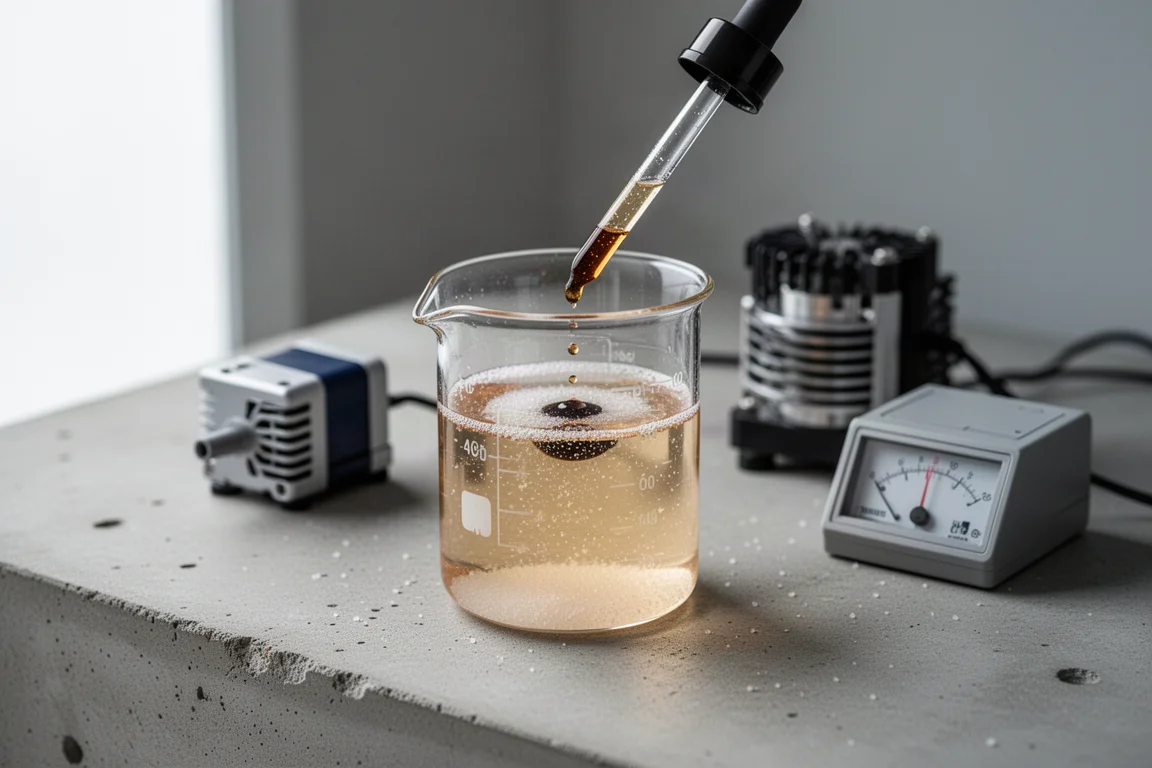
The same technique applies whether you are running a routine preventative dip on a new arrival or treating a coral that is already a concern. Consistency in matching parameters, following the calculation, and using a timer is what makes the process safe rather than risky.
Safe Use and Cautions
The strongest results come with LPS corals and freshly cut LPS frags, which is where this dip is most often used. Lugol’s has also been used as a dip for anemones, Zoanthids, and other soft corals, but those uses call for caution, so treat them as advanced applications rather than a default first step.
Prevention deserves as much attention as treatment. Adopting a dip-every-coral habit before anything enters the display tank is the simplest way to reduce the chance of introducing an infection that may not show itself for days or weeks. Since packing and shipping stress, lighting changes, flow, water quality, salinity, and temperature can all weaken a new coral’s defenses, the pre-entry dip is cheap insurance.
It is also worth keeping expectations realistic. A dip addresses bacteria and damaged tissue, not the underlying cause of every problem. If a coral keeps declining, water quality, placement, flow, and tank-mate behavior all deserve a review.
Things to Consider Before Buying
The main practical consideration is that this is a treatment tool, not a cure-all. Infections in corals can take days or even weeks to appear, so a single dip does not guarantee a coral is clean. Monitoring after the dip matters as much as the dip itself.
There is also a handling consideration. The solution is a highly reactive iodine and iodide formulation, so directions and dip timing should be followed carefully, and a timer should always be part of the process. Reef keepers who prefer to improvise will get less out of it than those who follow the label.
Finally, the corals that cannot be cut need a different workflow. Removing dead tissue by baster or soft brush before dipping is more hands-on than clipping an infected section away, and it is worth knowing in advance whether the corals in your tank fit that category.
Buying Advice
This dip makes the most sense for reef keepers who keep LPS and soft corals and want one reliable bottle for both new arrivals and problem cases. The full 2% iodine concentration is the reason to choose this version over weaker Lugol’s products, and the dual preventative and treatment role is what justifies keeping it on hand rather than buying it once for a single issue.
Buy it before you need it. A bottle sitting on the shelf means you can dip a coral the day it arrives or the day something looks wrong, instead of waiting on a delivery while a problem develops. Pair it with a small pump or turkey baster and a timer, and the routine is complete.
Conclusion
Brightwell Aquatics Lugol’s Solution is a straightforward, well-established option for anyone treating or preventing bacterial infections in LPS, Zoanthids, and soft corals. Its case rests on two things: a full-strength 2% iodine concentration that many competing products no longer maintain, and a highly reactive iodine and iodide formula that oxidizes and disinfects damaged tissue to help stop the spread of infection and support recovery.
Used with matched water parameters, the manufacturer’s dip calculation, gentle flow over the affected area, and a timer, it fits neatly into both a preventative dip-every-coral routine and a reactive response to closed polyps, damaged tissue, or brown jelly disease. For reef keepers with LPS and soft corals, it is a sensible bottle to have within reach.
Product link
View more details for Brightwell Aquatics Lugol's Solution
This product is mentioned in the review. Check the specifications, options, and compatibility before buying.
View more details for Brightwell Aquatics Lugol's SolutionFurther reading
Related Reviews
Aquarium Supplies
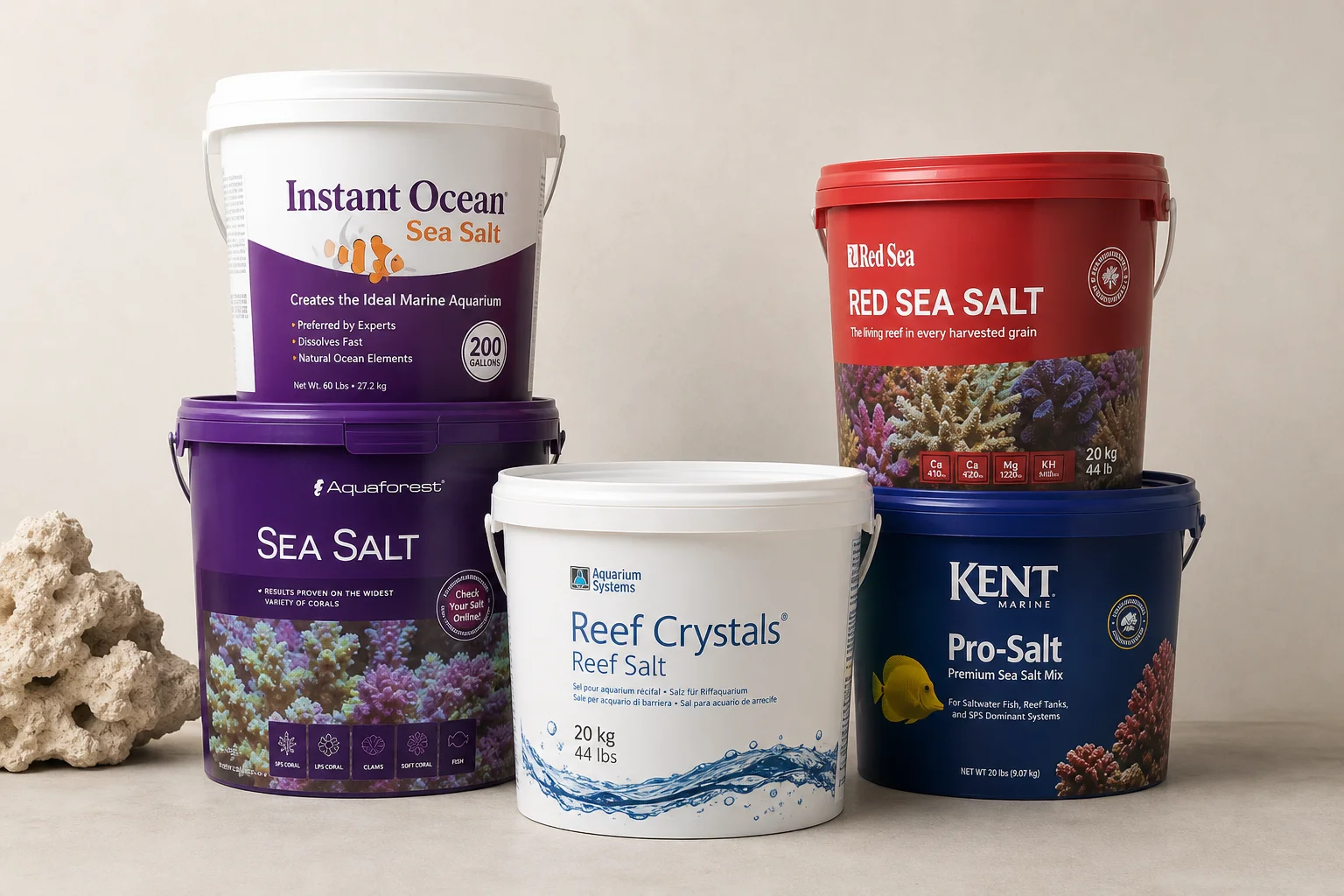
Best Saltwater Aquarium Mixes: A Beginner's Guide to Seawater Chemistry
Understanding seawater mixes and how to choose the right one for your reef tank, FOWLR setup, or beginner goals.
Aquarium Supplies
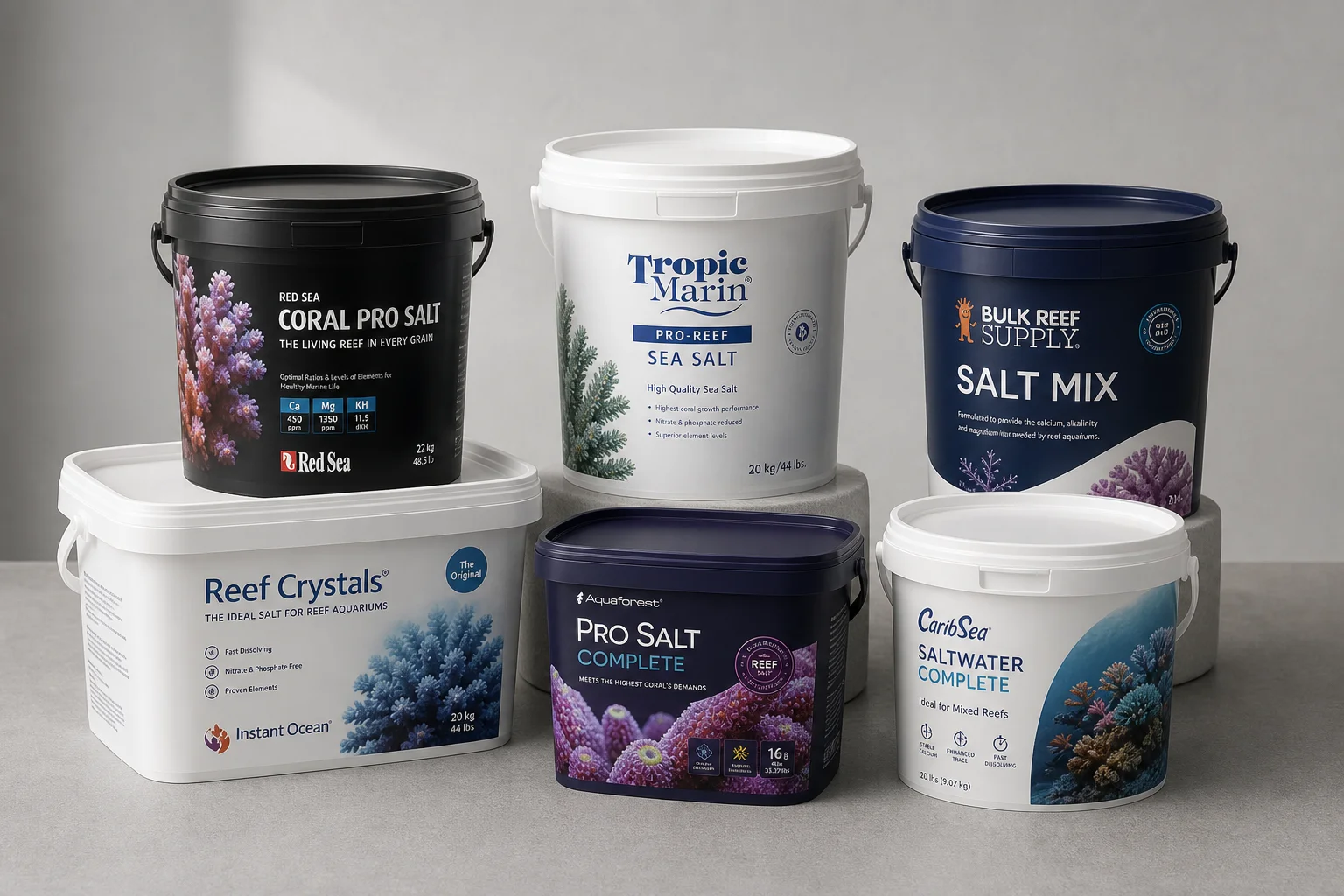
Best Saltwater Aquarium Salt Mixes 2019: Six Categories Tested and Ranked
A comprehensive breakdown of the top salt mixes across popularity, cost, mixing speed, purity, consistency, and overall performance for reef aquariums.
Aquarium Supplies
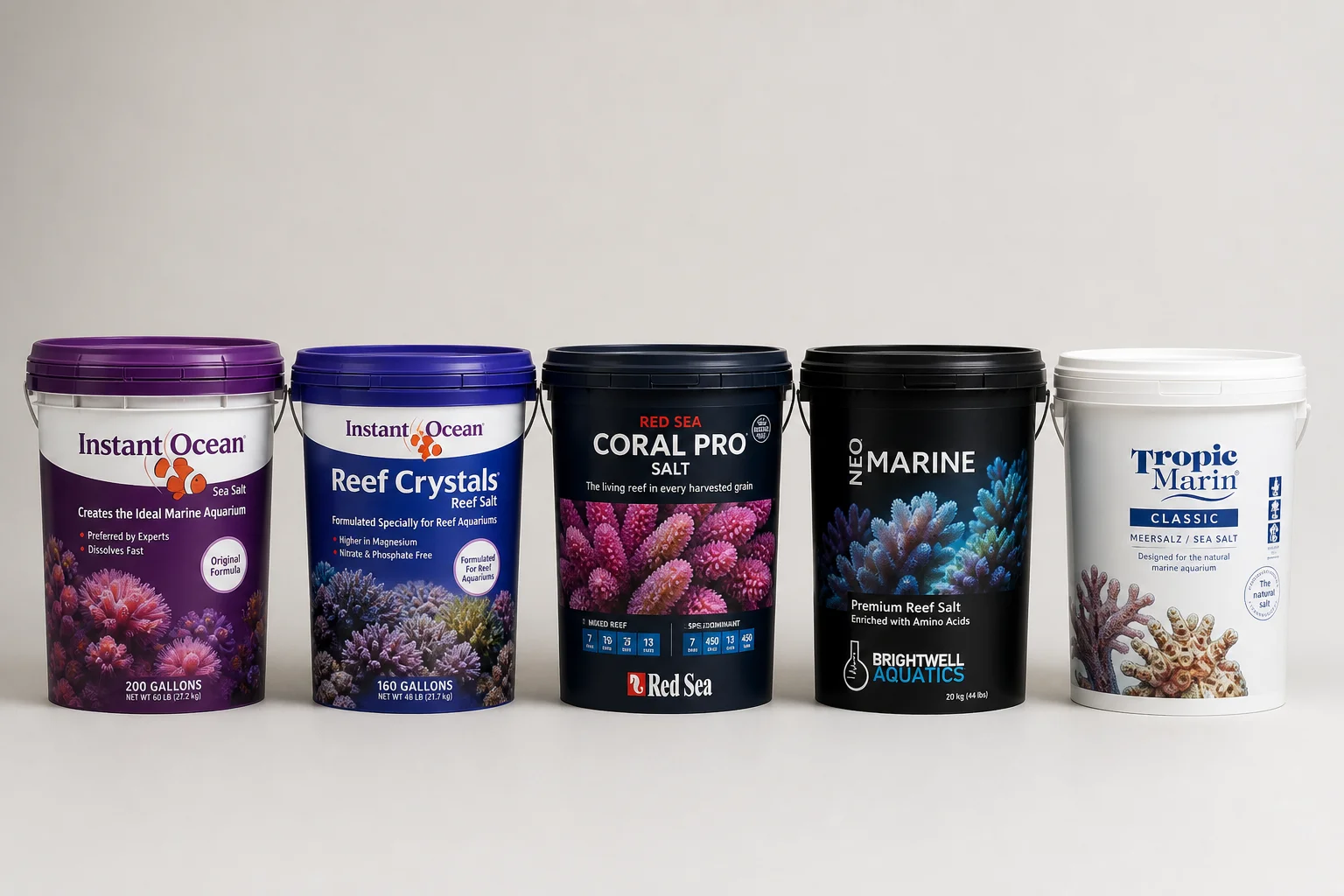
Best Saltwater Mixes for Aquariums: A Practical Guide for Beginners and Reef Keepers
Compare the top saltwater mixes by price, calcium, alkalinity, and intended use. Find the right mix for your tank setup and learn the proper mixing procedure.