Running Gear
Brighton 10K Test Day: Alphafly, Alphafly 2, Vaporfly, Suunto Race and Polar Vantage V3
Five pieces of race-day kit put to the test on a windy Brighton 10K course, covering supershoe feel, watch reliability and pacing.
Introduction
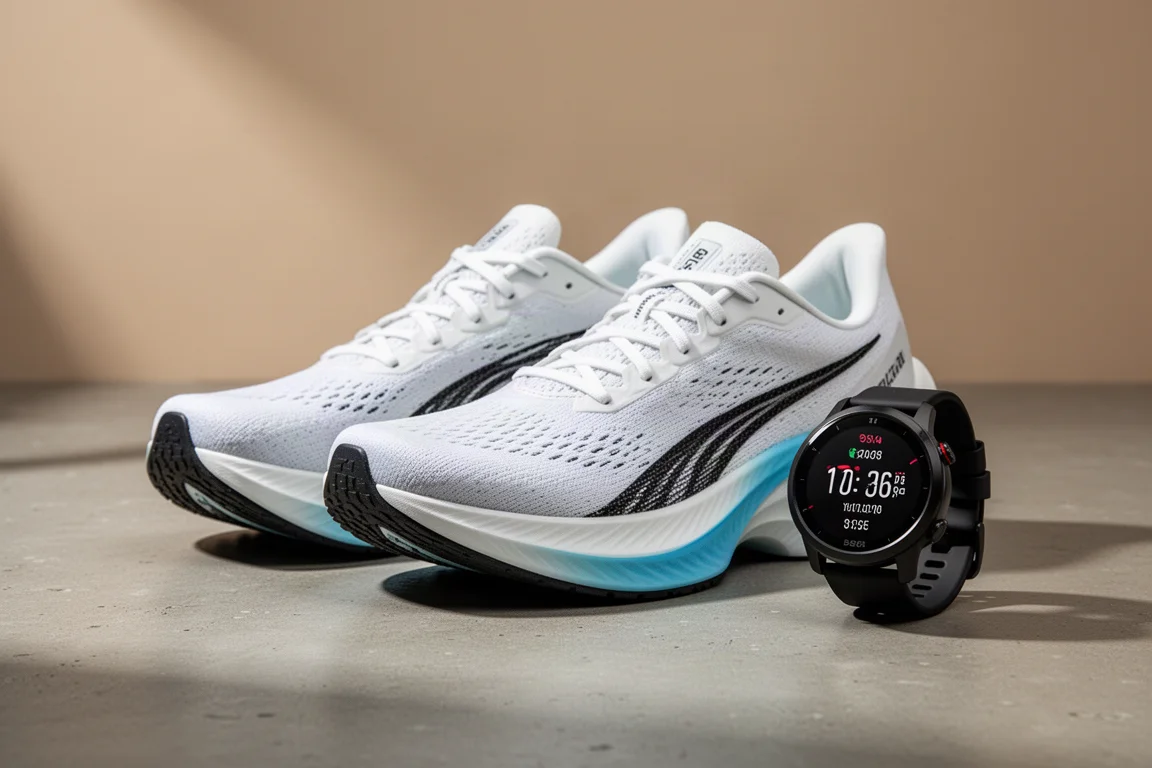
A windy 10K on the Brighton seafront is not the gentlest place to test race-day kit, but that is exactly what makes it useful. When the weather turns against you, the strengths and weaknesses of your shoes and watch stop being abstract and start costing you time. On this occasion, five products got a proper test: the original Nike Alphafly, the Alphafly 2, the Vaporfly, the Suunto Race and the Polar Vantage V3.
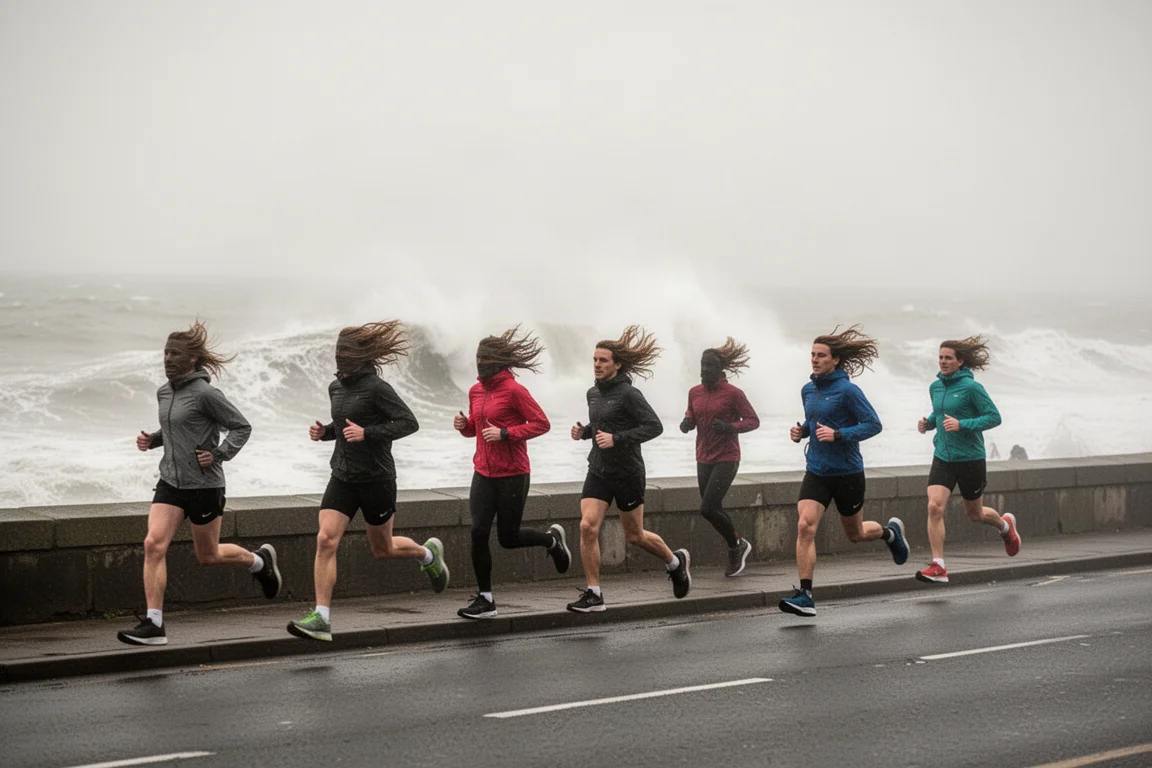
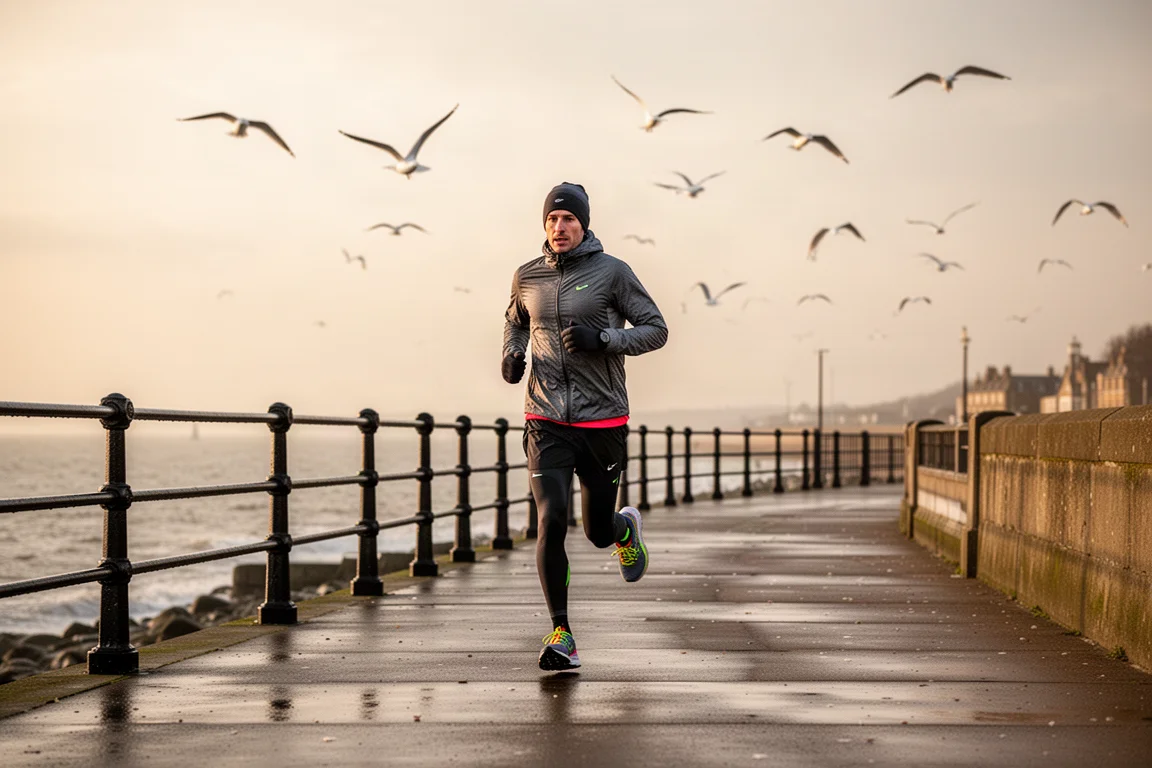
The race itself delivered plenty of material. A headwind out, a long stretch of tailwind, another grinding headwind from around 5K to just past 9K, and then a fast final 800m downwind. Pacing on a course like that is genuinely difficult, and the gear has to work under conditions you would not choose.
How We Tested
The Brighton 10K follows the seafront, and when it is not a 25mph wind day it is a ridiculously good course. The route includes a short dogleg before the finish, which gives you something to aim for rather than a straight out-and-back slog. Most other local races stick to the seafront path and run in laps, so this road version stands out as one of the best in the area, second only to the Brighton Marathon Festival 10K.
November on the coast is a gamble, though. A race a few weeks earlier had been still and calm; this one was blowing directly into and behind the runners for most of the route. Anyone planning a PB attempt here should know the wind can decide the outcome for you.
Nike Alphafly: Still Special
The original Alphafly, bought for a marathon and then unused on race day, has come out of retirement as a main training and racing shoe, and the years have been kind to it. Considering the wave of supershoes released since, it remains remarkably light, since both the Alphafly 3 and the Alphafly 2 are noticeably heavier than this first version.
The defining trait is the bounce. Running downwind, the shoe glides, and when you surge or chase a group, it delivers an extra push and propulsion that many later shoes do not match. Compared with lightweight, higher-drop, more nimble racers, it trades agility for a booming, cushioned ride. That nimbleness is what the later models lost: the Alphafly 2 is bigger and bouncier, but kicking hard in it, the way you need to when bridging to a group in a crosswind, is harder work.
With a new Alphafly reportedly on the way, availability of this original model is shrinking, which is worth remembering before it disappears entirely.
Nike Alphafly 2: Big, Bouncy, Less Nimble
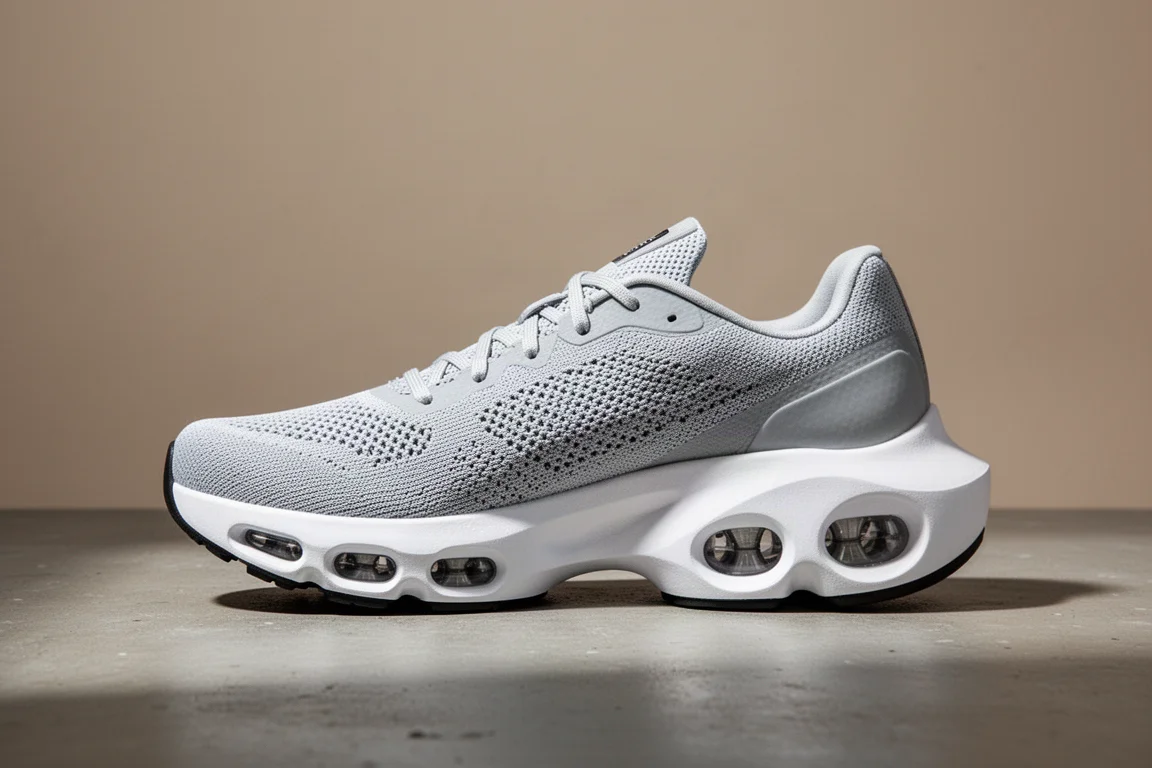
The Alphafly 2 doubles down on the Alphafly concept. There is a lot of foam underfoot and a plush, energetic ride that feels almost like a hybrid of the Alphafly and its bigger sibling, springy in a way that makes long efforts feel cushioned and positive.
The trade-off is the same one noted above: the ride is big and bouncy, but the shoe does not have the nimble edge of the original. When you want to suddenly lift the pace and snap into a faster rhythm mid-race, the Alphafly 2 is slower to respond. For runners who prioritise maximum cushioning and bounce over sharpness, that is a comfortable compromise rather than a flaw.
It is also on the heavier side compared with the original, and it looks set to become cheaper once the next generation arrives and stock is cleared.
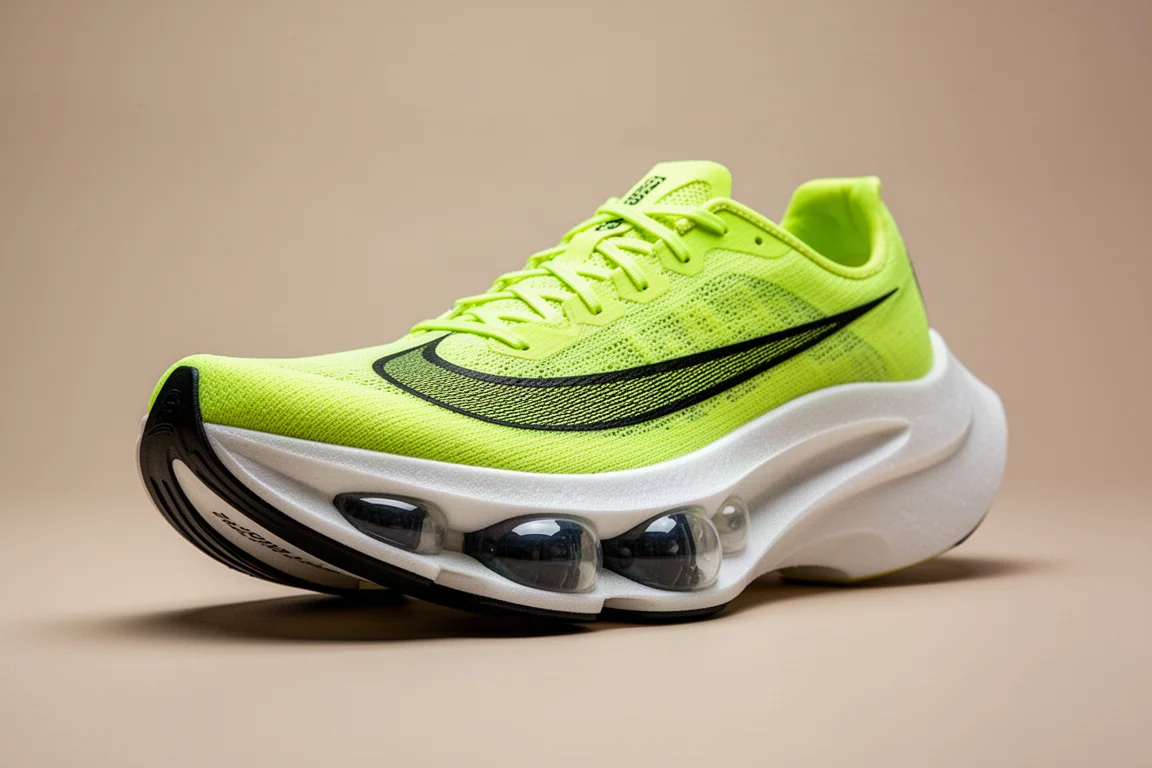
Nike Vaporfly: The Nimble Classic
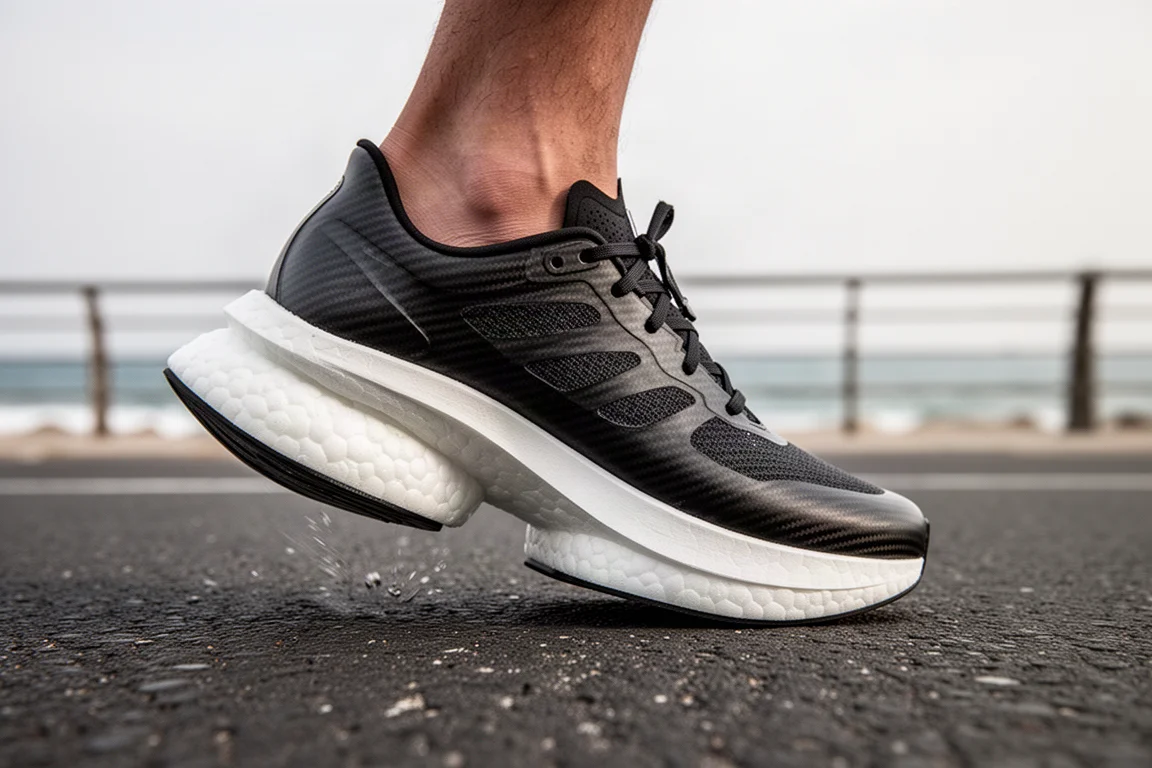
The Vaporfly keeps its place as the lighter, sharper option of the family. It is easy to turn the legs over in, sits a little more forward in its geometry, and suits runners who prefer a lightweight, quick-feeling racer over the bigger, boomier Alphafly approach.
It does not offer the same cloud of cushioning, and some runners will always prefer the Alphafly’s bouncier platform. But for surging, changing pace, and days when responsiveness matters more than padding, it remains a very compelling choice. Between the two models, the honest answer is that they reward different styles rather than one simply being better.
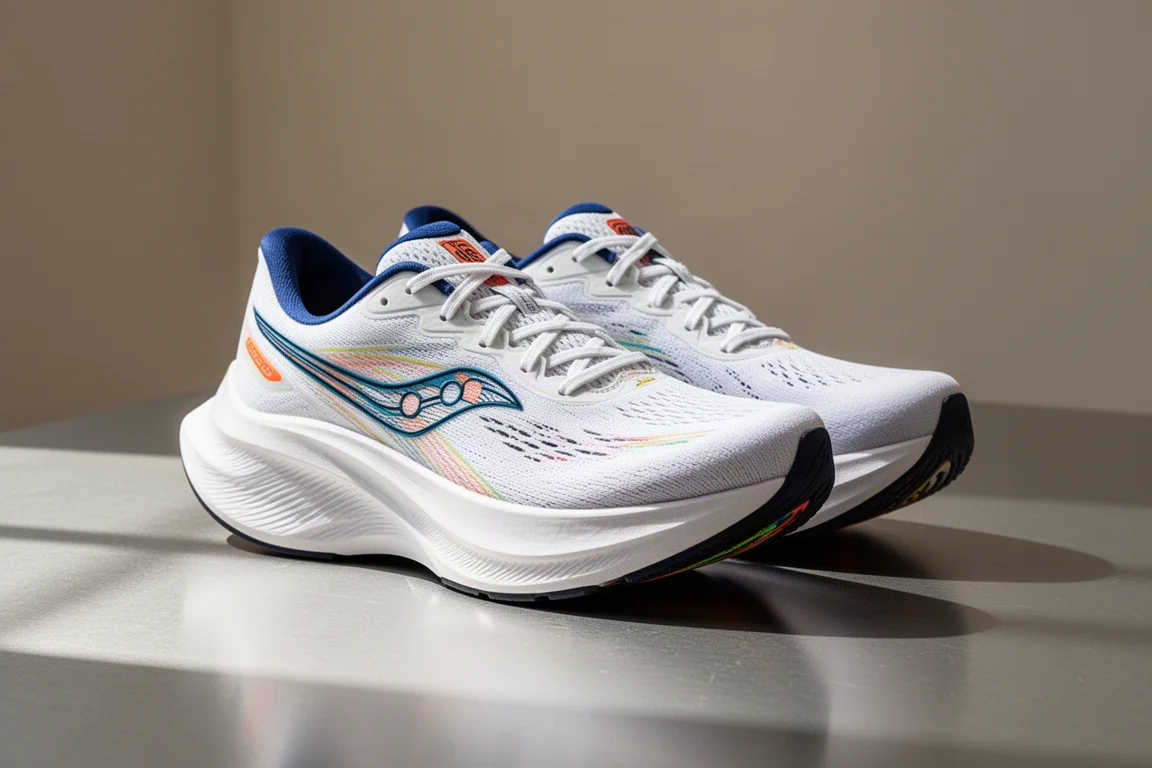
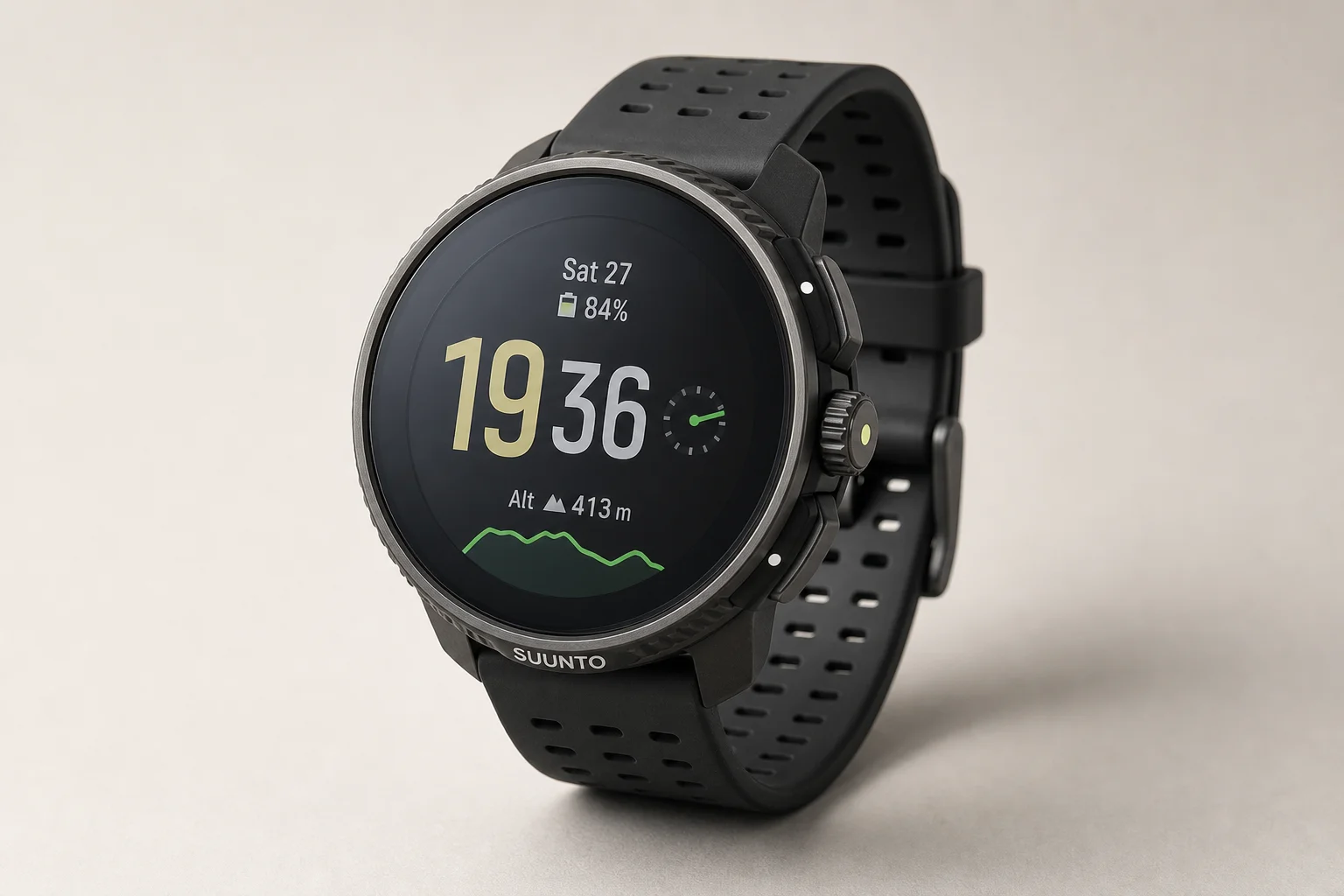
Suunto Race: Brilliant, With One Ugly Moment
In testing the Suunto Race has been genuinely excellent, close to earning a glowing review. It is part of a new wave of race watches that are clearly closing the gap on the market leaders, and on most training days it delivers everything you want from a modern GPS sports watch.
Race day, however, told a different story. Around 5K into the 10K it simply switched itself off and dropped back to the home screen, meaning the race went unrecorded at the moment it mattered most. One crash does not erase the strong testing record, but reliability is hard to review fairly when the failure happens on race day rather than on a training run. A full verdict needs more time and more races.
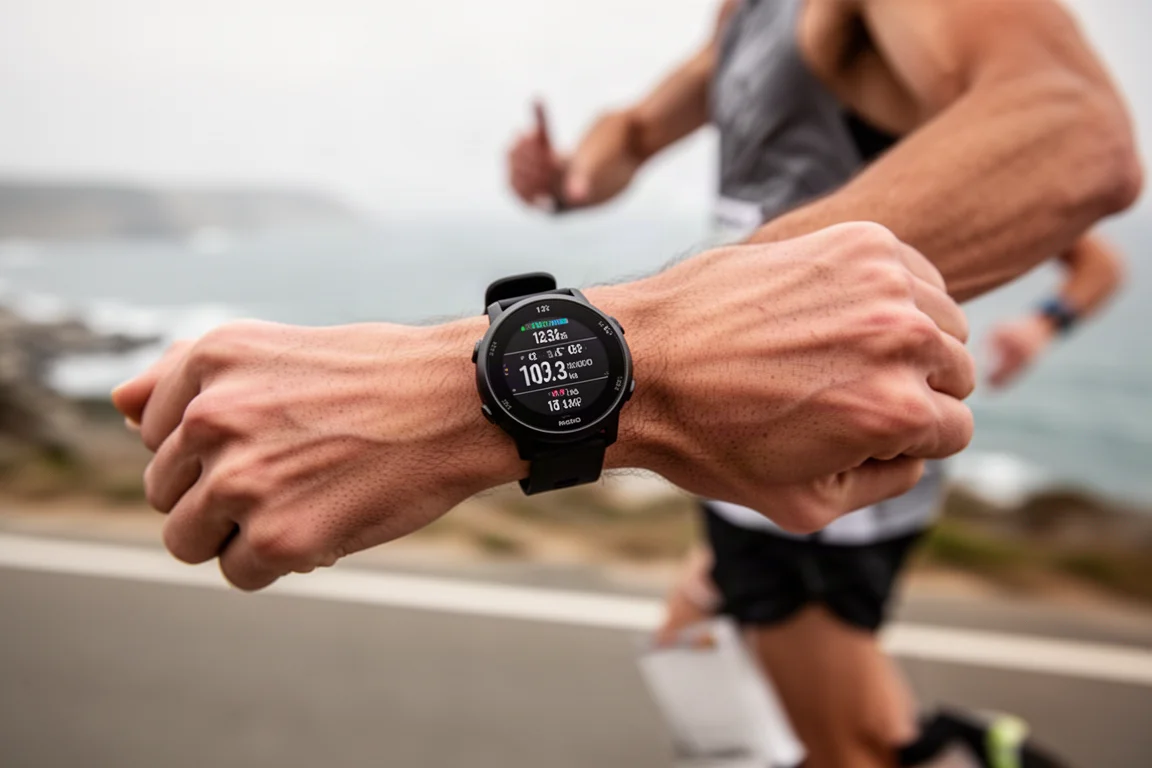
Polar Vantage V3: The Better Day
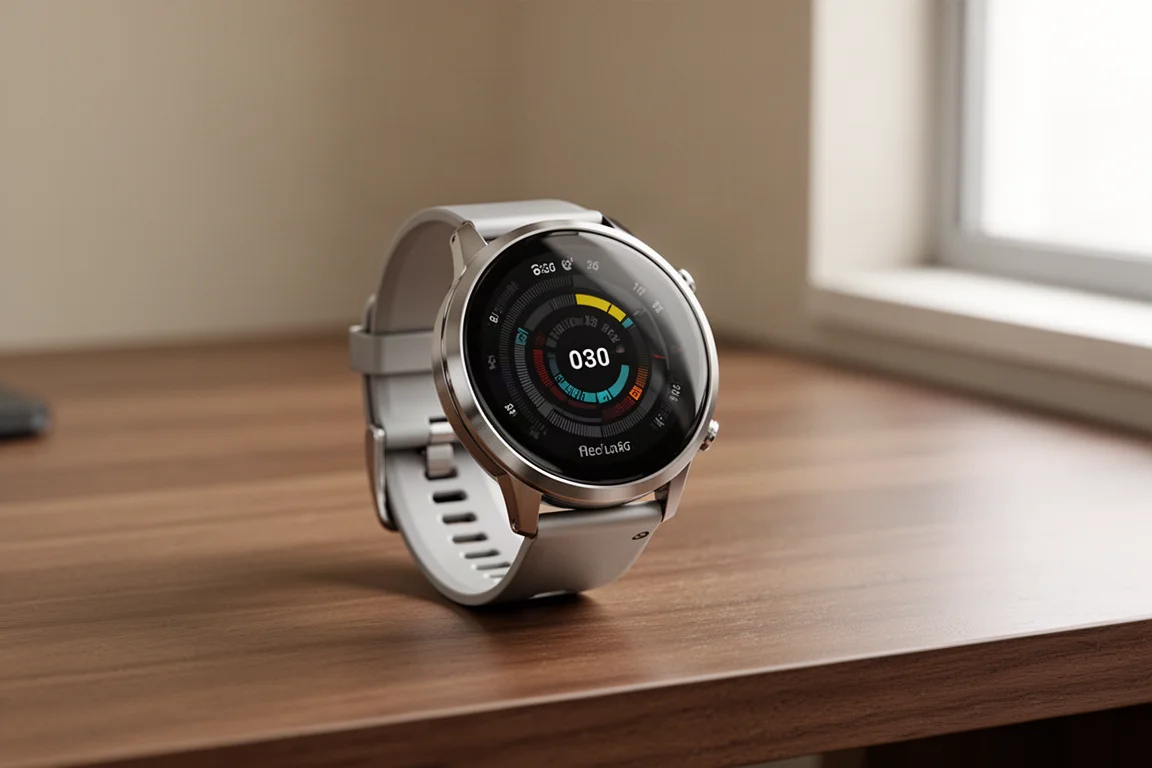
The Polar Vantage V3 has not been as consistently strong as the Suunto in general testing, and this was a second unit after the first one’s screen gave out and broke. Yet on this 10K it was the watch that behaved. It ran the full distance, logged the race distance accurately, and its lap markers came out essentially bang on, making it easy to pace with in tricky wind conditions.
Across two races on two watches, both had been excellent in training and both had failed on race day at least once. That is frustrating, but it also shows how close these brands now are to the established leaders: in training, both the Suunto Race and Polar Vantage V3 are genuinely competitive, and the gap is mostly about consistency on the days that count.
Overall Buying Advice
If you want maximum bounce and cushioning in a supershoe, the Alphafly 2 delivers it in spades, but if you value a light, responsive ride and the ability to change pace instantly, the original Alphafly or the Vaporfly will suit you better, and the original is getting harder to find as a replacement approaches. On watches, the Suunto Race offers brilliant everyday performance with a question mark over race-day reliability, while the Polar Vantage V3 proved itself exactly where it counts in this test. Neither brand is quite at the consistency level of the market leader yet, but both are close.
Dress for the wind too. Layering wisely matters: a warm technical top without a base layer turned out to be the right call in changing conditions, while a dedicated winter racing base layer is better saved for genuinely cold days.
Conclusion
The Brighton 10K rewarded kit that handles chaos: shoes that let you surge into a headwind and a watch that held its GPS through the whole route. The original Alphafly and the Polar Vantage V3 were the standouts of the day, while the Alphafly 2, Vaporfly and Suunto Race each showed their strengths elsewhere and their trade-offs on race morning. As always, the best gear is the gear that matches how you actually run.
Further reading
Related Reviews
Running Gear
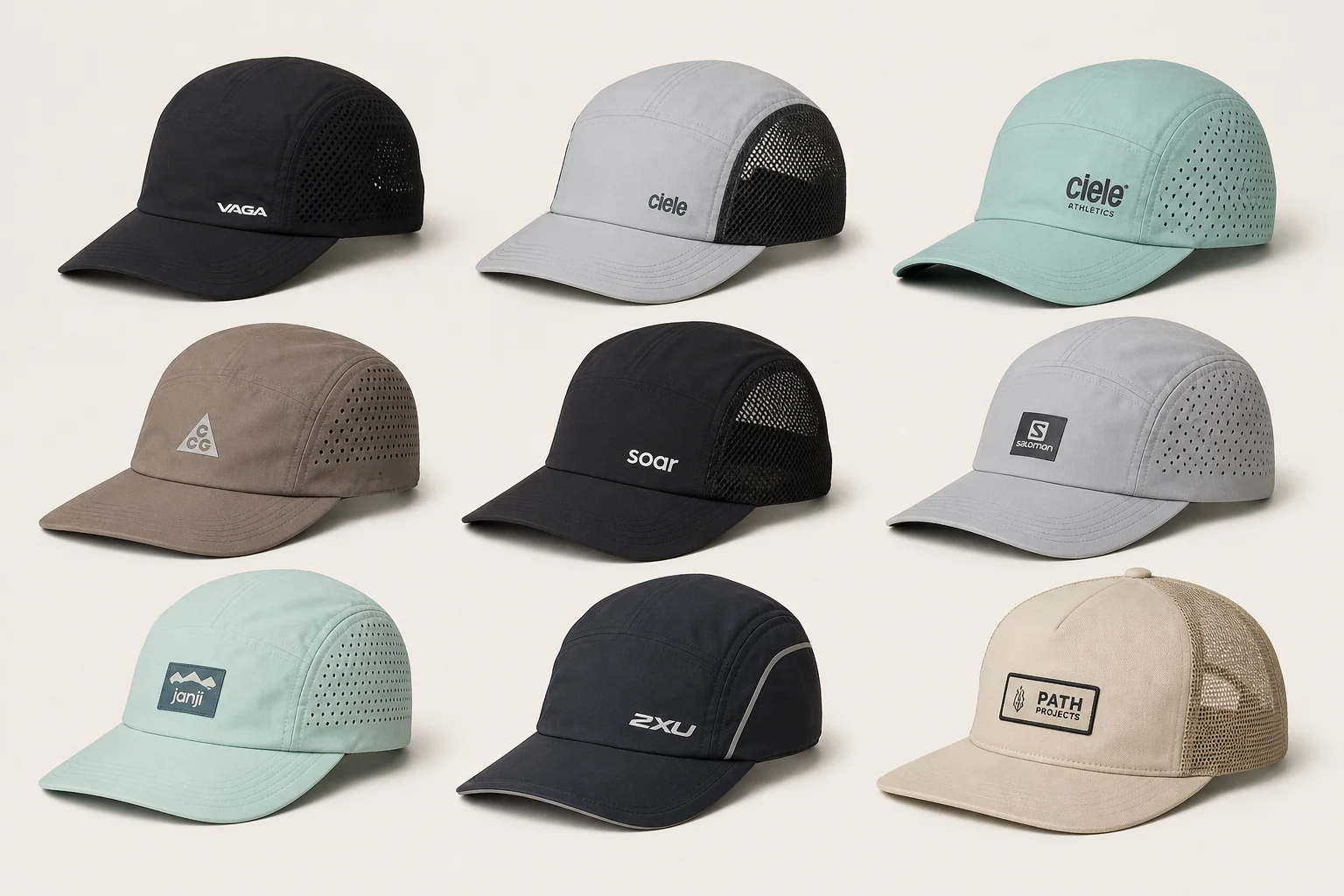
Best Running Caps 2026: Nine Tested Options for Summer and Winter
A comprehensive guide to nine running caps tested across different conditions, from lightweight summer options to waterproof winter choices.
Running Gear
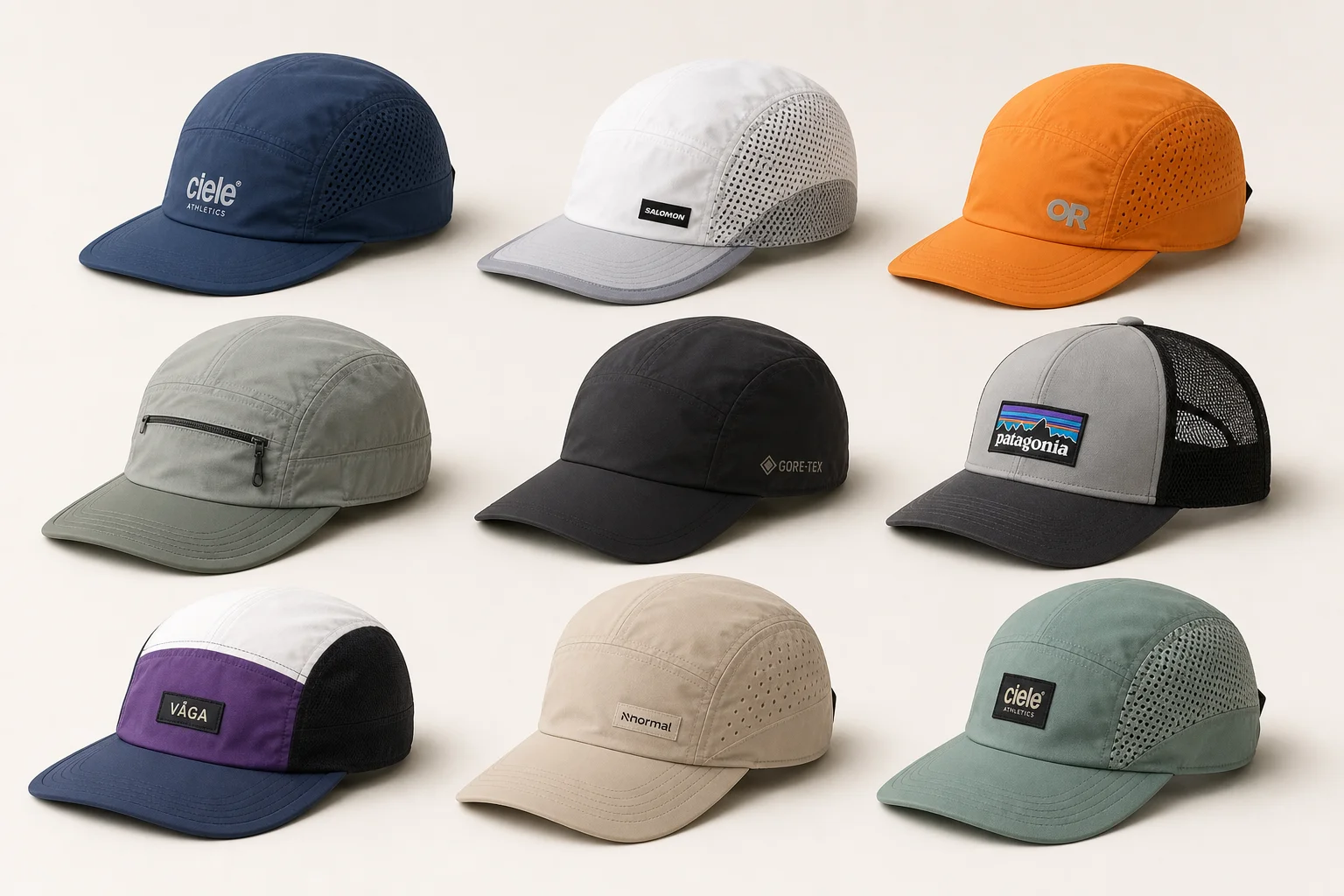
Best Running Caps: A Guide to Summer and Winter Options
A comprehensive review of nine running caps for different conditions, styles, and preferences, from lightweight summer options to waterproof winter choices.
Running Gear
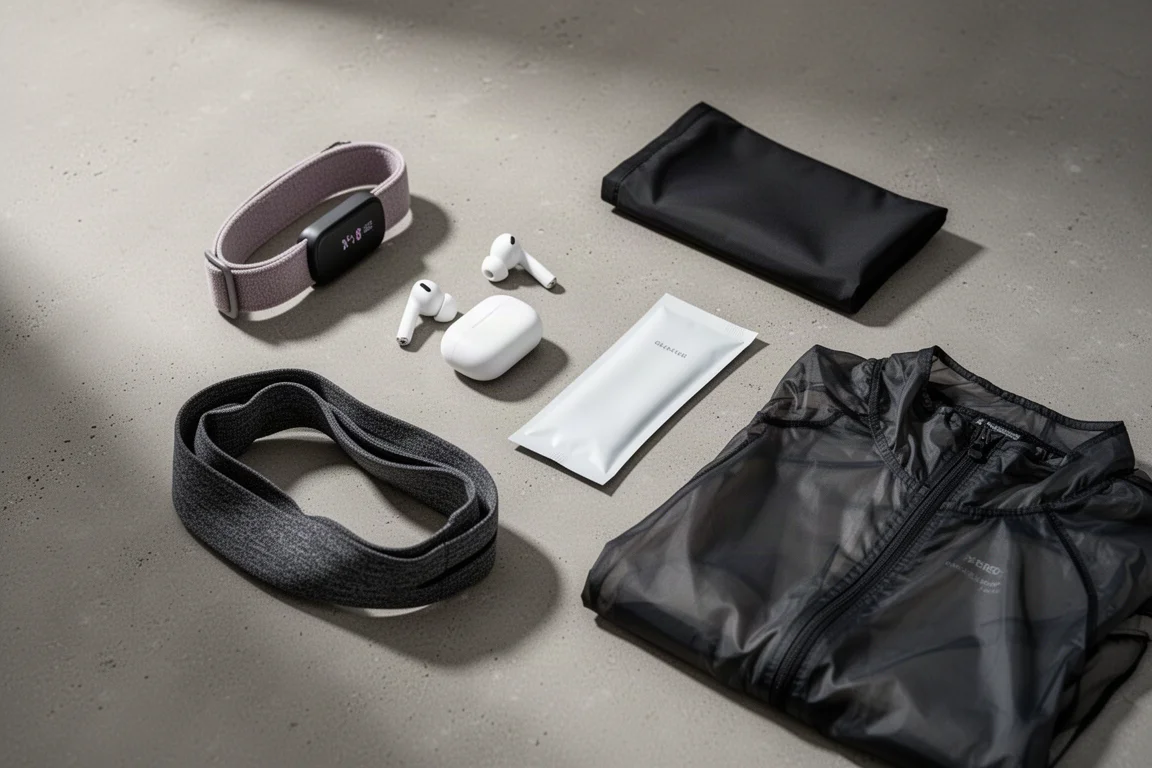
Best Running Gear 2026: Five Picks That Earn Their Place
Five running upgrades covering heart rate, audio, fuelling, carrying and weather protection, with the trade-offs worth knowing before you buy.