Power Tools
Bosch vs Milwaukee Rotary Hammer: Which One Fits Your Work?
Two rotary hammers tested side by side on drilling speed, ergonomics, versatility, and long-term durability to help you pick the right one.
Introduction
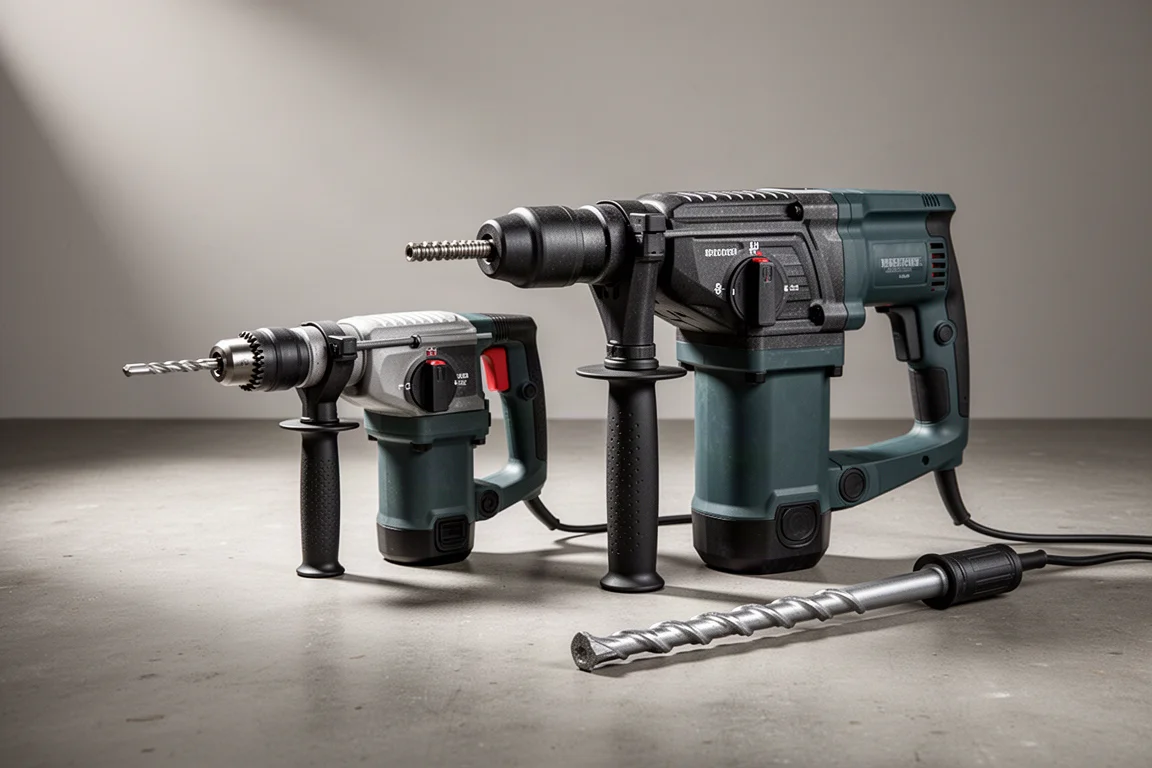
Nobody wants to spend all day drilling one hole in concrete. That is exactly why a rotary hammer exists: it turns a slow, punishing chore into quick, repeatable work. But not every rotary hammer is built for the same job, and choosing between a lighter model and a heavy-duty machine comes down to how you actually work.
We compared two very different rotary hammers across four areas: drilling capacity and speed, user friendliness, versatility, and expected durability. The results make the trade-offs clear.
Drilling Speed: Real-World Timed Tests
The fastest way to see the difference is to time both machines on the same task: drilling a one-inch hole all the way through a concrete slab. The Milwaukee heavy-duty spline rotary hammer finished in 46.6 seconds. The Bosch completed the same hole in one minute and 22 seconds.
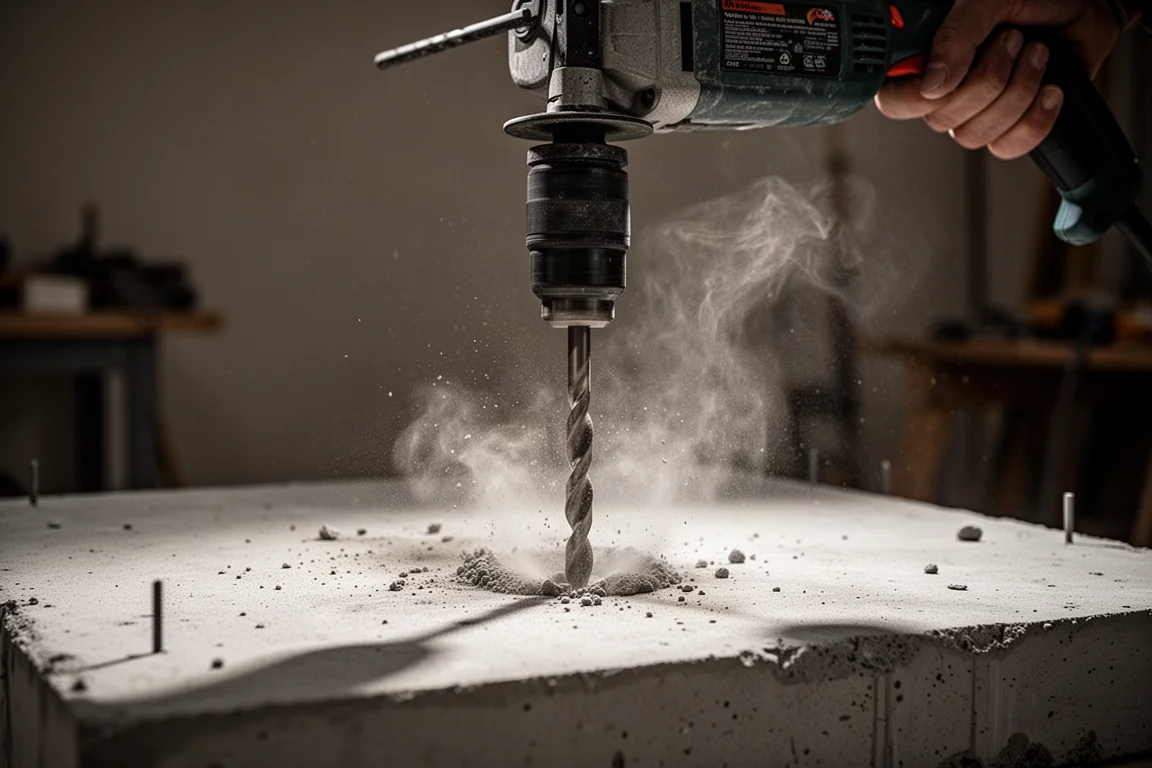
The Milwaukee clearly wins on raw speed in heavier applications, and it will beat the smaller machine every time on demanding holes. The Bosch is no slouch on smaller work, but it needs a little more time on thick slabs.
Ergonomics and User Friendliness
This is where the balance tips the other way. Drilling at floor level or working overhead, the lighter Bosch is far easier to lean on and control. Instead of relying mostly on wrist strength, the smaller format lets your body weight and stance do more of the work.
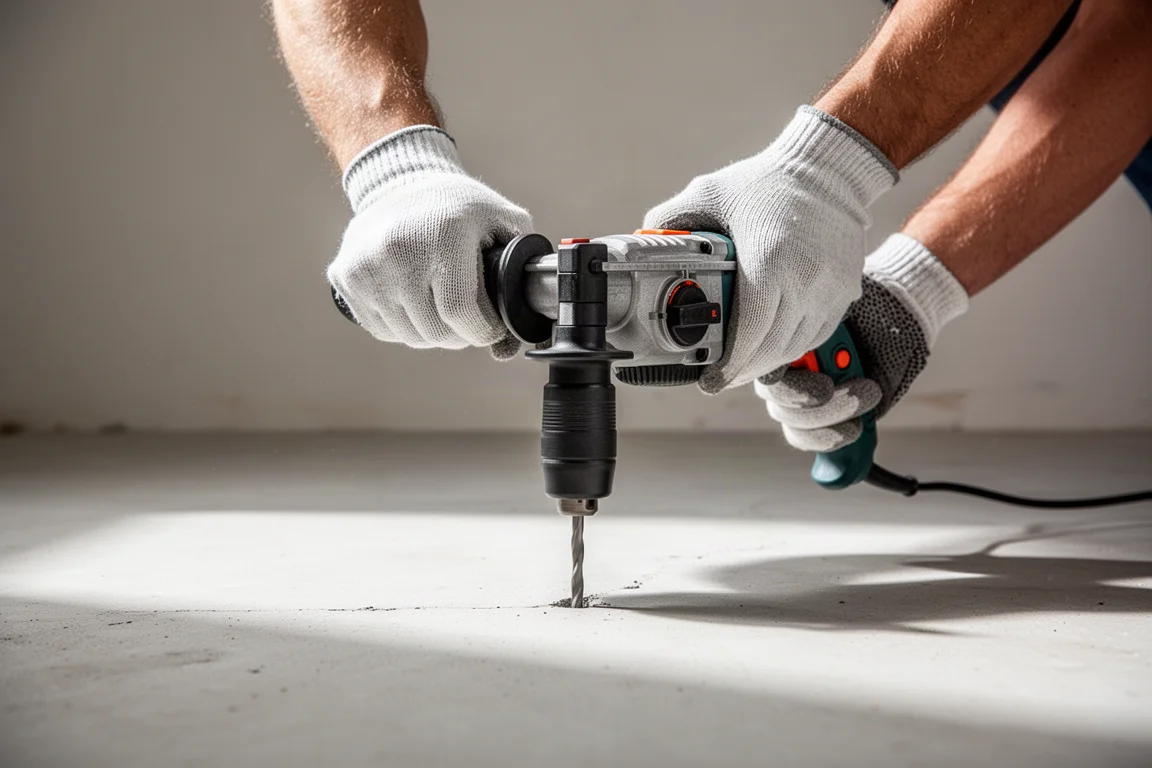
For fussy jobs where you need to ease into the cut, such as working carefully near finished spaces, the lighter machine has a lot to offer. The Milwaukee, by contrast, is a physical tool: drilling overhead through a ceiling or into a wall will work your arms and shoulders hard. Heavy work demands a ready body.
Versatility and Bit Range
On versatility, the smaller machine takes it. The Bosch will drill, hammer drill, and hammer-only, meaning with a chisel bit you can break concrete, chisel it off, or bush hammer it without the turning action at all. Its bit range runs from 1/8 inch up to 1-1/8 inches, which covers nearly every size a typical job needs, though it realistically runs out of power somewhere around 5/8 of an inch depending on the bit.
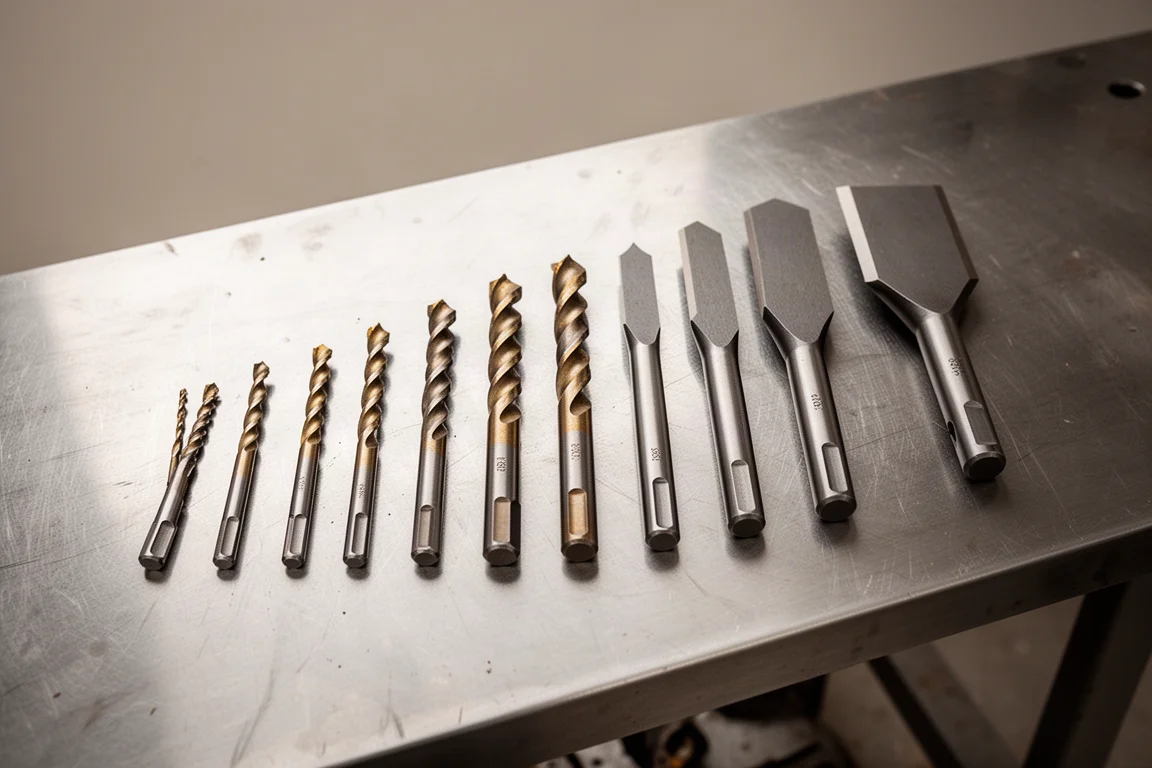
The Milwaukee is a different animal. It takes regular bits up to roughly 1-1/2 inches, and with hole saw attachments the practical maximum gets much larger. It goes big where the Bosch goes small. Note that this spline model does not offer the hammer-only chiseling mode; it is built for drilling, not demolition.
Toughness and Long-Term Durability
Between the two, durability is not close. Under heavy use, you could wear out a dozen lighter machines before wearing out one heavy-duty spline rotary hammer. The Milwaukee is built to keep running for years, well beyond the point where a lighter tool would be retired or replaced by a new battery platform.
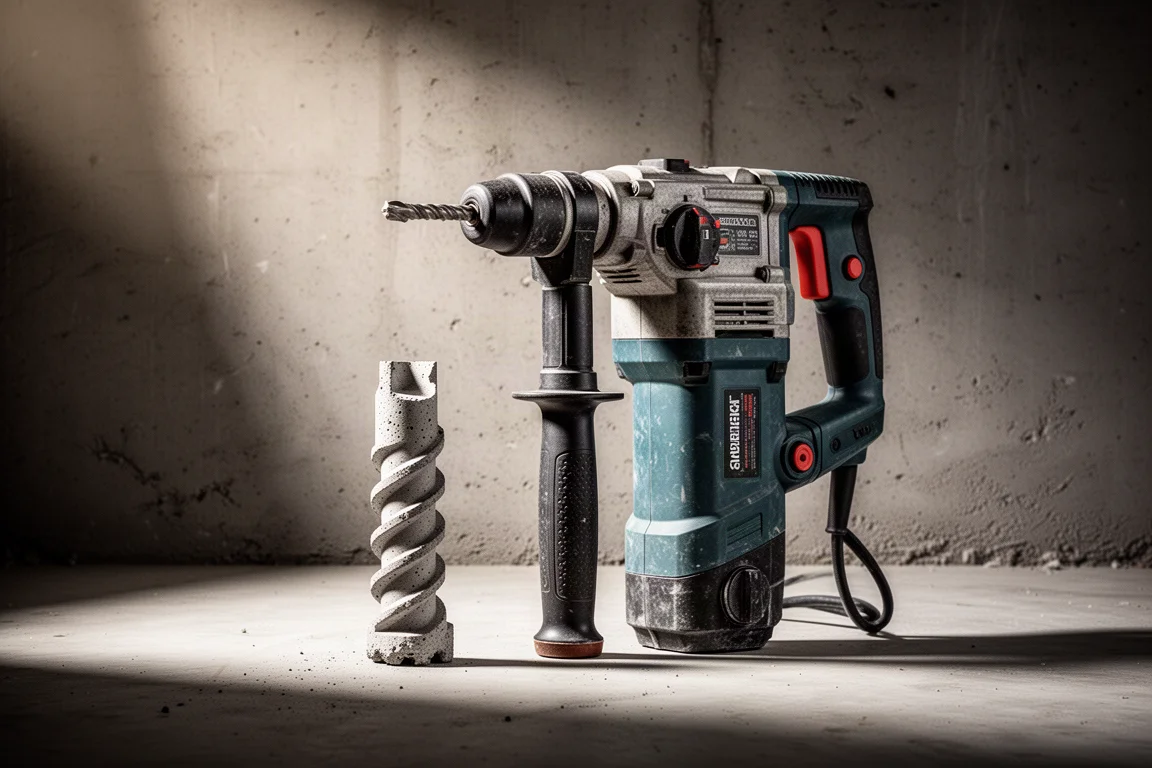
If your days involve slabs, walls, and ceiling penetrations on a regular basis, that toughness is worth the extra weight and effort.
Overall Buying Advice
You will never find one tool that does everything. For medium to light construction work, the Bosch-style lighter rotary hammer is the better fit: faster to handle, more versatile, and comfortable for floor and overhead work in sensitive spaces. For heavy-duty slab and structural drilling where speed and longevity matter most, the Milwaukee 11 amp spline rotary hammer is the tool that will still be running long after lighter options have been retired.
Conclusion
Match the tool to the work. Light to medium jobs reward the compact, versatile option; heavy concrete work rewards the bigger, tougher machine. Assess your typical holes honestly, and the right choice becomes obvious.
Product link
View more details for Bosch Rotary Hammer
This product is mentioned in the review. Check the specifications, options, and compatibility before buying.
View more details for Bosch Rotary HammerFurther reading
Related Reviews
Power Tools
Best 1-Inch Pistol Impact Wrenches: Three Heavy-Duty Options Compared
We compare three 1-inch pistol impact wrenches, from a budget-friendly Harbor Freight model to a premium Caterpillar unit, to help you choose the right one.
Power Tools
Best 3/4-Inch Impact Wrenches 2026: Five Contenders Compared
We compare five 3/4-inch impact wrenches across price and performance, from a budget Amazon option to Snap-on's most powerful model yet.
Power Tools
Best Budget Cordless Tools 2026: Walmart Finds That Punch Above Their Price
We tested five cordless tools from Walmart, including a high-torque impact wrench that trades blows with Milwaukee and a $35 duster that outperforms its price class.