Power Tools
Bosch vs Milwaukee Mid-Torque Impact Wrenches: Four Cordless Guns Put to the Test
The new Bosch GDS 18V-330 faces Milwaukee's Gen 2 mid-torque, an older 500-rated Bosch, and the beastly ProFactor high torque in a comparison that reveals some surprising overdelivery.
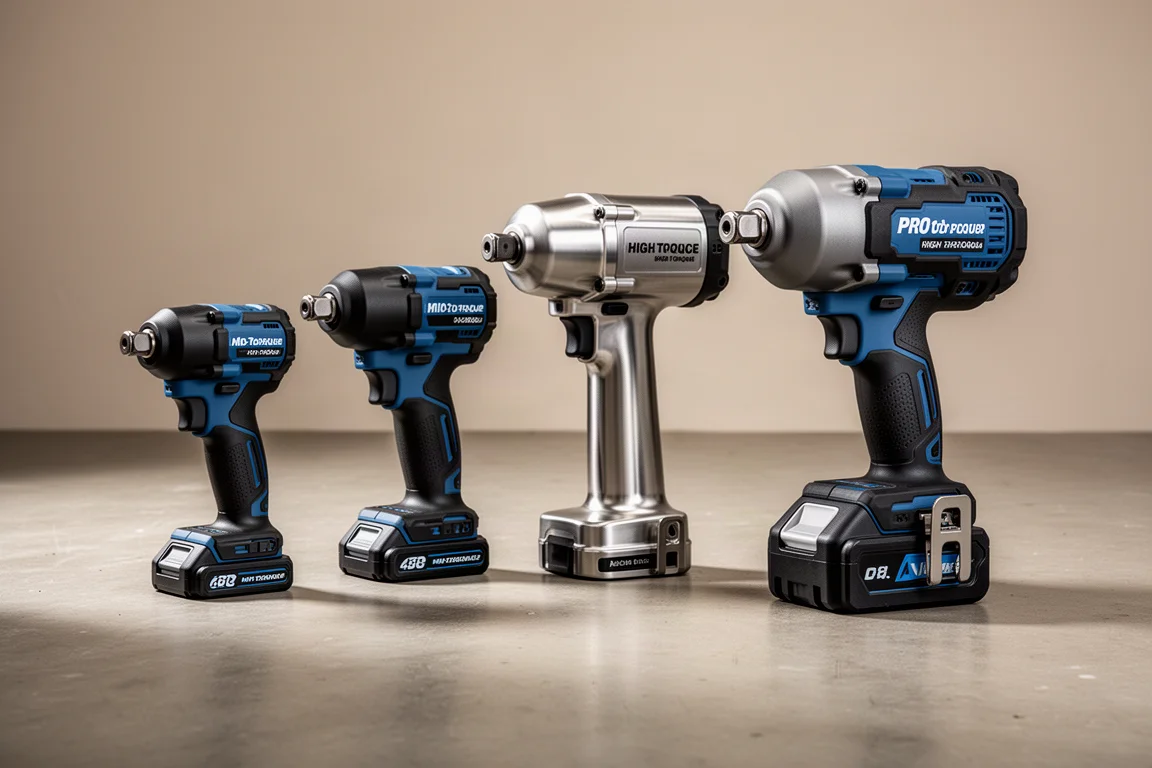
Introduction
Mid-torque impact wrenches have been locked in a numbers race for years, with brands stacking more claimed torque onto heavier bodies. Bosch’s newest entry takes a different path: it is lighter than nearly everything in its class, and it quietly delivers more torque than the label suggests. We compare it against Milwaukee’s latest mid-torque, an older 500-rated Bosch model, and the ProFactor high torque to see where each one actually lands.
How These Impact Wrenches Compare
The new Bosch GDS 18V-330 sits at $219, the same figure as Milwaukee’s M18 Gen 2 mid-torque, but the two tools read very differently on paper. Milwaukee rates its Gen 2 at 550 foot-pounds, while Bosch claims just 330. Yet in our max-torque testing, the Bosch produced 397 foot-pounds in reverse and 438 in its best-case 15-second run, closing in on the Milwaukee’s 451. The rating understates the tool to a degree we have rarely seen, making it the most underrated impact wrench we have measured to date.
Weight is the other story. At 3.5 pounds bare and 4.7 pounds with a 21700-cell battery, the Bosch is lighter than the Milwaukee with even a 5 amp hour pack. In a category where rivals keep adding power and pounds, this is a rare move in the opposite direction, and it suits a brand that clearly thinks about user fatigue and all-day use.
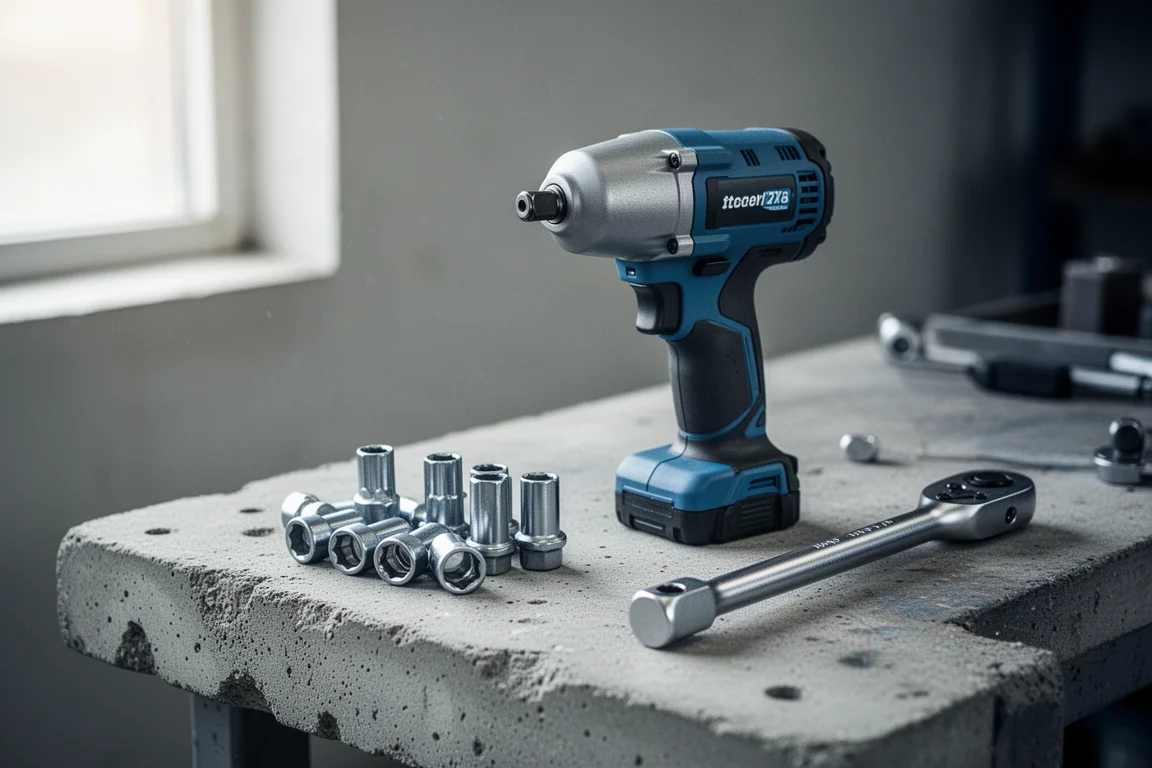
Bosch GDS 18V-330
The 6.6-inch-long GDS 18V-330 is compact, well balanced, and notably not nose-heavy, which feels unusual in this category. Its brushless motor offers multiple customizable modes, unlocked with a watch battery, similar to connected-tool features on other brands but baked into the base price.
Its standout trick is Mode A out of the box. Delivering around 117 to 120 foot-pounds with remarkable repeatability, it is the most consistent setting we have seen on a gun in this torque range, approaching clicker-style torque wrench consistency. Even a dedicated extended-anvil lug nut gun did not match it. It works beautifully as a wheel gun setting, though a torque wrench is still recommended for final tightening.
In forward direction it lags the Milwaukee slightly, but in reverse it is a beast, passing the Milwaukee in the 10-second max torque test. If you want a lightweight, powerful, all-day-friendly impact wrench, this is it, and it is an obvious pick if you already own Bosch batteries.
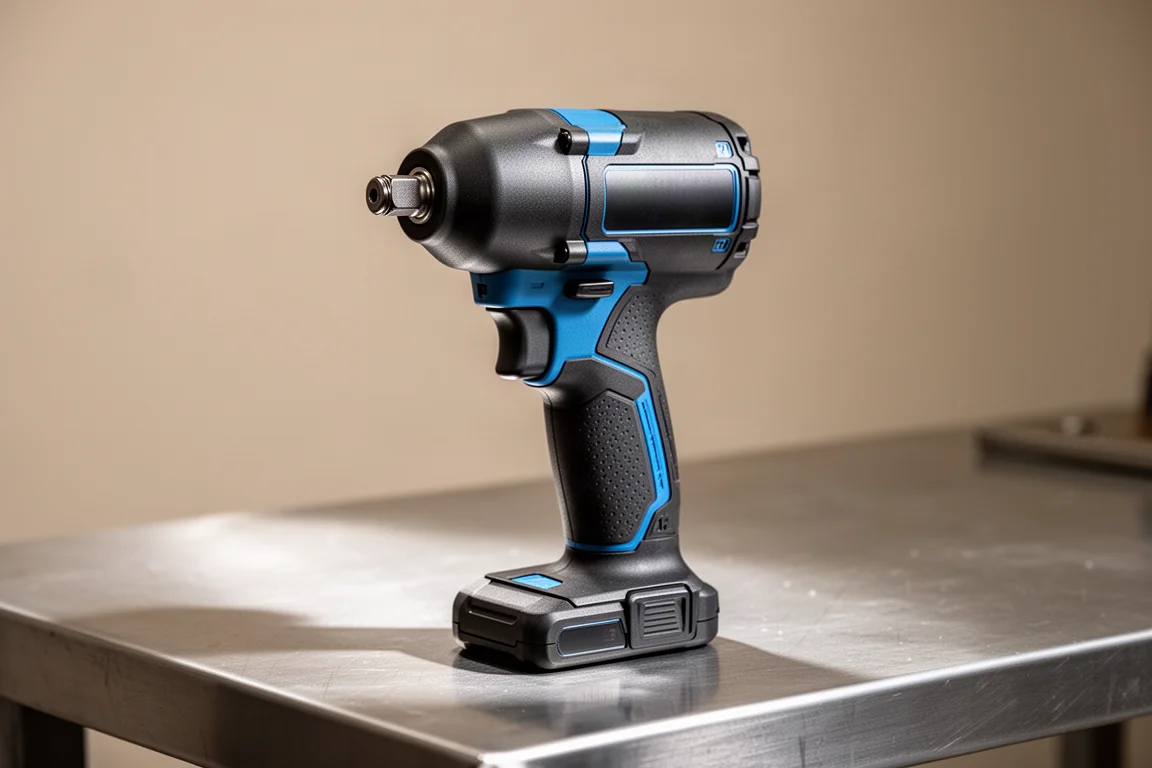
Milwaukee M18 Gen 2 Mid-Torque
Milwaukee’s second-generation mid-torque is rated for 550 foot-pounds and remains the benchmark for outright pulling power in the class. At the same $219 price as the Bosch, it is the tool to beat on raw numbers, and it posts 451 foot-pounds in the 15-second best-case run.
Its trade-off is weight and balance: the Bosch is lighter and less nose-heavy with comparable batteries, and the Milwaukee gives up a little in the reverse-direction tests. Still, if maximum rated torque and fast forward-direction work matter most, it remains the reference point.
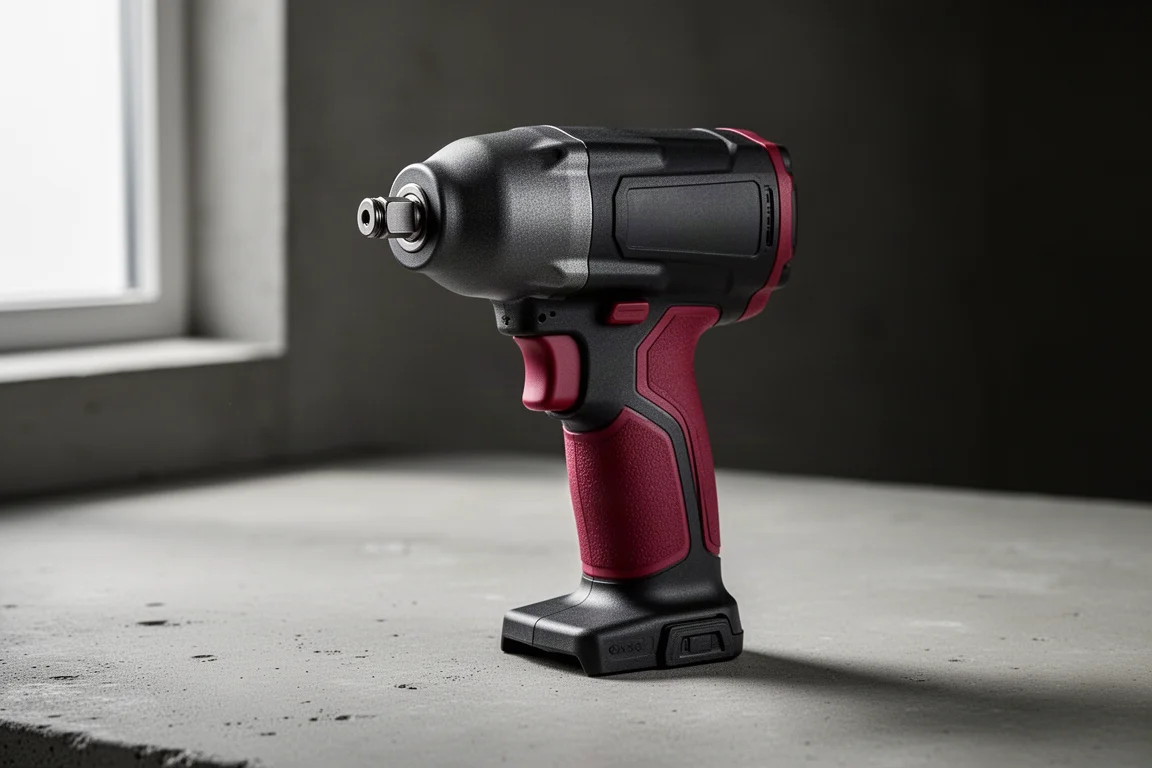
Bosch ProFactor High Torque Impact Wrench
The ProFactor high torque is Bosch’s heavyweight, and with a 12 amp hour 21700-cell battery it produced 519 foot-pounds in our working torque run. That is not modern brushless high-torque territory, where 700 and even low-800 foot-pound results appear, but it comfortably exceeds what this class was expected to deliver and keeps climbing steadily through long runs.
One notable finding: the tool performs identically with an 8 amp hour pack, averaging exactly the same torque-per-second figure of 608 across the run. Since Bosch itself recommends the 8 amp hour for ProFactor-class tools, you can save the weight and run the smaller pack with no performance penalty.
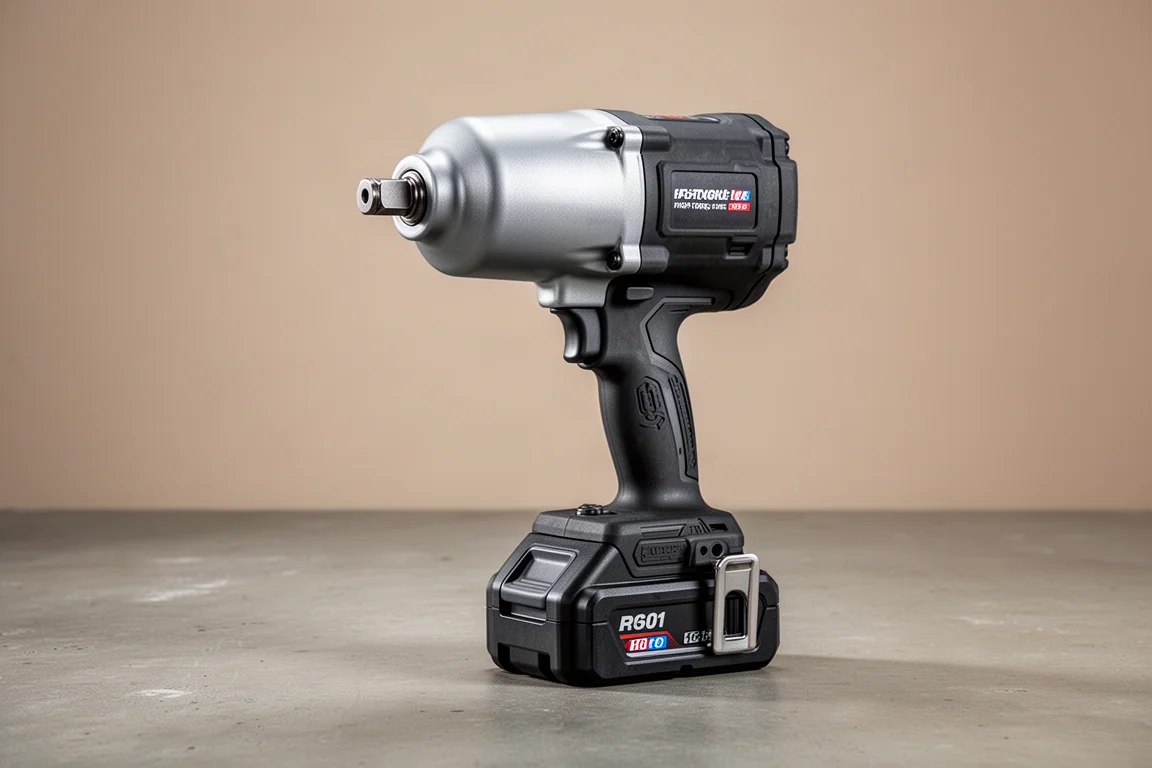
Bosch GDS 18V (Older 500-Rated Model)
The older brushed GDS 18V rated at 500 foot-pounds shows its age clearly. It produced 273 foot-pounds in the five-second working torque run and 458 in reverse, in line with the new brushless mid-torque despite its far larger 9.9-inch body. By today’s ranking standards it no longer qualifies as a mid-torque purchase.
Its brushed character is visible in the testing curves: slower out of the gate with less RPM and impacts per minute, but with meaningful gains over a longer run. It uses more battery in the process and demands one-and-a-half times the size for comparable output. It is mainly relevant as a used-market curiosity or for existing owners.
Which One Should You Buy?
If you want a lightweight impact wrench that is easy on the body all day, still hits well above its claimed torque, and offers the most consistent wheel-tightening mode in the class, the Bosch GDS 18V-330 is the pick, especially for existing Bosch battery owners. If raw rated torque and the strongest forward-direction performance matter more, the Milwaukee Gen 2 holds its crown. The ProFactor covers genuine high-torque jobs, and the older brushed Bosch is best left to the past unless you already have one.
Bosch deserves credit for skipping the spec arms race here. With the GDS 18V-330, the tool does the talking, and the numbers speak for themselves once you put a wrench on a bolt.
Conclusion
This comparison shows that torque ratings are only part of the story. Bosch’s new mid-torque under-promises and over-delivers while staying light and consistent, Milwaukee keeps the outright performance lead, the ProFactor handles heavyweight jobs with an 8 amp hour sweet spot, and the older brushed model demonstrates exactly why brushless changed the game. Match the tool to the job, and all four make their case.
Further reading
Related Reviews

Power Tools
Best 1-Inch Pistol Impact Wrenches: Three Heavy-Duty Options Compared
We compare three 1-inch pistol impact wrenches, from a budget-friendly Harbor Freight model to a premium Caterpillar unit, to help you choose the right one.

Power Tools
Best 3/4-Inch Impact Wrenches 2026: Five Contenders Compared
We compare five 3/4-inch impact wrenches across price and performance, from a budget Amazon option to Snap-on's most powerful model yet.

Power Tools
Best Budget Cordless Tools 2026: Walmart Finds That Punch Above Their Price
We tested five cordless tools from Walmart, including a high-torque impact wrench that trades blows with Milwaukee and a $35 duster that outperforms its price class.