Power Tools
Bosch GNH18V-64 Review: A Cordless 16 Gauge Finish Nailer That Keeps Up With the Big Brands
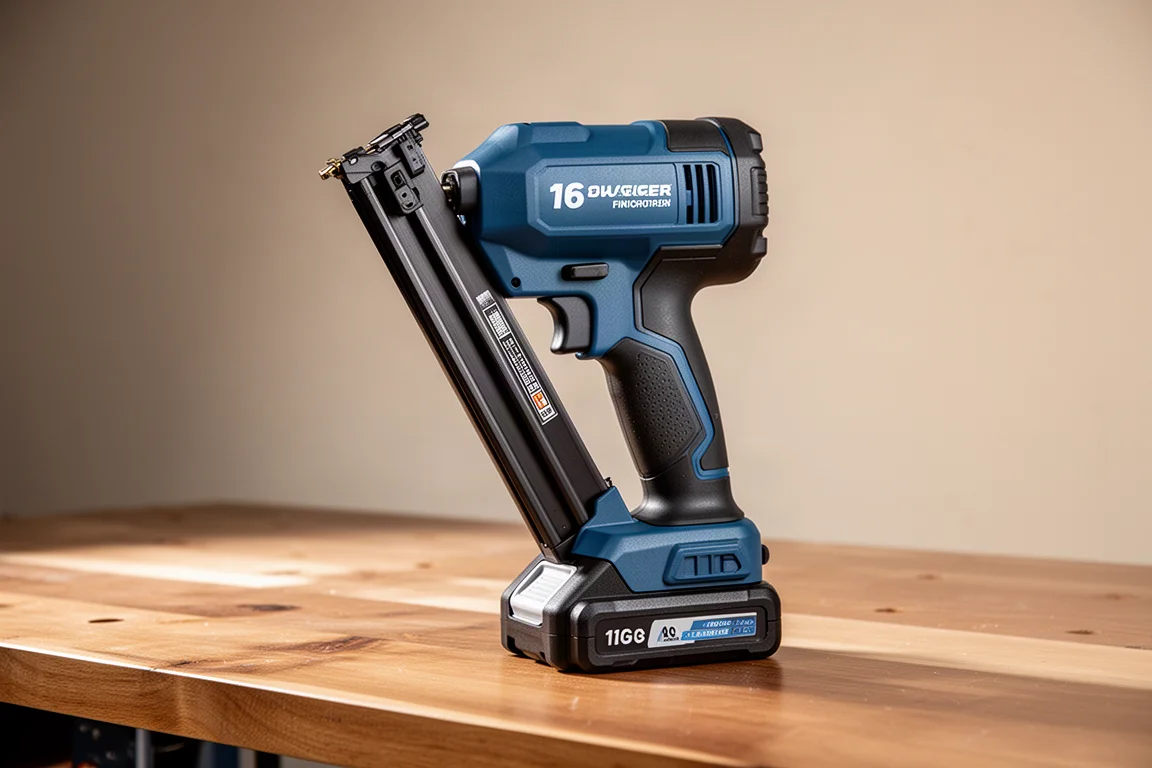
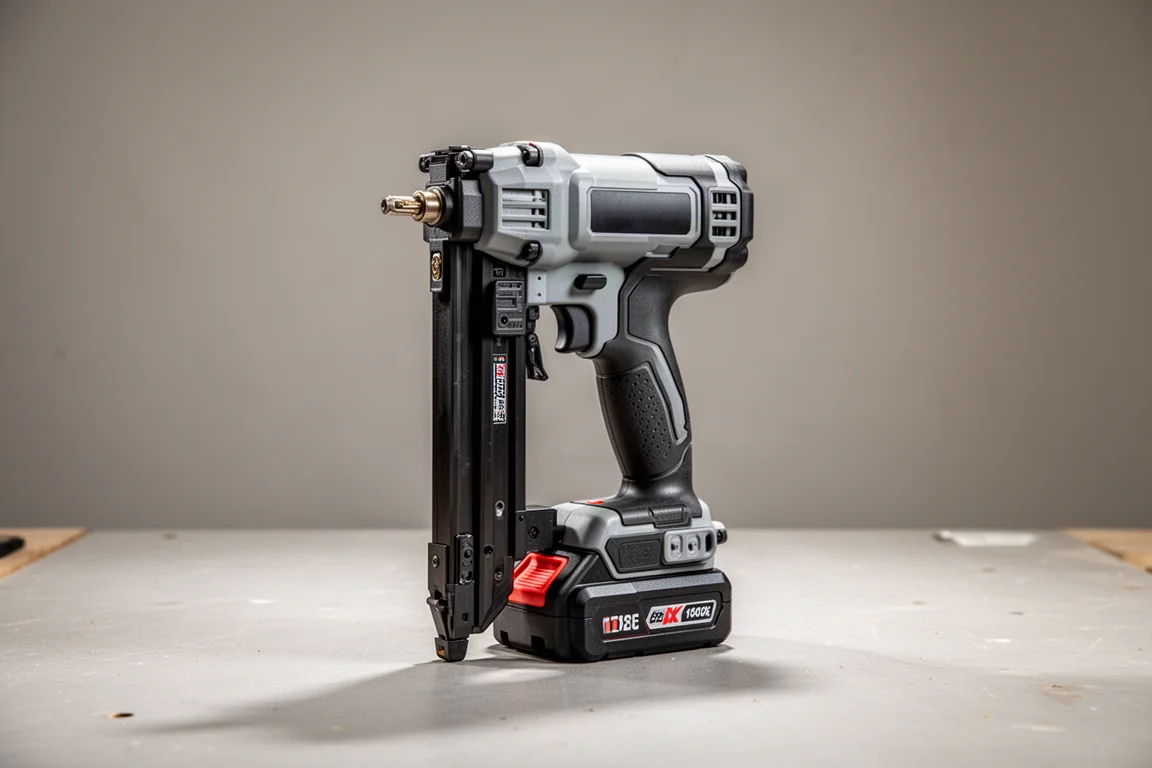
An 18V 16 gauge finishing nailer with a flywheel design, streamlined body, and enough power to sink 64mm nails into hardwood framing.
Introduction
Bosch has been rolling out a wave of new cordless nailers, and the GNH18V-64 is one of the first to arrive. It is an 18V, 16 gauge finishing nailer, with the 64 referring to the maximum nail length in millimeters, or two and a half inches. This is a tool aimed at finishing work, not framing, and after putting it through a range of materials, it holds its own surprisingly well.
Unlike most cordless nailers in this class, the Bosch uses a flywheel design rather than an air cylinder. That choice shapes almost everything about how the tool behaves, from its streamlined body to the odd little whirring noise it makes on every shot.
Who This Nailer Is For
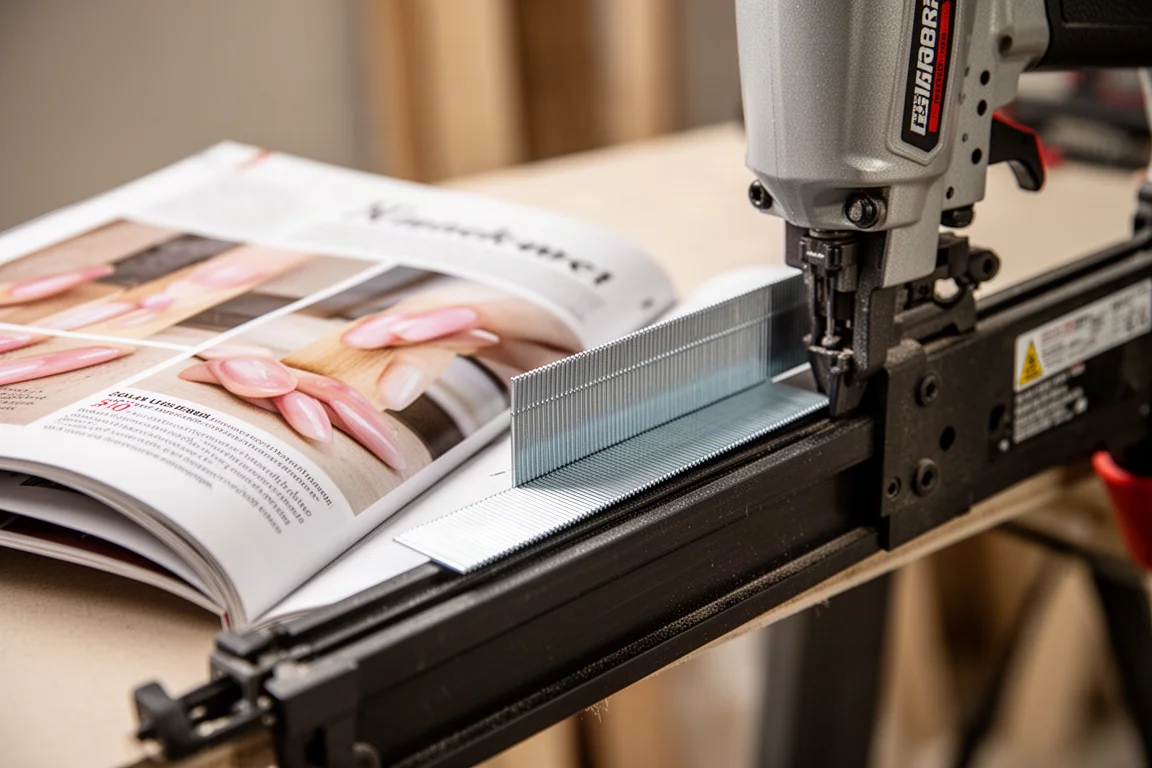
A 16 gauge finishing nailer is the tool you reach for when a build is nearly done: skirting boards, architraves, door frames, and trim around windows. It takes 16 gauge brad nails, 1.6mm in diameter, anywhere from 32mm up to 64mm long, and the magazine holds 105 of them. The nails are 20 degree angled brads, and loading is simple: slide the strip in, push down, pull the lever back, done.
If your work involves internal finishing and trim installation, this tool is squarely aimed at you. It is not a substitute for a 10 gauge framing nailer, and it will not pretend to be one.
Main Strengths
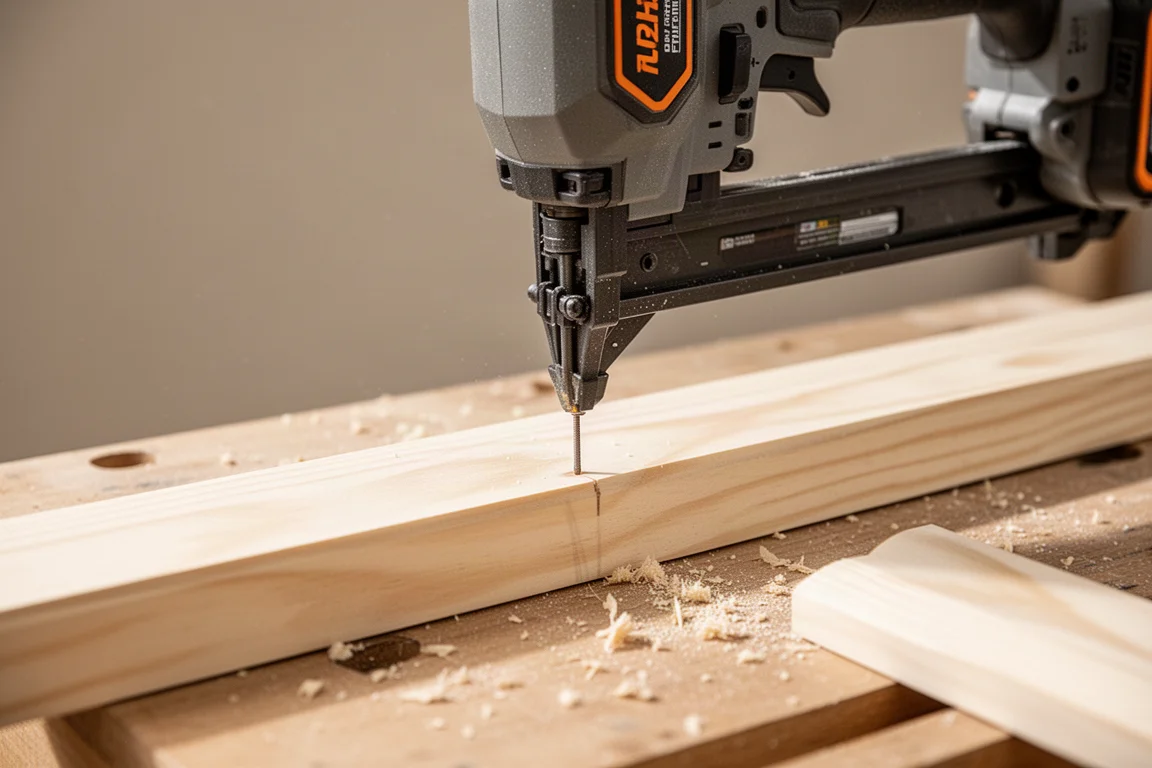
The standout trait is the streamlined body. Because the flywheel mechanism is contained in the head unit, there is nothing bulging out the sides of the tool the way there is on air cylinder competitors. That matters more than it sounds. You can run the tool along a baseboard in one direction, then flip it over and come back the other way, which is a genuine advantage for left-handed users and for anyone working in tight runs. Rival air cylinder designs effectively lock you into one direction of travel.
Other touches we appreciated: the depth adjustment dial is recessed so you will not bump it accidentally, the tool stands upright on its battery end so it is easy to grab off the floor, and there is a magnet at the nose that holds the next nail firmly in position, reducing misfires when the magazine is running low. Jam clearance is excellent too, with a front latch that opens the nose up wide for pulling out a stuck nail.
On power, the results were genuinely impressive. Full-depth 64mm nails sank flush into 20mm treated pine flooring over 45mm framing with clean, fillable holes and minimal striker marks. The nose foot leaves a neat finish without excessive damage around the nail.
Battery size made almost no difference. Testing a standard 4Ah battery against 4Ah, 8Ah, and 12Ah ProCORE packs produced variations so small they were indistinguishable from shot-to-shot noise. That is good news: you can run a light, compact battery and lose nothing.
Things to Consider Before Buying
Two issues came up repeatedly. First, the foot design. The broad, flat foot with its removable rubber tip is gentle on surfaces, but it limits you to working flat. Fire at an angle and the foot cannot depress far enough, leaving nails protruding. Some competitors use a smaller foot that angles much better. If angled nailing is part of your workflow, test this before committing.
Second, the sound. The flywheel spins up with a distinctive whirring noise and a ring afterward on every shot. It is not loud, but it is persistent and noticeable, especially compared to the quieter air cylinder designs.
There are also a few design quirks to accept. The belt clip is plastic rather than metal, which feels like a miss at this level. The tool weighs 2.9kg without a battery, the same as its closest air cylinder rival, so the flywheel design does not save weight. And this version only offers full sequential actuation: depress the tip, pull the trigger, one nail at a time. A bump-fire variant with an M suffix exists in some markets, but it is not available everywhere.
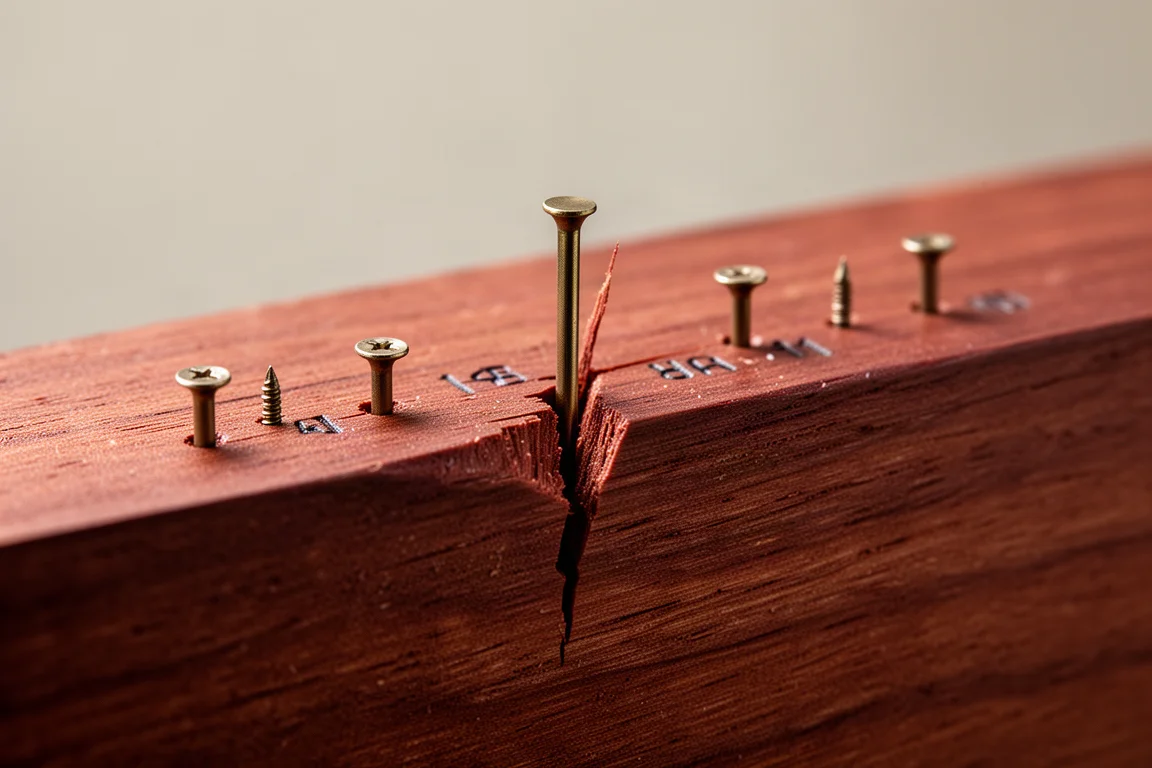
On hard materials, the results were still strong. Dense composite board, which destroys drill bits and router bits, was the toughest test, and the nails did not quite seat fully, though nothing else would either. Through hardwood framing into pine, and even 64mm nails driven directly into dry, seasoned native hardwood, the Bosch drove nails below the surface with only slight depth loss and minor splitting on the hardest shots. For a battery-and-spring system with no gas and no air, that is a convincing performance.
Buying Advice
If you mostly nail flat trim and want a tool that works equally well for left- and right-handed users, the GNH18V-64 is easy to recommend. The balanced feel, the streamlined profile, and the ability to stand it upright on the battery all make it pleasant to live with day to day.
If your work involves a lot of angled nailing into corners, or if the spin-up noise will bother you all day, it is worth comparing against an air cylinder design before buying. Bump-fire fans should check whether the M version is available in their market, since this base model only fires in full sequential mode.
Conclusion
The Bosch GNH18V-64 is a capable, well-balanced 16 gauge finish nailer with real power behind it, a smart streamlined design, and a few thoughtful details like the magnet-loaded nose and easy jam clearance. Its angled-foot limitation and signature flywheel whirr are the main trade-offs, but for trim and finishing work driven flat, it is right up there with the best in its class.
Product link
View more details for Bosch GNH18V-64
This product is mentioned in the review. Check the specifications, options, and compatibility before buying.
View more details for Bosch GNH18V-64Further reading
Related Reviews
Power Tools
Best 1-Inch Pistol Impact Wrenches: Three Heavy-Duty Options Compared
We compare three 1-inch pistol impact wrenches, from a budget-friendly Harbor Freight model to a premium Caterpillar unit, to help you choose the right one.
Power Tools
Best 3/4-Inch Impact Wrenches 2026: Five Contenders Compared
We compare five 3/4-inch impact wrenches across price and performance, from a budget Amazon option to Snap-on's most powerful model yet.
Power Tools
Best Budget Cordless Tools 2026: Walmart Finds That Punch Above Their Price
We tested five cordless tools from Walmart, including a high-torque impact wrench that trades blows with Milwaukee and a $35 duster that outperforms its price class.