Power Tools
Bosch GDX 18V-1860 Freak Review: The Best Freak Yet
Bosch's third-generation Freak impact driver/wrench hybrid brings more power, app customization, and new preset modes, but retains one odd quirk worth knowing about.
Introduction
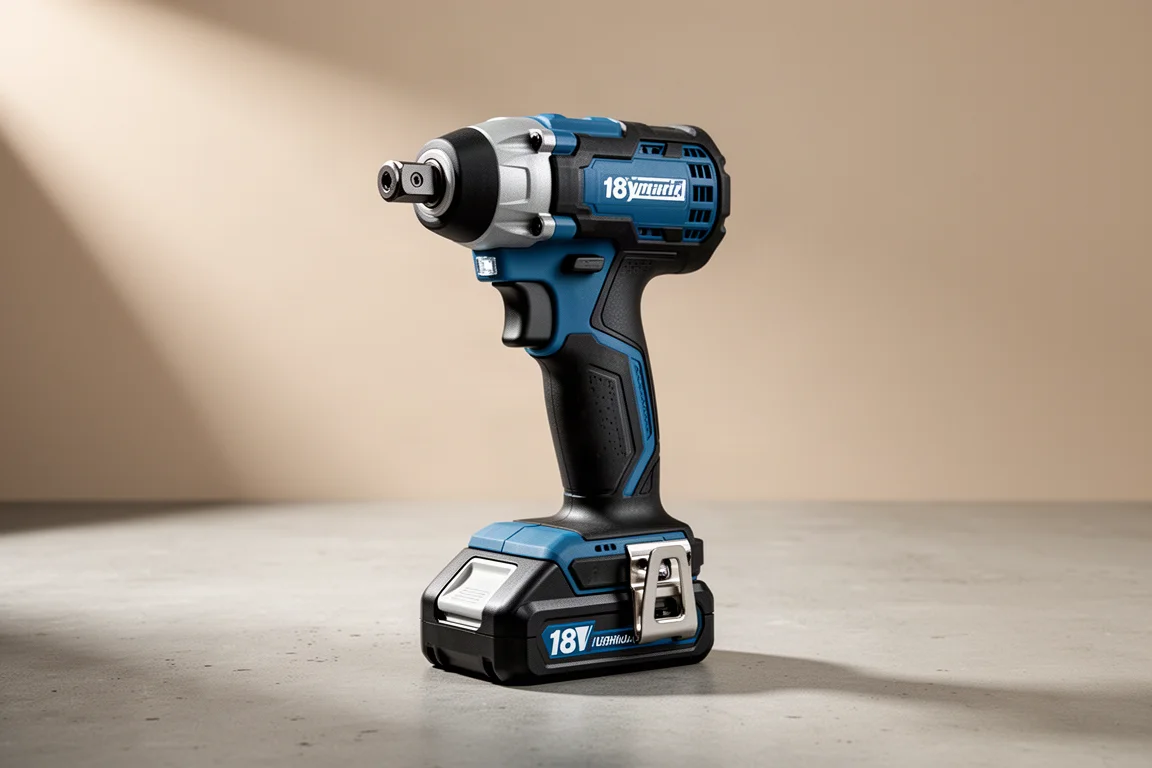
Bosch has another Freak impact driver/impact wrench hybrid, the GDX 18V-1860, or third-generation Freak. Early generations went from bad to worse in performance terms, but generation 2 was a full leap into the modern era, and by the numbers this new model should be even better. The “1860” in the name refers to 1,860 inch-pounds of torque, rated at 155 equivalent foot-pounds, a step up from the gen 2’s 1,800 inch-pounds or 150 foot-pounds.
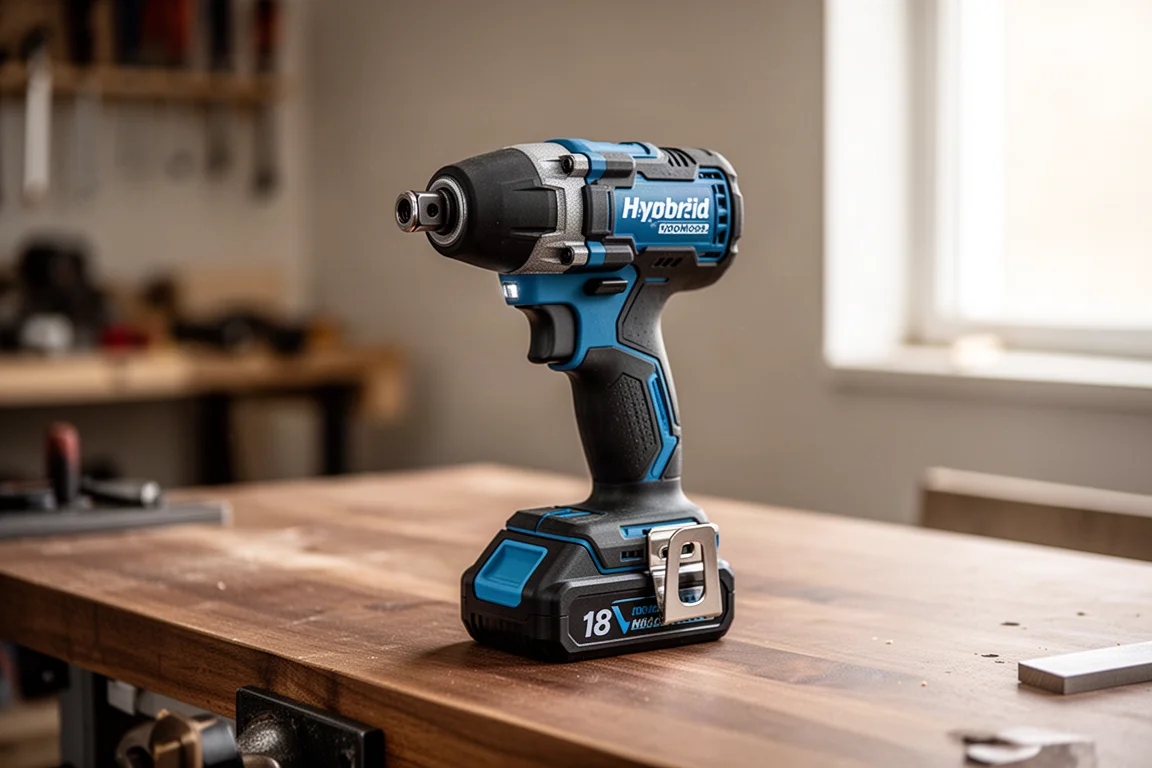
At $159 bare it is not particularly cheap for a driver, and notably the same debut price as the gen 2. In fact, much of this gen 3 tool is very similar to its predecessor: same weight, size, length, and overall appearance. What you do get for the price is Bluetooth connectivity and a set of new mode presets.
Who This Product Is For
This tool suits anyone who wants one cordless tool covering both 1/4-inch hex driver bits and 1/2-inch square drive sockets. If you own a gen 2 Freak and like it, this generation adds roughly three percent more power, more preset modes, and app-based customization, making it a natural upgrade path. If you have never owned a Freak, this is by our math the most convincing one yet.
Bluetooth connection to Bosch’s Toolbox app lets you customize your own modes with RPM, power, slow start, and auto-off adjustments, something the gen 2 only offered in a limited way. The 1860 also ships with a few new presets of its own.
Main Strengths
The headline improvements show up in real use. In max reverse torque testing, the 1860 posted 163 foot-pounds, a tangible, felt power difference above the gen 2, especially in reverse, where Bosch has finally started publishing nut-busting or breakaway figures, rating this tool at 270 foot-pounds. In max forward torque it again hit 163, closely matching and slightly beating the gen 2, consistent with Bosch’s claim of about three percent more power than the previous generation.
New preset modes add practical versatility. One low-style preset limits torque to roughly 30 foot-pounds to snug fasteners while keeping full power in reverse for loosening. Another delivers quick bursts of about two to four foot-pounds for incrementally tightening until a fastener feels right. A third medium preset tightens to around 40-plus foot-pounds. All retain full power in reverse, and repeatable tasks can be dialed in through the Toolbox app.
The Adapter Quirk: A Known Oddity
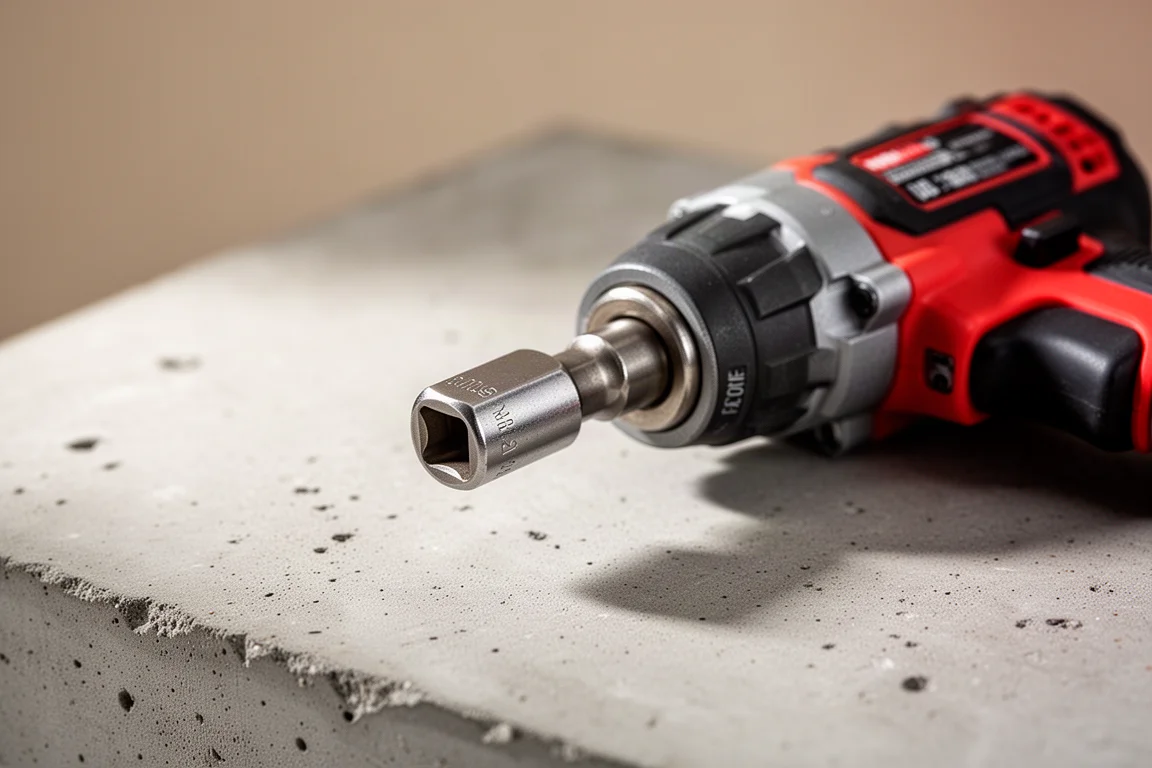
Here is something worth knowing before you buy. This tool’s flagship selling point is driving sockets directly on the tool without an adapter, yet across all Freak generations these tools have made more power with a socket adapter extension than with a socket mounted straight on the anvil. In working torque tests with an adapter, the gen 3 put up 122 foot-pounds, slightly less than the gen 2’s 129. Straight onto the socket, that same run dropped to 105 foot-pounds.
The difference is noticeable in practice. Loosening its 122 foot-pound adapter run took about two and a half seconds, while removing the lower 105 foot-pound straight-socket run took five and a half seconds. Testing even suggested the empty hex cavity in the middle of the anvil plays a role: inserting a broken hex shank into the cavity produced 113 foot-pounds, exactly halfway between the two results, and this repeated consistently.
Reverse Power: Where It Shines
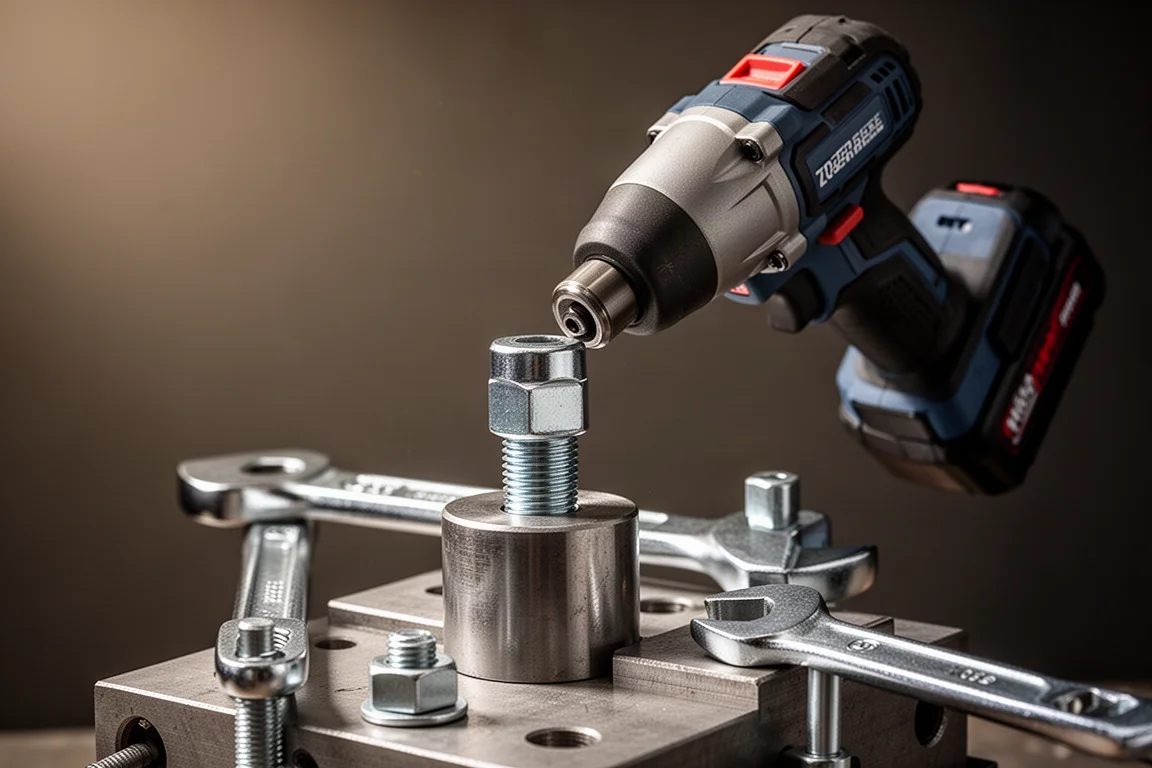
If forward working torque left things looking close to the gen 2, reverse is where the 1860 separates itself. Ten seconds in the max reverse torque test delivered 163 foot-pounds, a real step above the previous generation, and enough to take the top spot among all Freak generations tested. That reverse-focused improvement matters most for nut-busting and breakaway work, which is exactly the use case Bosch now advertises with the 270 foot-pound figure.
Things to Consider Before Buying
At $159 bare the value proposition is middling on paper. It still measures 5.8 inches long and shares the gen 2 shell while making slightly more power, working out to 28.1 foot-pounds per inch. On our scoring it earned 226.3 points total, taking seventh place overall and first among the Freaks, sitting just below a competitor that made essentially the same power while being brushed, mode-free, and one quarter the price. The tool also has not dropped in price since launch. If raw value per dollar is your priority, cheaper options exist; if you want the hybrid format with modern features, this is the strongest version so far.
Buying Advice
If any past Freak was worth your money, this one is even more so by our math. It continues the line’s pattern of improving with each generation, adding app customization, useful presets, and measurably better reverse performance.
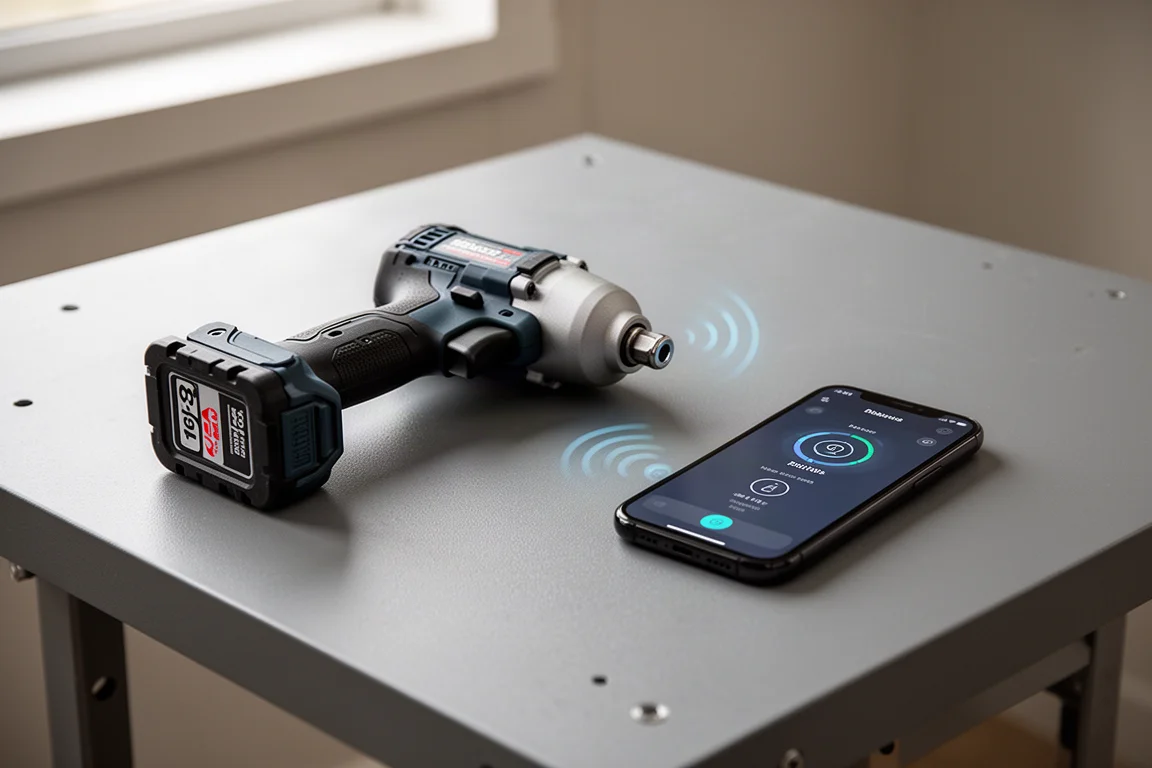
For buyers planning heavy socket work, be aware of the adapter quirk: you may actually see better straight-socket results only in max bursts, and day-to-day driving with an adapter can be stronger. For repeat fastening tasks, spend time in the Toolbox app setting up custom modes before your first job. And if the 270 foot-pound nut-busting claim is a deciding factor, note that our measured 163 foot-pound max is the figure we would lend credence to.
Conclusion
The Bosch GDX 18V-1860 is the best Freak yet: modestly more powerful than the gen 2, better equipped with presets and app control, and genuinely stronger in reverse. The persistent adapter-versus-socket power difference remains a strange quirk of the line, but it does not change the overall picture: generation 3 is the first Freak we would recommend without hesitation to buyers who want the hybrid format done right.
Product link
View more details for Bosch GDX 18V-1860
This product is mentioned in the review. Check the specifications, options, and compatibility before buying.
View more details for Bosch GDX 18V-1860Further reading
Related Reviews
Power Tools
Best 1-Inch Pistol Impact Wrenches: Three Heavy-Duty Options Compared
We compare three 1-inch pistol impact wrenches, from a budget-friendly Harbor Freight model to a premium Caterpillar unit, to help you choose the right one.
Power Tools
Best 3/4-Inch Impact Wrenches 2026: Five Contenders Compared
We compare five 3/4-inch impact wrenches across price and performance, from a budget Amazon option to Snap-on's most powerful model yet.
Power Tools
Best Budget Cordless Tools 2026: Walmart Finds That Punch Above Their Price
We tested five cordless tools from Walmart, including a high-torque impact wrench that trades blows with Milwaukee and a $35 duster that outperforms its price class.