Power Tools
Bosch Axial Glide 18V Miter Saw: Why the 12 Amp-Hour Battery Changes Everything
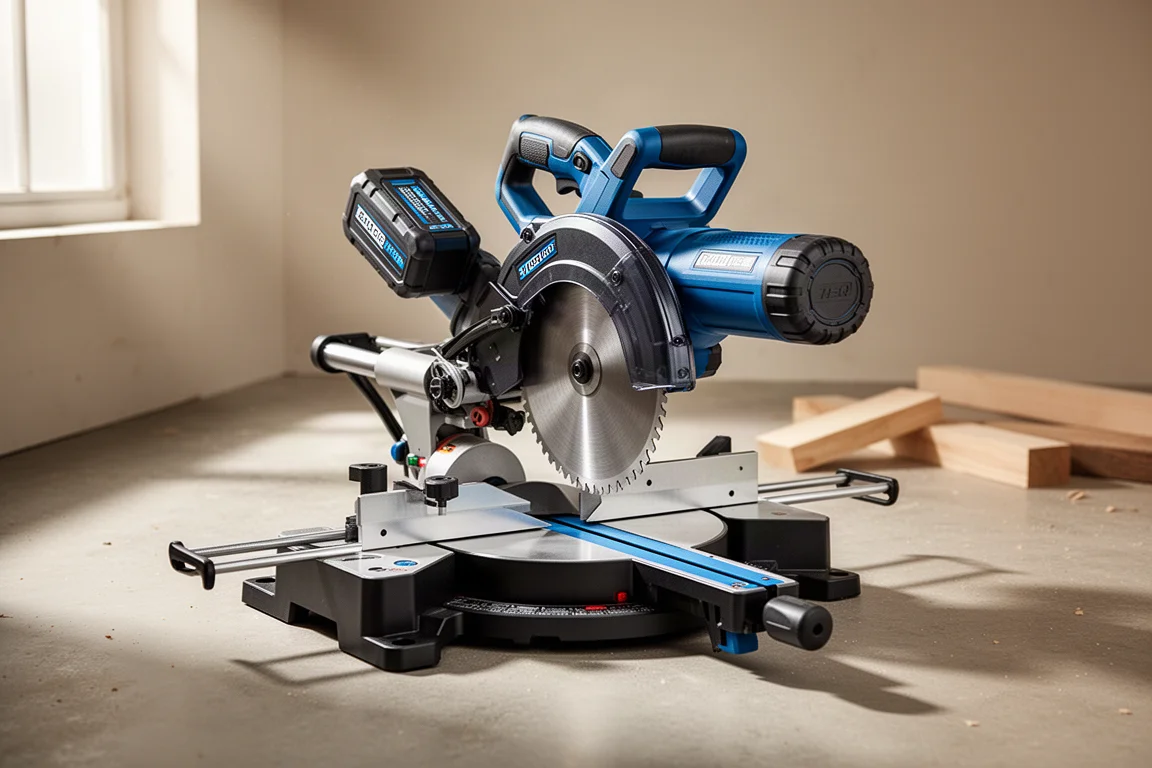
Voltage testing on the Bosch Axial Glide 18V miter saw shows the larger 12Ah 3P battery delivers noticeably more torque and sustained cutting performance than the kit's 8Ah pack.
Introduction
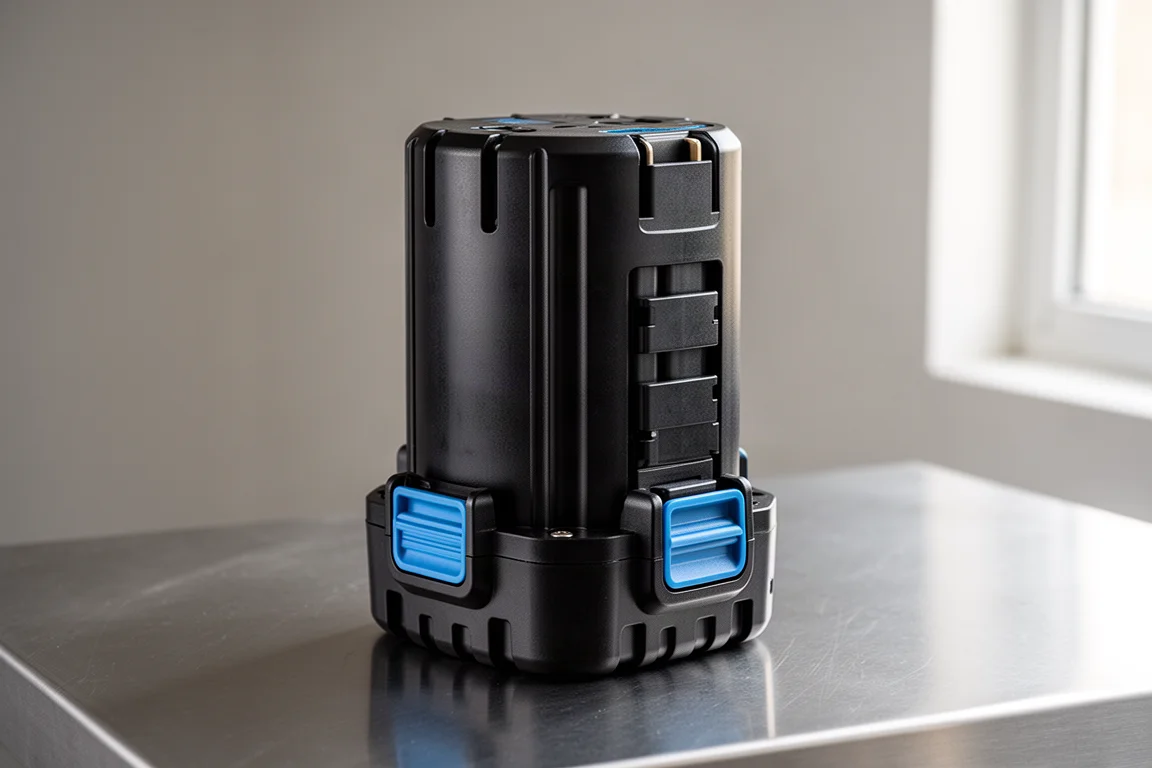
Kit batteries are often the quiet compromise in a cordless tool purchase. Many tools ship with a mid-size pack rather than the largest battery a brand makes, and the Bosch Axial Glide 18V miter saw is a good example: kits come with an 8 amp-hour 18V battery that works well, while Bosch also offers a much larger 12 amp-hour pack.
To see whether the bigger battery actually changes how the saw performs, we compared both packs on a series of cuts, watching voltage under load the whole way through. The results are worth understanding before you buy.
The Miter Saw: A Great Tool Held Back by Its Kit Battery
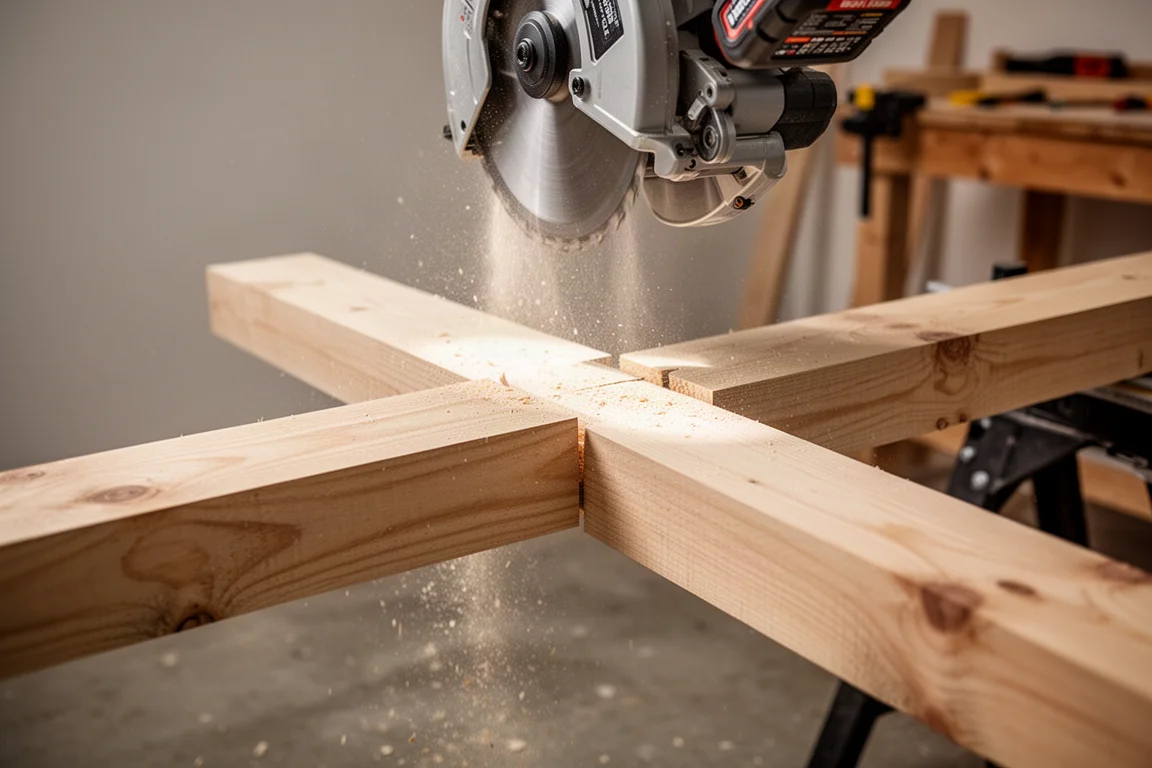
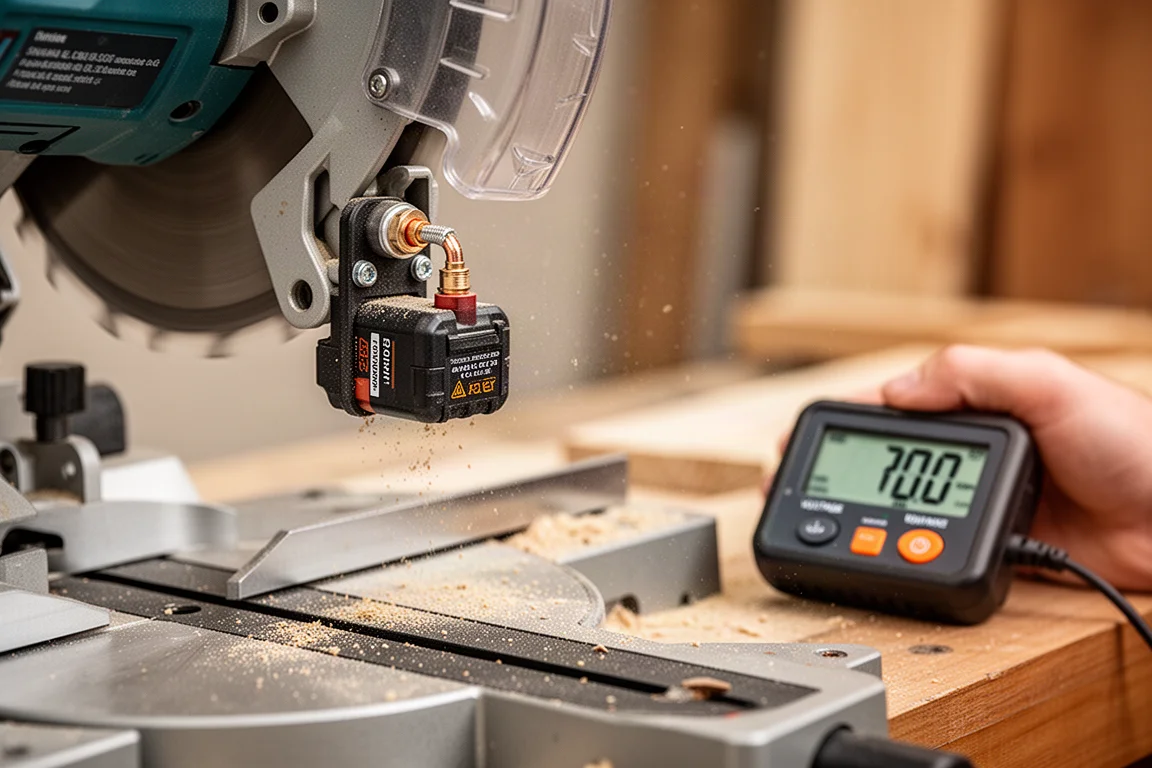
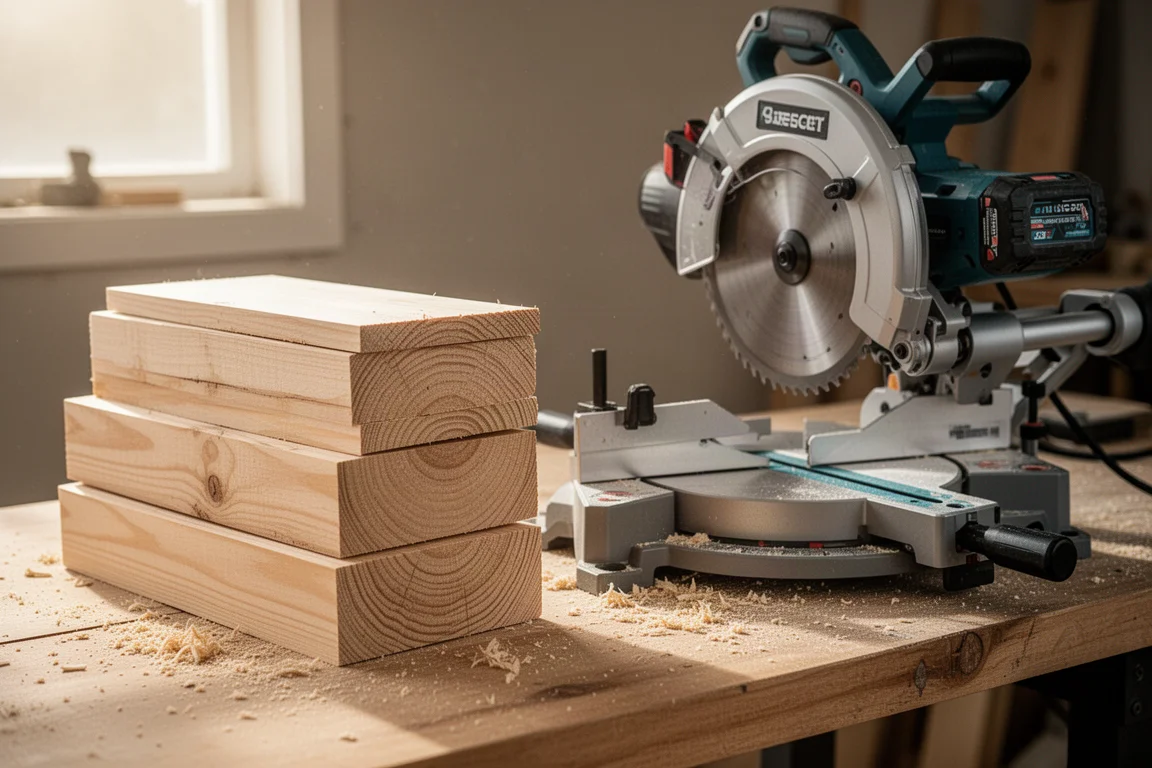
The Bosch Axial Glide 18V miter saw handles a 2x8 cut comfortably with the included 8Ah battery, but on demanding cuts the saw labors slightly and the voltage under load drops into the mid-teens. That voltage sag is the direct cause of lost torque: the lower the voltage holds during a cut, the less power the motor can deliver.
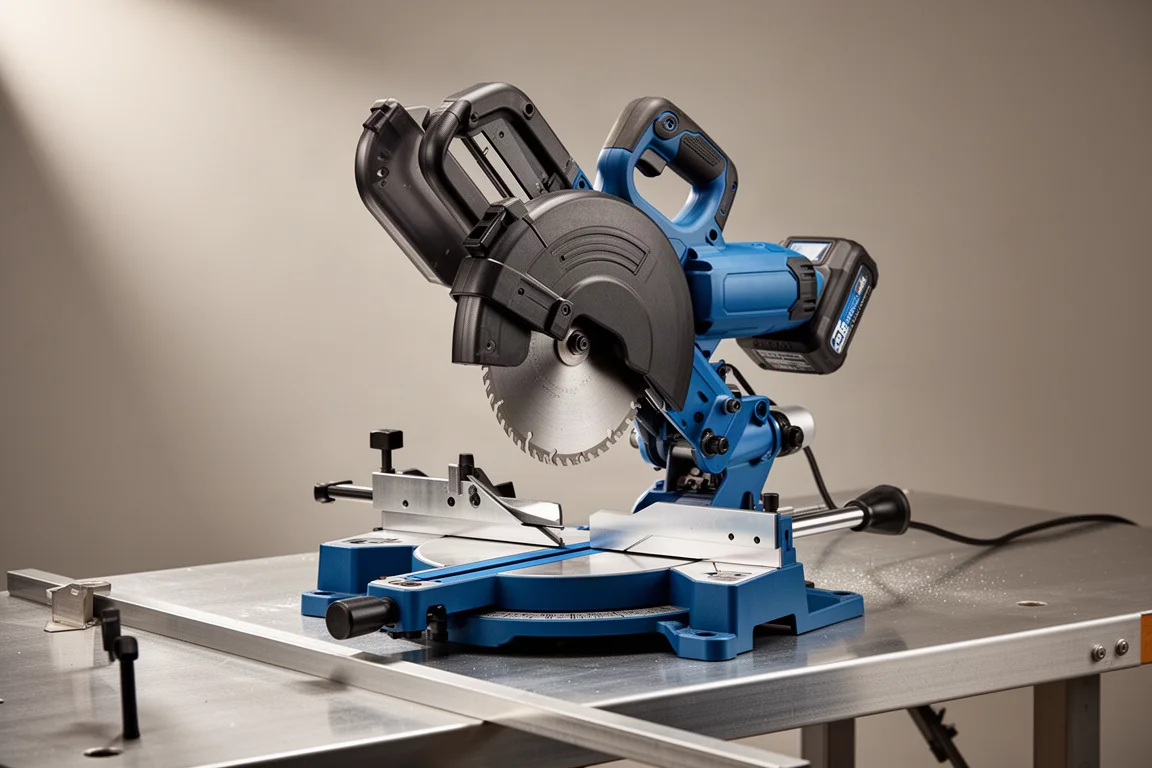
The real story is the battery you pair with it. Swapping in Bosch’s 12 amp-hour pack transformed the same saw on the same cuts, holding voltage roughly two volts higher across the board.
The 12 Amp-Hour Battery: More Cuts and More Torque
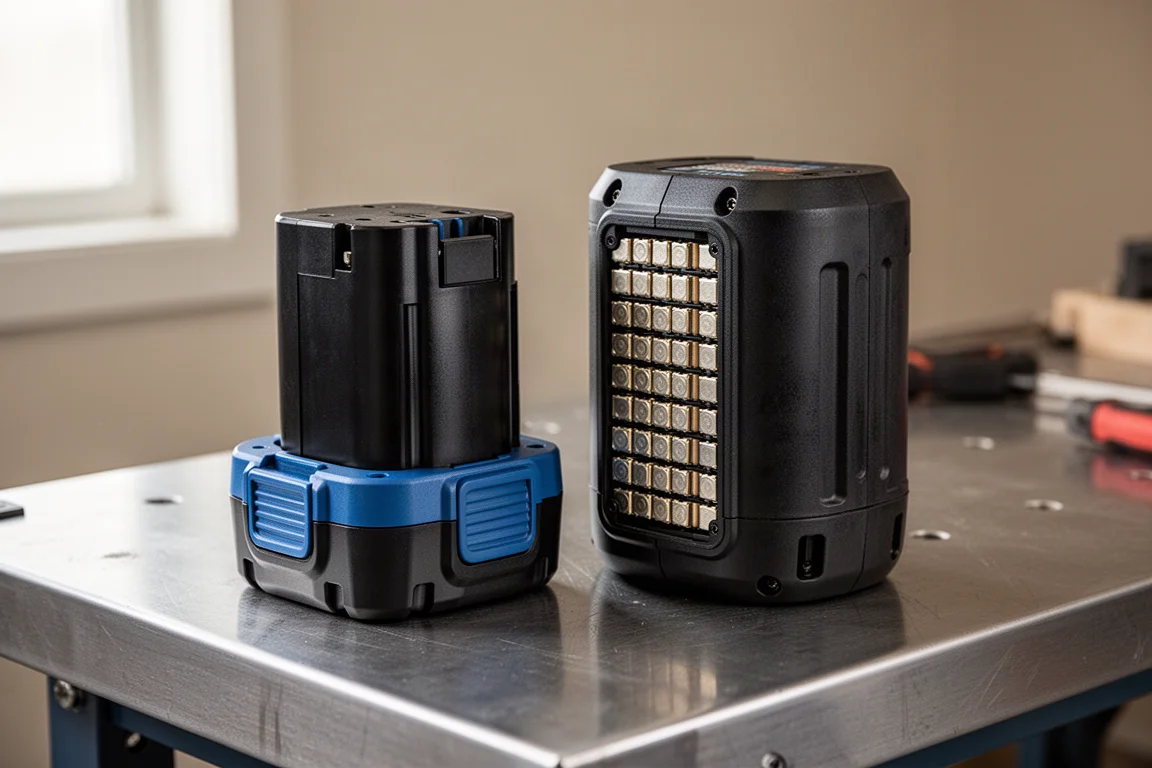
The difference comes down to pack construction. The 12Ah battery is a 3P pack, meaning three rows of 4Ah cells, while the 8Ah is a 2P pack with two rows of 4Ah cells. Spreading the same current draw across three banks instead of two means less voltage sag under load.
On a simple single 2x8 cut, the 8Ah battery dropped to about 15.25V when the saw spun up and averaged around 16.3V through the cut. The 12Ah battery only dropped to about 18.6V on startup and held around 18.75V in the wood. On quicker cuts the gap held: roughly 16.2V sag versus 18.25V. On a bevel cut, the 8Ah pack slowed the saw noticeably and sank into the 15s, while the 12Ah pack kept a low of about 17V. Stacking two 2x8 boards made the gap even clearer, with the 8Ah pack bottoming at 15.25V and averaging 15.75V, while the 12Ah pack held in the 18s.
What the Voltage Numbers Actually Show
Voltage under load is a stand-in for torque. The saw’s sitting voltage was around 19.6V on the 8Ah pack and 20.6V on the 12Ah pack, but the meaningful difference showed up in the wood, where the 12Ah pack held roughly two volts higher. That translated directly into smoother, more powerful cuts with far less bogging.
Both packs were fully charged for the test, and it is worth noting that performance drops as any pack empties. Even so, the 12Ah design has more cells to spread the draw across, which helps it sustain performance deeper into the charge. The same saw takes on an almost entirely new level of cutting capability with the larger pack.
Buying Advice
If you buy the Bosch Axial Glide 18V miter saw as a kit with the 8Ah battery, the saw will work well for straightforward cutting. But if you are pushing into denser stock, bevel cuts, or stacked material and want more headroom, the 12Ah battery is the upgrade that actually delivers: more total cuts per charge, and higher voltage held under load, which means more torque when you need it.
Conclusion
The Bosch Axial Glide 18V miter saw is a capable cordless cutting tool, and the voltage testing makes one thing clear: pairing it with Bosch’s 12 amp-hour 3P battery unlocks noticeably more torque and sustained performance than the kit’s 8Ah pack can provide. If more cutting power is what you are after, the larger battery is the piece worth adding.
Further reading
Related Reviews
Power Tools
Best 1-Inch Pistol Impact Wrenches: Three Heavy-Duty Options Compared
We compare three 1-inch pistol impact wrenches, from a budget-friendly Harbor Freight model to a premium Caterpillar unit, to help you choose the right one.
Power Tools
Best 3/4-Inch Impact Wrenches 2026: Five Contenders Compared
We compare five 3/4-inch impact wrenches across price and performance, from a budget Amazon option to Snap-on's most powerful model yet.
Power Tools
Best Budget Cordless Tools 2026: Walmart Finds That Punch Above Their Price
We tested five cordless tools from Walmart, including a high-torque impact wrench that trades blows with Milwaukee and a $35 duster that outperforms its price class.