Outdoor Cooking
Bonsai Boys Trading Konro Barbecue Review: Authentic Japanese Grilling for $149
A lightweight diatomaceous soil konro barbecue with binchotan charcoal that delivers a genuinely slow, radiant yakitori experience without a premium price.
Introduction
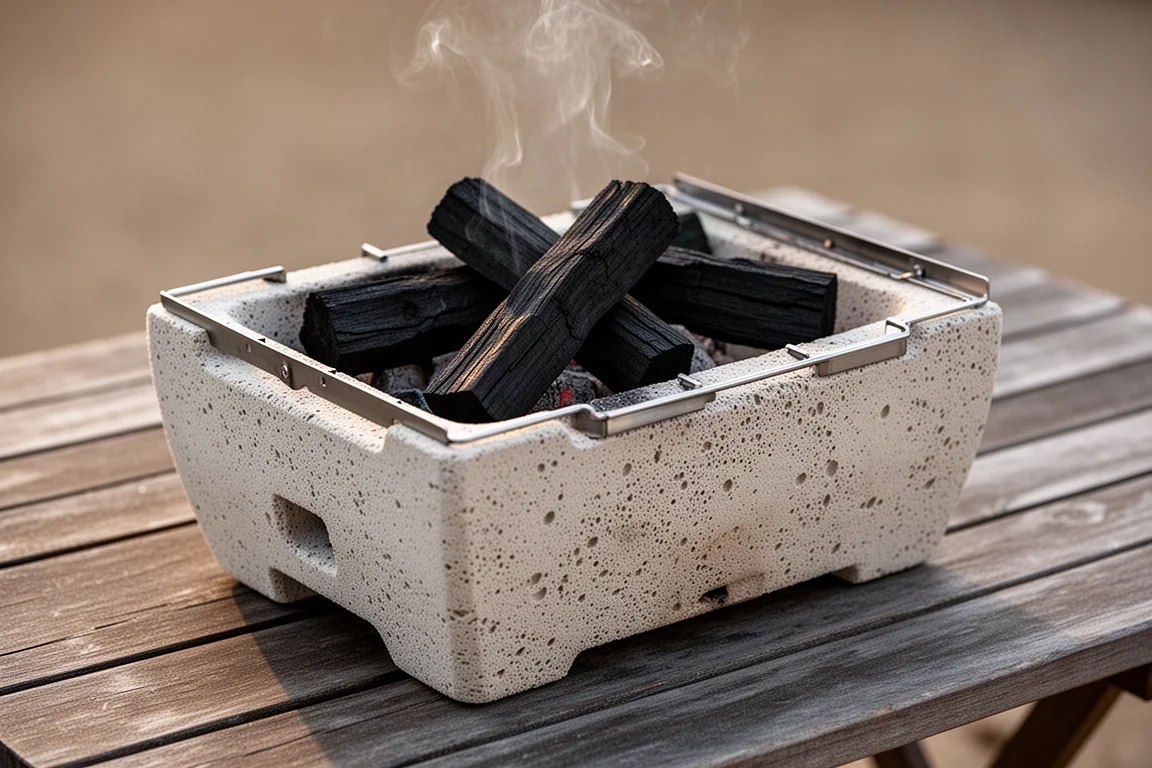
There is a particular kind of cooking that only happens over binchotan charcoal: slow, intensely radiant, and quietly rewarding. That is exactly what the Bonsai Boys Trading konro barbecue sets out to deliver. Priced at $149 USD plus the cost of the charcoal, it promises an authentic Japanese grilling experience, and after cooking a full spread of yakitori, pork chops, chicken wings, tenders, and drumettes on it, the promise largely holds up.
First Impressions and Build Quality
Unboxing went smoothly, with one caveat. The packaging was generally solid, but this unit arrived with a small amount of damage on one side, likely from transport or customs. The seller is reportedly adding a fragile sticker to future boxes, which is a sensible move, because konro barbecues are inherently fragile products and there is always some shipping risk.
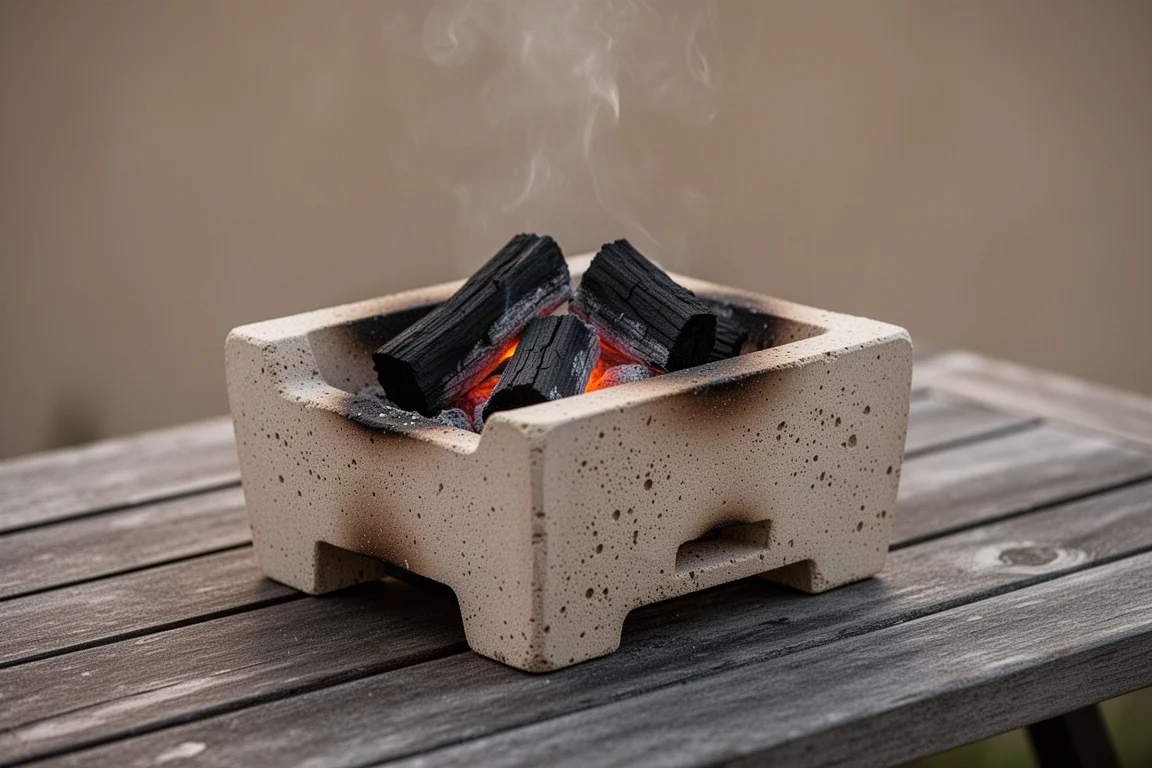
The body is made of diatomaceous soil, essentially a porous clay, designed to radiate heat upward rather than outward. It is also remarkably lightweight, and thanks to that porous construction it dries quickly. Sheet metal protects the edges; it feels a little flimsy, but it does its job, and at this price it is hard to complain. One warning worth repeating: keep water away from a hot konro. Intense binchotan heat plus moisture can lead to cracks, so only clean it dry or once fully cooled.
Cooking Performance: Yakitori and More
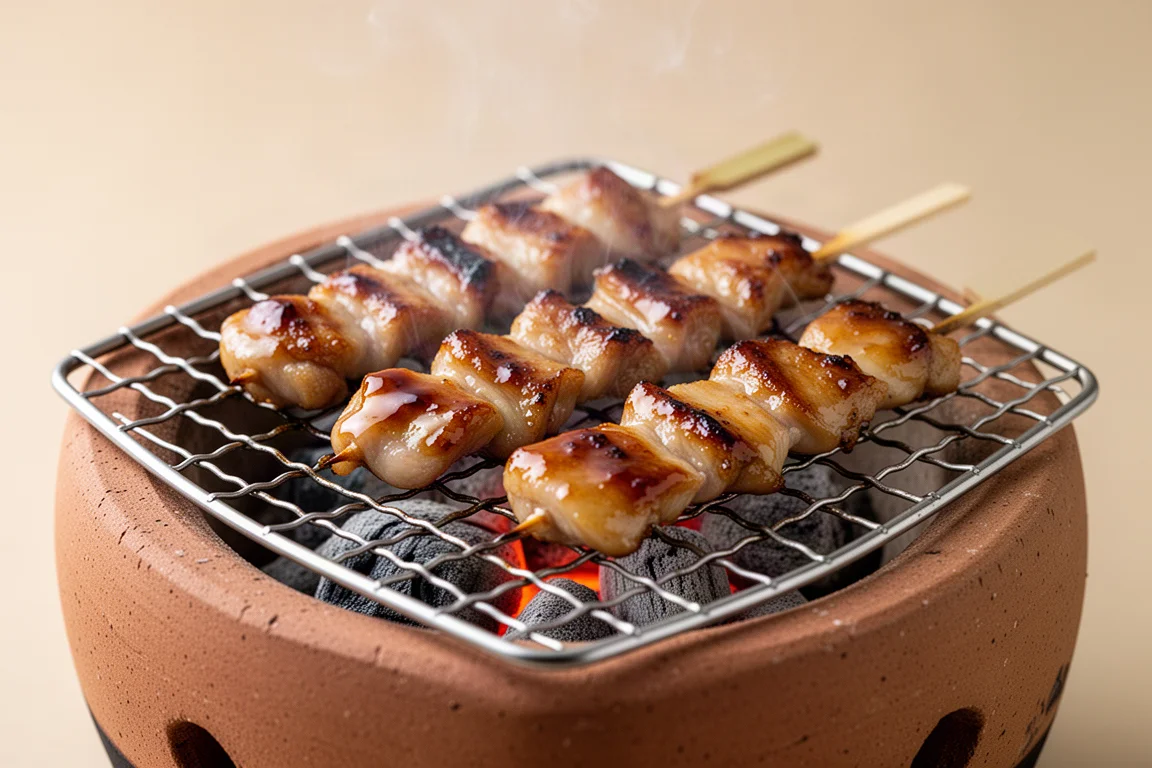
The test menu was chicken yakitori, plus a batch of pork chops, chicken wings, tenders, and drumettes. The results were genuinely excellent. The yakitori in particular turned out fantastic, which is equal parts technique, a good tare glaze, and a grill that works as advertised. The heat is hot, radiant, and directional, and there were no cold spots directly above the center divider, which separates the two charcoal chambers.
One practical note: this konro is deeper than typical yakitori-style grills, so standard yakitori skewers will not properly fit. Use longer skewers. If you like making skewers and grilling meat at the same time, rotating the grill grate 90 degrees gives you an open section that works plenty well and does not radiate uncomfortable heat.
The included binchotan comes from the Tosa region and is noticeably smaller than larger binchotan pieces. It lit roughly 5 to 10 minutes faster, but because the pieces are short, they had to be laid down in the chimney rather than stood up. Stacked pieces need to be moved around so all of them prime, or arranged in a crisscross pattern with the primed, glowing pieces at the bottom so rising heat primes the rest. Expect at least half the charcoal glowing before you start cooking.
Design Details Worth Knowing
The konro has two vents at the front only, not front and back, so face that direction correctly when setting up. The bottom features an open hole grid that most likely exists for airflow, giving the charcoal oxygen from the top, sides, and bottom, though it may also help remove spent charcoal after cooking.
The center divider is a small mystery, but since heat only travels upward it does not create dead zones. A more legitimate annoyance: the feet are not perfectly aligned, so the grill sits with a slight wobble when loaded. It is a minor issue at $149, and even a $400 konro can have the same problem.
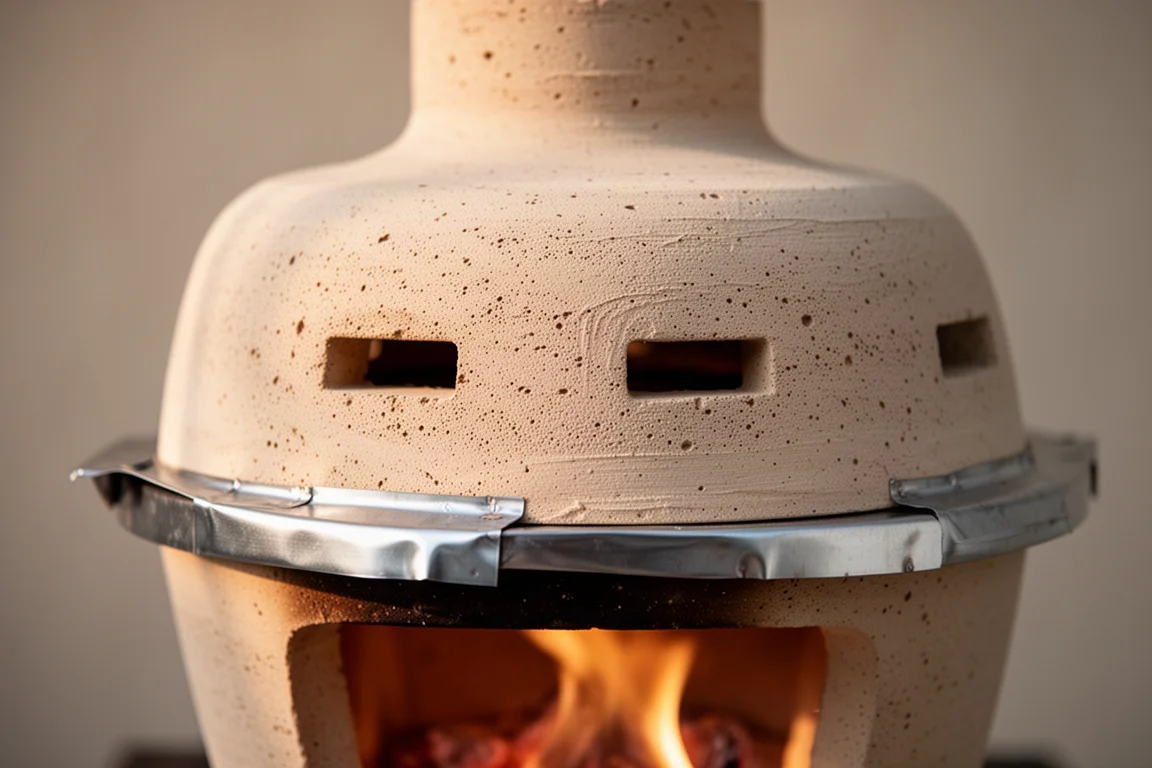
Longevity was impressive. In a windy, uncontrolled test with the vents fully open, the charcoal kept burning for roughly another three hours after cooking, for a total of about five hours before burning through. The test load was six pieces per side in a crisscross pattern, which is useful if you want to reproduce the burn time.
Cleaning and Accessories
Cleaning the grill was easy. A 30-minute soak dislodged nearly everything, and a hard bristle brush handled the rest. Avoid a scraper sponge, which will shred against the grate.
A pleasant surprise: the package included a pair of blue painted tongs at no extra cost. They are genuinely useful for grilling, though they are too short for safely rearranging charcoal inside a chimney starter, so keep them for the cooking surface only.
Who Is This Konro Barbecue For?
This konro is small, lightweight, and handle-free, which makes it easy to move and store. It is best suited to one or two people who want a proper Japanese grilling experience at home. A family of two with two guests can use it, but realistically for appetizers only, since konro cooking is deliberately slow. It is not fast food; it is slow food. Open a bottle of sake, enjoy the conversation, and let the charcoal do its work. Beyond meat, it handles vegetables beautifully, and even grilled peaches turn out wonderfully.
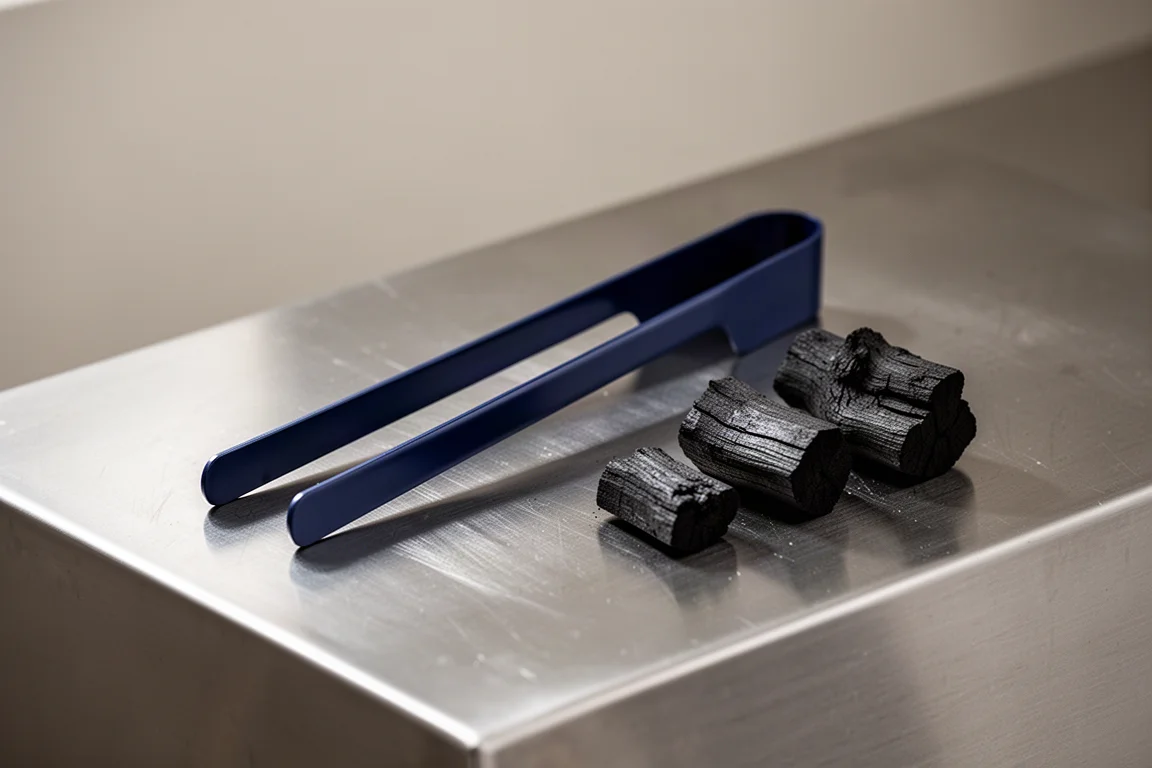
Bonsai Boys Trading also stocks the binchotan charcoal shipped straight from Japan, along with synthetic rubber cutting boards and knives from smiths such as Isamitsu and Nihito Miojin, the latter also from the Tosa region.
Buying Advice
At $149 USD, this is an accessible entry into authentic Japanese charcoal grilling. Accept the trade-offs, including the slightly wobbly feet, the deeper body that requires longer skewers, and front-only vents, and you get a lightweight, fast-drying konro with genuinely impressive radiant heat and long burn times. For anyone curious about yakitori at home, this is an easy recommendation.
Conclusion
The Bonsai Boys Trading konro barbecue proves that an authentic Japanese grilling experience does not require a big budget or a big footprint. With good technique, properly primed binchotan, and patience for slow cooking, it delivers excellent results for two people and makes an enjoyable, unhurried ritual out of every meal.
Product link
View more details for Bonsai Boys Trading Konro Barbecue
This product is mentioned in the review. Check the specifications, options, and compatibility before buying.
View more details for Bonsai Boys Trading Konro BarbecueFurther reading
Related Reviews

Outdoor Cooking
Traeger Wood Pellet Grill Review: Versatile Outdoor Cooking for Every Season
A practical look at what makes Traeger wood pellet grills stand out for home cooks seeking versatility beyond traditional barbecuing.
Outdoor Cooking
Ninja Wood Fire Barbecue Review: Smoky Flavour With Real Weeknight Speed
A compact electric grill with a built-in pellet smoker, quick repeatable cooking, and a cooking area worth checking before you buy.

Outdoor Cooking
Trangia Kettle 30 oz Review: An Ultralight Camp Kettle With One Real Catch
A 6.2 oz aluminum camp kettle for around $25 with excellent pouring and a plastic hardware compromise worth understanding before you buy.