Gravel Bikes
Boardman TRVL Review: A Flat-Bar Gravel Bike for the Space Between Road and Trail
The Boardman TRVL swaps drop bars for a flat bar and adds a short-travel suspension fork. A close look at what it does well, where it feels limited, and who it actually suits.
Introduction
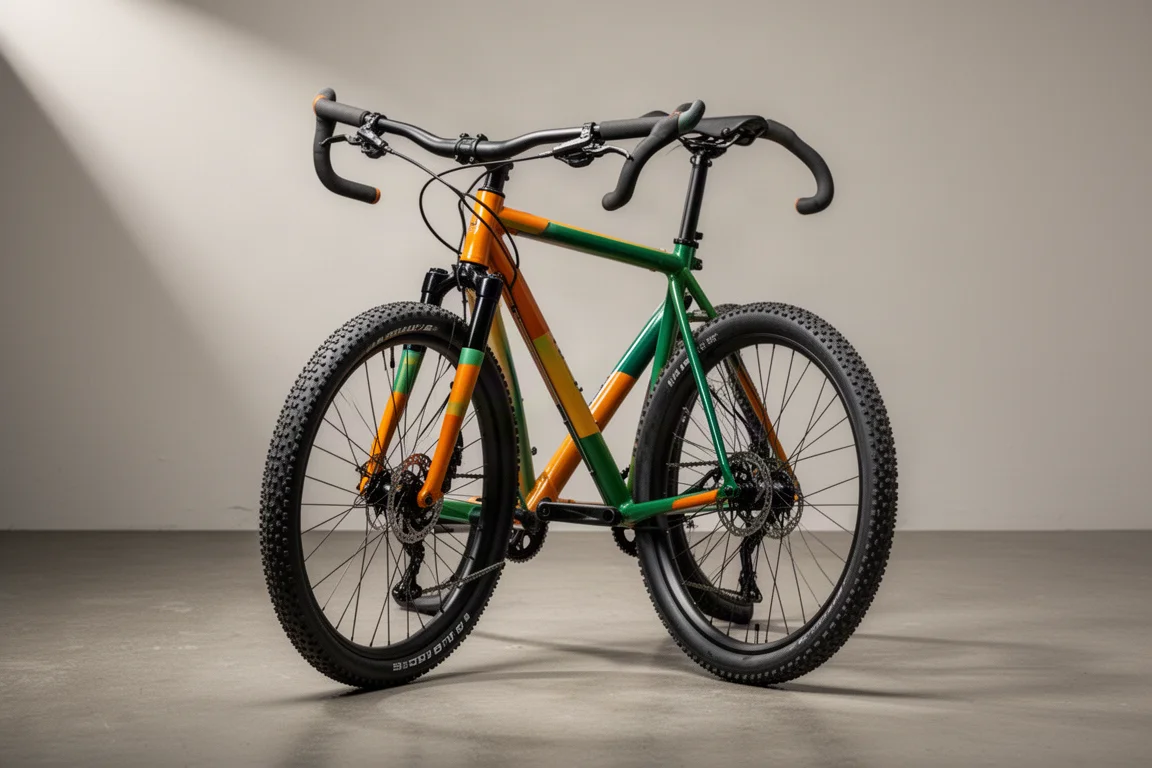
The Boardman TRVL starts from a familiar place: a British brand’s aluminium gravel frame. What changes is the cockpit. The drop handlebar is gone, replaced by a wide flat bar, and a short-travel suspension fork sits up front. The result is a bike that sits awkwardly, and rather interestingly, between two categories.
It borrows the spirit of a 1990s mountain bike, but the components are thoroughly modern: a one-by SRAM drivetrain with a wide-range cassette, hydraulic disc brakes, and a suspension fork with 40mm of travel. The frame wears a bold retro-inspired paint scheme rather than the usual black.
This review covers what the bike is built from, how it behaves on road, gravel, singletrack and wet forest trails, and where it makes the most sense for a real buyer.
Who the Boardman TRVL Is For
The clearest case for the TRVL is a rider who wants a gravel bike for tame, smooth gravel and mixed surfaces, not for racing or ultra-distance events. It is a niche product by design, and the riding window it fills is narrow: faster and more efficient than a hardtail mountain bike on road and gravel, more comfortable and more capable than a rigid gravel bike on rougher tracks.
It also appeals to riders who simply do not want a drop bar. A flat bar with large brake levers is easier to reach and operate, and the upright position is relaxed and comfortable for riders who find a low, stretched gravel position off-putting.
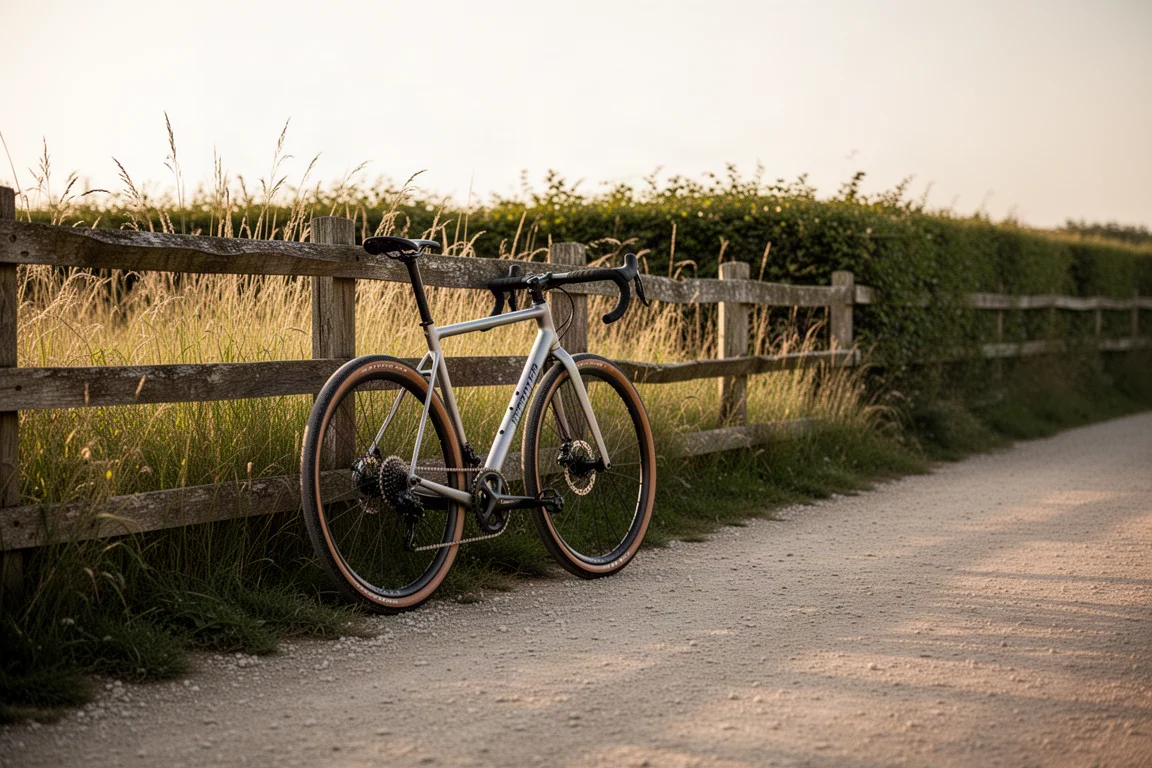
That combination makes it a plausible weekday commuter and a weekend adventure bike in one. The gear range is broad enough for steep climbs, there are mounts for bottles, racks and mudguards, and the riding position is friendly for traffic and for long, unhurried days out.
Main Strengths
The TRVL’s strengths cluster around comfort, control and gearing rather than outright speed. It is a bike that makes rough surfaces feel more manageable than a rigid gravel bike would, while staying noticeably quicker than a mountain bike on smoother ground.
Ride Comfort and Front Suspension
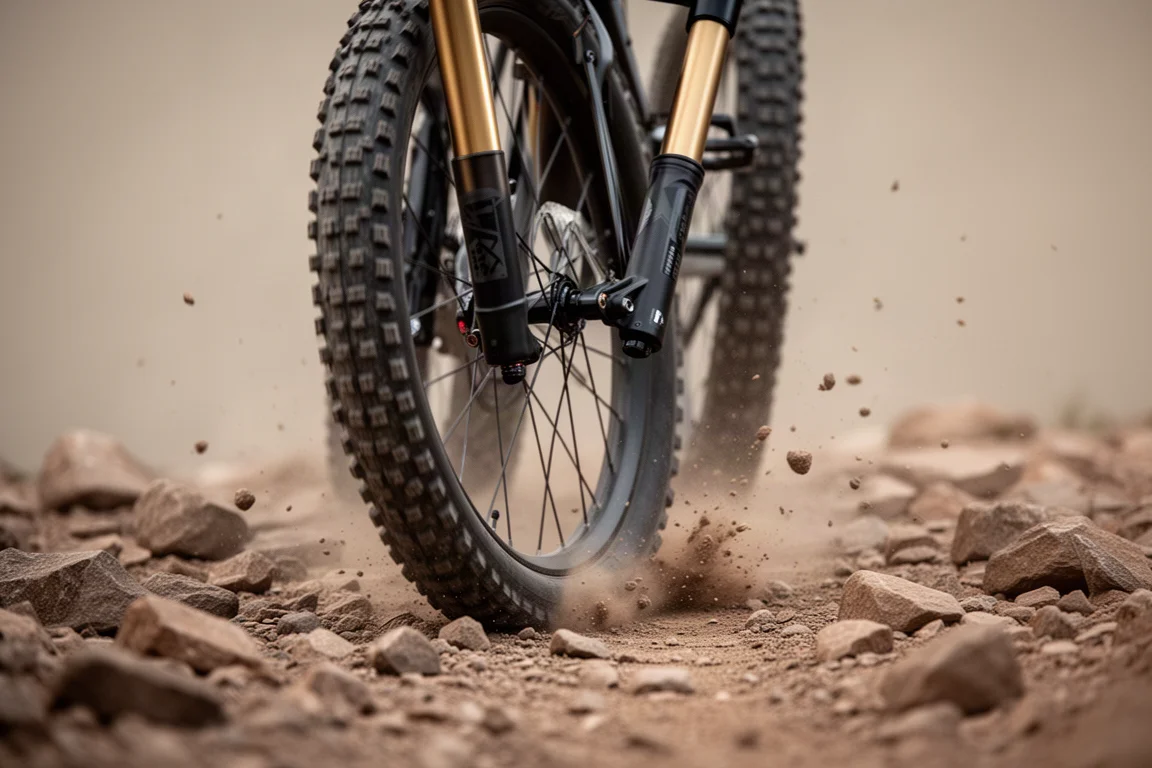
The RockShox Rudy fork delivers 40mm of travel, and it is the single feature that changes the bike’s character most. On hardpacked trail with rocky sections, it smooths the front end considerably, isolating the hands from roots, stones and washboard chatter. That extra composure lets you carry more speed downhill and hold your line more easily.
The tyres are Goodyear units at 45mm, with clearance for up to 50mm if you want a plumper, more cushioned setup. On wet but hardpacked gravel they roll with decent speed and grip predictably.
The rear end is a different story. It is noticeably firmer than the front, which is expected on a bike like this, but not harsh. There is plenty of seatpost exposed thanks to the sloping top tube and generous standover clearance, so a swap to a flexing carbon seatpost or a suspension seatpost is a sensible upgrade for riders who spend most of their time on rougher trails. The stock post is an oversized metal unit.
Gearing and Control
The drivetrain is a one-by SRAM setup with an Apex X crankset and a GX Eagle wide-range cassette. The low gears are genuinely easy, which makes steep off-road climbs far more accessible than a racier gravel ratio would, and the broad spread means you can spin rather than grind on long fire-road ascents.
Braking comes from SRAM hydraulic discs, which provide strong, predictable stopping power in wet and gritty conditions. The wide, fairly swept-back handlebar paired with Ergon ergonomic grips gives a stable, comfortable hold and noticeably more leverage than a typical drop bar, so steering feels light, quick and nimble.
The aluminium frame is stiff, and that shows in power transfer. Despite the overall weight, the bike responds well when you push on the pedals, and the frame’s efficiency partly disguises how much it weighs.
Things to Consider Before Buying
Two issues deserve attention before you commit: the fit, and the setup work the bike needs out of the box.
Fit and Sizing
This is the most important thing to check. Gravel geometry is designed around a drop handlebar, and swapping to a flat bar changes reach and fit substantially. Boardman fits a very short stem with the wide bar to compensate, which keeps the steering quick but makes the cockpit feel compact.
Riders around 181cm on a size medium may find the position tight and slightly cramped compared with a drop-bar gravel bike, with arms pulled in rather than extended. Boardman suggests a medium for riders up to roughly 185cm, but if you are near the top of that range, a size large or a longer stem may give a more natural, roomier reach. It is worth sitting on both sizes if you can.
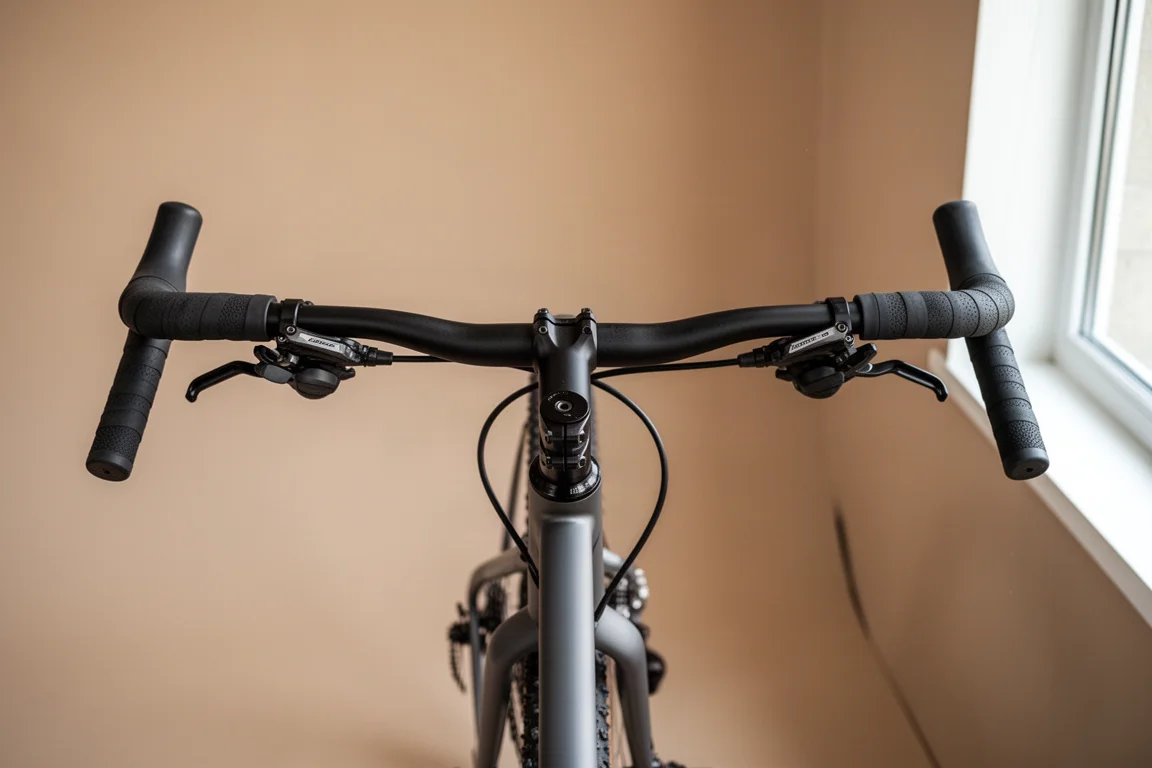
The upside of the short, upright position is that turning is immediate and the bike feels agile in tight corners. The trade-off is that riders used to a longer, more stretched cockpit will need time to adapt.
Weight and Setup
The bike weighed 11.4kg on the scales for a size medium without pedals. That is not light, and while the stiff frame hides some of it on the move, it is a factor if you are comparing against lighter gravel bikes.
The TRVL also does not ship tubeless out of the box. For a bike intended for off-road use, that is a missed opportunity, and setting it up tubeless means fitting valves and sealant yourself, or asking the shop to do it before you collect the bike. It is a worthwhile first job given how much it reduces the risk of flats on rough surfaces.
Mudguard compatibility is mixed. There are mounts at the rear, but the suspension fork makes a full-length front mudguard difficult. RockShox offers its own small front fender that fits the fork, though it is not a full-length guard. Rack mounts are present, so commuting and light touring setups are realistic.
Buying Advice
Buy the Boardman TRVL if you want a flat-bar gravel bike for smooth and moderately rough gravel, fire roads and light singletrack, and if you value comfort, easy gearing and accessible controls over outright speed. It also suits riders who split their time between commuting and weekend off-road riding on the same bike.
Think carefully if your riding leans toward fast gravel racing, ultra-distance events, or aerodynamics. A drop-bar gravel bike gives you more hand positions and a more efficient position for those goals. Equally, if technical mountain bike trails are your main interest, a hardtail mountain bike offers far more suspension travel, bigger tyres, more grip and geometry built for that job. The TRVL will cope with occasional rougher terrain, but it is working beyond its comfort zone there, and the 45mm tyres are better suited to gravel than to proper mountain biking.

Where it does shine is the sliver of riding between those two extremes. It is more engaging than a modern mountain bike on tame trails, because it asks more of your skills rather than flattening everything out. Riders who enjoy that under-biked feeling, and who accept a firmer, more communicative ride, will get a lot out of it.
Conclusion
The Boardman TRVL is a genuinely interesting bike rather than a sensible one. The flat bar, suspension fork and easy gearing make off-road riding more approachable, the paint scheme has real character, and the stiff aluminium frame keeps it responsive when you put power down. The compact fit, the 11.4kg weight and the tubeless setup work are the main points to weigh up.
It is a niche machine, and most riders will know fairly quickly whether it is for them. For the right buyer, riding tame gravel, forest tracks and the occasional stretch of singletrack, it is a fun and capable choice that sits comfortably in the space between a gravel bike and a mountain bike.
Product link
View more details for Boardman TRVL
This product is mentioned in the review. Check the specifications, options, and compatibility before buying.
View more details for Boardman TRVLFurther reading
Related Reviews
Gravel Bikes
3T Exploro Ultra Review: A Fast Gravel Bike Built for Big Tyres
A close look at the 3T Exploro Ultra, an aero carbon gravel bike designed around wide tyres, with road-like handling, a 980 g frame and genuine rough-terrain capability.
Gravel Bikes
3T Extrema Italia Review: Aero Gravel Speed With Room for 57 mm Tires
The 3T Extrema Italia pairs an aero frame with huge tire clearance, Italian-made carbon and a more comfortable ride than the RaceMax. Here is what to know before buying.
Gravel Bikes
3T Race Max 2 Italia Review: An Aero Gravel Race Bike Made in Italy
A closer look at the second-generation 3T Race Max 2 Italia, covering its aero updates, ride character, tire clearance, internal storage and who it suits.