Gravel Bikes
BMC Kaius Review: A Refined Carbon Gravel Race Bike
The second-generation BMC Kaius adds aerodynamic gains, 52 mm tire clearance and a slightly more forgiving geometry. Here is what to know before buying.
Introduction
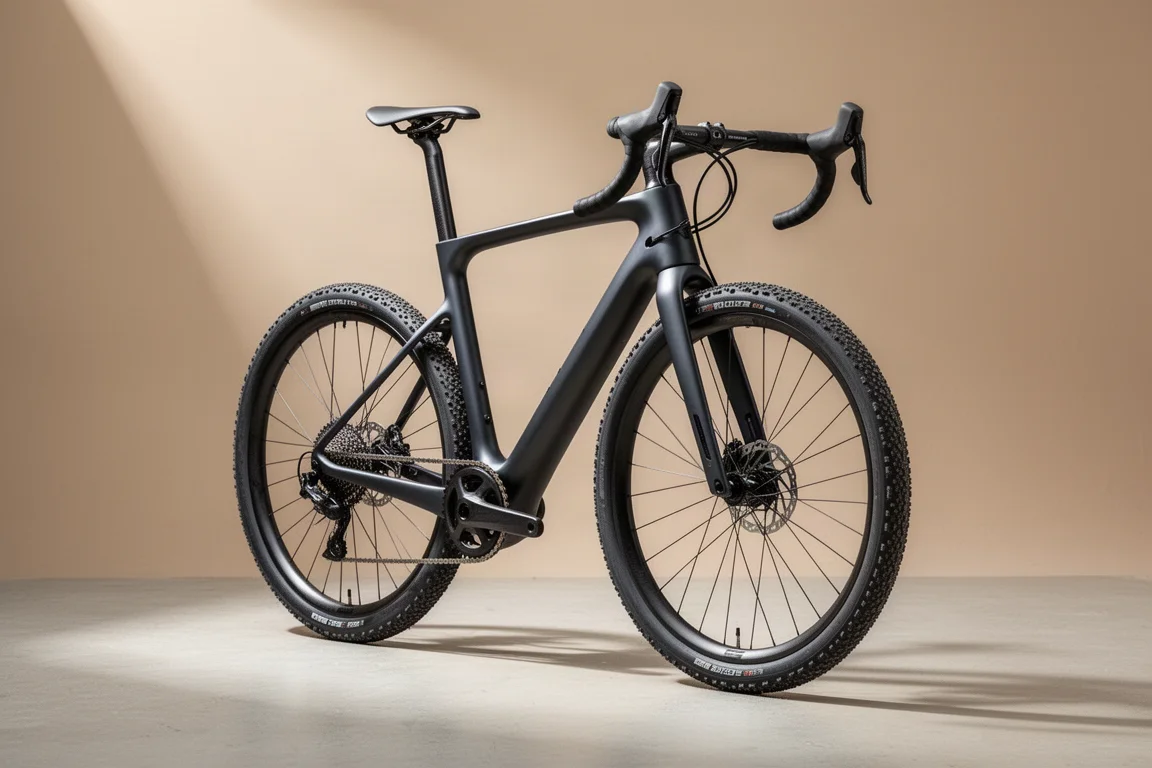
The BMC Kaius arrived in 2022 as a carbon gravel race bike built around road racing thinking, including one of the narrowest handlebars seen on a gravel racer. This second version keeps that blueprint and refines it. The frame is claimed to be more aerodynamic, lighter and stiffer, tire clearance has grown, cargo mounts have been added, and the geometry has been relaxed slightly to make the bike a little more forgiving.
This review covers what changed, how the new Kaius behaves on mixed terrain, and who should consider it against the other aero gravel race bikes currently on the market.

The short version: the Kaius remains a focused race machine rather than an all-rounder, and that focus is exactly what makes it interesting if your riding is built around speed.
Who the BMC Kaius Is For
The Kaius is aimed squarely at gravel racing. The front end borrows the aerodynamic approach of BMC’s road racing platform, while the rear is designed to stay light and compliant. Riders who chase speed on fast gravel, hardpack and pavement-to-dirt routes are the core audience, and anyone who wants a position that still feels low and racy will find plenty to like.
It is not a bikepacking or adventure bike. Everything here is tuned around speed and efficiency, so riders who want heavy load capacity, a relaxed riding position or internal frame storage should look at adventure-oriented gravel models instead.
What Changed on the New Kaius
Aerodynamics moved forward with lessons taken from BMC’s Teammachine R, the road platform developed with Red Bull Racing and launched roughly two years earlier. The result is a bike claimed to be 12 percent faster when tested on its own in a wind tunnel, or around 1 percent faster with a rider on board and tested with 45 mm wide tires. The new fork uses a wide halo stance, the down tube has been reshaped, and the aero bottle cages from the road bike are carried over for the first time. The front end behaves like the aero road platform, while the rear stays closer to the lighter, more compliant road model.
The most important change is tire clearance, which grows from 44 mm to 52 mm, with 6 mm of ISO clearance around the tire. You could squeeze something slightly larger in very dry and dusty conditions, but 52 mm is the official figure. Complete bikes ship with 45 mm tires, while the rides covered here used a new 50 mm Continental tubeless tire that sits closer to a mountain bike tire in profile but is positioned as a gravel race tire.
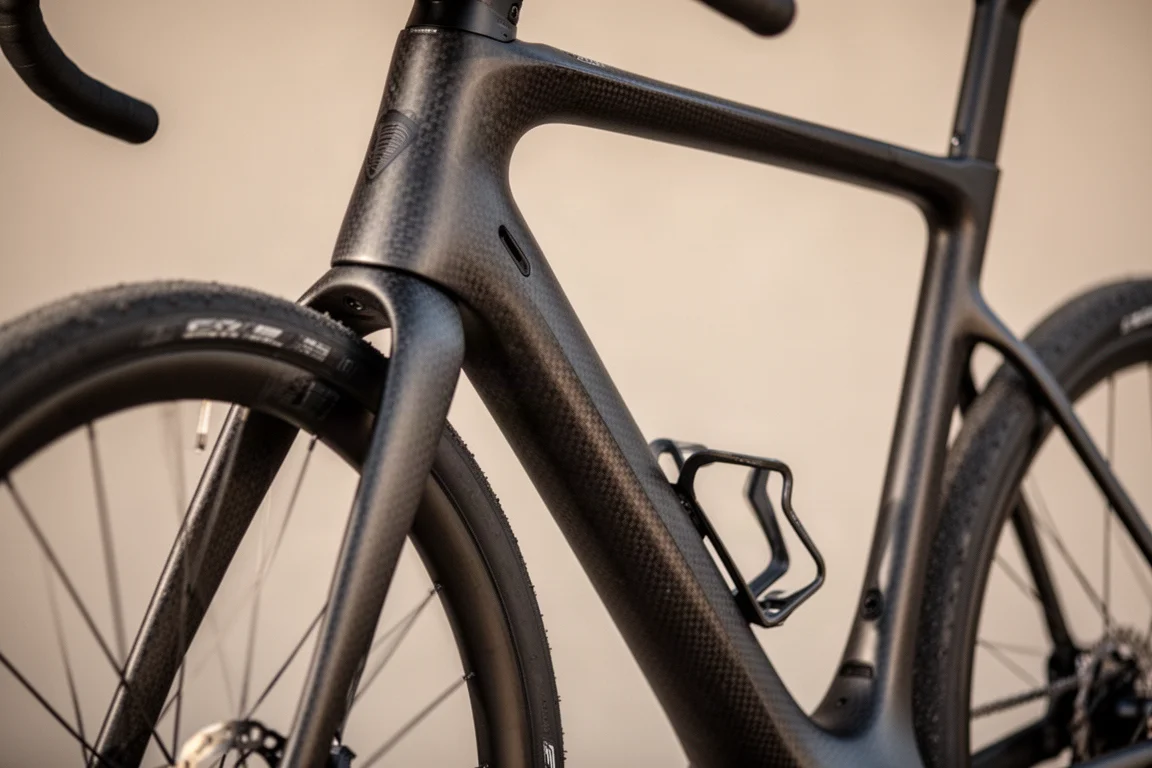
That clearance increase brings the Kaius into line with where gravel racing sits right now, where around 50 mm is roughly average and a few brands are pushing wider still. Whether 52 mm is enough depends entirely on how wide you want to go. To make room for the bigger tires, the bike is one-by only, compatible with chainrings from 38 to 50 teeth, and it uses a UDH dropout and a T47 bottom bracket.
Weight, Cargo Capacity and Frame Details
The claimed frame weight is now 998 g for an unpainted 54 cm frame, with a total frameset weight of 1,469 g, a saving of 63 g. Built up with wheels and a groupset, the bike is claimed to weigh 8.3 kg with a SRAM Rival AXS 1x13 setup, dropping to a claimed 7.1 kg with a SRAM Red AXS groupset.
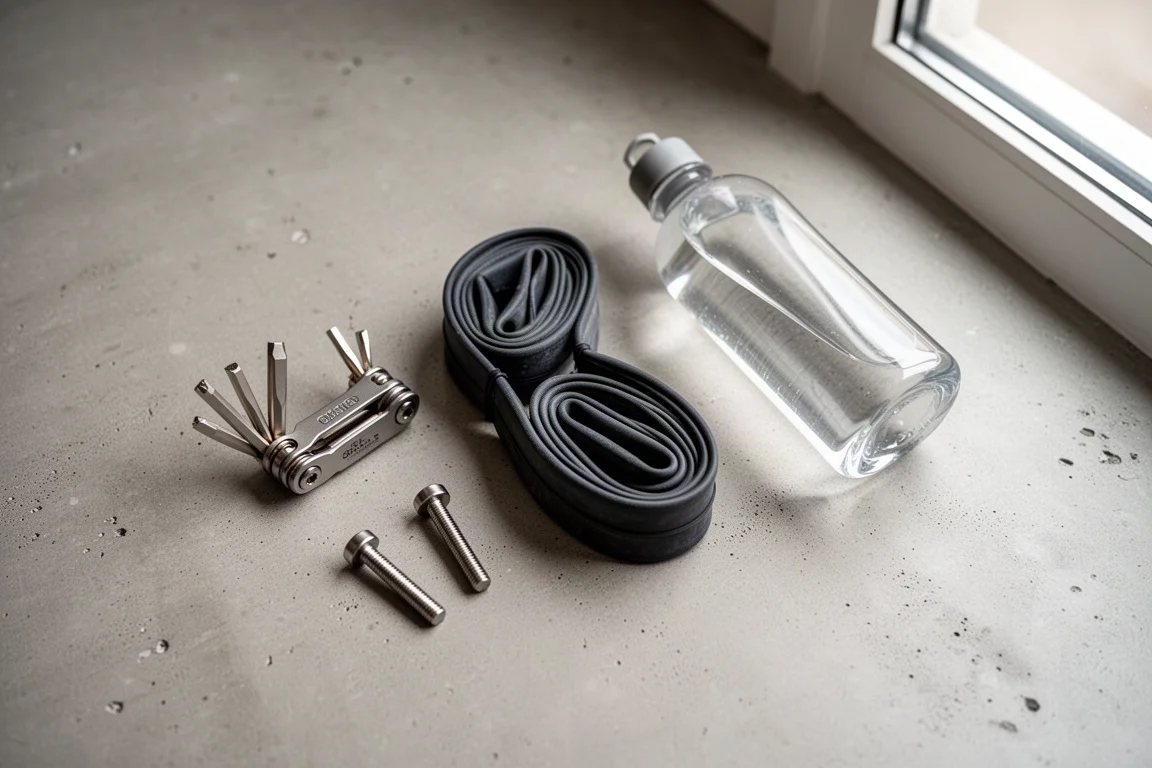
Cargo capacity has improved as well. There are two bolts on the top tube, an additional bottle cage mount on the down tube, and two bolts underneath the top tube for a small multi-tool or an inner tube. There is no in-frame or down tube storage, which BMC keeps for its adventure-focused model. For riders who use a race bike for everyday local gravel rather than racing, that omission is worth weighing up.
Geometry and Handling
The new geometry is more laid back than the original, which was extremely aggressive and essentially a road bike with fat tires. Stack is now 11 mm higher, which raises the handlebar position, and reach is 5 mm shorter. The trail figure stays at 72 mm with a 71 degree head angle, the bottom bracket sits 10 mm higher to account for the larger tires, and the chainstays are 5 mm longer to fit them in.
The handlebar remains narrow, with more width options than before, including 37 and a new 39. Even with the taller stack, the position stays low and racy rather than upright.
Ride Experience
Two days of riding across California gravel and pavement gave a clear read on the bike. On tarmac the 50 mm knobby tires felt sluggish, which is the trade-off of running a tire this aggressive, but the bike still tracked along fine on the road sections. Once off-road on maintained gravel, the Kaius felt rapid and every bit the race bike it is designed to be.
Traction in loose, dusty gravel was excellent, and comfort at very low pressures was immense. On hardpack and pavement the tire became the limiting factor, where a faster-rolling gravel tire would suit the conditions better. In mixed, wetter conditions the bigger, grippier tire makes far more sense. Despite the higher stack, the bike still feels low-slung and aggressive, and the long trail combined with the large tires keeps it mild-mannered rather than twitchy or edgy.
One point of preference: the aero top section of the handlebar is bulky and harder to wrap smaller hands around. The width and flared drops are fine, but a slimmer bar would suit some riders better.
Things to Consider Before Buying
- There is no internal frame storage, which some riders will miss at this price point.
- The bike is one-by only, so riders who want a front derailleur should look elsewhere.
- 52 mm tire clearance is generous for most riders, but it is not the widest on the market.
- The aero handlebar profile divides opinion, particularly for riders with smaller hands.
- Pricing is high across the range, including the frameset.
- This is a race bike, not a do-it-all or bikepacking machine.
Buying Advice
The Kaius is available as a frameset at around 4,500 euros, plus three complete builds starting at around 5,500 euros with SRAM Rival AXS and rising to around 11,000 euros with a SRAM Red AXS groupset. That puts it firmly in premium territory.
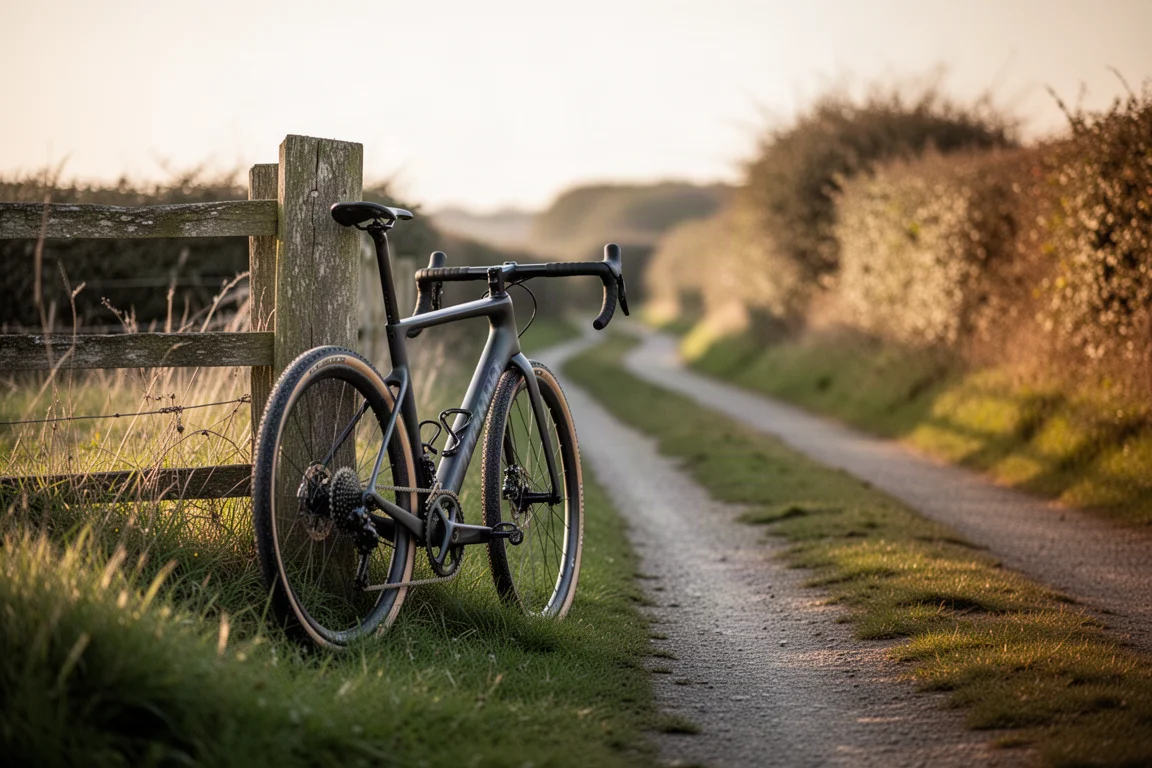
If you want a pure gravel race machine that applies road bike thinking to the dirt, the Kaius is one of the most interesting bikes in the category. It is worth comparing against a few well-known alternatives before deciding. The Specialized Crux is likely lighter but not aerodynamic at all, the Wilier Rave is a similar aero proposition and likely just as quick, and the Ridley Kanzo RS is often overlooked despite being a very good aero gravel race bike with similar tire clearance. The Cervelo Aspero and Canyon Grail are also solid options in the same space.
If instead you want one bike that covers racing, commuting and bikepacking, there are better choices. The Kaius is at its best when speed is the priority.
Conclusion
BMC has taken the original concept and refined it in the right areas. The new Kaius is faster, lighter, more aerodynamic and more capable than before, and the jump in tire clearance brings it properly up to date with where gravel racing stands today. On the bike it still feels fast, direct and clearly built for racing, but with a little more forgiveness and versatility thanks to the geometry tweaks and the larger tire capacity.
It is not perfect. Riders who want internal frame storage will miss it at this price, and the question of how far tire trends will go remains open. But for the riding this bike is designed for, the priorities are clear: speed and efficiency, not adventure. As a focused gravel race machine, the Kaius remains one of the most compelling options in its category.
Product link
View more details for BMC Kaius
This product is mentioned in the review. Check the specifications, options, and compatibility before buying.
View more details for BMC KaiusFurther reading
Related Reviews
Gravel Bikes
3T Exploro Ultra Review: A Fast Gravel Bike Built for Big Tyres
A close look at the 3T Exploro Ultra, an aero carbon gravel bike designed around wide tyres, with road-like handling, a 980 g frame and genuine rough-terrain capability.
Gravel Bikes
3T Extrema Italia Review: Aero Gravel Speed With Room for 57 mm Tires
The 3T Extrema Italia pairs an aero frame with huge tire clearance, Italian-made carbon and a more comfortable ride than the RaceMax. Here is what to know before buying.
Gravel Bikes
3T Race Max 2 Italia Review: An Aero Gravel Race Bike Made in Italy
A closer look at the second-generation 3T Race Max 2 Italia, covering its aero updates, ride character, tire clearance, internal storage and who it suits.