Hand Tools
Blue Point vs Snap-on Tools: What Buyers Should Know Before Choosing
A practical look at Blue Point tools, the vintage S332 Supreme wrench, a popular 3/8 drive socket set, and how the Snap-on comparison holds up.
Introduction
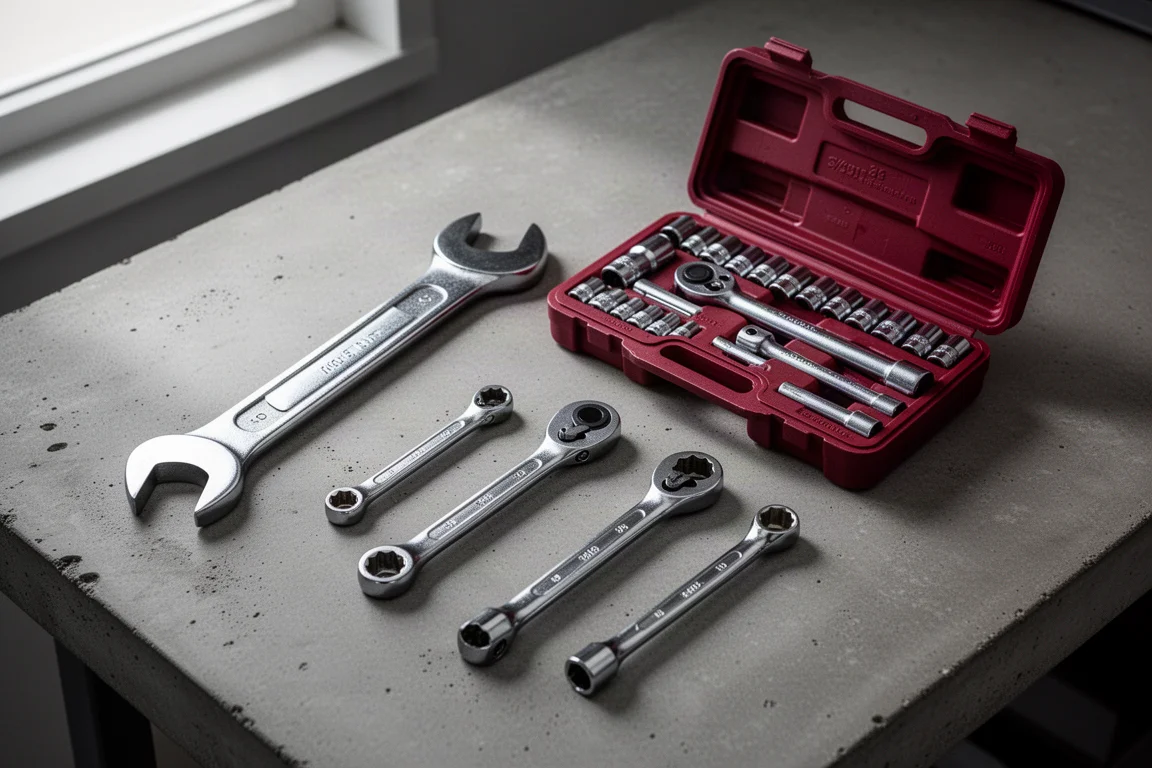
Anyone who has bought tools on the secondhand market has run into the debate: sellers who insist Blue Point tools are essentially Snap-on tools at a lower price, and Snap-on loyalists who argue the flagship brand is still a step above. The truth sits somewhere in between, and it matters whether you are filling a truck kit, picking up vintage pieces, or deciding where to spend more. This guide walks through the brand relationship, two specific Blue Point products worth knowing, the wider Blue Point range, and the premium comparison.
The Blue Point and Snap-on Relationship
Blue Point reportedly started around 1925, originally as a chisel and punch manufacturer. The name apparently came from the heat treatment process: the business end of the tools took on a blue hue after hardening, so the point of the tool was blue, and therefore Blue Point. Snap-on bought the company around 1932, seemingly in part for its intellectual property and certain designs. That acquisition is the root of the long-running argument, because the two brands have been linked under the same truck sales model ever since.
In practice, the relationship is nuanced. Some Blue Point tools are made in the United States and sit close to Snap-on quality, while a good deal of the current range is produced in Taiwan or China. Some pieces are things Snap-on simply does not make, which makes Blue Point a genuine fill-the-gap line rather than just a cheaper mirror of the flagship brand. Warranty handling can also blur the line further: owners report trading in worn Blue Point pieces at the truck and walking away with Snap-on replacements when no Blue Point equivalent existed.
Vintage Character: Blue Point S332 Supreme Wrench
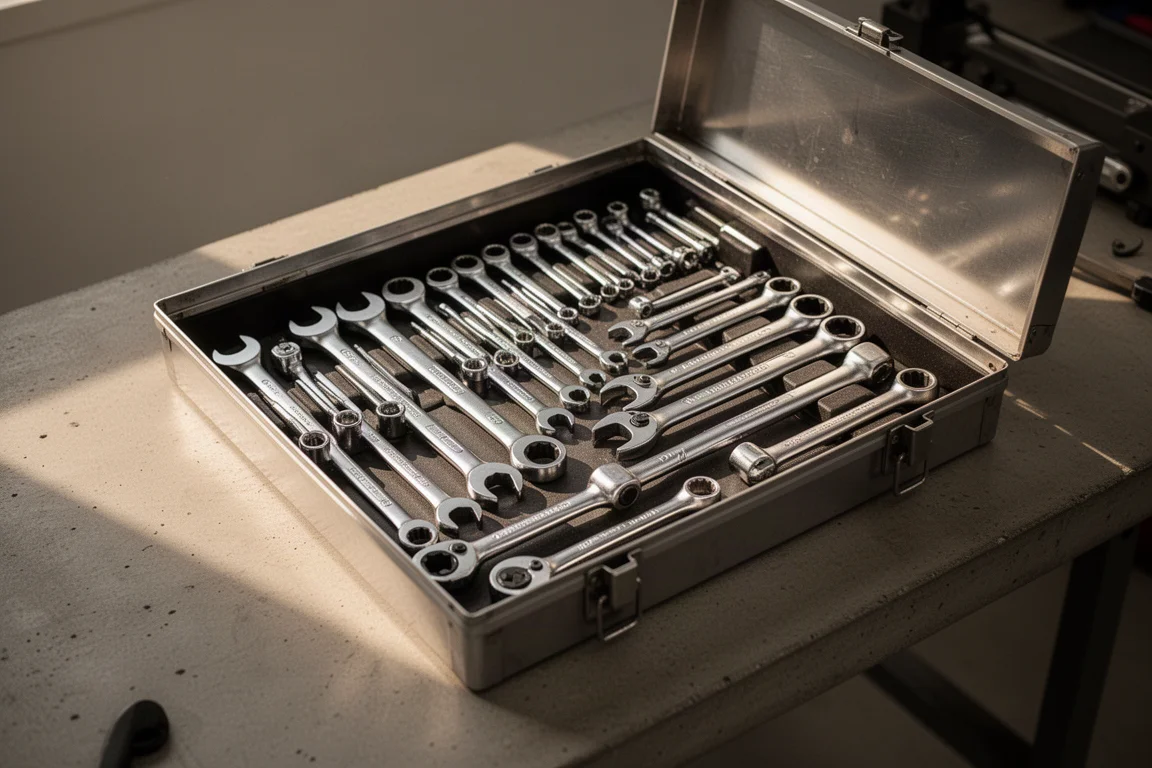
The Blue Point S332 Supreme wrench is a good example of the brand’s older, rougher character. This style of raised-panel combination wrench apparently ran from around 1937 into the 1950s, and the S332 shown here could plausibly date to 1937 based on the formed panel, though dating Blue Point pieces precisely is difficult. The finish is noticeably less refined than the polished Snap-on look people expect, with surface marks that seem to come from the design itself rather than abuse.
Compared directly against a Snap-on 17mm wrench, the Blue Point version is a little shorter, definitely thicker, and has a noticeably thicker wall in the box end. Some owners actually prefer that heavier, denser feel in the hand. If you enjoy vintage hand tools with honest forging character rather than mirror polish, this era of Supreme wrench is a satisfying and affordable way into the brand.
A Solid Truck Kit: Blue Point 3/8 Drive Socket Set
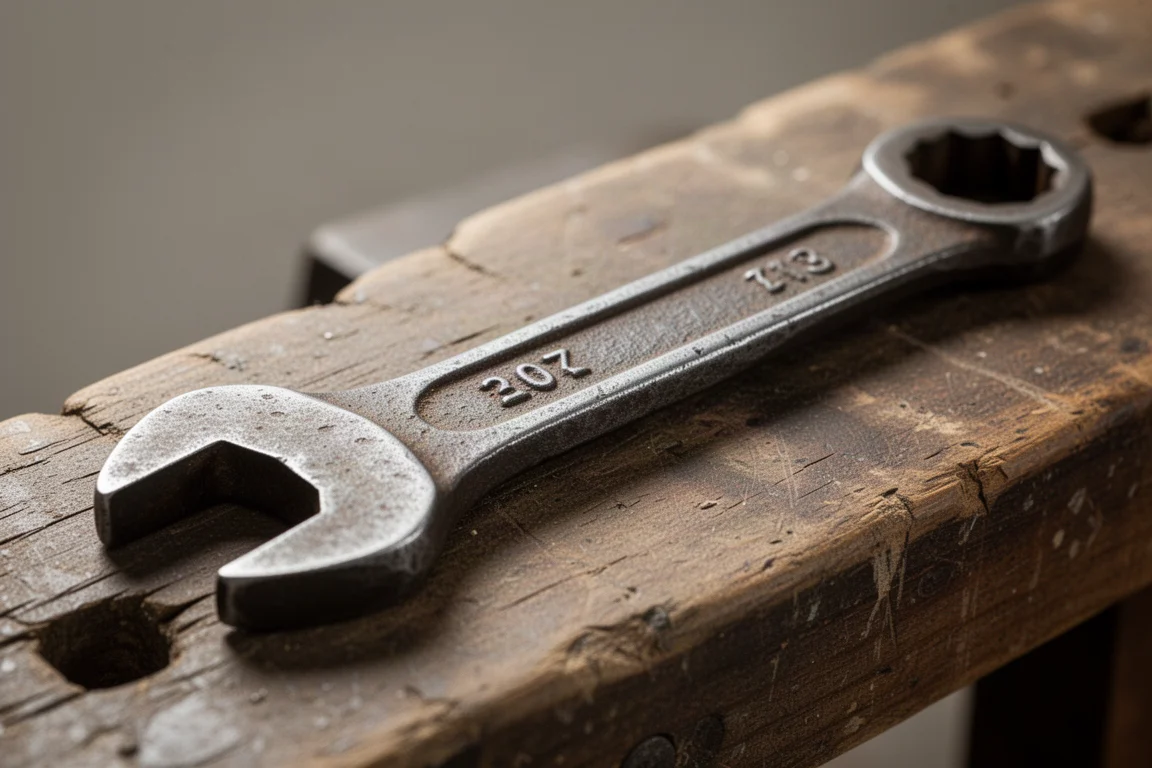
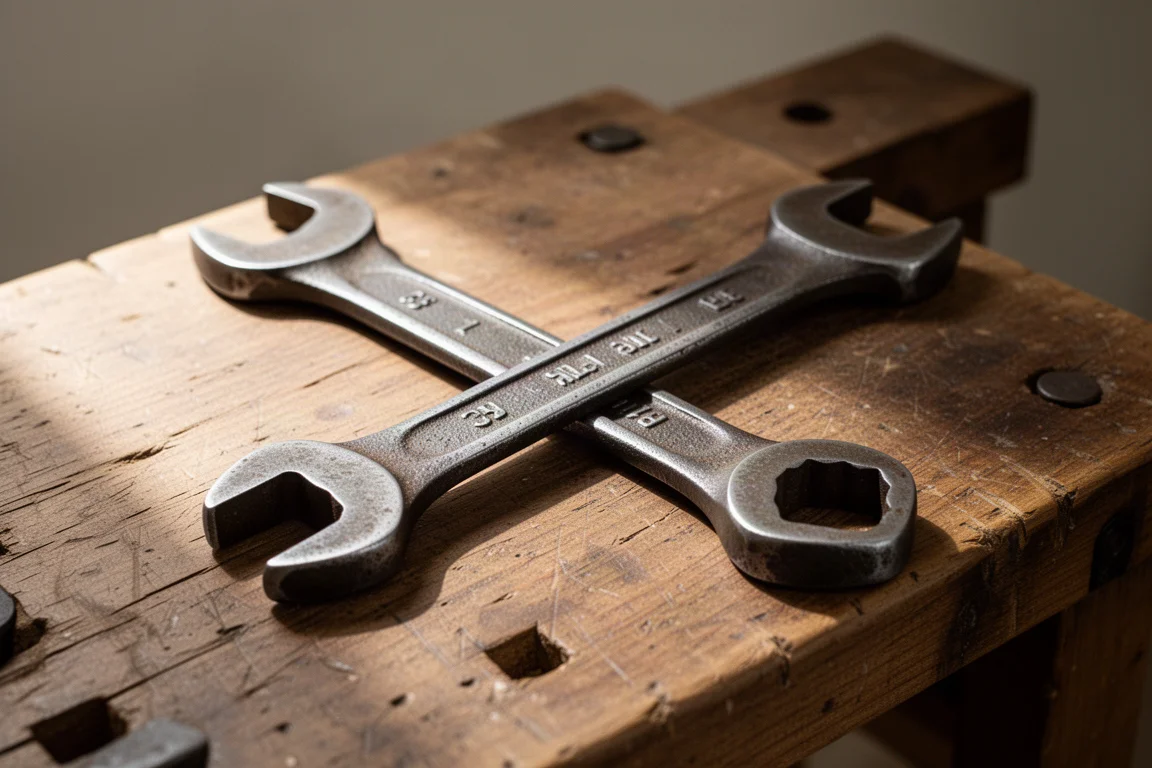
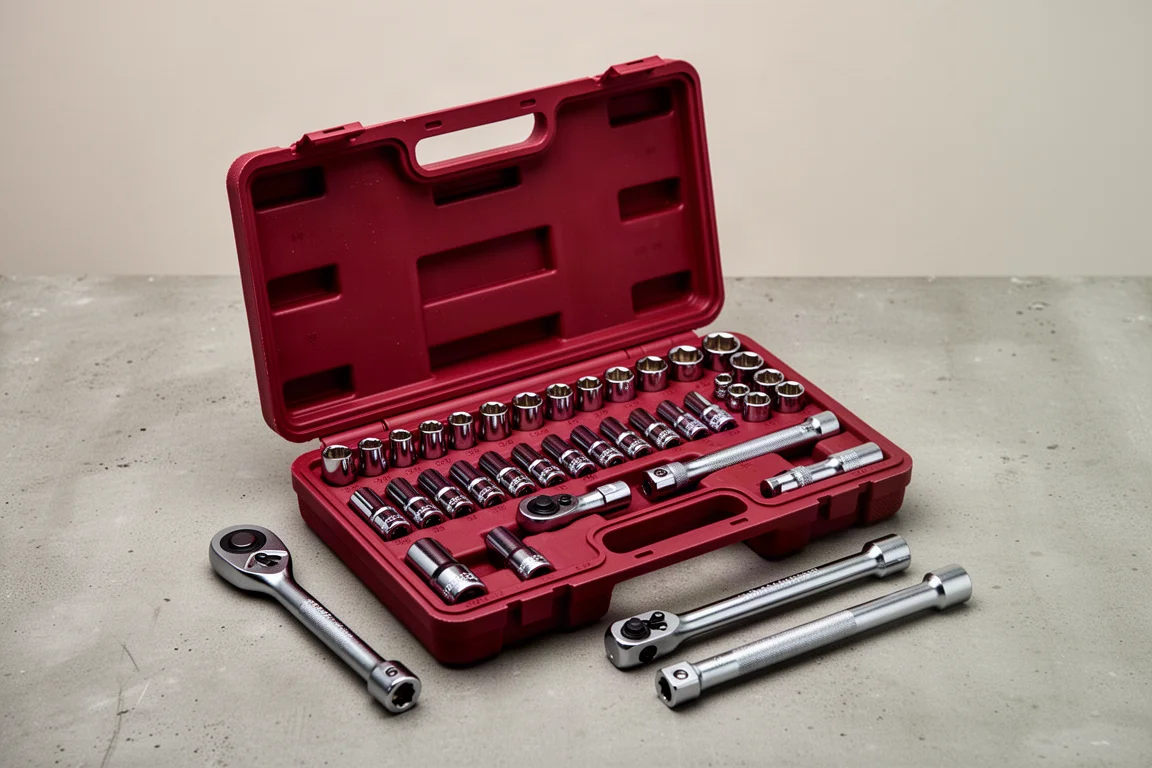
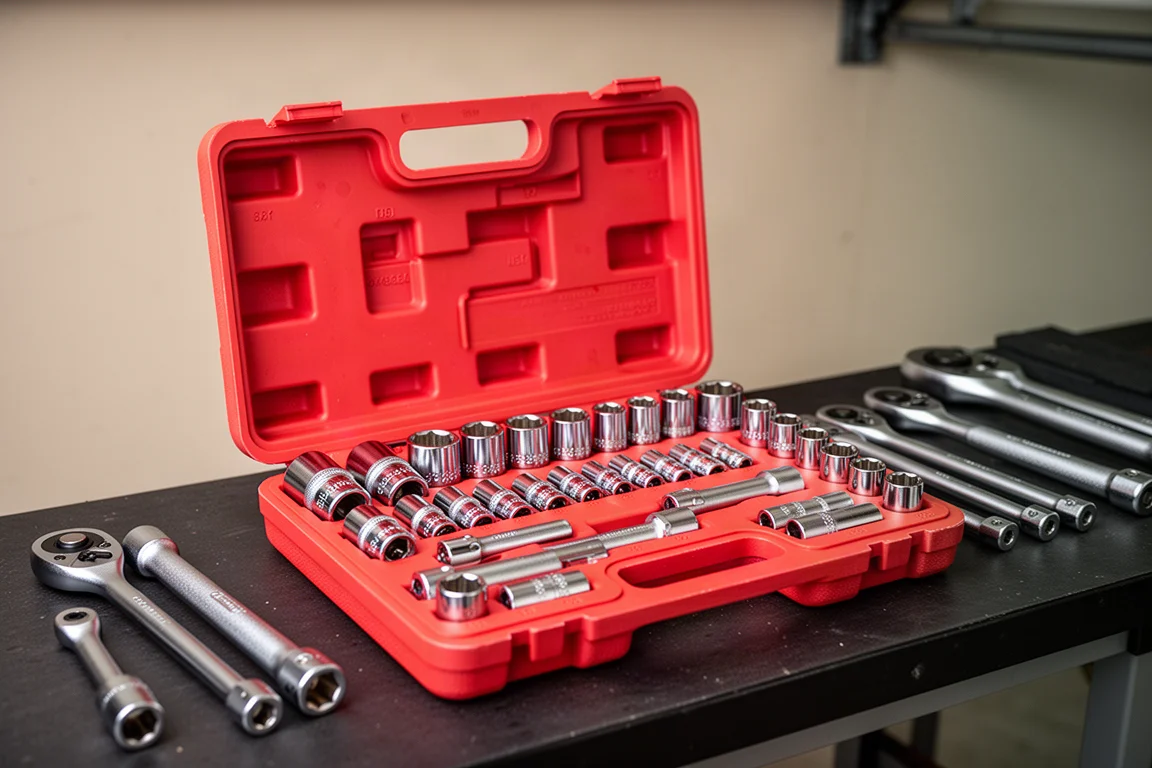
Blue Point also makes some excellent sets, and one of the most popular is a 3/8 drive offering that covers SAE and metric across the board, in both shallow and deep lengths. It is exactly the kind of kit you want to throw in a truck: broad coverage, sensible organisation, and everything you need for general mechanical work in one case.
One caveat deserves attention. Blue Point items sold in these plastic cases also appear on Amazon, and it is unclear who is selling them there or what support looks like. Buying through the traditional tool truck channel remains the safer route for warranty confidence.
Where Blue Point Fills the Gaps: General Blue Point Tools
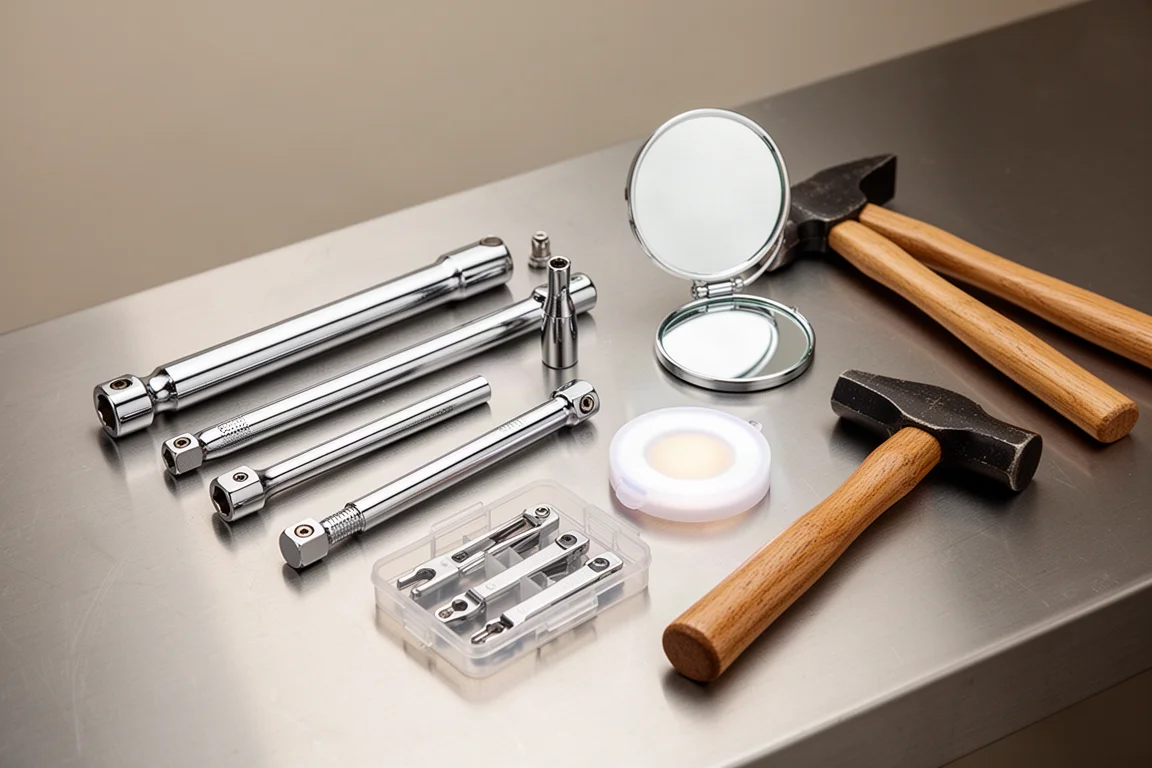
Beyond the headline sets, the wider Blue Point range covers ground Snap-on does not dabble in. There is a plastic clip tool set that Snap-on has no equivalent for, a lighted mirror inspection tool, an outstanding magnetic tool that is a favourite among owners, and a range of wood-handled hammers sold off the Snap-on truck under the Blue Point name. Even some giant and specialty tools carry the Blue Point branding.
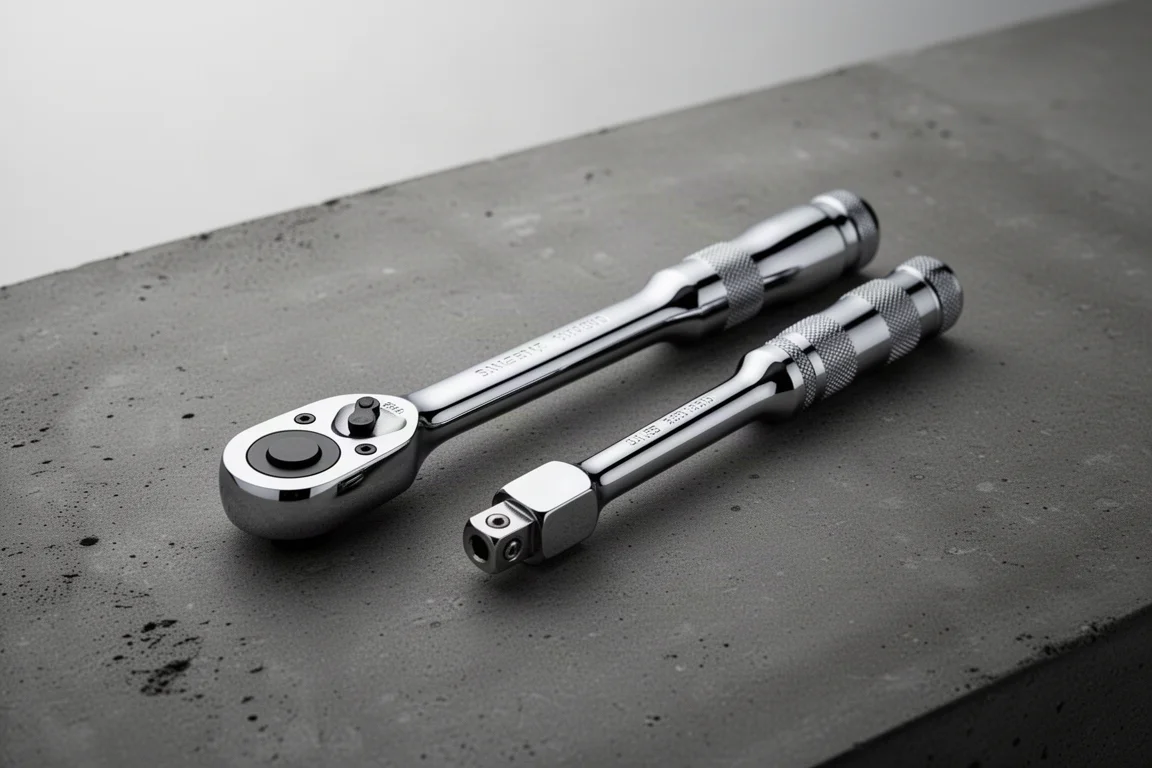
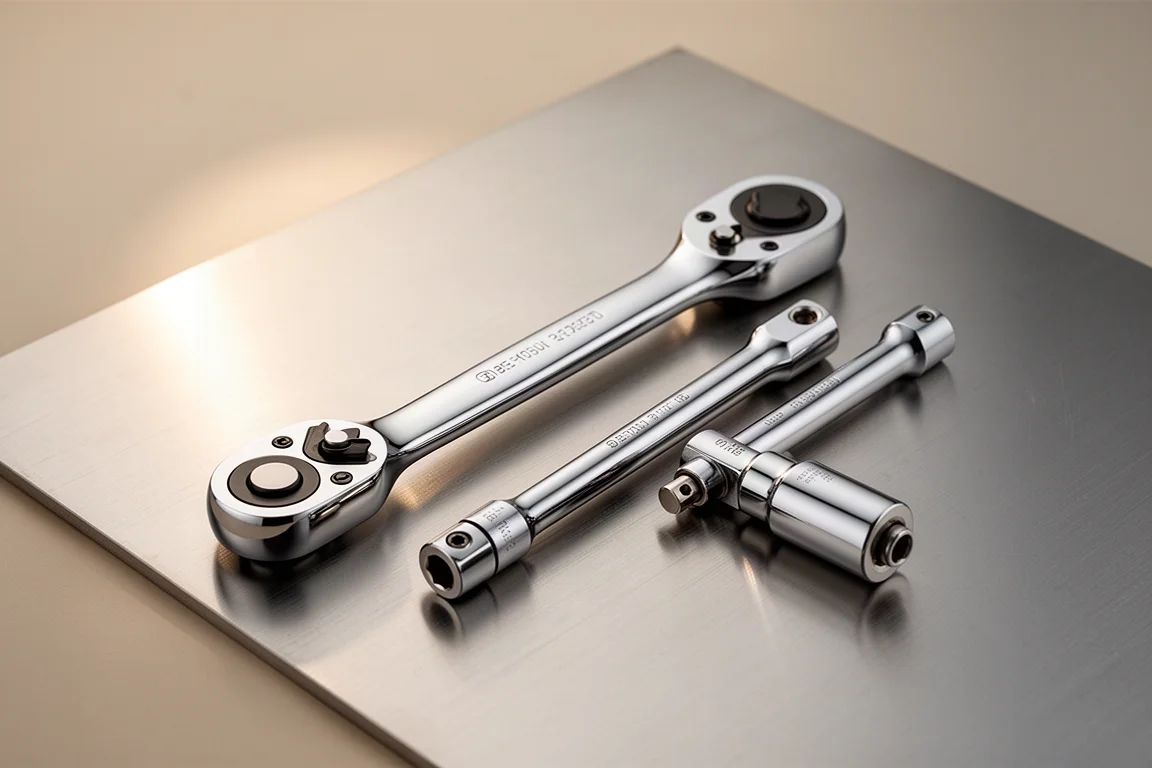
There are also cases where Blue Point versions of shared categories come out ahead. A set of Blue Point extensions with a spinner is described as noticeably nicer than the Snap-on equivalents. On the other hand, Blue Point ratchets, while pleasant and solid to use, show little innovation, carry no USA marking on some examples, and date roughly to the mid-1930s style era without much information etched on them. Quarter-inch driver pairs where both versions exist tend to favour the Snap-on version, which also accepts an extension or ratchet at the far end.
The Premium Comparison: Snap-on Tools
So is Blue Point really Snap-on? The honest answer is mixed. Snap-on is generally more likely to be made in the US and to sit a step higher in finish quality and refinement, and where direct equivalents exist, the Snap-on version often wins. But the warranty interchangeability means that in practical ownership terms, the two brands can behave almost identically at the truck. Blue Point also serves as a lower-priced entry point and a way to cover categories Snap-on ignores.
It remains an open question whether Blue Point, now being sold in other channels, will eventually be marketed separately from Snap-on. For now, treat it as its own thing: sometimes a near-equal, sometimes a genuine alternative, occasionally a lesser-priced stand-in.
Buying Advice
If you want maximum coverage for the money in a general mechanical kit, the Blue Point 3/8 drive socket set is a strong choice, ideally purchased through the tool truck rather than third-party marketplaces. If you enjoy vintage steel, the S332 Supreme era wrenches offer honest forging character at a friendly price. For categories Snap-on does not make, Blue Point is often the only truck option and frequently a good one.
Where the Snap-on premium pays off is in the direct head-to-head categories: drivers, ratchets, and the polished finish work where refinement is part of what you pay for. A reasonable strategy for many buyers is to build the broad kit in Blue Point and upgrade the most-used individual pieces to Snap-on as the need, or the truck visit, arises.
Conclusion
Blue Point is not simply a cheap Snap-on, and it is not a lesser brand either. It is a long-established line with its own history, some genuinely excellent sets, unique specialty tools, and a warranty path that can end in Snap-on hardware. Buy Blue Point for coverage and value, buy Snap-on where polish and proven refinement matter, and you will rarely feel shortchanged by either.
Further reading
Related Reviews
Hand Tools
Best Diagonal Cutters 2026: 16 Pliers Tested for Cutting Power and Durability
We put 16 diagonal cutters through nail, screw, drill bit, and hex key tests to find the best value picks for your toolbox.
Hand Tools
Best Hex L Key Sets 2026: Nine Sets Tested for Real-World Torque
Nine hex L key sets from budget to premium, tested for torque, fit, and durability. See which sets deliver real performance and which ones to skip.
Hand Tools
Best Locking Pliers 2026: Top Picks Tested for Grip and Durability
We tested 18 brands of 10-inch locking pliers for grip strength, jaw bite, build quality, and ease of release to find the best options for tough jobs.