Hand Tools
Blue Point PHP 3A Hose Clamp Plier Review: A Compact Tool That Falls Short
A made-in-USA mini hose clamp plier with a great form factor, but real-world sealing performance does not match the rated capacity.
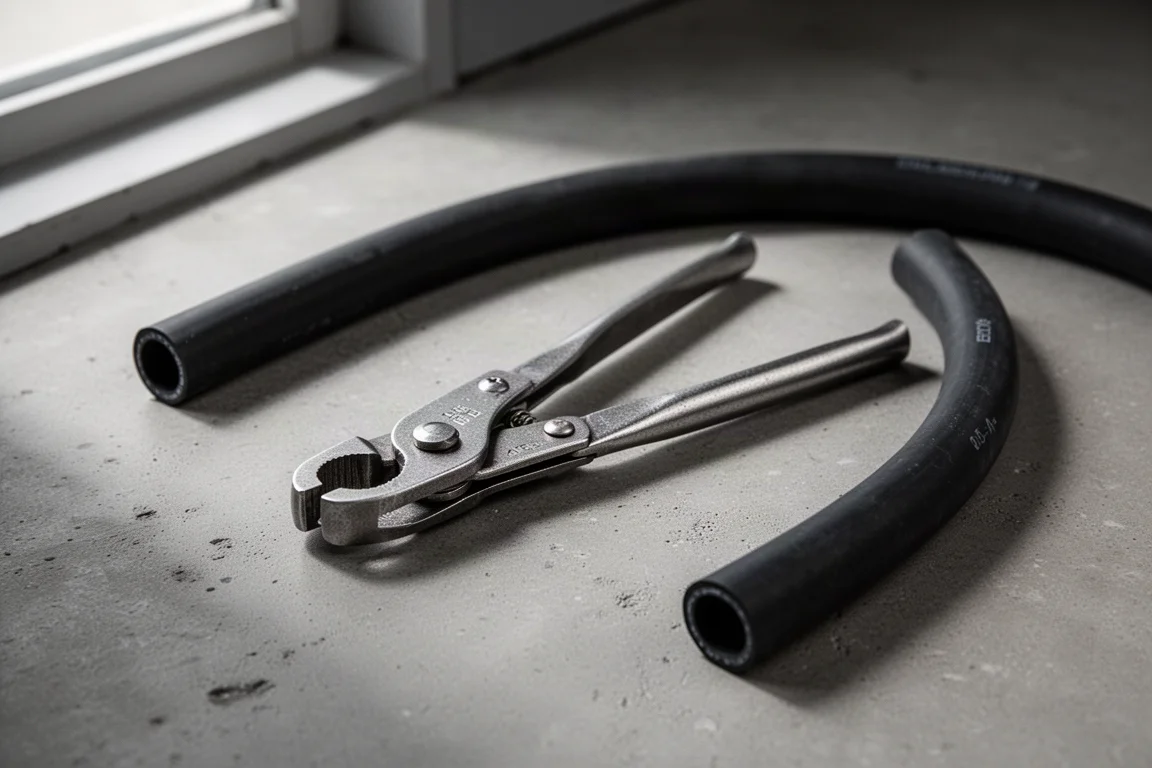
Introduction
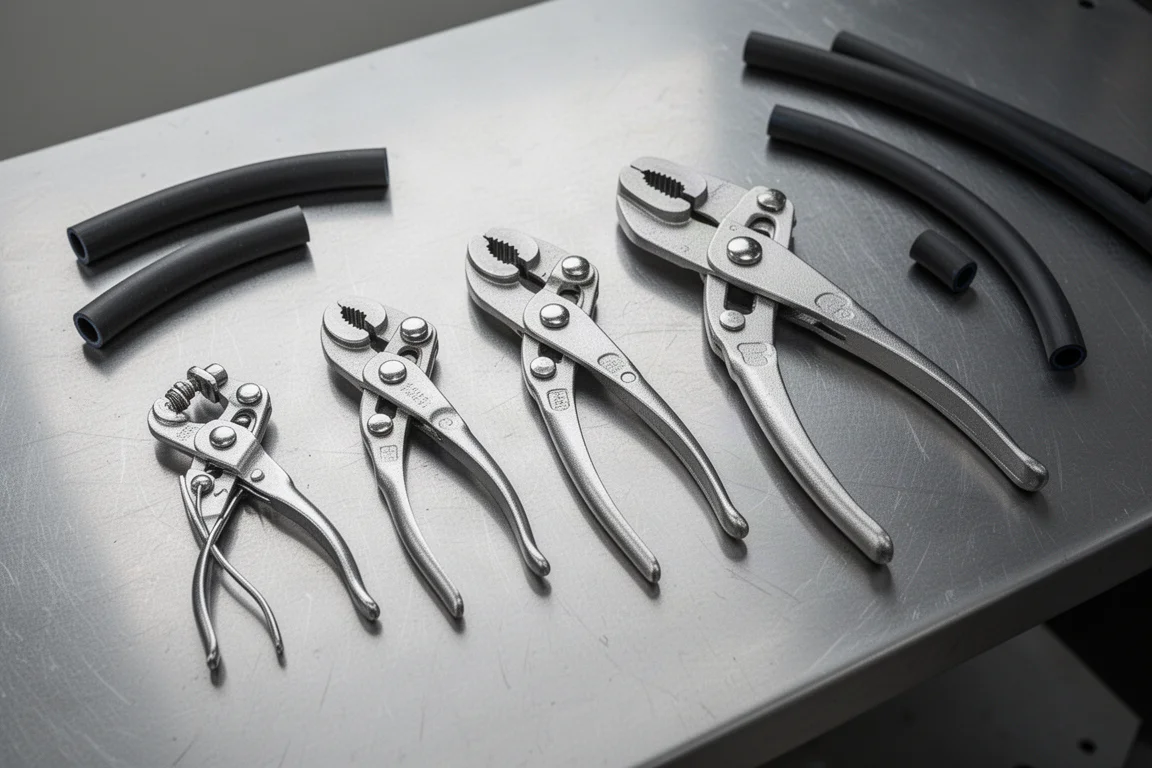
The Blue Point PHP 3A is a compact, made-in-USA hose clamp plier sold through the Snap-On ecosystem, designed to pinch off small hoses such as fuel lines on older and vintage vehicles. On paper, the idea is excellent: a small swivel-jaw plier that fits into tight spaces between an engine and its housing, where a full-size tool will not reach.
In practice, though, this one came up short. After working with it on fuel lines roughly half an inch in outer diameter, the tool repeatedly failed to produce a trustworthy seal, and the handles began to splay apart under use. Here is a closer look at what works, what does not, and who might still get value from it.
Who This Tool Is For
The compact form factor is genuinely appealing. Small engines, carburetor work, and vintage vehicle fuel systems often require pinching off a line in cramped quarters, and most full-size hose clamp pliers simply will not fit. The PHP 3A was clearly designed around that problem, and the small size and slim profile are its strongest assets.
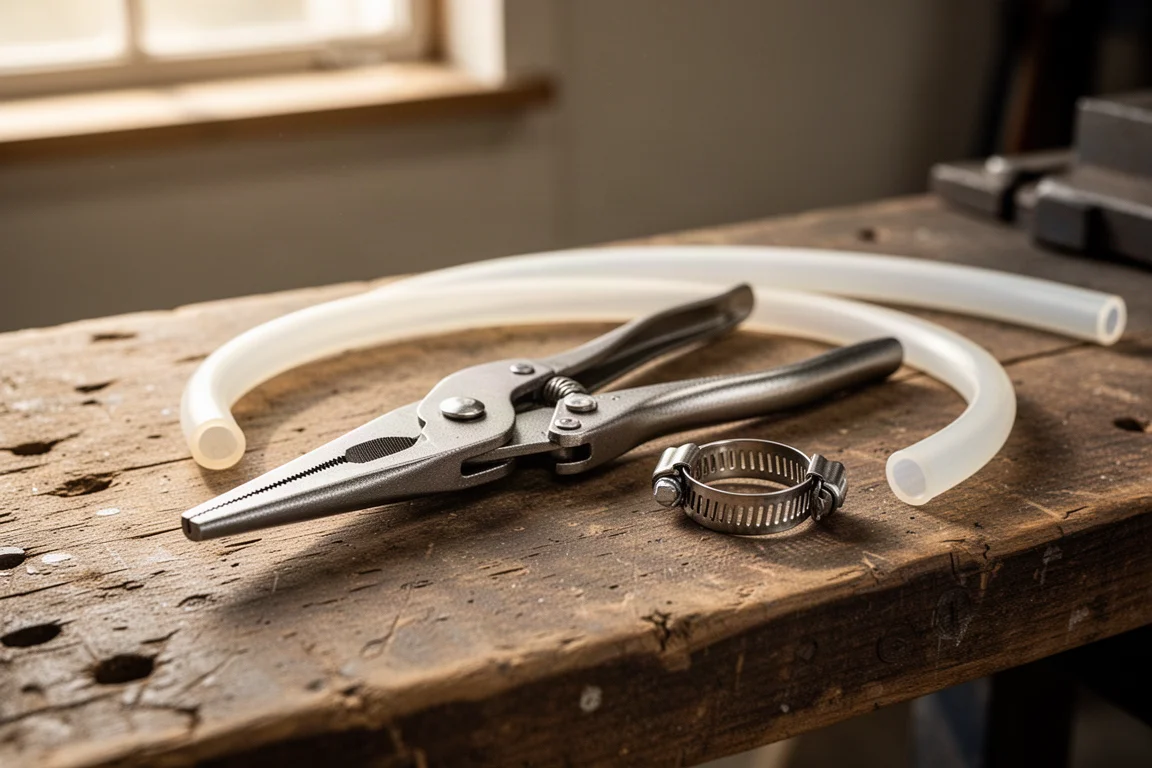
If your primary need is pinching very small, very flexible tubing, such as aquarium airline or soft brewing hose, there may be a workable niche here. But for the fuel-line work this size of tool suggests it is meant for, expectations need to be tempered.
How It Performed in Real Use
The rated capacity is stated as hose up to 3/4-inch outer diameter, with 5 1/2-inch swivel jaws. Testing on a soft hose of roughly half an inch outer diameter told a different story. Even with the jaws carefully centered, the hose could not be sealed reliably. Some attempts came close, one squeeze nearly held, but repeated tries blew through or left the line unsealed.
Worse, the pliers themselves started to splay apart. The steel is thin and flexible enough that the handles visibly spread with each hard squeeze, which is the opposite of what a pinching tool needs. A larger, heavier plier closed the same hose dead tight with no effort, which puts the shortfall squarely on this tool’s construction.
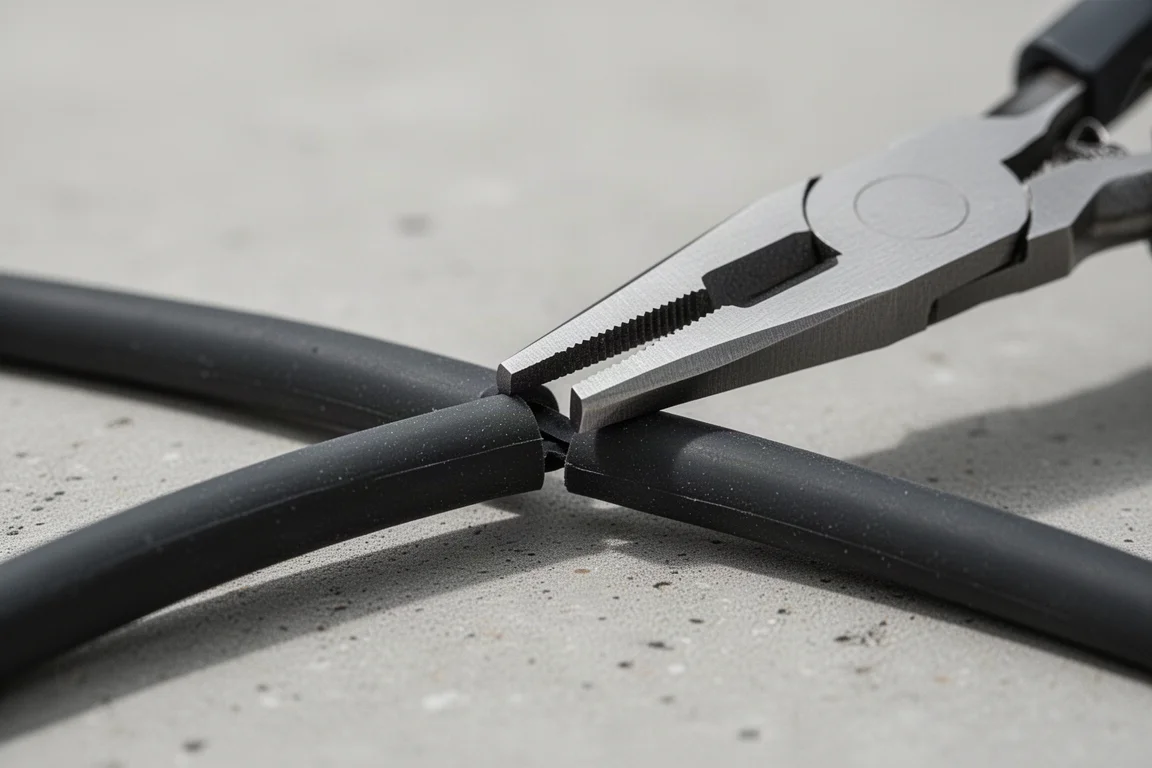
On a genuine 3/4-inch hose, the result was not even close: squeezing as hard as possible still left a large visible gap. This matters because the point of a hose clamp plier on a fuel line is certainty. When you release a fuel filter, you need to know the line is sealed, and this tool does not provide that confidence.
Things to Consider Before Buying
The likely explanation is that the design was simply scaled down. Rather than keeping thick, heavy-duty steel and shrinking only the geometry, everything was made smaller, including the material. The result is a tool that looks right but flexes under load.
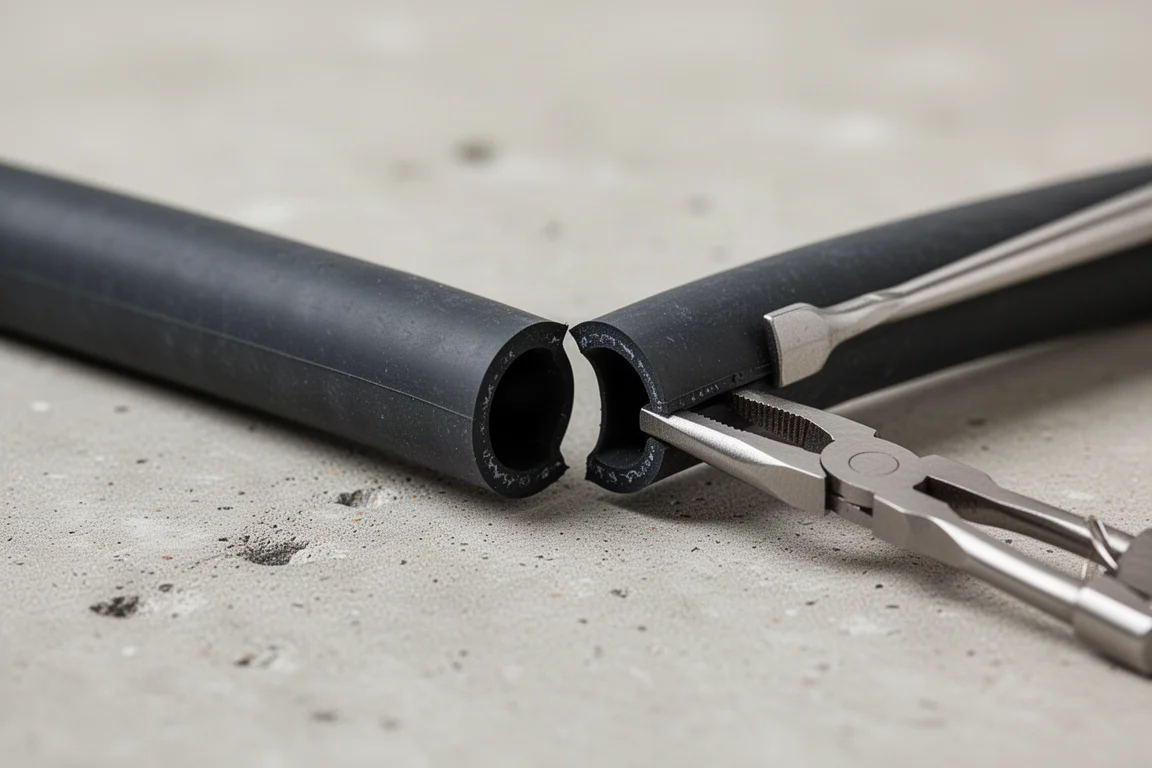
At around $40 off the truck, it is not an expensive tool in absolute terms, but it fails at its stated capacity, and that is a hard pass for its primary intended job. The rating simply does not hold up: a hose well under the claimed 3/4-inch limit could not be sealed.
Buying Advice
If you already own a quality full-size hose clamp plier with a friction-fit or locking design, that tool will likely outperform this one on anything resembling an automotive fuel line. Look for a compact plier built with heavier steel and a locking mechanism that holds pressure without constant hand force, since pinching a line often means holding it for minutes at a time.
For genuinely tiny and very soft tubing, the PHP 3A might get occasional use, but that is a narrow application and a shaky justification for the purchase. If reliable fuel-line pinching is the goal, look elsewhere.
Conclusion
The Blue Point PHP 3A gets the form factor right and the execution wrong. A compact swivel-jaw hose clamp plier for tight engine bays is a genuinely good idea, but thin, flexible construction and a capacity rating that does not survive real use make this one easy to skip. For fuel-line work on vintage vehicles and small engines, a sturdier compact plier or a proven full-size tool is the safer bet.
Product link
View more details for Blue Point PHP 3A Hose Clamp Plier
This product is mentioned in the review. Check the specifications, options, and compatibility before buying.
View more details for Blue Point PHP 3A Hose Clamp PlierFurther reading
Related Reviews
Hand Tools
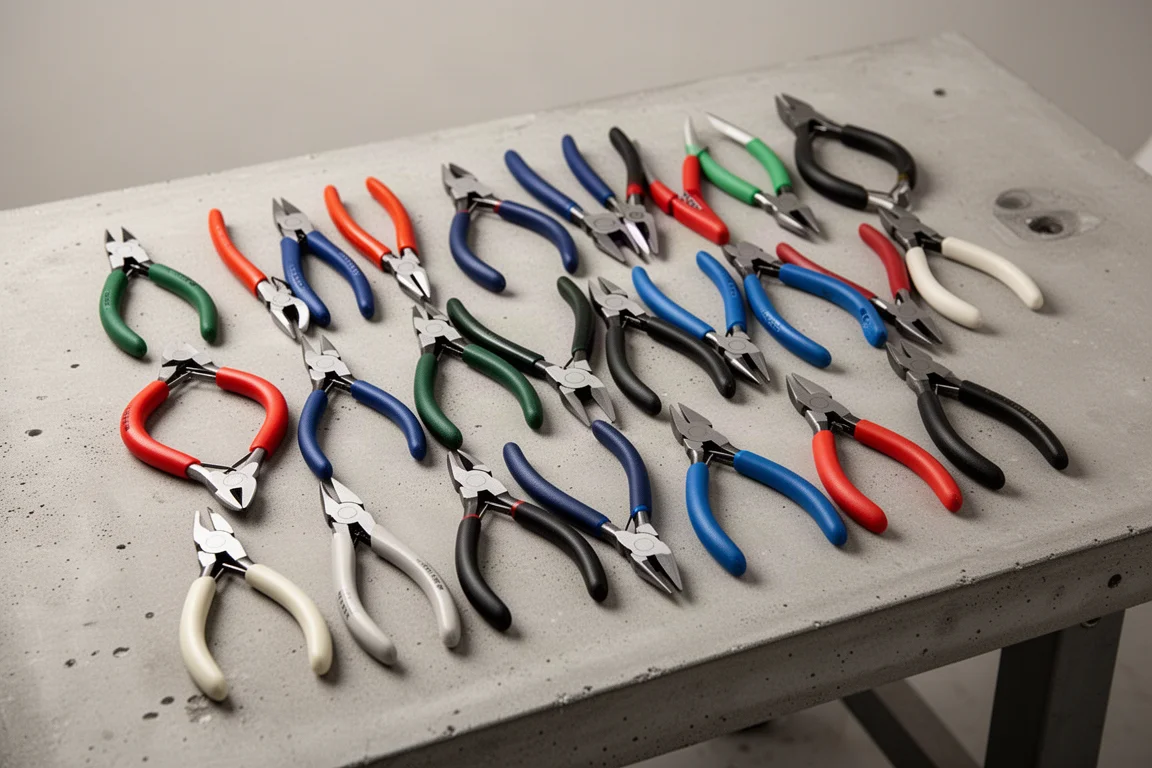
Best Diagonal Cutters 2026: 16 Pliers Tested for Cutting Power and Durability
We put 16 diagonal cutters through nail, screw, drill bit, and hex key tests to find the best value picks for your toolbox.
Hand Tools
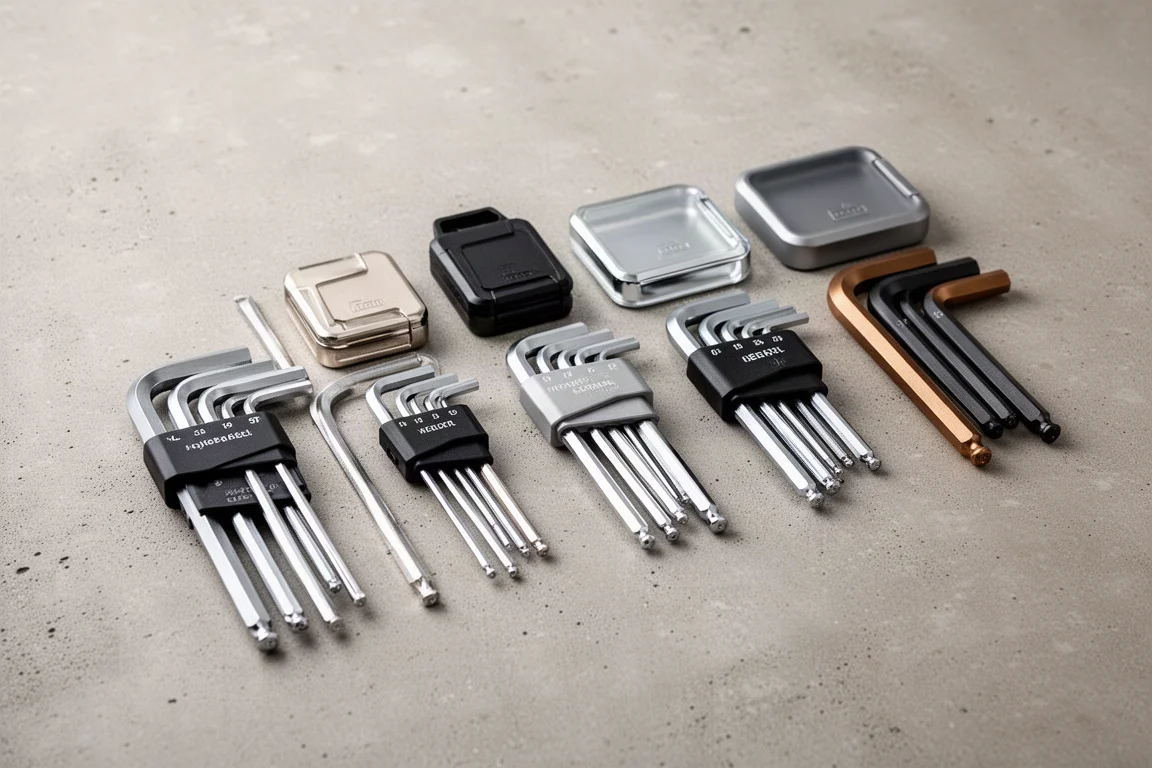
Best Hex L Key Sets 2026: Nine Sets Tested for Real-World Torque
Nine hex L key sets from budget to premium, tested for torque, fit, and durability. See which sets deliver real performance and which ones to skip.
Hand Tools
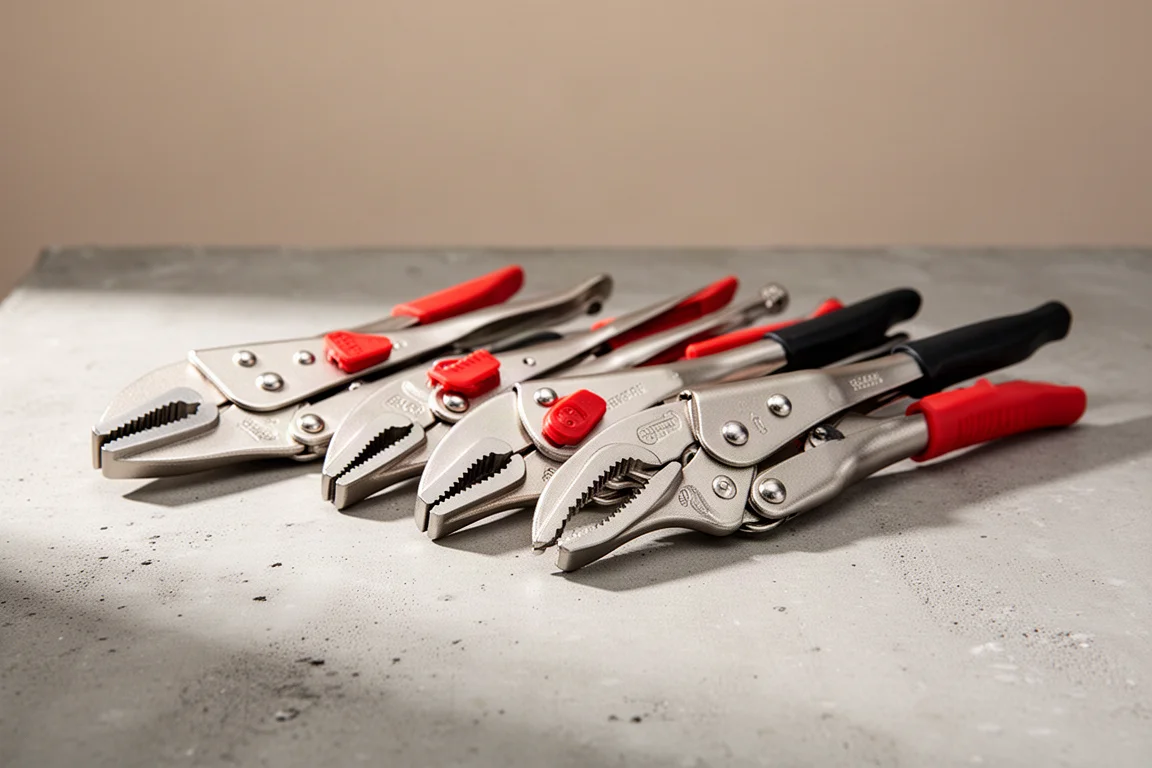
Best Locking Pliers 2026: Top Picks Tested for Grip and Durability
We tested 18 brands of 10-inch locking pliers for grip strength, jaw bite, build quality, and ease of release to find the best options for tough jobs.