Running Accessories
Blue Maca Connect Insole Review: A Grippy, Recycled Take on What an Insole Should Do
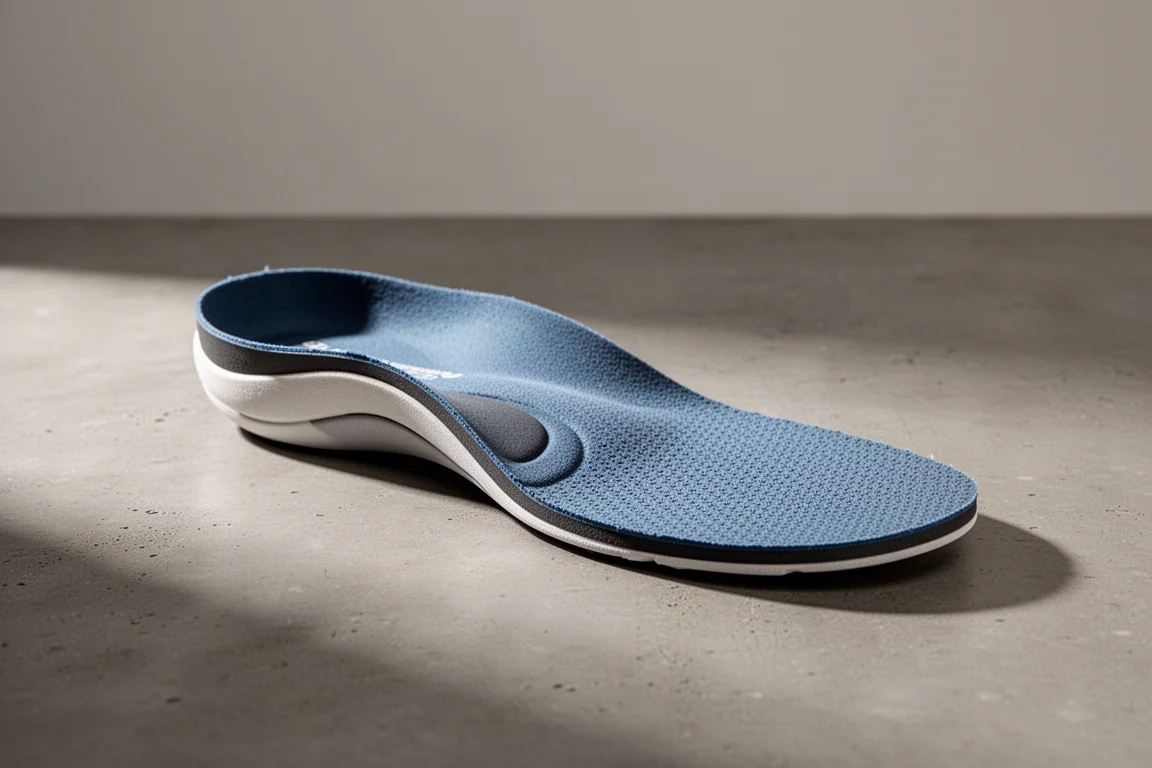
The Blue Maca Connect insole pairs an 85% recycled supercritical foam with an unusually grippy top cover, and it changes how your foot sits in the shoe.
Introduction
Most replacement insoles are an afterthought: a thin slab of foam that goes flat between the fitting stool and the parking lot. The Blue Maca Connect insole starts from a different premise. Instead of accepting that your foot slides around inside the shoe while the outsole does all the gripping, it puts a tacky, high-friction layer directly under your sock, so your foot stops when the shoe stops.
The Connect is built around a supercritical foam, and 85% of it is recycled content gathered from trim waste at a shoe factory, material that would otherwise have gone to a landfill or incinerator. It is designed to hold its cushioning far beyond the typical lifespan of a stock insert, and it compares favorably, ounce for ounce and thickness for thickness, with virgin foam insoles.
What Makes the Connect Insole Different
The defining feature is the top cover. While nearly every insole uses a cloth top that lets your sock glide over it, the Connect uses a material the sock sticks to. You feel this immediately in motion: your foot stays planted on the foam instead of shifting forward on downhills or side to side on cuts.
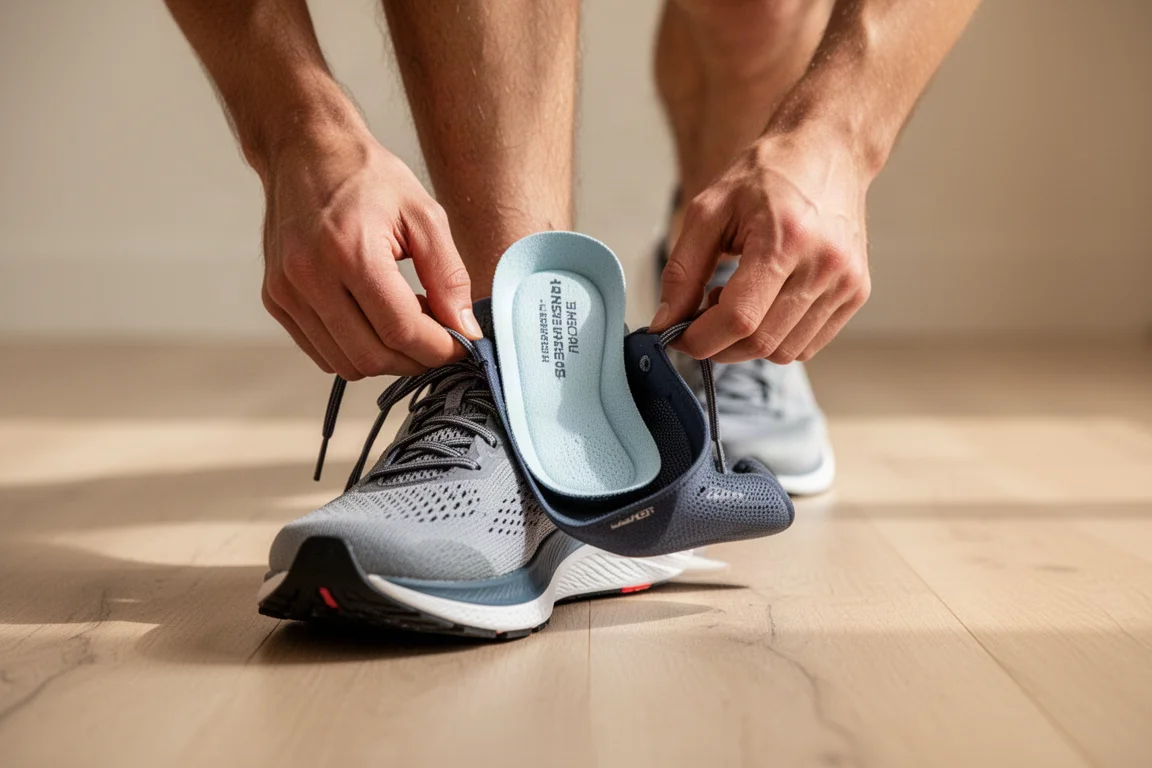
The logic behind it is simple. In start-and-stop sports, slipping has no performance benefit. When the shoe stops and the foot keeps going, you crash your toes into the front of the shoe on hikes, slide off side-hills on trails, and lose power delivery when you plant to hit, jump, or change direction. The Connect aims to keep the foot and the shoe in sync instead of compensating with cranked-down laces that restrict circulation over the top of the foot.
Where the Grip Actually Helps
This is not an insole for every activity, and even its own testing suggests the benefit depends on the use case. On a flat road run or a track session, the extra friction may not add much. Where it clearly earns its place is on uneven ground: trail runs with three-inch terrain changes and side-hill landings, hikes with your toes sliding into the toe box, and start-stop sports where the foot staying over the platform matters.

The list of environments where it has reportedly found traction goes beyond running. It has been picked up by baseball players who want a stable base in the batter’s box, and it makes intuitive sense for golf, where cleats anchor the shoe while the foot slides inside it. It has also been reported to work well for people with narrow or low-volume feet who otherwise slosh around in standard running or hiking shoes, letting them lace normally rather than cinching the upper into a cast.
Fit, Stack Height, and Lockdown
The Connect adds a small amount of volume and stack height, with a 4mm drop, so it will change the fit and feel of some shoes. Testers found it slightly reduced perceived landing impact in racing flats and trainers, and it helped solve lockdown issues in shoes that had been too voluminous to cinch down properly. One trade-off is real: because the insole sits a bit higher and the top is tacky, you need to loosen the laces to seat it properly, and it demands a secure, deliberate setup rather than a quick swap.
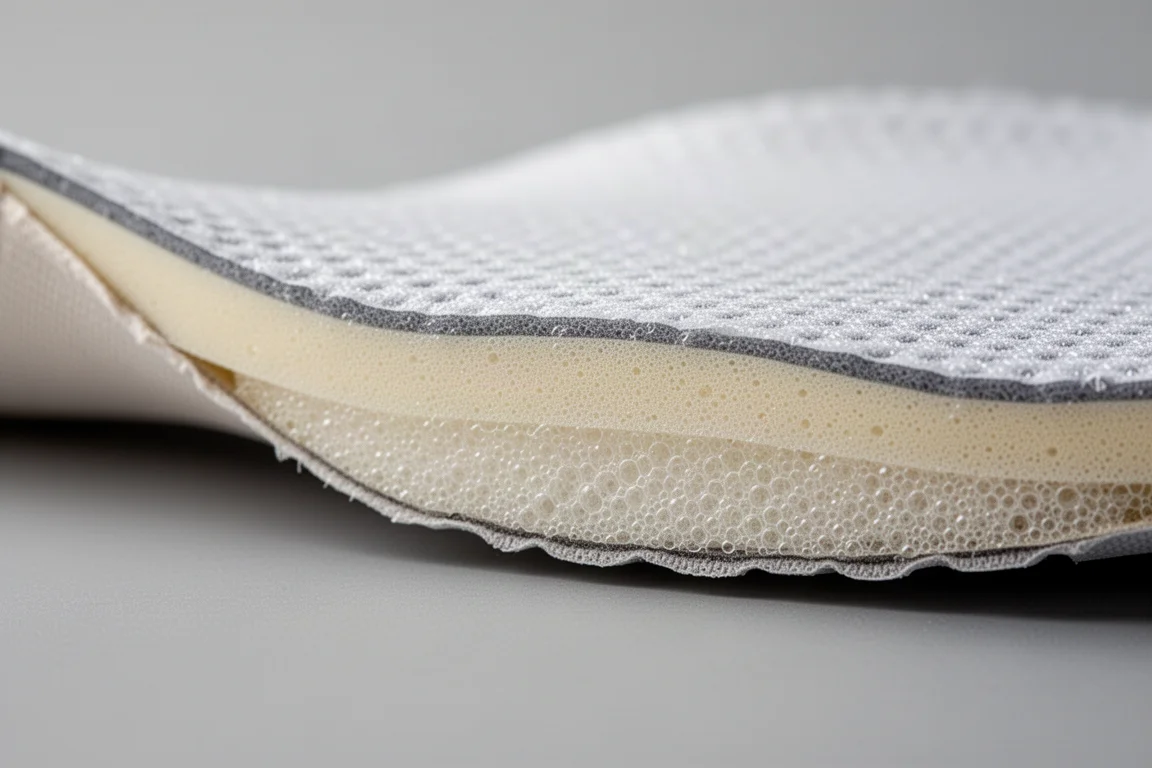
Sizing runs in whole sizes from 5 to 17, made per size specifically so you are not trimming inches of foam off the front. Even so, some testers found the insert a touch short for their shoes, which allowed it to slide forward if not carefully seated. The foam itself is robust and more substantial than a typical stock insert.
One more practical note: the grippy top is hard on cotton socks, and pairing it with the wrong sock can move friction to the skin, where repetitive shear showed up as hot spots for at least one tester. A sock with a compatible grip-oriented or smooth synthetic construction makes a noticeable difference.
Who This Product Is For
The Connect makes the most sense for trail and ultra runners, hikers on technical descents, and athletes in start-stop sports who want their foot locked to the platform without compressing their foot with laces. It is also a strong option for runners who care about sustainability and want an insole that does not compromise performance to get there.
Things to Consider Before Buying
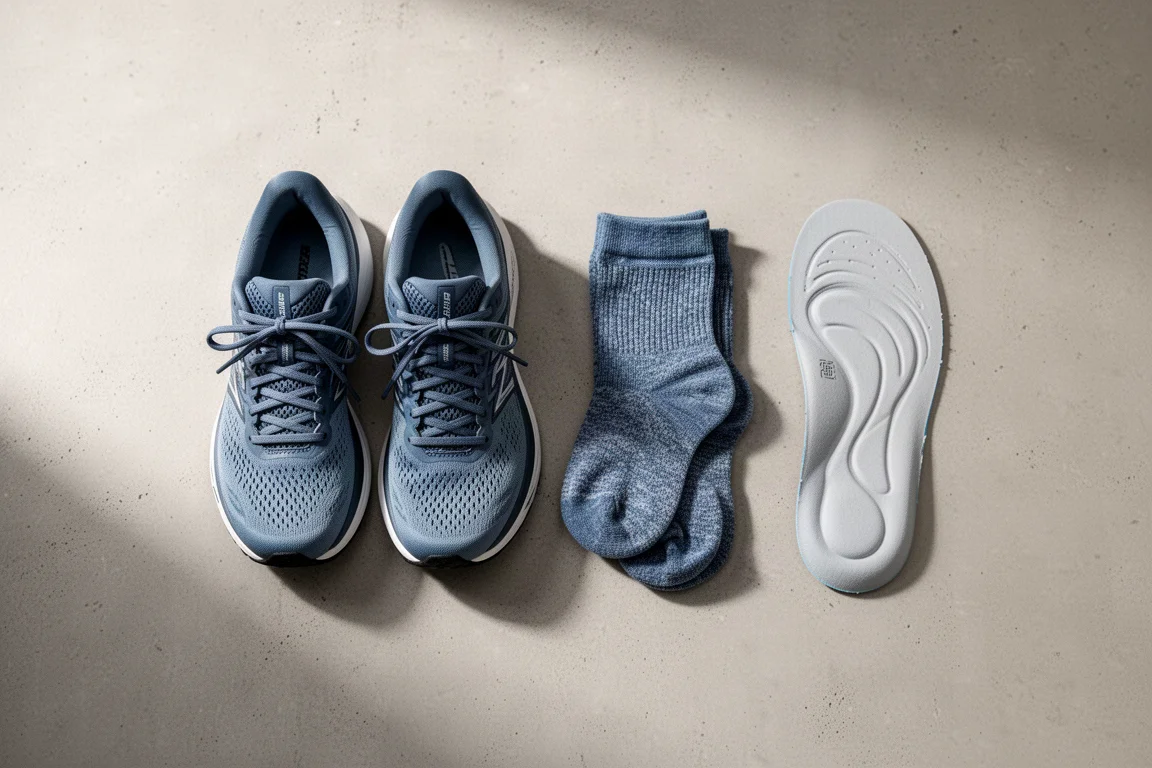
The grip is the whole point, but it is also the main question mark. For linear road running at faster paces, the tacky top may be unnecessary friction, and the added volume means it will not disappear into every shoe. If you run mostly flat, paved routes or rotate very low-volume racing shoes, you may prefer a conventional fabric-top insole instead.
Buying Advice
If your running or hiking lives on uneven terrain, or if you struggle with foot slide inside your shoes and have been solving it by overtightening your laces, the Connect is a genuinely different solution rather than a rebrand of the same foam. Size carefully, use a compatible sock, and give the shoe a proper re-lace on installation. For road runners chasing maximum speed, treat the grip as an experiment rather than an upgrade.
Conclusion
The Blue Maca Connect insole is one of the more original takes on insole design in years: recycled supercritical foam that holds up under real mileage, topped with a grip layer that keeps the foot and shoe moving as one unit. It will not be the right insert for every run, but for trails, technical terrain, and start-stop sports, it addresses a problem the rest of the industry has been solving with tighter laces for far too long.
Product link
View more details for Blue Maca Connect Insole
This product is mentioned in the review. Check the specifications, options, and compatibility before buying.
View more details for Blue Maca Connect InsoleFurther reading
Related Reviews
Running Accessories
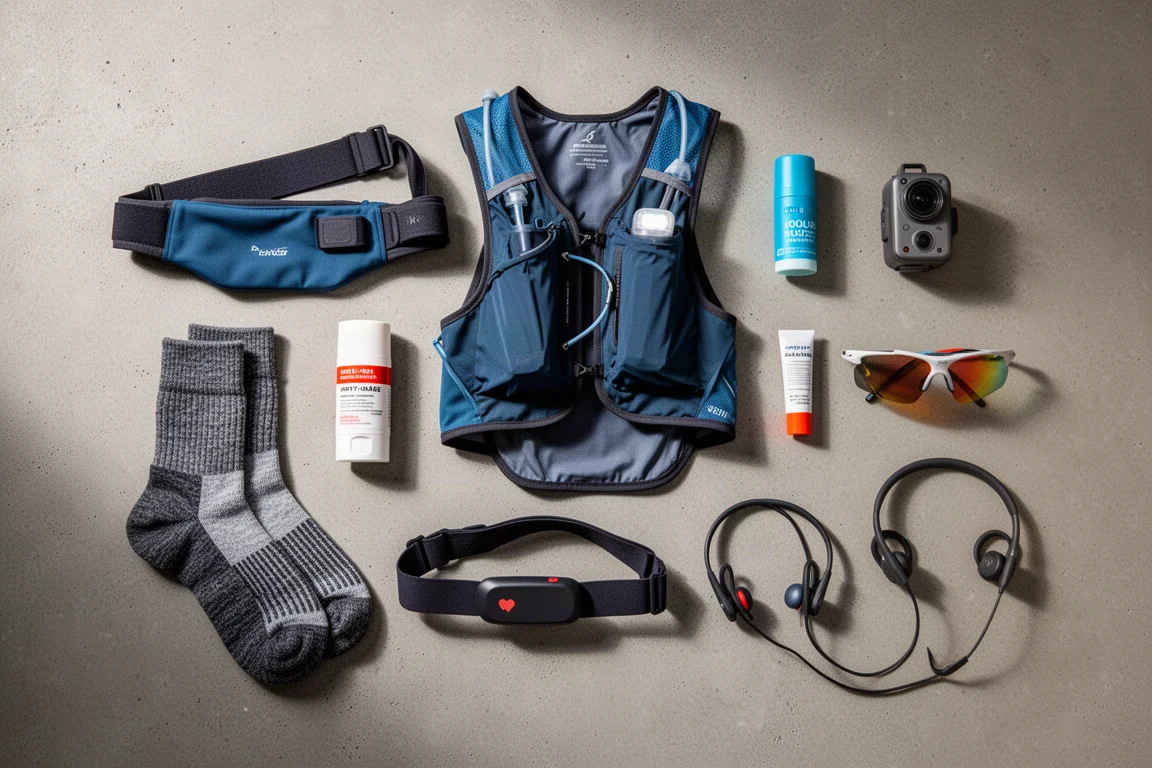
Best Running Accessories: 20 Tried-and-Tested Picks Worth Your Money
Twenty running accessories that have proven themselves over years of daily training, racing, and long-distance testing.
Running Accessories
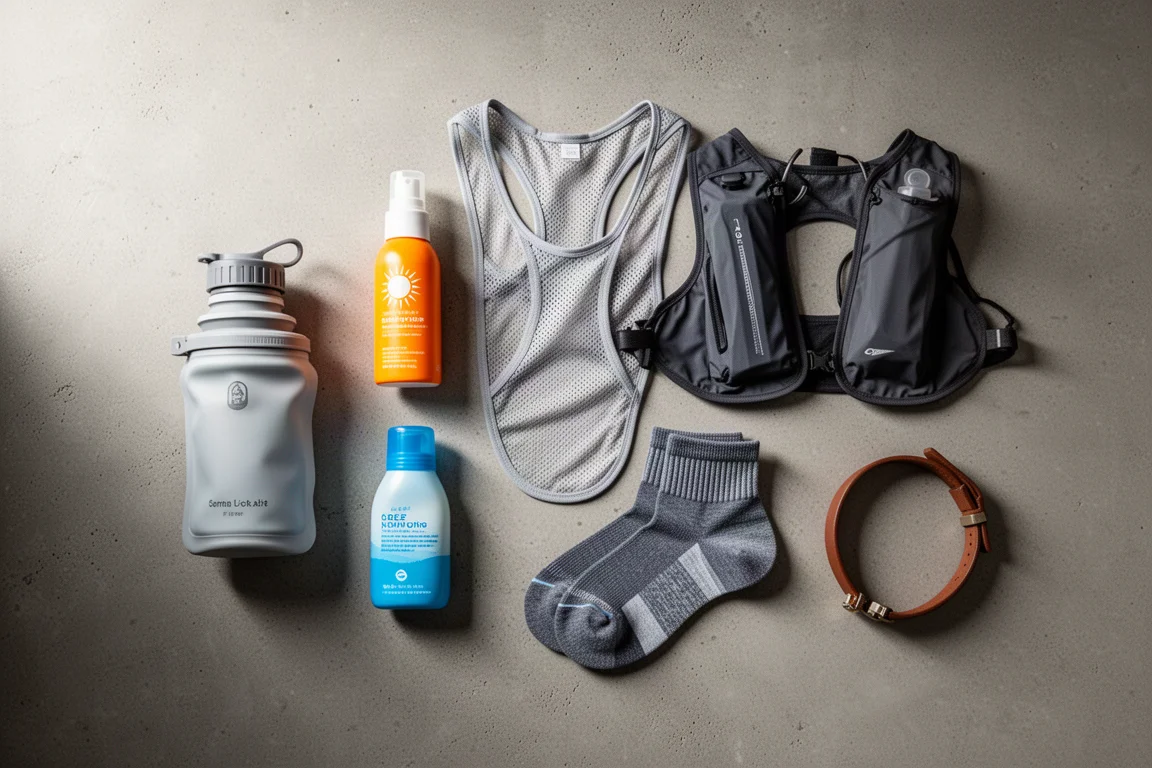
Best Running Picks This Month: Six Accessories Worth a Look
A filtered soft flask, running sunscreen, a featherweight race vest, a 4L hydration pack, race socks, and a parkrun memento band: six running picks we rate this month.
Running Accessories
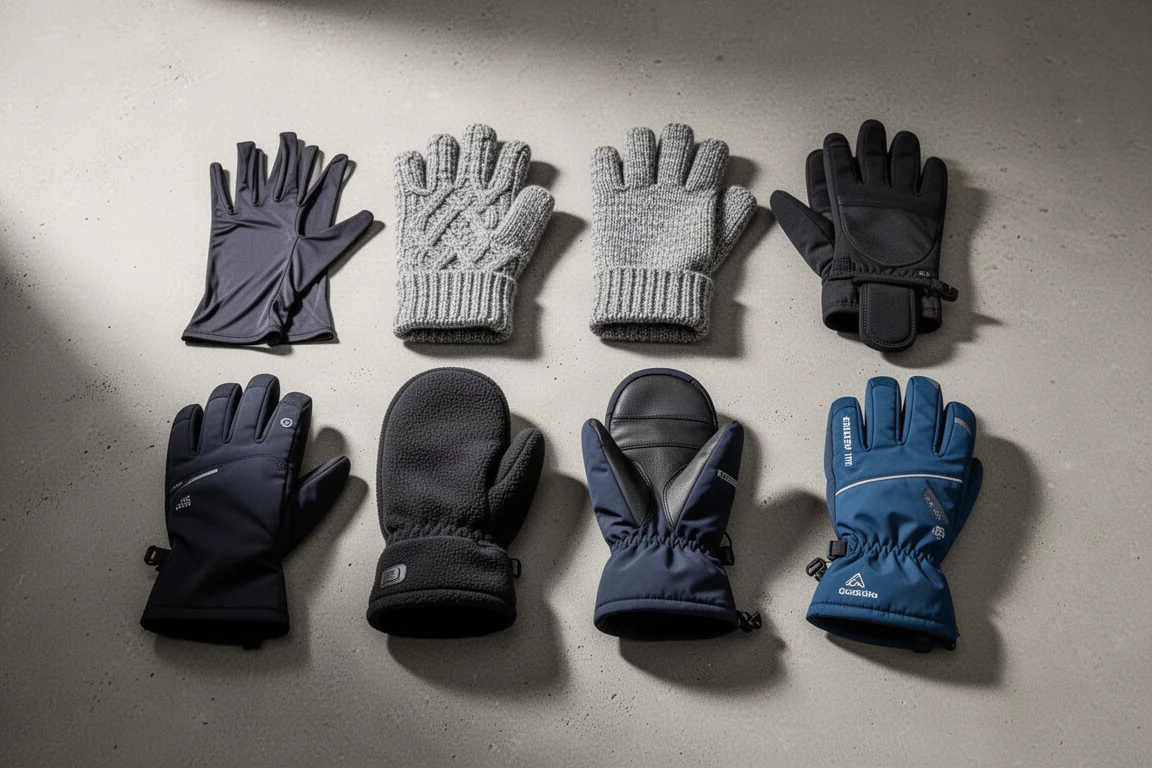
Best Winter Running Gloves: 7 Pairs Our Testers Reach For Year After Year
Seven winter running gloves and mitts covering everything from cheap knitted classics to waterproof nuclear options for the coldest, wettest runs.