Carving Skis
Blizzard Thunderbird Review: A Sharp, Energetic Frontside Carver
A narrow, aggressive carving ski built to dominate groomers. Here is what the Blizzard Thunderbird does well, and where it stops making sense.
Introduction
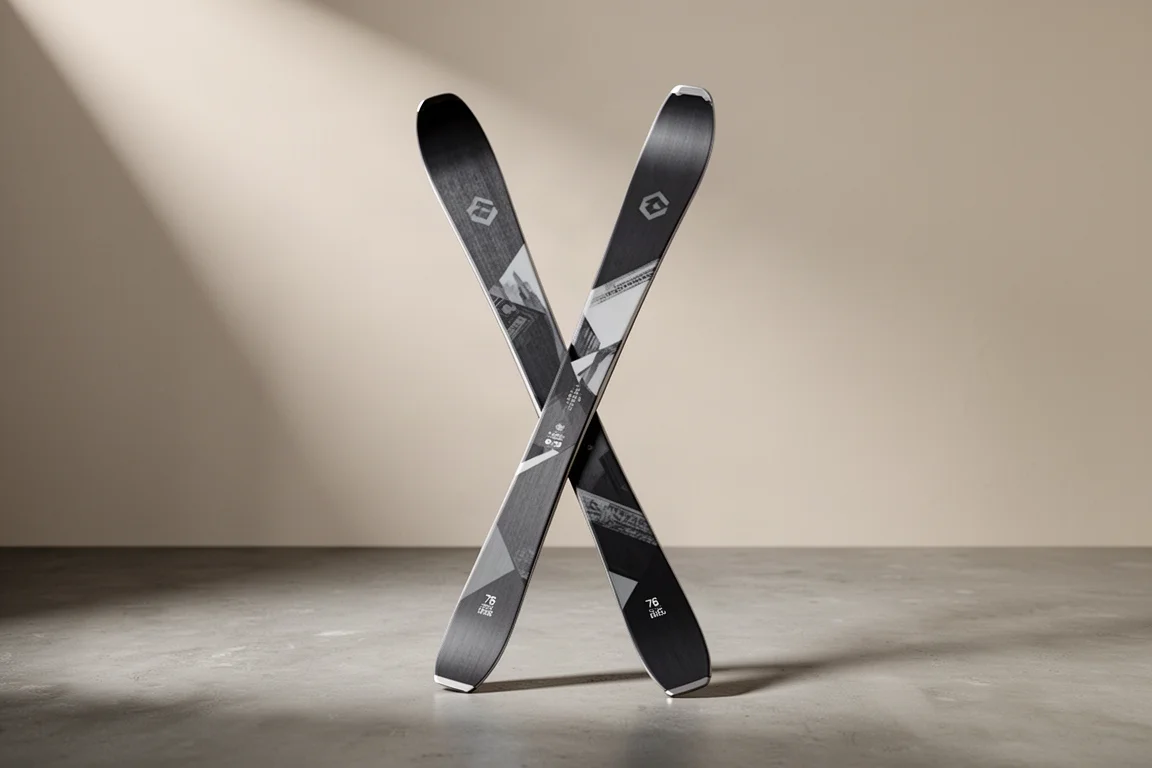
The Blizzard Thunderbird is one of the sharpest knives in the drawer. A narrow waist and a more aggressive sidecut let you lay down some of the best turns of your life on a perfect groomer day. This is not a versatile ski, and it makes no attempt to be one. It is simply one of the most exciting carving skis out there.
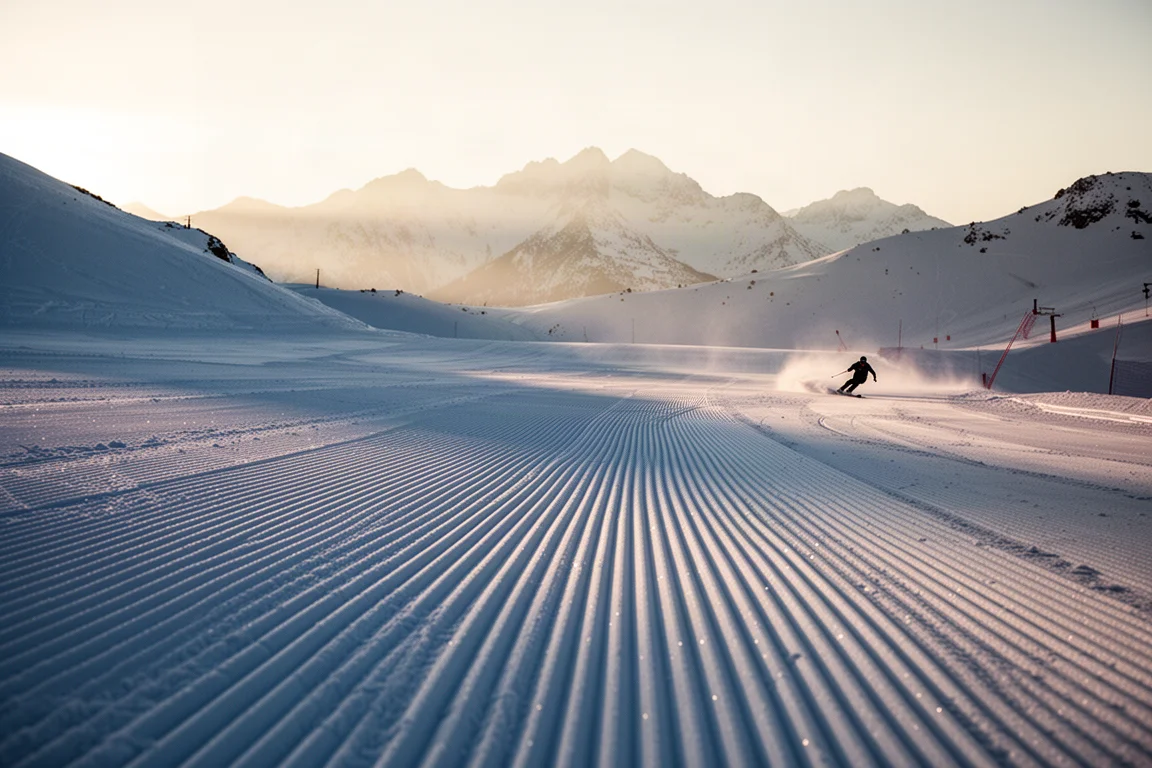
What that means in practice is a ski with a clear personality and a clear home. If your days are spent on piste, hunting clean arcs on firm snow, the Thunderbird rewards that focus. If your season is a mix of trees, powder and touring, this is the wrong tool. The rest of this review breaks down where it shines and what to weigh before you commit.
Who the Blizzard Thunderbird Is For
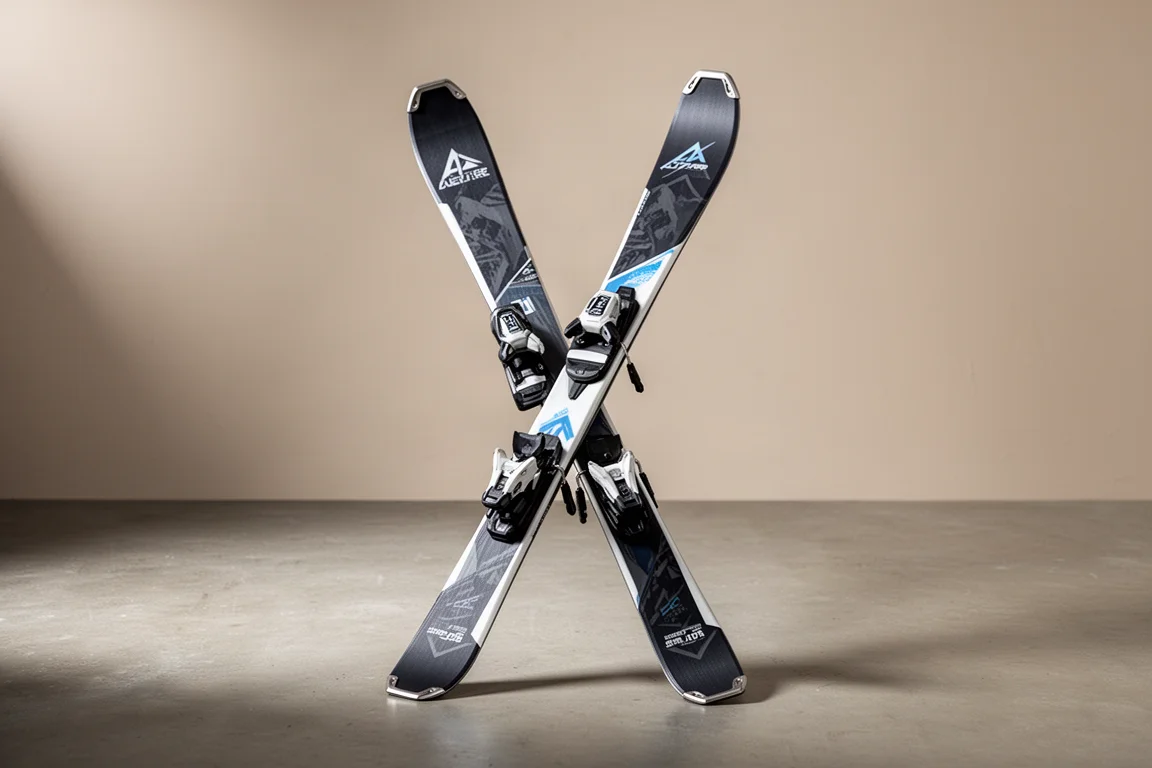
This is a frontside ski for skiers who care most about how a turn feels on groomed snow. The narrow waist and aggressive sidecut are aimed squarely at carving, and the build is stiff enough to hold an edge when the surface gets firm.
It suits riders who already enjoy working a ski edge to edge and want something with a livelier, more energetic response than a mellow all-mountain shape can offer. It also suits skiers who have accepted that one pair of skis does not have to do everything.
If you want a single ski that can follow you around the whole mountain, this is not that ski. The Thunderbird is designed to dominate the front side and carve excellent turns, and it is honest about that limitation.
Main Strengths: A Sharp, Energetic Carver
The defining trait here is energy. A stiffer construction and a wider tail shape hold you in a turn and bite into firm snow without ever feeling demanding edge to edge. That combination is what separates a genuinely exciting carver from a merely stiff one.
The ski is also quick and predictable. Transitions from edge to edge come easily, and the shape responds immediately when you ask it to tighten or extend an arc. At 76 millimeters underfoot it is a relatively nimble ski, which keeps it feeling light and reactive rather than heavy or locked in.

On a good groomer day, the payoff is a ski that feels sharp and precise underfoot, with enough grip to trust at speed and enough liveliness to make ordinary runs entertaining. It is a carving ski that flatters committed input rather than resisting it.
Things to Consider Before Buying
The main trade-off is versatility. This is not a versatile ski, and the narrow waist that makes it so effective on piste also limits how much it wants to be anywhere else. It is not a ski you get to make the mountain your playground with.
That means anyone splitting time between groomers and softer, deeper, or more varied terrain should think carefully. The Thunderbird will not be the ski you reach for on a powder day, and it will not carry you through the kind of all-mountain day where conditions change constantly.
The flip side is that the ski is not punishing. Despite the stiff build, it stays manageable edge to edge, so the commitment it asks for is about riding style and terrain choice rather than physical effort.
Performance Across Conditions
On groomed snow the Thunderbird is at its best, holding a line confidently and gripping firmly when the surface hardens. That grip is the core of the experience: you can knife a turn on groomers and feel the ski stay planted through it.
It is not strictly limited to perfect corduroy, though. At 76 millimeters underfoot it can definitely handle some spring snow or chopped-up terrain, which broadens its usefulness later in the season when the snow softens and gets cut up.
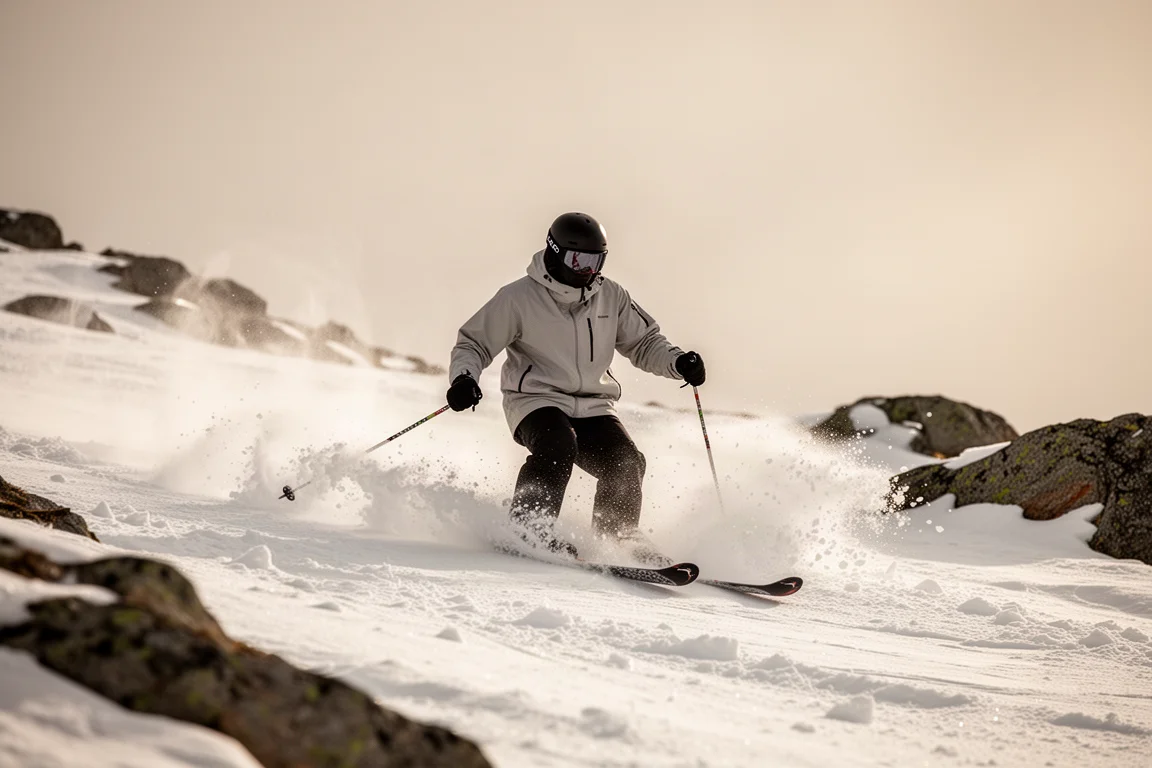
Where it stops short is the terrain that asks a ski to float, pivot, or smear. The Thunderbird is built around carving, so the further you move from a groomed surface, the less of its character you get to use.
How It Compares in the Carving Category
Compared with some other skis in this category, the Thunderbird offers a more energetic feel while still being confident and gripped as you knife a turn on groomers. That balance is the interesting part: plenty of narrow carving skis are stable, and plenty are lively, but this one leans into both.
The stiffer construction and wider tail shape are central to that character, holding you in a turn and biting into firm snow. Riders stepping over from a softer frontside ski will notice the extra response immediately, and riders coming from a race-derived shape will notice how predictable it stays edge to edge.
Buying Advice
Buy the Blizzard Thunderbird if you want a more narrow carving ski that is exciting, energetic, and powerful for dicing up a groomer. That is the brief it was designed against, and it delivers on it clearly.
Before you commit, be honest about how you actually ski. If most of your days are on piste and you measure a good run by the quality of your arcs, this is a straightforward choice. If you need one ski to cover powder, crud, and everything in between, put the budget toward a wider all-mountain shape instead.
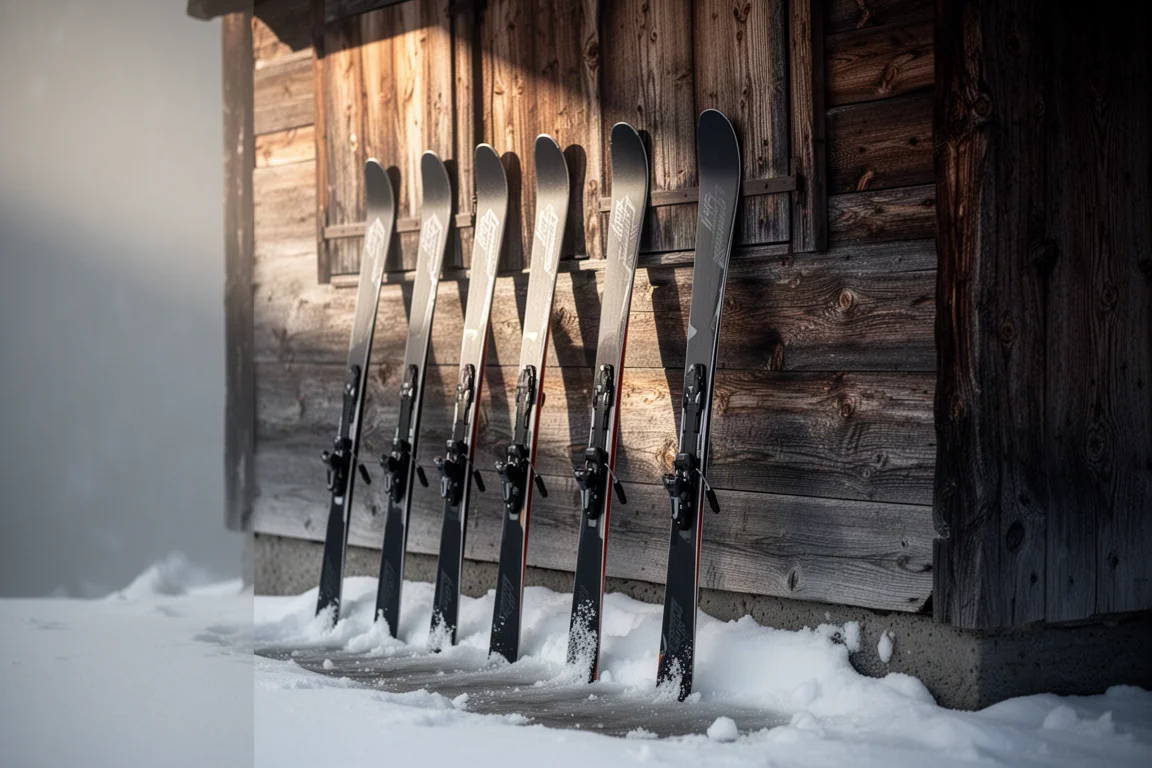
Length and mounting choices are worth discussing with a shop that knows your terrain and ability, since the ski is responsive enough that setup will noticeably change how it feels. Treat it as a dedicated frontside tool and it will reward you every groomer day.
Conclusion
The Blizzard Thunderbird is a specialist, and it is a very good one. A narrow waist, an aggressive sidecut, and a stiff, grippy build add up to a carving ski that feels sharp, energetic, and confident underfoot on firm groomed snow.
It is not versatile, and it is not meant to be. If your skiing lives on the front side and you want a ski that makes those turns exciting, the Thunderbird is built for exactly that job.
Product link
View more details for Blizzard Thunderbird
This product is mentioned in the review. Check the specifications, options, and compatibility before buying.
View more details for Blizzard ThunderbirdFurther reading
Related Reviews
Carving Skis
Rossignol Hero Elite MT Review: A Race-Influenced Front Side Carver
A close look at the Rossignol Hero Elite MT, a 74 mm front side carving ski that carries race department construction, a poplar core, and a stiff, connected flex.
Ski Reviews
Atomic Cloud C12 Review: A Race-Like Frontside Ski With Real Versatility
The Atomic Cloud C12 brings Redster-derived technology to a frontside carving ski, combining titanal-backed power with Revoshock C damping for advanced and expert skiers.
Skis
Atomic Cloud Q.2 Review: A Wider Frontside Ski for Groomer Days
A practical look at the Atomic Cloud Q.2, an 84 mm frontside ski built for intermediate to expert skiers who want precision on groomers and more composure as conditions change.