Skis
Blizzard Shiva 10 Review: A Freeride-Leaning All-Mountain Ski, and How the Rustler 10 Compares
A practical look at the Blizzard Shiva 10, a 102mm freeride-leaning all-mountain ski with a True Blend Free wood core and edge metal, plus how the Rustler 10 differs.
Introduction
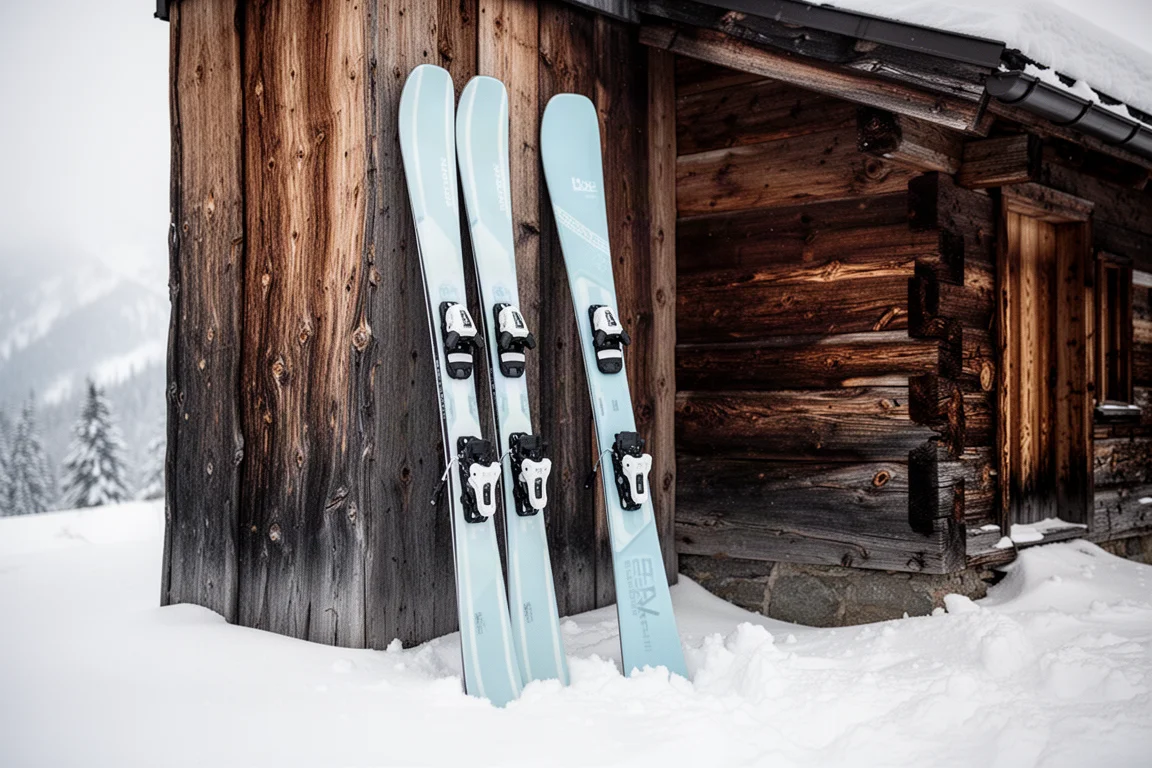
The Blizzard Shiva 10 is the middle ski in the Shiva collection and measures 102 mm underfoot. That places it somewhere between an all-mountain ski and a freeride ski, and the character leans clearly toward freeride: soft snow, terrain beyond the groomed runs, and the kind of skiing that rewards an adventurous approach.
If that sounds like your kind of day, the Shiva 10 is worth a close look. Feedback from four skiers with very different backgrounds was consistently positive, with the lowest overall impression score at 8 out of 10 and a couple of 9s plus a full 10 in the mix. Getting that level of agreement from skiers who do not ski alike is the most interesting thing about this ski.
Who the Blizzard Shiva 10 Is For
The Shiva 10 suits skiers who like to push their limits, explore new terrain, and spend time in technical, ungroomed conditions. It is not built around one narrow discipline, and it is at its best when the snow is soft.
The 102 mm waist is wider than many skiers have ever used, and that is exactly why it works in the conditions it was designed for. The width provides float and stability in deep, fresh snow and in the chopped-up leftovers that show up later in the day. If your skiing rarely leaves hardpack, that width is more ski than you need. If you spend your season hunting soft snow, it is a genuine advantage.
Construction and Ride Character
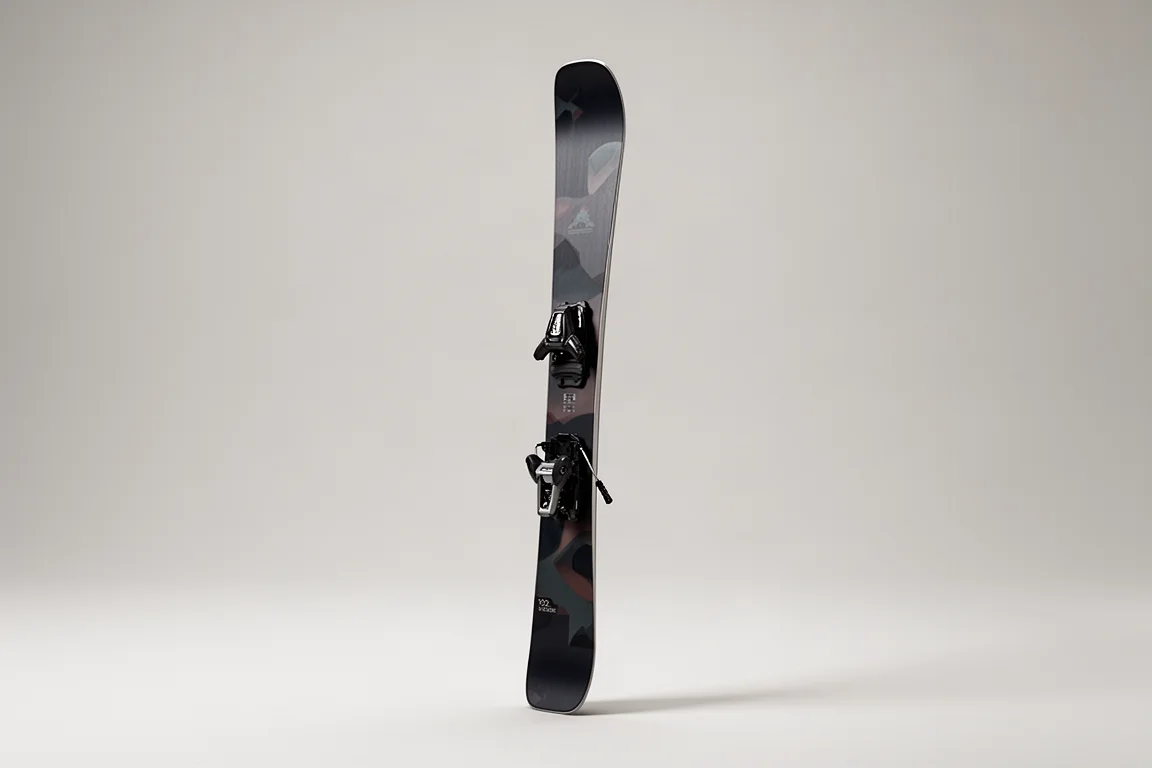
Blizzard builds the Shiva 10 around a True Blend Free wood core. The True Blend approach is intricate: cores are tailored to individual lengths within a model, which lets Blizzard control the flex pattern and the weight from one size to the next. The core in one length is not the same as the core in the length above or below it. That adds production cost, but the result is more consistent performance across the whole size range.
Metal is part of the build as well, and its layout has changed with this generation. Metal strips run along the edges on both sides and extend well into the tips and tails, while underfoot there is an extra layer of fiberglass rather than metal.
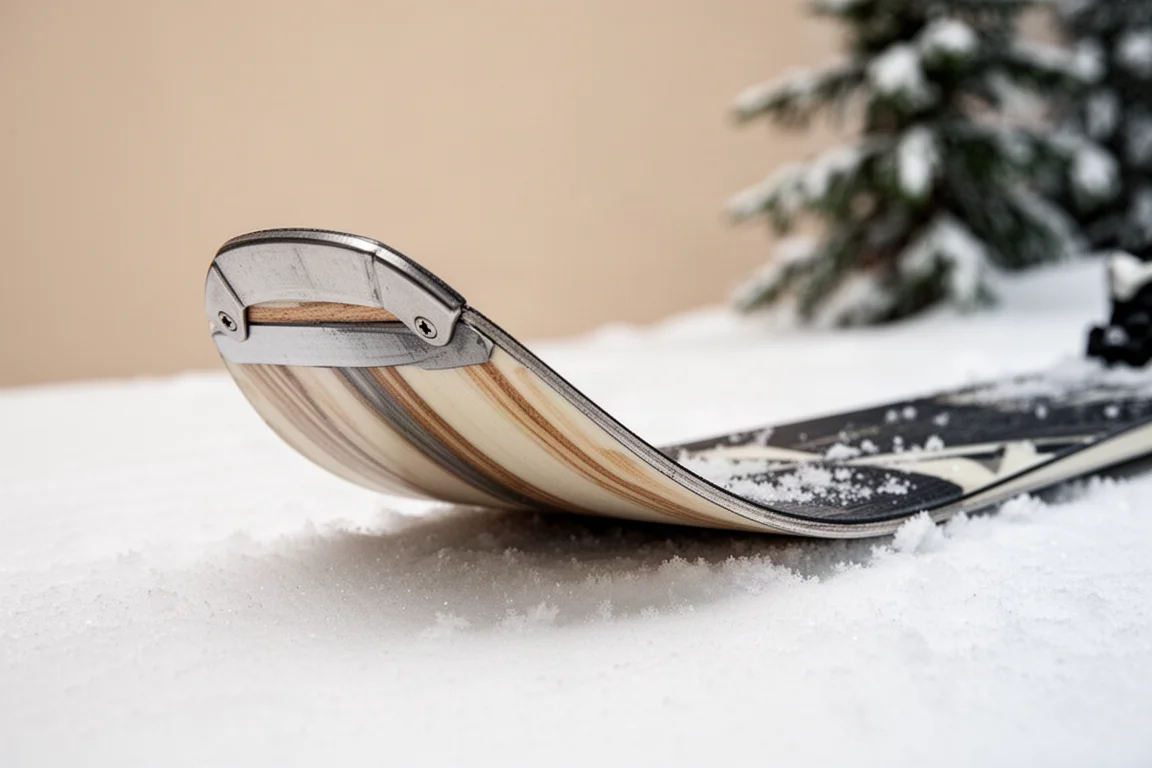
For a ski that uses metal, the weight is impressive. In a 168 cm length the Shiva 10 comes in at just over 1,700 grams. Flex is homogeneous along the ski, neither too stiff nor too soft, which is a large part of why it works for so many different skiers.
Strengths on Snow
Shape is where the Shiva 10 shows its freeride side. There is camber underfoot, a generous amount of rocker in the tip, and a decent amount of rocker and splay in the tail. The tail rise is enough to give the ski near twin-tip vibes, not in a freestyle sense, but enough to make it feel loose and playful when you want it.
It also carves far better than a freeride-focused ski has any right to. Carving is not the point of this ski, but most days in freeride terrain end with a groomer run back to the lift, and the Shiva 10 handles that part of the day well.
The range of skiers who get along with it is unusual. Skiers with a freeride competition background and skiers who came up through racing have both responded well, even though their backgrounds are very different. One skier who had spent most of her life on stiff, heavily cambered race skis liked the Shiva 10 enough to buy a pair.
Trade-offs to Consider Before Buying
The main thing to weigh is width. At 102 mm underfoot, the Shiva 10 is a meaningful step up for skiers who have never skied anything that wide, and width changes how a ski behaves on firm snow.
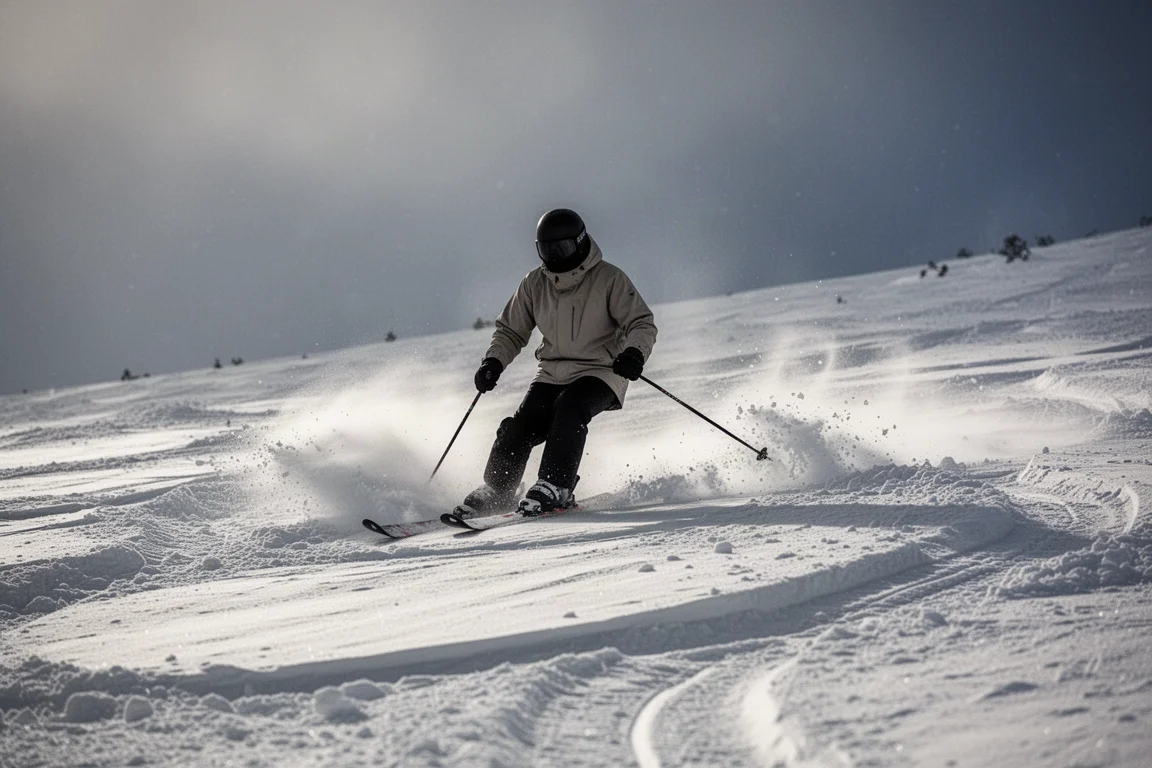
Its priorities are also clear. The design leans toward softer snow, off-groomed terrain, and exploring new lines. If your days are mostly groomer laps, a narrower ski will usually feel more precise and more involving.
The encouraging part is that flex and weight do not narrow the audience much. This ski has been put under skiers with very different styles and levels of experience, and it has worked for them.
Blizzard Rustler 10: The Sibling Option
The Rustler 10 is the men’s counterpart to the Shiva 10, and the difference between the two comes down to material. Where the Shiva 10 uses fiberglass underfoot, the Rustler 10 uses metal, which makes it a little heavier.
That single change is the deciding factor for most skiers choosing between the two. If you want the lighter feel of fiberglass underfoot, the Shiva 10 is the one. If you would rather have more metal and a slightly heavier build, the Rustler 10 is the alternative. Nothing ties either ski to a particular skier, so the choice is about the ride feel you want.
View more details for Blizzard Rustler 10
Buying Advice
The Shiva 10 makes the most sense for skiers whose season includes soft snow, ungroomed terrain, and a desire to explore. It handles a wide range of conditions, and its flex and weight are forgiving enough that a broad group of skiers can get along with it.
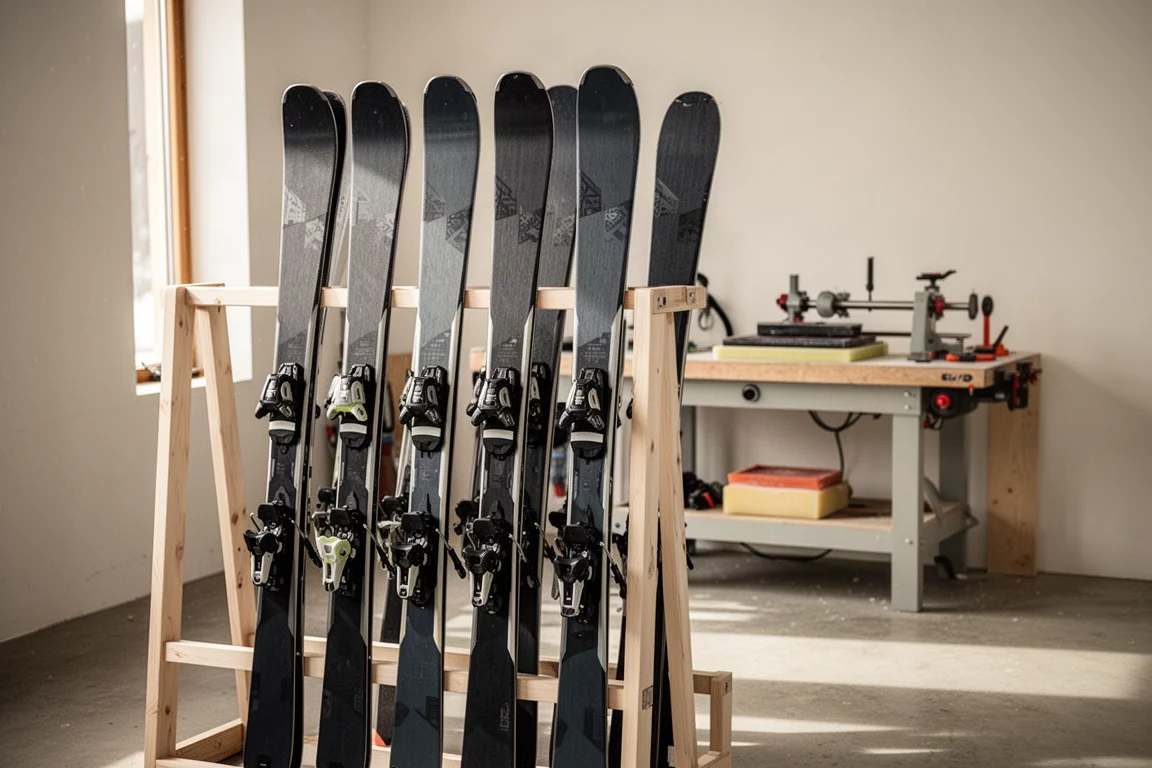
If you have never skied anything near 102 mm underfoot, it is worth being honest about where you actually spend your time. The width pays off in soft and variable snow, while on firm, groomed surfaces it is simply more ski than the conditions call for. Skiers who split their days between groomers and off-piste terrain will get the most out of it.
Conclusion
The Blizzard Shiva 10 is a freeride-leaning all-mountain ski that a wide range of skiers have responded to well. Its True Blend Free wood core, edge metal, and 102 mm waist make it a capable companion in soft snow, and it still carves better than its focus suggests. Skiers who prefer a heavier, metal-forward build can look at the Rustler 10 instead.
Further reading
Related Reviews
Skis
Armada Anti Matter 82 W Review: A Light, Approachable All-Mountain Carver
Armada's Anti Matter 82 W pairs a lightweight Karuba and carbon build with an easygoing all-mountain shape, aimed at intermediates through lighter-footed advanced skiers.
Skis
Armada Anti Matter 88W Review: A Light, Playful 88mm All-Mountain Ski Plus Two Alternatives
The Armada Anti Matter 88W returns unchanged in spirit from its Reliance 88C days, and it remains one of the most versatile 88mm skis around. We also look at the Nordica Santa Ana 87 and Anti Matter 92 W as alternatives.
Skis
Armada ARV 100 vs Atomic Bent 100: Which 100mm Freestyle Ski Should You Buy?
Two of the best all-mountain freestyle skis of the season compared: one leans playful and park-ready, the other holds up better everywhere else.