Skis
Blizzard Rustler 9 and Rustler 10: Two Versatile All-Mountain Skis Compared
A practical look at the Blizzard Rustler 9 and Rustler 10, how their feel differs on firm and soft snow, and which one suits your skiing.
Introduction
The Blizzard Rustler 9 and Rustler 10 belong to the same all-mountain family, and both were put through the same day of mixed conditions: firm, nearly frozen snow on the upper mountain, softer snow lower down, and large moguls along the top runs.
That kind of day is a useful test. A ski that only shines on smooth groomers tells you very little about how it behaves once the snow has been pushed around, which is where most people actually spend their afternoons.
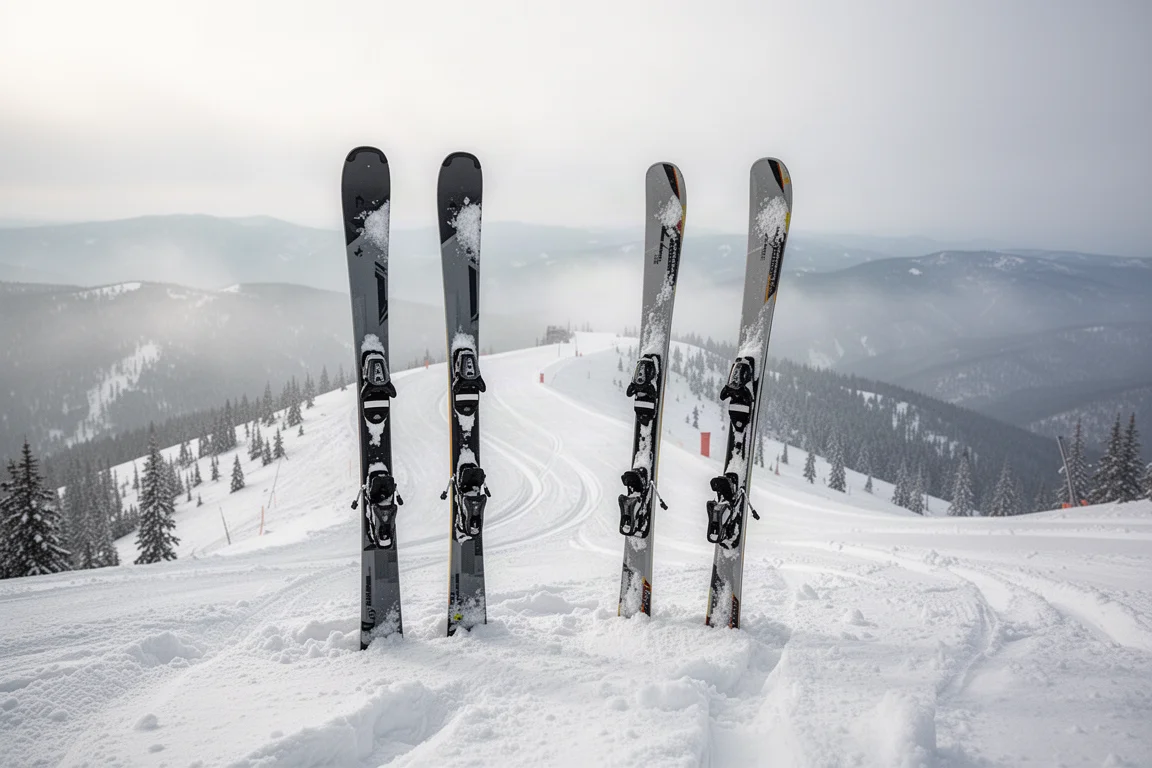
The Rustler 9 returns largely unchanged, with a new graphic and the same metal-and-wood construction. The Rustler 10 is the more pivoty of the two. Below is how each one behaves, where they differ, and how to decide between them.
What These Two Skis Have in Common
Both models are built around versatility rather than a single narrow use. Each one can hold an edge on firm snow and still be steered through soft snow and chopped-up moguls, which is the balance most skiers want when they buy one pair of skis for a whole season.
They also share a similar philosophy: a shape that stays manageable in soft snow, with enough structure underfoot to keep the ski composed once the surface turns firm and unforgiving.
That overlap is worth keeping in mind. The two skis are not separated by what they can do, but by how they feel while doing it.
Blizzard Rustler 9: Metal and Wood for Consistent Carving
The Rustler 9 uses a blend of metal and wood, and that combination sits at the core of its character. The metal layer adds grip when the surface is hard and icy, which matters on early-morning runs before the sun softens anything up.
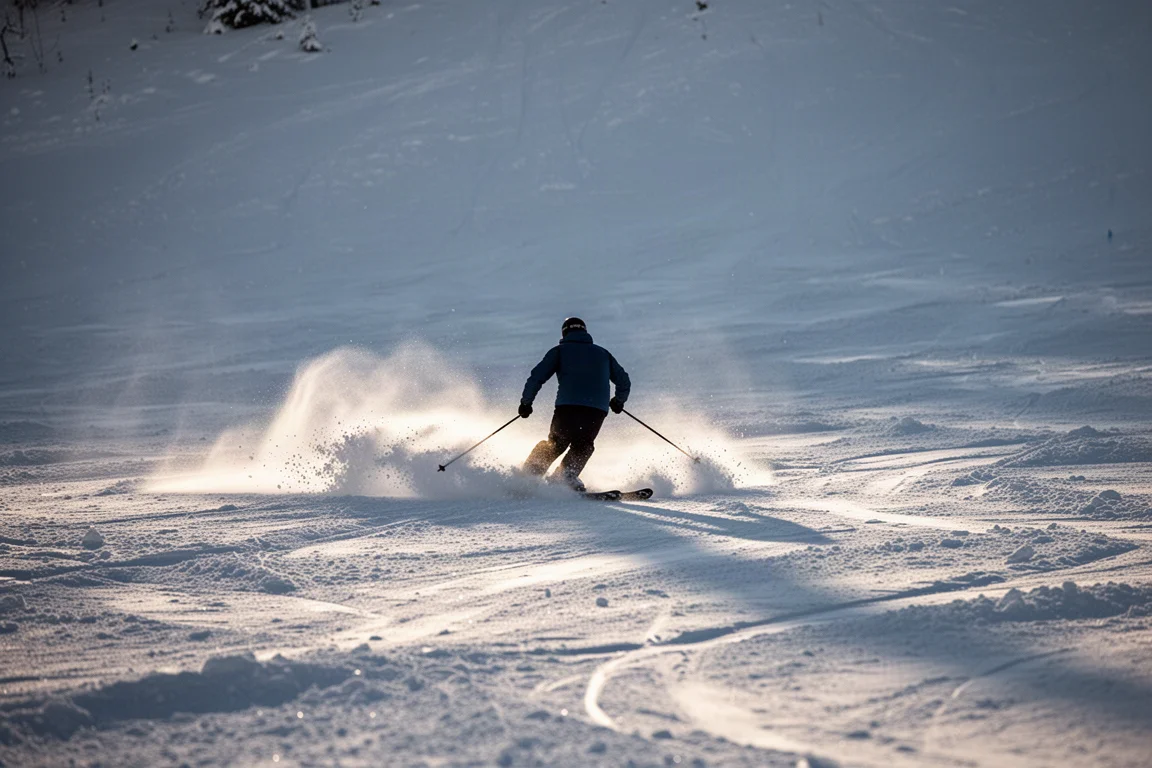
On firm snow the ski carves exceptionally well, and it does not fall apart once the snow turns soft. Even at a 96 mm waist it holds its line just fine. The overall feel is damp and slashy, a little drifty, and very pivoty, which makes it easy to slash and skid off the tops of moguls rather than fight the terrain.
The build has been revised over the seasons, and the latest version is noticeably more consistent than earlier iterations. For the coming season the ski carries over unchanged apart from a new graphic.
View more details for Blizzard Rustler 9
Blizzard Rustler 10: Pivoty and Loose in the Bumps
The Rustler 10 sits in the same family but leans into a looser, more playful character. It is notably pivoty for what it is, which pays off in large moguls and soft, chopped-up snow where you would rather release the tail and steer with your feet than hold a hard edge.
That pivoty quality is the main reason to consider it. In big bumps it lets you slash and skid across the tops of the moguls, a far less tiring way to move through steep, bumped terrain than trying to carve a clean line through it.
If your instinct is to throw a ski sideways and let it drift, this is the model in the pair that matches that approach.
View more details for Blizzard Rustler 10
How the Two Rustlers Compare
The clearest difference is in feel rather than intent. Both skis are versatile enough to cover a full day of changing conditions, but they get there in different ways.
The Rustler 9 is the damper, more planted of the two, with metal in the build to keep it steady on firm and icy surfaces, plus a drifty edge that still lets you slide the ski around when you want to. The Rustler 10 is the more pivoty option, quicker to release and happier being thrown sideways through bumps and soft chop.
Neither is a specialist in the sense of being unusable outside its comfort zone. The choice comes down to which feel suits you better: a composed, damp ski that holds firm snow well, or a loose, pivoty ski that encourages a more playful line.
Matching a Rustler to Your Terrain and Style
If your season includes plenty of firm, early-morning groomers and you value edge hold above everything else, the Rustler 9 is the more natural match. The metal layer is doing real work on those surfaces, and the ski stays consistent as conditions change through the day.
If you spend most of your time in bumps, soft chop and off-piste terrain, the pivoty nature of the Rustler 10 becomes the more appealing trait. A ski that releases easily is simply less work in steep, bumped terrain.
It also helps to think about the snow you actually ski rather than the snow you hope for. Both models handle a range of conditions, so the deciding factor is usually which feel you enjoy more, not which ski is objectively better.
Buying Advice
Both skis are established designs rather than brand-new platforms, which is generally good news for buyers. The character of each model is well understood, and there is no need to wait for a first-year redesign to be ironed out.
For the Rustler 9 specifically, the build carries over from the previous season and the only change is a new graphic, so differences between model years come down to cosmetics rather than performance.
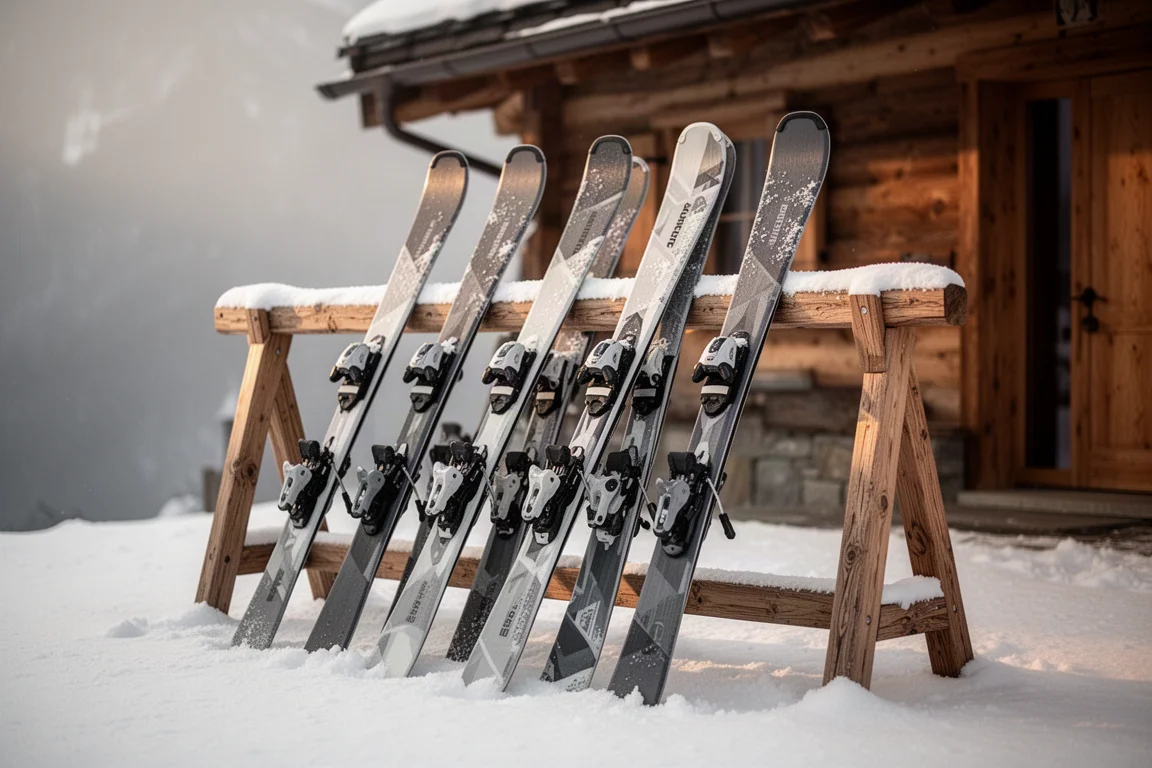
Where possible, match the ski to the terrain you ride most often and to the feel you prefer. Skiers who want a stable, damp ride with strong grip on firm snow will get more out of the Rustler 9. Skiers who want something loose and easy to pivot will get more out of the Rustler 10.
Conclusion
The Blizzard Rustler 9 and Rustler 10 are both versatile all-mountain skis, and the gap between them is mostly about feel. The Rustler 9 pairs metal and wood for a damp, consistent ride that carves well on firm snow and still handles soft conditions. The Rustler 10 leans pivoty and loose, which makes it a natural fit for bumps and soft chop.
Pick the one whose character matches how you like to ski, and either will cover a wide range of days on the mountain.
Further reading
Related Reviews
Skis
Armada Anti Matter 82 W Review: A Light, Approachable All-Mountain Carver
Armada's Anti Matter 82 W pairs a lightweight Karuba and carbon build with an easygoing all-mountain shape, aimed at intermediates through lighter-footed advanced skiers.
Skis
Armada Anti Matter 88W Review: A Light, Playful 88mm All-Mountain Ski Plus Two Alternatives
The Armada Anti Matter 88W returns unchanged in spirit from its Reliance 88C days, and it remains one of the most versatile 88mm skis around. We also look at the Nordica Santa Ana 87 and Anti Matter 92 W as alternatives.
Skis
Armada ARV 100 vs Atomic Bent 100: Which 100mm Freestyle Ski Should You Buy?
Two of the best all-mountain freestyle skis of the season compared: one leans playful and park-ready, the other holds up better everywhere else.