Ski Reviews
Blizzard Hustle 9 vs Rustler 9: Two All-Mountain Skis With Very Different Personalities
Blizzard's Hustle 9 leans touring-focused with a lighter build, while the Rustler 9 offers more stability and dampness for resort-heavy riders.
Introduction
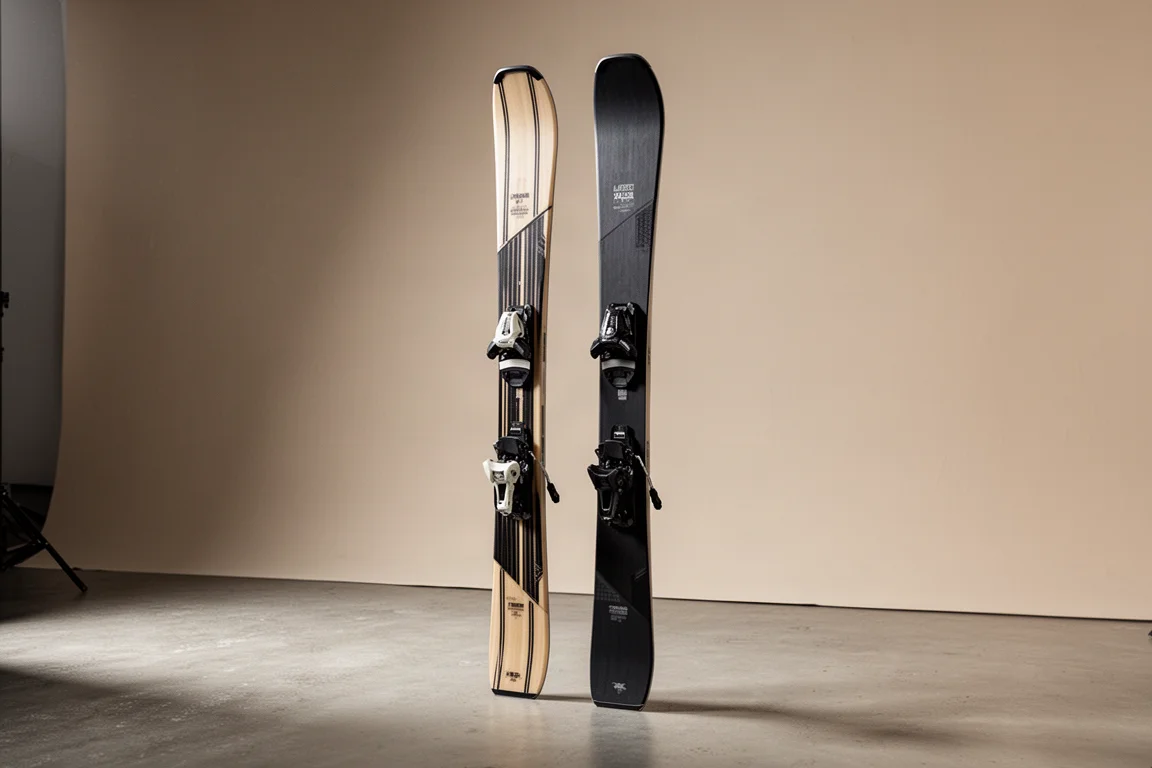
Blizzard’s Hustle collection has an interesting origin story. When the line launched, the skis borrowed the existing Rustler shape and paired it with a different construction. Then the Rustler line changed, and the Rustler 9 in particular changed a lot: it got wider and its shape is quite a bit different. That leaves the Hustle 9 as its own ski now, with a distinct character worth understanding before you buy.
Even within the Hustle line, the 9 feels and performs differently than the 10 and the 11. Where the wider Hustle skis can absolutely work as resort skis, the 9 leans in a different direction. Here is how the Hustle 9 and the Rustler 9 compare, and which skier each one suits.
Blizzard Hustle 9: A Touring-Focused Build
The Hustle 9 shares the same build as the rest of the Hustle collection, but with a smaller footprint and less material overall it comes out lighter. The result is a ski that feels more touring focused than the 10 and the 11, which is not obvious if you look at width alone. The lighter build means it gets deflected a bit more and does not feel quite as stable, but it remains a genuinely good touring ski.
In the 180 centimeter length, the Hustle 9 comes in at 1,770 grams. That is not the lightest ski on the market, but it is roughly a 200 gram difference from the Hustle 10, and that difference is noticeable on the skin track.
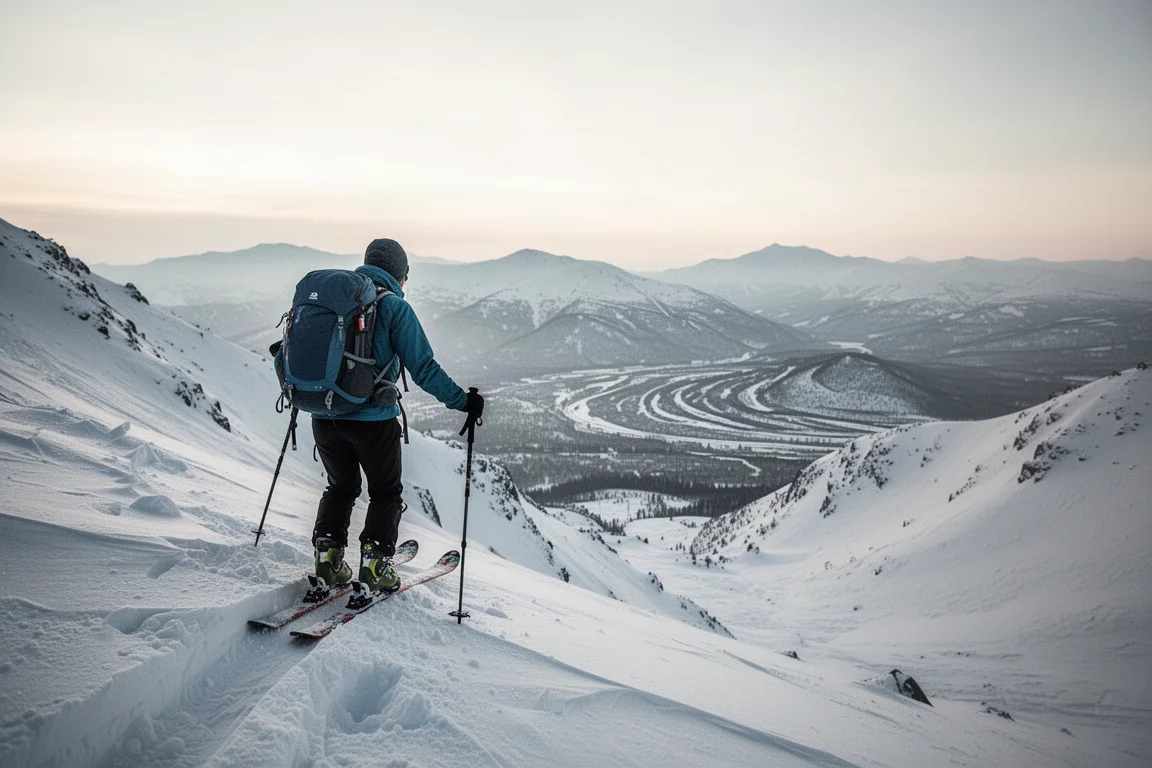
The practical takeaway: you can still pair the Hustle 9 with different bindings to build a custom package, but it feels most appropriate as a touring ski. Think of it as a 70/30 touring-to-resort ski, whereas the Hustle 10 and 11 could genuinely be 50/50 skis. If most of your time will be spent touring, this ski makes a lot of sense.
Construction: True Blend Wood Core and Carbon
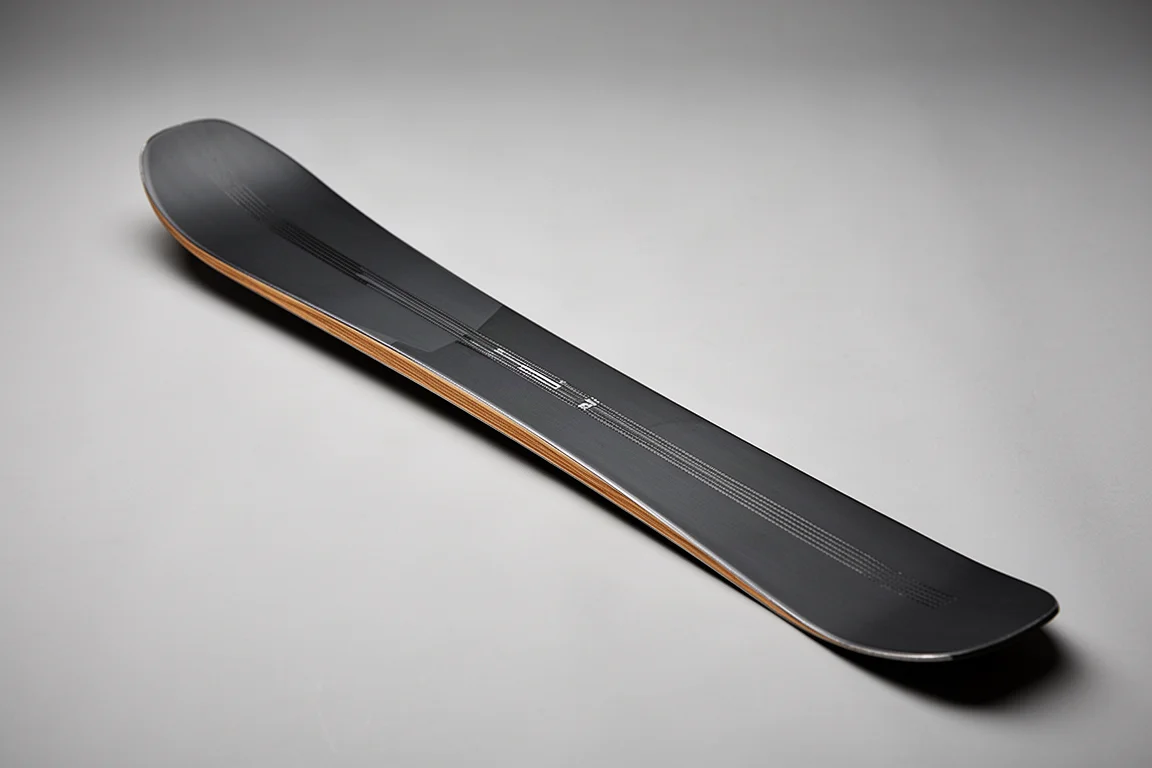
The Hustle 9 uses the same True Blend wood core as the other Hustle skis. Different density woods are laminated in a longitudinal fashion, with denser wood underfoot and lighter wood in the tips and tails. That lets Blizzard control the flex pattern more precisely, and carbon is layered on top of that system.
This ski uses carbon Dynamic Release Technology (DRT) rather than the metal DRT found in the previous Rustler. There is a sheet of carbon underfoot plus longitudinal carbon stringers, two distinct carbon applications that work with the True Blend core to shape the flex. The result: a slightly stiffer ski underfoot and a softer, more supple, more forgiving flex in the tips and tails. That softer tip and tail does not just add forgiveness, it adds versatility too.
Shape and Rocker Profile
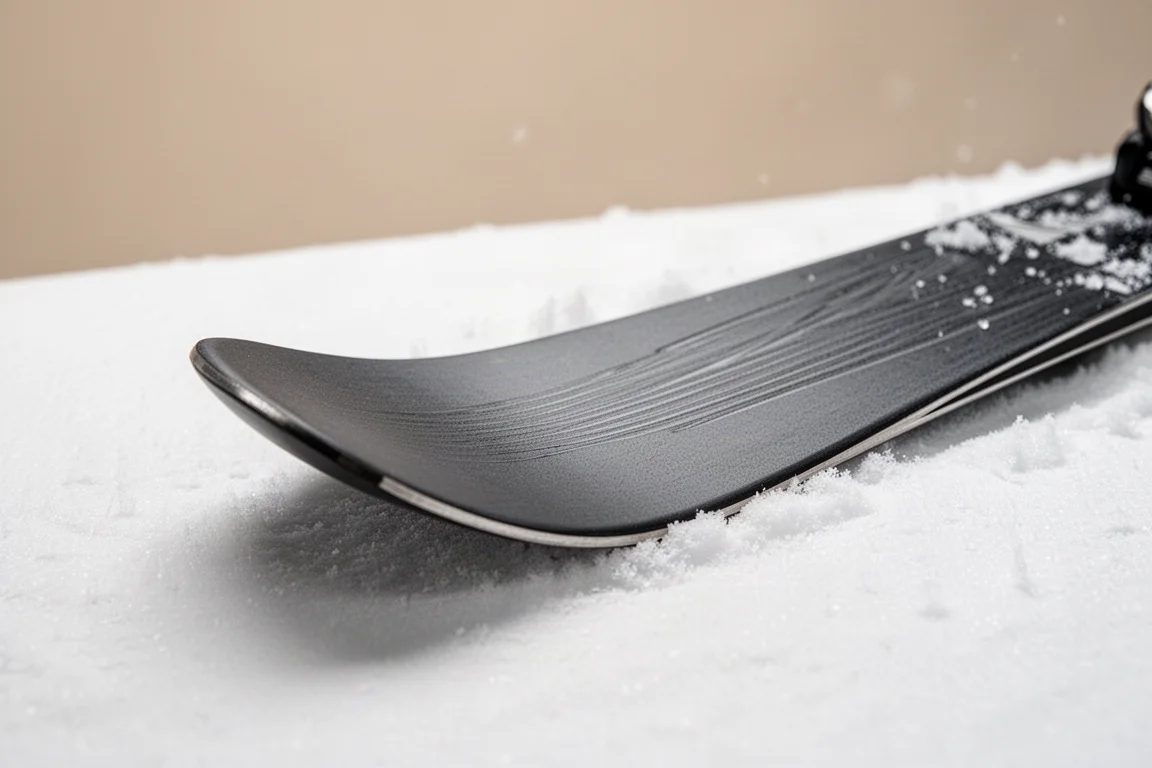
The Hustle 9 measures 94 millimeters underfoot with a 17 meter turn radius. The noticeably flatter tail rocker compared to the new Rustler 9 is worth paying attention to, along with quite a bit of tip rocker for a 94 millimeter ski. That tip rocker makes sense given that most tourers are looking for soft snow and off-piste terrain.
Compared directly, the Hustle 9 feels a bit more springy and energetic, while the Rustler 9 is a little more damp. On the flip side, the Hustle 9 is not quite as stable at speed, which is a fair trade for the weight savings.
Blizzard Rustler 9: The More Versatile All-Mountain Pick
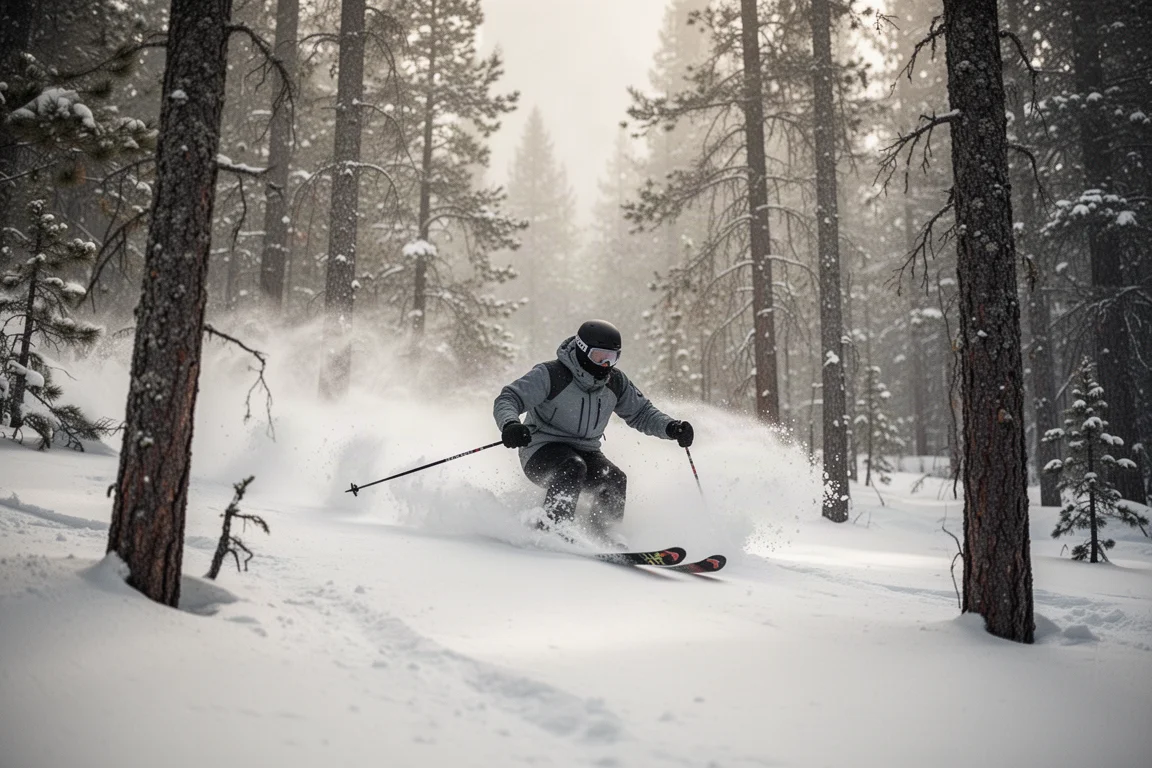
The new Rustler 9 is wider at 96 millimeters underfoot and has a noticeably different tail rocker profile than the Hustle 9. It is also a bit more damp and a bit more stable at speed, which makes it the easier pick if you do not want to commit to a touring-leaning ski.
If the touring-heavy application of the Hustle 9 does not sound like you, the Rustler 9 is the better place to land. You still get a ton of versatility, and it is a lot of fun to ski.
View more details for Blizzard Rustler 9
Which One Should You Buy?
The decision comes down to how you split your time. If you plan to spend most of your days on the Hustle 9 touring, it is the focused tool for that job: lighter, springy, and energetic with a soft-snow-friendly tip. If you want stability at speed and do not mind bumping up in width, the Hustle 10 is there. And if you want a more versatile, damp, resort-capable ski in the same general width range, the Rustler 9 delivers more of that.
That said, skiers who like this shape and want a lightweight all-mountain ski can absolutely put an alpine binding on the Hustle 9 and be happy with it. It simply leans touring by default.
Conclusion
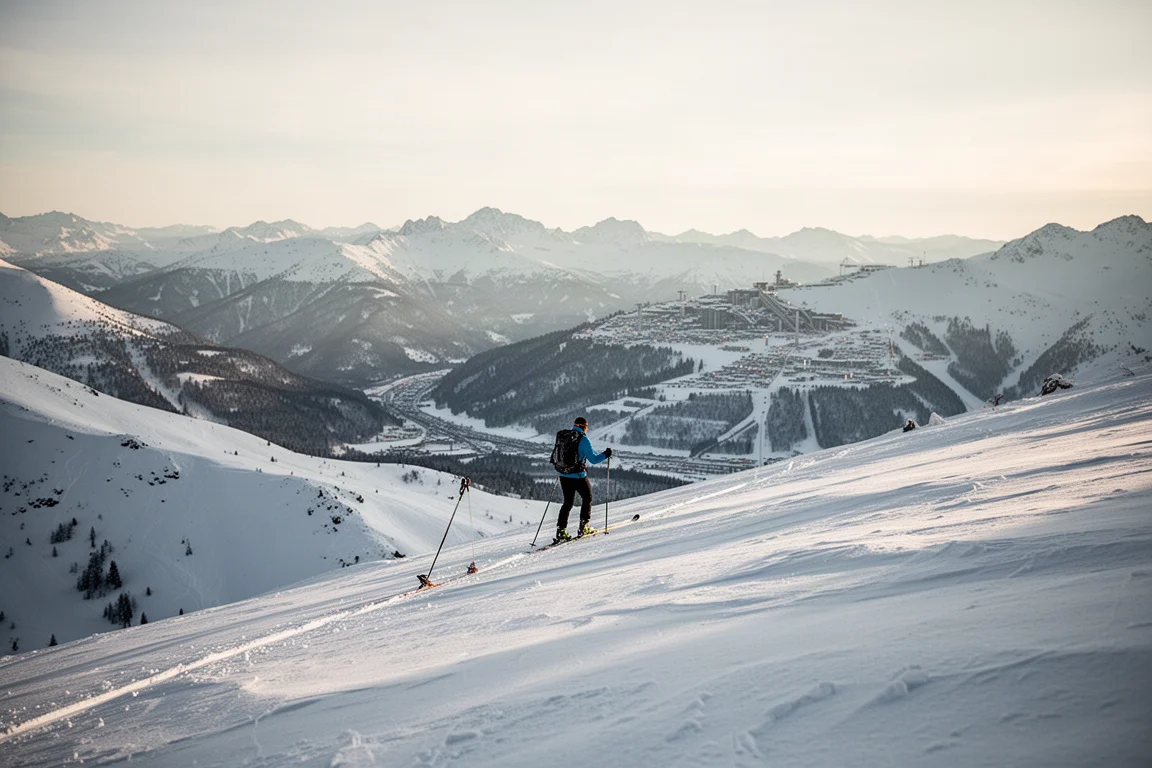
Blizzard has effectively split these two skis into distinct roles. The Hustle 9 is a lighter, more energetic ski best suited to touring, while the Rustler 9 brings more dampness, a wider waist, and broader versatility for resort-leaning skiers. Choose the Hustle 9 for a touring-first quiver addition, and the Rustler 9 when versatility and stability matter more than weight.
Further reading
Related Reviews
Ski Reviews
Armada Antimatter 108 Review: A Freeride Ski Built for Speed and Deeper Snow
The Armada Antimatter 108 carries over the beloved Declivity X 108 shape with new construction that adds compliance in soft snow and composure in crud, aimed squarely at strong, aggressive skiers.
Ski Reviews
Armada Antimatter 92 vs Invictus 92: Two All-Mountain Skis Compared
A closer look at two Armada all-mountain skis, one playful and nimble, the other composed and smooth, to help you pick the right one for your skiing.
Ski Reviews
Armada Antimatter 92W Review: A Smoother Take on a Proven All-Mountain Footprint
The Antimatter 92W keeps the trusted Reliance 92Ti footprint but softens the ride with a new metal construction, making it more versatile in softer snow without losing on-trail grip.