Skis
Blizzard Hustle 11 Review: A Lighter, More Energetic Freeride Ski
The Blizzard Hustle 11 pairs the Rustler 11 shape with a lighter carbon build, giving resort skiers a freeride ski that can also tour.
Introduction
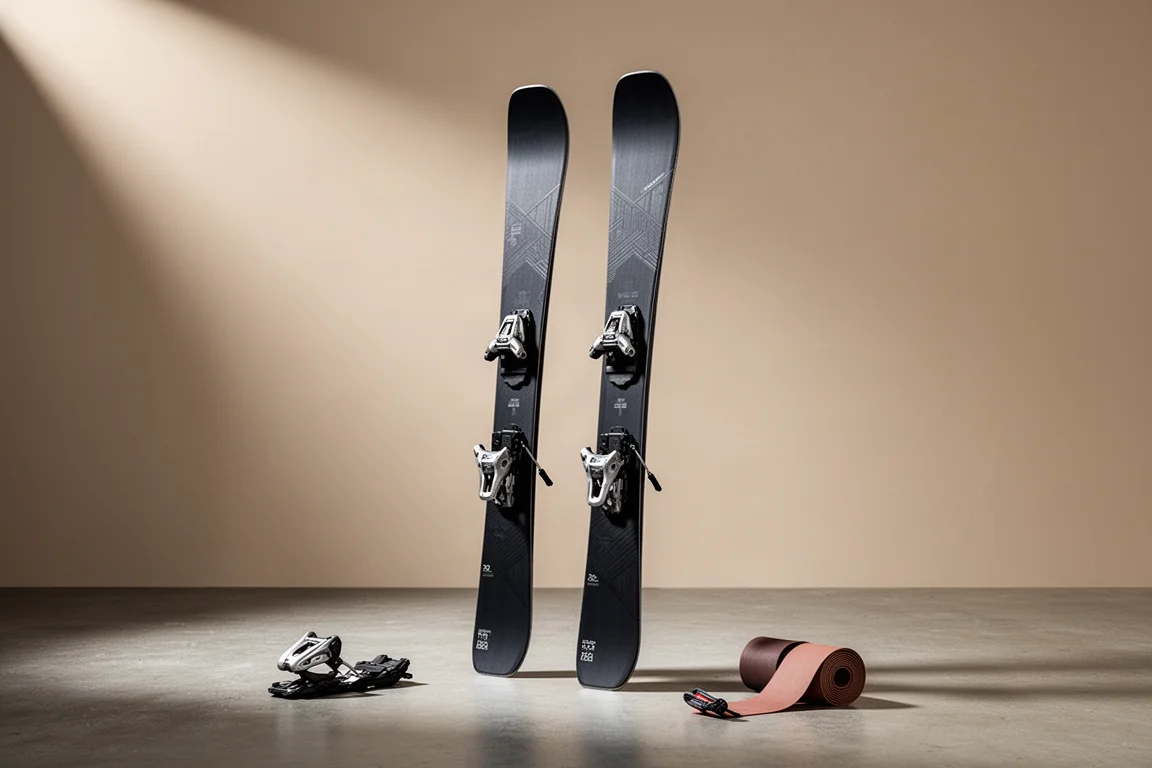
Blizzard’s Hustle line takes the shapes of the Rustler collection and rebuilds them with a lighter core and a construction that leans on carbon rather than metal. The Blizzard Hustle 11 is the widest ski in that line, and it borrows its shape directly from the Rustler 11. The result is a 112mm-underfoot freeride ski that keeps the character of a powder ski while shedding enough weight to make climbing noticeably more efficient.
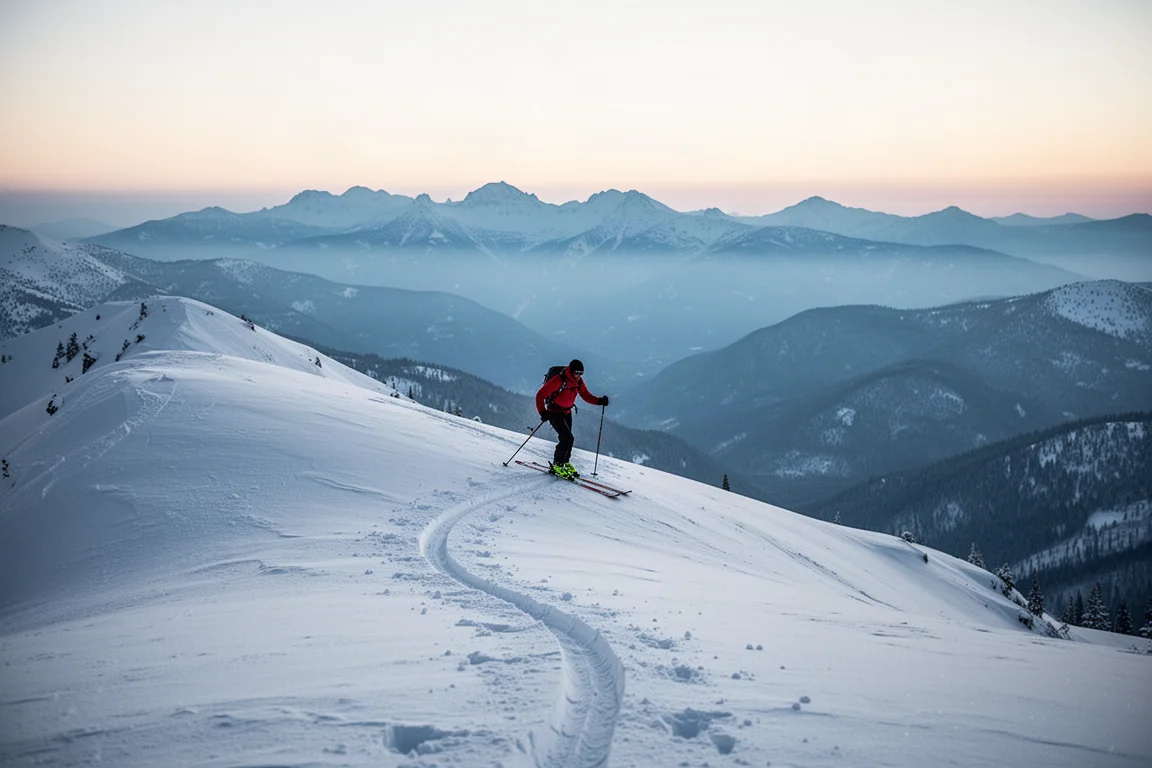
That combination matters for skiers who split their time between the resort and the backcountry. Instead of owning one heavy freeride ski for lift-served days and a separate touring setup, the Hustle 11 is built to handle both roles without feeling like a compromise in either direction.
Who the Blizzard Hustle 11 Is For
The Hustle 11 is a strong fit for skiers who spend most of their days in the resort but also tour some of the time. If you are considering a hybrid binding such as a Shift or a Duke PT, this ski pairs naturally with that approach: it is light enough to justify skinning on, and strong enough that you do not have to change how you ski on the way down.
It also suits skiers with a more energetic style. The ski responds quickly, pops off natural features, and feels comfortable in the air. If you like making short, slashy turns through soft snow, the Hustle 11 is built for that kind of riding.
Construction and Design Highlights
The core is Blizzard’s True Blend Freeride wood core, which laminates poplar, beech, and paulownia in different sections of the ski. Because the placement of each wood type changes with the length, Blizzard can tune the longitudinal stiffness so that every size performs properly instead of building one reference length and scaling it up and down.
Where the Rustler uses a partial metal laminate in its Flip Core DRT construction, the Hustle 11 uses carbon in the same layout: full width underfoot, then tapering and ending before the tip and tail. Carbon is lighter and more energetic than metal, so the ski loses weight while gaining a livelier flex pattern.
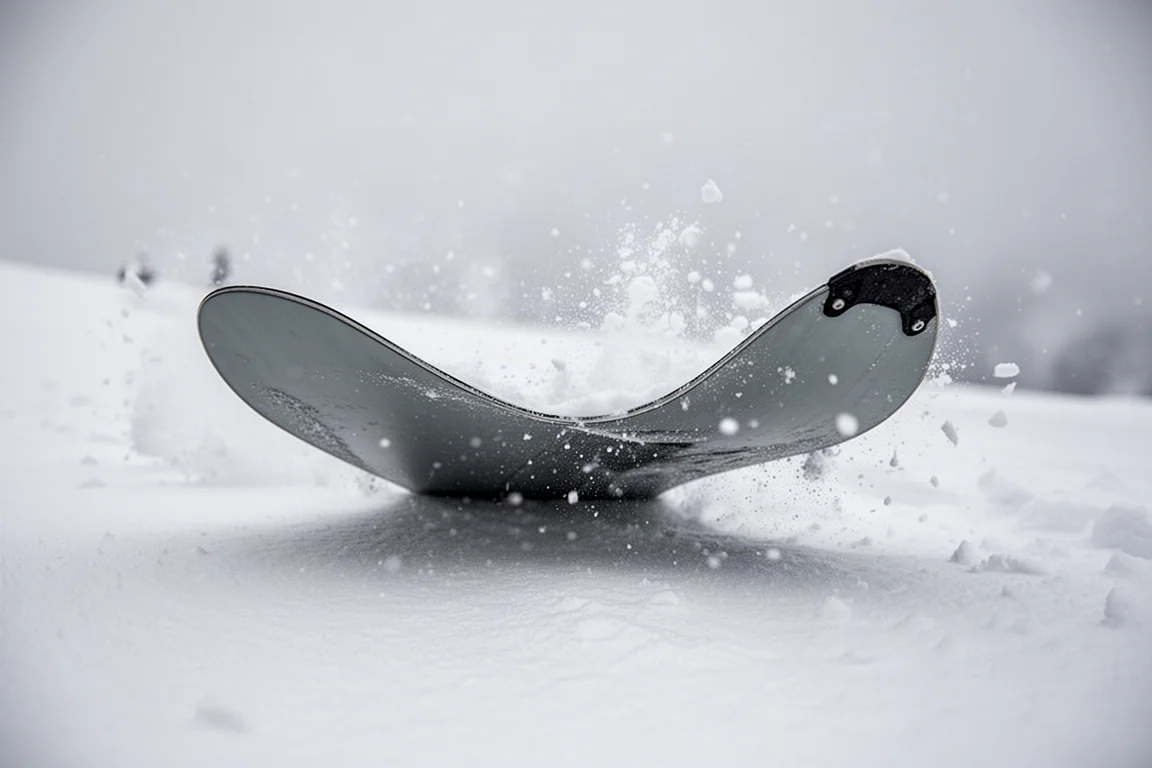
The profile is a rocker-camber-rocker design, matching the Rustler 11. As you move up in width across the Rustler or Hustle collections, the rocker lines get longer, and the Hustle 11 carries quite long rocker lines to support its powder-oriented shape. It measures 112mm underfoot and weighs about 1,950 grams in a 180cm length.
Ride Feel and Performance
The most noticeable difference compared with the Rustler 11 is the flex pattern. The Hustle 11 feels snappier and more energetic, with a quickness and responsiveness that shows up as soon as you start turning. It loves to pop off natural hits, it is happy in the air, and it makes short smeary turns feel easy.
Despite the lighter build, it is not a soft ski. It can handle high speeds, holds up when skied fast and aggressively, and does not get pushed around easily. The weight reduction does not come at the cost of stability in the way you might expect from a touring-oriented freeride ski.
Hustle 11 vs Rustler 11: Which Fits Your Skiing
Both skis share a shape, so the decision comes down to construction and feel. The Rustler 11 is damper, with a smoother and quieter flex pattern that absorbs vibrations from the snow surface a little better. If you spend all of your time in the resort, that damper feel is usually the more rewarding choice.
The Hustle 11 trades some of that damping for energy. It feels more playful and quicker, and it saves noticeable effort on the ascent because of the lower weight. Skiers who value a lively, responsive ski over maximum top-end smoothness tend to prefer it, even when touring is not part of the plan.
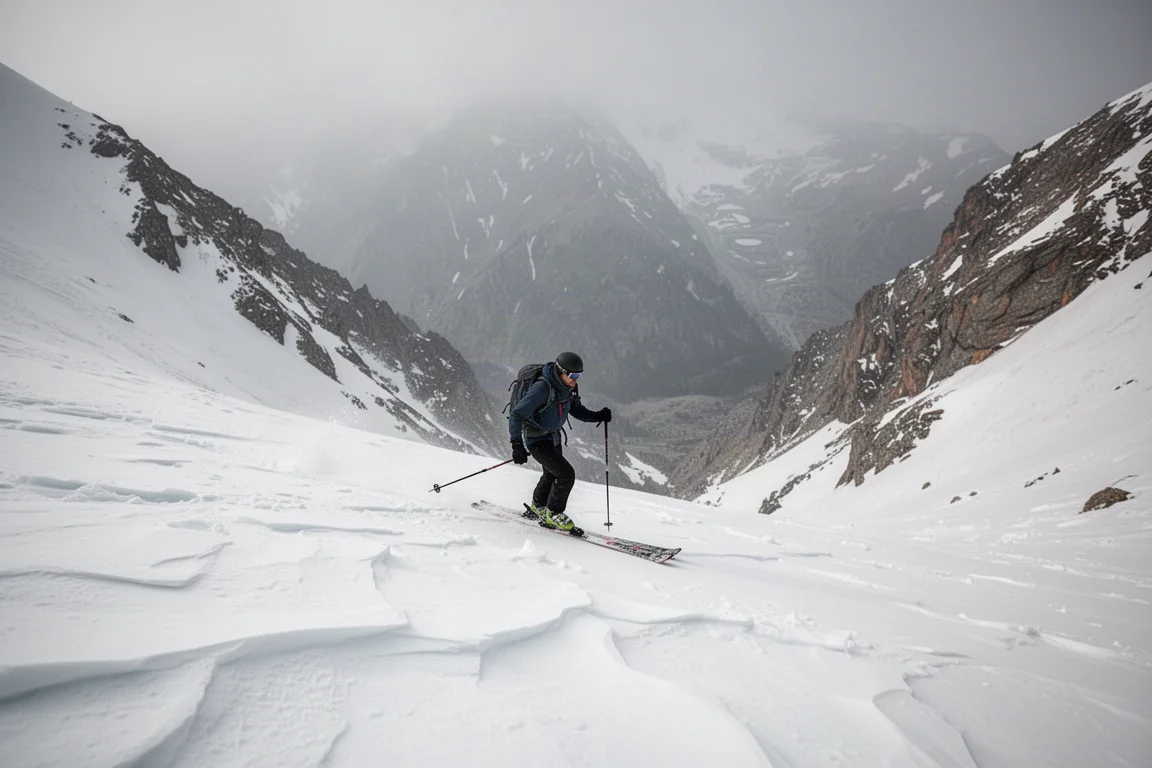
Within the Hustle line itself, the 10 and 11 offer more versatility across conditions, while the 9 feels more dedicated to touring. If your priority is a wide powder and freeride ski that can still be skinned uphill, the Hustle 11 is the most capable option of the three.
Things to Consider Before Buying
The Hustle 11 is not the lightest ski available, and roughly 1,950 grams at 180cm reflects that. It is light enough to justify a touring setup, but skiers chasing the lowest possible weight for long approaches may want to look at more dedicated touring skis.
At 112mm underfoot with long rocker lines, this is a powder and soft-snow ski first. It is not the tool for firm, groomed conditions or for skiers who want a narrow, quick edge-to-edge feel on hardpack.
The carbon construction also changes how the ski feels compared with a metal-laminate design. Skiers who specifically love the damp, quiet character of the Rustler 11 may find the Hustle 11 livelier than they want.
Buying Advice
Choose the Hustle 11 if you want one ski that covers resort powder days and occasional touring, particularly if you plan to mount a hybrid binding. Choose the Rustler 11 instead if your skiing stays entirely inside the resort and you prefer a damper, smoother ride.
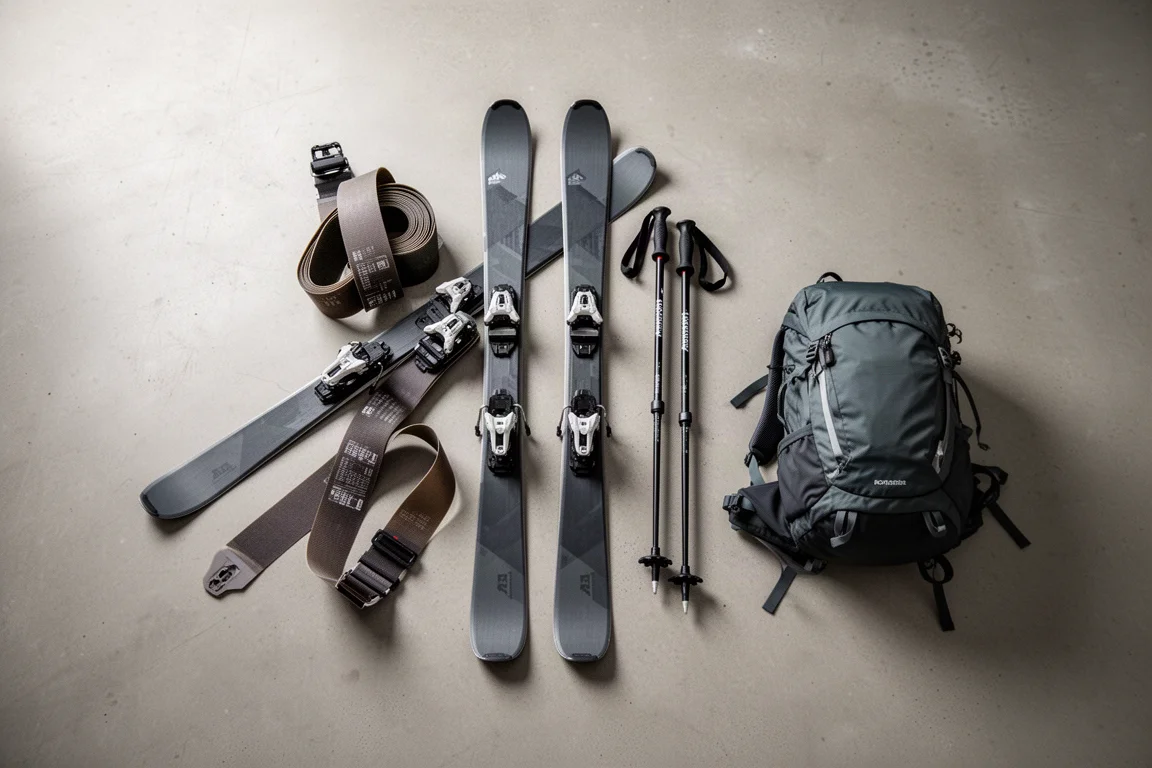
Sizing and binding choice matter as much as the ski itself here. The performance of each length is tuned individually, so the right size depends on your height, weight, and how much float you want in deep snow. A hybrid binding keeps the uphill efficient while preserving downhill performance, which is exactly the balance this ski was designed around.
Conclusion
The Blizzard Hustle 11 keeps what works about the Rustler 11 shape and rebuilds it with a lighter, carbon-focused construction. The payoff is a freeride ski that climbs more efficiently, feels more energetic on the way down, and still holds up when you push it hard. For skiers who want one setup for powder days in the resort and the occasional backcountry lap, it is a confident choice.
Product link
View more details for Blizzard Hustle 11
This product is mentioned in the review. Check the specifications, options, and compatibility before buying.
View more details for Blizzard Hustle 11Further reading
Related Reviews
Skis
Armada Anti Matter 82 W Review: A Light, Approachable All-Mountain Carver
Armada's Anti Matter 82 W pairs a lightweight Karuba and carbon build with an easygoing all-mountain shape, aimed at intermediates through lighter-footed advanced skiers.
Skis
Armada Anti Matter 88W Review: A Light, Playful 88mm All-Mountain Ski Plus Two Alternatives
The Armada Anti Matter 88W returns unchanged in spirit from its Reliance 88C days, and it remains one of the most versatile 88mm skis around. We also look at the Nordica Santa Ana 87 and Anti Matter 92 W as alternatives.
Skis
Armada ARV 100 vs Atomic Bent 100: Which 100mm Freestyle Ski Should You Buy?
Two of the best all-mountain freestyle skis of the season compared: one leans playful and park-ready, the other holds up better everywhere else.