Power Tools
Black & Decker VPX System: Why a 2007 Tool Line Still Works Today
A look back at the Black & Decker VPX system, a compact 2007 driver and tool line that still fills a gap modern electric screwdrivers have not managed to close.
Introduction
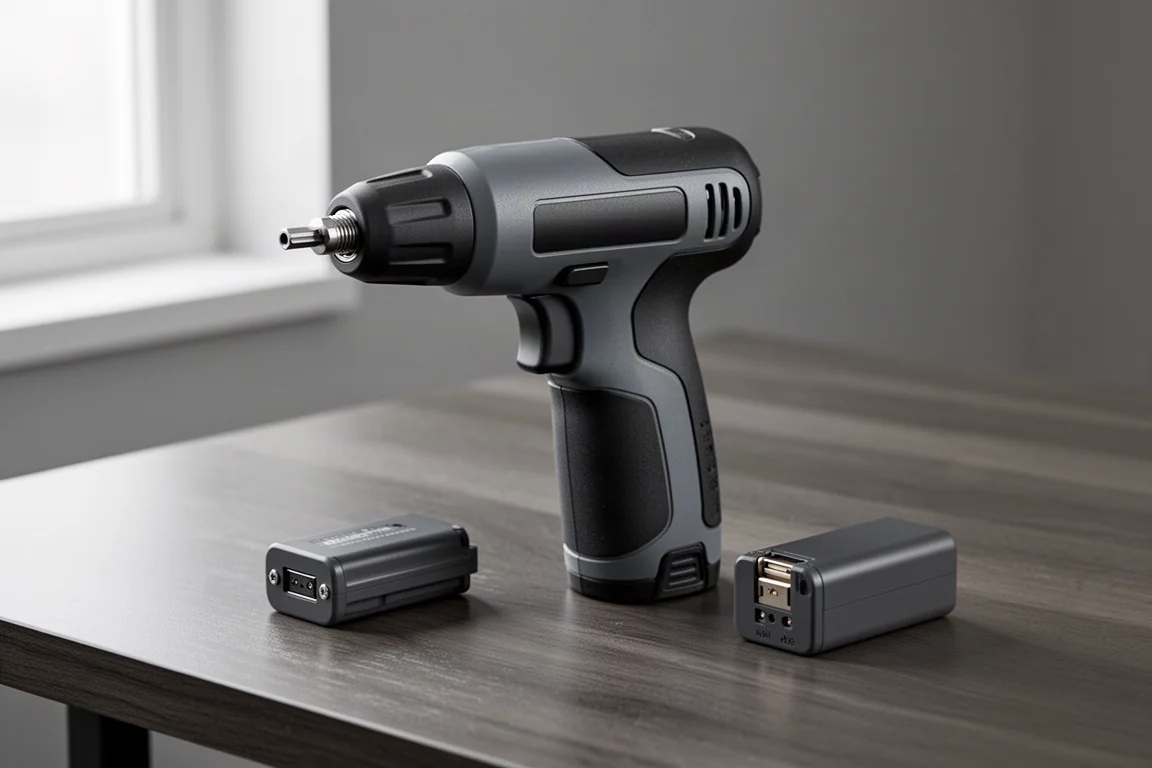
Some tools age badly. Others quietly hold their ground long after the brand has moved on. The Black & Decker VPX system, launched around 2007, belongs firmly in the second group. It was never the most powerful cordless line on the shelf, but it carved out a niche in the light-duty DIY spectrum where bigger, heavier power tools felt like overkill.
This review looks at the VPX system as a whole: the basic driver, the one-hand recip, the flashlight, and the battery and charging platform that made the whole thing unusually clever for its time.
Why a 2007 Tool Still Matters
The VPX line filled a gap between full-size cordless drills and the tiny palm-sized electric screwdrivers that dominate the category today. The starter package shipped with the basic driver, a one-hand recip saw, a flashlight, a charger, and a single battery. Beyond that, the line included a vacuum, an inflator, a more powerful drill, a drill driver with a chuck, and a range of battery and charger options.
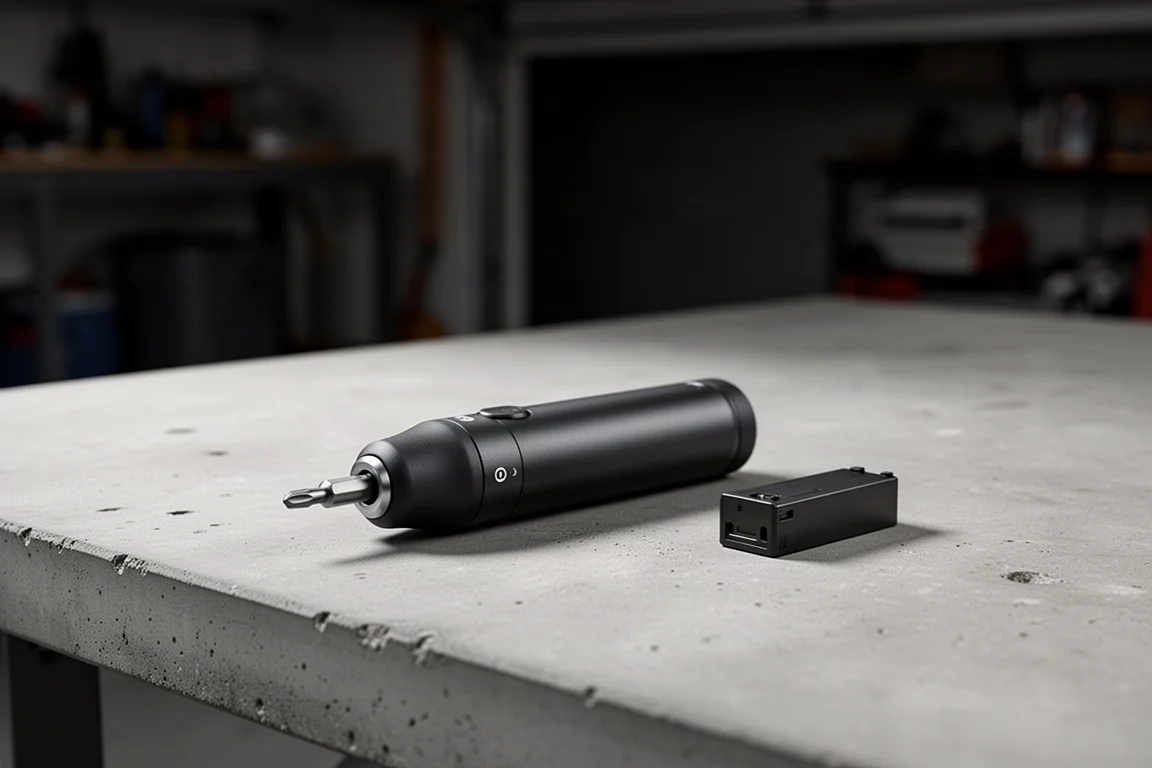
The basic driver itself is a two-speed, reversible tool with a proper neutral position on its power switch. The body is slim and comfortable in hand, with a grip angle closer to a traditional screwdriver than a bulky pistol drill. Battery removal is quick and intuitive, and the pack sits flush in the handle rather than bulking the tool out the way modern three-cell designs often do.
How the Driver Performs
This is not a finesse tool. The trigger is essentially on or off, with little in the way of speed control. That trade-off, however, is part of what made it so useful. Where large drills could spin the heads off bolts and screws, the VPX driver delivers just enough torque to snug things down without damaging fasteners or the surrounding material.
That moderate power envelope is exactly right for light assembly, electrical work, and jobs where a full-size drill would be clumsy. It is also slim enough to reach into spaces that bigger tools simply cannot access, and it accepts extensions for deeper fasteners.
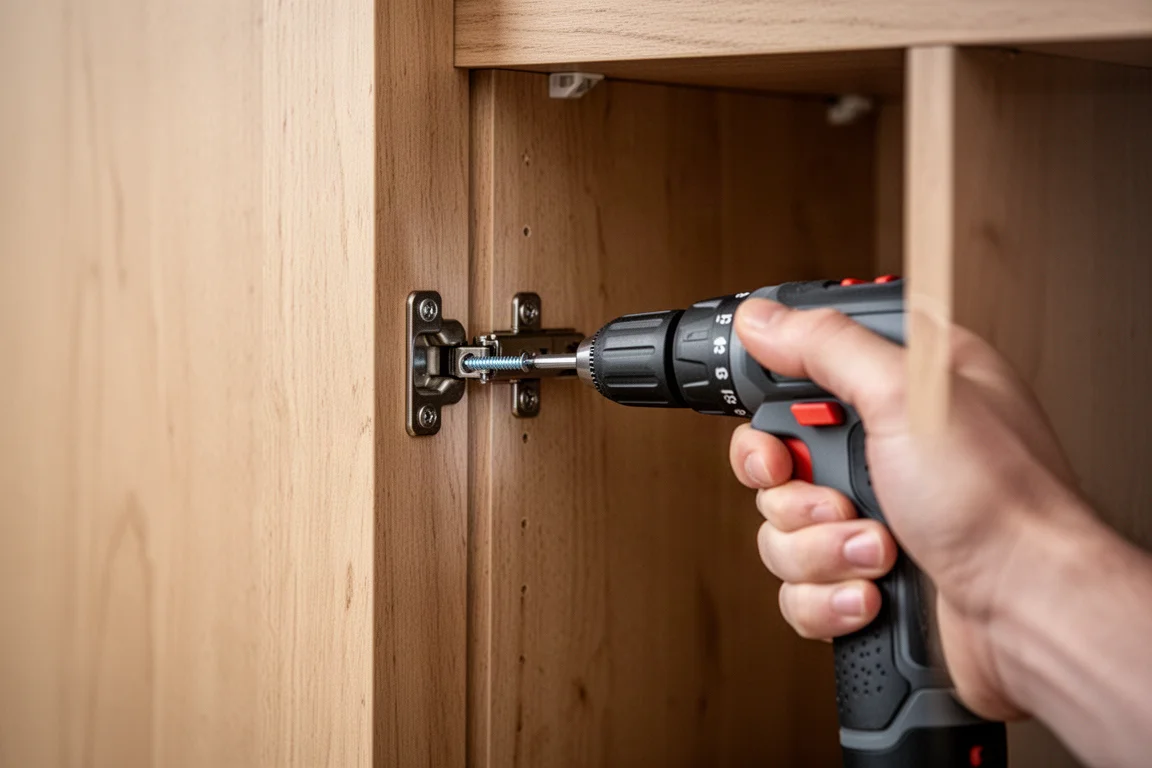
The one-hand recip from the starter set takes jigsaw blades rather than dedicated recip blades, which is acceptable for its size. It has a blade release lock that can stick with age, two speeds, and rubber overmolding that feels like what you would expect from a modern tool. The plastic housing is plain ABS rather than glass-filled, so it does not feel indestructible, and some units show slight blade retention issues. The flashlight module is a simple tilting light that stands upright on its own, works reliably, and is not especially bright, but it does the job.
The Charger Trick and the Battery Secret
Two design details set the VPX platform apart from anything in its price class today. First, the chargers daisy-chain: a second charger plugs directly into the first, and a folding tab locks them together so the stacked pair stays put. If you own multiple batteries, this is genuinely convenient and remarkably space-efficient.
Second, the battery packs themselves are remarkably simple. Open one up and you find two 18650 cells, a small diode, and some wiring, with almost no electronics inside. Most of the charge management appears to be handled by the charger. That simplicity means aging packs are rebuildable with a small battery spot welder and fresh 18650 cells, or, with a bit of ambition, a 3D-printed replacement.
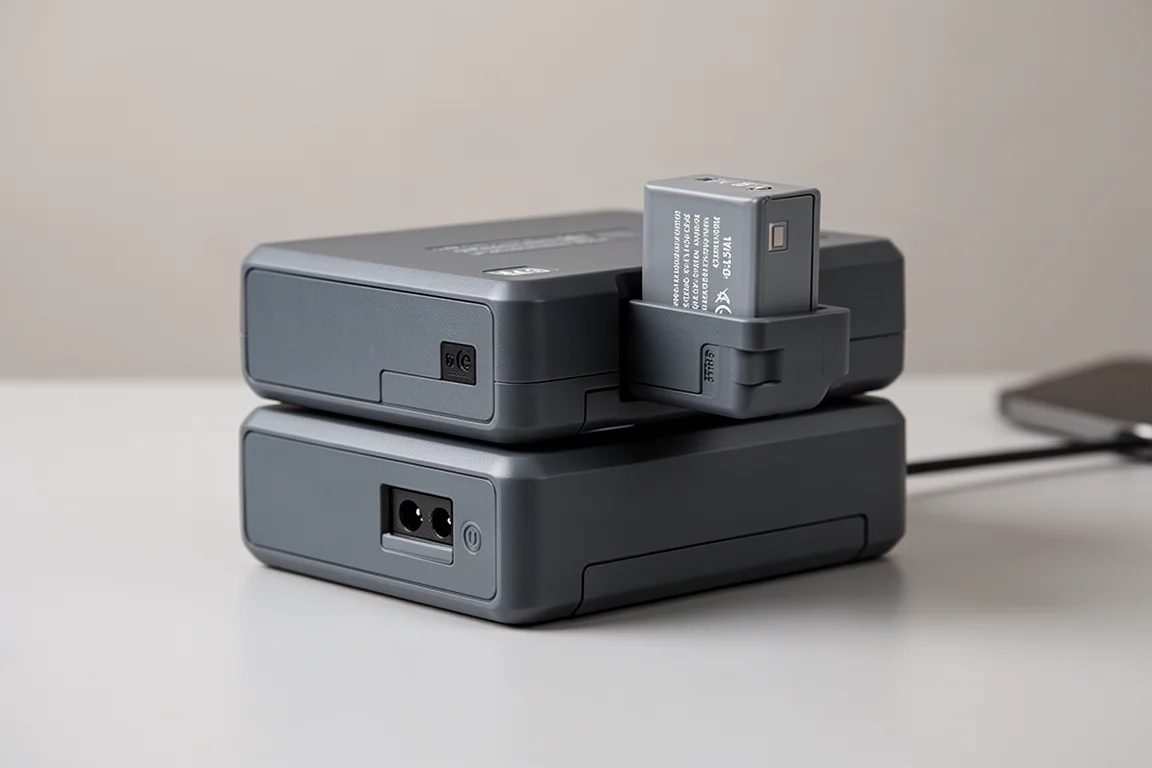
For buyers of used sets, though, the simplicity cuts both ways: aging cells are common, and a purchased set can easily arrive with most batteries no longer holding charge.
What You Can Buy Today
The modern alternatives have not really replicated what the VPX did. Black & Decker’s current 4-volt pivoting screwdriver is fine as a kitchen-drawer tool for loose cabinet hinges and toy assembly, but it lacks the same balanced grip and usable power. DeWalt’s excellent gyroscopic screwdriver has been discontinued. Metabo HPT offers a 3.6-volt flexing screwdriver for around $90, and Milwaukee sells a similar, even more elongated design for about $150.
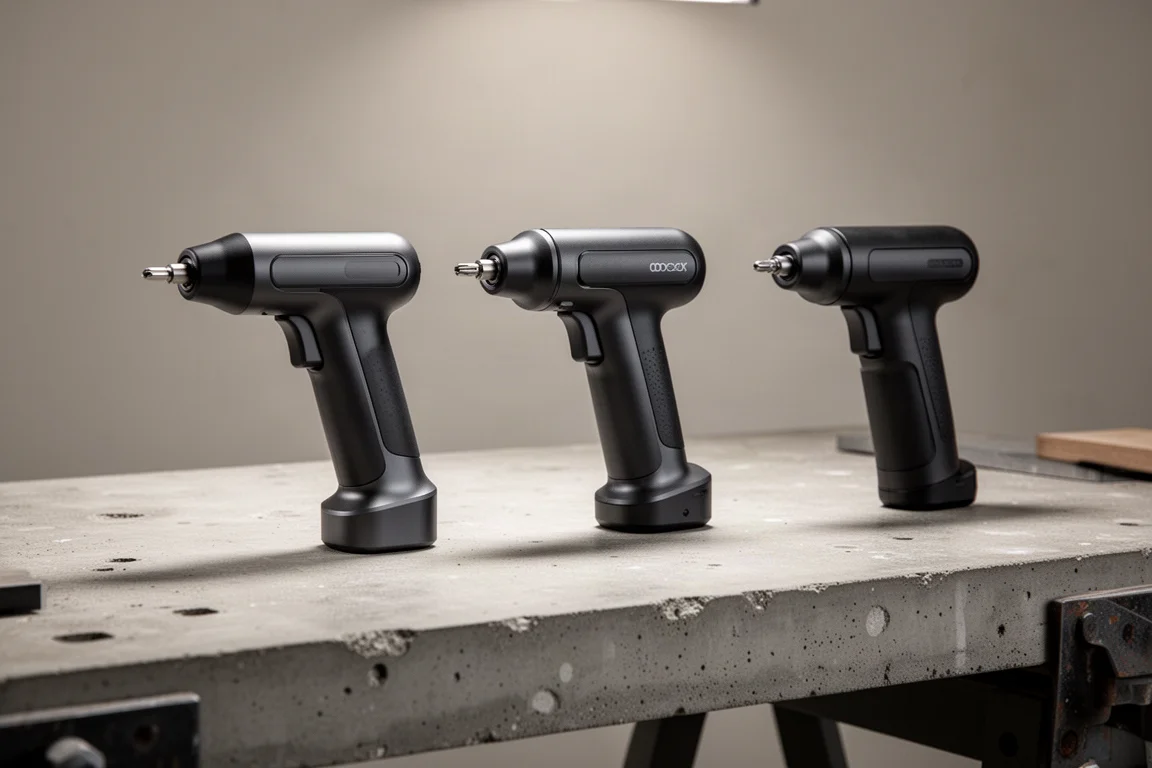
The recurring problem with these modern designs is geometry: the chuck sits far out front of a long head, making them front-heavy, ungainly, and prone to swinging off target. None of them puts the driver bit at the natural wrist angle of a regular screwdriver the way the VPX did, and none matches its combination of power, slimness, and simplicity at an accessible price.
Buying Advice
If you want a VPX system today, you are shopping the used market. Sets surface on eBay, and a complete starter package with the driver, one-hand recip, flashlight, charger, and batteries can be found well under its original price. Inspect battery condition carefully and assume you may need to rebuild the packs with fresh 18650 cells. If you need heavy torque, look elsewhere; this is a light-duty, moderate-power tool by design.
Conclusion
The Black & Decker VPX system remains a smartly designed, genuinely useful tool line that the market never quite replaced. Its slim grip, moderate torque, stackable chargers, and simple rebuildable batteries make it a smart secondhand buy for light DIY work, and a reminder that sometimes the best solution already shipped nearly two decades ago.
Product link
View more details for Black & Decker VPX System
This product is mentioned in the review. Check the specifications, options, and compatibility before buying.
View more details for Black & Decker VPX SystemFurther reading
Related Reviews
Power Tools
Best 1-Inch Pistol Impact Wrenches: Three Heavy-Duty Options Compared
We compare three 1-inch pistol impact wrenches, from a budget-friendly Harbor Freight model to a premium Caterpillar unit, to help you choose the right one.
Power Tools
Best 3/4-Inch Impact Wrenches 2026: Five Contenders Compared
We compare five 3/4-inch impact wrenches across price and performance, from a budget Amazon option to Snap-on's most powerful model yet.
Power Tools
Best Budget Cordless Tools 2026: Walmart Finds That Punch Above Their Price
We tested five cordless tools from Walmart, including a high-torque impact wrench that trades blows with Milwaukee and a $35 duster that outperforms its price class.