Skis
Black Crows Sato Review 2026: An 88mm All-Mountain Ski Built for the Resort
A close look at the 2026 Black Crows Sato, an intuitive 88mm all-mountain ski with high camber, a 17 meter turn radius, and a clear bias toward groomed resort terrain.
Introduction
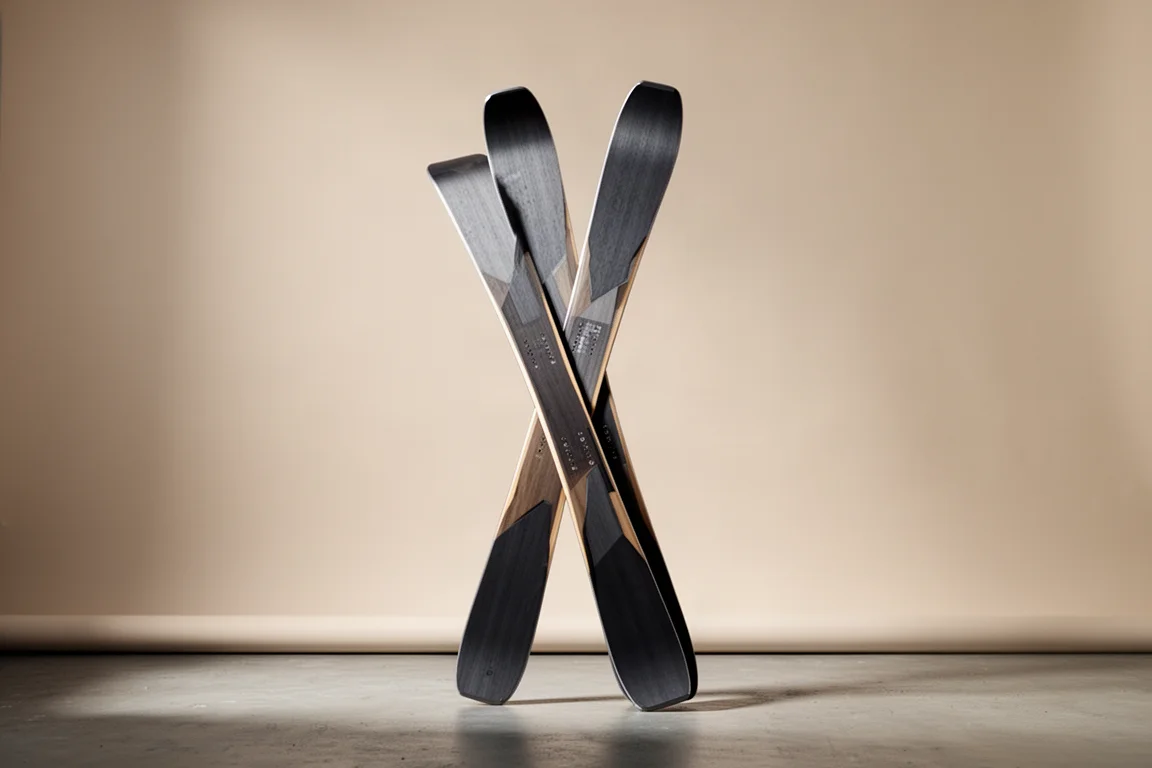
The Black Crows Sato is a brand new 88mm-underfoot all-mountain ski for 2026, and it sits firmly at the resort-oriented end of the French brand’s range. The build is deliberately simple: a poplar wood core, fiberglass, and a semi-cap construction with 360 degree sidewalls. There is no metal in the layup, and Black Crows leans on shaping rather than complicated materials to define how the ski behaves.
It is also offered as the Sato Birdie, the women’s version. As with most of the Black Crows line, the two share the same construction and the same design; the differences come down to colorways and the lengths offered.
The short version: this is an intuitive, energetic ski with a traditional cambered feel, and it is happiest on groomed terrain with bumps and softer snow mixed in.
Who This Ski Is For
Think of the Sato as roughly an 80 percent on-trail ski. It is aimed at skiers who spend most of their resort days on groomed runs, carving mid-mountain laps, and who want something planted and predictable without a long adjustment period.
It also suits skiers who like a traditional feel underfoot: meaningful camber, a supportive squared-off tail, and a sharp snap as the ski releases out of a turn. If that describes how you like to ski, the Sato is likely to feel familiar from the first run.
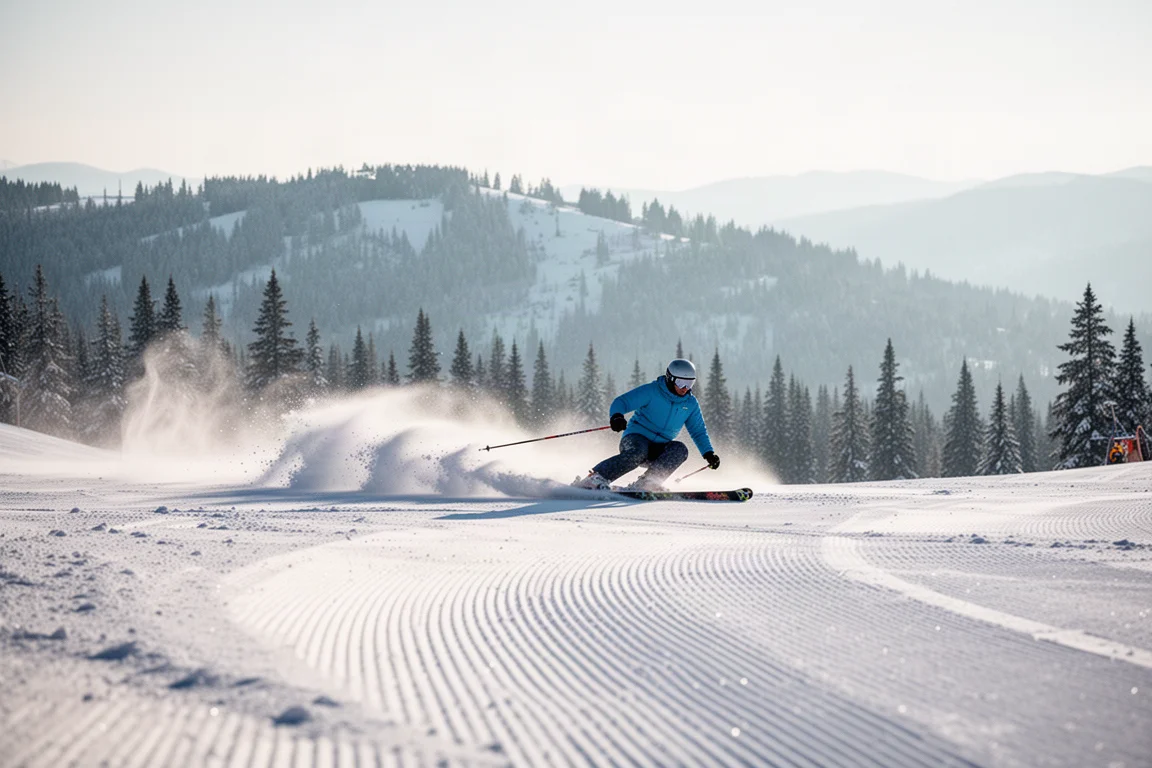
It is a weaker fit for skiers whose typical day is mostly top-to-bottom off-piste. The cambered profile and minimal tail taper mean the skier does more of the work in deep or variable snow, and anyone with serious off-piste goals is better served by wider, more curvaceous options.
Construction and Shape
The layup is as straightforward as it gets: poplar core, fiberglass, and a semi-cap build with 360 degree sidewalls. The cap overhang is minimal, which matters more for edge durability than for on-snow performance. Overall the ski has a solid, damp feel, helped by a thick plastic and rubber tail cover. Finish quality is excellent.
Flex is even and round rather than soft, with predictable energy through the length. The 173.4 cm length measured 1,734 grams on the scale, which works out to a neat one gram per millimeter ratio.
In shape terms, the Sato carries a 17 meter turn radius, a tame double rocker profile, and a high camber height. Decamber the ski and the tip rocker becomes clearly visible, and it is the camber that gives the ski its snap and rebound. Tail rocker is modest and in line with what is typical for an 88mm ski, and there is no early taper in the shovel. Within the Black Crows range, the front half of the ski is close in shape to the Captus, while the Serpo has thinner tips and tails, a softer flex, and a more drifty character. The Sato has less tail taper than the Serpo, which contributes to its snappier rebound.
On-Trail Performance
On groomed terrain the Sato is immediately intuitive. It engages into a turn with very little effort, holds a clean arc, and feels solid rather than light and vague underfoot.
The high camber and supportive tail produce a strong, energetic release at the end of a turn, and the shovel bends easily enough to make mid-mountain carving genuinely enjoyable. This is the terrain where the ski makes its case.
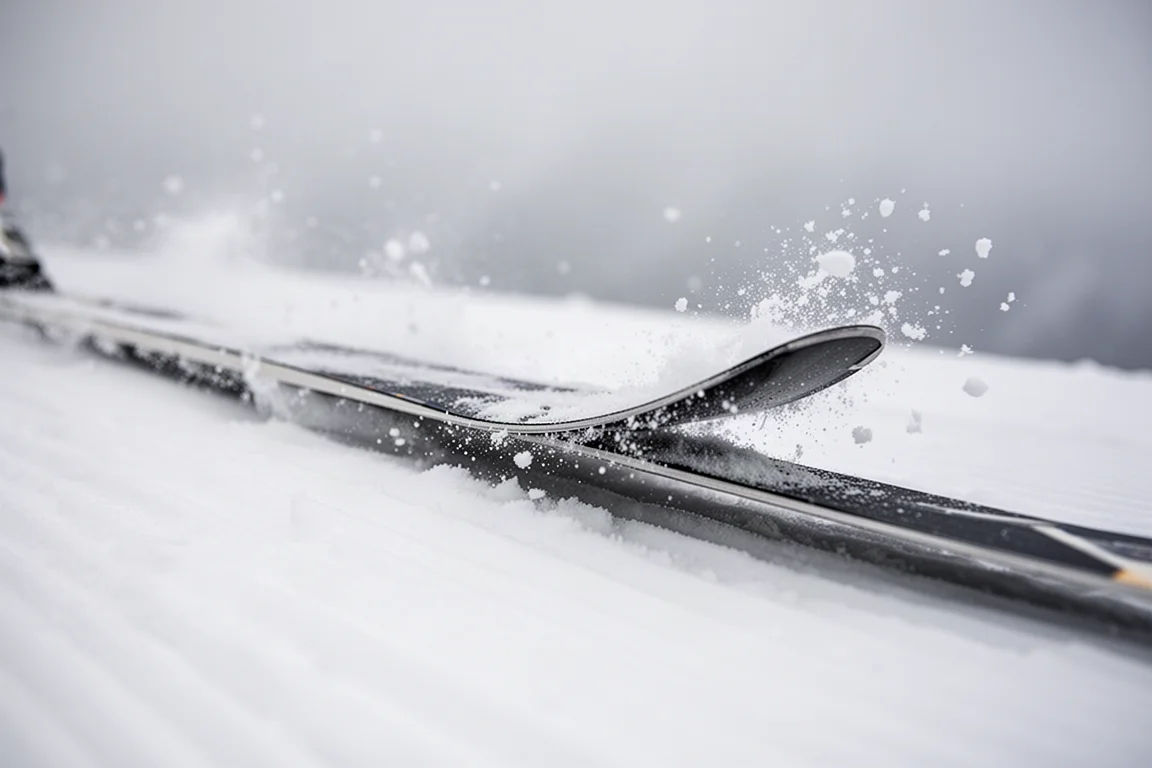
What stands out most is how little the ski asks of the skier on a normal resort day. The even flex keeps the ride predictable, and the solid feel underfoot means it stays composed rather than nervous when you push the pace on firm, groomed snow.
Bumps and Mixed Snow
The Sato is one of the better bump skis in this class. Its consistent flex and supportive tail make it easy to stay balanced in a mogul line, and skiers who prefer a solid tail over a turned-up one tend to get along with it particularly well.
Off-piste is where expectations need adjusting. In wild or variable snow, wider and more curvaceous 100mm skis do more of the work for the skier. The Sato’s camber and minimal tail taper mean the skier contributes more, and it is not the obvious choice for skiers chasing serious off-piste days. Intermediate skiers may also find a wider, more forgiving ski easier in those conditions.
Things to Consider Before Buying
The longest length is 179.3 cm, and that is a genuine limitation for heavier or stronger skiers. A 184 would make the ski considerably more appealing to that group, especially given that the construction and shape punch above what you might expect from an entry point into the brand.
Second, there is no metal in the build. Support and edge grip on firm snow will be lower than a metal-laminate ski of comparable length, so skiers who prioritize grip at speed on hardpack should factor that into the decision.
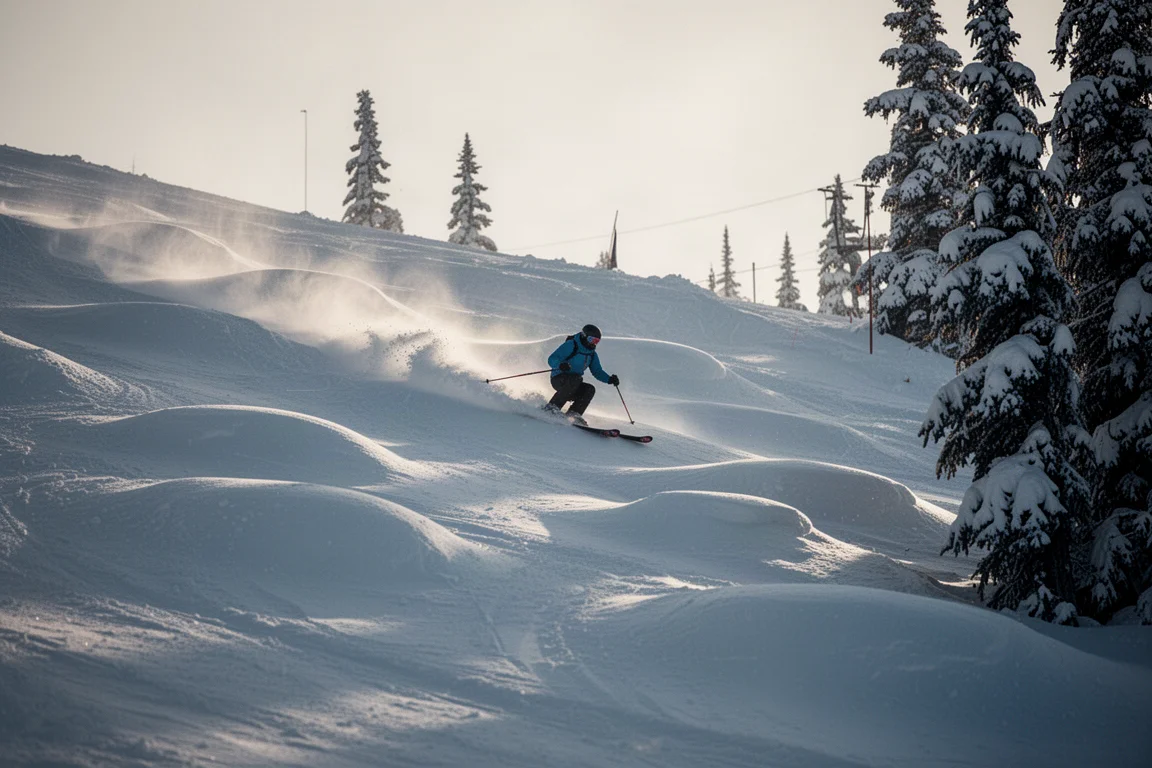
Third, be honest about where you ski. If five or six runs out of ten are in off-piste conditions, this is probably the wrong category, and the ski’s best qualities will go to waste.
How It Compares
Against the Orb, the previous 88mm Black Crows ski, the Sato is a different animal. The Orb ran a longer turn radius and used two sheets of H-shaped metal; the Sato turns shorter, flexes more, and weighs less.
Within the line, the Captus shares the Sato’s construction and a very similar front-half shape, but it is more versatile once you leave the groomers. The Serpo is a different feel again, with a thinner profile in the tips and tails and a softer shovel and tail.
Cross-brand, the closest reference point is the Armada Declivity 88C, and the scope, snow feel and dampness of the Sato sit close to the QST 88 in the current Salomon line.
Buying Advice
Sizing deserves more thought than it usually gets. Many skiers buy longer than they need, and the 179.3 cm Sato works well for a broad range of skiers. If you are between lengths, count the situations where the shorter option would actually hold you back against the situations where it would help; the shorter ski tends to win that exercise more often than not.
Buy the Sato if your days are mostly groomed resort terrain with bumps and softer snow mixed in, and if you like a cambered, energetic feel with a supportive tail. Look elsewhere if you need a longer length for a bigger frame, if you spend most of your time off-piste, or if you want maximum grip on firm snow.
If that profile matches how you ski, the Sato is a genuinely fun ski to build a season around, and the Sato Birdie delivers the same ride in a different colorway and length range.
Conclusion
The Black Crows Sato is a simple ski executed well: poplar and fiberglass, a cambered profile with a 17 meter radius, and a shape that makes groomed terrain feel easy and energetic. It rewards skiers who like a traditional feel, and it is at its best in bumps, on groomers, and in the mixed conditions that make up most resort days. Its limits are clear and worth respecting: a 179.3 cm top length, no metal, and off-piste performance that depends more on the skier than on the ski.
Product link
View more details for Black Crows Sato
This product is mentioned in the review. Check the specifications, options, and compatibility before buying.
View more details for Black Crows SatoFurther reading
Related Reviews
Skis
Armada Anti Matter 82 W Review: A Light, Approachable All-Mountain Carver
Armada's Anti Matter 82 W pairs a lightweight Karuba and carbon build with an easygoing all-mountain shape, aimed at intermediates through lighter-footed advanced skiers.
Skis
Armada Anti Matter 88W Review: A Light, Playful 88mm All-Mountain Ski Plus Two Alternatives
The Armada Anti Matter 88W returns unchanged in spirit from its Reliance 88C days, and it remains one of the most versatile 88mm skis around. We also look at the Nordica Santa Ana 87 and Anti Matter 92 W as alternatives.
Skis
Armada ARV 100 vs Atomic Bent 100: Which 100mm Freestyle Ski Should You Buy?
Two of the best all-mountain freestyle skis of the season compared: one leans playful and park-ready, the other holds up better everywhere else.