Skis
Black Crows Corvus Review: A Playful 110mm Soft-Snow Ski
The Black Crows Corvus returns as a softer, more playful 110mm freeride ski with a poplar and beech core, a single titanal plate, and a 25 meter turn radius at 181 cm.
Introduction
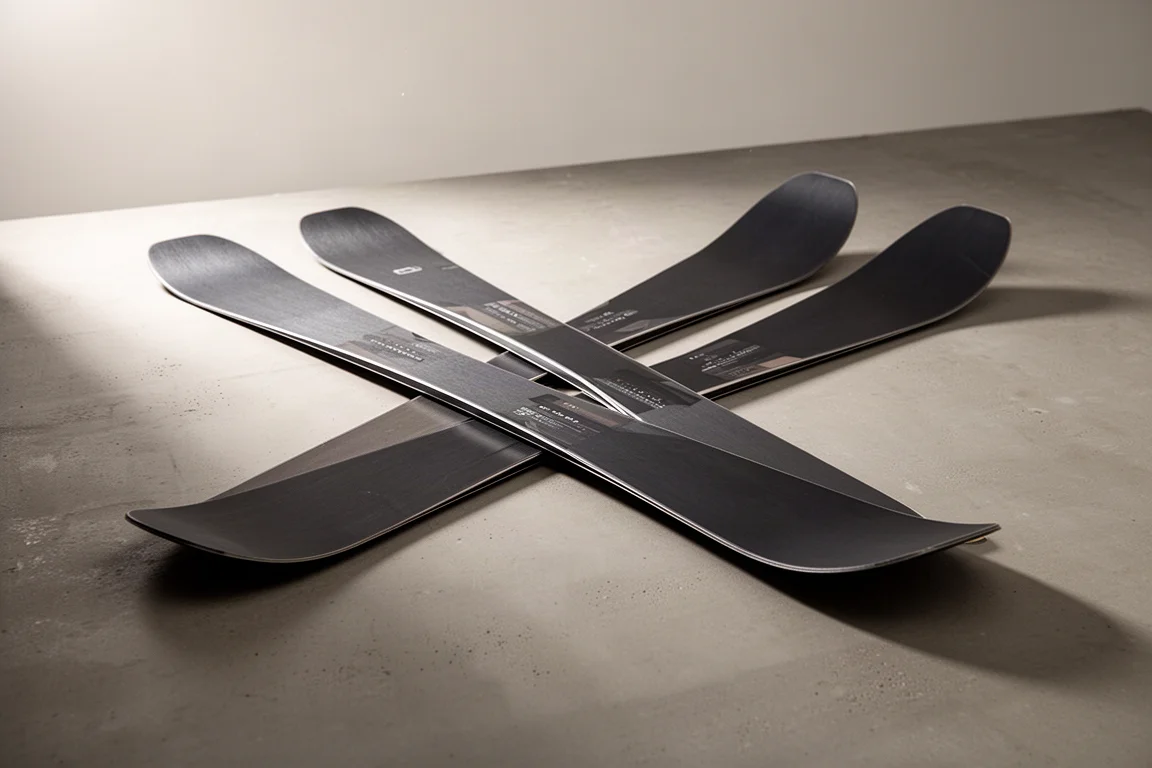
The Black Crows Corvus has been rebuilt, and it is a considerably different ski from the model it replaces. The previous Corvus measured 108 mm underfoot and built a reputation as a very straight, sturdy ski that charged hard from tip to tail. The new version moves to 110 mm underfoot and shifts its focus toward playful, powder-oriented skiing.
That repositioning fits the wider Black Crows line. The Corvus now sits between the 105 mm Atris below it and the 115 mm Anima above it, with the Anima keeping the burlier build. Rather than competing with its stablemates on stiffness, the Corvus takes a different route: a more natural flex, a longer turn radius, and a shape designed to drift and smear.
For anyone who remembers the older Corvus as an uncompromising charger, the change is significant. This is a softer, more mobile ski that still keeps a sturdy platform underfoot, and it is built for soft snow rather than for carving hardpack.
Who This Ski Is For
The 110 mm waist places the Corvus firmly in freeride territory, and that width shapes who will get the most from it. Advanced and expert skiers are the ideal match, partly because of the width and partly because the ski rewards riders who can work a longer turn radius instead of expecting the ski to turn the moment it is put on edge.
Progressing intermediates are not shut out. The more flexible tip and tail make the ski easier to bend into a turn than its predecessor, so a strong intermediate who spends most of the day in soft snow can still enjoy it. The caveat is expectation: if you are used to a ski that hooks up quickly on edge, this one will feel lazier and demand more deliberate input.
The Corvus is happiest in softer conditions. It works in trees, in deeper snow, and in the kind of terrain where the ability to release the tail matters more than edge grip on firm snow.
Main Strengths
The new Corvus is defined by three things: a wood-heavy core, a longer turn radius, and a profile built for drifting. Together they produce a ski that feels floaty and creative rather than locked in and relentless.
Construction and Flex
The core now combines poplar and beech. Adding beech to the mix makes a real difference to stability underfoot, and it comes alongside a single titanal plate rather than a heavier metal layup. In effect, metal has been partly substituted with wood, which gives the ski a more natural feel and helps the flex through the tips and tails.
That combination is what produces the ski’s split personality: a sturdy platform underfoot, paired with considerably more flexible tips and tails than the outgoing model. The older Corvus was relatively inflexible and did not have a friendly nature. The new one is far more amenable to soft snow, and it drifts and smears far more willingly.
Shape and Rocker Profile
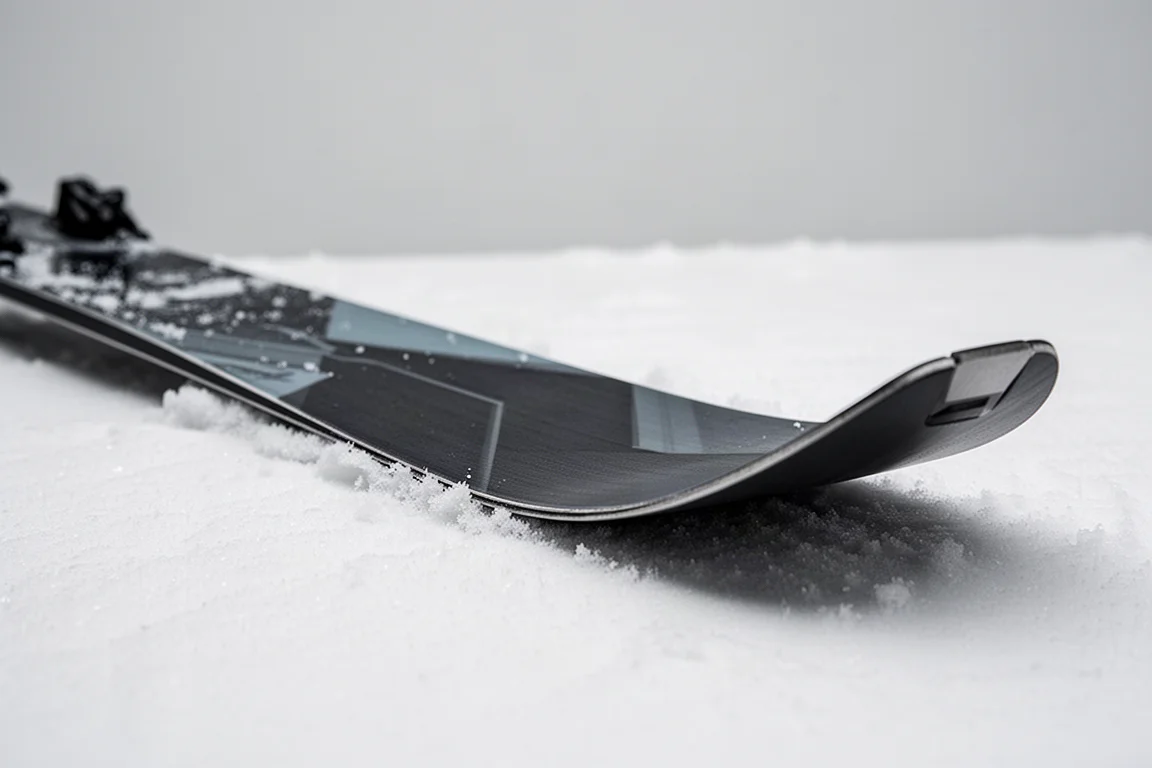
The profile is where the new direction becomes most visible. There is a long tip rocker, very little camber underfoot, and noticeably more rocker in the tail than before. Tail taper is very long as well, which gives the ski a rudder-like feel and makes it easy to steer out of the tails.
The tail also carries a design swallow tail rather than a functional one. It may add a touch of torsional flex, but it does not change the ski’s behaviour dramatically.
Underfoot, the geometry is deliberately straight. With a 25 meter turn radius at 181 cm and long taper at both ends, the sidecut between the contact points runs almost straight down the ski. That combination is what makes the ski so easy to get sideways: there is very little in the shape to catch or hook.
Performance in Soft Snow and Trees
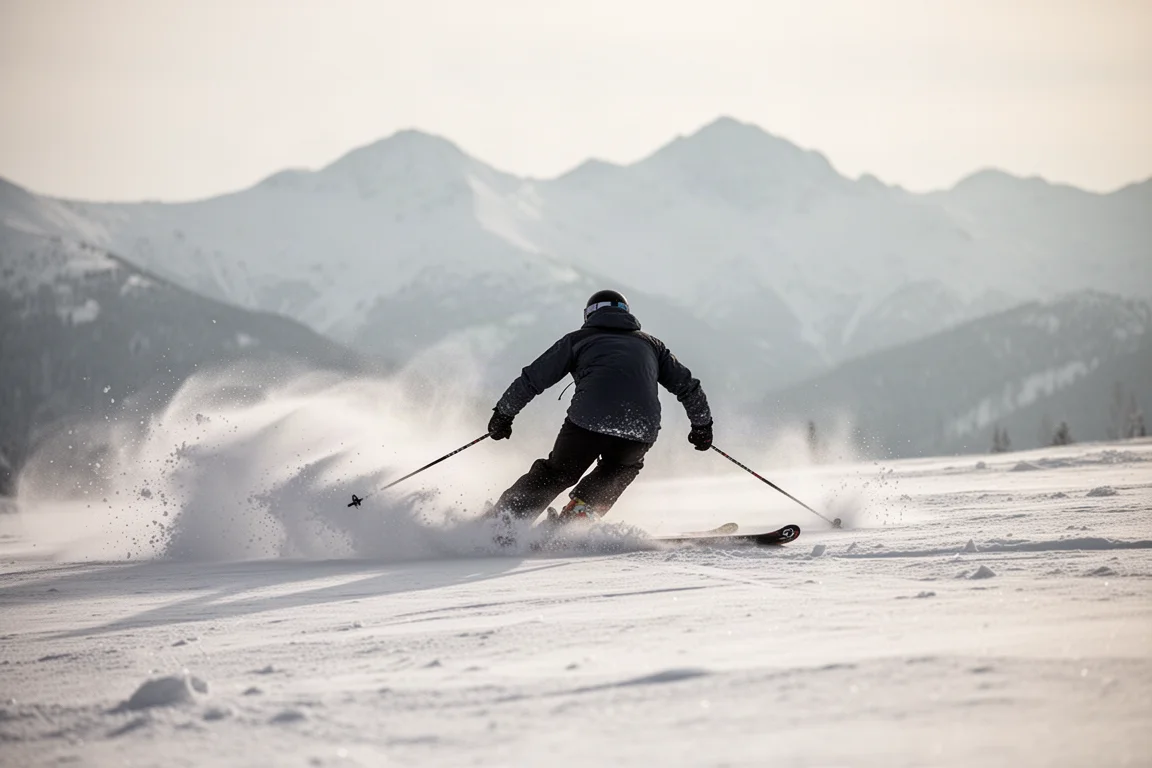
In soft snow the Corvus feels floaty for a 110 mm ski, and its flexibility makes it playful in a way the previous version never was. It excels in trees and deeper snow, and it is more mobile than before, which makes it a surprisingly capable performer in tight gladed terrain where quick direction changes matter.
On softer groomers it turns reasonably well, but on-trail performance is not its defining characteristic. If your days are mostly frontside carving, the shape and the long radius will feel like a compromise rather than an advantage.
At the same time, this remains a directional ski. The playfulness lives in the tip and tail flex and the tapered shape, not in a centred, symmetrical freestyle design. Skiers who want to drift, slash, and steer out of the tail will find plenty to work with; skiers who want a locked-in carve will not.
Things to Consider Before Buying
The most important consideration is the turn radius. At 181 cm the Corvus measures 25 meters, and that longer arc is not as catchy or hooky as a tighter ski. It is easier to slide sideways, but it also means the ski will not snap into a turn simply because it has been edged. Riders who expect that response may need an adjustment period.
Width is the second factor. At 110 mm underfoot this is a wide ski, and for a progressing intermediate it will feel like a lot of ski underfoot, even though the softer flex keeps it manageable.
Third, the shift in character is worth understanding before you buy. The Corvus has traded some of the rigid, relentless feel of the outgoing model for flexibility and soft-snow creativity. If you valued the older ski precisely because it was stiff and uncompromising, this is a different animal. Black Crows has moved the model toward the playful end of its range, and the current Corvus is arguably the most playful soft-snow ski in the lineup. The Atris is the closest alternative, though it is not as flexible.
Buying Advice
The Corvus makes the most sense as a soft-snow ski within a quiver, or as a daily driver for skiers who spend the bulk of their time in trees, powder, and variable off-piste snow. Advanced and expert skiers will get the most out of it, because they can manipulate the longer radius and use the tapered tail deliberately rather than fighting it.
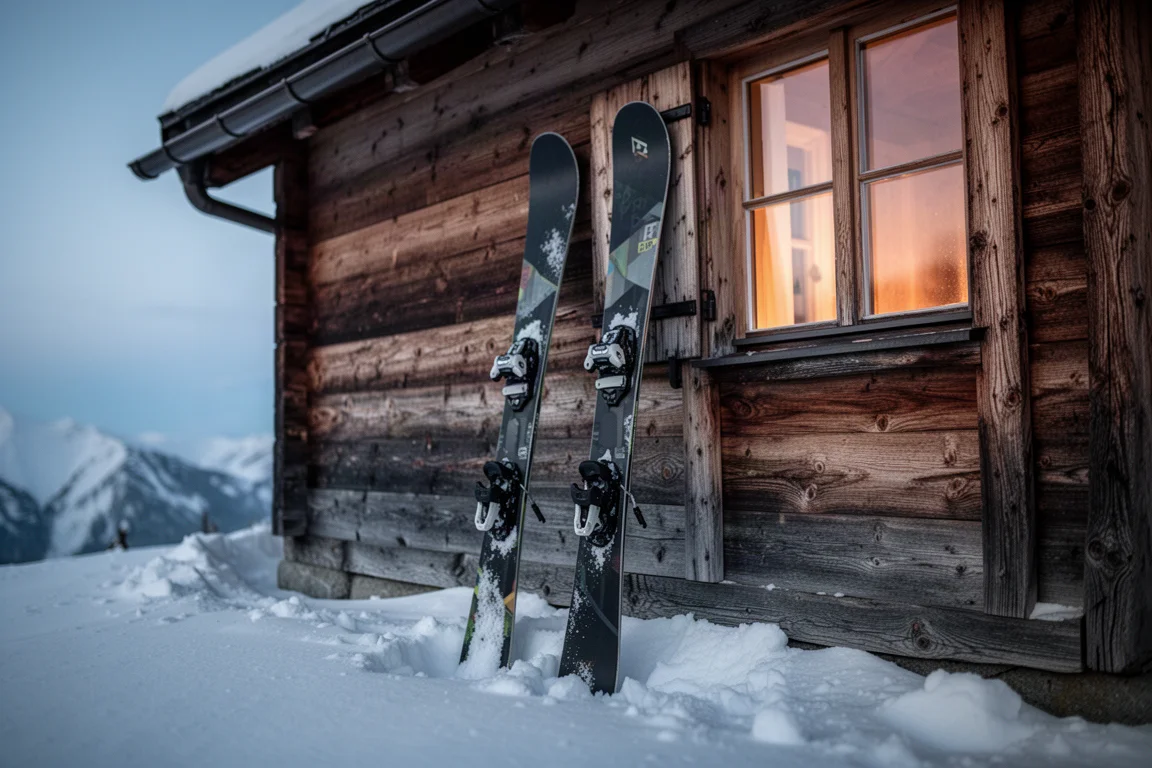
If you are choosing between this and something narrower, think honestly about where you ski. A 110 mm waist is a genuine commitment to soft snow, and the Corvus rewards that commitment with float, drift, and easy tail release. If most of your days involve firm snow and tight carving, a narrower ski in the line will serve you better.
Length selection is worth a conversation with a shop if you are between sizes, since both the turn radius and the amount of taper scale with length. The 181 cm version, with its 25 meter radius, is the reference point for how the ski behaves.
Conclusion
The Black Crows Corvus is a clear evolution rather than a subtle refresh. It keeps the sturdy platform underfoot that made the name, adds beech to the core for stability, reduces the metal to a single titanal plate, and opens up the tip and tail for a much more playful, drifty ride.
For skiers who want a directional freeride ski that excels in trees and deep snow and can be steered creatively out of the tail, the new Corvus is a confident choice. For skiers who want the stiff, straight, hard-charging character of the outgoing model, this is a different ski, and one worth trying before you commit.
Product link
View more details for Black Crows Corvus
This product is mentioned in the review. Check the specifications, options, and compatibility before buying.
View more details for Black Crows CorvusFurther reading
Related Reviews
Skis
Armada Anti Matter 82 W Review: A Light, Approachable All-Mountain Carver
Armada's Anti Matter 82 W pairs a lightweight Karuba and carbon build with an easygoing all-mountain shape, aimed at intermediates through lighter-footed advanced skiers.
Skis
Armada Anti Matter 88W Review: A Light, Playful 88mm All-Mountain Ski Plus Two Alternatives
The Armada Anti Matter 88W returns unchanged in spirit from its Reliance 88C days, and it remains one of the most versatile 88mm skis around. We also look at the Nordica Santa Ana 87 and Anti Matter 92 W as alternatives.
Skis
Armada ARV 100 vs Atomic Bent 100: Which 100mm Freestyle Ski Should You Buy?
Two of the best all-mountain freestyle skis of the season compared: one leans playful and park-ready, the other holds up better everywhere else.