Skis
Black Crows Corvus Freebird Review: A Strong Touring Ski With Real Versatility
A wide, sturdy touring ski with a poplar core, titanal underfoot, and carbon reinforcement. Here is who it suits, and the weight trade-off to weigh first.
Introduction
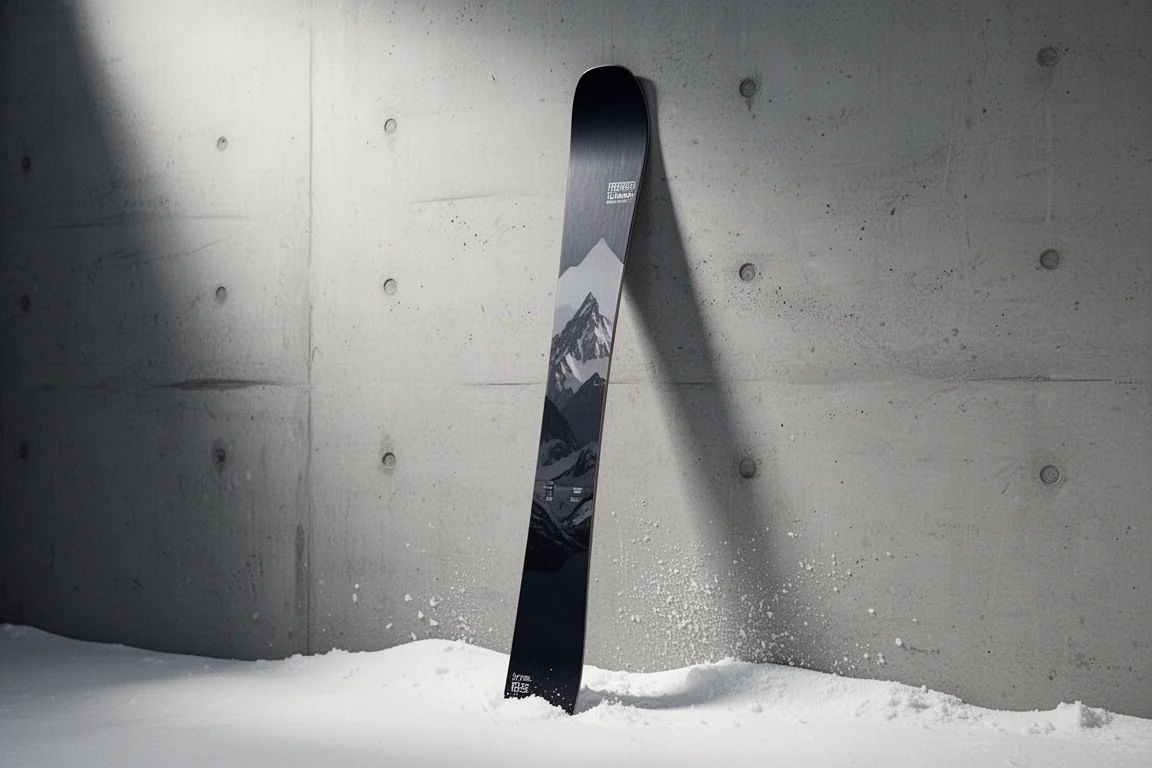
The Black Crows Corvus Freebird sits in the brand’s touring collection, and it is one of the wider and stronger options in that group. At 107 mm underfoot with a 21 metre turn radius, it is built around soft snow and ungroomed terrain rather than groomer laps or lightweight uphill speed. The 176 cm length comes in at roughly 1,900 grams.
For 2023 the ski returns without substantial changes to construction, shape, or color, which means the vivid pink topsheet and the established build carry over. That consistency is useful if you already know what this ski does well.
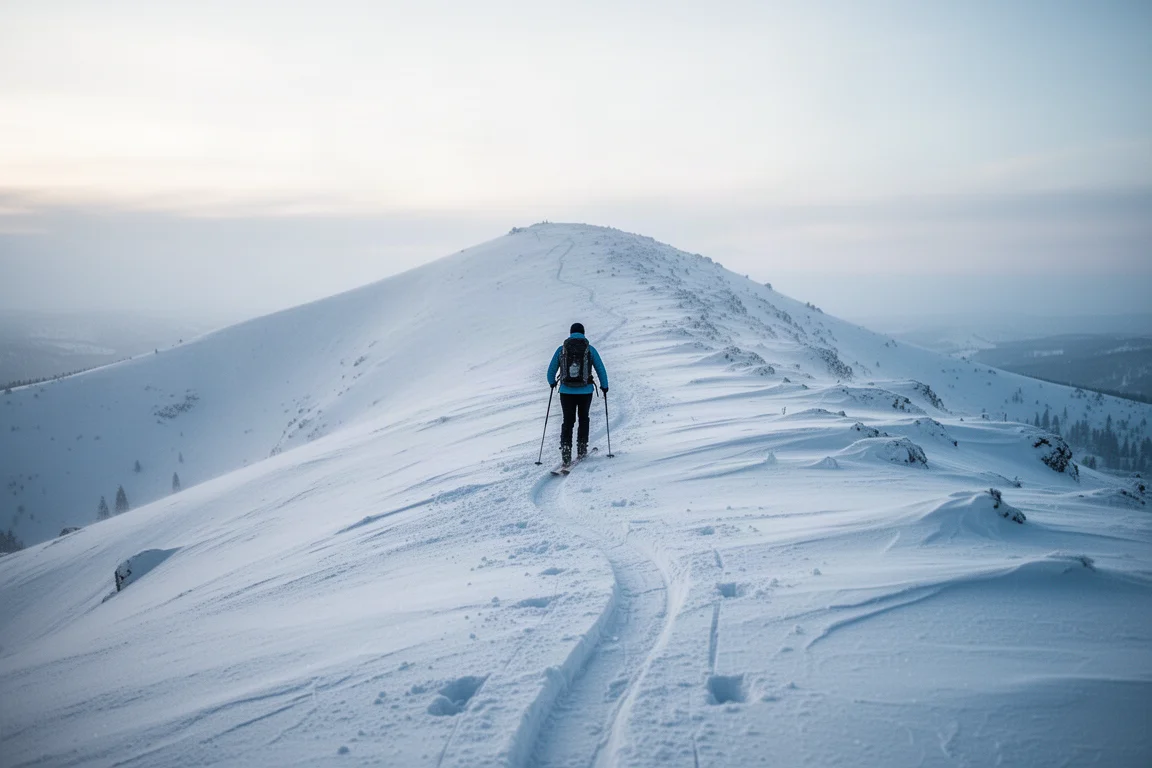
What separates the Corvus Freebird from lighter touring skis is how it is put together. A denser poplar core, a layer of titanal underfoot, and carbon woven into the fiberglass add up to a ski that feels stout rather than delicate, with a flex pattern that is strong, responsive, and lively.
Who This Ski Is For
This is a ski for riders who tour in search of soft snow and are willing to carry a little more weight to get a stronger descent. If your outings involve ungroomed terrain and softer conditions, the Corvus Freebird is in its element. If your tours are mostly groomer laps at a local resort, it is more ski than that use case calls for, and something narrower and lighter would make more sense.
It also suits skiers who want one setup that covers both lift-served days and touring days. The strong flex and vibration damping mean it holds up fine in the resort, so a hybrid resort or resort touring binding is a reasonable pairing rather than a compromise. Riders who own this ski often use it exactly that way: lift laps on fresh snow, then a touring mission the next morning to find the soft snow that has not been tracked out.
Main Strengths: Poplar Core, Titanal, and Carbon
The construction is the heart of the argument for this ski. Poplar is denser than the lighter woods often used in touring skis, so the Corvus Freebird starts from a stronger baseline than most of its category. On top of that, a small amount of titanal sits underfoot. Its primary job is binding retention, but it also contributes stability and vibration damping, giving the ski a more solid feel directly beneath the boot.
Carbon is woven into the fiberglass as well, and the combination produces a flex that is firm and energetic. The ski feels bouncy and quick to respond rather than dead underfoot, which is what makes it enjoyable beyond pure soft-snow days.
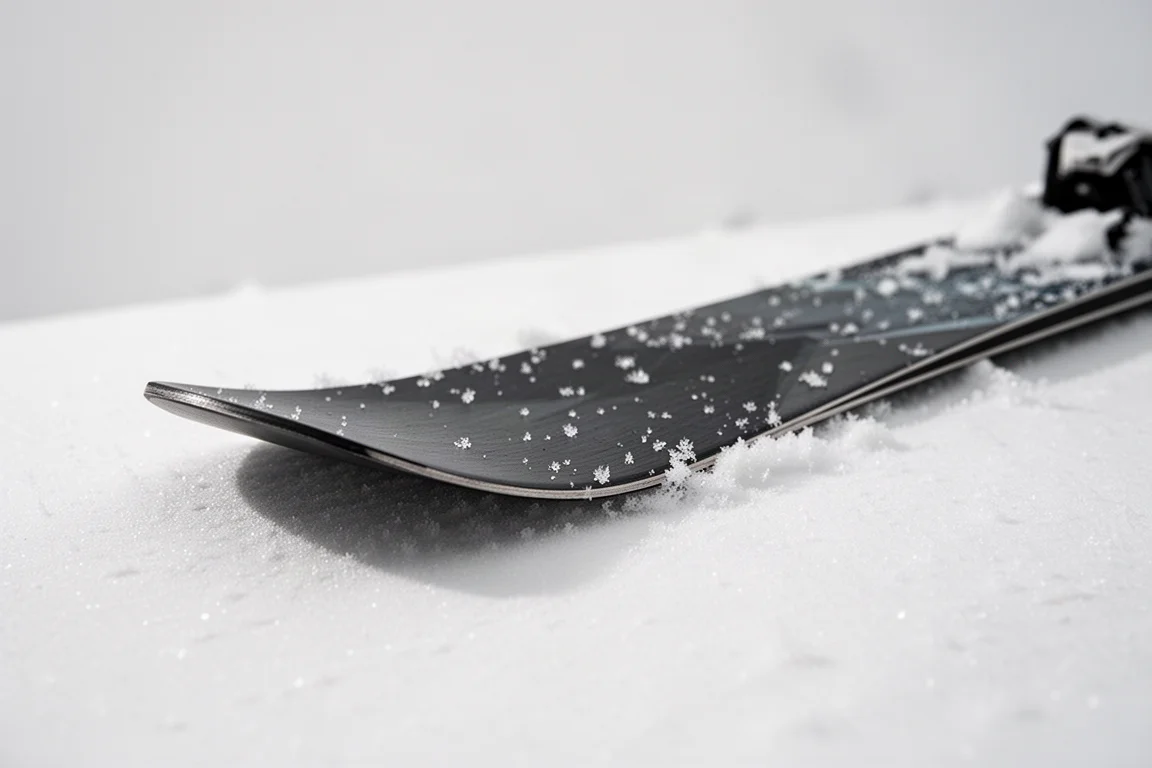
The result is a ski that balances stability with a playful character. It is not as stiff as the metal-layered non-Freebird Corvus, and it does not have the same amount of rocker or rise as the Atris, which places it somewhere between those two references. In practical terms, that makes it a more touring-oriented take on the Atris formula: strong enough to push, forgiving enough to enjoy at lower speeds and in tighter terrain.
Shape, Rocker, and Turn Radius
The profile here is rocker-camber-rocker, which is a meaningful difference from the flat non-Freebird Corvus. Tip rocker starts around the lower part of the graphic area on the topsheet, and tail rocker is similar, beginning near the end of that same zone. There is not a huge amount of rocker in absolute terms, but it is enough to lift the extremities and improve float and maneuverability while keeping strength underfoot intact.
With 107 mm underfoot and a 21 metre turn radius, the ski leans toward longer, sweeping turns and soft snow rather than tight groomer arcs. The width and the modest rocker work together to keep the ski manageable in variable conditions without turning it into a dedicated deep-snow tool.
Weight and Uphill Trade-offs
At roughly 1,900 grams in the 176 cm length, the Corvus Freebird is heavier than many touring skis, and that is the main trade-off to accept. The touring label and the Freebird name can suggest a lightweight build, but this ski prioritizes downhill composure and durability over featherweight climbing. Uphill it will feel like more work than a stripped-back touring model, and long days with significant vertical gain will reward a lighter option.
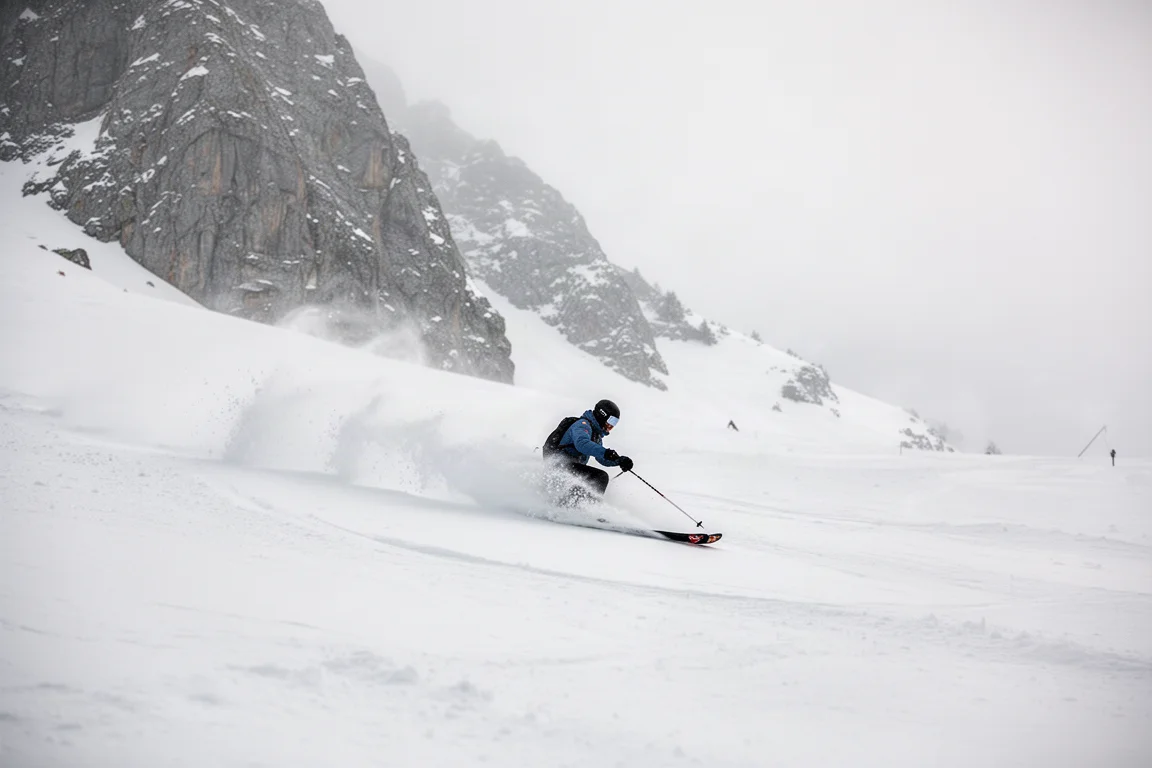
The upside is what that weight buys you on the way down. The denser core and the titanal underfoot are exactly why the ski feels stable and damped when conditions get rough. If you value the descent more than a fast, effortless ascent, the extra grams are a deliberate choice rather than a flaw.
Resort Versatility and Binding Choices
Because the flex is strong and the ski damps vibration well, there is no reason to keep it off the resort. That opens up binding options. A hybrid resort or resort touring binding lets the same ski cover lift-served days and touring days, which is a practical way to get more use out of a single setup.
The one condition worth respecting is snow quality. This is not the ski to choose if your touring consists of climbing and descending groomers. It wants ungroomed terrain, and ideally softer snow. Riders who want maximum float in deep conditions may prefer a wider option, while those who want a light and fast climber will want to look elsewhere entirely.
Buying Advice
Choose the Corvus Freebird if you tour in search of soft, ungroomed snow and you want a ski that stays strong and composed when you push it, without giving up a playful edge. It is a particularly good fit if you want one setup for both resort laps and backcountry days, since the construction supports both uses and pairs sensibly with a hybrid or resort touring binding.
Think twice if your priority is low weight for big vertical days, if you mostly ski groomed terrain on your tours, or if you need maximum float in the deepest snow. In those cases a lighter, narrower, or wider ski respectively will serve you better. For everyone else, this is a versatile, confidence-inspiring choice that rewards a slightly stronger skiing style.
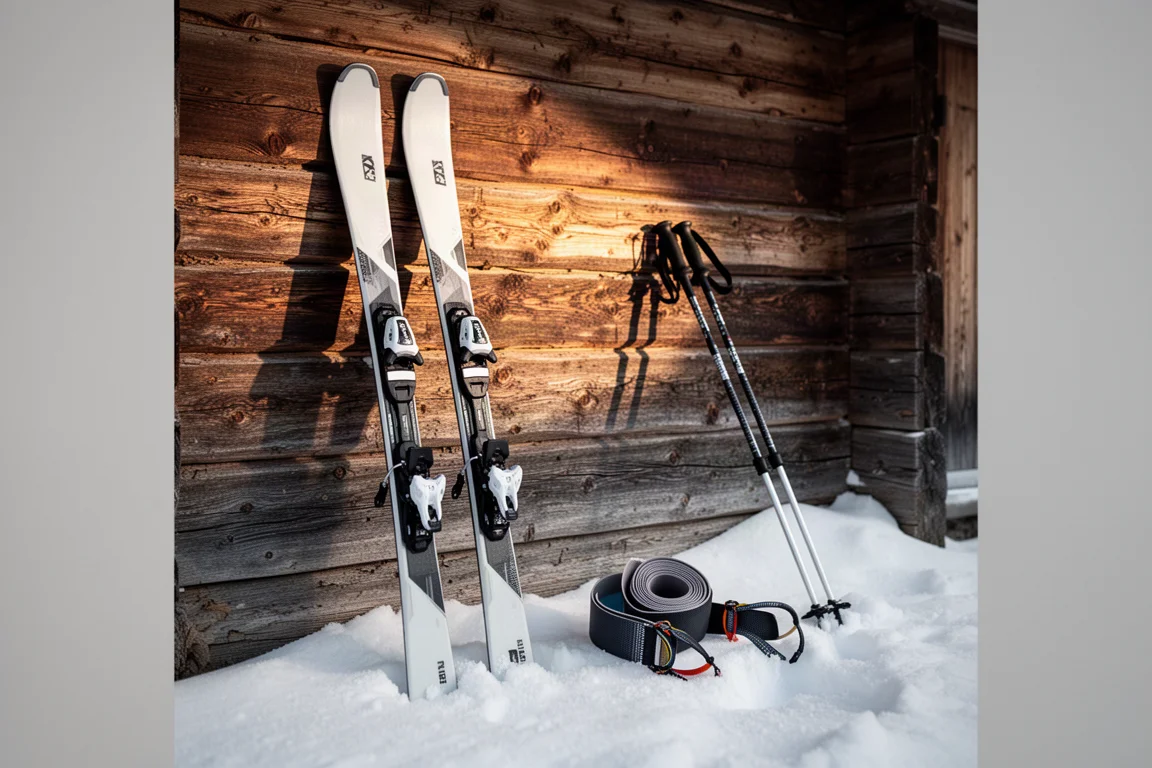
It is also worth noting that the ski has not changed substantially in construction, shape, or color for 2023, so the character described here is a settled one rather than a first-year experiment. If you have skied the Corvus Freebird before and liked it, the current version delivers the same ride.
Conclusion
The Black Crows Corvus Freebird is a wide, strong touring ski that trades uphill lightness for downhill strength and versatility. Its poplar core, titanal underfoot, and carbon-reinforced fiberglass produce a firm, energetic flex, and the rocker-camber-rocker profile adds just enough float and maneuverability for soft snow without sacrificing grip underfoot. If your tours lead to ungroomed, softer terrain and you want a ski that can also handle resort days, it is a well-judged option. If low weight or deep-snow float is the priority, look at other models in the range.
Product link
View more details for Black Crows Corvus Freebird
This product is mentioned in the review. Check the specifications, options, and compatibility before buying.
View more details for Black Crows Corvus FreebirdFurther reading
Related Reviews
Skis
Armada Anti Matter 82 W Review: A Light, Approachable All-Mountain Carver
Armada's Anti Matter 82 W pairs a lightweight Karuba and carbon build with an easygoing all-mountain shape, aimed at intermediates through lighter-footed advanced skiers.
Skis
Armada Anti Matter 88W Review: A Light, Playful 88mm All-Mountain Ski Plus Two Alternatives
The Armada Anti Matter 88W returns unchanged in spirit from its Reliance 88C days, and it remains one of the most versatile 88mm skis around. We also look at the Nordica Santa Ana 87 and Anti Matter 92 W as alternatives.
Skis
Armada ARV 100 vs Atomic Bent 100: Which 100mm Freestyle Ski Should You Buy?
Two of the best all-mountain freestyle skis of the season compared: one leans playful and park-ready, the other holds up better everywhere else.