Skis
Black Crows Captis Review: A Lively 90 mm Twin Tip for Mixed Terrain
A close look at the Black Crows Captis, a lightweight 90 mm twin tip built on a simple poplar and fiberglass layup, and what it does well on groomers, in bumps, and in the park.
Introduction
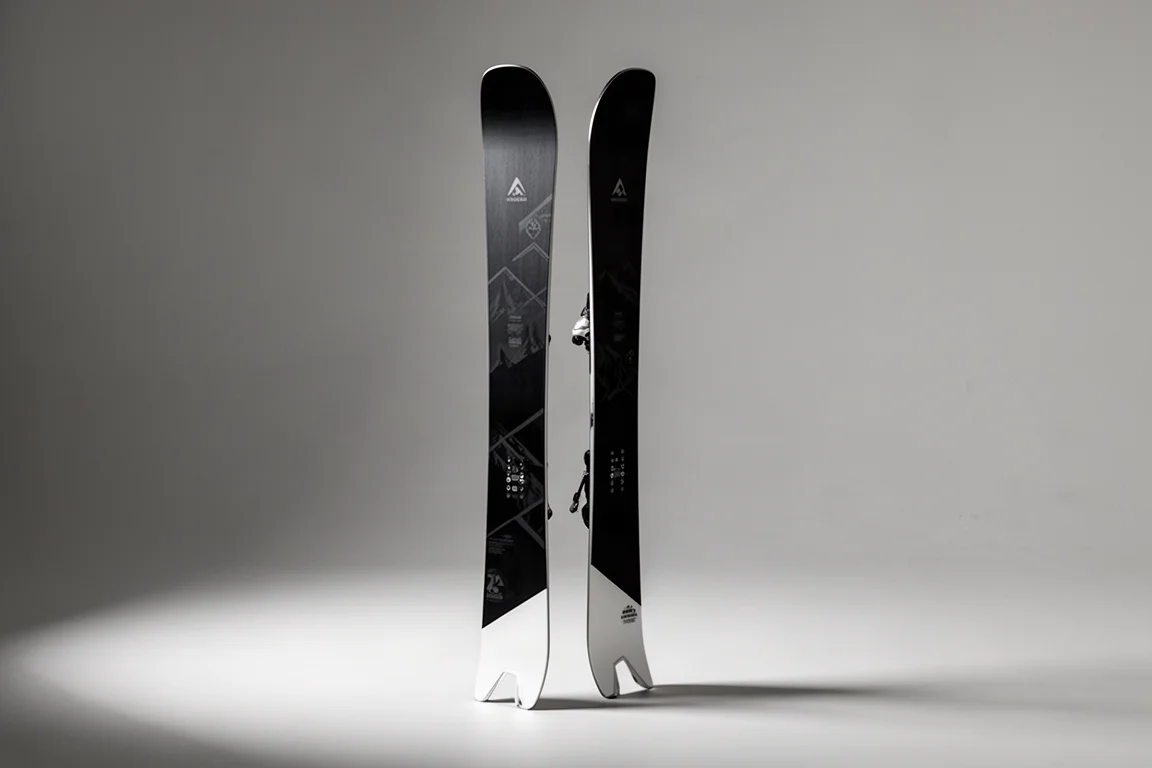
Black Crows Captis is a 90 mm twin tip all-mountain ski built on a deliberately simple recipe: a poplar core, fiberglass, sandwich construction, and vertical sidewalls. There is no long list of exotic materials here, and that is part of the appeal. The character comes from the shape and the profile, and from a flex pattern that stays unusually consistent from tip to tail.
That even flex translates on snow into round, predictable turns and a light, bouncy feel underfoot. Independent flex testing has recorded consistent values across different sections of the ski, which backs up what the construction already suggests: one material story, applied evenly along the whole length.
Weight is on the lighter side for the category. A 178.4 cm example measured 1,740 g, and the model line is generally described around the 1,800 g mark. That low swing weight helps the ski feel willing and easy to move around, particularly in the air and in tighter terrain.
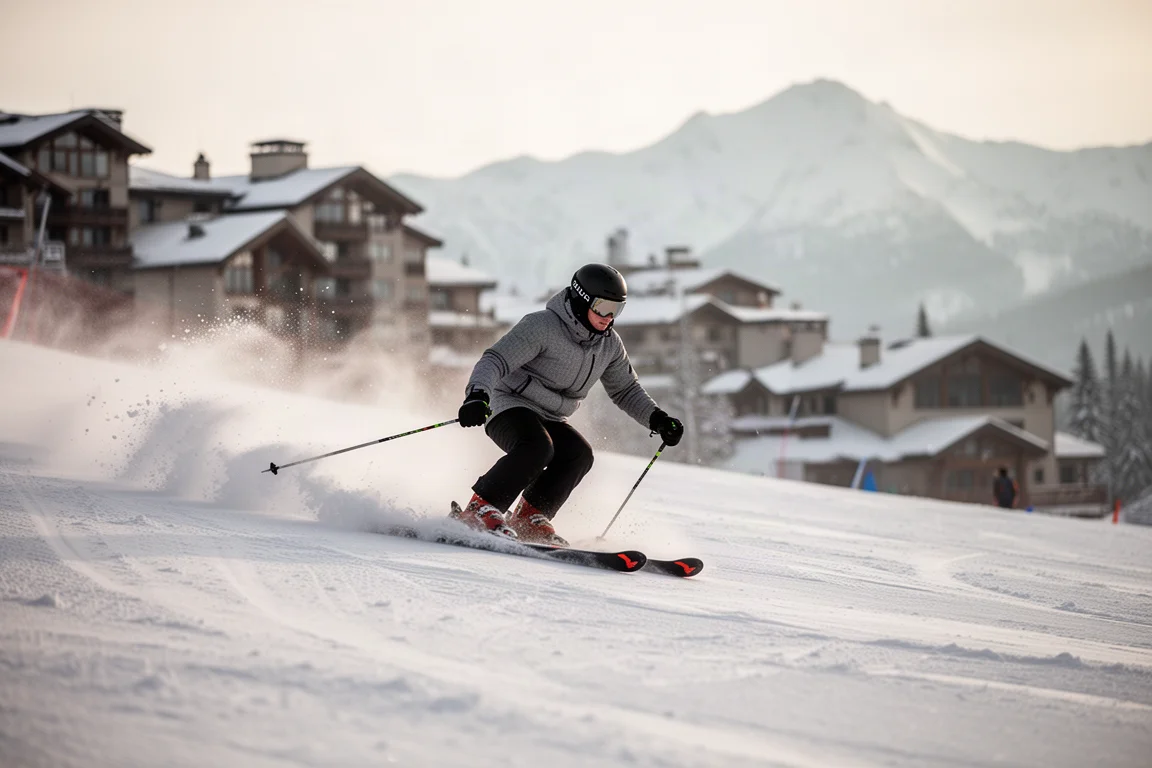
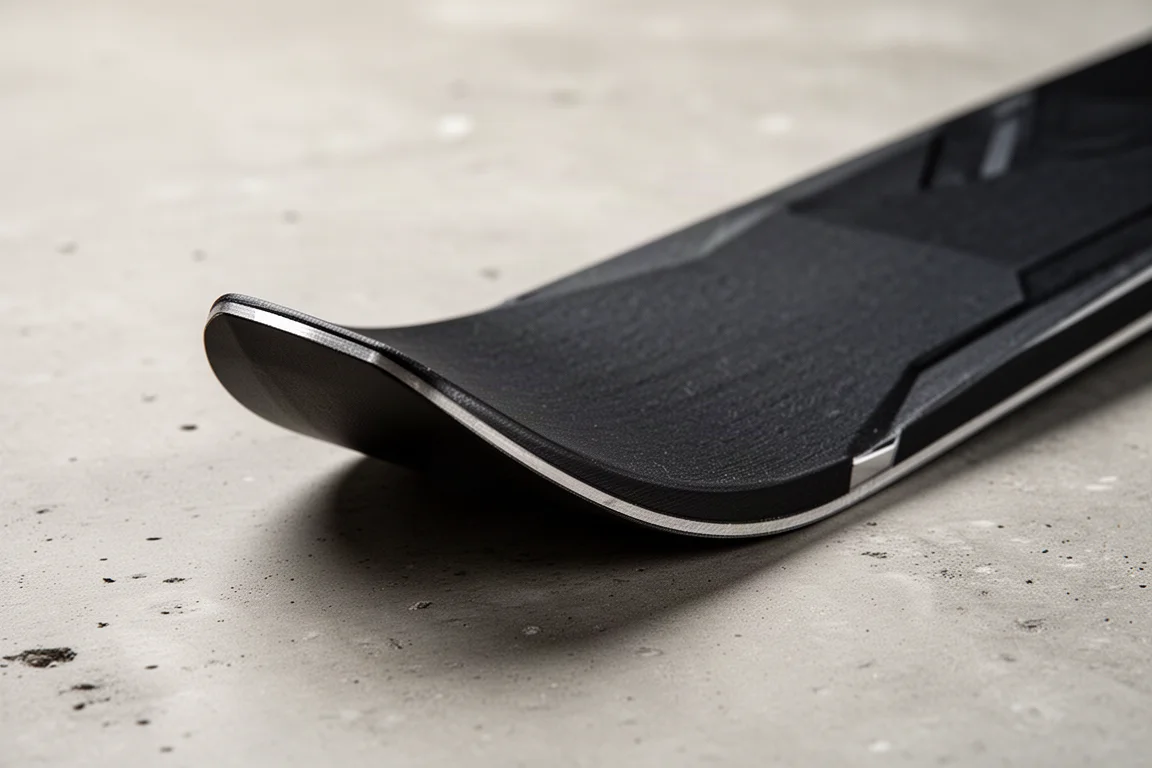
The 2026 Captis moves to a new mold, and the most significant change is in the taper. The widest point of the tip has been pushed further toward the tip, and the widest point of the tail moved further toward the end of the ski. The result is a longer effective edge, a smoother feel on groomed runs, and noticeably more snap coming out of a turn.
Who This Ski Is For
The Captis covers an unusually wide range of skiers. At one end, it suits someone who spends most of their time skiing all-mountain but wants to dabble in the terrain park, learn to ski switch, or work toward a first 540. At the other end, it suits advanced and expert skiers who want something manageable and accessible that can carve, handle bumps, and thread through trees without demanding constant effort.
It is also the closest thing in the Black Crows line to a true park ski. That said, it remains a directional twin tip rather than a fully symmetrical freestyle shape, so it leans toward the park side of the spectrum without committing to it. Riders who value terrain park skiing but still spend more days outside the park are the sweet spot.
The twin tip adds practical value beyond freestyle. It makes the ski easier to manage when skiing with kids, and it keeps the tail from catching when you need to pivot or release quickly.
Main Strengths
The strengths here are not about brute force. They are about how easily the ski gives back energy, how consistent it feels through a turn, and how little it fights the rider in difficult conditions.
Groomer Performance
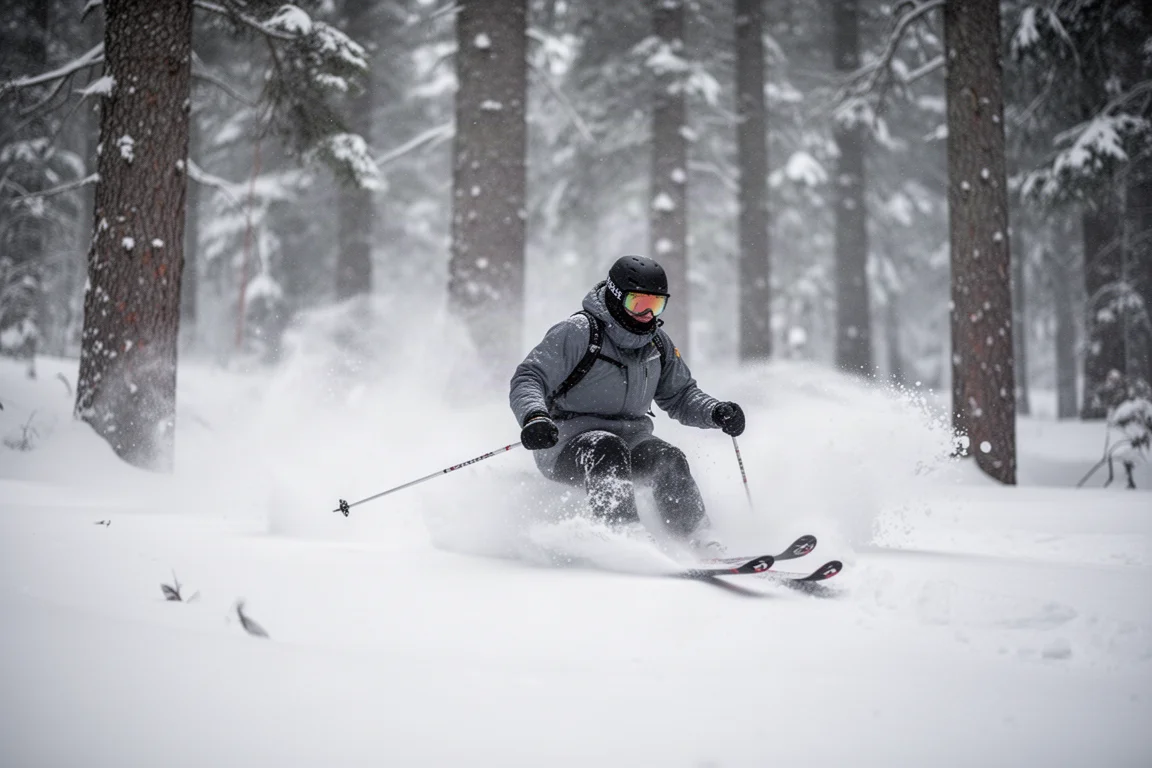
On groomed runs, the Captis is at its most rewarding when you roll it edge to edge and keep pushing deeper into the turn. Enter the carve progressively, keep loading the sidecut, and the ski bends evenly and builds energy all the way through, then releases with a genuine pop into the next turn. That snap and energy out of a turn is the standout quality.
The longer effective edge pays off in smoothness and grip, and the roughly 18 m turn radius encourages longer, rounder arcs where you use the whole sidecut. It is not the strongest carving ski in this width class, though. Short-radius turns do not have the same quickness and rebound as some rivals, and there is a limit to how hard the ski can be pushed. Slamming the tip into the snow and expecting immediate support does not work the way it does on a stiffer, more directional ski. Enter the turn more gradually and the rewards arrive easily.
Off-Piste and Moguls
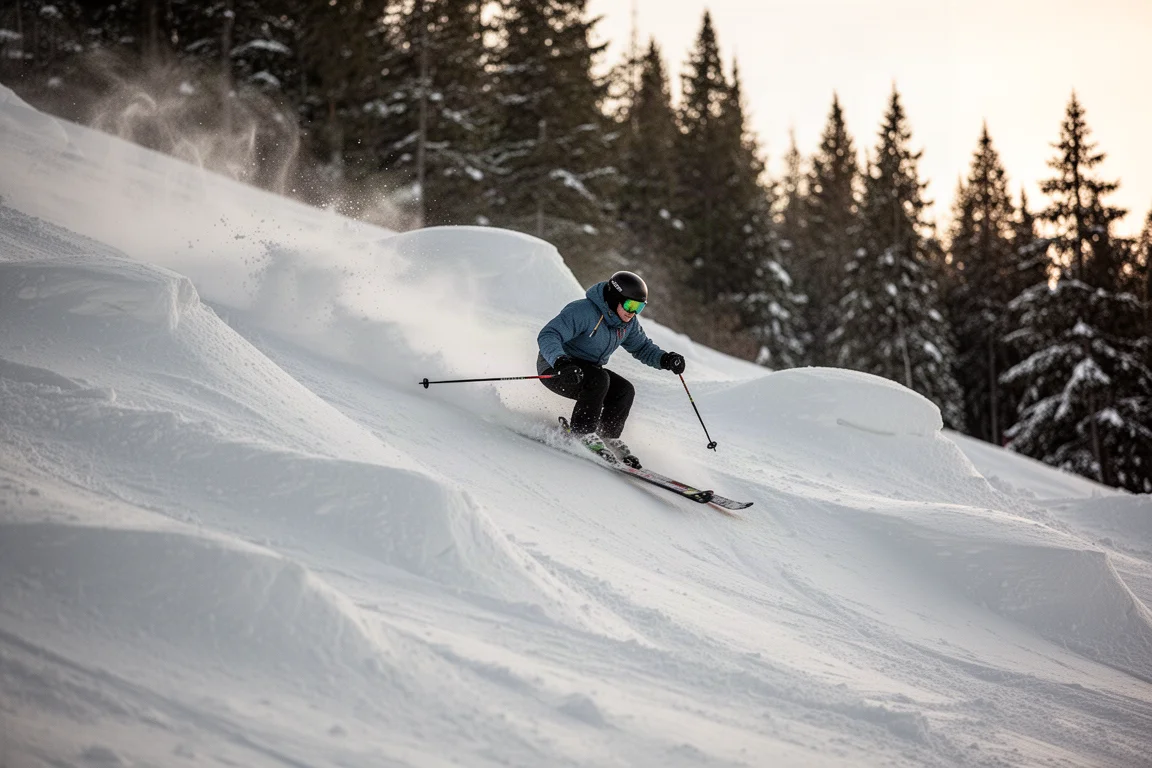
Away from the groomers, the light weight and even flex make the Captis genuinely easy to ski. It is one of the stronger bump skis in its grouping, with enough feedback through the camber underfoot to drive confidently into the front of a mogul and enough tail release to pivot out of the back. It feels a little more business-like and a little more serious than a softer, more playful freestyle-oriented alternative, without giving up maneuverability.
Trees and bumps come easily, and the ski stays composed in packed, low-snow conditions. Float is the trade-off. The straighter cut and the modest surface area in the tip mean the Captis is not a soft-snow ski. If you want a ski that performs in deep or fresh snow, the wider Black Crows Camox is the more appropriate choice.
Park and Switch Skiing
This is where the Captis stands apart from most of the Black Crows range. It skis switch comfortably, holds up well to 180s, and feels balanced enough to take into the park. The light weight helps a great deal when you are moving between forward and switch, and the longer radius makes the ski less catchy and more compliant when you want to skid, ollie, or pop into a spin.
The mount point sits 6 cm back from true center, and there is room to move it. Riders who plan to spend real time skiing switch or in the park can experiment with mounting as far forward as 2 cm ahead of that line, which brings the binding closer to the center of the camber. For someone whose main goal is all-mountain skiing with occasional park laps, the stock position works well and feels balanced from a range of stances.
Things to Consider Before Buying
The even flex that makes the Captis so forgiving is also the reason it does not feel like a pure do-everything charger. It has highlights and it has limits, and the limits are worth understanding before you commit.
Quick, short-radius turns are not a highlight. If you enjoy jamming tight turns down the side of the trail and feeling a strong rebound, other skis in this width class deliver more of that. The Captis is happier when you lengthen the arc and let the sidecut work.
There is also a ceiling on how hard the ski can be driven. Aggressive experts looking for a stronger 90 mm underfoot ski will likely find more support and stability elsewhere. The Captis rewards a lighter touch, and it gives back a lot in return, but it does not reward force.
Float is limited. The reduced taper relative to the previous version, combined with the straighter cut, takes away some of the loose, surfy quality that made quicker turns in moguls and trees feel effortless on the outgoing model. That change is what differentiates the Captis more clearly from the wider Camox and Atris, and it is what gives it the extra grip and energy on groomers, but it is a real trade-off rather than a free upgrade.
Finally, consider the weight distribution. There is more material in the tips than the tails, so riders who spend a lot of time in the air may notice a slightly unbalanced feel on takeoffs and landings. Moving the binding forward largely addresses that, but it is worth planning for before the skis are drilled.
Buying Advice
The Captis makes the most sense for a skier who wants one ski for most days on the mountain and a genuine path into freestyle. If that describes you, the stock mount point works well, and the 178.4 cm and 184.3 cm lengths both feel on the shorter side for their stated size, so sizing up is a reasonable option if you want more stability at speed.
If you are park-focused or plan to spend meaningful time skiing switch, mount the binding forward of the stock line, up to 2 cm ahead of it, and the ski becomes noticeably more balanced going backwards.
If your priorities are deep snow performance, hard-charging stability, or maximum short-radius rebound, look elsewhere. The Camox is the better Black Crows option for soft snow, and stronger directional 90 mm skis will suit aggressive experts better. The Captis is not trying to win those categories.
What it offers instead is an accessible, energetic ski with a high fun factor, a construction simple enough to trust, and a shape that works across a very broad range of terrain. For a rider who does not want to overthink the purchase, it is a dependable choice that most skiers will find something to like about.
Conclusion
The Black Crows Captis is a lightweight, even-flexing 90 mm twin tip that trades outright power for accessibility, energy, and versatility. Its pop out of a turn, easy manners in bumps and trees, and genuine switch-skiing capability make it one of the most broadly usable skis in the Black Crows lineup, and the new mold sharpens its groomer performance with a longer effective edge and a smoother feel.
Know the limits going in. It is not a soft-snow ski, it is not a demanding charger, and short-radius turns are not where it shines. Match it to the right rider, set the mount point for the way you actually ski, and the Captis delivers a rewarding, playful day on the mountain across a surprising range of conditions.
Product link
View more details for Black Crows Captis
This product is mentioned in the review. Check the specifications, options, and compatibility before buying.
View more details for Black Crows CaptisFurther reading
Related Reviews
Skis
Armada Anti Matter 82 W Review: A Light, Approachable All-Mountain Carver
Armada's Anti Matter 82 W pairs a lightweight Karuba and carbon build with an easygoing all-mountain shape, aimed at intermediates through lighter-footed advanced skiers.
Skis
Armada Anti Matter 88W Review: A Light, Playful 88mm All-Mountain Ski Plus Two Alternatives
The Armada Anti Matter 88W returns unchanged in spirit from its Reliance 88C days, and it remains one of the most versatile 88mm skis around. We also look at the Nordica Santa Ana 87 and Anti Matter 92 W as alternatives.
Skis
Armada ARV 100 vs Atomic Bent 100: Which 100mm Freestyle Ski Should You Buy?
Two of the best all-mountain freestyle skis of the season compared: one leans playful and park-ready, the other holds up better everywhere else.