Cycling Tech
Bike Tech Roundup: New Race Bikes, a Steel Anniversary Build and a Big-Screen Head Unit
A roundup of the month's road releases, covering an attainable Italian race bike, a 70-bike steel anniversary build, a new Wahoo head unit, a possible WorldTour challenger and a sub-6 kg Scott Addict range.
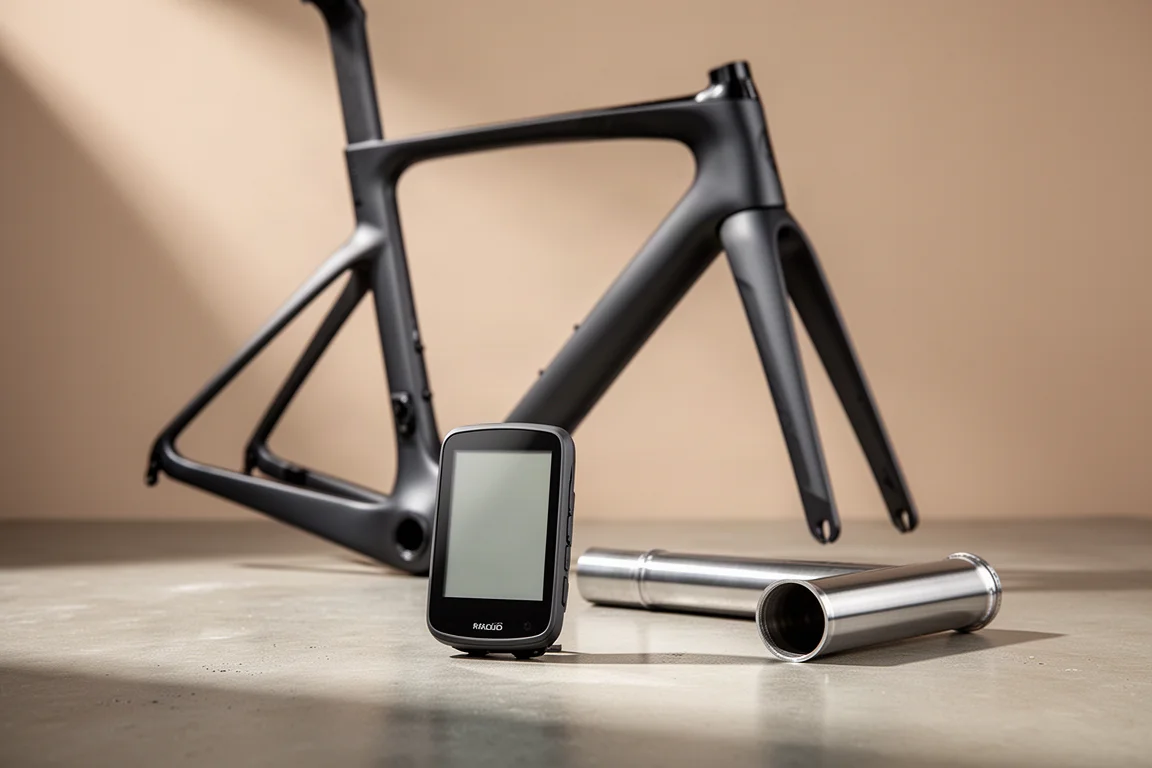
Introduction
This month’s roundup spans a genuinely wide range of road tech. Pinarello has added an entry-level model to a race range that has traditionally started well above it, Colnago has marked its 70th birthday with a strictly limited steel build, and Scott has pushed an off-the-shelf disc brake race bike below six kilograms for the first time.
Alongside the bikes, Wahoo has released a head unit with the largest screen yet fitted to a cycling computer, and a Chinese manufacturer with a huge production base is being linked with a top-tier professional team.
What We Looked At This Month
The products in this roundup are judged on the same criteria we apply to any road release: what the frame and components actually deliver for the money, how the specification compares with the rest of the brand’s range, and whether the bike or device is realistically available to buy.
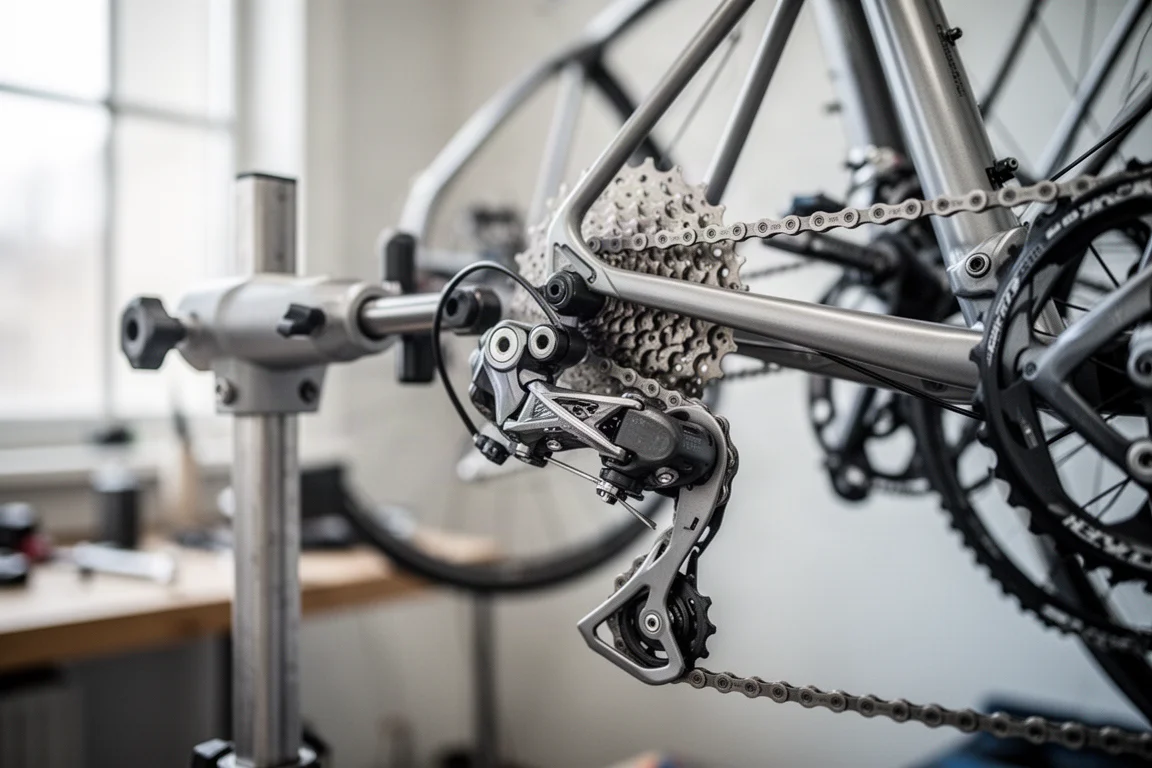
A second theme runs through several of these launches: mechanical groupsets are finding their way back onto more affordable bikes. Electronic shifting has become the default across mid-range and high-end models, and that shift has pushed prices upward across the market. A well-executed mechanical build is one of the few remaining ways for an established brand to hit a lower price point without compromising the frame. Shimano is also expected to add a drop-bar option to its reinvigorated mechanical shifting line, which should give bike brands more flexibility in how they spec their entry models.
Pinarello F1: An Entry Point Into a Race Range
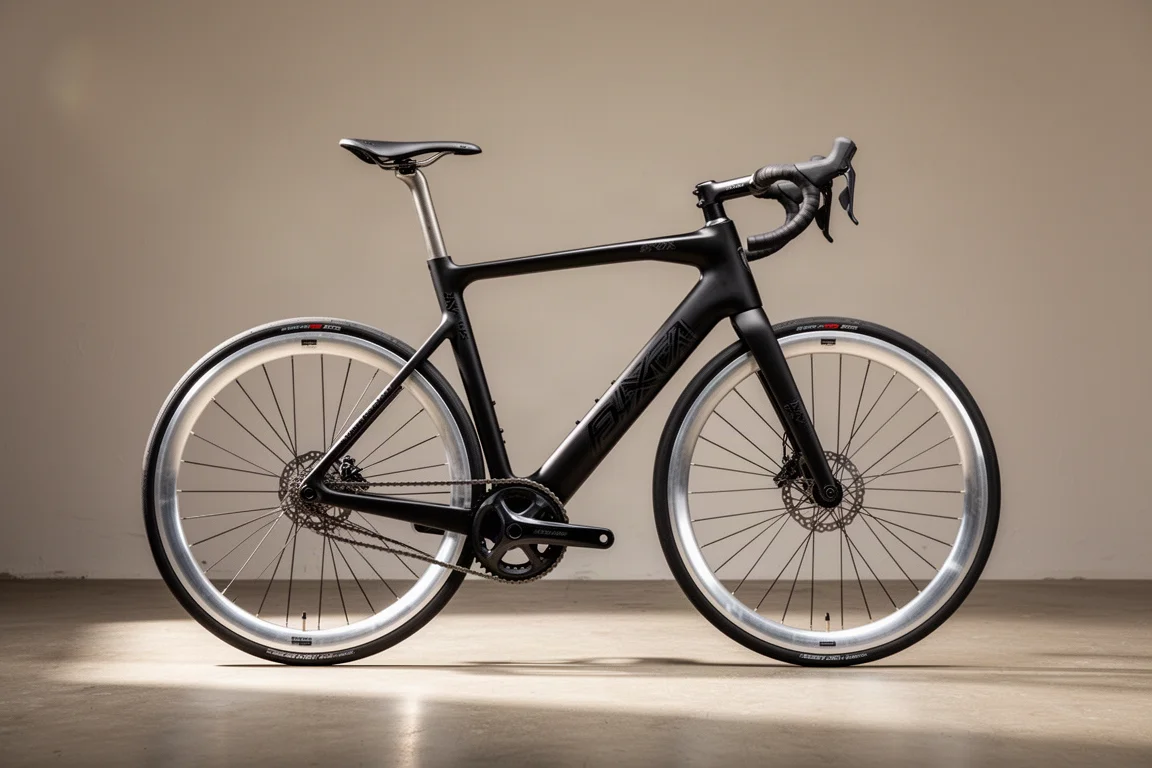
Pinarello’s F-series naming runs from the Dogma F at the top through the F9, F7 and F5, with the model number reflecting the specification level. The new F1 sits at the bottom of that ladder, and it arrives at roughly £3,000.
For that money the F1 pairs a T600 carbon frame with a 12-speed Shimano 105 mechanical groupset, aluminium wheels, and an aluminium bar and stem in a two-piece front end. The frame is a fourth-tier layup in the range, so it is a little heavier than the higher-grade carbon used further up the line, but the design language and the geometry are shared with the F5, F7 and F9.
The price positioning is the interesting part. The F1 undercuts several comparable race bikes from the biggest names in the sport, although direct-to-consumer brands still come in lower thanks to their business models. Budget surveys consistently place the £2,000 to £4,000 band as the most popular price category for a new road bike, which is exactly where the F1 lands.
The build also leaves obvious room for improvement. A wheel and tyre upgrade would transform the ride, which makes the F1 a sensible platform for riders who are happy to upgrade over time rather than buy everything at once.
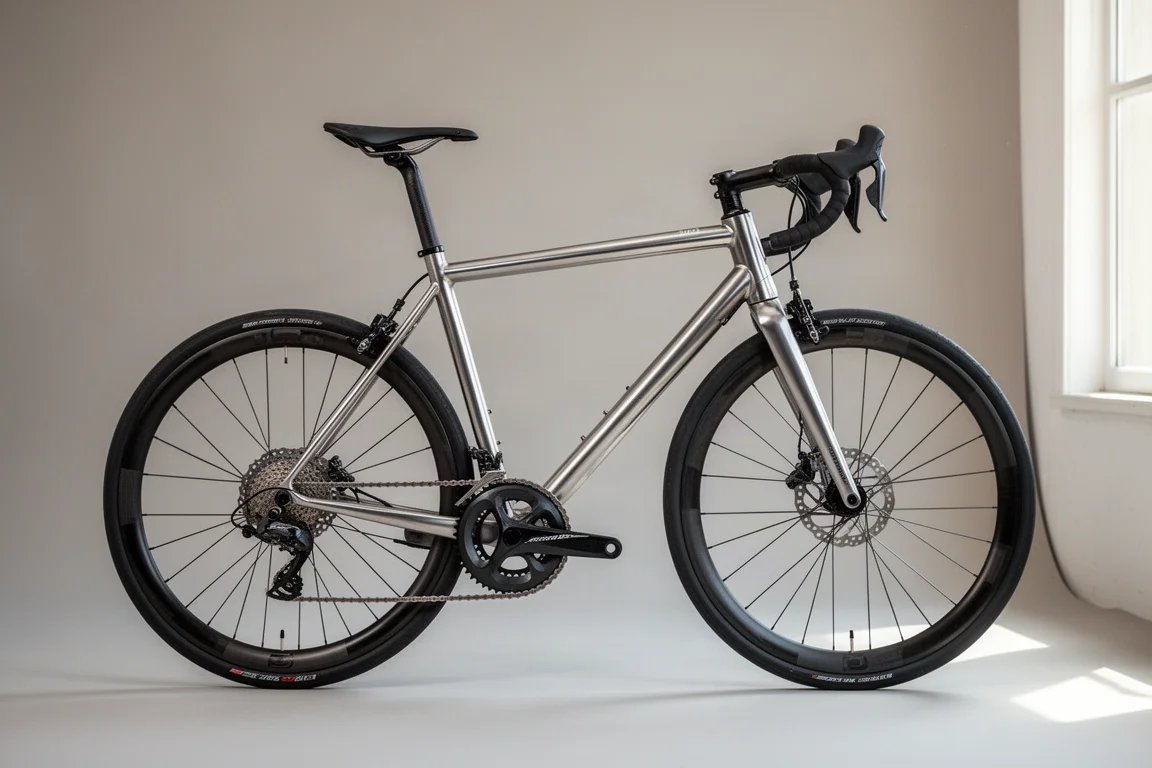
Colnago Steelnovo: Seventy Bikes for Seventy Years
Colnago turned 70 this year and marked the occasion with a steel frame limited to just 70 examples. Steel was central to the brand’s identity through the 1970s and 1980s, and the Steelnovo is a modern interpretation of that heritage rather than a reproduction.
The frame uses a tapered carbon fork, fully internal cable routing, a T47 bottom bracket, clearance for tyres up to 35 mm and disc brakes. The build is deliberately Italian: a Campagnolo Super Record Wireless groupset, Campagnolo wheels, and Carbon-Ti components including through axles and bar end plugs finished with the three-leaf clover motif. A Brooks Cambium C13 saddle adds one small British component to an otherwise Veneto-sourced specification.
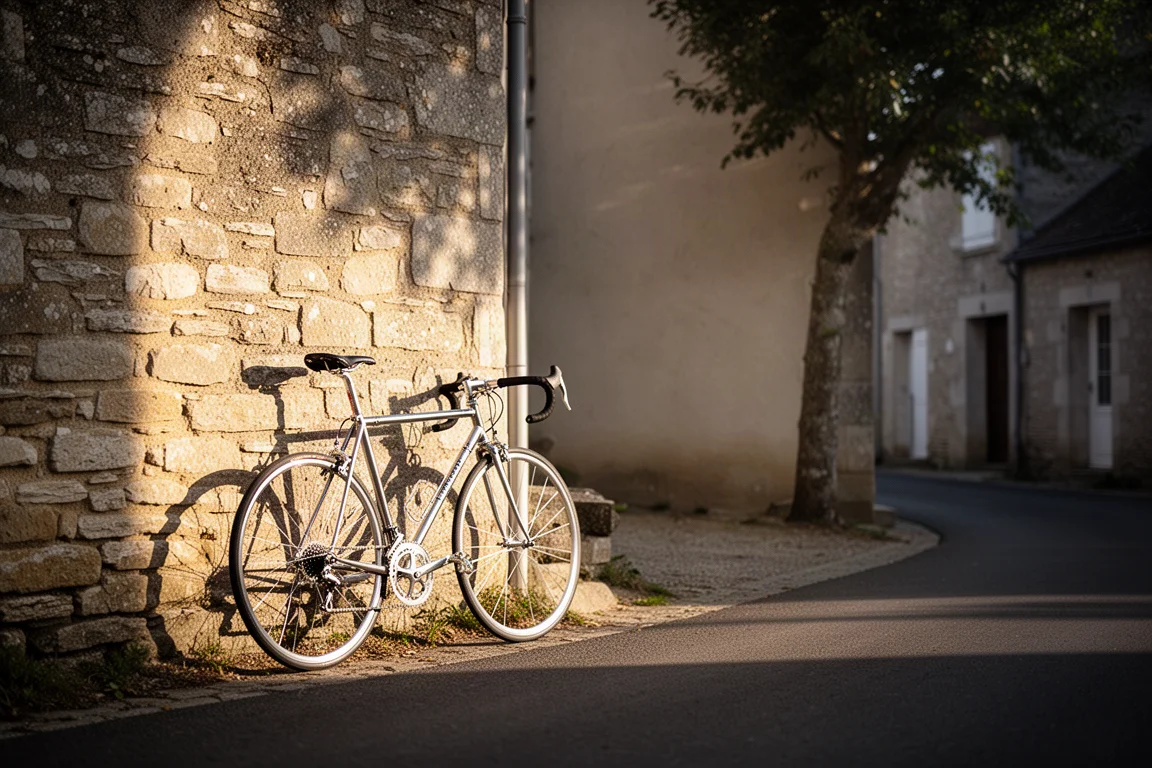
With only 70 bikes made and online ordering handled through a 15-day window, the Steelnovo is unlikely to hang around. It is a collector’s bike as much as a rider’s bike, and the combination of modern frame details with a classic material is what sets it apart from the carbon race bikes in this roundup.
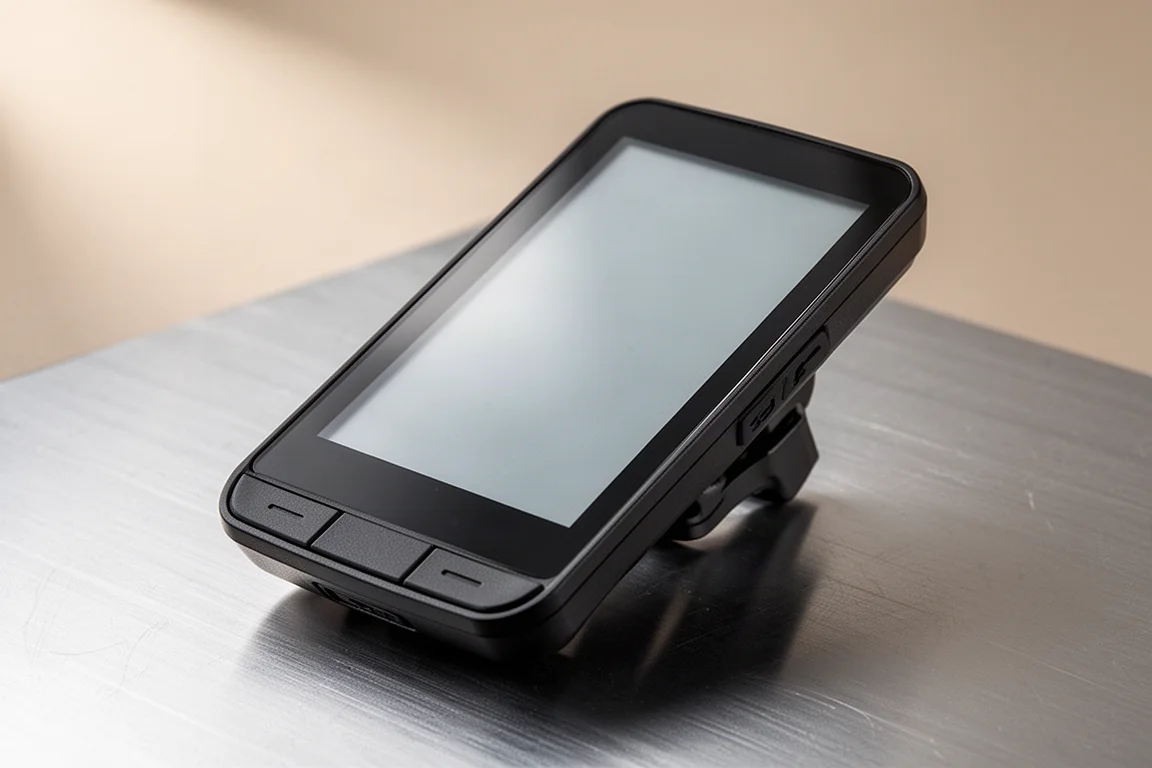
Wahoo Elemnt Ace: A Head Unit Built Around a Big Screen
Wahoo’s new flagship computer is built around size. The unit measures 125 mm long, 69 mm wide and 19 mm thick where it protrudes from a mount, which makes it nearly a centimetre longer than a Garmin 1040 and 2.3 cm longer than a Hammerhead Karoo.
The display is the headline feature: a 3.8-inch transflective thin film transistor screen with a slightly boxy 3x2 aspect ratio, the largest fitted to a cycling computer. It is backlit, efficient, resistant to sun glare and holds its clarity across wide viewing angles, and it supports a far broader colour range than the 16-colour screens it replaces. The interface has been rebuilt around it, and this is the first Wahoo computer with a touchscreen. Response is good, though not as immediate as the Hammerhead Karoo.
The other new addition is a wind sensor: an air pressure sensor in the front of the unit that calculates wind speed. Combined with ground speed, it can indicate how much headwind or tailwind you are riding into and how effectively you are sitting in the wheel of the rider ahead. It is not a drag or CdA measurement, and for most riders the practical value is limited, but it is the first sensor of its kind in a head unit.
Pricing is £550 or $600, which undercuts the Garmin 1050 at £650 for the non-solar version. Whether that represents good value depends on how the unit behaves over long rides, and head units are the kind of product that only reveal their frustrations after serious mileage.
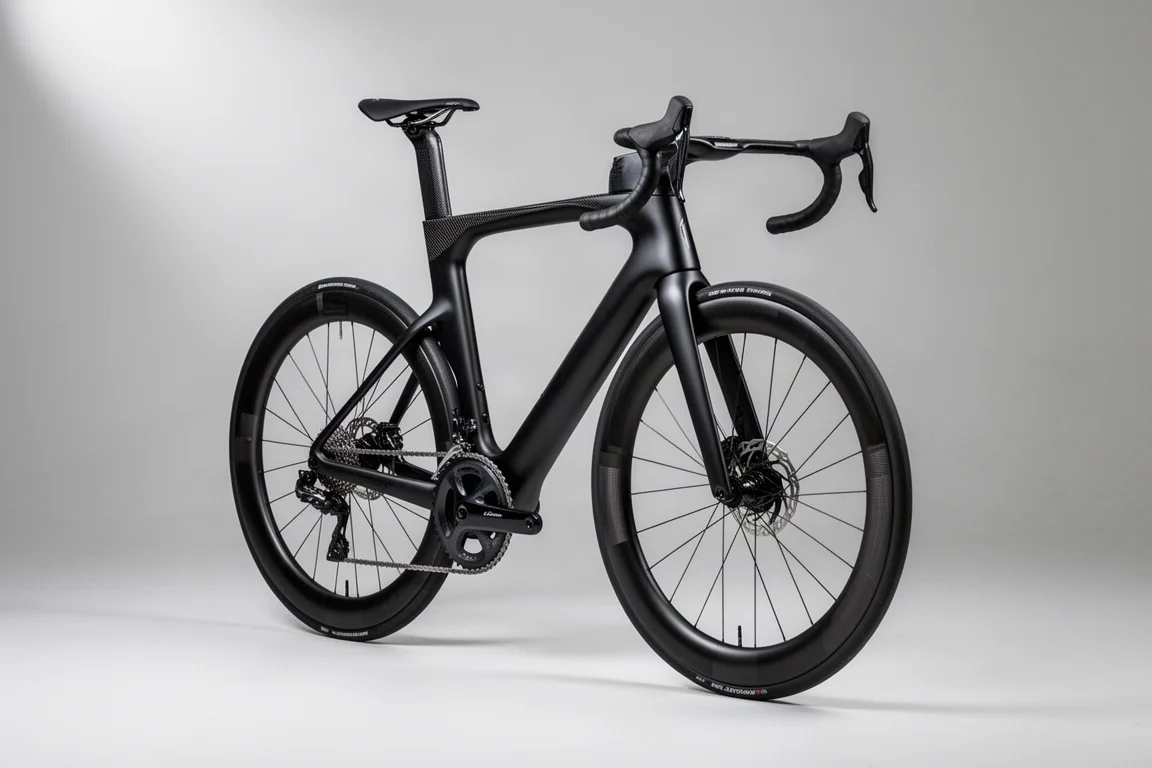
Xlab AD9: A Potential WorldTour Aero Bike
Xlab is the sub-brand of XDS Carbon Tech, a Chinese manufacturer based in Shenzhen that already produces several million bikes a year for some of the biggest names in the industry. The company is reportedly in line to supply a top-tier professional team, with a long-term collaboration of five to ten years being discussed.
Two models are expected: the AD9, an aero race bike, and the RS9, a lightweight option. Both are said to use the same T1000 carbon fibre found on Pinarello’s Dogma frames, which, depending on how they are priced, could make them unusually competitive against established high-performance bikes. The AD9 is also reported to have been developed with input from a performance director joining the team.
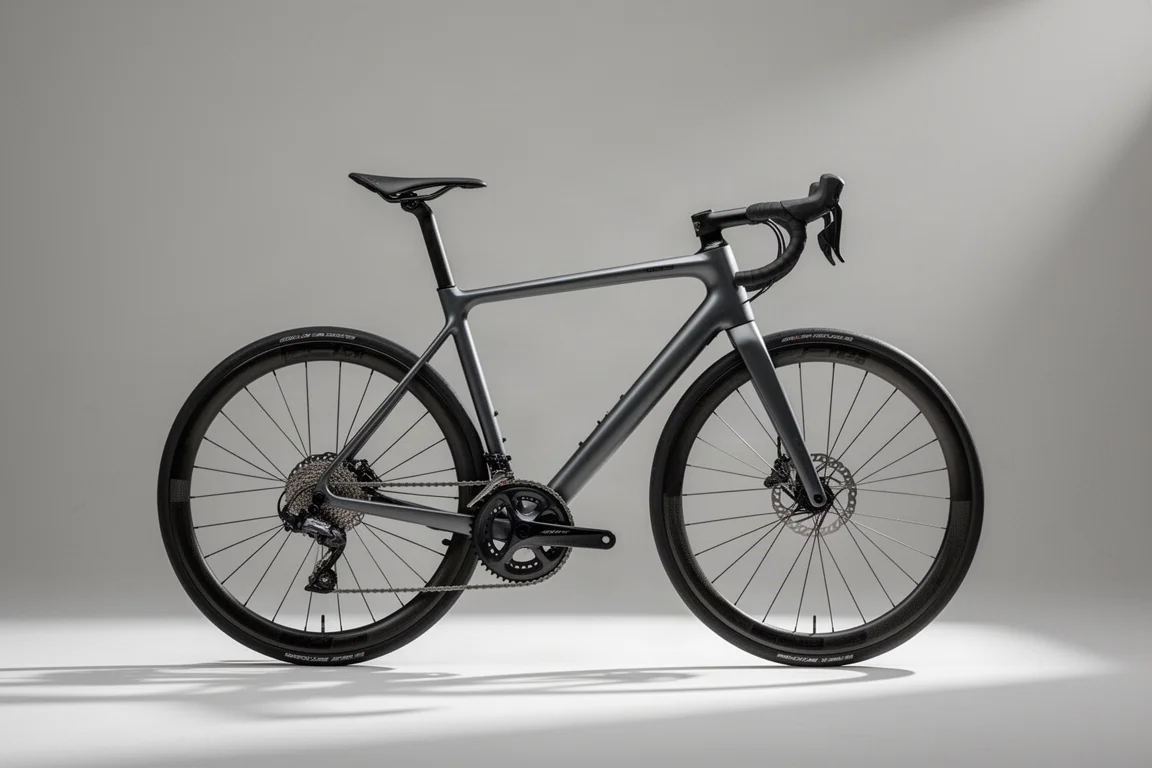
Xlab RS9: The Lightweight Counterpart
The RS9 is the climbing-focused half of the rumoured Xlab line-up. Beyond the lightweight brief and the potential T1000 carbon construction, little has been confirmed.
Nothing about either bike has been officially announced, so specifications, geometry and pricing all remain open questions. A team training camp in December may offer the first real look at the bikes in use.
Scott Addict RC Ultimate: Under Six Kilograms
The fourth generation of the Scott Addict has achieved something the first generation managed decades ago: an off-the-shelf disc brake road bike that comes in below six kilograms. Getting back to that point took four generations, and this time the bike does it with tyre clearance, disc brakes and electronic gearing.
The halo model uses Scott’s HMX SL frame, which is around 40 g lighter than the HMX layup used across the rest of the range, along with one-piece Syncros Capital SL40 carbon wheels, a SRAM Red groupset and a power meter. Geometry is shared across every Addict RC model, so the handling character carries down the line.
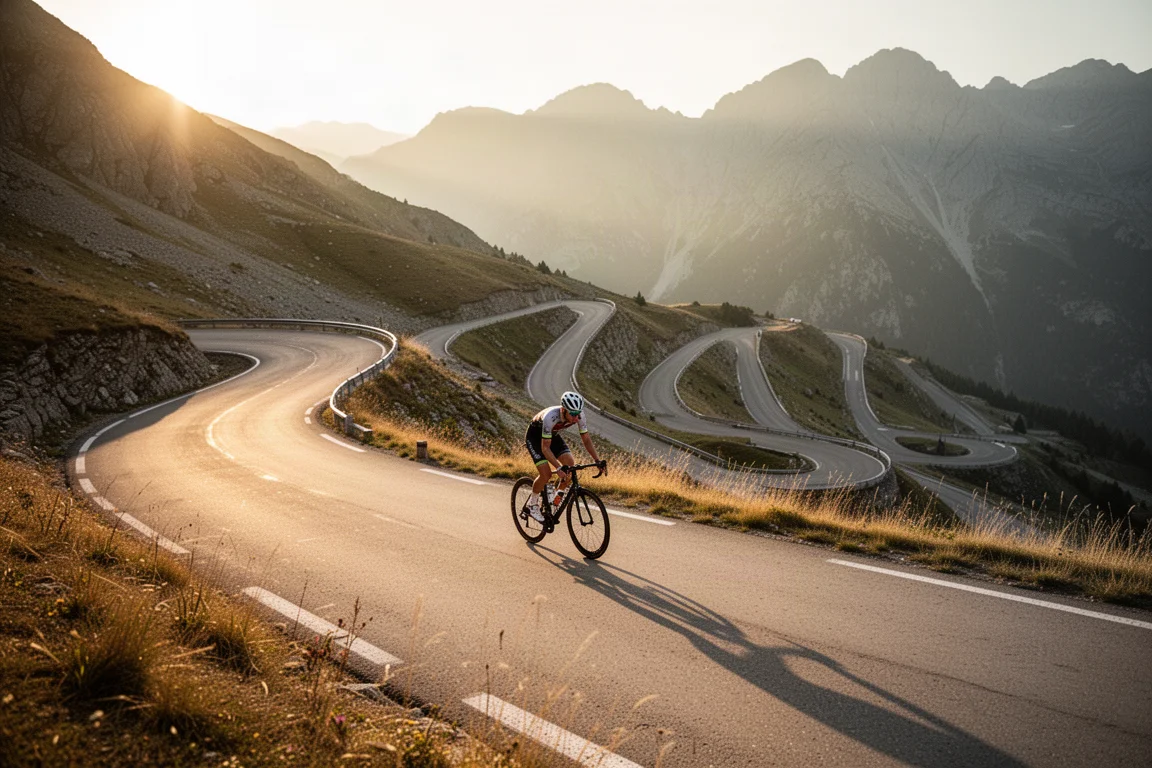
Weight remains a divisive subject. The UCI’s 6.8 kg minimum limit exists to stop brands chasing grams at the expense of safety, and several stock bikes now sit below it. For everyday riders the more relevant point is feel: a light bike is simply more enjoyable to ride, and the Addict avoids the skittish quality that often comes with low weight.
Claimed weights across the rest of the range are near the best in class at each price point, which matters more to most buyers than the halo figure. The same logic applies to the frame: the HMX layup gives up only a small amount of weight to the HMX SL, and the price gap between the two is far larger than the weight gap.
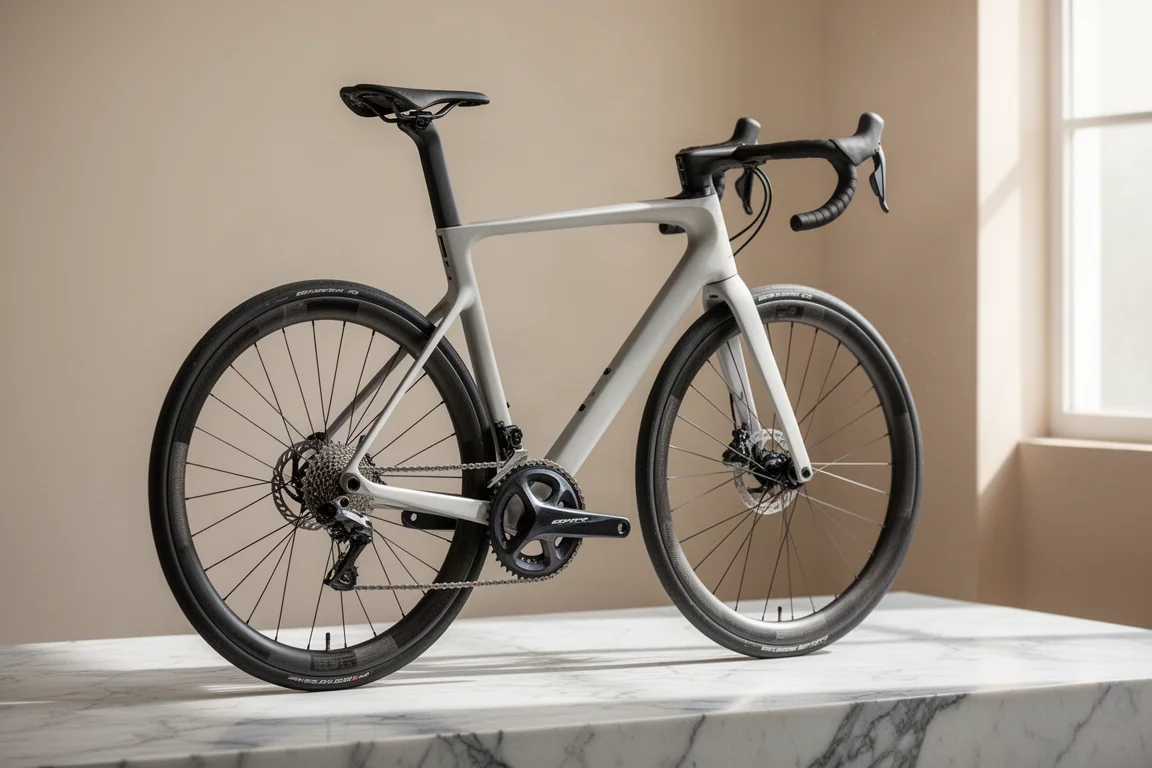
Scott Addict RC Pro
The RC Pro is the Dura-Ace build at £8,599 in the UK. It uses the standard HMX frame and, unlike the halo model, it does not include a power meter, which is a notable omission at this price.
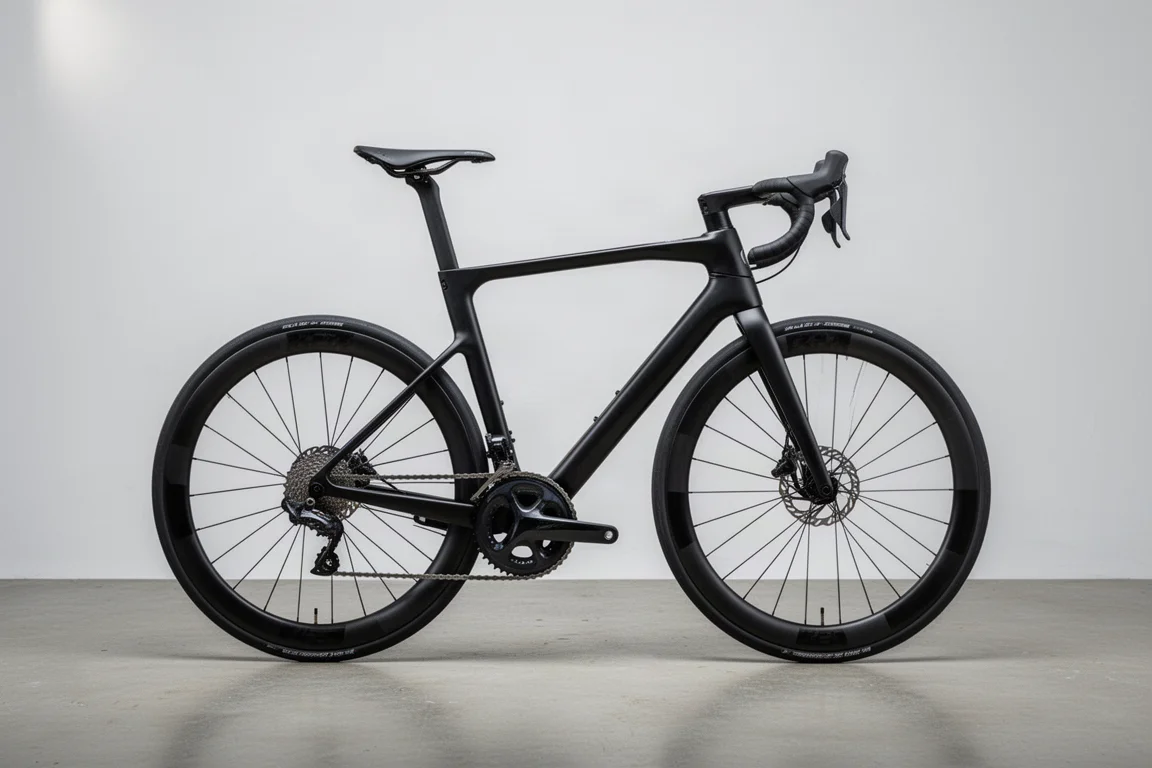
Scott Addict RC 10
At £6,599 in the UK, the RC 10 pairs Ultegra gearing with an integrated cockpit for a cleaner front end. It also skips the power meter, and it uses the HMX frame rather than the lighter HMX SL.
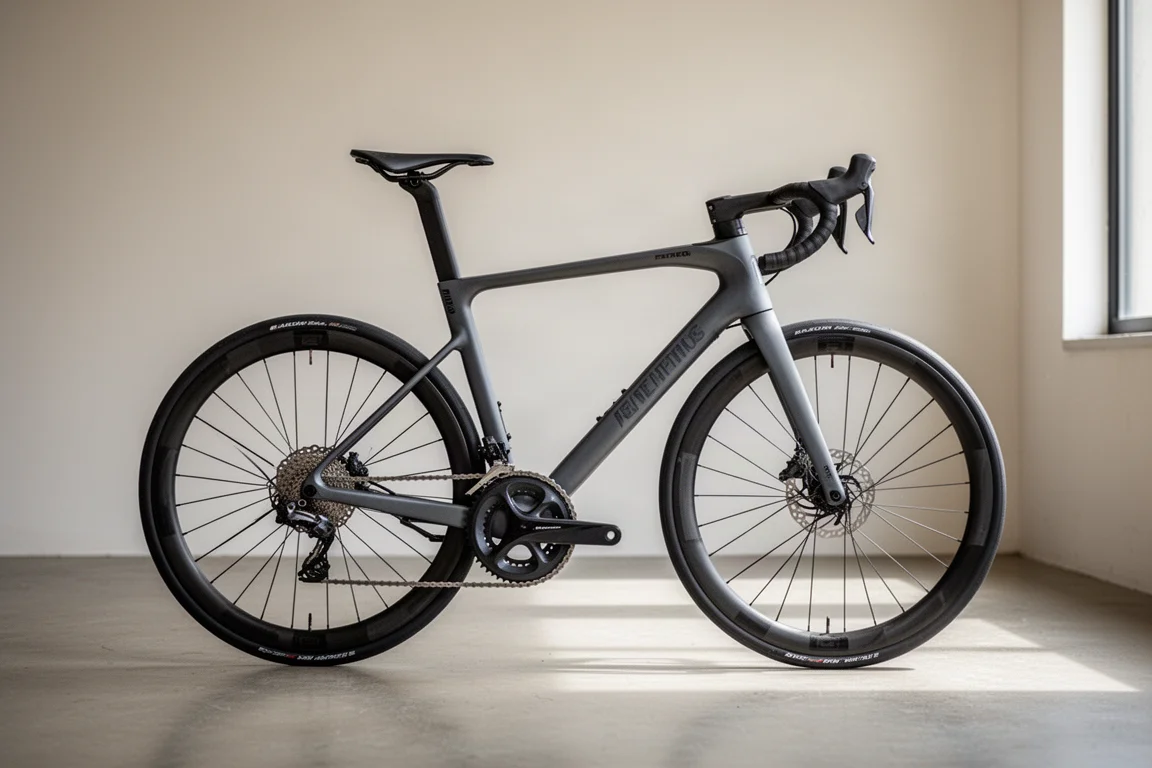
Scott Addict RC 20
The RC 20 comes in at £5,899 in the UK with Ultegra gearing and a two-piece cockpit. The two-piece setup is easier to adjust and easier to pack for travel than an integrated front end, which is a practical advantage for riders who change position or fly with their bike.
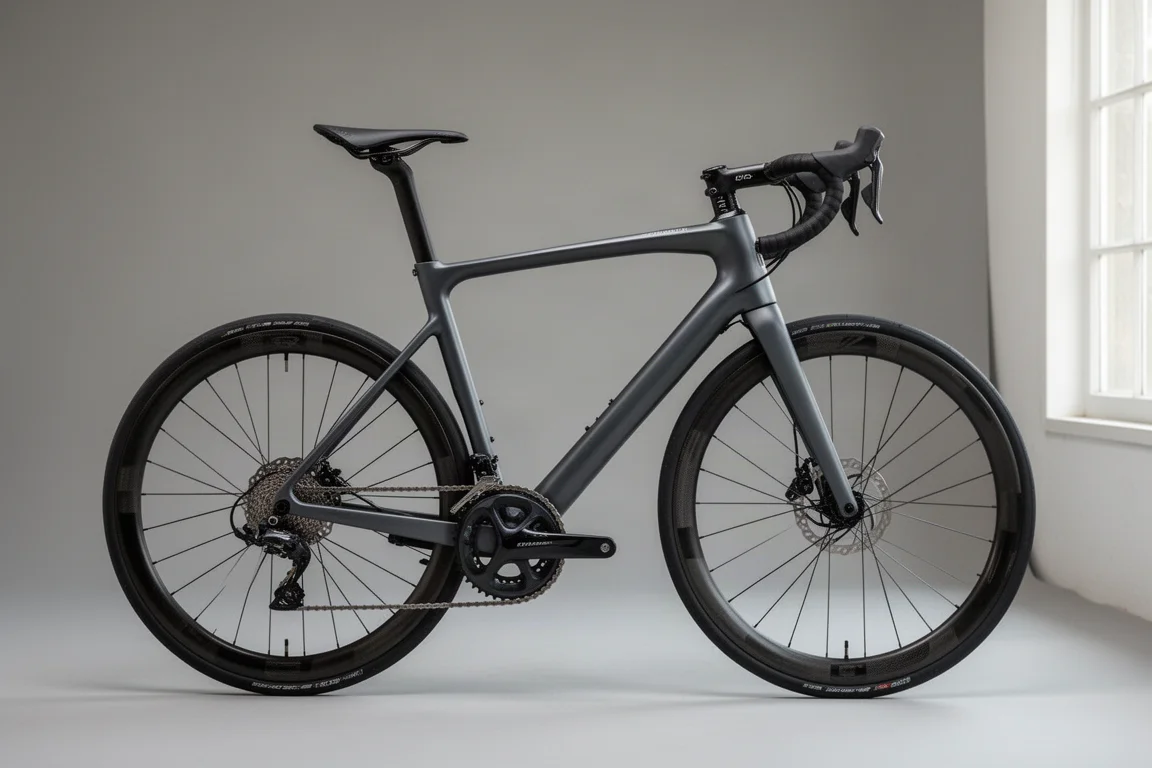
Scott Addict RC 30
The RC 30 is the entry point to the range at £4,899 in the UK, with a Shimano 105 Di2 build. It shares the geometry and design of the more expensive models, and its claimed weight is competitive for the price.
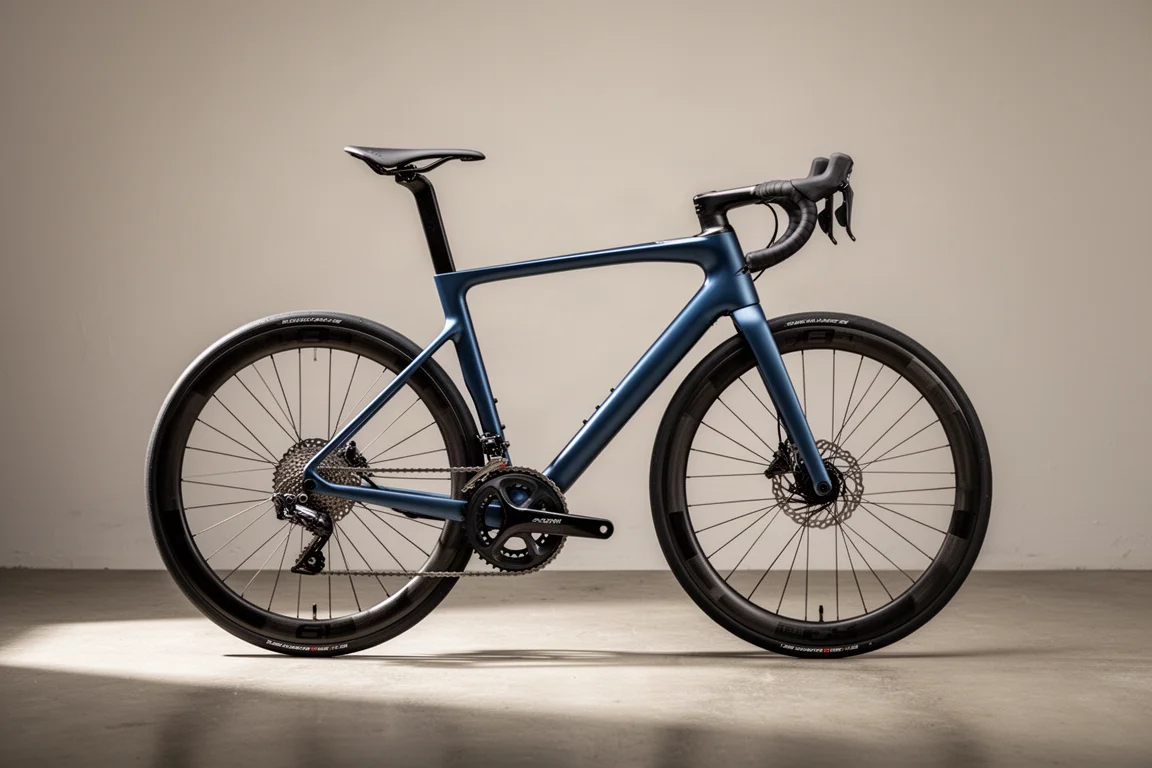
Buying Advice
Deciding between these releases comes down to what you value. If brand heritage and a proven race platform matter more than component level, the Pinarello F1 delivers the geometry and design language of a much more expensive range, and it leaves clear headroom for upgrades later. Riders who care most about specification per pound will find the Scott Addict RC models difficult to ignore, particularly the lower tiers, where claimed weights are strong for the money.
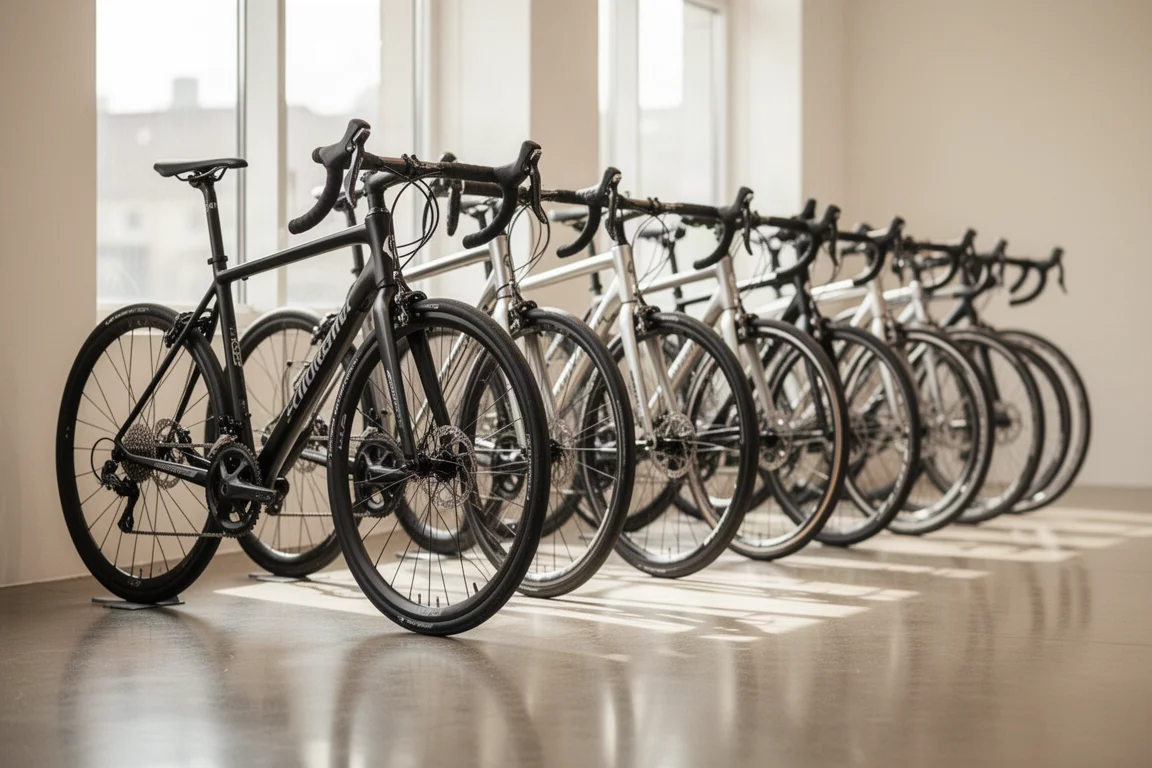
The Xlab bikes are worth watching rather than buying, at least until specifications and pricing are confirmed. The Colnago Steelnovo is a different proposition entirely: a limited-run steel frame with an Italian build, aimed at riders who want something rare and characterful rather than a pure performance purchase.
On the electronics side, the Elemnt Ace offers the largest screen available and undercuts its closest rival, but a head unit is a long-term purchase. Screen size and sensor count matter less than how reliably the unit behaves over serious mileage.
Conclusion
This month’s releases show two different strategies at work. Brands with deep heritage are using lower-cost groupsets and simpler components to open up price points that were previously out of reach, while lightweight engineering has finally brought a stock disc brake race bike below six kilograms. Whether you are buying into a name, chasing the lowest possible weight, or waiting to see what a new manufacturer can offer, there has rarely been more choice in the most popular price bands for a new road bike.
Further reading
Related Reviews
Cycling Tech
Best Cycling Tech: Nine Standout Products Worth Considering
Nine pieces of cycling kit that earned their place through long-term use, from a keenly priced World Tour race bike to a multi-tool that has survived two years of hard riding.
Cycling Tech
Best Pro Peloton Bikes and Components 2023: 8 Standout Upgrades
A roundup of the most technically interesting pro peloton bikes and components for 2023, from the Cannondale SuperSix EVO to Shimano Dura-Ace and Continental GP5000 S TR tires.
Cycling Tech
Bike Tech Roundup: Five Standout Upgrades Worth a Closer Look
A four-season tubeless tire, a featherweight climbing wheelset, a hangar-free drivetrain and two pairs of gravel shoes, assessed on the details that matter.