Aquarium Supplies
Bettix Bottles Review: A Simple, Affordable Tool for Hand Dosing Reef Additives
A practical look at Bettix bottles, the built-in dispensing cup design that makes hand dosing homemade reef additives simpler, cleaner, and cheaper.
Introduction
Keeping a reef tank affordable often comes down to mixing your own additives from dry powders instead of buying pre-mixed liquids. That approach can save a meaningful amount of money over time, but it leaves a practical question: how do you store those homemade solutions and measure them out without turning every dosing session into a search for a clean cup or a fresh syringe?
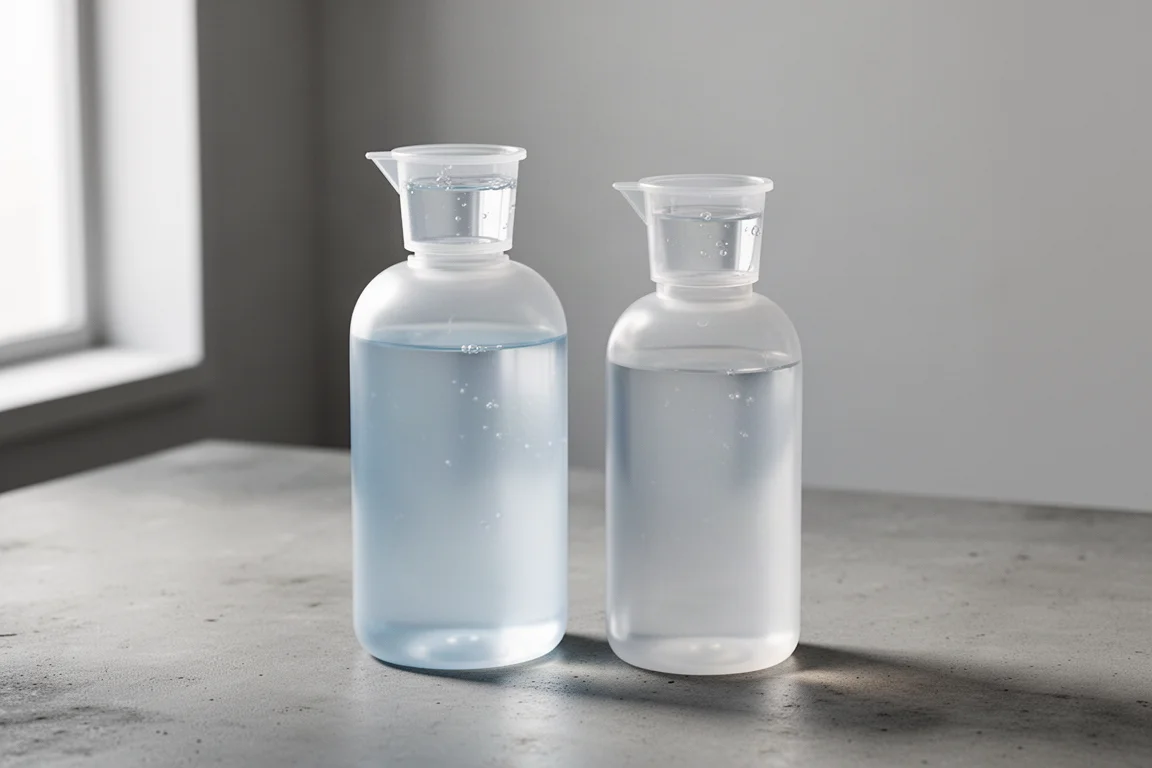
Bettix bottles answer that with a deliberately simple design. Each bottle pairs a storage chamber with a built-in graduated dispensing cup, so a single container holds your mixed additive and measures the dose you need. They are not new or high tech, and that is precisely the point. Some of the best known additive brands already use this style of bottle for their own liquids.

For anyone hand dosing a one-part, two-part, or DIY All-For-Reef style solution, this is a small and inexpensive piece of kit that removes a recurring annoyance from the maintenance routine.
Who This Product Is For
These bottles suit reefers who mix their own additives from dry powders and then dose them by hand. If you have decided against the cost of a dosing pump, or you simply prefer the simplicity of dosing manually, the built-in cup covers the measuring step without adding another object to rinse afterwards.
They are also a good fit for anyone who already knows this bottle shape from the additives they buy, and who wants the same convenience for their own home-mixed batches. Because the design is available in two capacities, it scales from a small mixed reef up to a larger system that goes through more of a particular additive.
If your routine is already fully hands-free with dosing pumps, there is little here that changes your day to day. The appeal is concentrated in manual dosing.
Main Strengths
The core strength is the integrated graduated cup. You remove the cap from the storage side, pour in your freshly mixed additive, and the bottle is ready. When it is time to dose, a simple squeeze fills the graduated cup to the level you need, you pour it in, close the cap, and you are done. There is no separate measuring cup to pour into, no syringe to rinse, and no cleanup ritual between doses.
The 32 ounce bottle, roughly one liter, is the more versatile of the two. It carries graduated markings on the dispensing cup and on the bottle body itself, so you get a reasonable idea of how many doses remain and when it is time to mix another batch. The cup is marked at five, 15 and 30 milliliters on one side, and at half an ounce and one ounce on the other. The spacing is close enough that estimating a 10 milliliter dose between the five and 15 milliliter marks is straightforward.
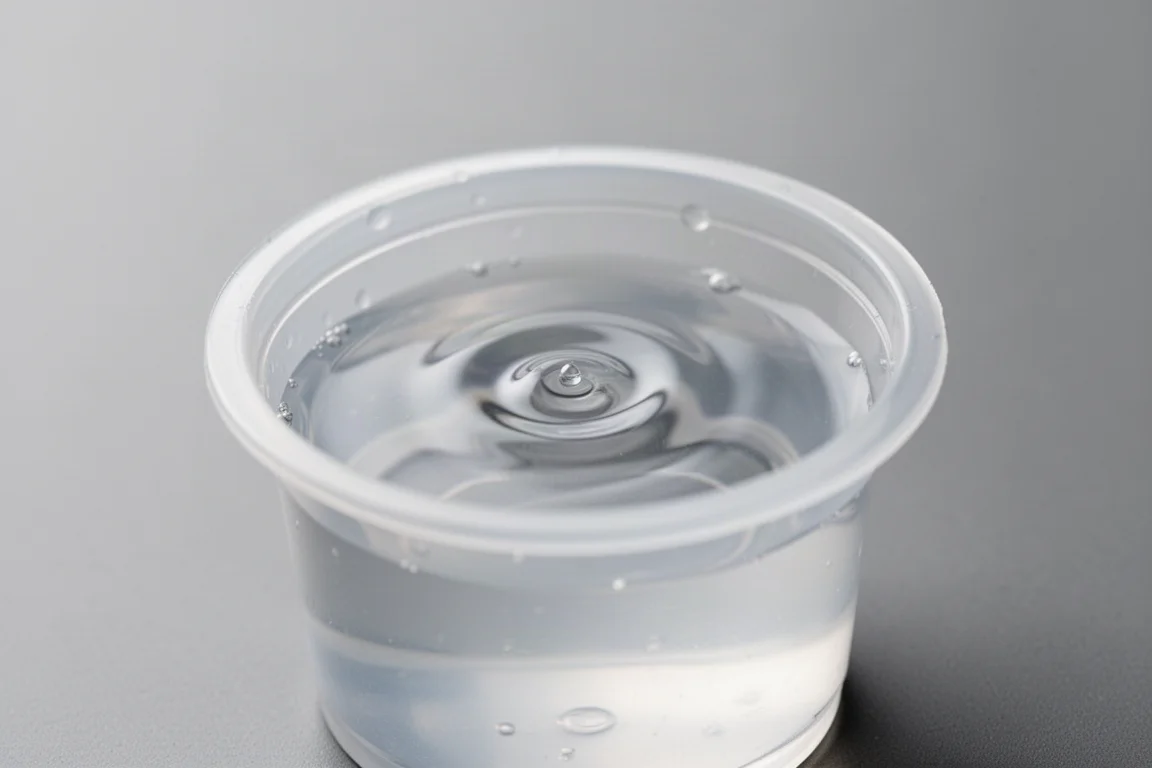
The larger 64 ounce bottle, roughly two liters, uses a noticeably bigger dispensing cup. Its markings run from half an ounce to four ounces in half-ounce increments, and from 20 milliliters to 120 milliliters in 10 milliliter increments, which makes it well suited to larger doses in systems with higher consumption. Both sizes are built to be reused again and again over a long service life.
Things to Consider Before Buying
The most important consideration is that this is a manual tool. It makes hand dosing easier, but it does not automate anything. If your goal is to dose without touching the tank every day, a dosing pump remains the relevant solution.
Second, additives can leave buildup on the inside of the bottle over time. A quick rinse with RDI water between refills handles that, so it is a small routine task rather than a real drawback.
Third, choose your size against your habits rather than your tank size alone. The 32 ounce capacity lines up neatly with the mixing instructions most dry additives provide, and it is the size that keeps measurement options flexible for smaller doses. The 64 ounce version earns its place when you consume more of a given additive or dose in larger volumes. Neither bottle includes anything beyond the container itself, so you are relying on the markings for accuracy rather than on a separate precision instrument.
Buying Advice
For most people mixing additives at home, the 32 ounce bottle is the sensible starting point. It matches the one-liter mixing quantities that most dry additives specify, it offers both milliliter and ounce graduations, and the bottle markings help you plan refills instead of discovering an empty container mid-week.
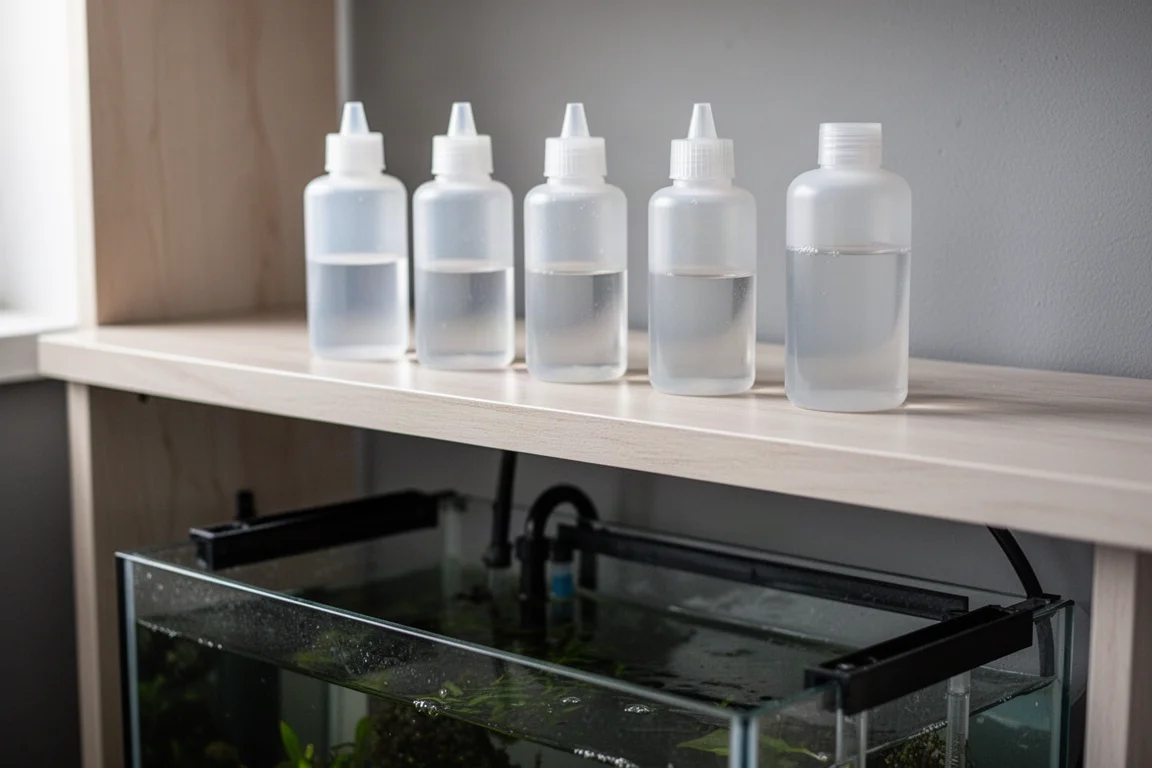
If you run a larger system, or you simply go through a lot of one particular additive, the 64 ounce bottle is the better match. Its larger cup handles bigger doses in fewer steps. Because most reef keepers dose more than one thing, buying several bottles and dedicating each to a single additive is a practical way to keep the routine organised and avoid mixing solutions by mistake.
Conclusion
Bettix bottles are not a high tech upgrade, and they do not try to be. What they offer is the removal of a small but repeated friction point: measuring a dose, without extra cups, syringes, or cleanup. For reef keepers who mix their own additives from dry powders and dose by hand, that is a genuinely useful combination of low cost and everyday convenience, and the two available sizes cover both modest and heavier dosing routines.
Product link
View more details for Bettix Bottles
This product is mentioned in the review. Check the specifications, options, and compatibility before buying.
View more details for Bettix BottlesFurther reading
Related Reviews
Aquarium Supplies
Best Saltwater Aquarium Mixes: A Beginner's Guide to Seawater Chemistry
Understanding seawater mixes and how to choose the right one for your reef tank, FOWLR setup, or beginner goals.
Aquarium Supplies
Best Saltwater Aquarium Salt Mixes 2019: Six Categories Tested and Ranked
A comprehensive breakdown of the top salt mixes across popularity, cost, mixing speed, purity, consistency, and overall performance for reef aquariums.
Aquarium Supplies
Best Saltwater Mixes for Aquariums: A Practical Guide for Beginners and Reef Keepers
Compare the top saltwater mixes by price, calcium, alkalinity, and intended use. Find the right mix for your tank setup and learn the proper mixing procedure.