Drones
BetaFPV Meteor75 Pro Review: Lightweight Analog Tiny Whoop for Indoor and Park Flying
The updated Meteor75 Pro combines a faster processor, integrated flight controller, and 45mm props on a 1S system for stable, efficient flights. A practical choice for new FPV pilots and casual park flyers.
Introduction
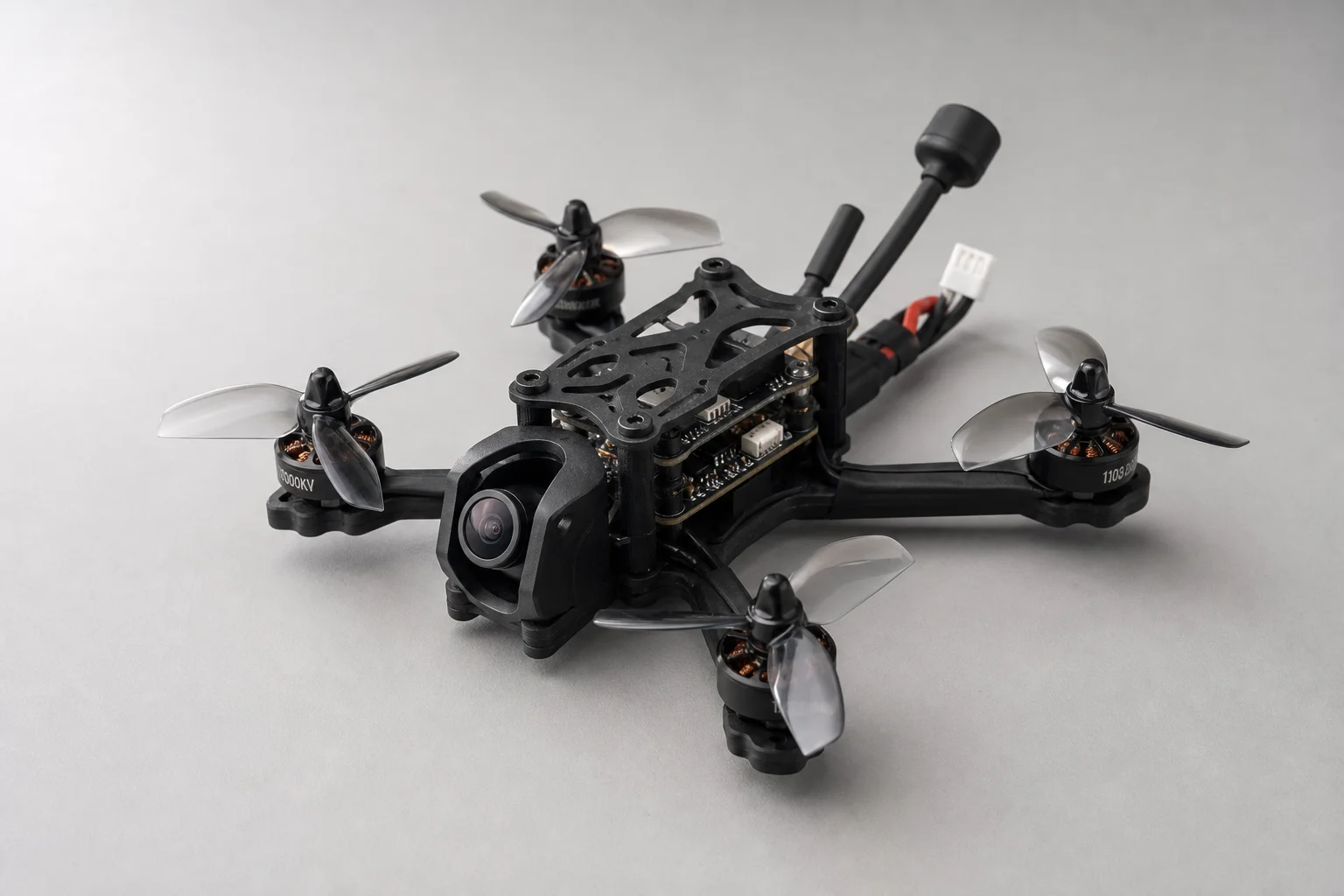
The updated BetaFPV Meteor75 Pro represents a meaningful refresh of an already capable tiny whoop platform. The key change is a new integrated flight controller board that combines the processor, VTX, and gyro into a single unit, reducing weight while increasing performance. For new FPV pilots and casual flyers, this drone delivers stable flight characteristics, reasonable battery life, and a price point that makes it accessible without requiring a significant investment.
Who This Drone Is For
The Meteor75 Pro is designed for two main audiences: new FPV pilots learning the fundamentals, and experienced pilots who want a practical indoor or park flyer that doesn’t demand constant attention or expensive repairs.
The combination of large 45mm propellers on a lightweight 1S power system creates a stable, forgiving flight platform. Larger props move more air at lower speeds, which translates to better stability and longer flight times compared to smaller-prop designs. This stability margin is valuable when you’re still developing throttle control and spatial awareness.
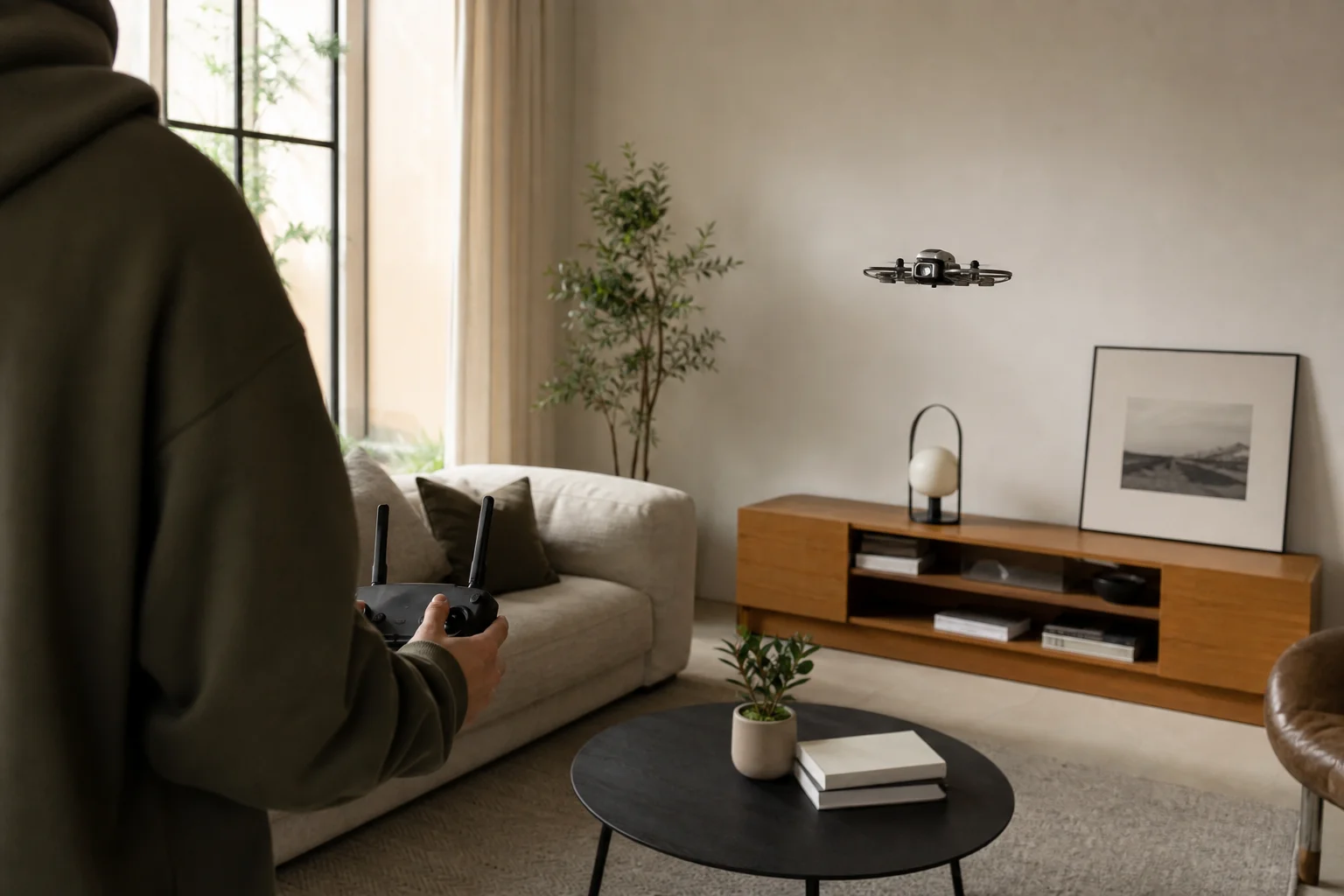
The drone is also quiet enough to fly indoors or in local parks without disturbing others, making it practical for casual sessions without needing to travel to a dedicated flying field.
Main Hardware Upgrades
The updated Meteor75 Pro introduces a new Matrix all-in-one flight controller board that integrates five major components into a single PCB. This is a meaningful upgrade from the previous generation.
The processor has been upgraded from an F4 to a G473, which BetaFPV claims is 55% faster. The VTX (video transmitter) is now built into the board at 400mW, compared to the previous external 350mW unit. The gyro now runs at 8kHz sampling rate versus 3.2kHz in the older version. The circuit board itself is thicker (1mm) and supposedly more durable, yet the overall drone is slightly lighter at approximately 30 grams without battery.
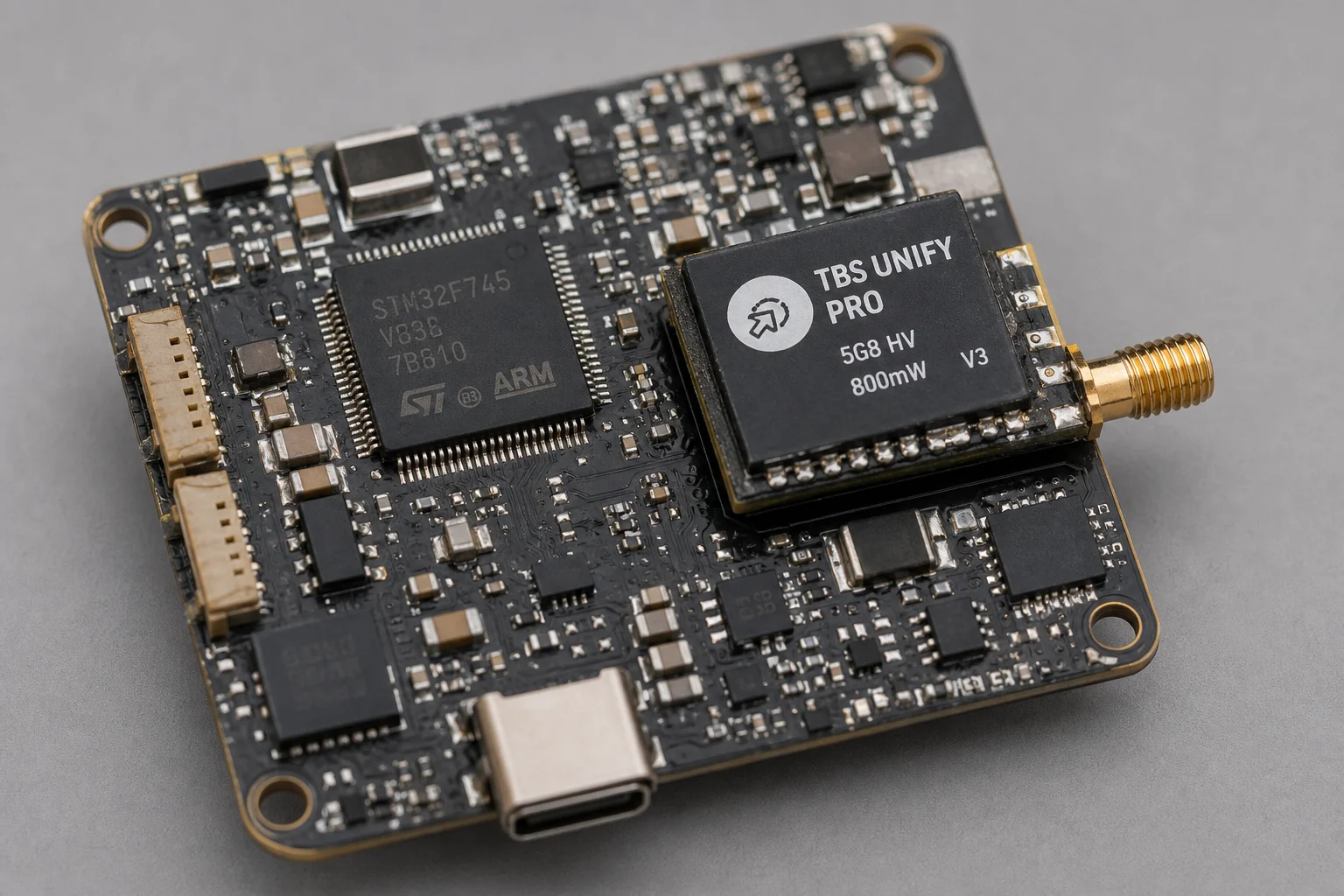
Other refinements include a more robust battery connector, a more securely mounted antenna that no longer protrudes from the canopy, and motor plugs on the board so you can swap a burned motor without soldering. The camera remains the same CO3 1200 TVL unit, which is a solid choice for analog FPV and weighs only 1.5 grams.
Flight Time and Battery Charging
With the included 550mAh 1S batteries, expect around 5 minutes of steady cruising flight, or about 4 minutes if you’re flying aggressively. The 1S battery format is a practical advantage: these cells are inexpensive, so you can afford to carry several spares without breaking your budget.
Charging is straightforward. The included USB-C charger works with any phone charger or battery bank, making it easy to top up batteries in the field. If you fly frequently, BetaFPV recommends a multi-channel charger like the VFly six-channel unit, which also allows you to put batteries into storage mode to extend their lifespan.
Analog vs. Digital: Why Choose Analog in 2025
BetaFPV now offers DJI O4 digital versions of the Meteor75 Pro, which raises a natural question: why buy analog in 2025?
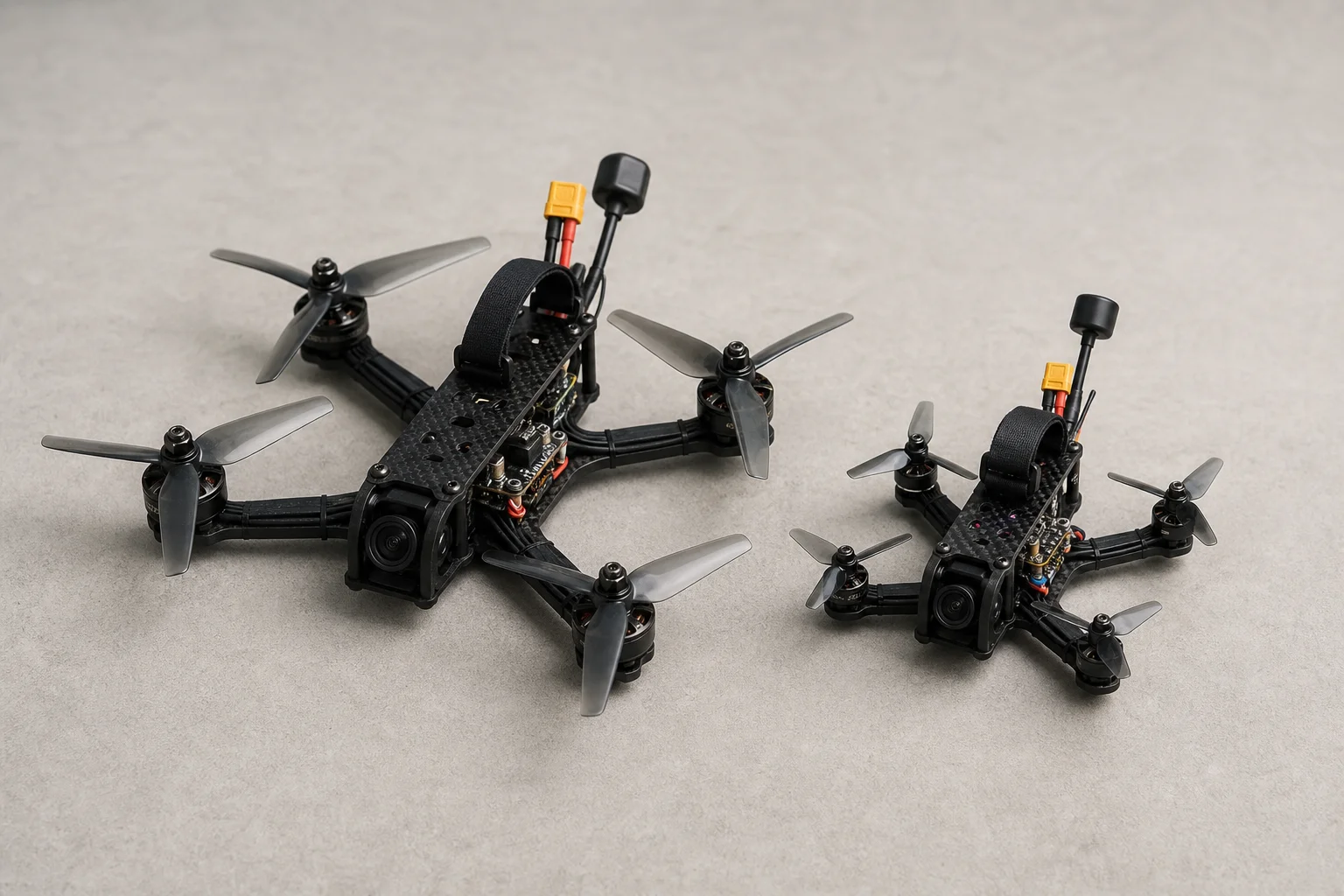
The answer comes down to weight and efficiency. The DJI O4 version of the Meteor75 Pro weighs 37.2 grams, roughly 20% heavier than the analog model. Both versions use the same 2200kV motors on 1S, so the lighter analog drone will fly longer and feel more responsive. The DJI O4 Meteor65, by contrast, uses smaller 35mm props and 0802 motors, making it a different platform altogether.
Other digital options like the Pavo FTO offer 40mm props on 1102 motors but run 2S at 1400kV, making them more aggressive and less efficient than the analog Meteor75 Pro. The trade-off is clear: digital systems offer better video quality and range, but analog tiny whoops remain lighter, cheaper, and more efficient for casual flying.
Conclusion
The Meteor75 Pro is a well-rounded tiny whoop that makes sense for new pilots learning FPV fundamentals and for experienced flyers who want a practical, low-cost park flyer or indoor drone. The hardware upgrades in this new version are genuine improvements: the faster processor, integrated VTX, and refined antenna mounting all contribute to a more polished platform. If you’re considering entry into FPV flying or looking for a reliable backup quad, the Meteor75 Pro delivers good value without unnecessary complexity.
Product link
View more details for BetaFPV Meteor75 Pro
This product is mentioned in the review. Check the specifications, options, and compatibility before buying.
View more details for BetaFPV Meteor75 ProFurther reading
Related Reviews
Drones
Best Budget Camera Drones Under 3000: Five Practical Options for Video and Photography
Five affordable camera drones with HD video capability and stable flight performance, each suited to different needs and budgets.
Drones
Best Budget Drones Under $200: Five Practical Options for 2026
Five budget-friendly drones with GPS, 4K cameras, and FPV capabilities. Real strengths and trade-offs to consider before buying.
Drones
Best Drone Cameras Under $500: Five Options for Different Needs
A practical guide to five drones under $500, covering portability, flight time, camera quality, and key features to help you choose.