Hiking Footwear
Best Zero-Drop and Barefoot Footwear for Hiking: Three Pairs Compared
A practical look at three zero-drop and barefoot options for hiking, from a leather barefoot boot to cushioned trail runners built for long days.
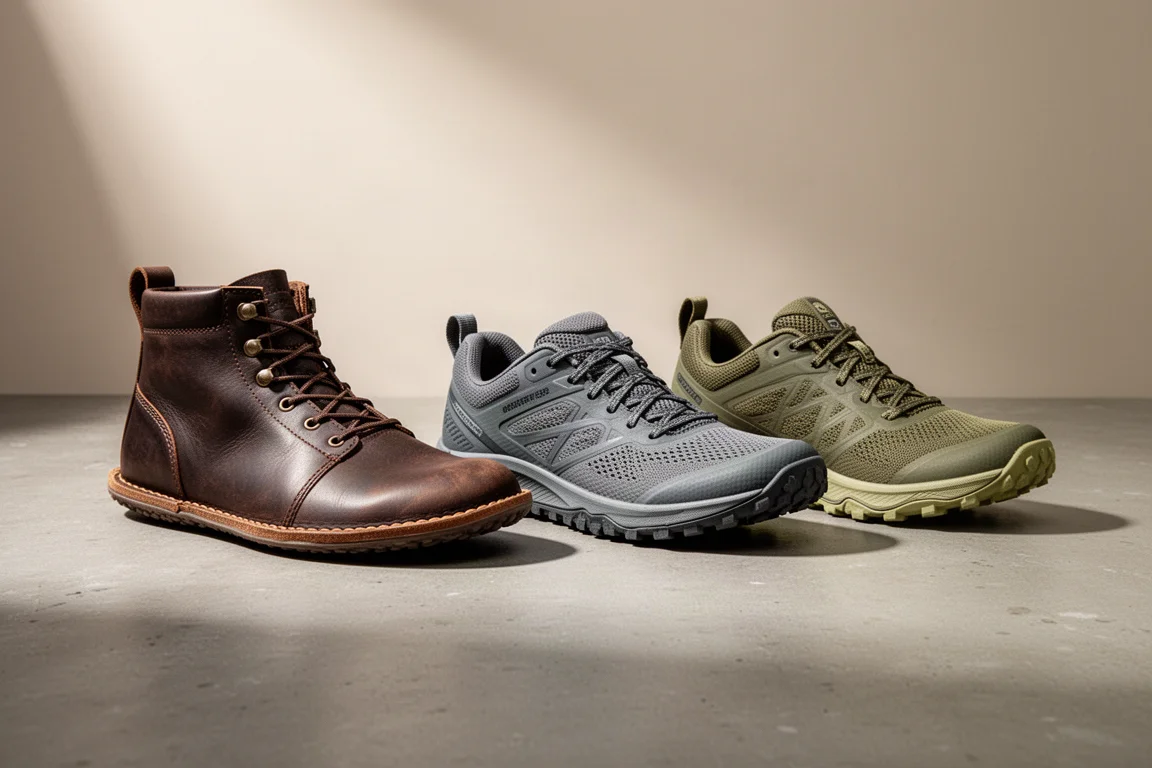
Introduction
Zero-drop trail runners and barefoot boots have moved from a niche experiment to a serious option for long-distance hiking. The appeal is straightforward: a flat sole and a wide toe box let the foot move closer to the way it works without shoes, and hikers who commit to the change often describe less knee and hip discomfort, better balance and stronger ankles.
The trade-offs are just as real. This style of footwear takes weeks or months to adapt to, it offers far less insulation and protection than a stiff boot, and the better-known models are not cheap.
This guide covers three pairs that sit at different points on that spectrum: a leather barefoot boot built for durability and ground feel, a heavily cushioned zero-drop trail runner for big-mileage days, and a lighter trail runner for shorter routes and everyday wear.
What These Three Pairs Have in Common
Every shoe here uses a zero-drop platform, which means the heel and the ball of the foot sit on the same level plane. Most conventional trainers and hiking boots are built with a slight wedge, often only five or six degrees, that effectively puts the wearer on a mild tiptoe. Zero-drop construction removes that angle and lets the foot land flat.
All three also use a wide toe box, so the toes can spread out under load instead of being pressed together. Over months of use, that can change the shape of the foot itself: toes that were once cramped start to splay, and some wearers find they need a half size larger than before.
None of the three is waterproof, which is the most important practical detail to understand before buying. They rely instead on fast-drying materials, which behave very differently from a membrane boot that stays wet for days once water gets in.
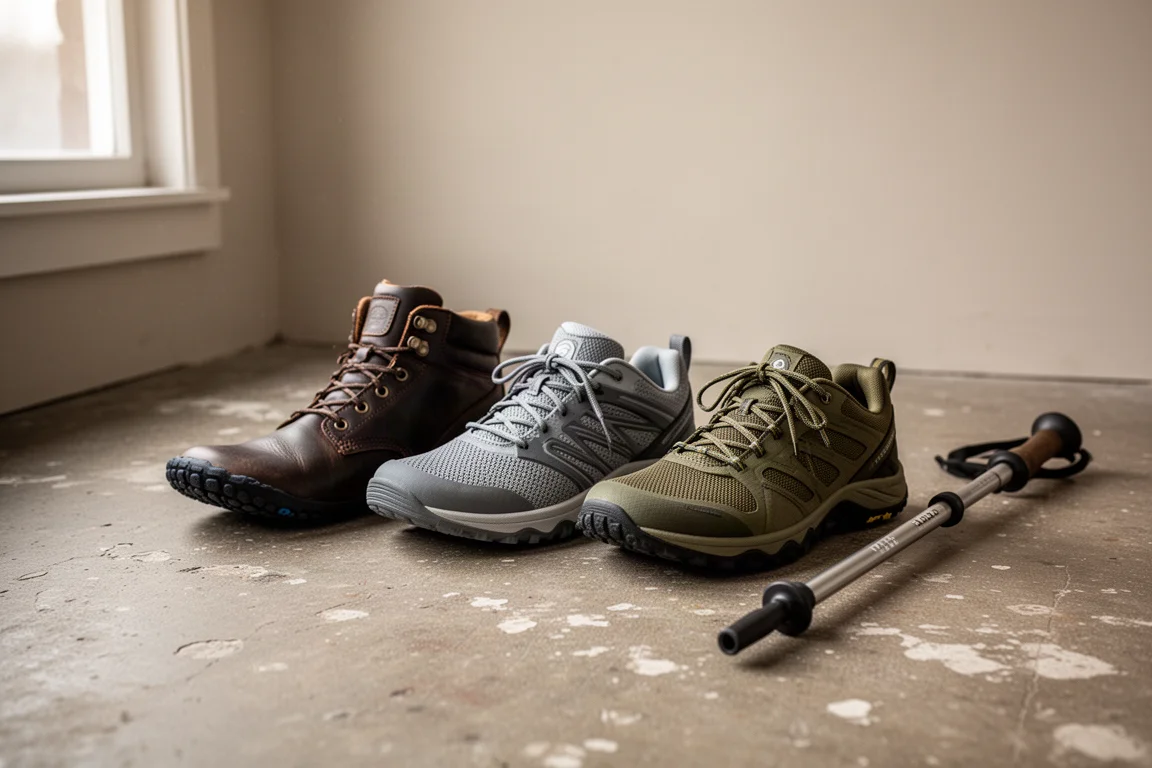
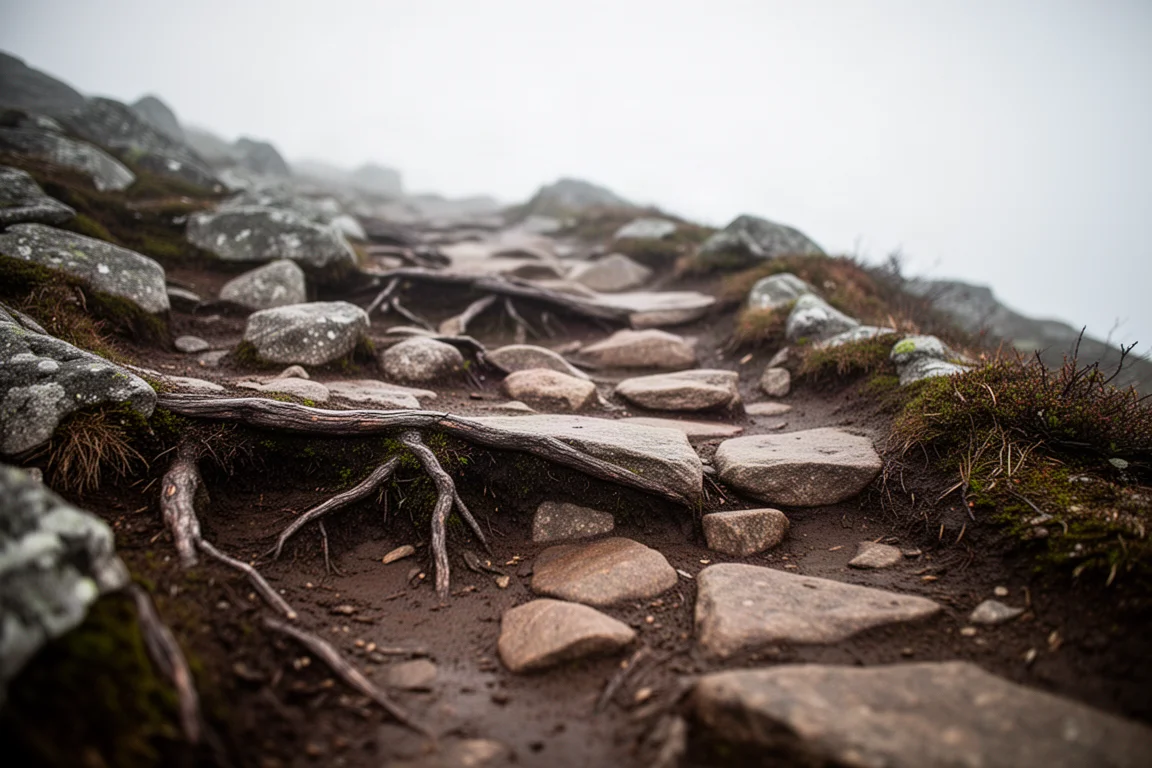
Ground feel is the other shared trait. With a thin, flexible sole the foot moulds around roots, stones and uneven rock rather than sitting on top of it, which is where much of the balance and stability benefit comes from. It also means there is very little between the foot and the trail, and that is a genuine trade-off on rough ground and long days.
Vivobarefoot Forest Tracker ESC: A Leather Barefoot Boot
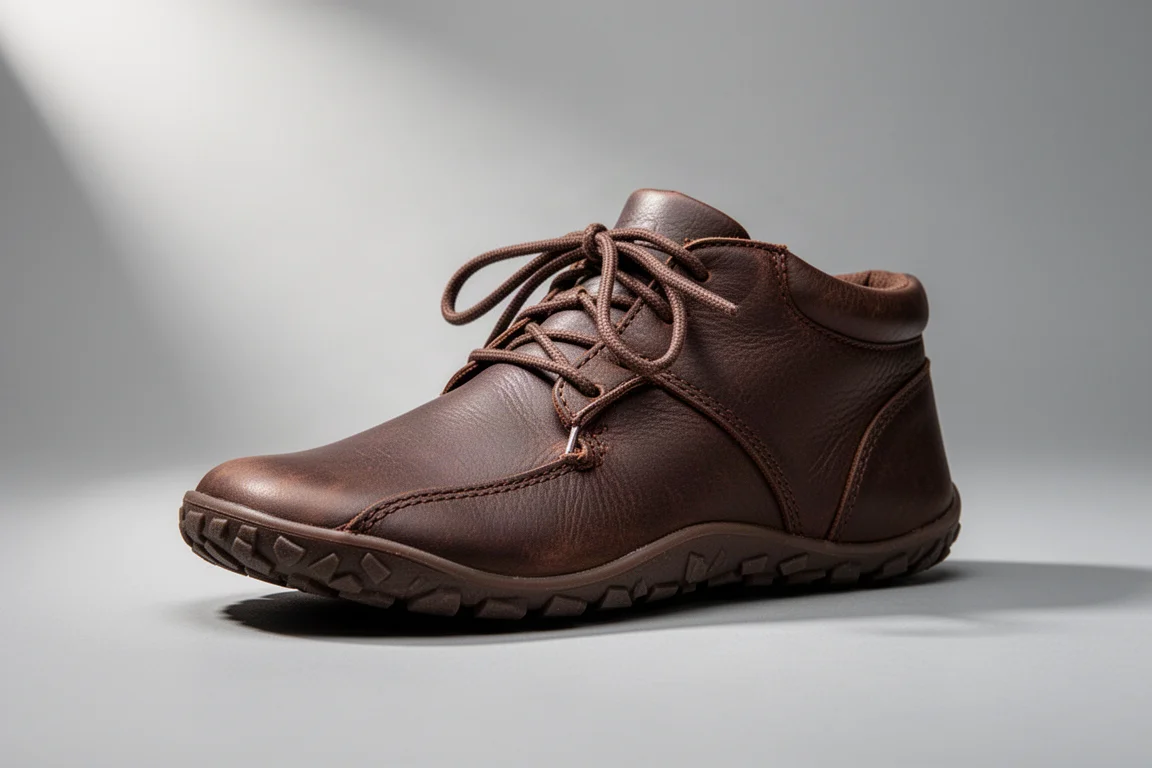
The Forest Tracker ESC is the most unusual of the three. It is a boot, but a very thin and flexible one: the sole and upper can be folded in half, and it weighs very little for a leather hiking boot. The upper is leather, the tread copes well with a wide range of ground, and the whole package is zero drop with a wide toe box.
It is not technically waterproof. A wax coating, usually supplied with the boot, keeps water out in wet grass for a while, but a full day of soaking vegetation will eventually let damp through. The upside is drying speed. Where a waterproof boot stays wet for the rest of a trip once it is saturated, this pair dries out quickly, much like the animal skin it is made from.
Cushioning is close to zero. On days beyond roughly ten miles, the soles of the feet start to feel tired, which is why a cushioned trail runner is the better choice for a long-distance week. The boot also offers no ankle support at all, yet the lack of a stiff sole appears to help rather than hinder: because the foot can feel the ground and adjust, ankles roll less often than they did in rigid boots.
Winter is where this design struggles. Everything is thin, so below-freezing conditions mean cold feet, and the boot is not suitable for crampons. Micro spikes can be fitted, but only just. Expect to keep a dedicated winter boot for snow and ice. Pricing sits around £230, which makes it the most expensive option here, and trying a pair on in person is difficult in the UK, with essentially one store in London, so ordering and returning is part of the process.
Altra Olympus 5: Cushioned Zero-Drop Trail Runner
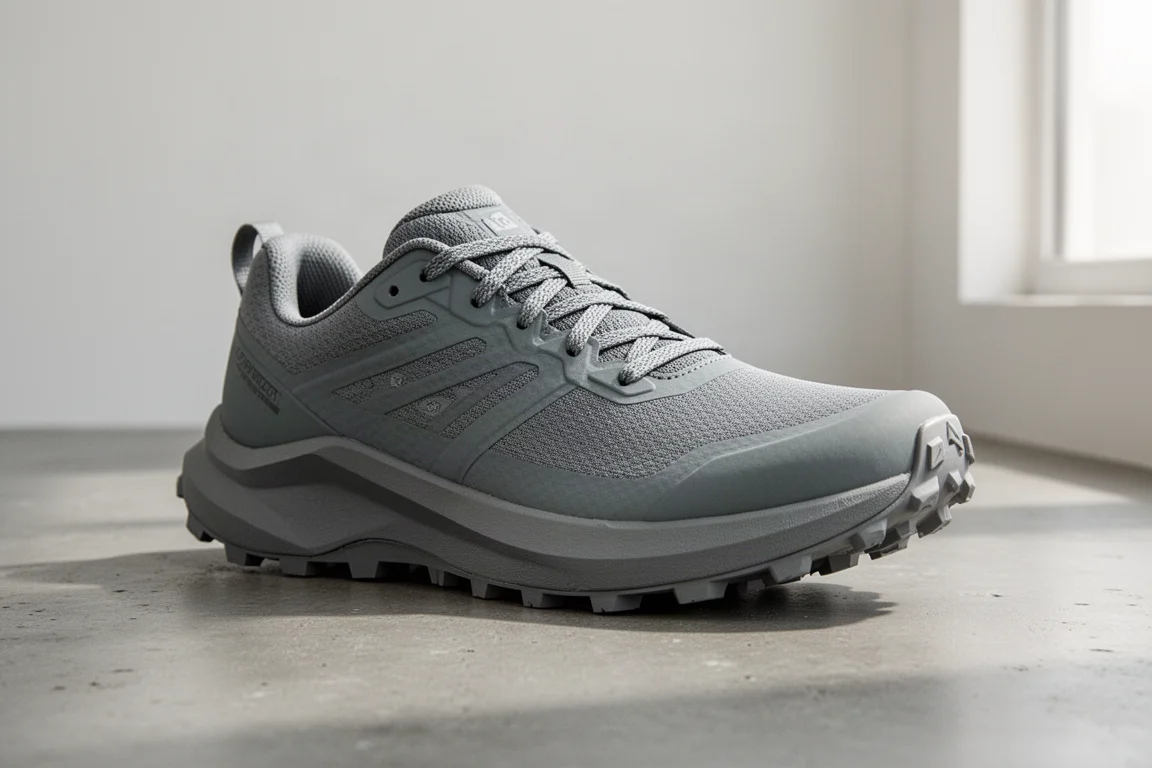
The Olympus 5 is the pair to look at when distance and load matter more than ground feel. It keeps the zero-drop platform and the wide toe box, but adds a Vibram outsole and roughly 25 to 30 mm of cushioning underfoot. That cushioning takes a lot of pressure off the soles, which is exactly what long days demand.
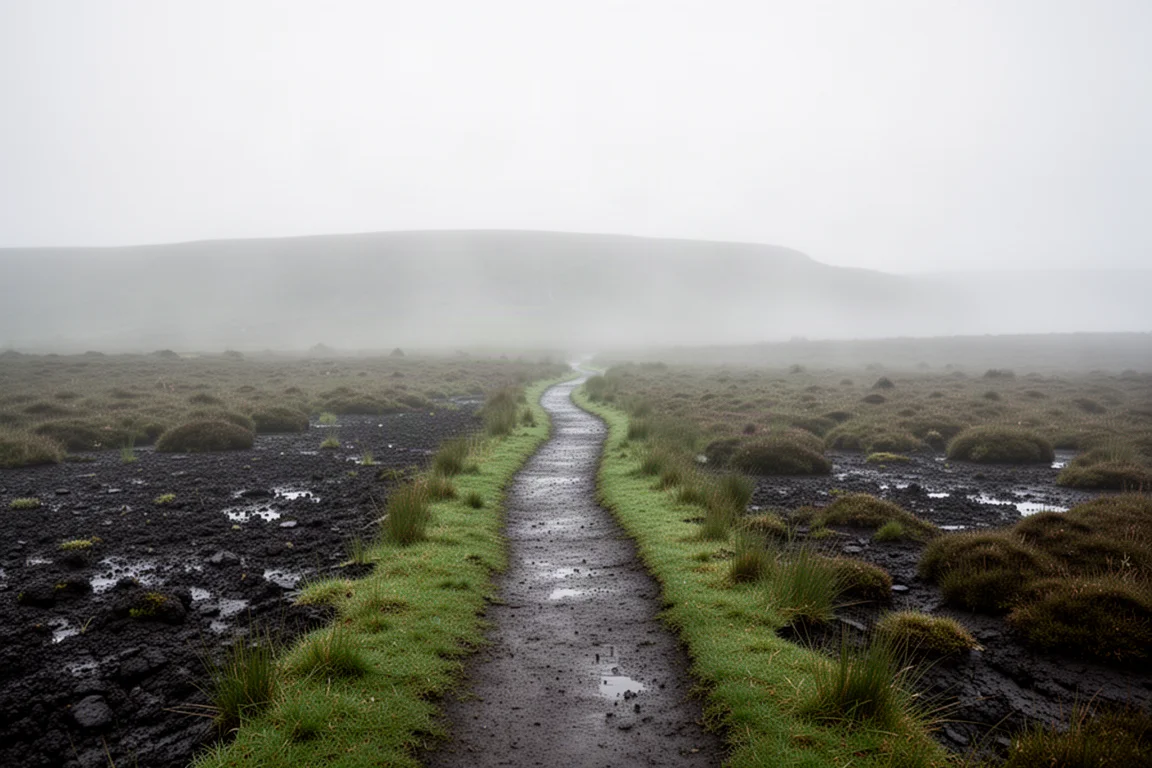
This is the shoe that handled a 107-mile week on the West Highland Way, chosen over the barefoot boot precisely because the extra foam keeps the feet comfortable across consecutive big days. It also works with a heavier pack, where the extra underfoot protection matters more.
The compromise is feel. Less of the trail comes through the sole, so the subtle feedback that helps with balance on rocky ground is reduced. Like the others, it is not waterproof, so wet grass and boggy peat will get through, though it dries reasonably quickly.
Altra Lone Peak 7: Lighter and More Minimal
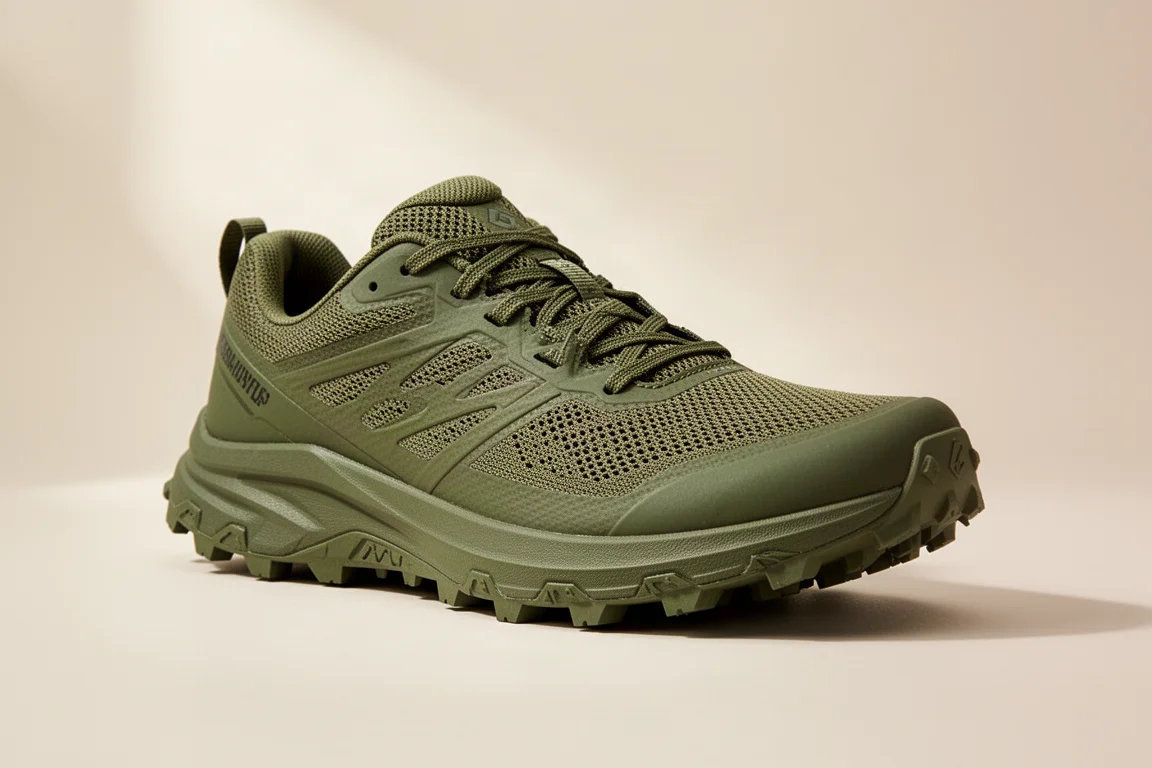
The Lone Peak 7 sits between the two. It is lighter than the Olympus 5 and has noticeably less cushioning, which makes it a good match for shorter routes and for wearing as an everyday shoe. It handled a long-distance trail route comfortably, with only occasional tiredness in the soles on the longest days.
Durability is the main caveat. Used as a daily driver, a pair reached roughly 500 miles before seams and sections began to come apart. That is not unusual for a lightweight trail shoe, but it is worth budgeting for. Heel wear is another consideration, and thin suede heel grips are a cheap way to extend the life of any pair where the lining wears through.
It is not waterproof either, and it dries quickly, so it suits wet but mild conditions better than cold, saturated ground. At around £110 it is the most affordable of the three, which makes it the sensible starting point if the idea of zero drop is new.
Who Zero-Drop and Barefoot Shoes Suit
The strongest argument for this style of footwear is what happens to the rest of the body. Long-term use of a flat, flexible shoe is associated with a noticeable reduction in knee pain on both climbs and descents, and hip pain that had been persistent for years eased as well. Balance improves, ankles and feet get stronger, and the toes spread into a more natural shape.
That said, the benefits build slowly and are not guaranteed. The transition matters more than the shoe. Muscles and joints need time to adapt to a different walking pattern, and calf muscles in particular work harder, which shows up as tiredness and aching after long days in the first weeks.
It is also worth saying plainly that traditional stiff hiking boots remain perfectly adequate. Plenty of hikers cover long distances in heavy boots without issue. Zero-drop and barefoot footwear is a preference with specific advantages, not a requirement, and the only reliable way to know whether it suits a particular pair of feet and knees is to try it.
What to Consider Before Switching
Adapt gradually. Jumping straight from a wedged shoe into a zero-drop shoe for long days is the fastest way to pick up muscle and joint problems. Short walks first, then longer ones, is the safer path.
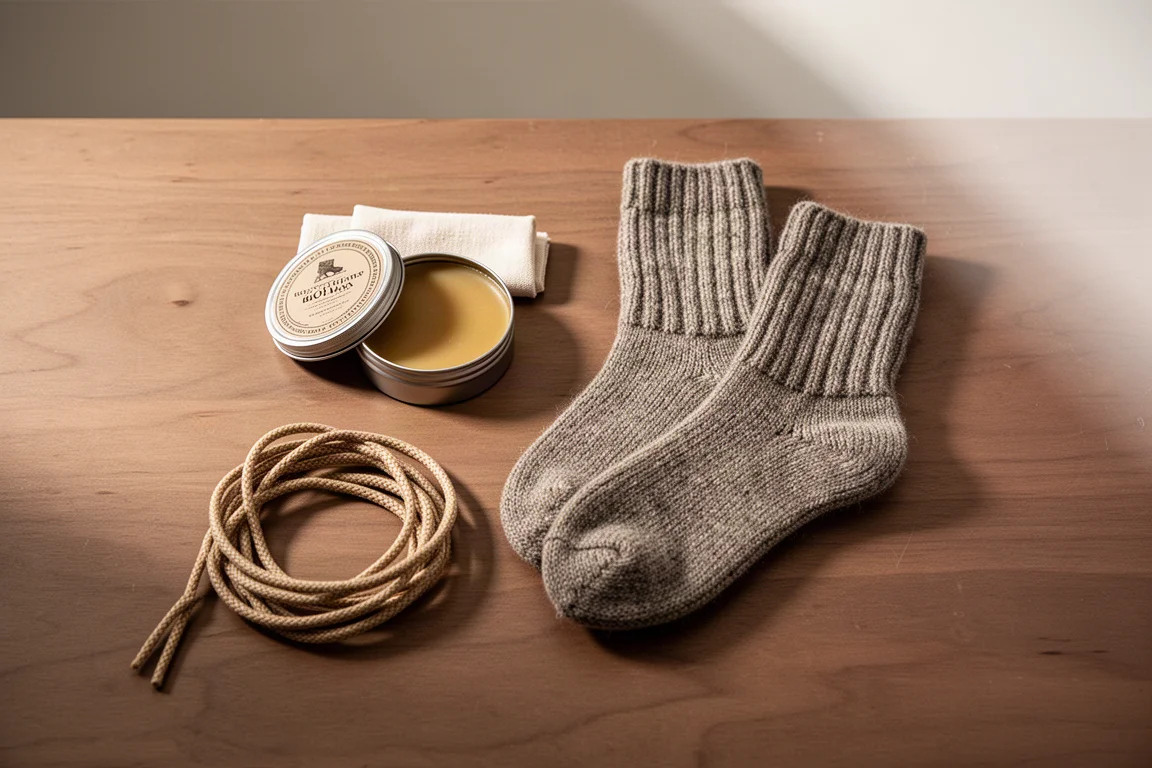
Plan for winter separately. All three shoes are thin and none is waterproof. In below-freezing conditions feet get cold, and crampon use requires a dedicated mountaineering boot. Boggy peat and long wet grass will soak through, so spare socks belong in the pack.
Think about durability. Lightweight trail shoes wear out, and roughly 500 miles of daily use is a realistic lifespan for a lighter model. Leather holds up better, although a cheaper non-leather winter boot from the same barefoot brand proved far less durable than the leather option covered in this guide.
Check availability before committing. Barefoot brands have very limited physical retail presence in the UK, so fitting usually means ordering online, measuring carefully and using the returns process. Heel grips are a small, inexpensive addition that can prolong the life of any pair with a soft lining.
Buying Advice
Match the shoe to the job. For durability and maximum ground feel, the Vivobarefoot Forest Tracker ESC is the leather option, and it rewards hikers who are already comfortable with a flat, uncushioned platform.
For long days with a heavier pack, the Altra Olympus 5 is the more forgiving choice, and the extra cushioning is what keeps the soles of the feet comfortable across consecutive big-mileage days. The Altra Lone Peak 7 is lighter, cheaper and easier to live with as an everyday shoe, with the trade-off of less cushioning and a shorter lifespan.
If the whole category is new, start with the least extreme option and give it a few months of shorter walks before relying on it for a long-distance route. Buy from a retailer with a workable returns policy, keep a pair of conventional boots for winter, and treat the switch as a gradual change rather than a single purchase.
Conclusion
Zero-drop and barefoot footwear is not hype for everyone, but it is not a universal upgrade either. The three pairs here show the range clearly: a durable leather boot for ground feel, a cushioned trail runner for long days and heavy loads, and a lighter trail runner for shorter routes and daily wear.
The common thread is the platform. A flat sole and a wide toe box change how the foot meets the ground, and for hikers who adapt gradually, that change is often worth the adjustment period. The caveats are just as consistent: no waterproofing, limited winter performance, and a genuine need to transition slowly. Choose the pair that matches the terrain and the distance, and give it time.
Further reading
Related Reviews
Hiking Footwear
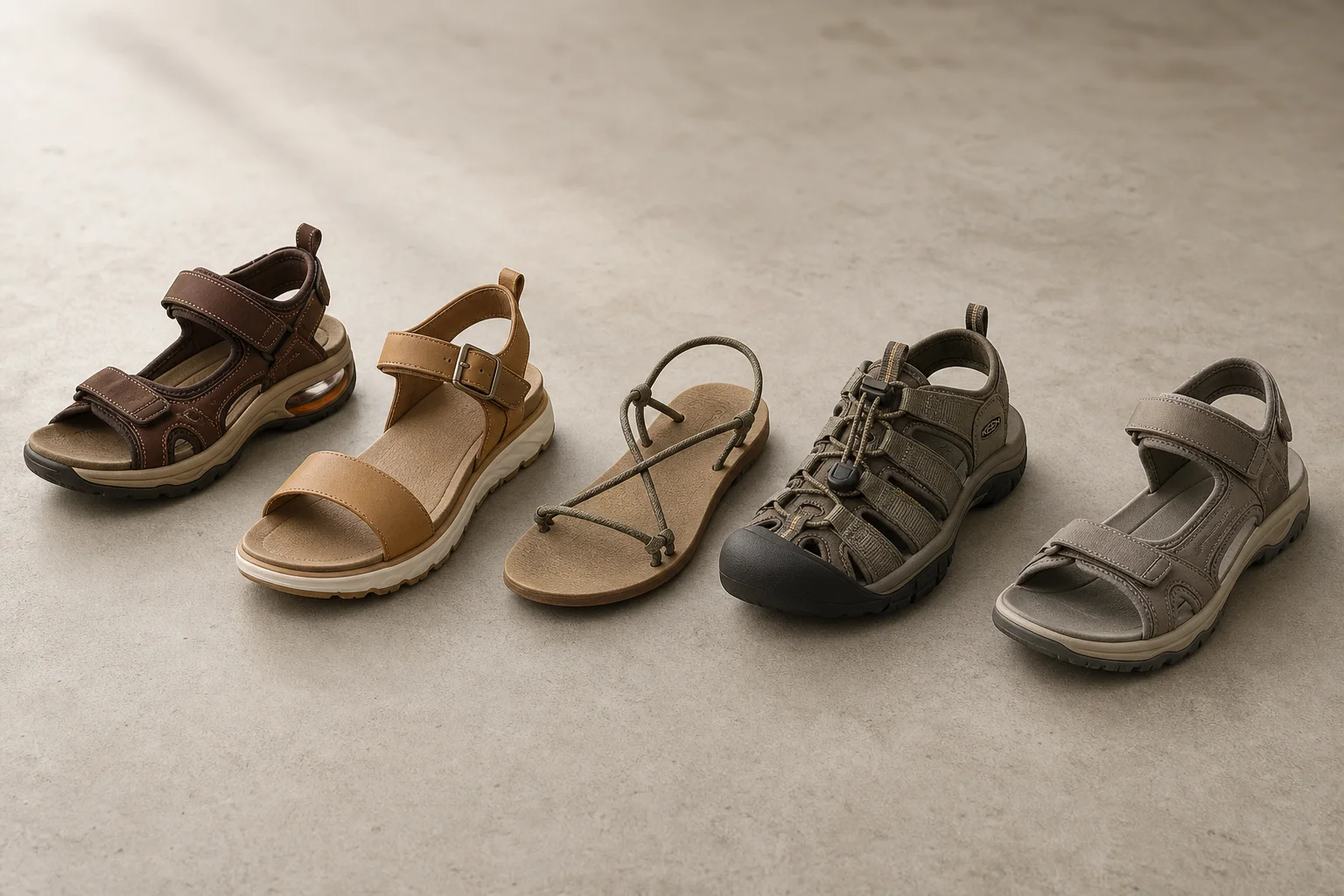
Best Hiking Sandals 2026: Five Options for Different Trail Needs
Five hiking sandals tested for comfort, protection, and versatility. Find the right pair for your hiking style, from minimalist designs to heavy-duty closed-toe options.
Hiking Footwear
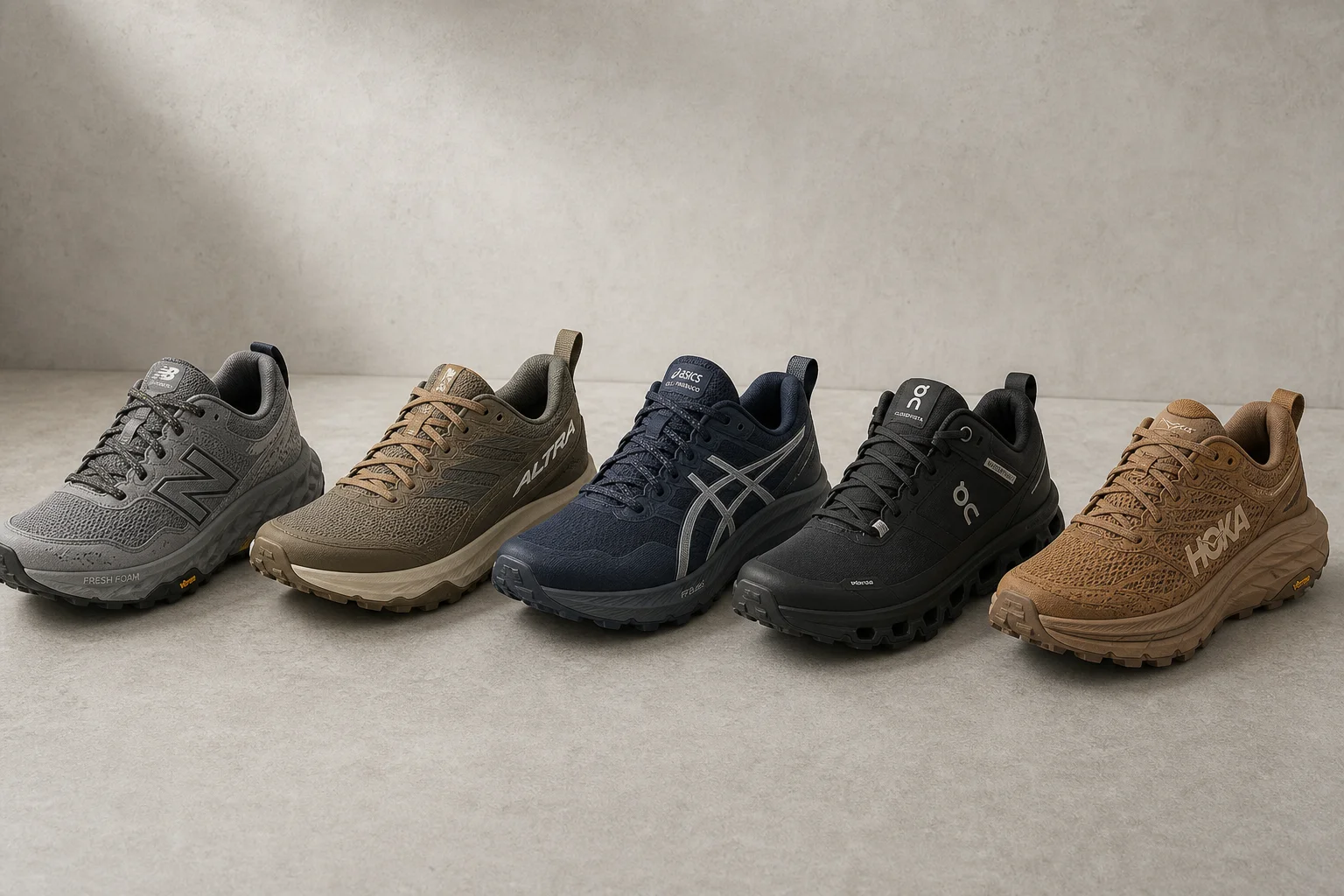
Best Hiking Shoes 2026: Five Options for Different Terrain and Support Needs
A practical guide to five hiking shoes covering max cushioning, zero-drop design, all-around versatility, waterproof protection, and balanced comfort for long-distance trails.
Hiking Footwear
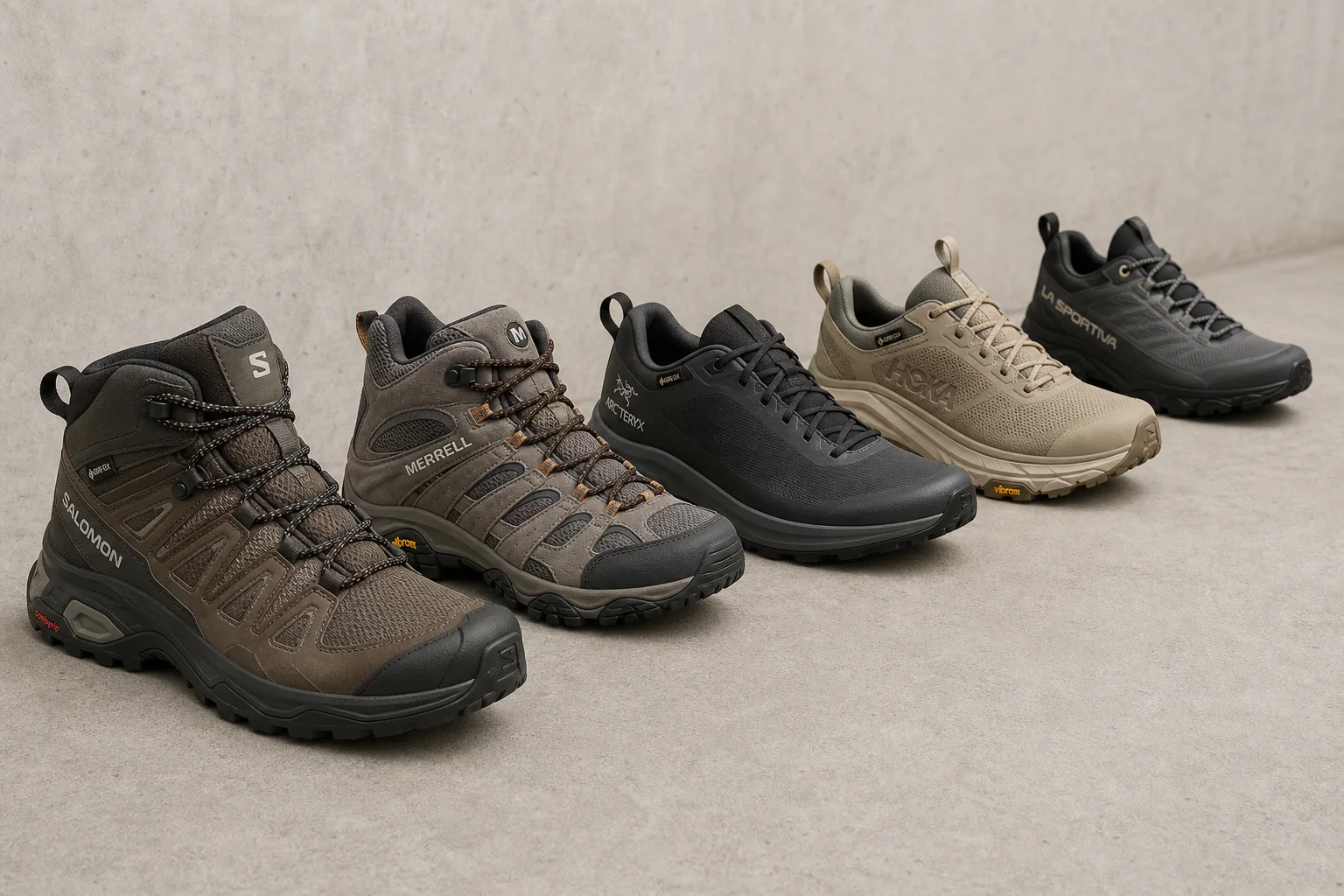
Best Hiking Shoes for Men: Five Tested Options Ranked
A detailed ranking of five hiking shoes tested for comfort, traction, and durability across varied terrain and conditions.