Power Tools
The Workshop Tools Worth Buying Again, Buying Better, and Skipping
A practical list of power tools that earn their place in a home shop, plus one big purchase many makers can skip entirely.
Introduction
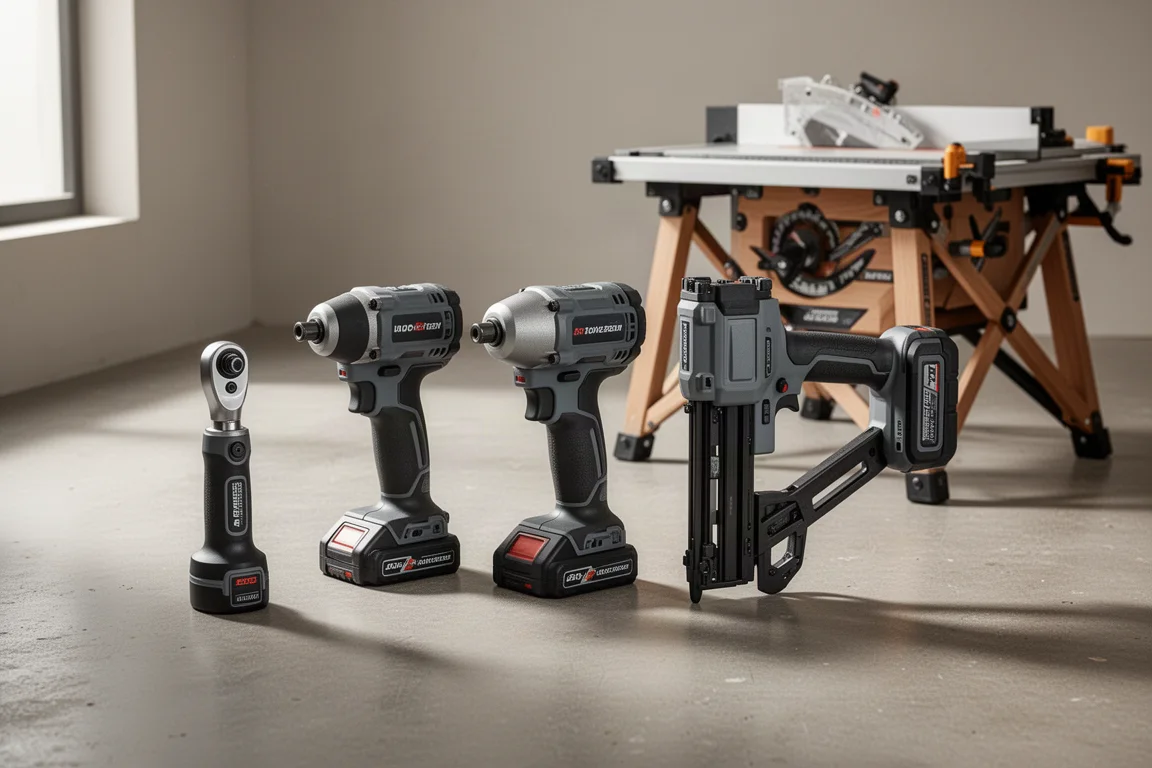
After years in the shop, some tools earn a permanent spot, some deserve a smarter second purchase, and one big machine turns out to be something many home users can happily live without. This list covers tools that are genuinely worth buying again, tools worth buying better the next time around, and one purchase that a lot of makers would take a different route with today. Every pick here fits a real use case for the homeowner or weekend builder, with a clear note on who each one is actually for.
The Quality-of-Life Pick: An Electric Grease Gun
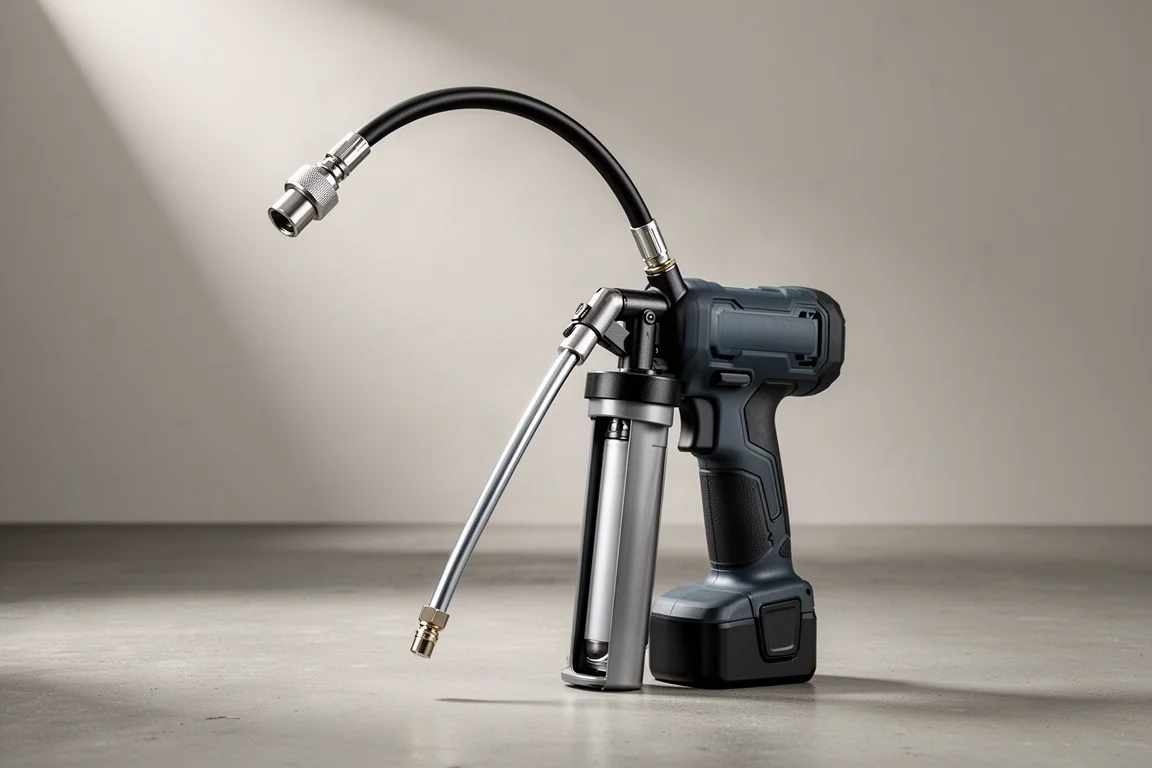
An electric grease gun is one of those purchases that is not a need for most people, but a genuine quality-of-life upgrade. Anyone doing occasional equipment maintenance knows the drill with a manual gun, and once you try the powered version, the obvious question is why it took so long. For occasional use on a budget, this CC model is a light-duty option at around $60, and it makes the job dramatically easier without committing to a full tool platform.
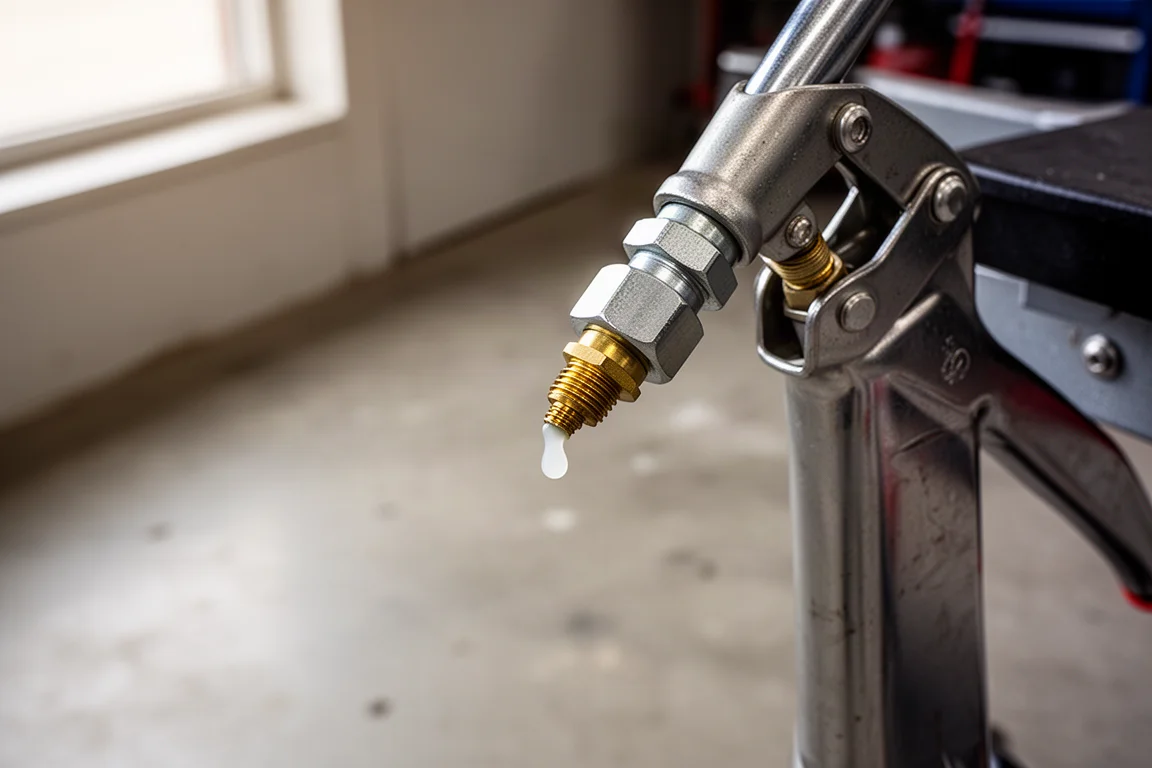
The smarter play depends on your situation. If you are already invested in a major battery platform like DeWalt or Milwaukee, the branded version is the natural fit, though even as a bare tool it can cost three or four times this budget unit. For everyone else, a solid light-duty electric grease gun is the easy win.
An Electric Ratchet That Earns Its Spot
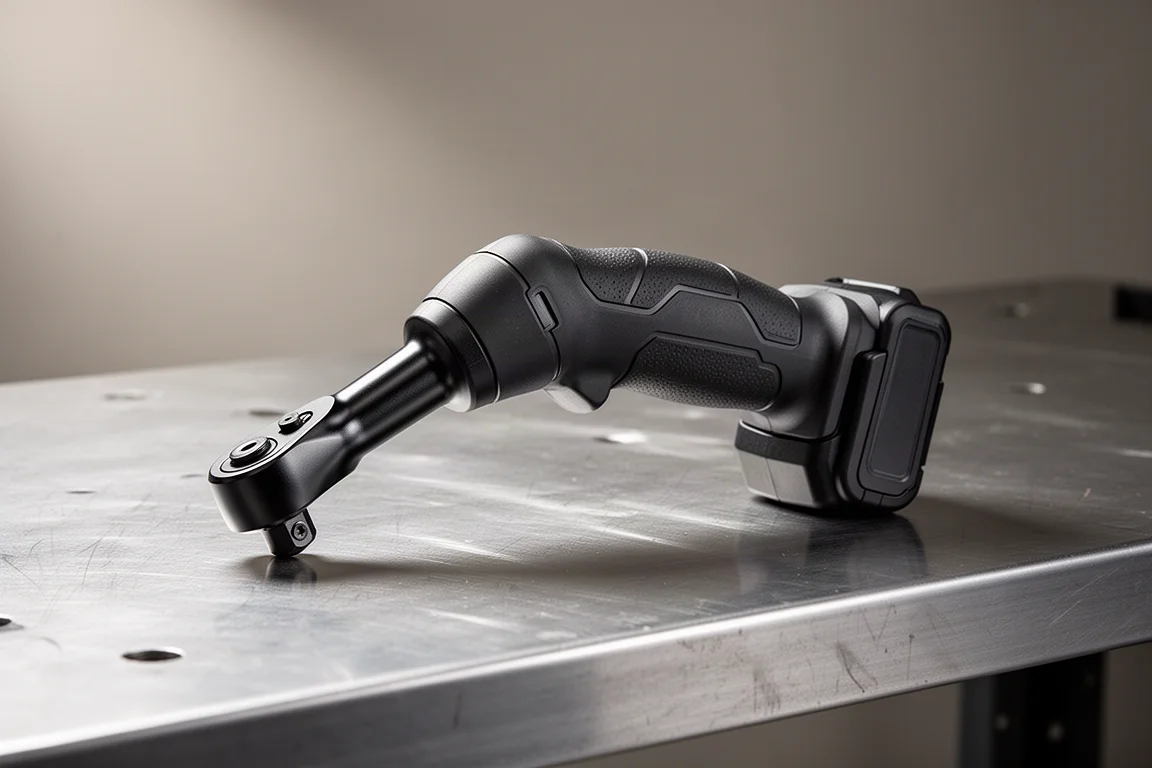
Electric ratchets started as a professional mechanic’s tool and have quickly worked their way into home shops. The WorkPro 12V is a good example of the value side of the market: normally $80, with a coupon bringing it down to $68. It uses an in-handle battery design, which some people dislike, though the flat pack lets the tool sit upright on a bench so it is easy to grab.
The Quiet Revolution: DeWalt Stealth Sonic
Loud power tools take a real toll on hearing, and that becomes painfully clear once some of it is gone. The DeWalt Stealth Sonic line delivers the same power at half the sound or less, and the difference is large enough that most people who try one will not go back. If noise matters to you at all, this is one of those upgrades that justifies itself the first time you use it.
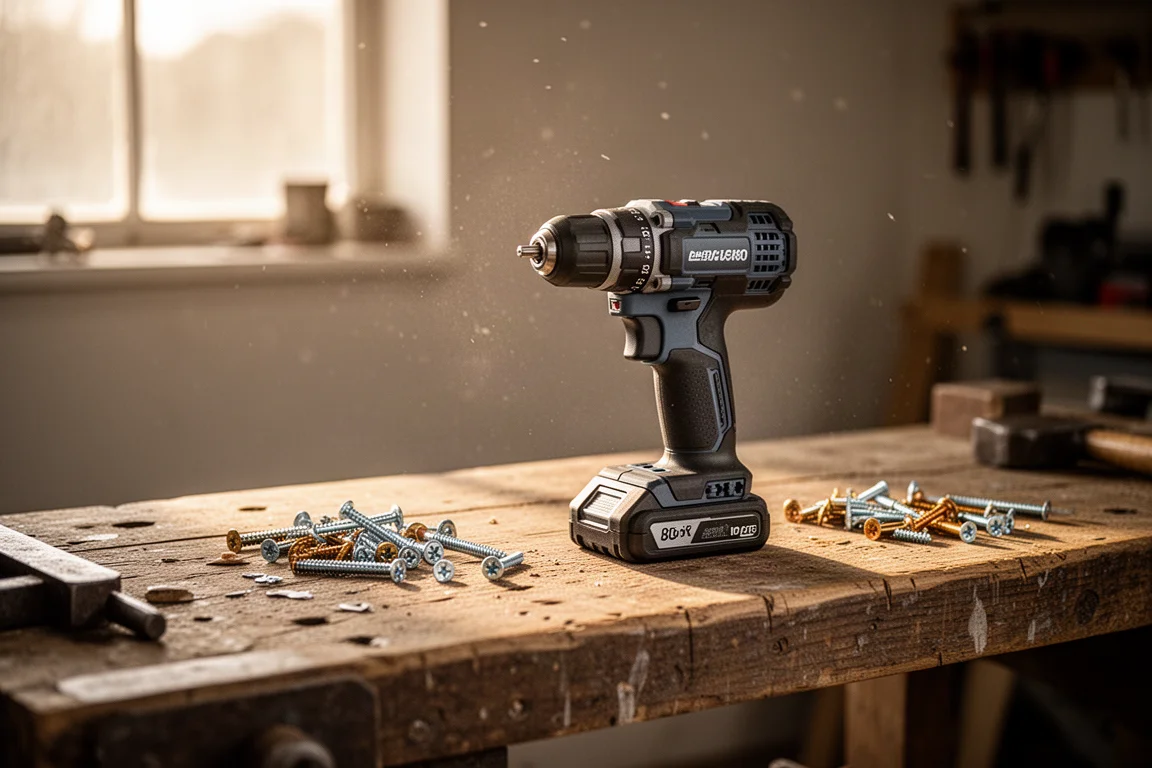
Anyone still on a standard loud impact driver or drill will notice the difference immediately, and the old tool can move on to someone else. It is the kind of change that makes you wonder why you waited.
A Cordless Nailer Worth Trusting
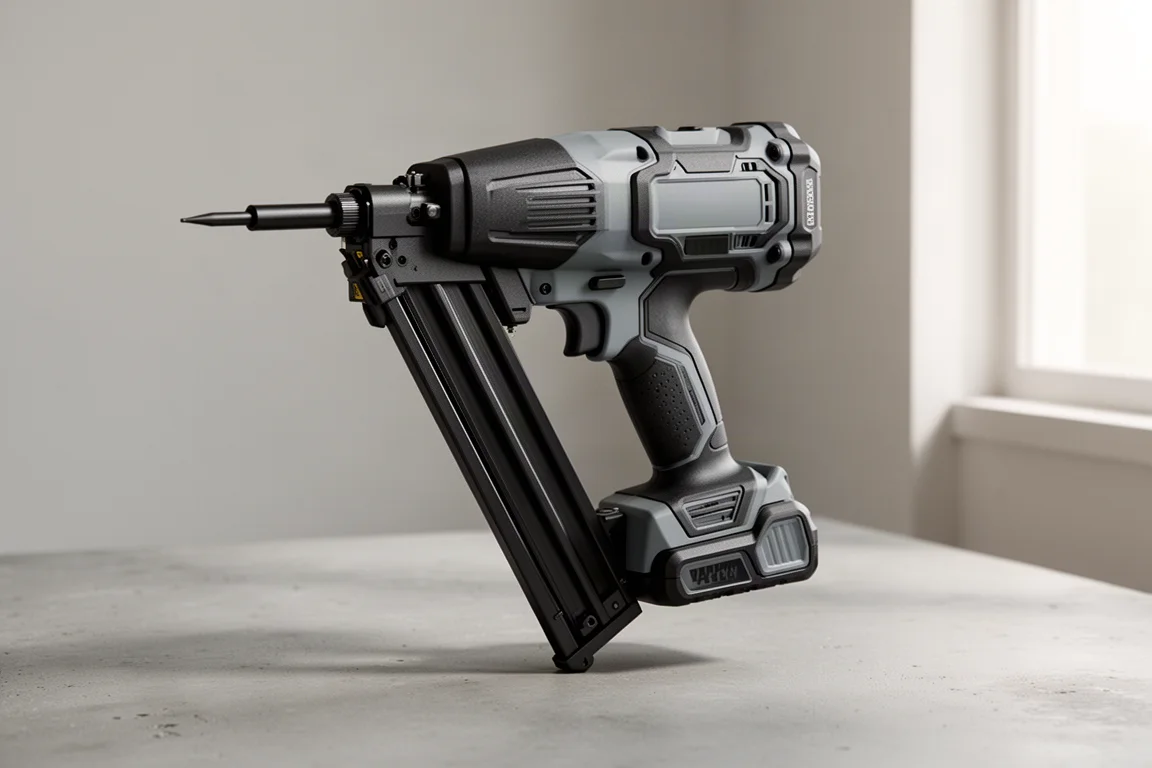
After years of dragging around hoses and compressors, switching to a cordless electric nail gun is simply nicer for most projects. The Skil nailer stands out here because it comes from Chervon, the same company behind Flex and Ego power tools, and it carries a 5-year warranty. This is not a category to buy at the absolute bottom of the price range, since a lot of force is at play and the cheapest options tend not to hold up. If you are already in a battery platform, pick the nailer in that platform, but as a standalone quality choice, Skil is a safe bet.
Impact Drivers: One Required, Two Worth Choosing
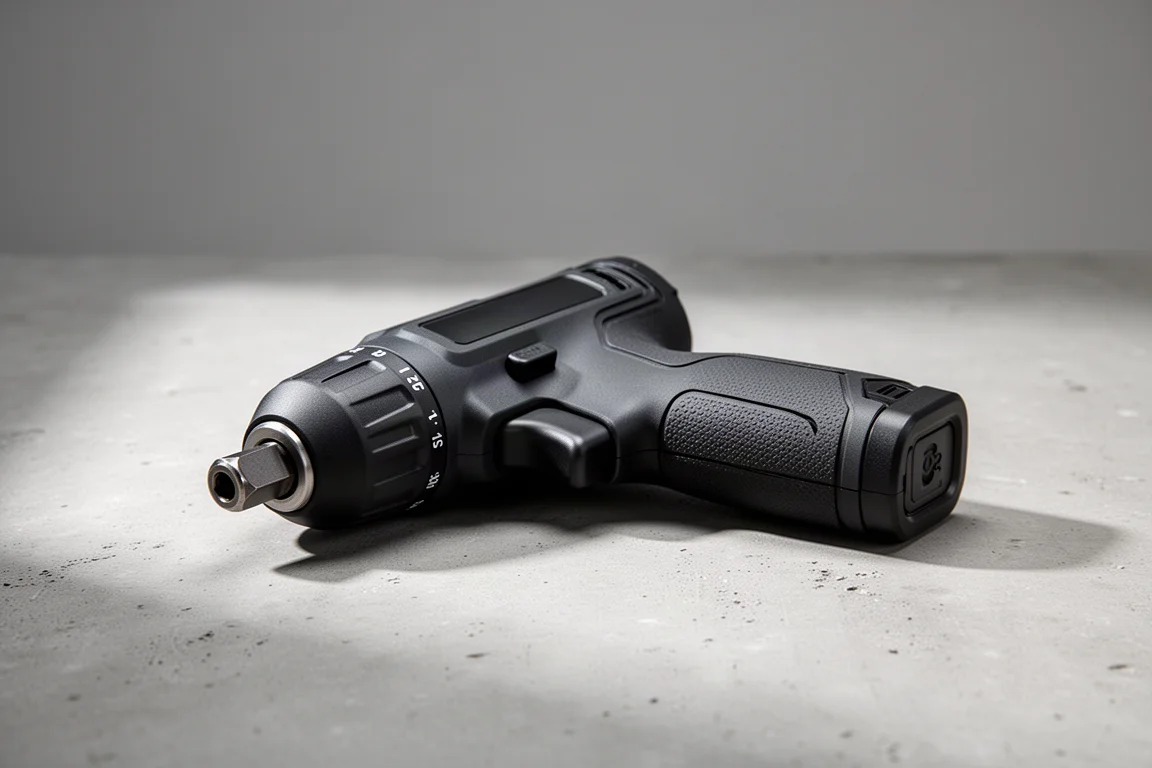
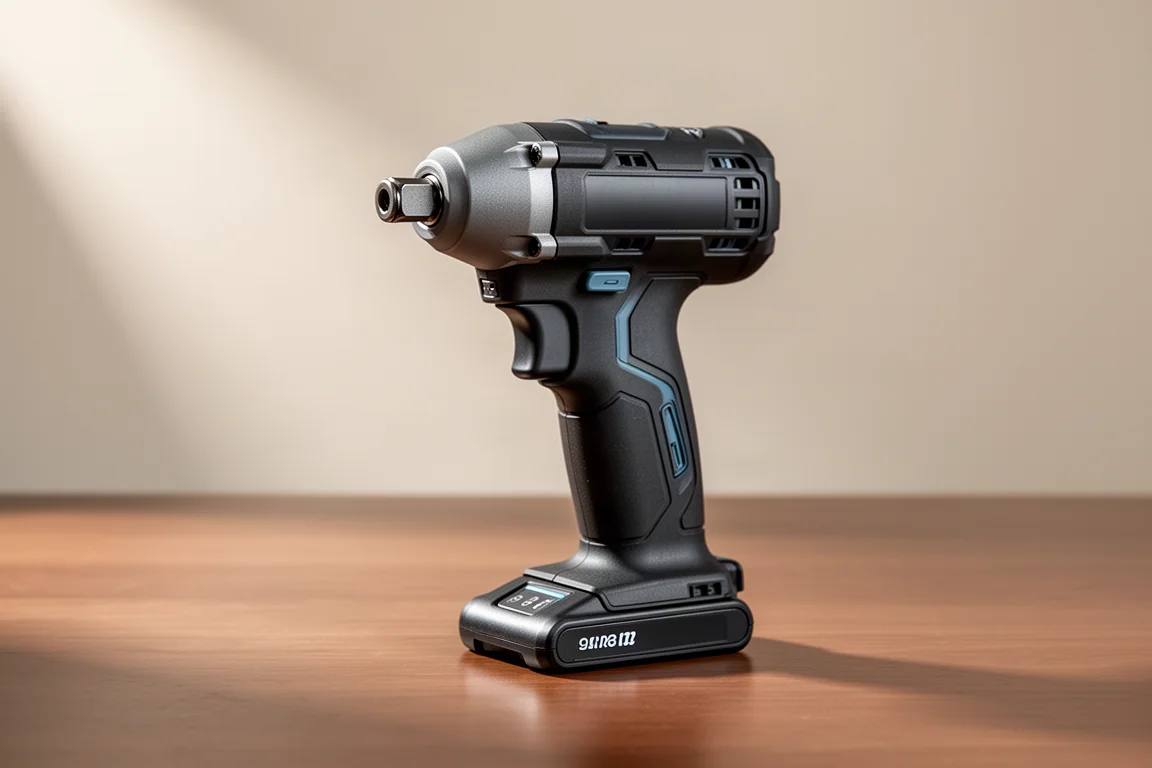
An impact driver is the one tool almost nobody should skip. The Hercules brushless impact driver from Harbor Freight is a standout for homeowners: $98 for the full kit with battery and charger, plus a 5-year warranty. That is more than enough for most people, and modern smart sensing settings auto-stop the tool so it will not over-torque delicate fasteners, solving one of the biggest problems with early impact drivers.
The Premium Upgrade: DeWalt Stealth Sonic Atomic
For those who want more power in a compact package and quieter operation, the DeWalt Stealth Sonic Atomic impact driver is the premium pick. Hydraulic-style impact action feels different from a traditional driver, more of a wave than a rapid hammering, and some people initially miss the familiar sound cue for how hard the tool is working. Considering how much hearing damage repeated impact use can cause, the quieter mechanism is worth serious thought. It costs more, but hearing protection is a bargain by comparison.
The One I Would Skip: A Full-Size Table Saw
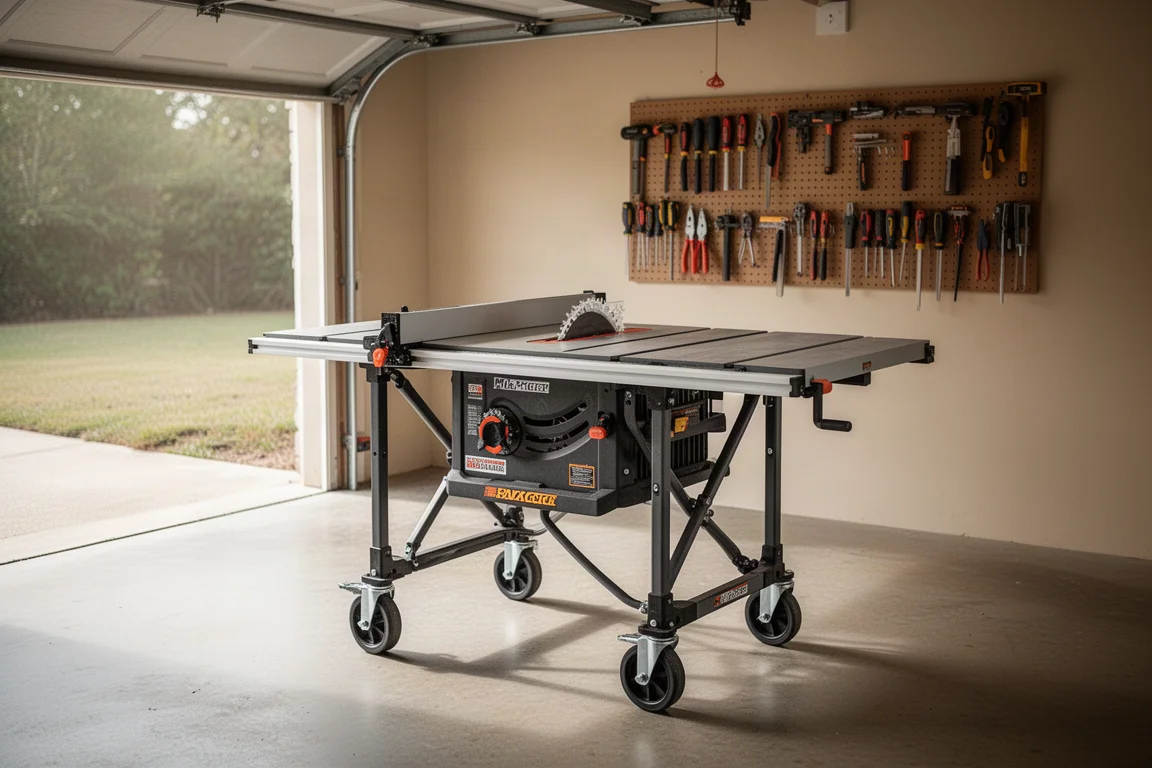
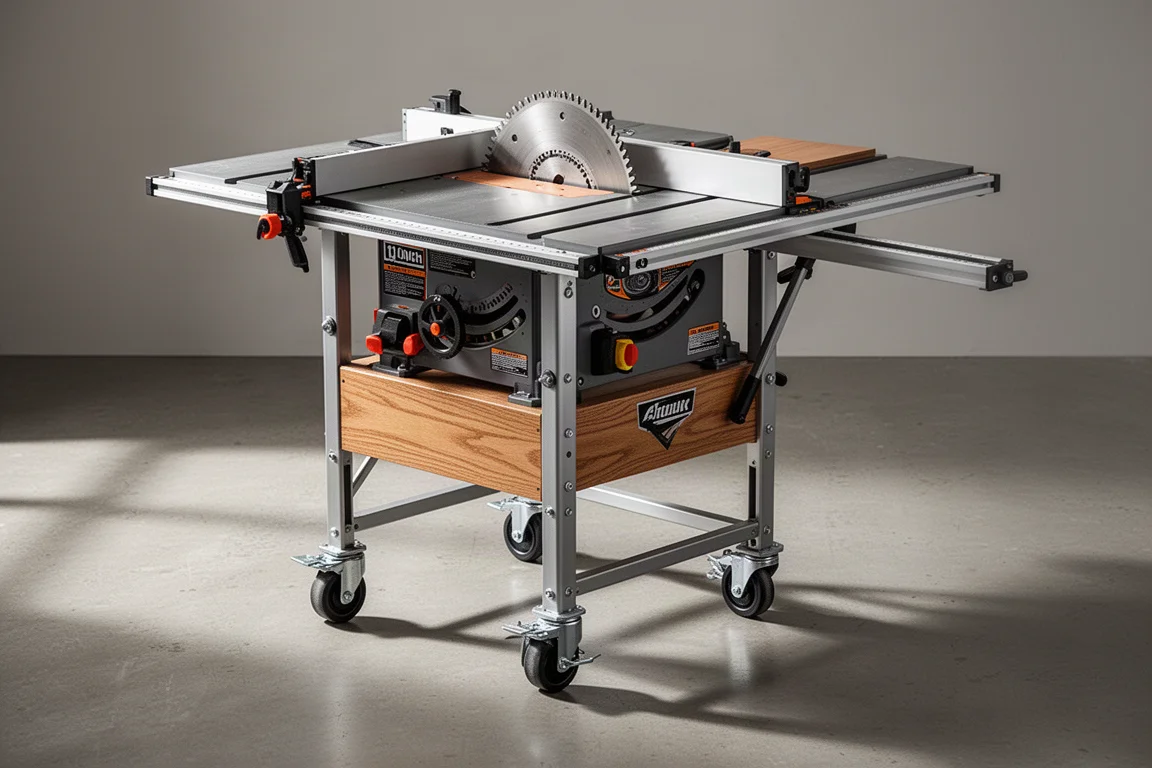
A full-size table saw is the one big purchase worth reconsidering. For anyone who is not a dedicated woodworker with the space to spare, a stationary saw mostly collects clutter, and most of those cuts can be done with a sliding miter saw or a router on a rail, often more easily and more safely. If a table saw is still the right call, the Evolution 10-inch job site saw at $475 is a genuinely practical choice: it folds up and gets out of the way, it has the geared fence many people require, and it even offers a built-in sliding table so there is no need to make a sled. Paired with its stand, the combo comes in around $200 cheaper than many no-name chop-only setups, and the stand works with several other saw brands too.
The Real Solution: A Track Saw
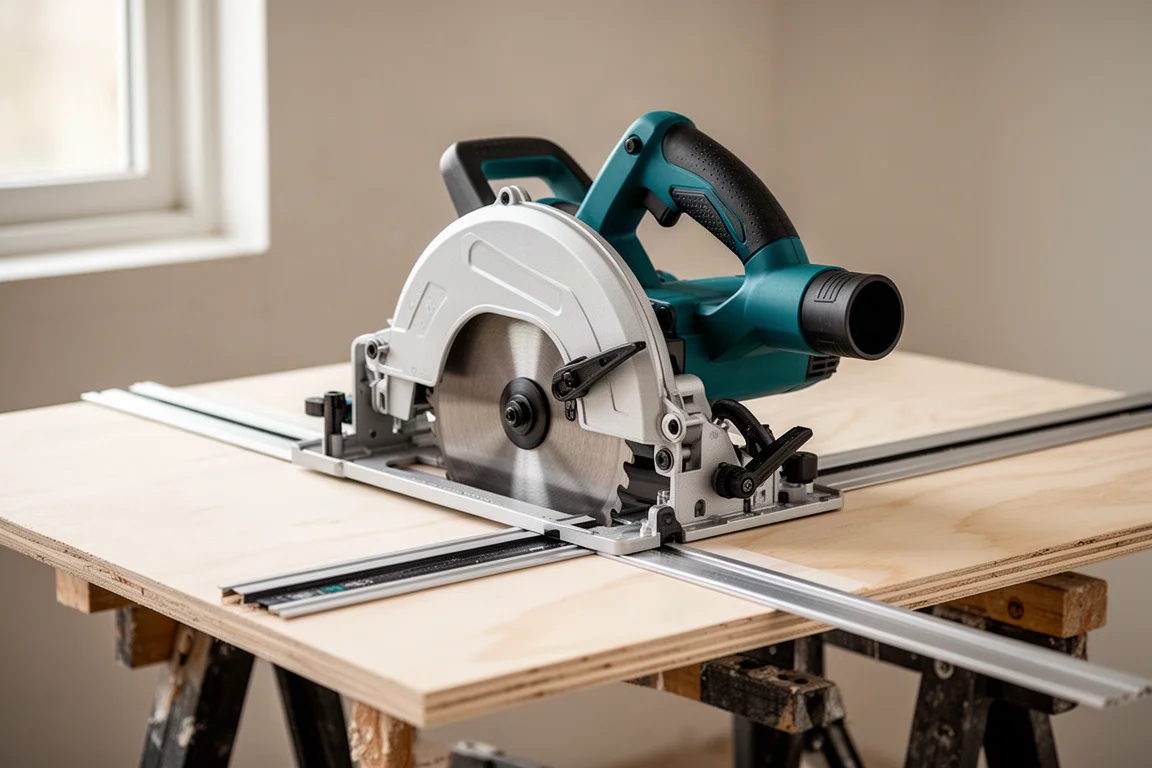
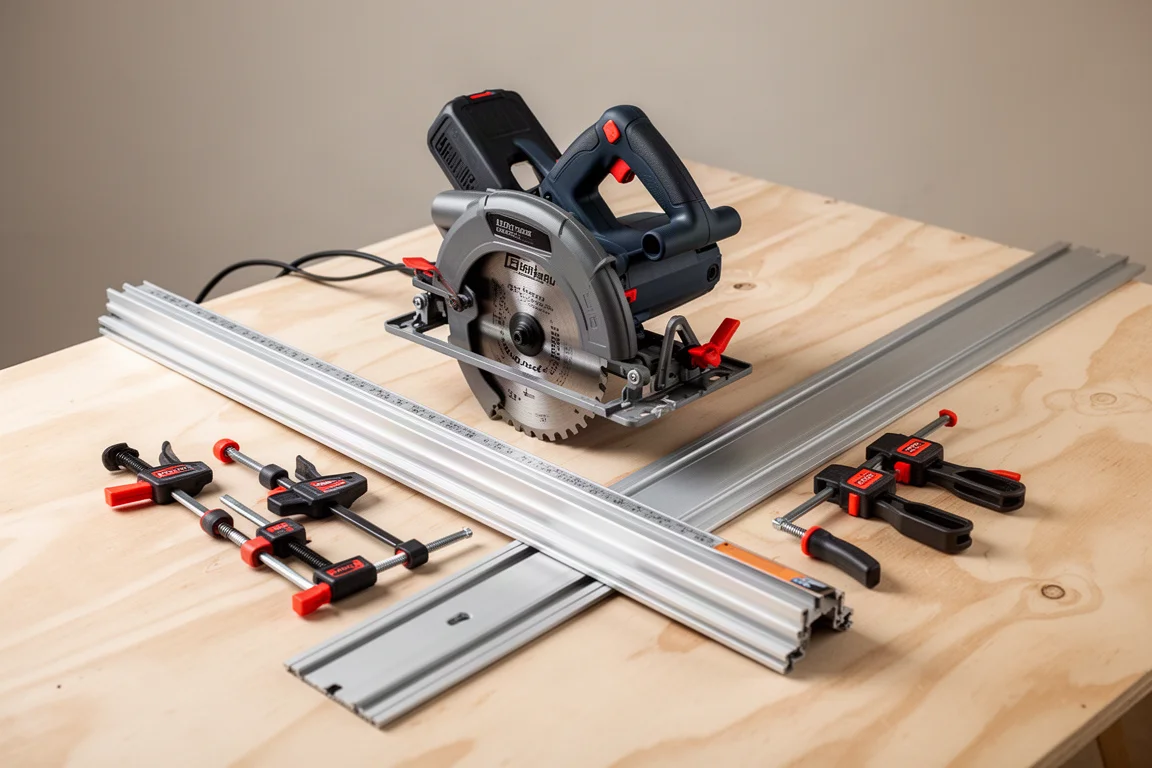
For most home shops, the actual answer is a track saw. It handles the overwhelming majority of cuts a table saw would make, and the remainder is covered by tools most people already own. It is safer, more cost-effective, and it gives your shop space back. This approach caught on in Europe years ago partly because homes and shops there are smaller, and it is finally gaining ground elsewhere. The Makita track saw at $589 is a solid mid-tier option rather than a top-tier investment, though the top-tier options are brilliant for those who cut sheet goods constantly.
The Budget Pick: Wen
For a no-brainer entry point, the Wen track saw is hard to beat at $169, with the tracks to go with it at $78. That combination delivers most of what a table saw would do at a fraction of the cost and footprint, which makes it the easiest recommendation on this list for anyone setting up a small shop.
Power Anywhere: Bluetti 3K Power Station
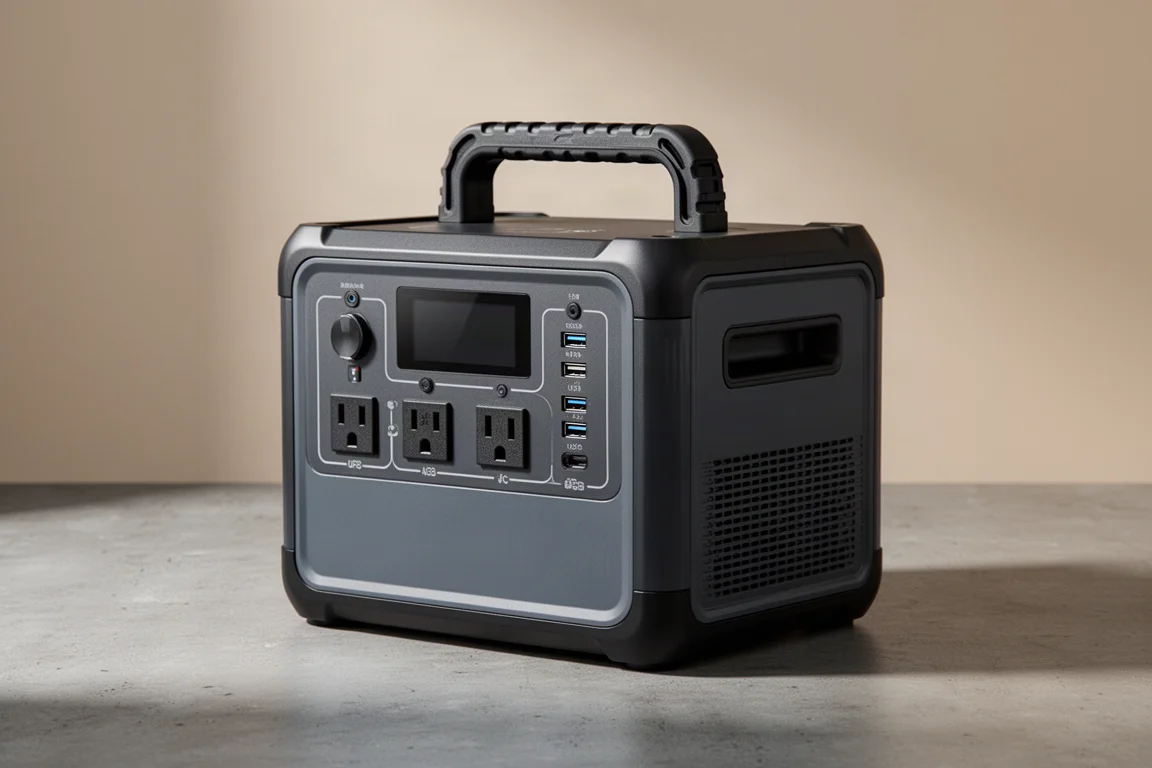
A power station solves a problem every tool user knows: the generator that started yesterday but refuses to start today. This Bluetti is a 3K unit, one and a half times the power of the standard 2K boxes, in a package the same size or smaller. The trade-off is that it does not support expandable external batteries. On a job site or outside, you set it down, plug in, and it just works, running about any electric power tool for a good long time. The 20-amp output is divided across the ports, so not every port delivers the full 20 amps, but real-world tool use is well covered. At the current sale price, around $1,100 for a 3K box is genuinely strong pricing.
Bonus: 3D Printers for the Shop
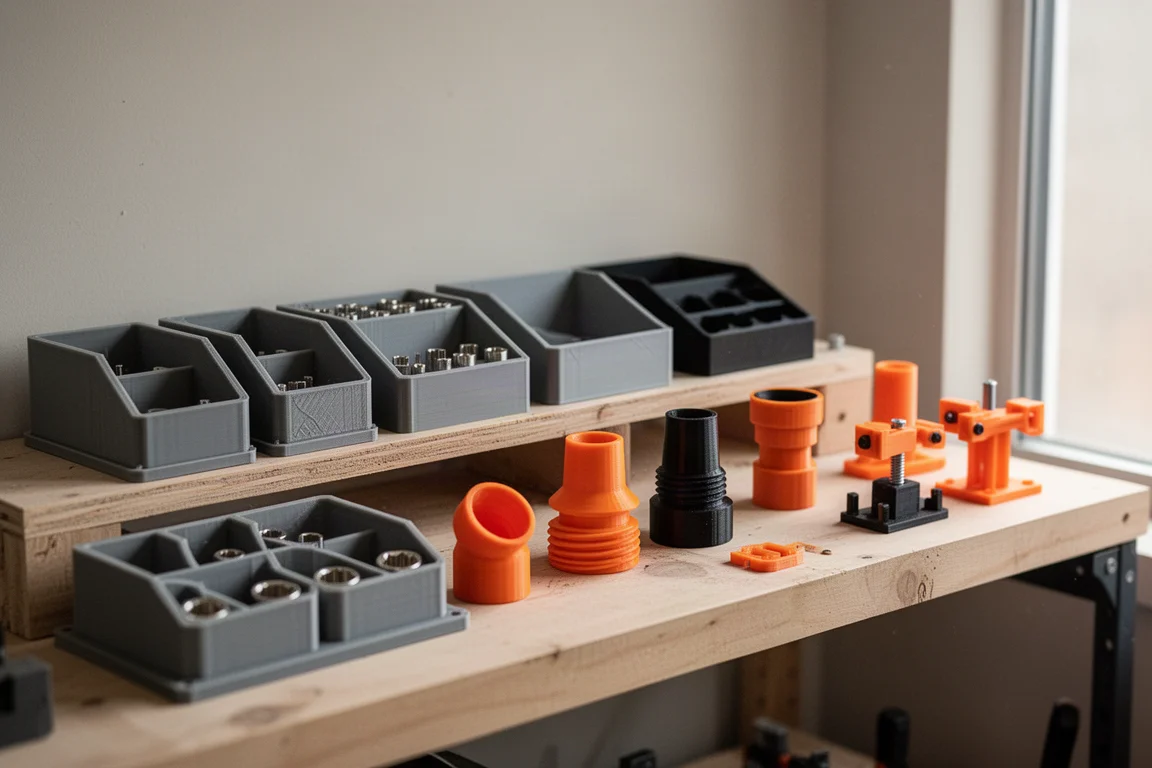
A 3D printer in the shop these days borders on a necessity. Between dust collection adapters, organization hooks, jigs, and socket trays, it can pay for itself within a couple of months, and free plans are everywhere online. Two printers stand out depending on how serious you want to get.
Snapmaker U1
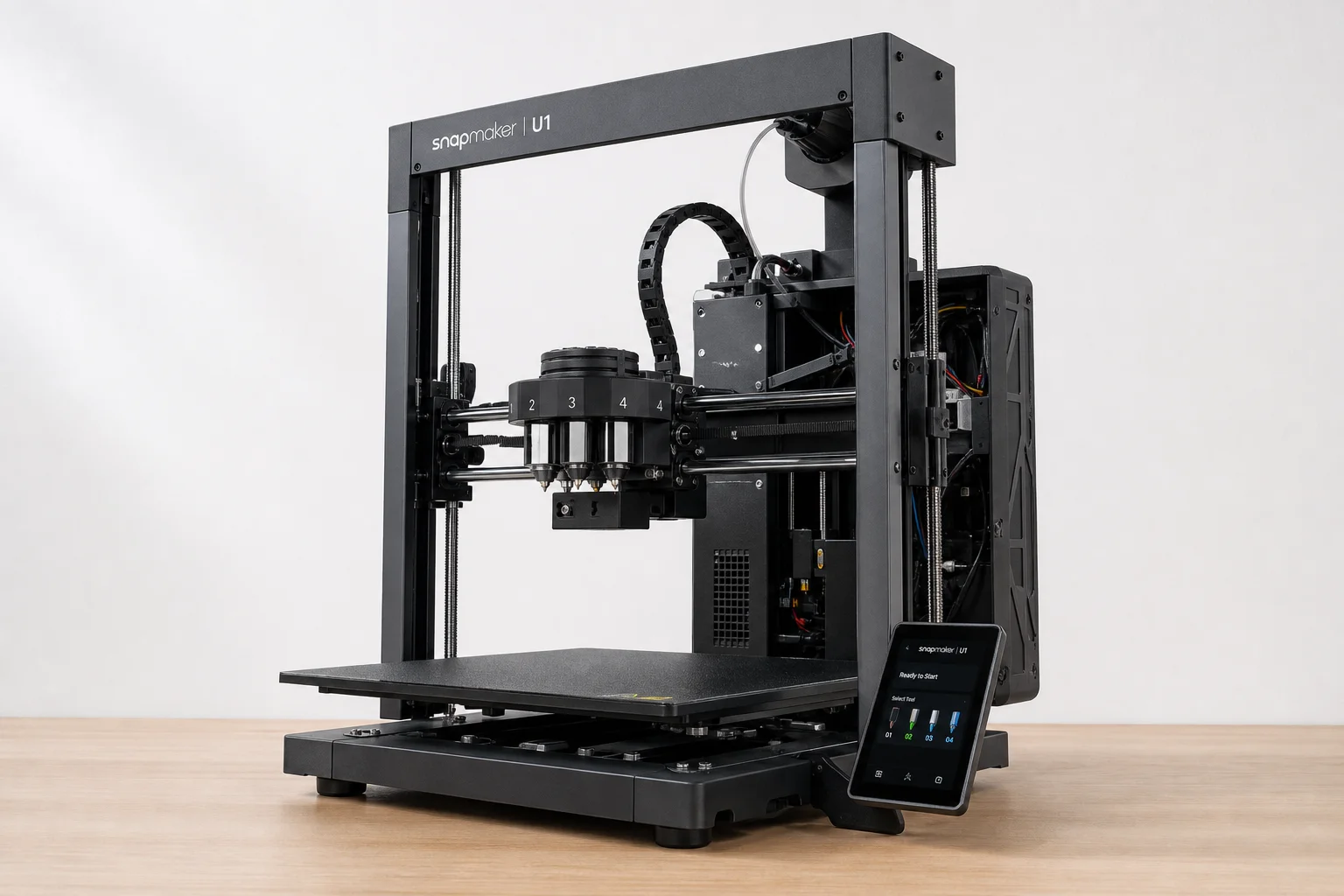
The Snapmaker U1 uses a four-tool tool-changing system, which sets it apart from the usual filament-swap approach to multicolor printing. Instead of purging filament from a single hotend and wasting material with every color change, it switches tools, producing almost zero waste. Print quality is impressive straight off the plate with no post-processing, making it an easy recommendation for shop parts and everyday prints.
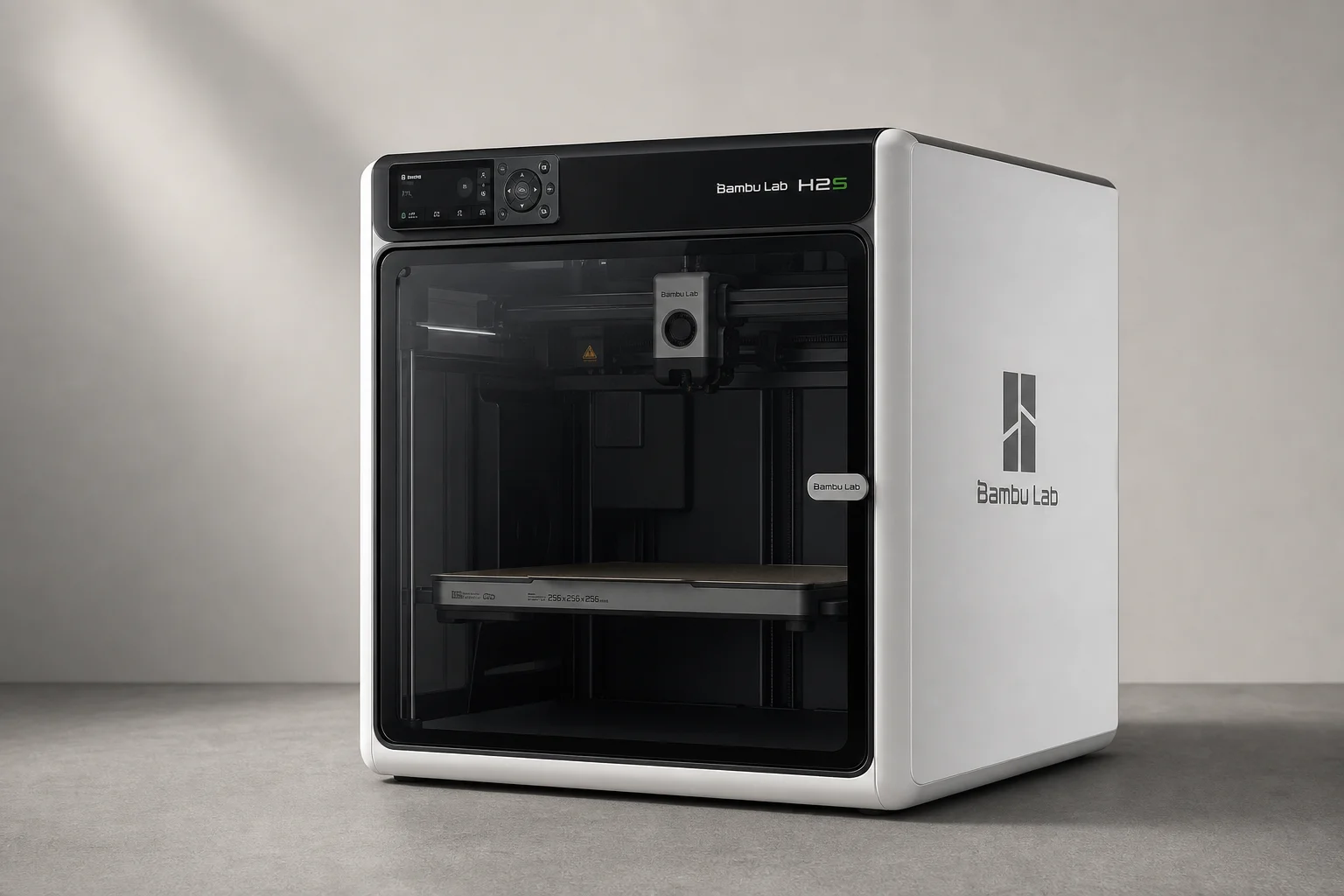
Bambu Lab H2S
For anyone ready to step up to a serious machine, the Bambu Lab H2S is the pick. It is high-end and robust, handles almost all engineering-grade materials, and feeds filament from the top of the unit. Color swapping does create some waste, but for most two-color work, a base color plus one accent, the waste is minimal. At around $1,400 it is a real investment, but between shop organization, jigs, and everything else it enables, it earns its place quickly.
Conclusion
The best workshop purchases are the ones that match how you actually work. Electric grease guns and ratchets remove friction from maintenance jobs, quiet tools protect something you cannot buy back easily, a track saw can replace a table saw for most home shops, a power station removes the generator headache, and a 3D printer quietly pays for itself one adapter at a time. Match the tool to the platform you are already in where it makes sense, buy budget where the job is occasional, and spend where the difference is real.
Further reading
Related Reviews
Power Tools
Best 1-Inch Pistol Impact Wrenches: Three Heavy-Duty Options Compared
We compare three 1-inch pistol impact wrenches, from a budget-friendly Harbor Freight model to a premium Caterpillar unit, to help you choose the right one.
Power Tools
Best 3/4-Inch Impact Wrenches 2026: Five Contenders Compared
We compare five 3/4-inch impact wrenches across price and performance, from a budget Amazon option to Snap-on's most powerful model yet.
Power Tools
Best Budget Cordless Tools 2026: Walmart Finds That Punch Above Their Price
We tested five cordless tools from Walmart, including a high-torque impact wrench that trades blows with Milwaukee and a $35 duster that outperforms its price class.