Workshop Lighting
Best Budget Area Lights for the Workshop: Three Options Compared
A thousand-lumen AA-powered area light, a touchy USB-C Snap-on, and a clearance Brawn: what each one does well and where they fall short.
Introduction
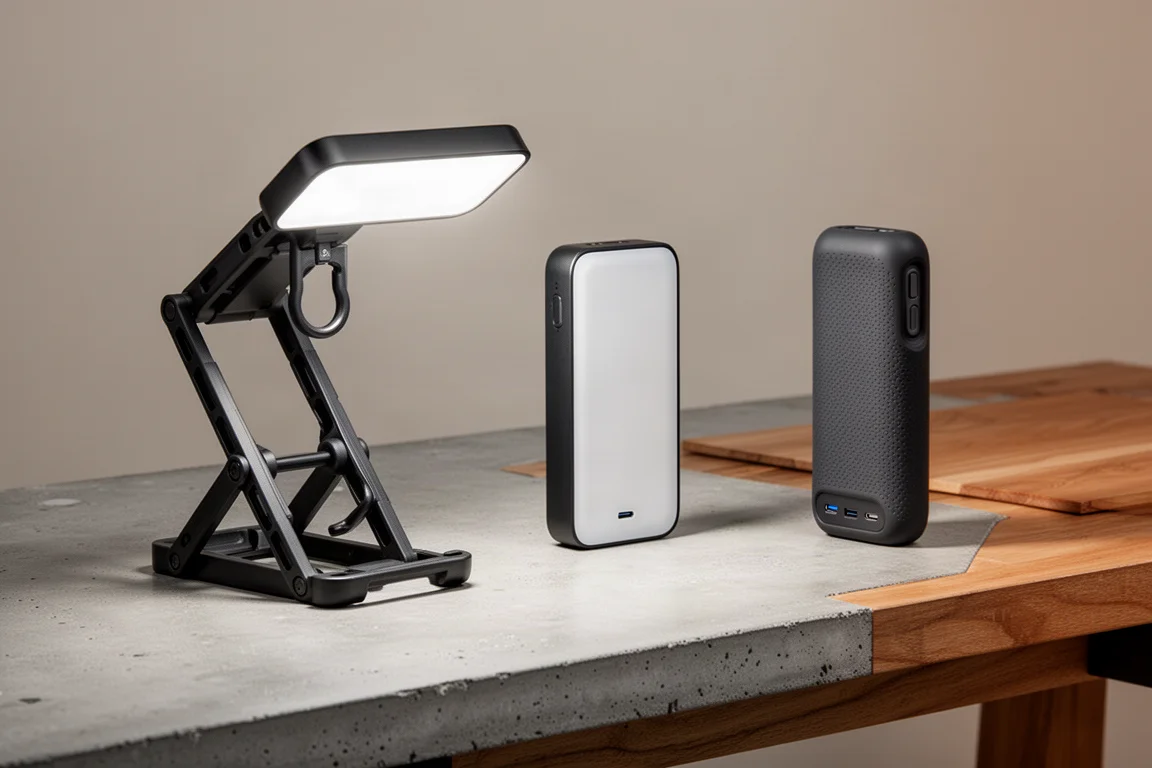
Area lights with adjustable stands or hanging hooks have become one of the handiest form factors for workshop and jobsite use. They can hang from a shelf bracket, stand on a bench, or sit upside down to aim light where you need it. On a recent sweep through clearance shelves, three of these lights stood out for very different reasons: a Craftsman 1000-lumen model that runs on four AA batteries, a Snap-on USB-C light with a brightness that impresses but a power button that frustrates, and a Brawn rechargeable light that regularly sells for next to nothing. Here is how they compare.
Why This Form Factor Works
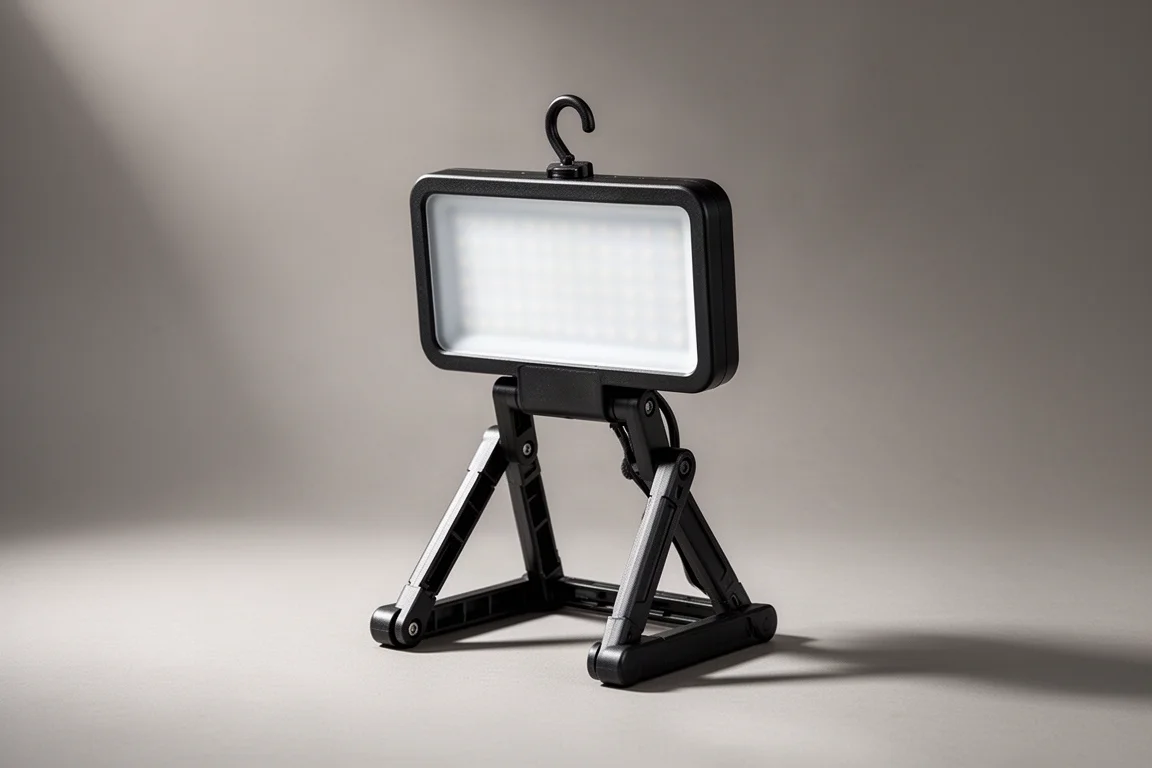
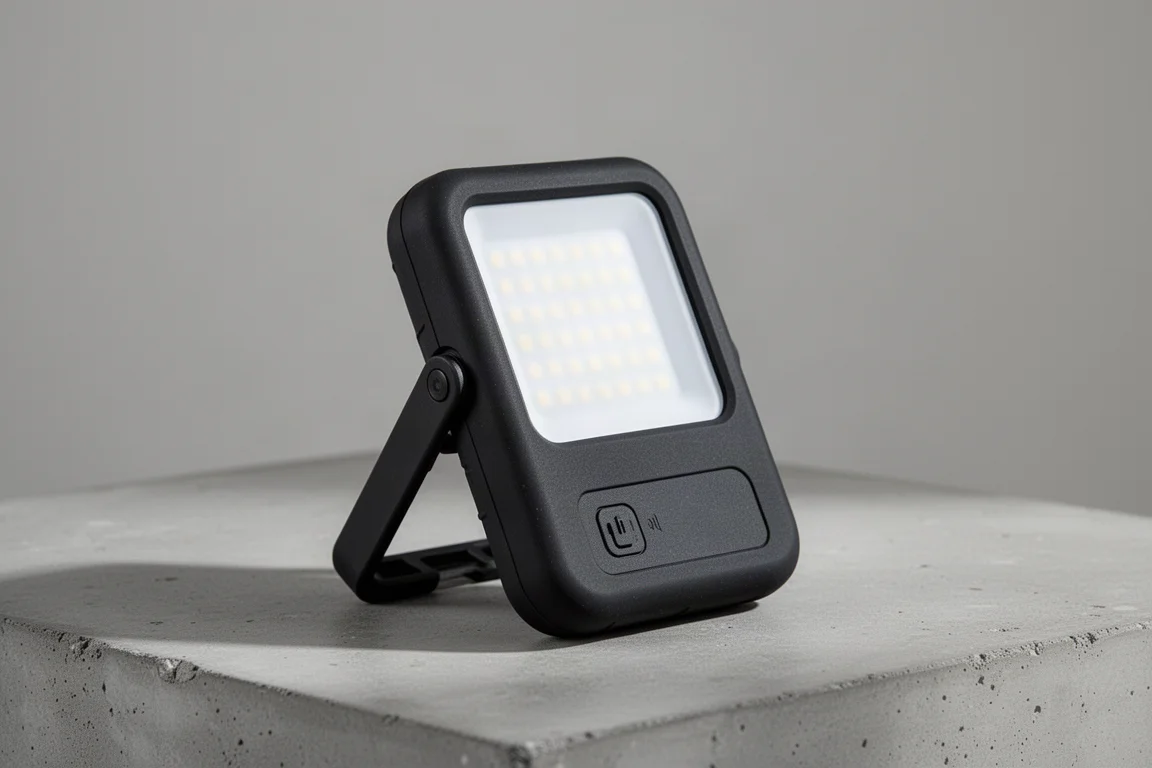
Whether it hangs somewhere or stands on its base, this style of light solves a real problem: broad, even illumination over a work area rather than a narrow flashlight spot. Most units share a few traits, including a foldable stand, a hanging option, and a large LED panel. You can even use them upside down if you need to point the beam in a different direction.
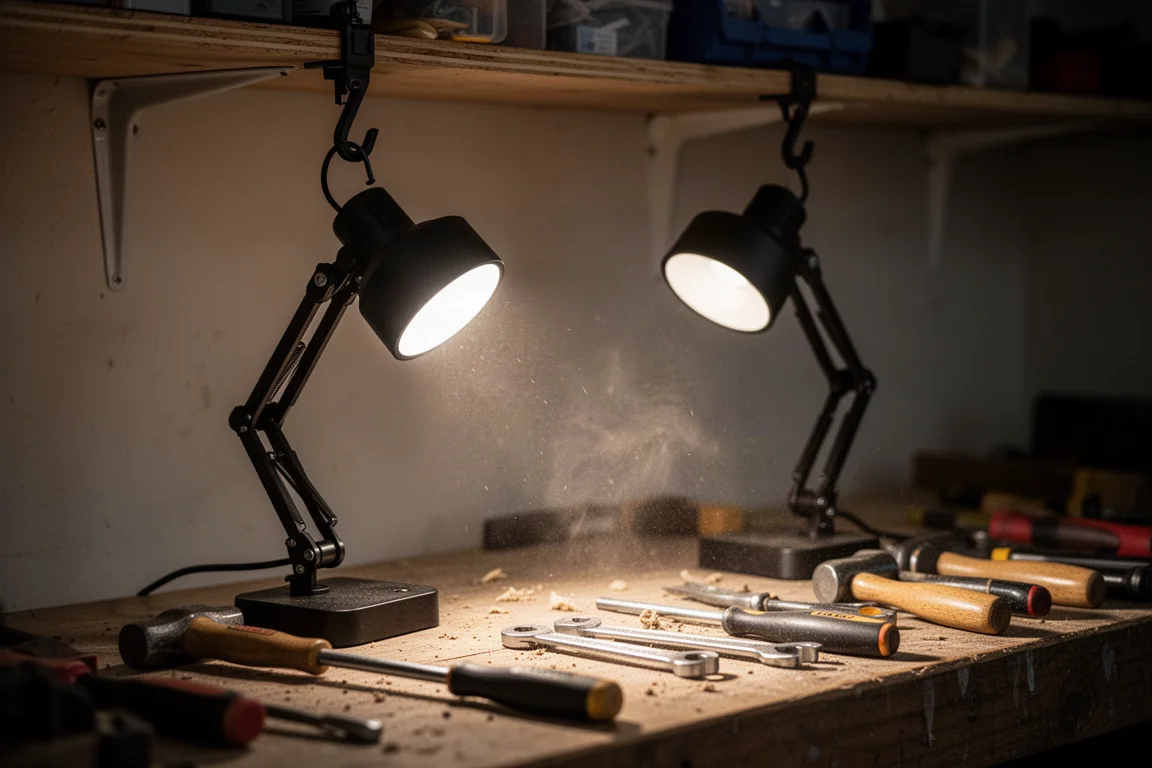
That flexibility is the main reason to consider any of these over a traditional handheld flashlight or headlamp.
Craftsman 1000-Lumen AA Area Light
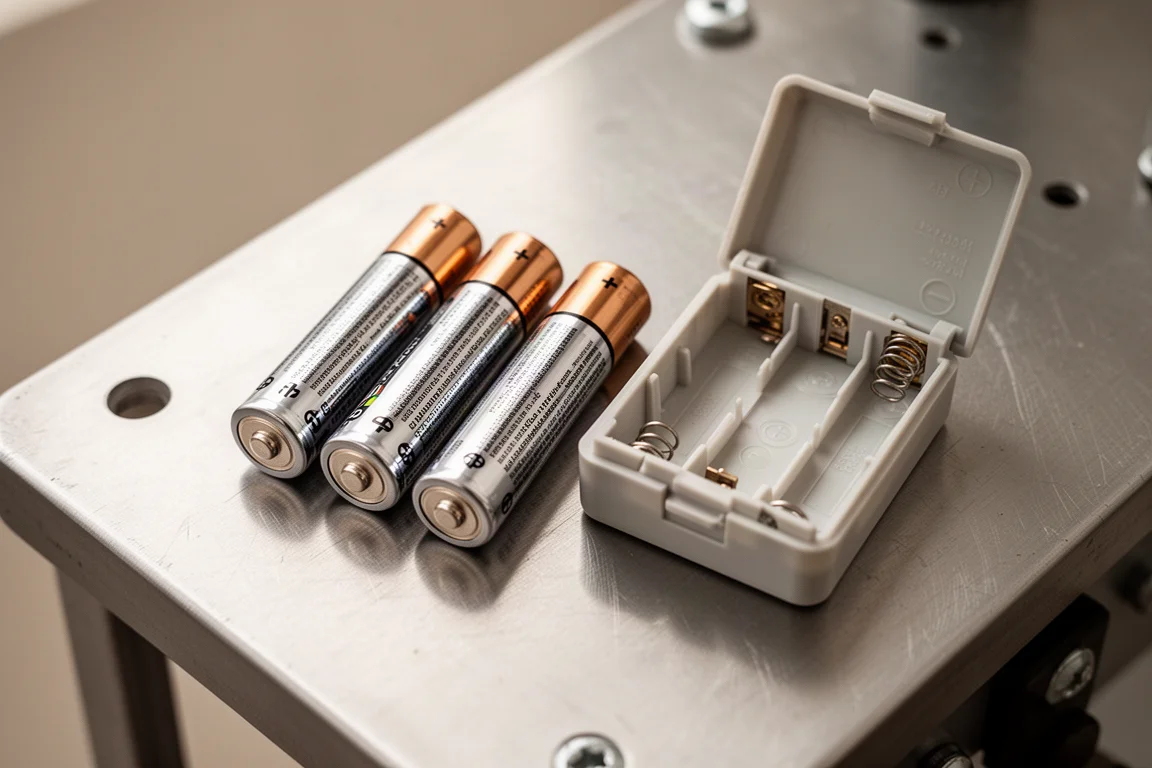
The Craftsman is the standout of the group, picked up on clearance for under 10 dollars after being marked down from around 14 or 15. It is rated at 1,000 lumens on four AA batteries and throws a genuinely broad, useful area light. The light is fairly white and bright, and it holds up well when compared side by side with rechargeable alternatives.
The big selling point is replaceable batteries. When you cannot recharge, being able to swap in AAs from a well-stocked drawer is a real advantage, and this light delivers it at a very low price.
Quality control is not flawless. On the review unit there was a small defect visible under the lens, a leftover blemish from assembly. It does not affect performance, but it is a reminder of what sub-10-dollar manufacturing looks like up close. There is also a three-cell, 500-lumen version that uses only three batteries, and it is on clearance as well.
For the price, this one is well worth picking up.
Snap-on USB-C Area Light
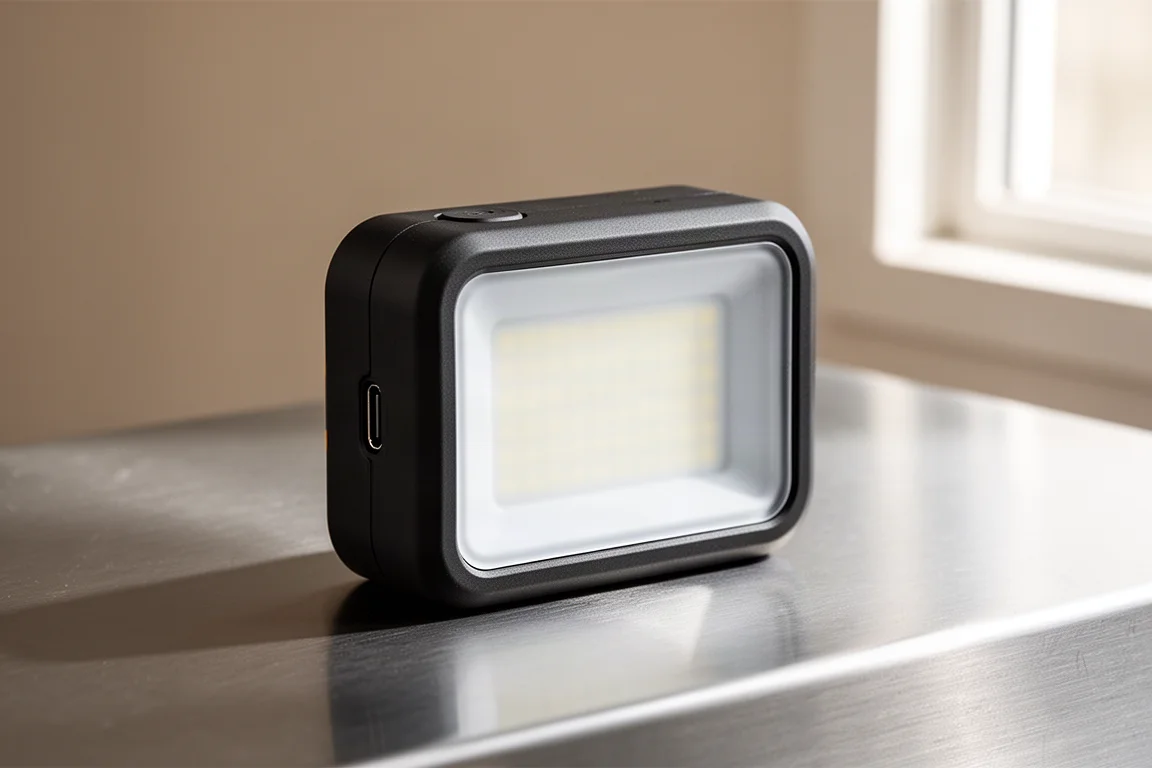
The Snap-on is a great light in almost every respect. It charges over USB-C, which is the more modern power option, and when it is on, the output is excellent.
The problem is accidental activation. The touch-sensitive power button is so sensitive that the light turns on with almost no effort, even when wrapped and packed away. Keeping it off becomes a chore, and the reviewer ended up building a makeshift cover just to stop it from switching itself on. Worse, turning it off requires holding the button for three seconds, which feels like an eternity when you are fighting the thing.
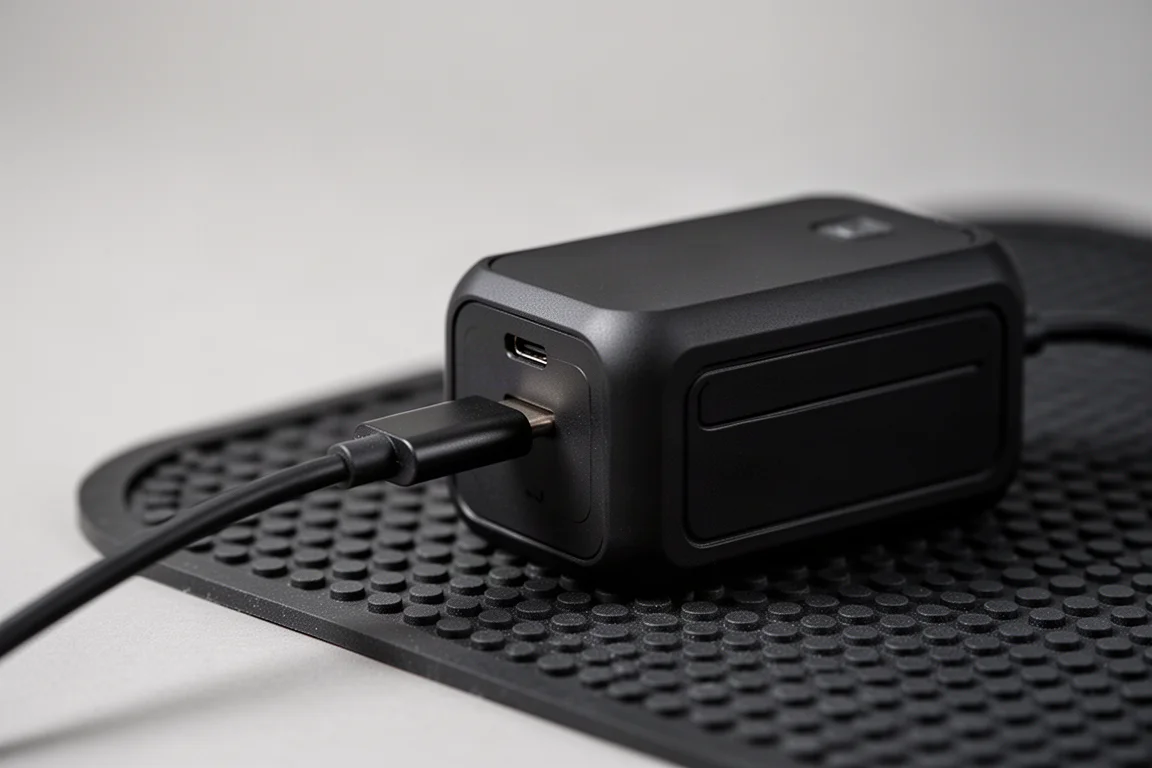
The verdict here is simple: it is a great light otherwise, but the switch needs a redesign. If the accidental-activation issue is addressed in a newer version, it would be much easier to recommend.
Brawn Rechargeable Area Light
The Brawn is not a premium brand, and the review unit was essentially free because on the secondary market it holds little value. It is a rechargeable area light with a bonus feature: it can also charge your phone. The output is solid, the light is bright and reasonably white, and it works in the same hanging or standing role as the others.
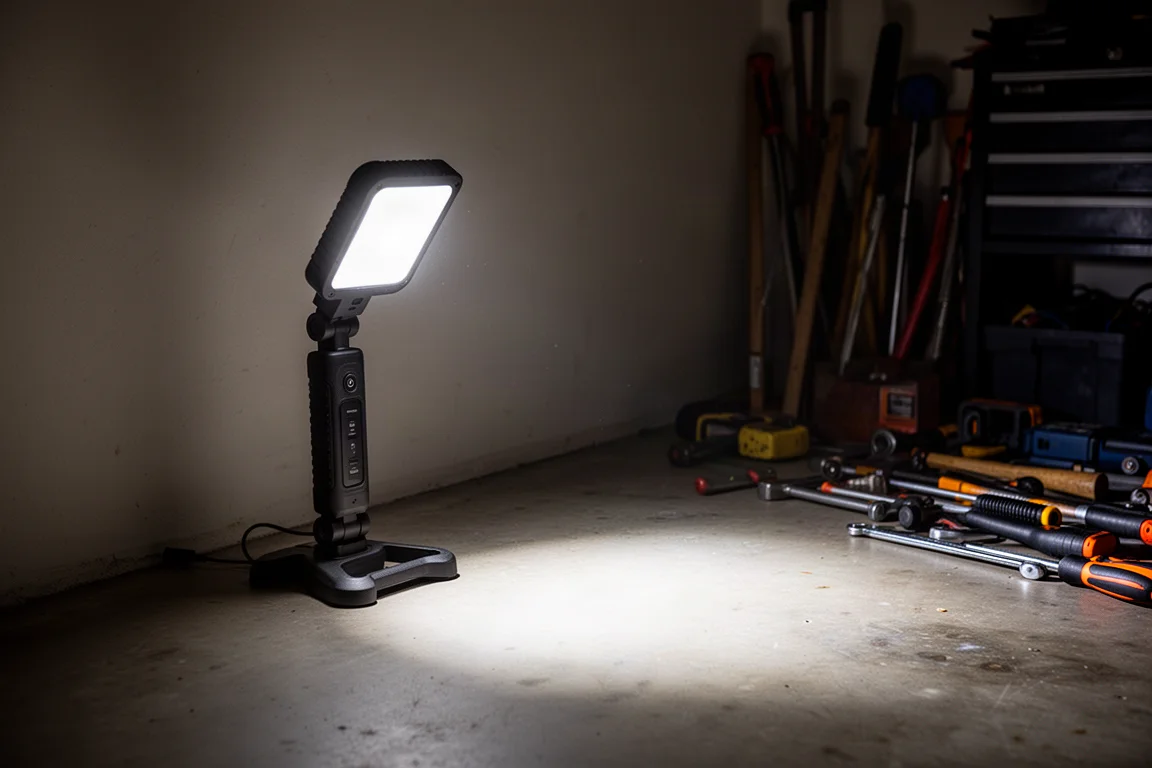
One note from use: a slight flicker was visible on the unit tested. It is a capable budget light, but its reliance on internal rechargeable batteries is exactly why some buyers now prefer the AA option instead.
Which One Should You Buy?
If you want maximum flexibility and value, the Craftsman AA light is the easy pick. It is currently heavily discounted, puts out a claimed 1,000 lumens, and lets you switch to replaceable batteries whenever charging is not an option. If you prefer USB-C charging and can live with an oversensitive switch, the Snap-on is the better-built performer when it is actually on. The Brawn makes sense only if you find it at a bargain price and want a simple rechargeable light that can top up a phone in a pinch.
Conclusion
All three lights share the same practical form factor, but they serve different buyers. The Craftsman wins on value and battery flexibility, the Snap-on wins on light quality once you defeat its trigger-happy button, and the Brawn is a basic rechargeable fallback. For most people shopping clearance shelves right now, the AA-powered Craftsman is the one to grab.
Further reading
Related Reviews
Workshop Lighting
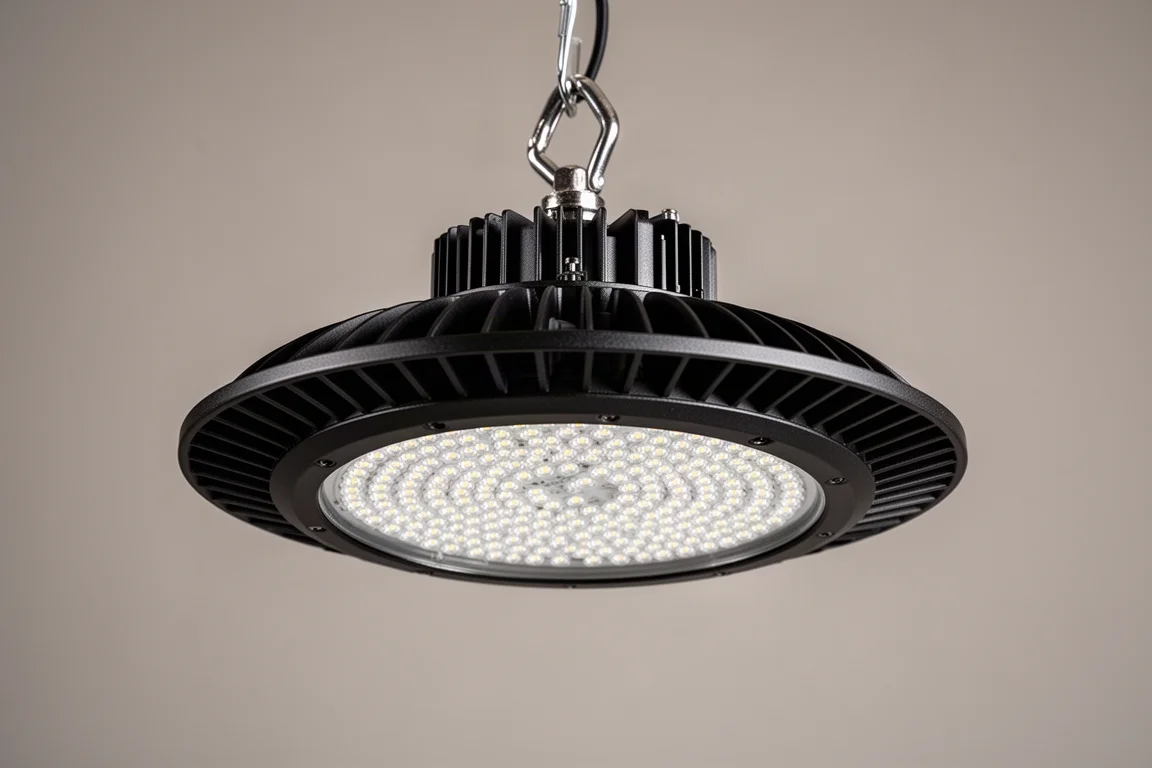
Holid LED UFO High Bay Light 200W Review: A Bright Upgrade for Workshop Ceilings
A 200W, 26,000-lumen UFO high bay light that turns a dim shop into full daylight brightness, with a few things to know before you buy.
Workshop Lighting
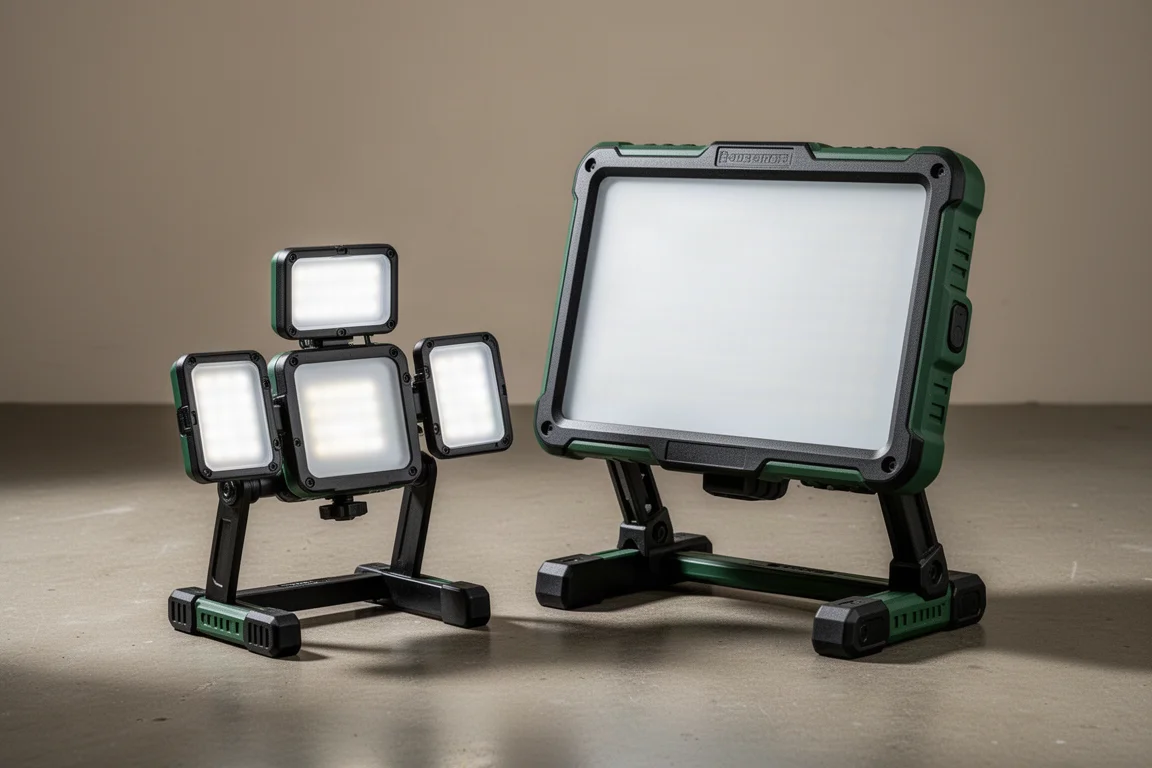
Ryobi 18V Hybrid LED Panel Lights: 1300 vs 3000 Lumen Review
Two cordless-or-corded LED panel lights with swiveling panels, wide light spans, and three-year warranties. Here's how the 1300 and 3000 lumen models compare.
Workshop Lighting
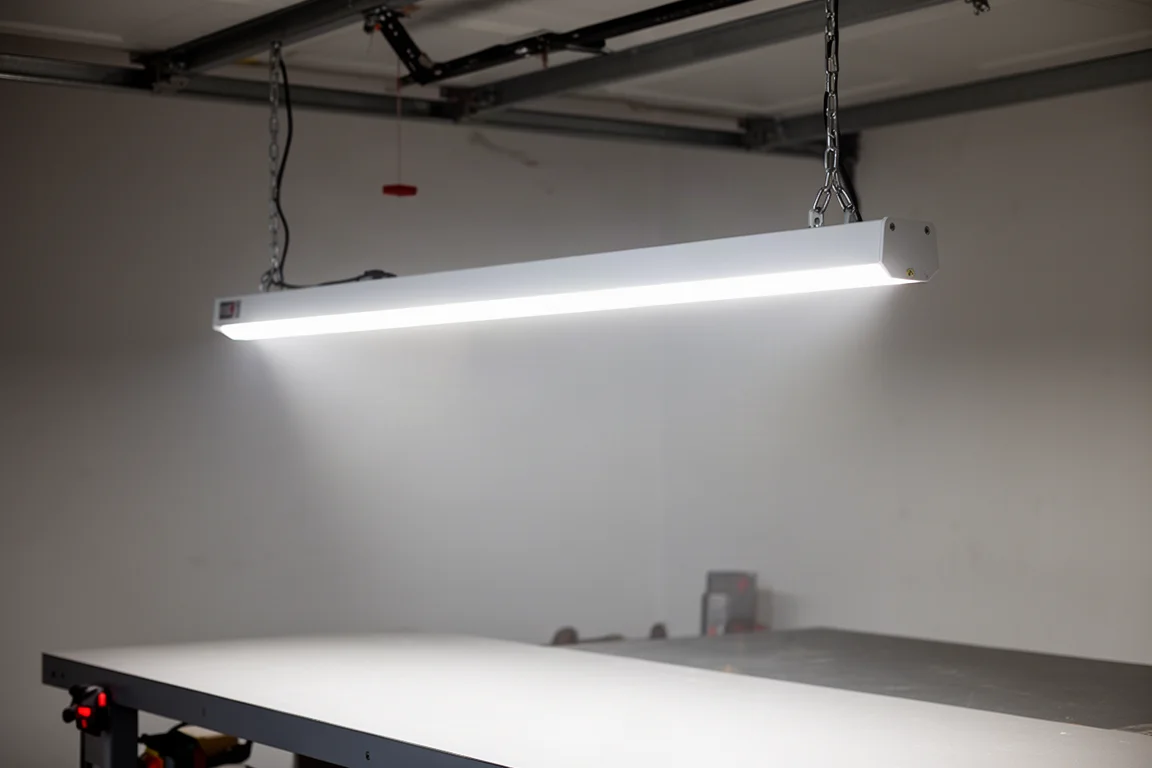
Southwire Topaz LED Shop Lights: Bright, Cool, and Built for Real Workshops
Why these dimmable LED shop lights turned a dim workshop into something closer to daylight, and what to check before installing them.