Hand Tools
Best Wire Strippers for Low Voltage Work: Kwis vs Klein, Capri, and Milwaukee
A low voltage technician's take on self-adjusting wire strippers and how the Kwis compares to the traditional manual strippers from Klein, Capri, and Milwaukee.
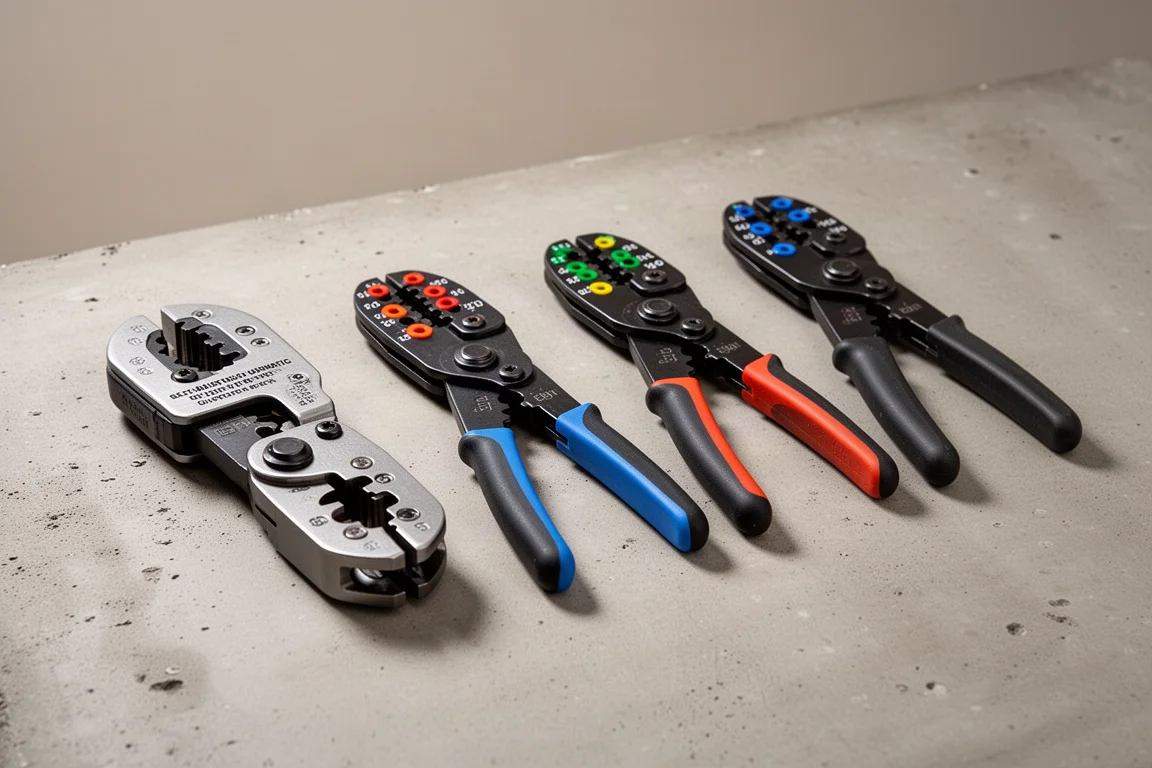
Introduction
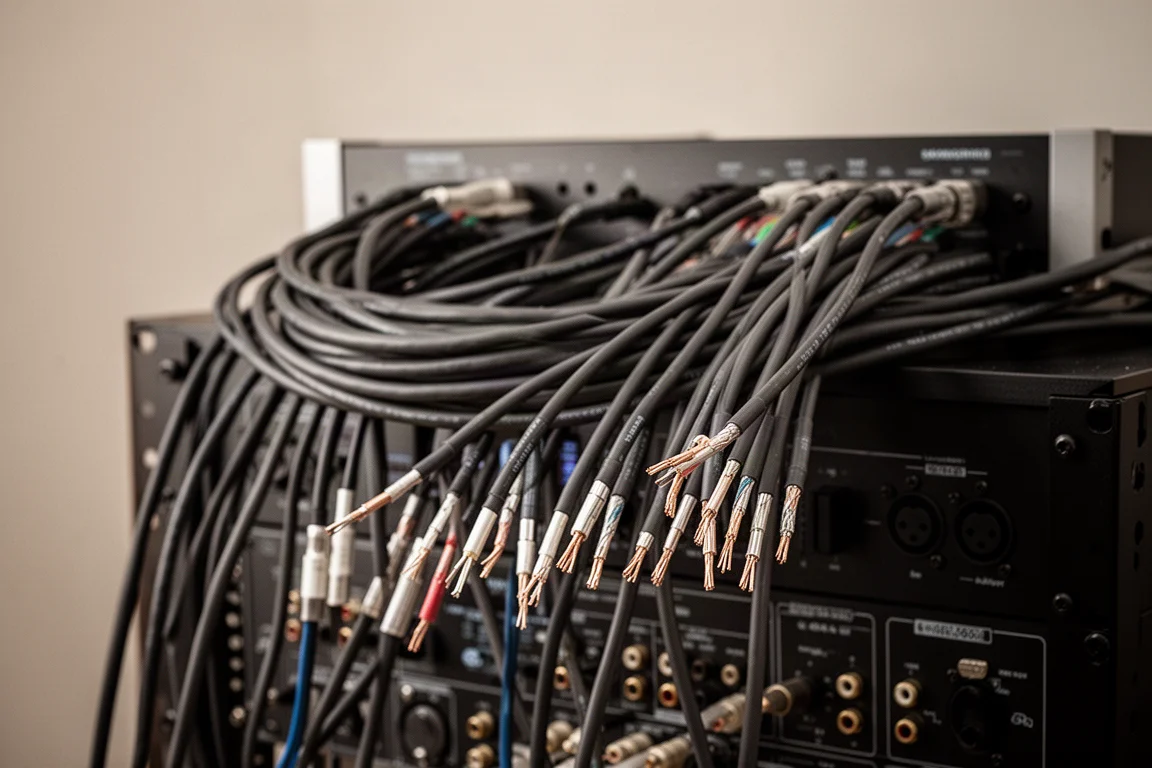
If you strip wire for a living, the tool you reach for matters more than most people realize. A low voltage technician with close to 15 years of experience, doing everything from speaker wire terminations to full amplifier racks, tends to get opinionated about strippers, and for good reason: stripping 40 wires in a row with the wrong tool gets old fast.
This comparison looks at one newer option, the Kwis self-adjusting wire stripper, alongside three established manual strippers from Klein, Capri, and Milwaukee.
Why Traditional Wire Strippers Take Some Thinking
Manual strippers like the Klein, Capri, and Milwaukee all work the same basic way: you match the wire gauge to the correct hole, mind whether the wire is solid or stranded, then pull the insulation off. With 16 gauge wire, for example, you need to pick the right slot for stranded versus solid before you pull.
That works fine, but it adds a small decision to every single strip. After dozens of wires, it is easy to get lazy, hit the wrong hole, and pull off too much insulation, which means redoing the wire. It is never fun, and it is exactly the kind of repetitive friction a self-adjusting tool tries to remove.
The Kwis Self-Adjusting Wire Stripper
The Kwis is a self-adjusting stripper that handles wire from 10 to 24 gauge without choosing a hole. You place the wire in the jaws, adjust a stop so the wire hits the right side to control how much jacket gets stripped, then squeeze and pull. The tool strips the jacket and pulls it off automatically, taking essentially no extra effort.
For repetitive jobs like stripping a whole rack of speaker wire, it is genuinely fast. It is not flawless every single time, and there are two minor compromises to know about: the built-in wire cutter is a secondary afterthought that will not give you a clean flush cut, and the crimpers on the tool are similarly basic. Keep those expectations calibrated and the stripping performance itself is the real selling point.
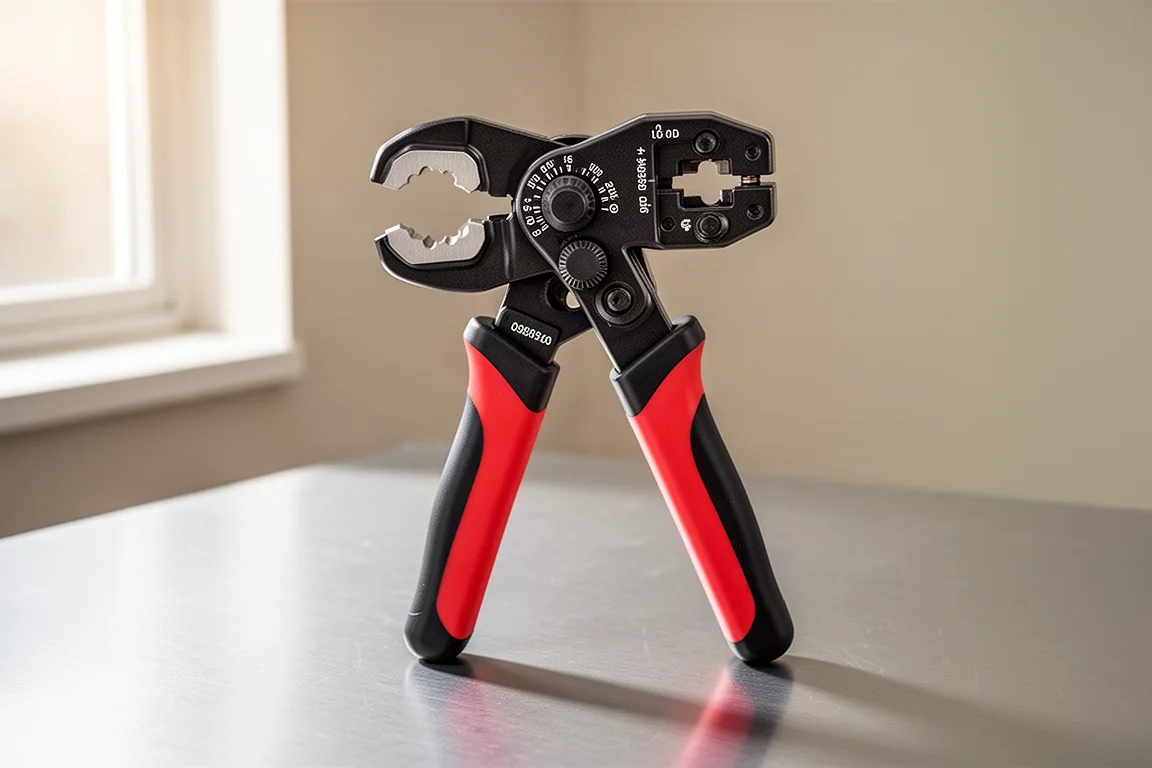
Klein Wire Strippers
Klein strippers have long been a familiar default for many technicians, and they get the job done. In this comparison, though, they come out as the least favorite of the manual options. The complaints are straightforward: the grips are not very comfortable, and the jaws feel not as sharp as they could be.
They still work fine for occasional stripping, and if Klein is what you grew up with, they will feel familiar. But against the alternatives here, they offer the least compelling grip and cutting feel.
Capri Wire Strippers
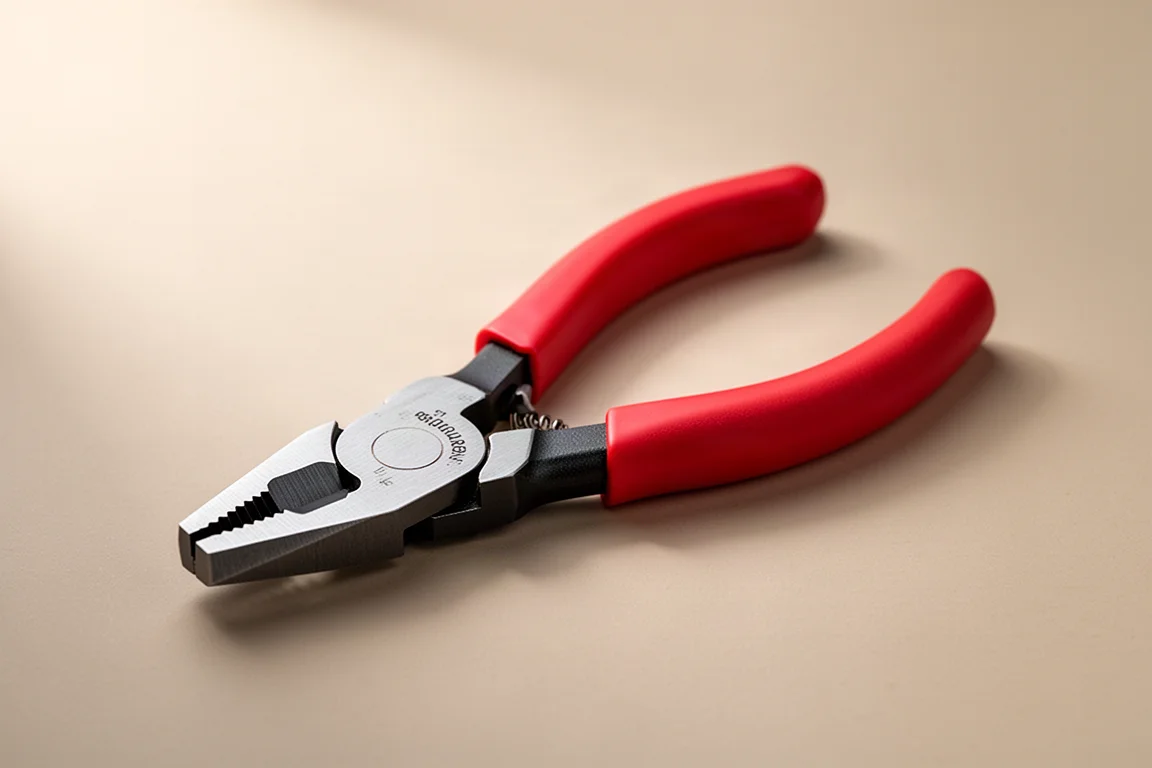
The Capri strippers were picked up during the first year of running an AV business and held up as decent enough tools. The jaws performed respectably, better than the Klein option in that respect, though the grips felt thin in the hand: not fully closed, not fully open, just an awkward in-between.
They were eventually replaced by other brands, but as a budget-friendly early-career tool they did their job without real complaints.
Milwaukee Wire Strippers
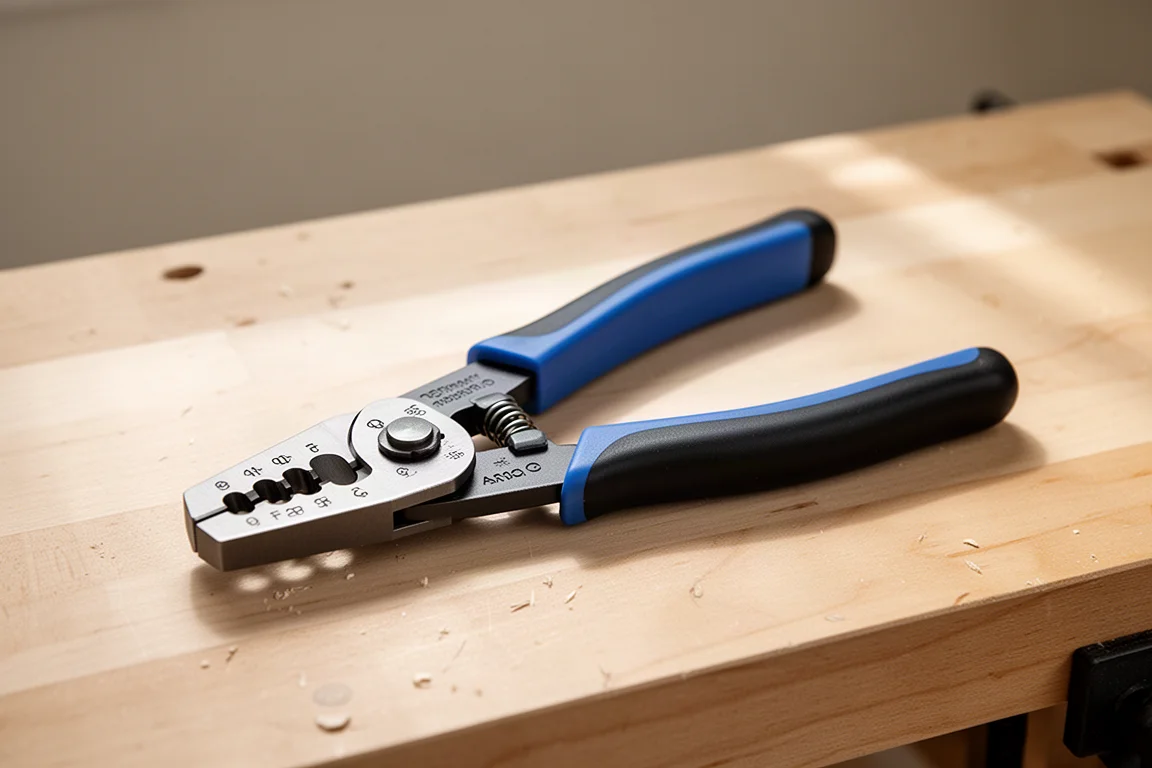
The Milwaukee strippers are a more recent pickup and have been genuinely nice to use. The standout detail is the grips, which feel good in the hand and earn them a permanent spot in a work truck tool bag.
Like the other manual strippers, they still require choosing the right gauge hole each time, so the same small mental step applies. But as far as traditional strippers go, these are the ones worth reaching for first.
Maintenance and the Built-In Extras
The main maintenance note with the Kwis: keep the blade channel clean. If insulation remnants build up in the blade area, the tool starts slipping on the next jacket and stops working properly. A quick clean-out gets it back to full performance in seconds.
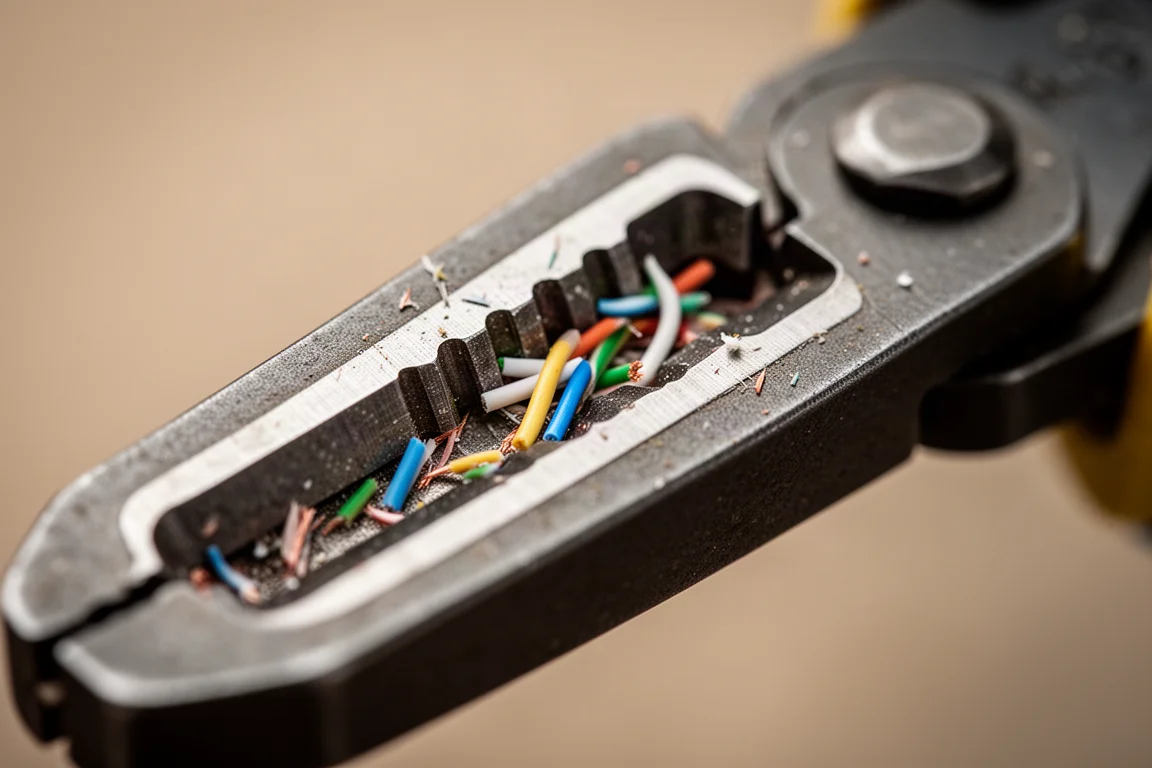
The built-in wire cutter on the Kwis is serviceable but not great; it requires a firm pull and will not produce a flush cut. Treat it as an emergency cutter rather than your primary one. The crimpers are in the same category, a convenience rather than a feature you would buy the tool for.
Cutting Performance and Grip Comfort
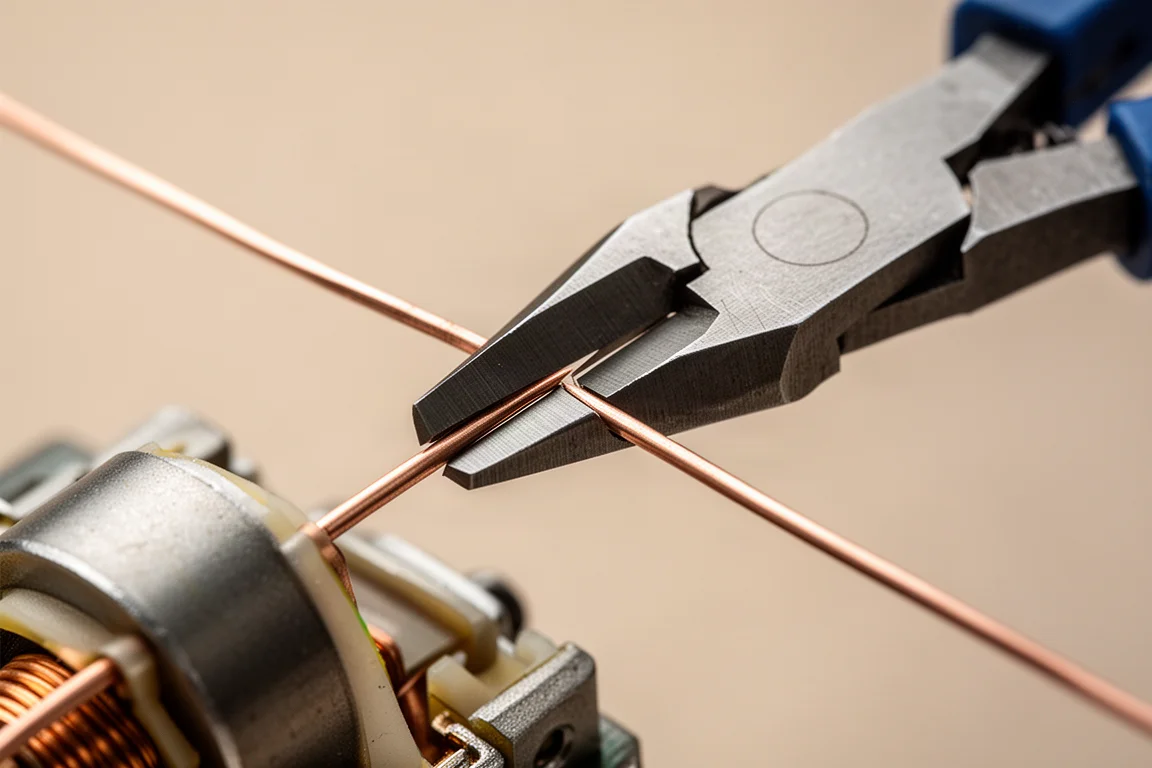
One pleasant surprise with the Kwis: the diagonal cutters it includes actually flush cut, which matters a lot for anyone picky about clean cuts in tight spaces. The leverage is solid, and the grip design puts the hand in a comfortable position with a good point of contact when closing.
That grip philosophy is what separates these tools most. The Milwaukee gets the grips right among the manual options, the Capri feels thin, and the Klein feels the least refined. Comfort adds up over a long day of repetitive work.
Overall Buying Advice
If you do repetitive low voltage stripping, especially lots of the same wire over and over, the Kwis self-adjusting stripper is the strongest pick here: less thinking, faster output, and a price that makes it easy to justify. Just keep the blades clean and do not expect much from its cutter or crimpers.
If you prefer a traditional stripper, the Milwaukee is the most comfortable of the three manual options, the Capri is a solid budget-friendly fallback, and the Klein works but trails the field on grips and jaw sharpness.
Conclusion
For most technicians and DIYers doing volume wire work, the Kwis self-adjusting stripper is the tool to check out first, with the Milwaukee as the best traditional alternative. Match the tool to how much wire you actually strip, and any of these will serve you better than the wrong one.
Further reading
Related Reviews
Hand Tools
Best Diagonal Cutters 2026: 16 Pliers Tested for Cutting Power and Durability
We put 16 diagonal cutters through nail, screw, drill bit, and hex key tests to find the best value picks for your toolbox.
Hand Tools
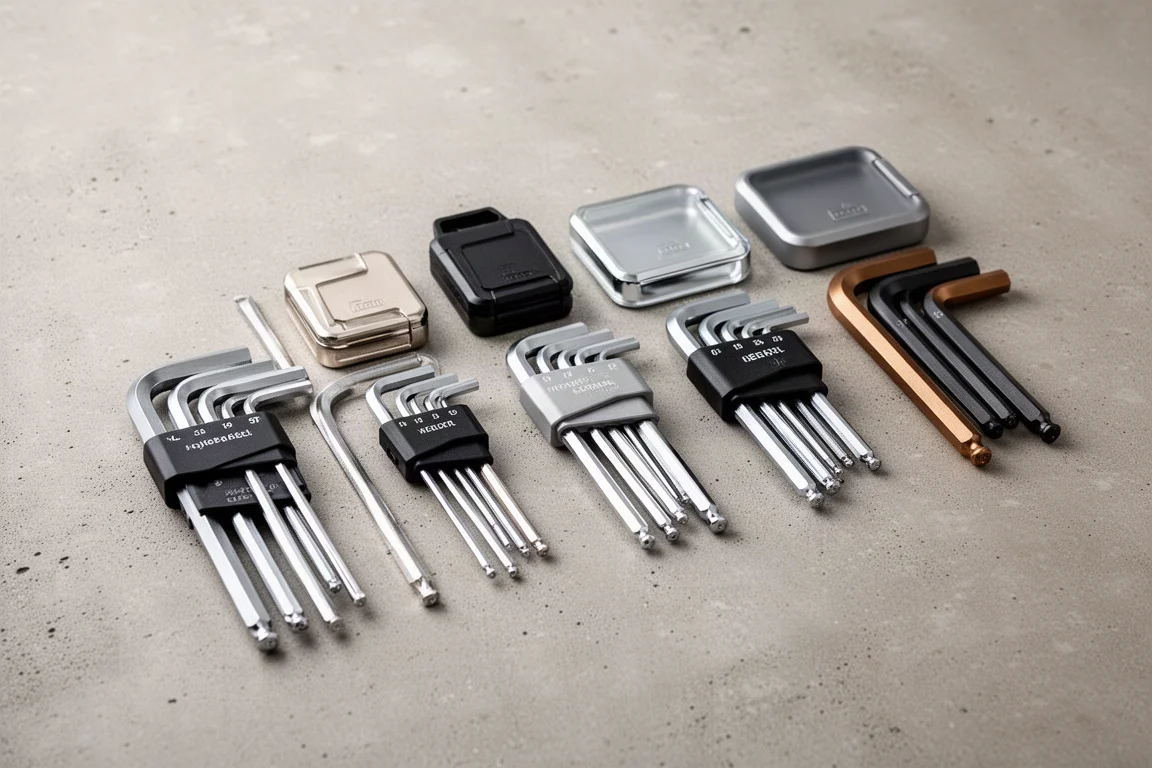
Best Hex L Key Sets 2026: Nine Sets Tested for Real-World Torque
Nine hex L key sets from budget to premium, tested for torque, fit, and durability. See which sets deliver real performance and which ones to skip.
Hand Tools
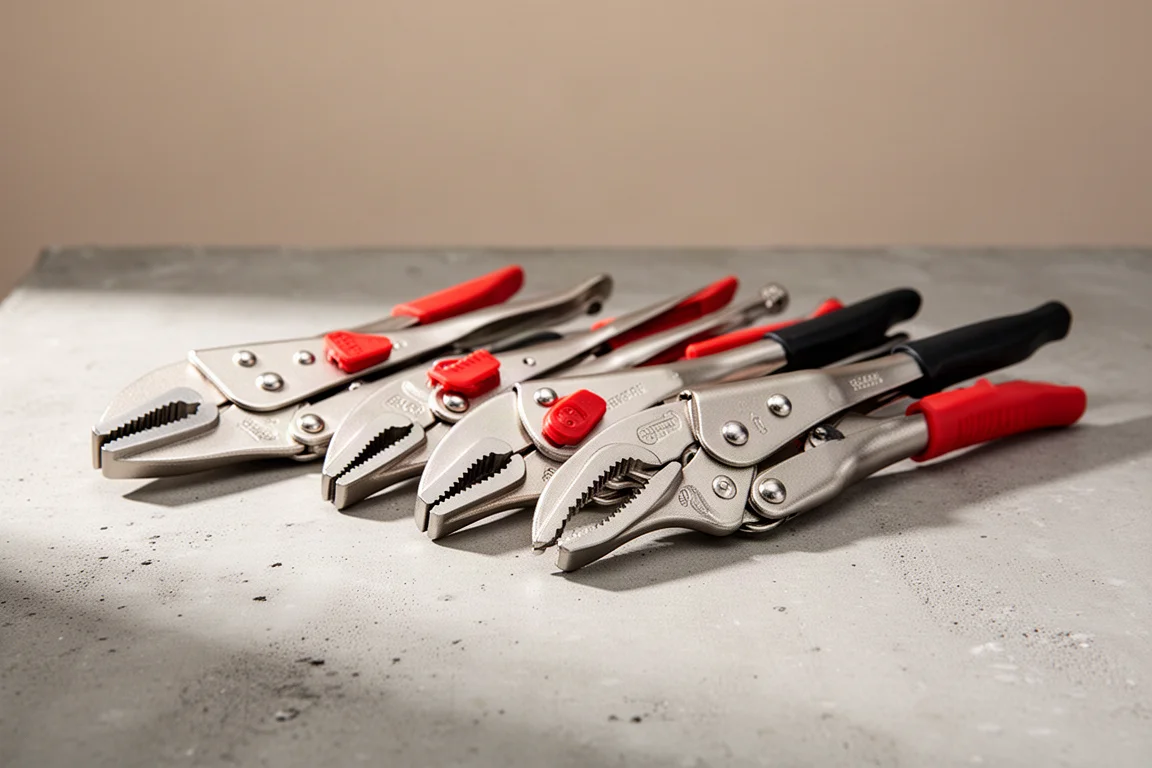
Best Locking Pliers 2026: Top Picks Tested for Grip and Durability
We tested 18 brands of 10-inch locking pliers for grip strength, jaw bite, build quality, and ease of release to find the best options for tough jobs.