Hand Tools
Best Wire Strippers Compared: Four Tools for Different Kinds of Stripping Work
From a 36-tooth German design to a dedicated auto-adjusting stripper, four wire strippers that each take a different approach to clean insulation removal.
Introduction
Wire stripping is one of those jobs that looks trivial until you do it badly. Crushed strands, nicked conductors, and half-scored insulation all come back to haunt you later, which is why there are so many different designs competing for the job. Some tools try to do everything, some are built around one very specific trick, and a few occupy the middle ground as honest generalists.
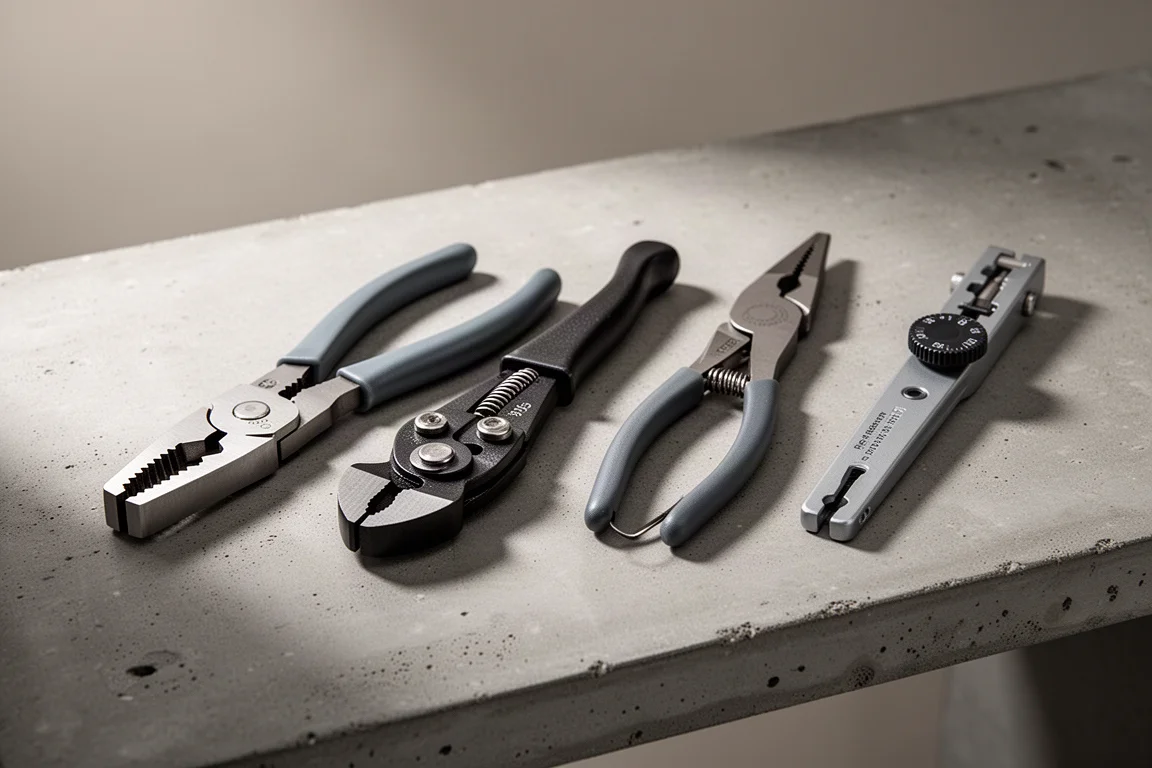
This comparison looks at four very different approaches: a German precision tool with tooth-lined jaws, a compact American-made side cutter, a combination needle nose plier with a built-in stripping station, and the dedicated auto-adjusting strippers that have taken over the category.
How We Look at Wire Strippers
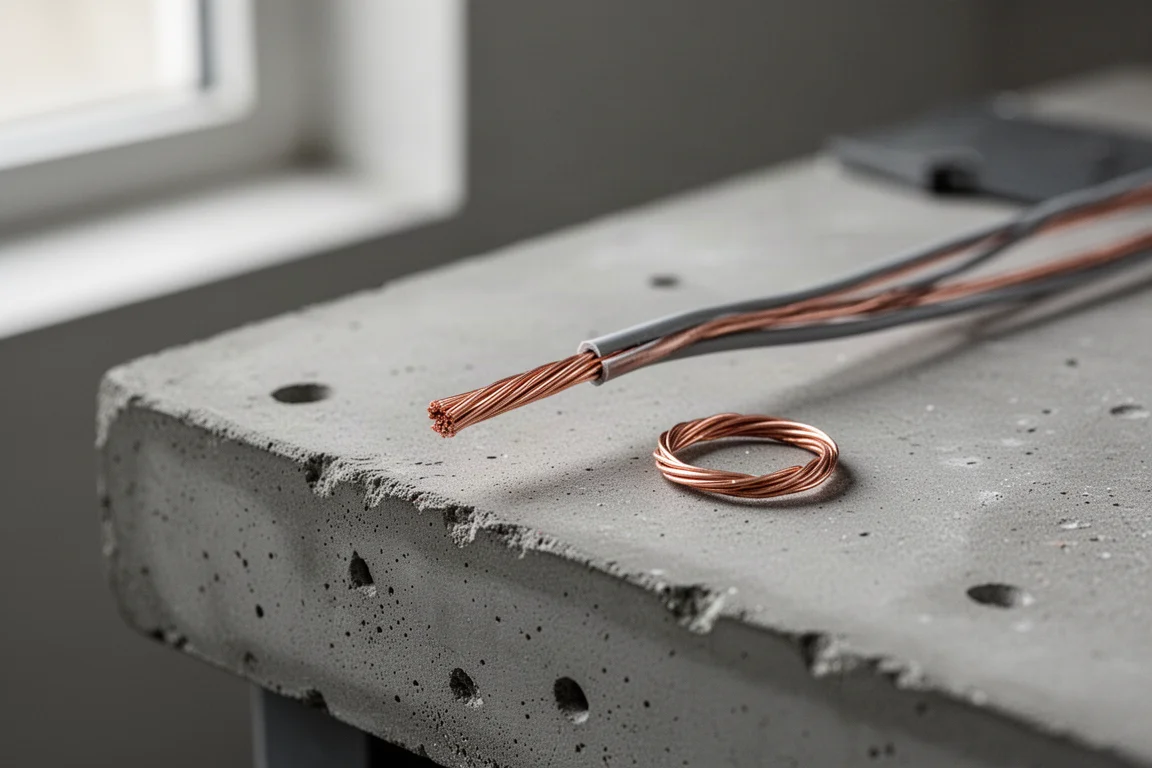
The first thing worth remembering is that wire came before the wire stripper, and for a long time the answer was crude. Old lineman-style pliers even had a crushing section near the pivot meant to squeeze insulation until it slid off the conductor. Modern strippers are far more refined, but no single design wins at everything.
What matters most is matching the tool to the wire you actually work with. Fine gauge wire, stranded wire, repeated same-size stripping, and occasional odd jobs each favor a different design. Cutting ability, jaw precision, comfort, and price round out the picture.
Stahlwille 6624-5-160: The Tooth-Jaw Specialist
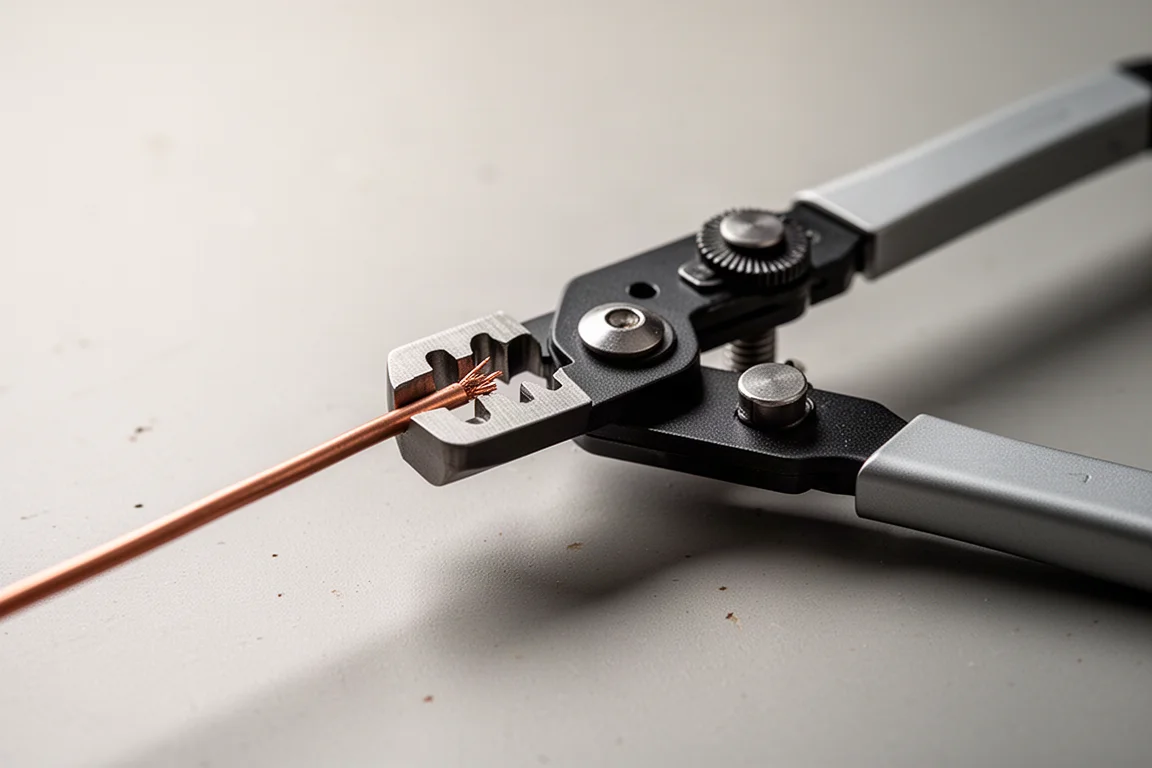
The Stahlwille 6624-5-160 is a genuinely unusual take on wire stripping. Instead of sized notches, the jaws carry 18 teeth on each side, 36 in total. The teeth bite in, fold around the insulation, score it, and let it pull off. Inside the jaws, machined bars form a U-shape held on a pin so they stay spring-loaded, giving an engineered amount of grip pressure against the contours of the wire.
This version covers roughly 0.3 to 1.2 mm, which works out to around 28 gauge down to about 16 gauge. On fine wire it is impressive: a 22-gauge lead drops straight in, a light pinch produces a clean strip, and you can grab the wire almost anywhere across the jaw profile and slide the insulation off, often without damaging it. Stranded wire also does surprisingly well.
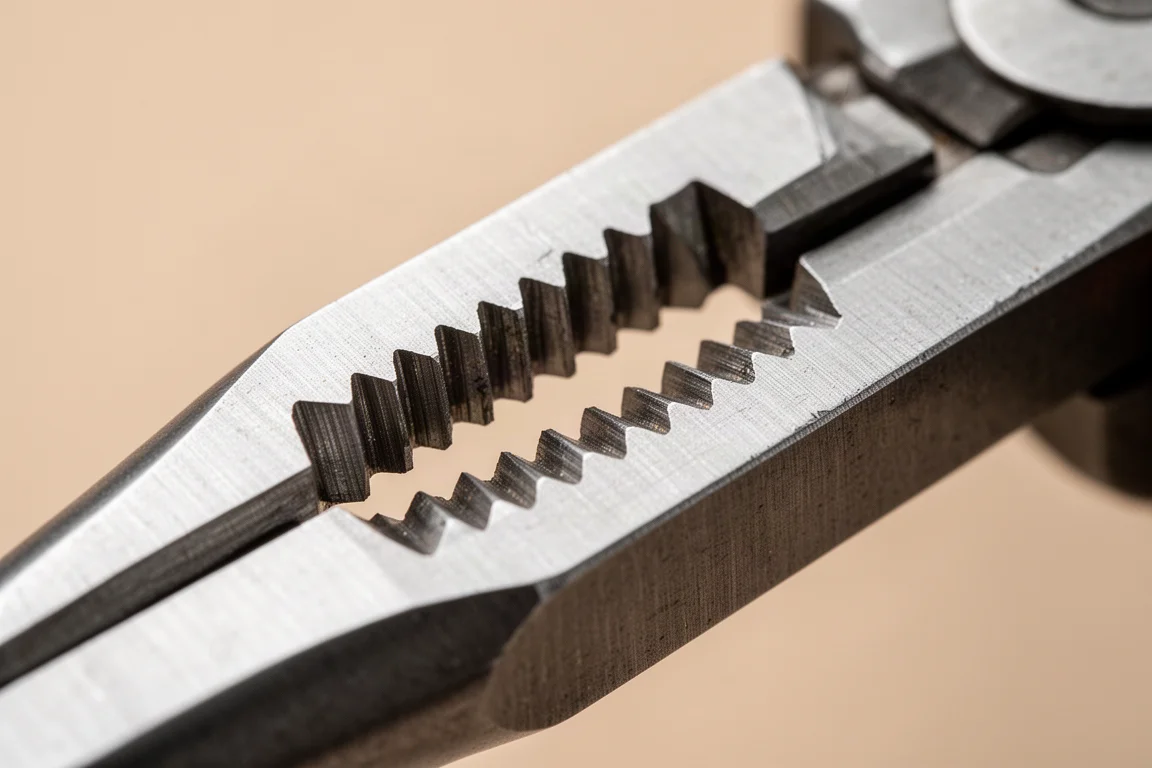
There is a small cutting hole that works, though it is not the greatest, and larger wire is where the design struggles. Stuff anything too big in the jaws and it will score rather than cut cleanly, and pushing past the range can mark the insulation. There is also a slight spread between the teeth under load, roughly 0.2 to 0.3 mm per tooth, with no obvious way to tighten it up. The teeth cannot practically be sharpened either, so long-term durability is an open question. At around $96 on average, it is a serious investment for a specialist tool, though it is a fascinating, beautifully engineered design for anyone who strips small wire constantly.
Snap-on 86EP: The Everyday Grab-and-Go Cutter
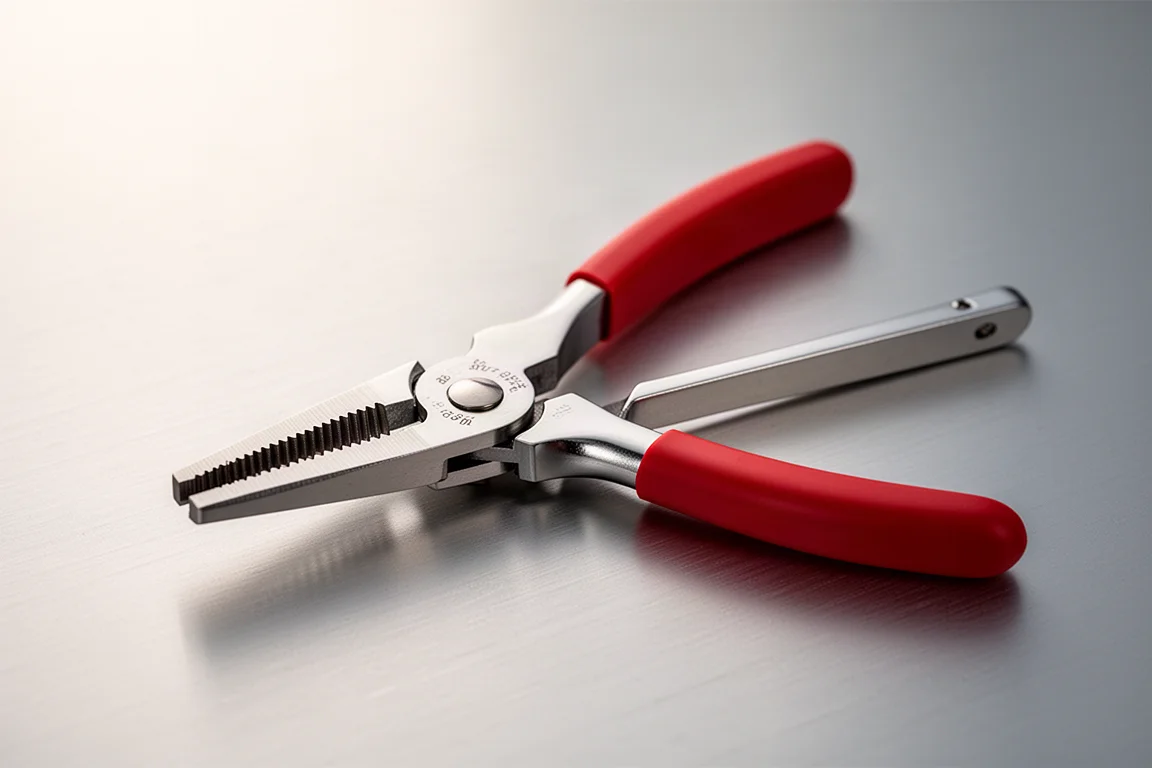
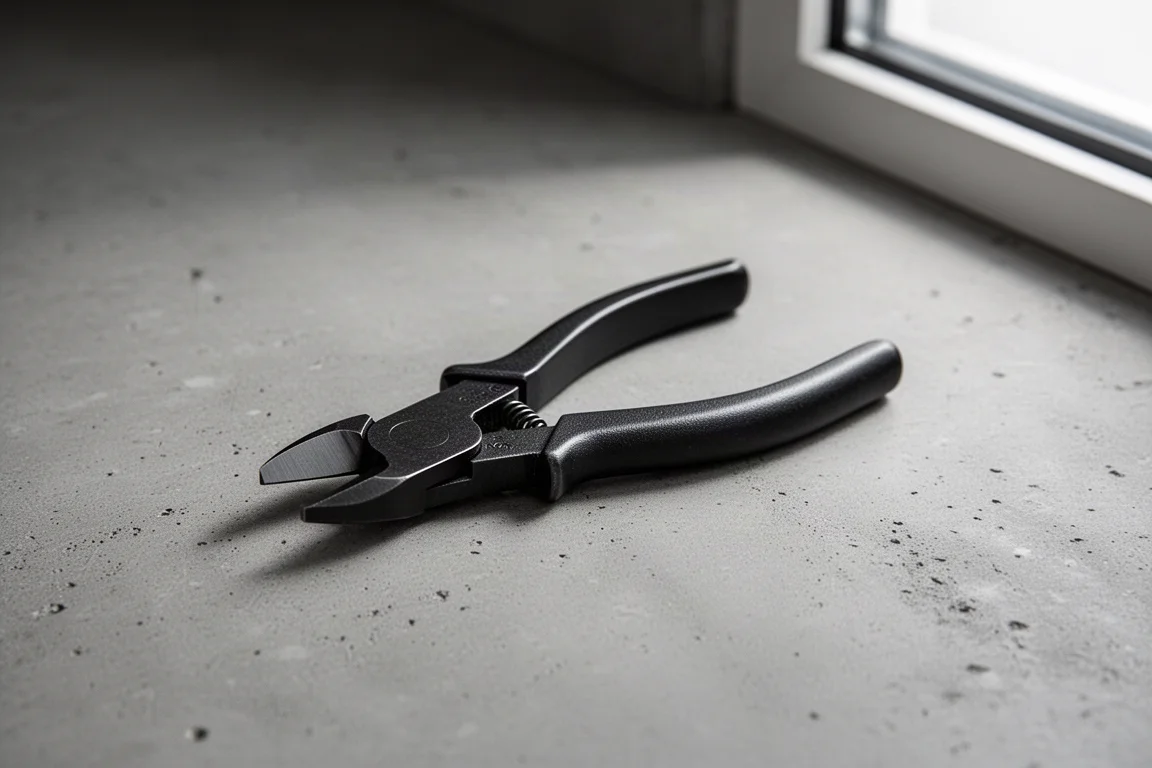
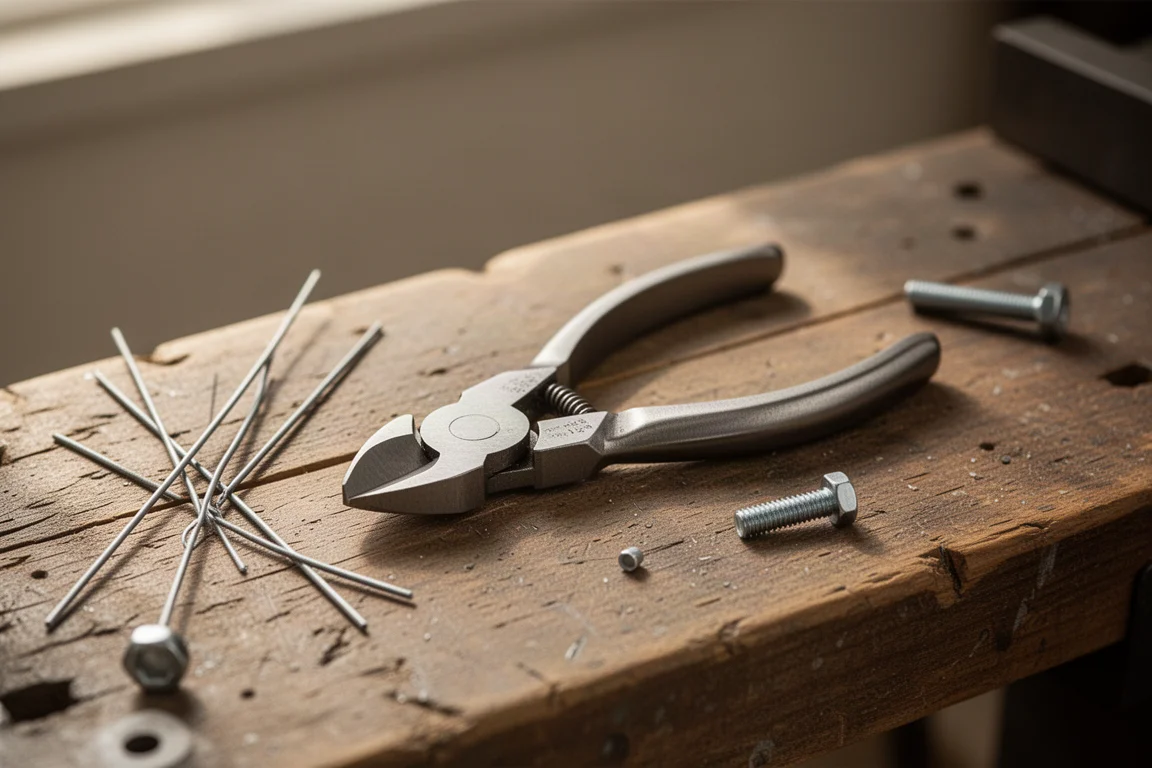
The Snap-on 86EP is a compact side cutter with a pistol-grip feel that keeps pulling you back to it. Made in the USA with a black oxide finish, these sit in the inexpensive end of the category, typically well under $20 depending on features. They cut bolts, handle various cutting and stripping tasks, and include a small plier action up at the nose.
These were a long-time go-to for general wire work, and the appeal is easy to understand. When a job needs a quick cut and a strip and you do not want to swap tools, this kind of cutter covers it. The stripping station is functional, though like most combination tools it is not the cleanest stripper at the edge of its range, and a slight twist sometimes helps a stubborn pull. For a workshop drawer, it is the kind of tool you keep reaching for.
Klein Needle Nose Strippers: Two Tools in One
Klein combines a wire stripper into a powerful set of needle nose pliers, and the honest assessment is that the stripping half is not the star. What you get instead is genuine needle nose capability, grip, and bending control, with a stripping station included for when a quick strip is all you need.
That trade-off makes sense for electricians who already carry needle nose pliers anyway. If stripping is occasional rather than constant, having the capability built into a tool you would own regardless is hard to argue with. If your day is nothing but strips, a dedicated tool will do the job better.
Knipex Wire Strippers: Dial It In and Repeat
Knipex has a couple of forged strippers that have taken a lot of people by storm, and the design has since attracted plenty of imitators. The standout is the dedicated version that you can dial in: set it once for the wire size you work with and it delivers the same clean strip over and over.
If your work involves stripping one size repeatedly, this is exactly how you get consistent perfection without thinking about it. The forged build feels solid, the action is crisp, and the price sits well below exotic specialty tools, which is part of why the design spread so quickly. For anyone doing repetitive panel or harness work, this is the most sensible starting point of the four.
Buying Advice
Match the tool to the job rather than chasing one universal answer. If you strip fine wire in the 28 to 16 gauge range and want the cleanest possible result, the Stahlwille’s tooth-jaw design is remarkable, but budget for it and respect its size limits. If you want one inexpensive tool for cutting, bolts, and occasional strips, the Snap-on 86EP earns its drawer space. If needle nose pliers are already part of your kit, Klein’s combination version adds stripping almost for free. And if you strip the same wire size all day, a dialled-in Knipex is the most repeatable, best-value choice here.
Conclusion
Wire stripping still has no single perfect answer, and these four tools prove the point: a scoring specialist, a rugged generalist cutter, a combination plier, and a precision dialled-in dedicated stripper all coexist for good reason. Pick the one that matches your most common wire, and the results will follow.
Further reading
Related Reviews
Hand Tools
Best Diagonal Cutters 2026: 16 Pliers Tested for Cutting Power and Durability
We put 16 diagonal cutters through nail, screw, drill bit, and hex key tests to find the best value picks for your toolbox.
Hand Tools
Best Hex L Key Sets 2026: Nine Sets Tested for Real-World Torque
Nine hex L key sets from budget to premium, tested for torque, fit, and durability. See which sets deliver real performance and which ones to skip.
Hand Tools
Best Locking Pliers 2026: Top Picks Tested for Grip and Durability
We tested 18 brands of 10-inch locking pliers for grip strength, jaw bite, build quality, and ease of release to find the best options for tough jobs.