Hiking Footwear
Best Wide Toe Box Trail Runners for Thru-Hiking: Altra Lone Peak, Altra Experience Wild, and Topo Athletic Terra Venture
A practical comparison of three wide toe box trail runners for long-distance hiking, covering heel-to-toe drop, stack height, cushioning, and underfoot protection.
Introduction
Few pieces of long-distance hiking gear cause as much frustration as trail runners. Some hikers can pull almost any pair off a shelf and walk a thousand miles in them. Others work through one model after another and still finish the day with sore feet. The difference usually comes down to foot strength, ankle stability, and whether the shape of the shoe actually matches the foot inside it.
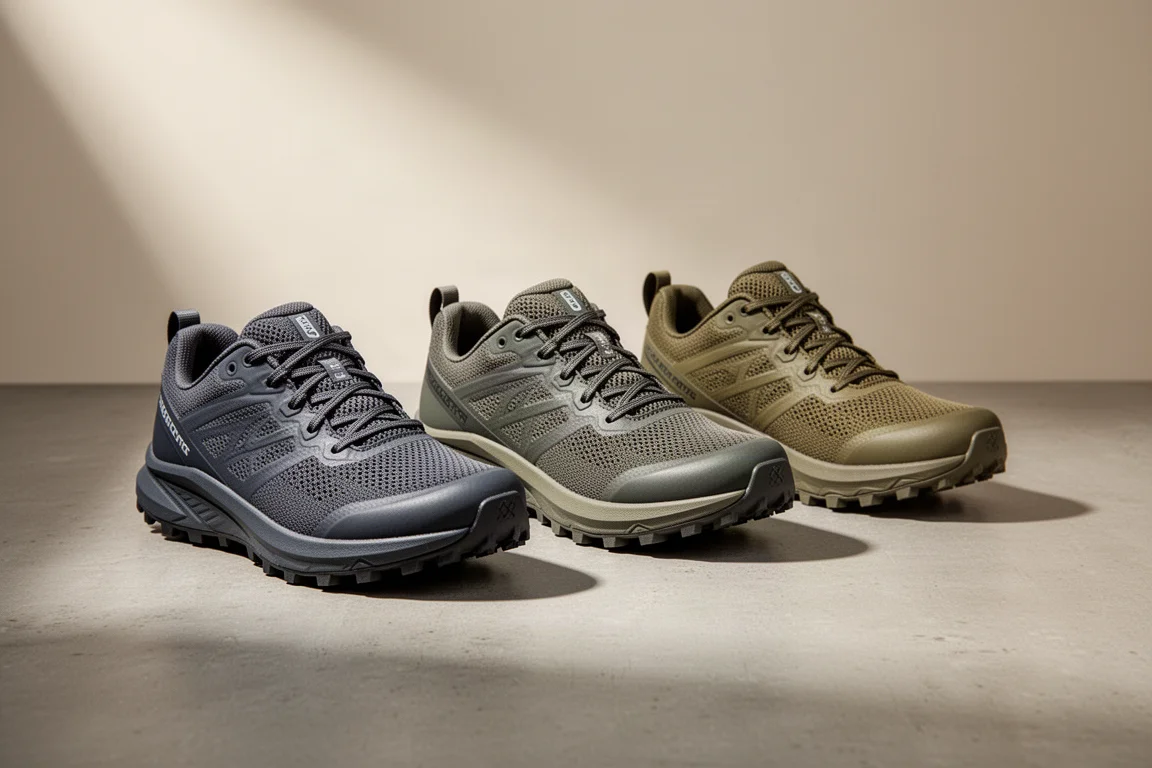
Two brands dominate the wide toe box end of the trail runner market: Altra and Topo Athletic. This guide looks at three models from those two brands, what each one does well, and which kind of hiker each one suits.
How to Choose a Trail Runner for Long-Distance Hiking
The simplest way to think about shoe shape is that a shoe should look like the foot it holds. Human feet are widest across the toes, and toes work best when they can splay. Most everyday footwear does the opposite. Dress shoes, office shoes, and many athletic shoes taper toward the front and lift the heel, which trains the foot to sit in a compressed position over years of daily wear.
Two measurements describe how a shoe sits under the foot. Stack height is the thickness of material between the ground and your foot, measured separately at the heel and at the toe. Heel-to-toe drop is the difference between those two numbers. A zero drop shoe places the heel and the toe on an even plane, while a shoe with a drop raises the heel above the toe.
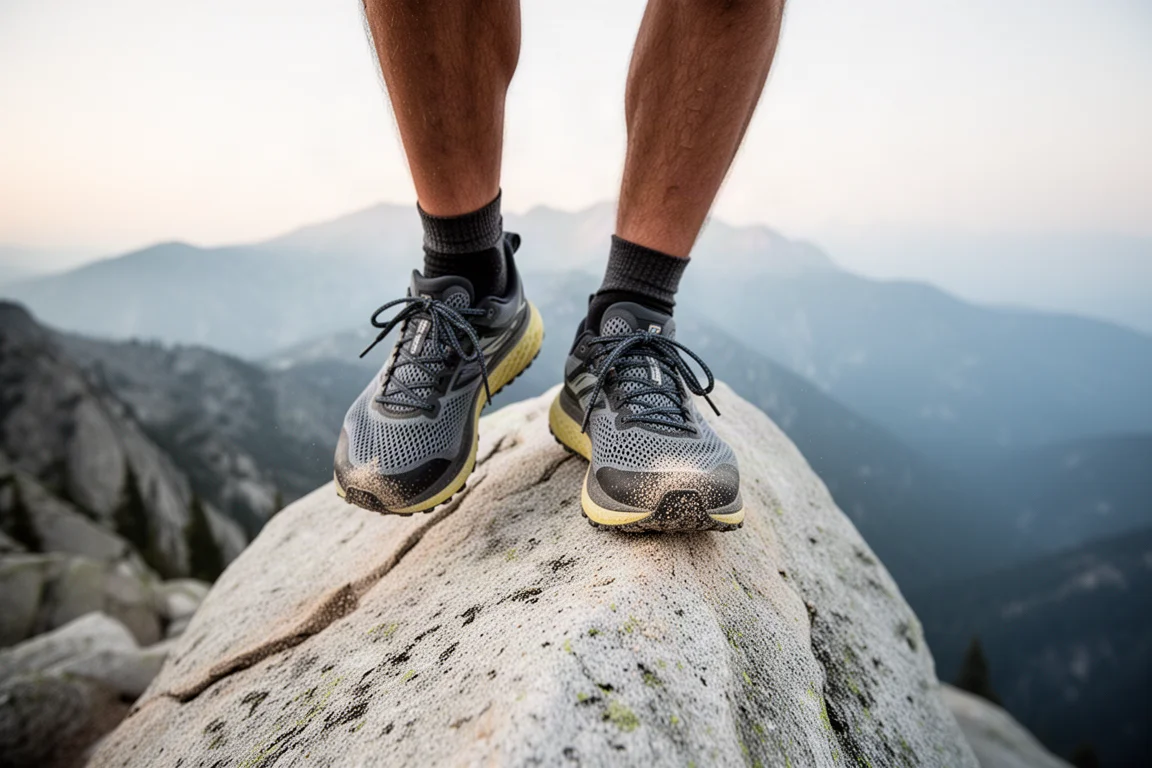
Neither approach is inherently better. A shoe with minimal cushioning and no drop asks a great deal of the foot and ankle, which suits some hikers and overwhelms others. A more rigid, more cushioned shoe with a meaningful drop gives a foot the support it is already accustomed to from everyday shoes.
Why Toe Box Shape Matters
A narrow toe box compresses the toes together and limits how much the foot can spread under load. A wide toe box lets the toes splay naturally, which supports better foot function over long days. The complication is that many of the most stable and rigid trail shoes on the market pair that support with a narrow toe box. For a hiker with a genuinely narrow foot, that combination can work well. For everyone else, it tends to create as many problems as it solves.
Cushion, Stack Height, and Heel-to-Toe Drop
Minimal shoes reward strong feet and efficient gait patterns, but they punish weak ones, particularly when a loaded pack is involved. Building that strength takes time and gradual exposure, not a sudden switch on day one of a long trail. The practical gap in the market is a trail runner that combines genuine stability and rigidity, a heel-to-toe drop closer to what people wear daily, and a wide toe box. Very few models currently deliver all three.
Altra Lone Peak: The Minimal, Zero-Drop Standard
The Lone Peak has a zero heel-to-toe drop, which places the heel and the toe on an even plane, and a 25 mm stack height from heel to toe. Cushioning and stability are deliberately minimal. It is also the most common trail runner seen on long-distance trails, and for hikers with strong ankles and efficient gait patterns it can be an excellent shoe.
The catch is that the Lone Peak is a demanding choice for feet that have not been conditioned for it. Someone who has just discovered wide toe box footwear may go straight to a minimal model like the Lone Peak without realising how much work it asks of the foot, ankle, and lower leg. Under the weight of a long-distance pack, that is a difficult place to build strength. It is roughly the equivalent of deciding to get stronger at squats by loading 300 pounds on the first day.
Who the Lone Peak Suits
The Lone Peak makes the most sense for hikers with established foot and ankle strength, a history of wearing minimal footwear, and a light, efficient stride. If you are curious about zero drop but not ready for it, shorter and lighter day hikes are a more sensible way to build tolerance than committing to it at the start of a long trail.
Altra Experience Wild: More Cushion, a Small Drop
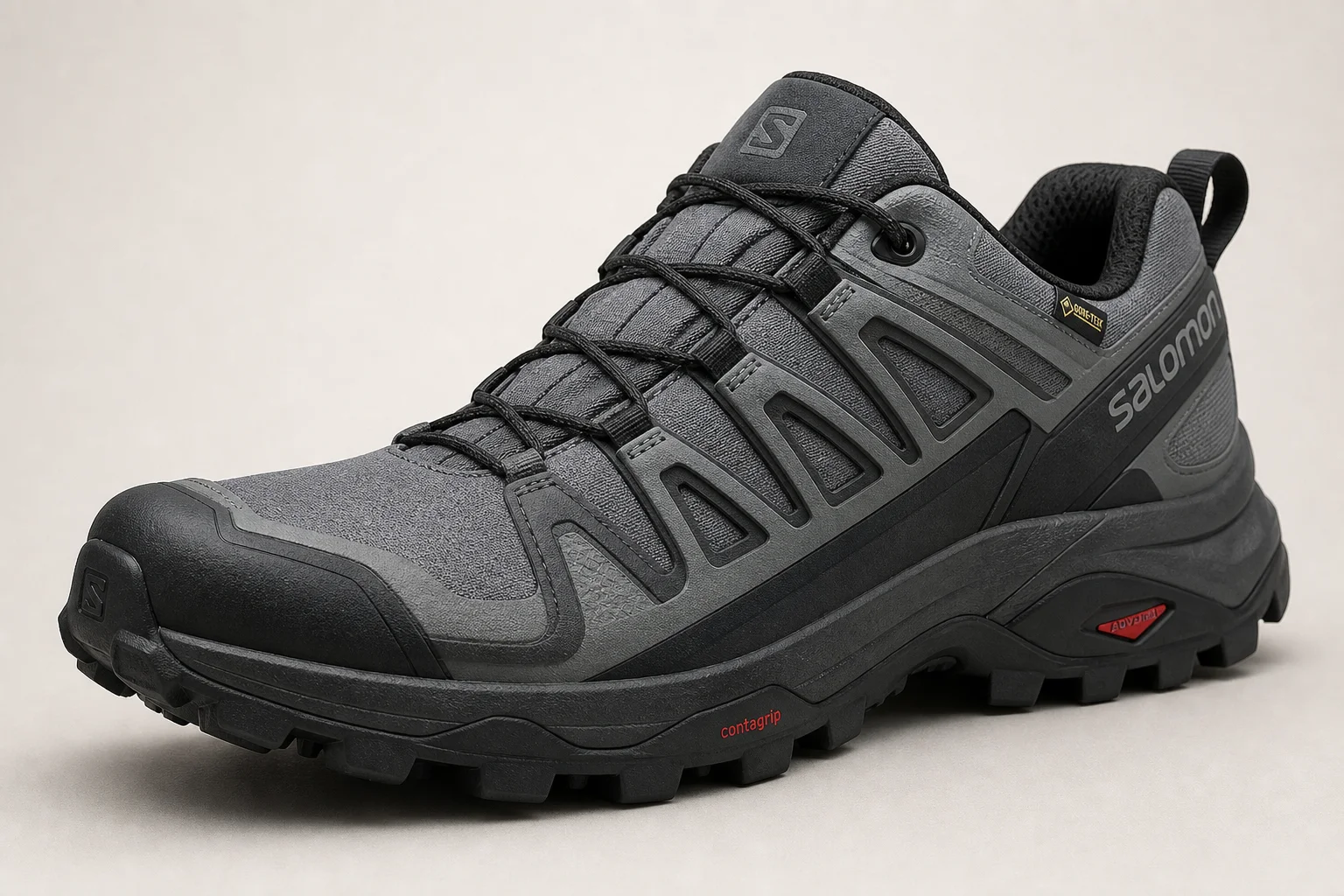
The Experience Wild, now in its third version, is a notable departure for Altra. It carries a 4 mm heel-to-toe drop, which is unusual for a brand long known for zero drop shoes, along with a 32 mm stack height at the heel and 28 mm at the toe. That is meaningfully more material underfoot than the Lone Peak’s 25 mm.
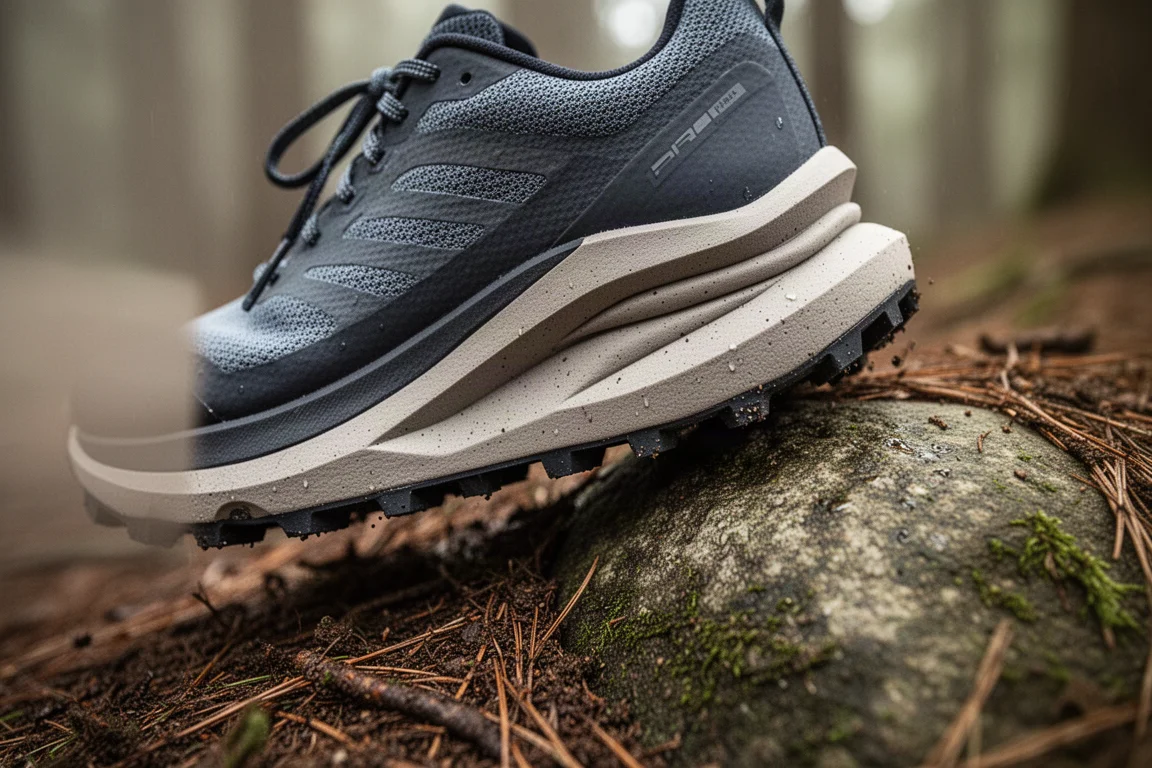
In practice the Experience Wild remains a flexible shoe. It does not include a rock plate, and it bends and rolls with the terrain more than a dedicated protective model would. What it offers is a middle path: a wide toe box, a modest drop, and more cushioning than Altra’s classic minimal models, which makes it a more forgiving option for hikers who want the Altra fit without the full demand of a zero drop shoe.
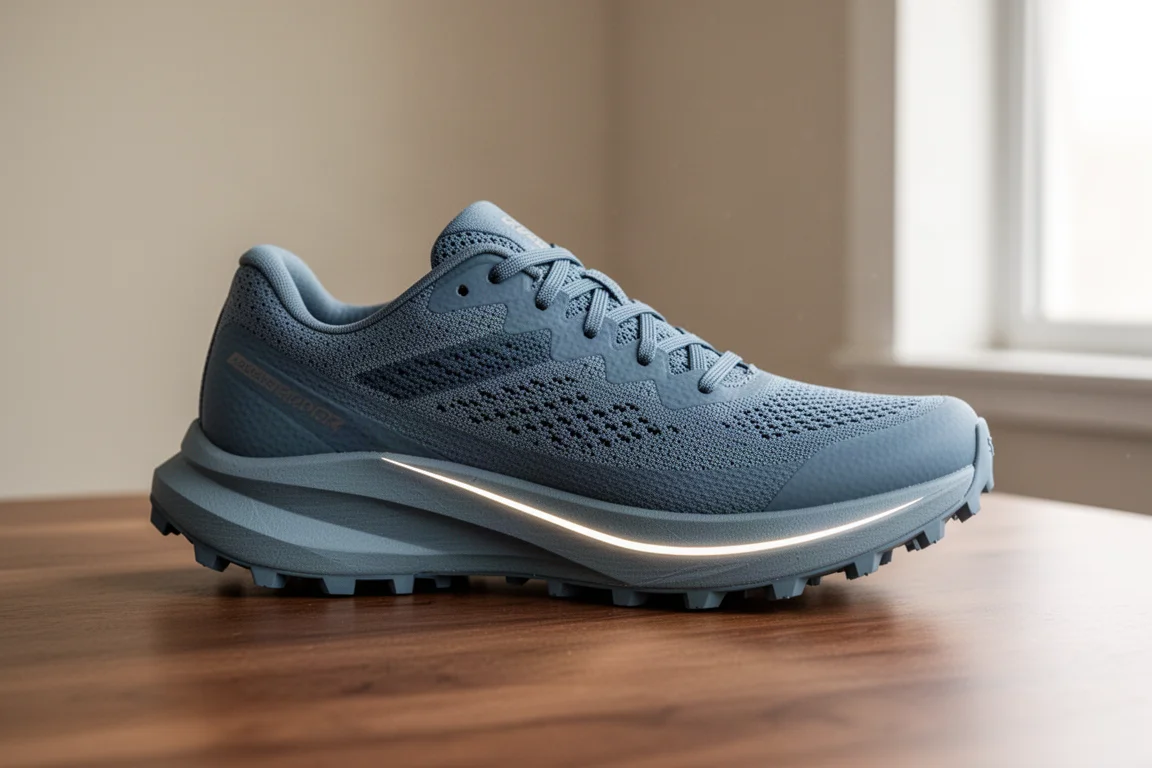
Topo Athletic Terra Venture: The Protective Workhorse
The Terra Venture takes a different approach. Its drop is just 3 mm, but the midsole is sturdier and the rubber outsole is tougher and more rugged than what you find on lighter trail runners. It also includes a rock plate, which shields the sole of the foot from sharp objects underfoot.
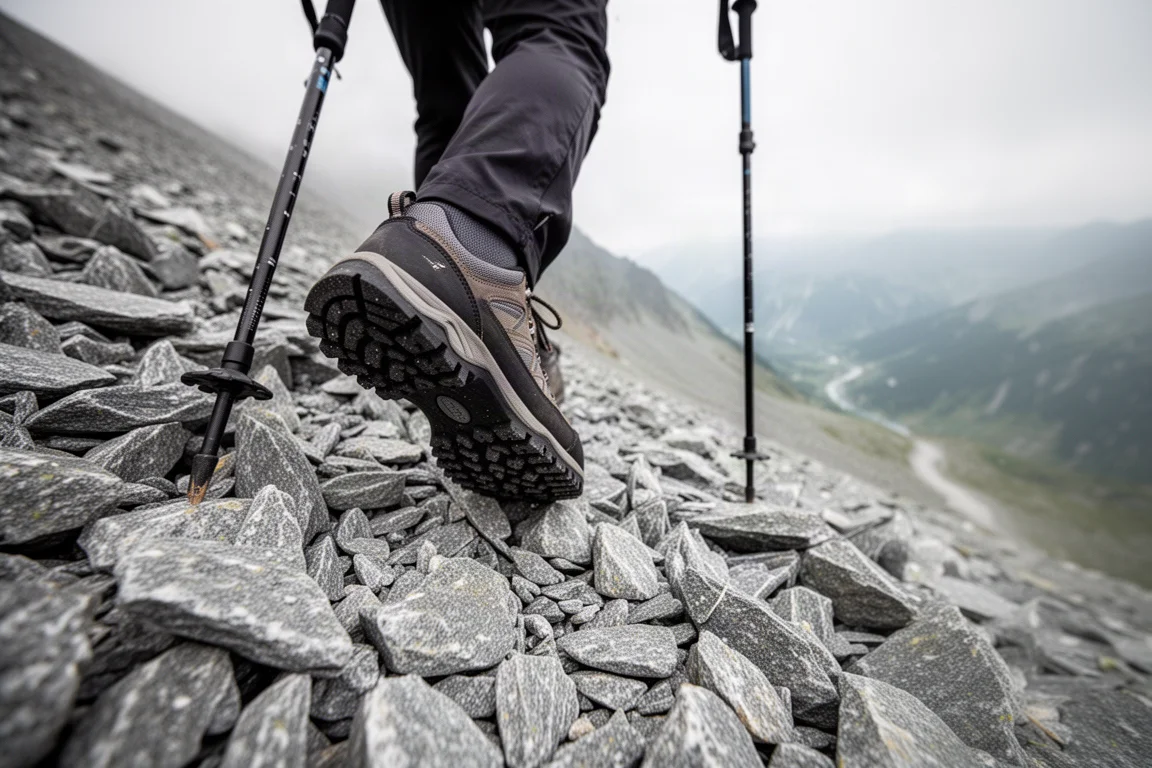
That combination makes the Terra Venture feel more protective and more planted. On rocky terrain, and on long stretches of hardpack or pavement, it absorbs and deflects far more of what the trail throws at your feet. For hikers whose feet take a beating on mixed surfaces, that extra structure is the difference between finishing a long day comfortable and finishing it sore.
Where the Terra Venture Excels
The Terra Venture is at its best on rough, rocky ground and on routes with long road walks. The firmer midsole and tougher outsole hold up to repeated impact in a way that lighter, more flexible shoes do not, and the rock plate keeps sharp edges from translating directly into the sole of the foot. For a hiker who is unsure how their feet will respond to a long trail, that margin of protection matters more than a small weight saving.
Overall Buying Advice
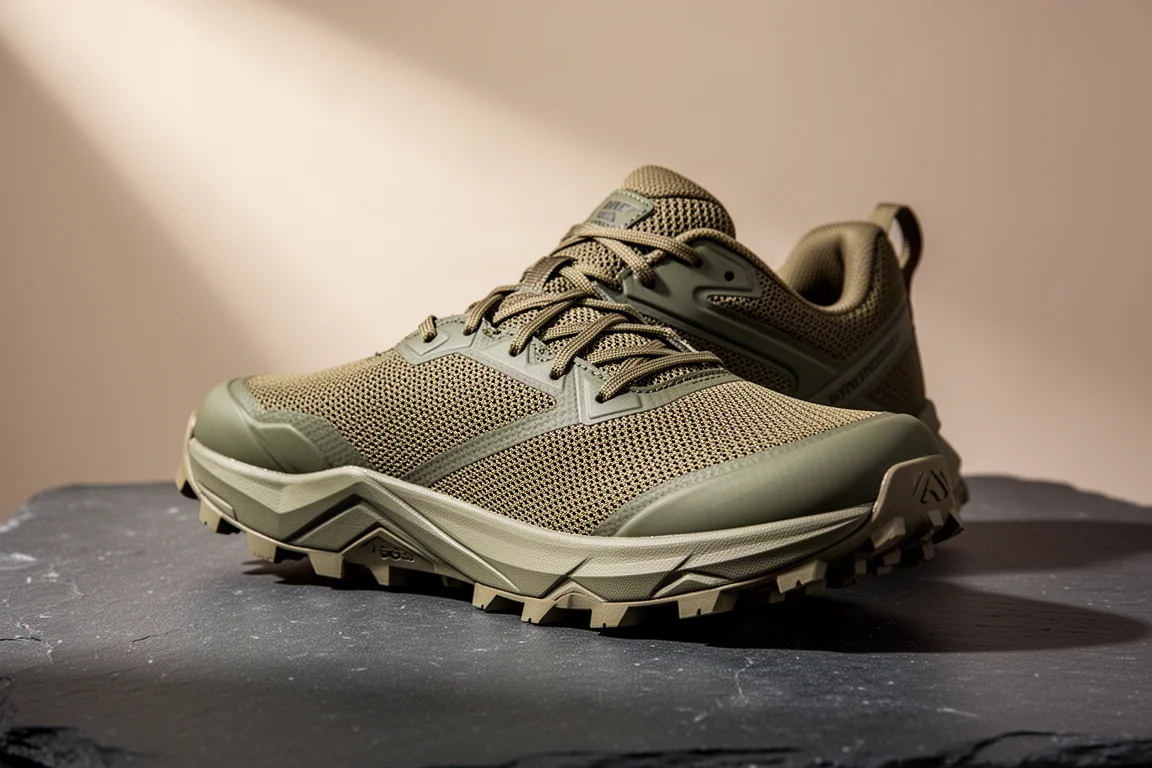
If you are starting a long-distance hike and you do not yet know how your feet will behave, the Terra Venture is the safest starting point of the three. It is the more stable and more protective shoe for a foot that has not been hardened by thousands of trail miles, thanks to the rock plate, the sturdier midsole, and the tougher outsole. The Experience Wild is a reasonable middle option for hikers who want Altra’s wide toe box with more cushioning and a small drop. The Lone Peak remains a superb shoe for the right foot, but it is the least forgiving place to begin.
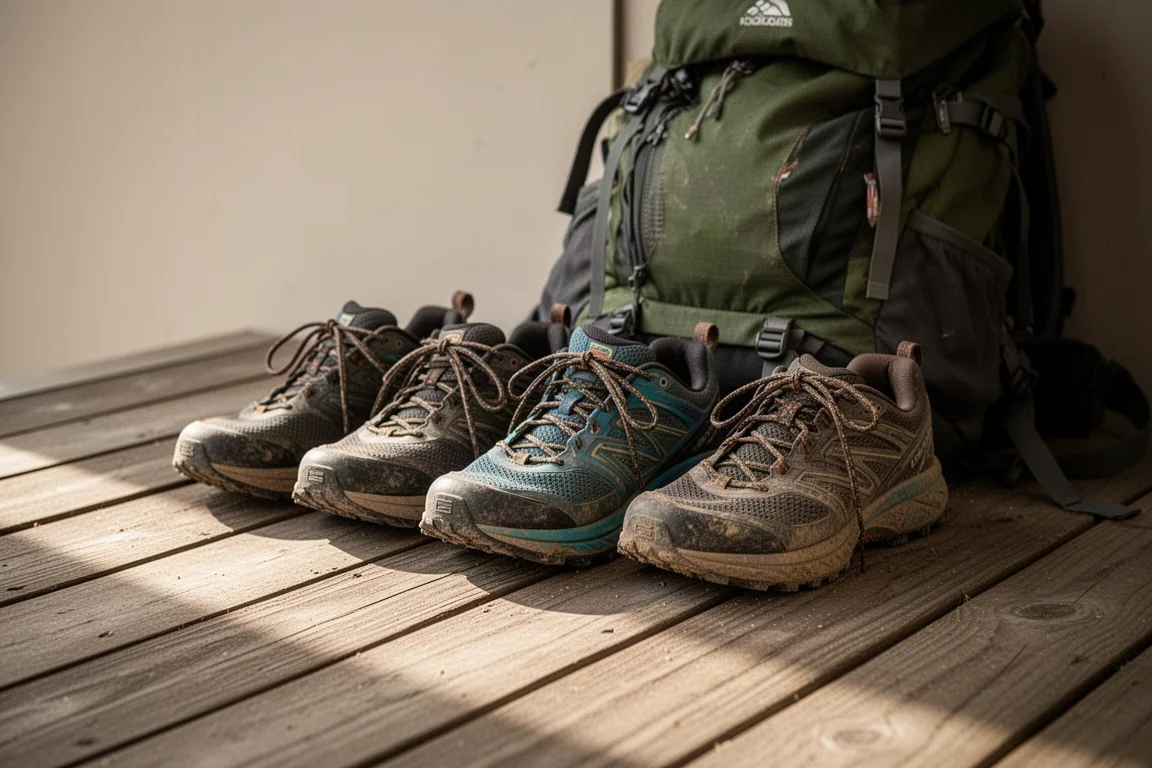
Fit and returns deserve as much attention as specifications. Long-distance hikers commonly go through six to eight pairs of shoes on a single trail, and that adds up quickly if every failed experiment is a sunk cost. Buying from a retailer with a generous return window, such as a membership retailer that allows returns for up to a year even on used footwear, removes much of that risk and makes it easier to try a model honestly.
It also helps to treat shoe choice as a personal problem rather than a popularity contest. Picking a model because it tops a survey, because it appears in a social media thread, or because a well-known hiker wears it tells you very little about how it will fit your own feet. There is a lot of nuance in footwear, and the only meaningful test is how a shoe feels under load on the terrain you actually walk.
One last note on aesthetics: a wide toe box does not look as sleek as a tapered one. That is a fair trade. Your toes will be considerably happier.
Conclusion
Altra and Topo Athletic remain the two names to know if a wide toe box is a priority. The Lone Peak is the minimalist classic for strong, experienced feet. The Experience Wild adds cushioning and a small drop while keeping the Altra fit. The Terra Venture is the rugged, protective option and the safer first choice for hikers who are still working out what their feet need. Whichever you choose, buy somewhere you can return it, start conservatively, and let your feet tell you the rest.
Further reading
Related Reviews
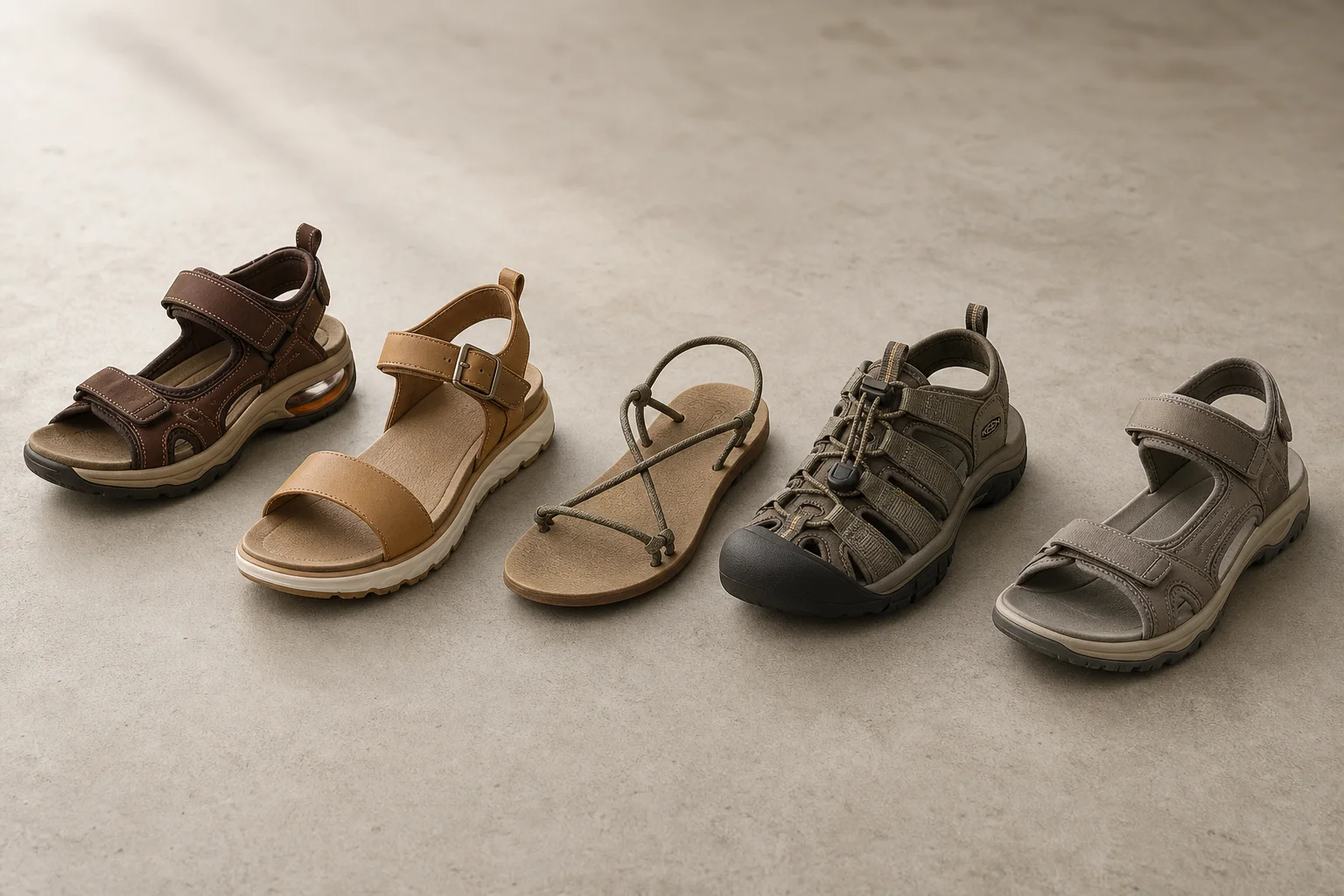
Hiking Footwear
Best Hiking Sandals 2026: Five Options for Different Trail Needs
Five hiking sandals tested for comfort, protection, and versatility. Find the right pair for your hiking style, from minimalist designs to heavy-duty closed-toe options.
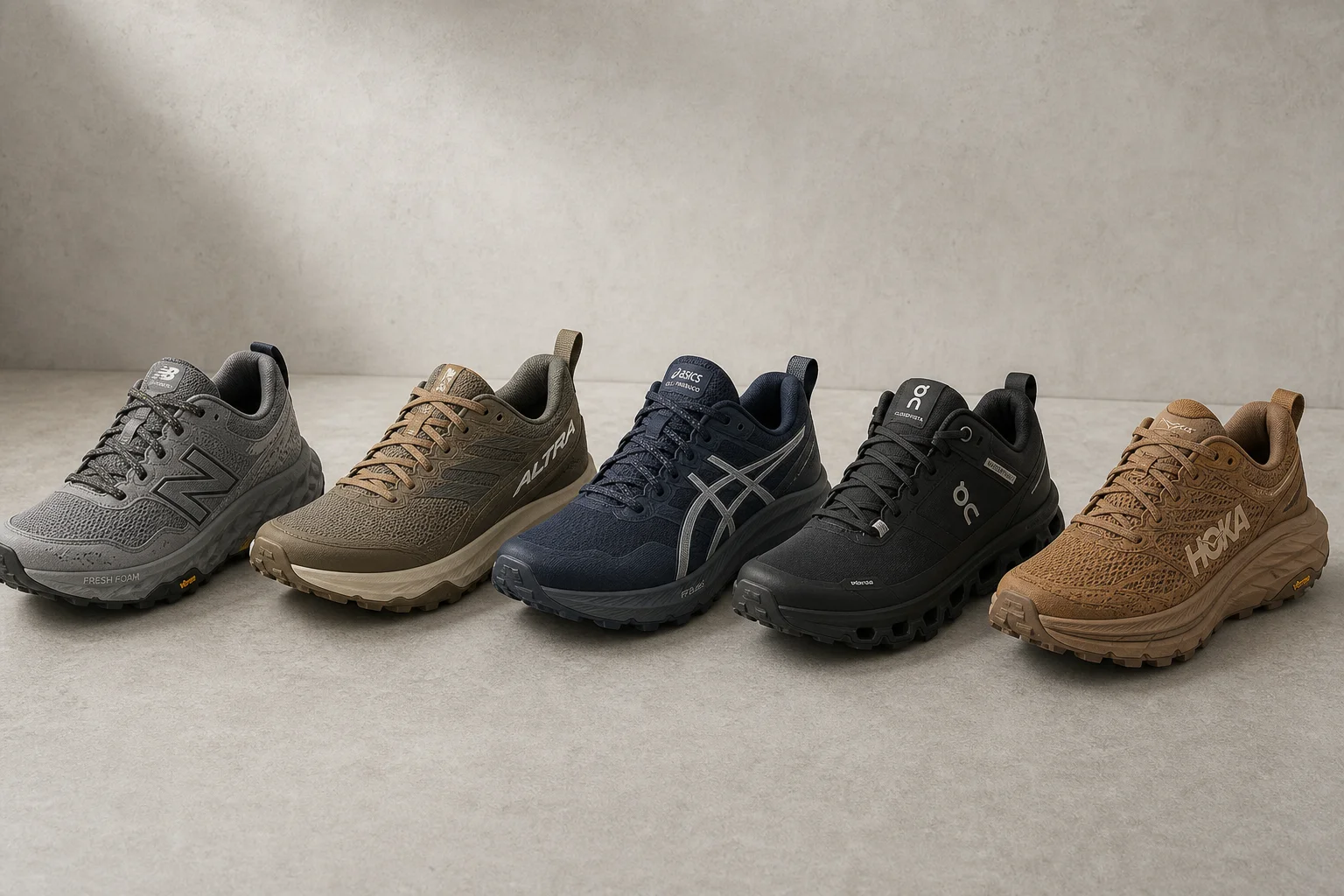
Hiking Footwear
Best Hiking Shoes 2026: Five Options for Different Terrain and Support Needs
A practical guide to five hiking shoes covering max cushioning, zero-drop design, all-around versatility, waterproof protection, and balanced comfort for long-distance trails.
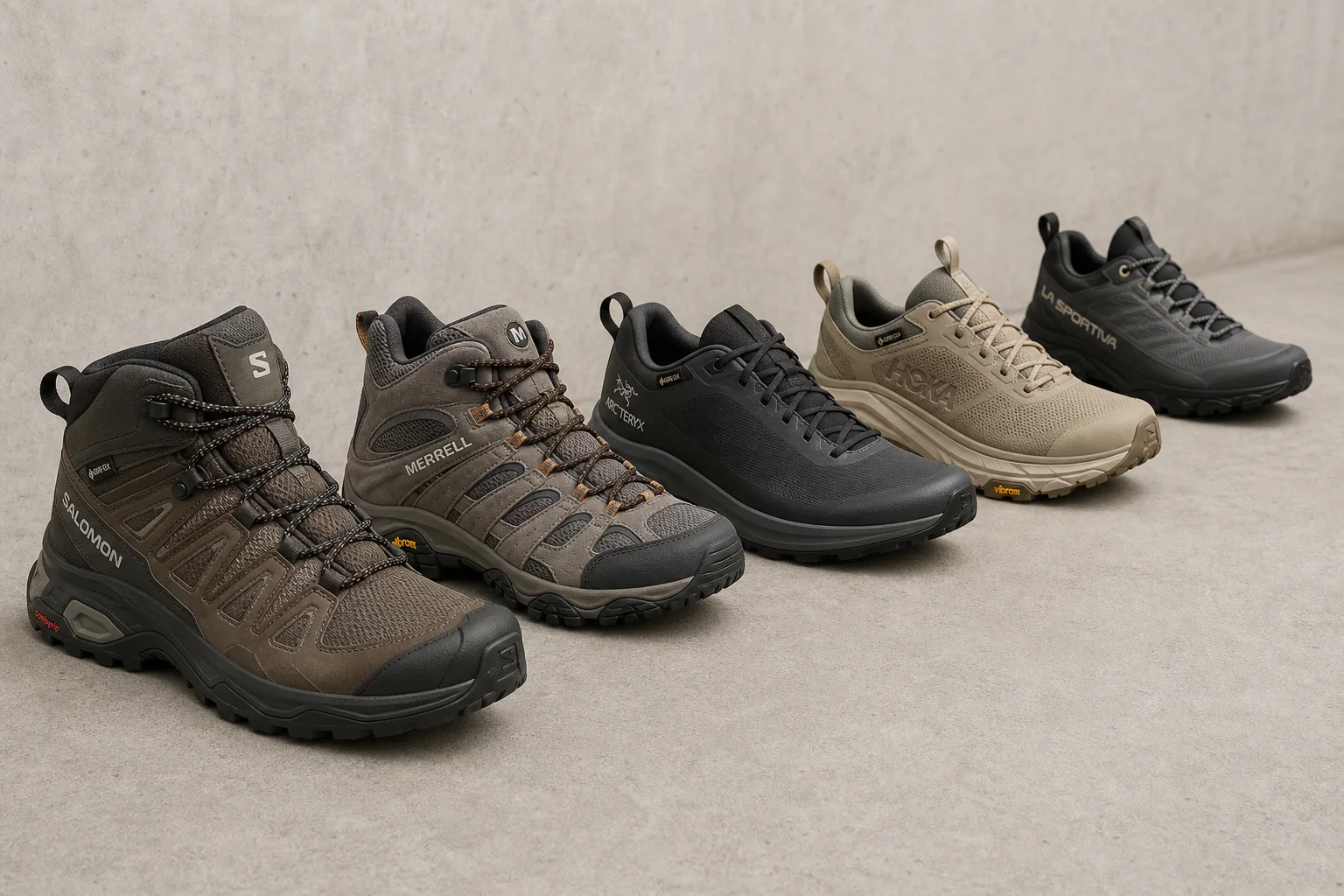
Hiking Footwear
Best Hiking Shoes for Men: Five Tested Options Ranked
A detailed ranking of five hiking shoes tested for comfort, traction, and durability across varied terrain and conditions.