Hiking Gear
Best Wet Weather Hiking Gear: Five Waterproof Layers Worth Packing
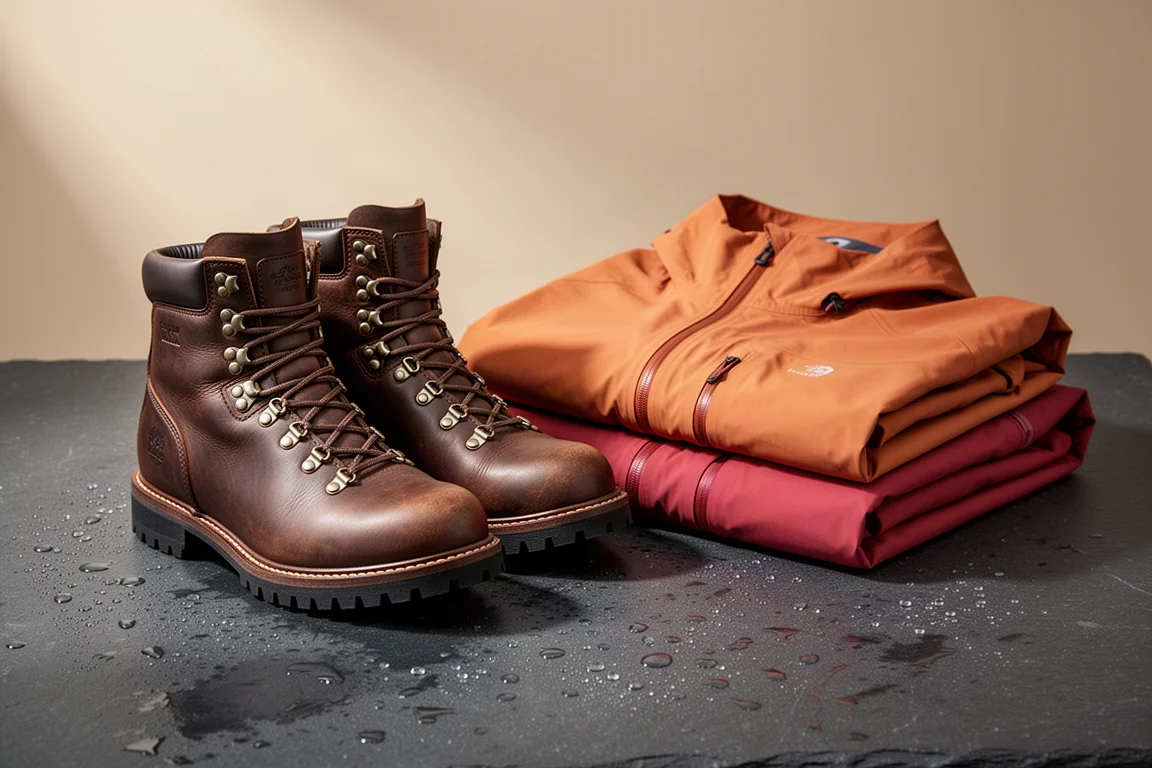
Five wet weather hiking pieces, from a full leather four season boot to directional waterproof jackets built for cold, rainy days.
Introduction
Rain does not have to end a hike. With waterproof footwear and a shell that breathes, a wet day on the hill can be every bit as enjoyable as a dry one, and often a good deal quieter. The trick is choosing layers that keep water out without trapping perspiration in, because a jacket that blocks rain and sweat at the same time still leaves you wet.
This guide covers five pieces of wet weather kit that hold up in cold, windy and rainy conditions: one full leather hiking boot and four waterproof jackets and smocks, each suited to a different kind of weather and a different way of running warm or cold.
How to Choose Wet Weather Hiking Gear
Waterproofing is only half the job. A shell that keeps rain out but holds perspiration in will leave you damp anyway, so breathability matters as much as the waterproof rating. The layers worn around and underneath the jacket do much of the remaining work.
A cap worn under the hood keeps rain off your face and, just as usefully, stops the hood from shifting when you turn your head. Gaiters keep water, grit and mud out of your boots and stop muddy spray from soaking your trouser legs, which is worth having even on days when the rain never really arrives. Waterproof overtrousers with a full-length leg zip are easier to pull on over boots, though they can restrict movement and make your legs sweat, so many hikers keep them for the heaviest rain.
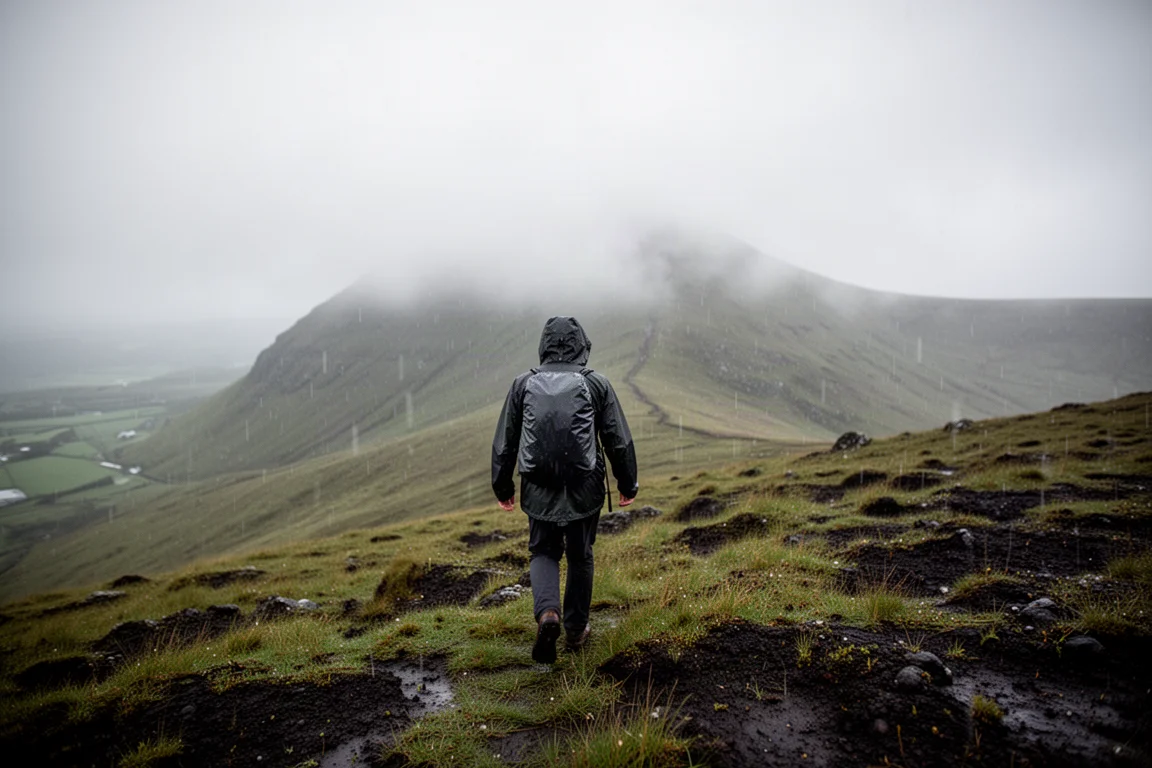
Gloves are the other easy win. A water repellent, well insulated pair keeps your hands warm enough to keep working. Inside the pack, a dry bag and a waterproof pack cover keep spare layers usable.
It is also worth understanding what a waterproof layer actually does. It creates a microclimate between the fabric and your skin, so even if you sweat a little you stay warm. Without a shell, getting soaked through can lead toward hypothermia, which is a genuine risk on a cold, windy day rather than a theoretical one.
Best Waterproof Boots: Scarpa SL Active
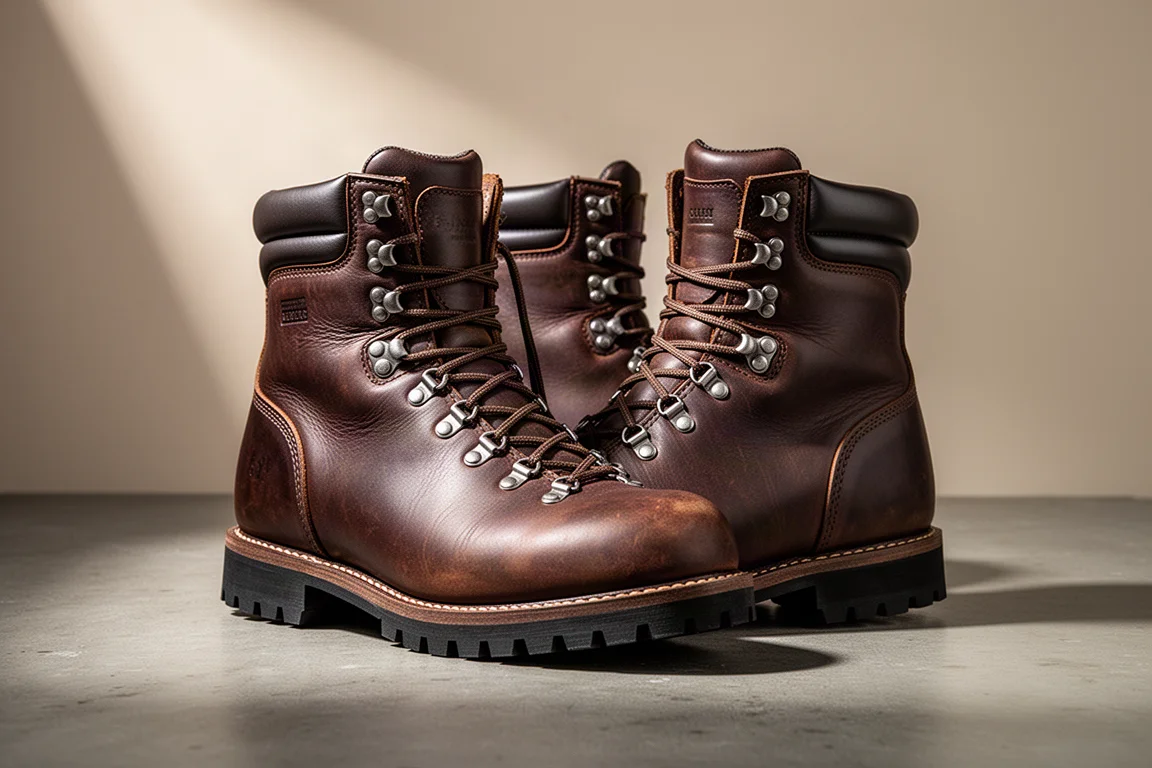
Everything starts at the feet. The Scarpa SL Active is a full leather boot rated for four to five seasons in the UK, which makes it a sensible choice for wet, cold and changeable conditions. It is fully waterproof as long as the leather is looked after: clean the boots regularly and reapply wax to keep the leather in good order.
This is not a cheap boot, and that is worth taking seriously. A proper boot fitting is strongly recommended before committing to this kind of spend, because fit matters more than anything on a specification sheet. Hikers who do not want to pay that much still have options, and the boots available from Decathlon are worth a look, partly because they come with a generous guarantee that covers replacement if problems appear.
Best Everyday Waterproof Jacket: Rab Zenith
Not every wet weather jacket needs to be a specialist. The Rab Zenith is a waterproof shell built for everyday wet weather walking, and it is a dependable option when conditions are mixed. It is the sort of jacket that stays in the pack when the forecast is uncertain: light enough to carry without thinking about it, protective enough to pull on when the rain arrives.
For anyone assembling a wet weather system from scratch, a shell like this is a sensible starting point. It covers the ordinary rainy walks that most people actually do, and it leaves room to add a warmer, more specialised layer later for deep winter.
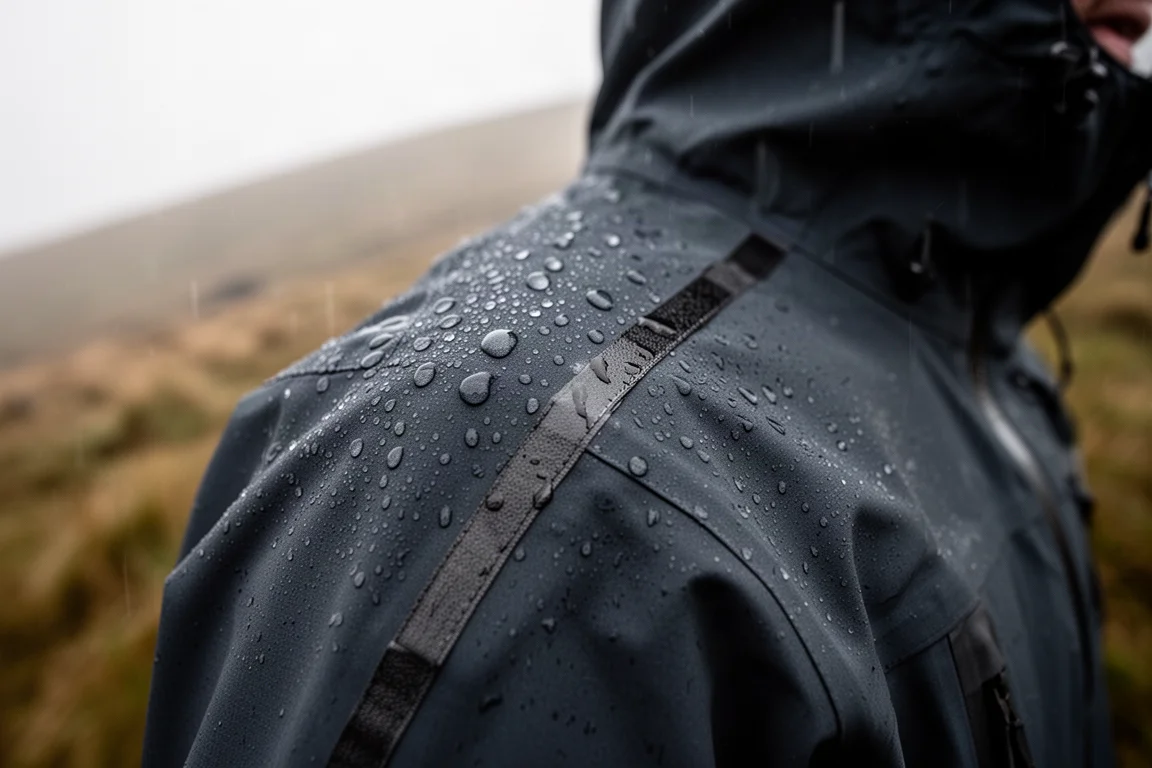
If you hike regularly through autumn and winter, one shell is rarely the whole answer. Treat the Zenith as the dependable middle of a layering system rather than the only jacket you own.
Best Lightweight Shell: Rab Fuse
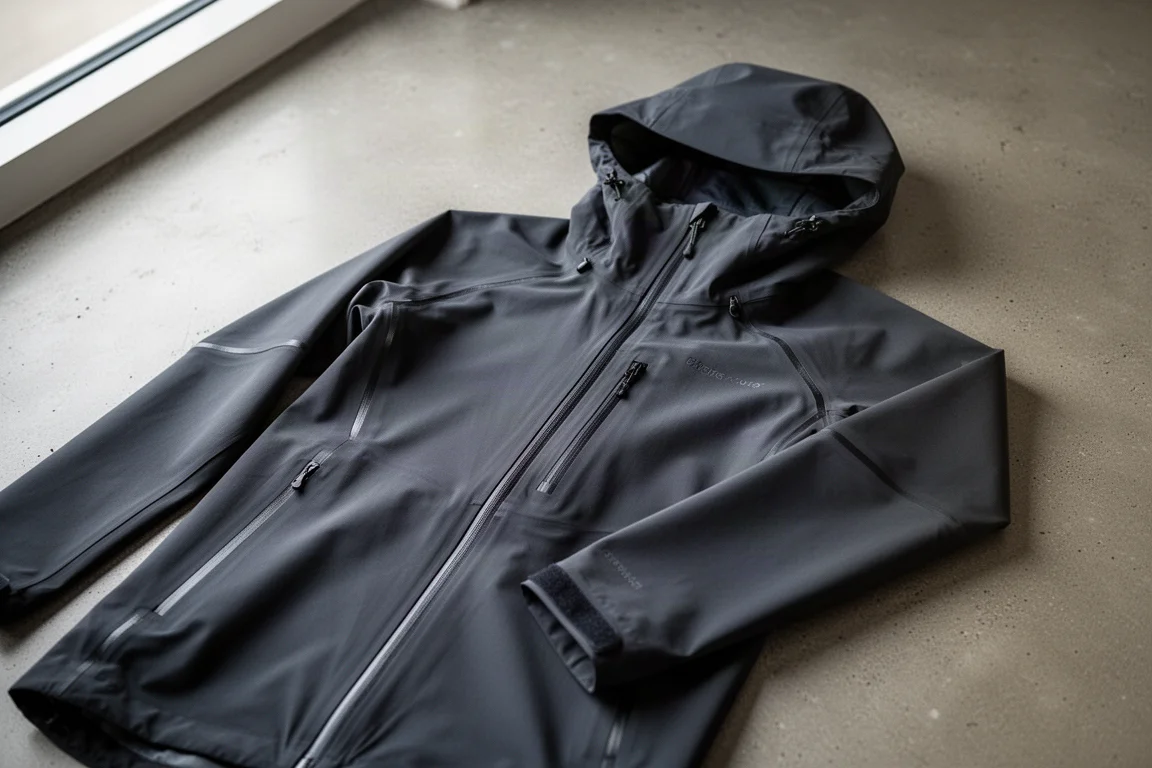
The Rab Fuse uses Pertex Shield rather than Gore-Tex, and the difference shows up mainly in how it feels. It has a DWR coating that sheds water from the surface and needs re-treating every so often. Where a stiffer Gore-Tex shell can feel like wearing a thick bin liner, the Pertex Shield fabric feels closer to ordinary material and is more comfortable to wear as a result.
That comfort matters over a long day. A jacket you barely notice is a jacket you keep on when the weather is marginal, and keeping it on is what keeps you dry.
Best for Cold Weather: Paramo Quito
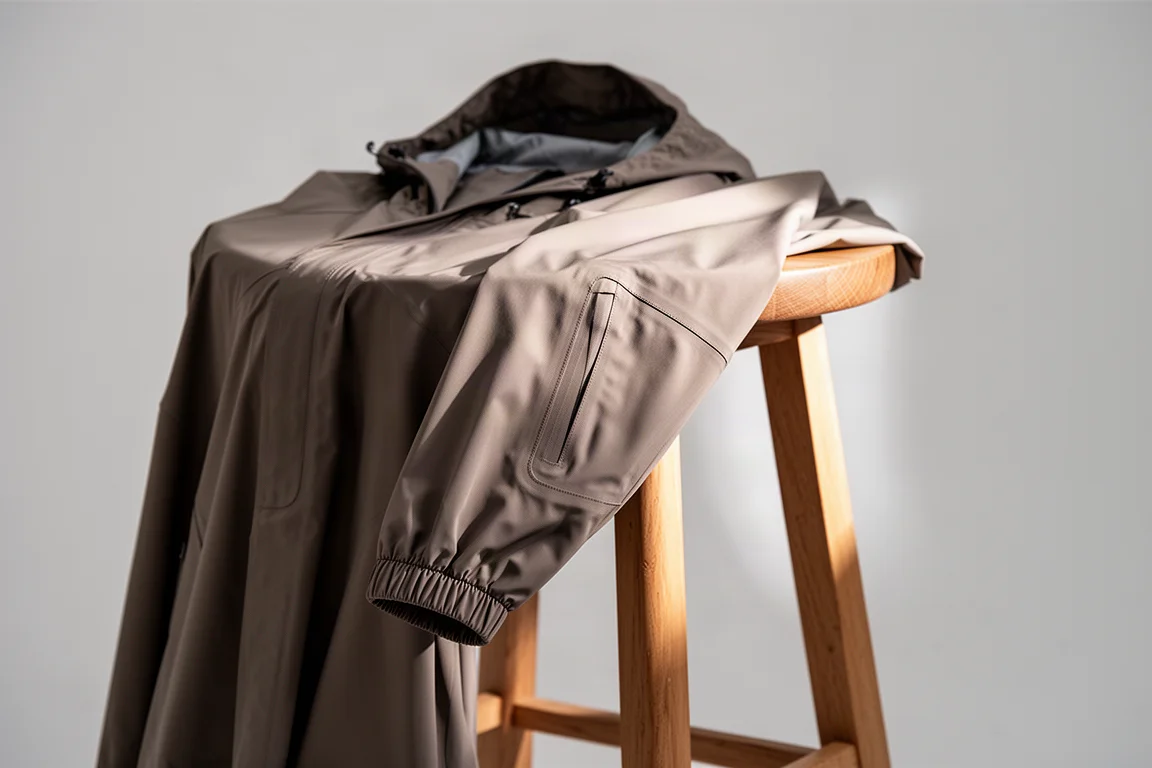
The Paramo Quito works on a completely different principle from a conventional shell. It is directional clothing: water passes through the outer fabric toward the skin, and a pump system inside moves that moisture back out to the surface, which is what keeps you dry.
The practical result is warmth. Paramo jackets feel toasty, and the Quito is a strong choice for winter. That same warmth is the limitation: it is far too warm for summer, and often too warm for spring and autumn as well. Like most waterproofs, it needs reproofing from time to time with a product such as Nikwax, which restores the water repellent surface so rain beads off. Once water starts to penetrate the outer, the pump liner takes over and moves moisture from your skin to the surface.

For cold, wet days it is hard to beat, provided you accept that it will spend a good part of the year in the wardrobe.
Best Pullover Smock: Paramo Velez Adventure Light
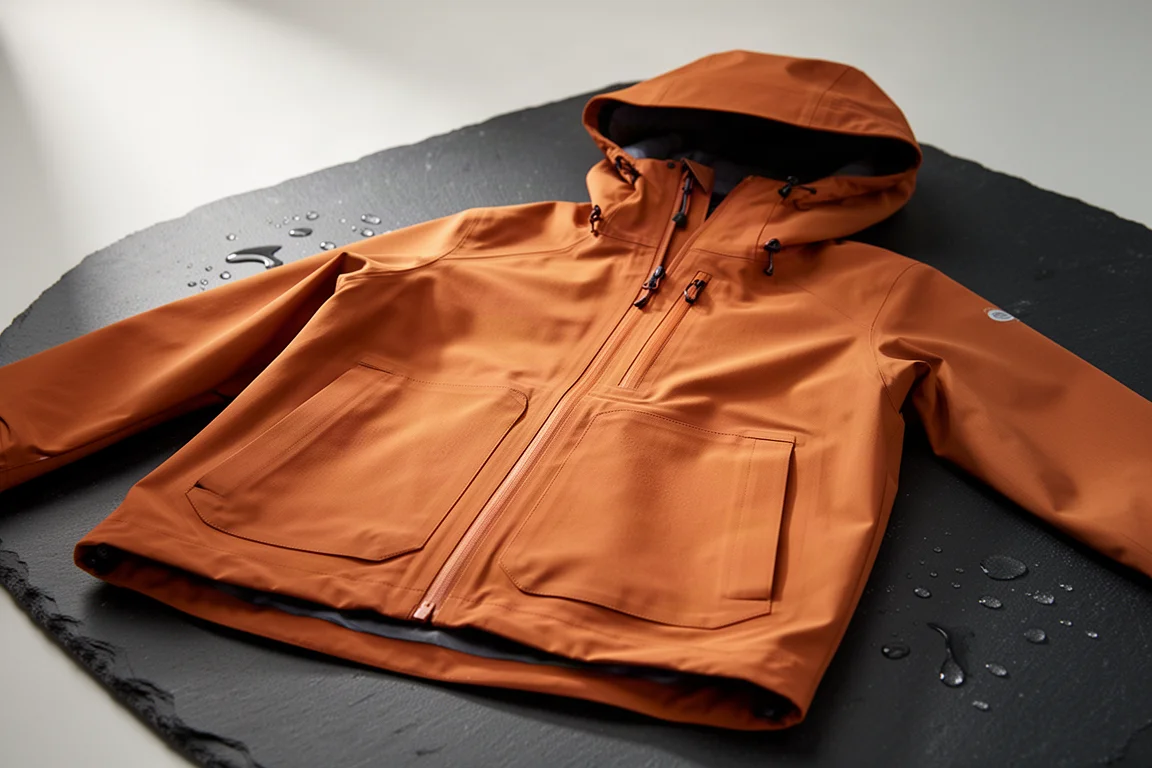
The Paramo Velez Adventure Light is a red pullover smock built on the same directional approach. It is a great piece of kit, and like the Quito it runs warm, which makes it a specialist rather than an everyday jacket. For most of the year it is simply too warm to wear comfortably.
If you feel the cold and want a layer that keeps you warm through the worst of winter, that trade-off is exactly what you want.
Buying Advice
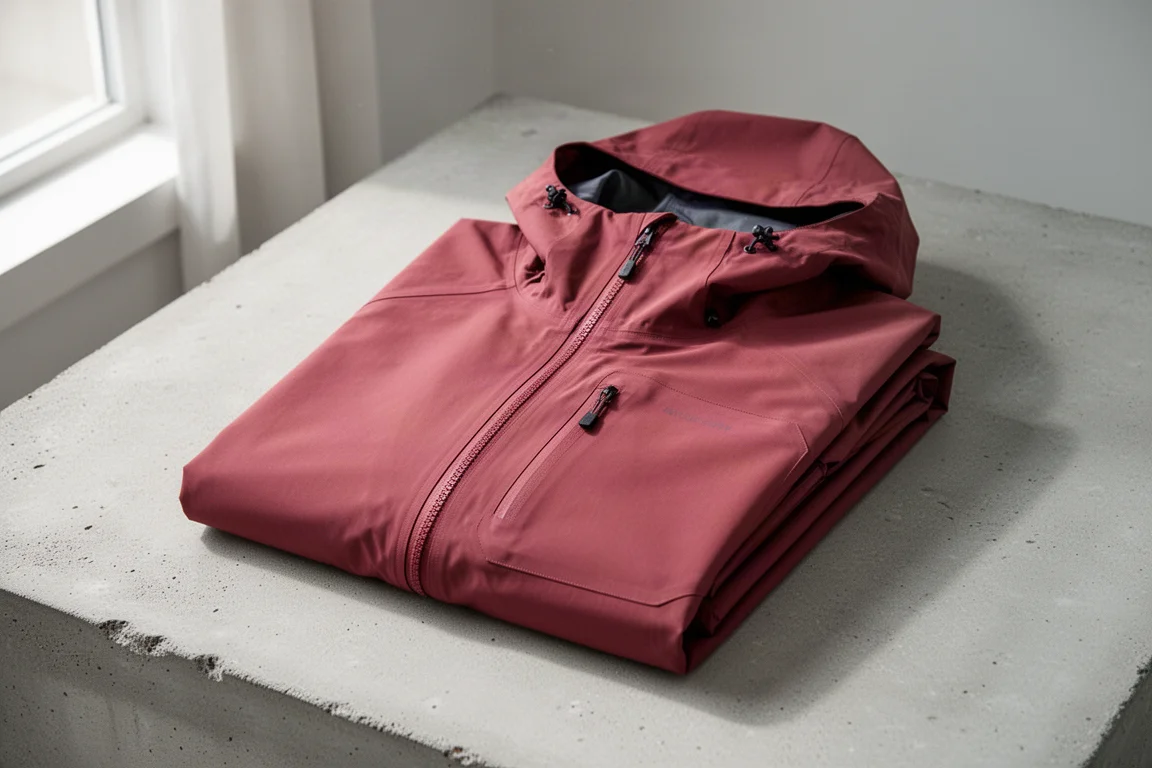
The right choice depends less on specifications than on how warm you run and what you do in the rain. If you overheat easily, a lighter Pertex Shield style shell is the more usable option across the year, with waterproof overtrousers kept for the heaviest downpours. If you feel the cold, a directional jacket is a strong winter choice, and the Quito is the more versatile of the two Paramo options simply because it is a little less warm than the Velez smock.
Boots deserve the largest share of the budget. Fit and waterproofing decide whether a long wet walk is comfortable, and a full leather boot that is cleaned and waxed regularly will keep water out for years. Get fitted properly, and do not overlook lower-cost alternatives if the premium end of the market is out of reach.
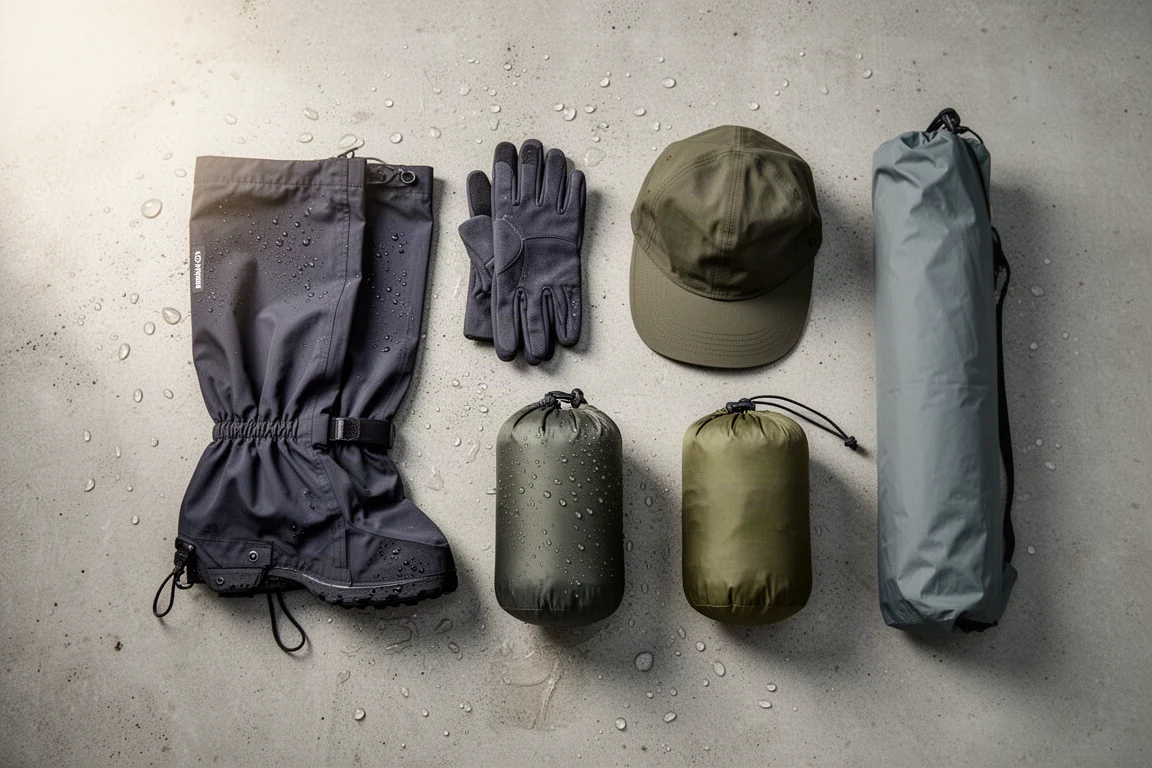
Maintenance is part of ownership. Clean and rewax leather boots, re-treat the DWR coating on a shell when water stops beading, and reproof a directional jacket with a suitable product when its surface starts to wet out. A dry bag and a pack cover are inexpensive insurance for everything else in the pack.
Conclusion
Wet weather gear is at its best when it matches the conditions and the person wearing it. The Scarpa SL Active covers the foundation with a full leather boot that stays waterproof with regular cleaning and waxing. The Rab Zenith handles everyday wet weather walking, while the Rab Fuse offers a softer, more flexible Pertex Shield feel for hikers who dislike stiff, crackly shells.
For the coldest days, the Paramo Quito and the Paramo Velez Adventure Light deliver the warmth that directional clothing is known for, at the cost of being too warm for most of the year. Look after whichever layers you choose, and rain stops being a reason to stay indoors.
Further reading
Related Reviews
Hiking Gear
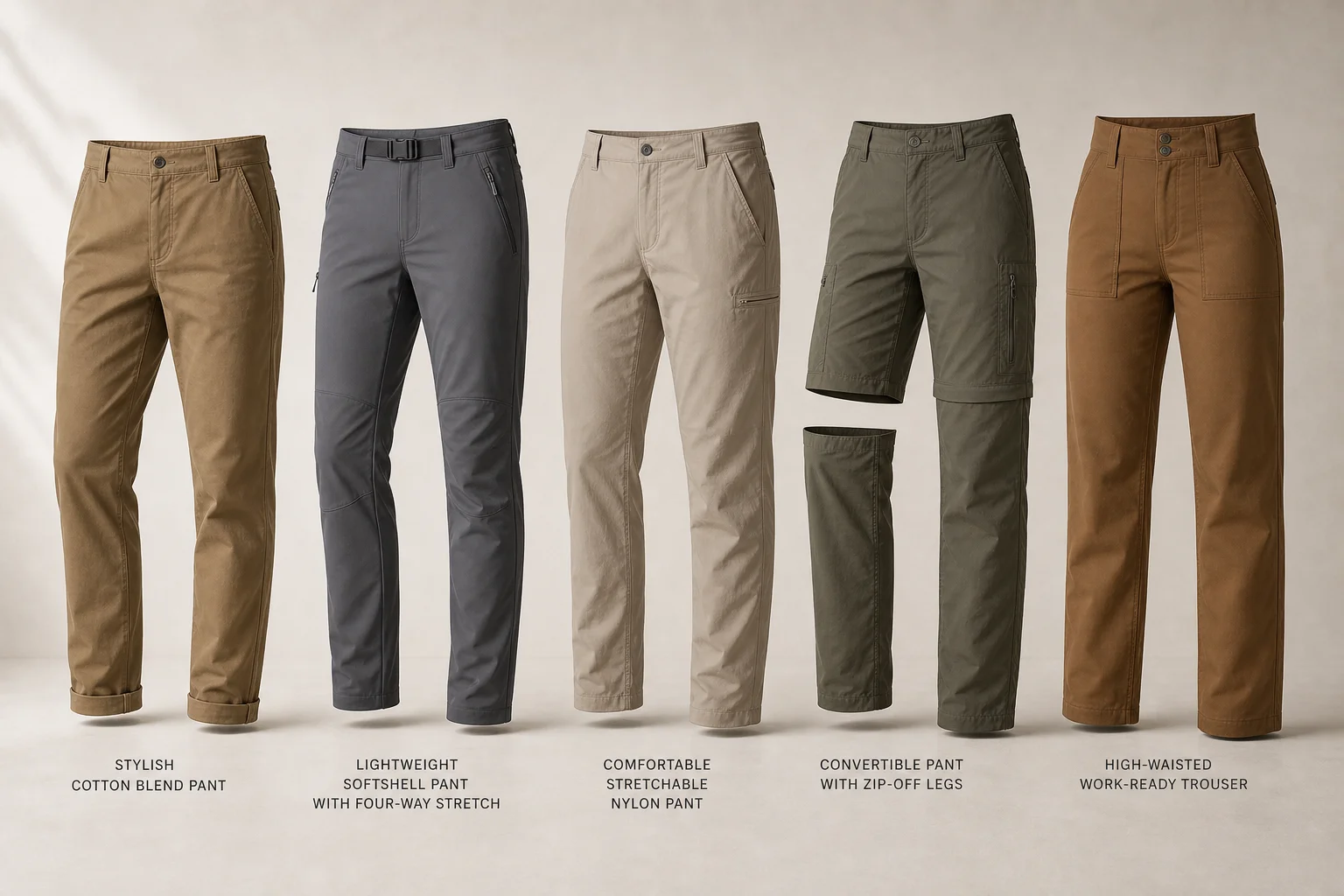
Best Hiking Pants on Amazon: Five Practical Options for Different Needs
A practical review of five hiking pants with clear strengths and trade-offs, from lightweight convertible styles to durable work-ready trousers.
Hiking Gear
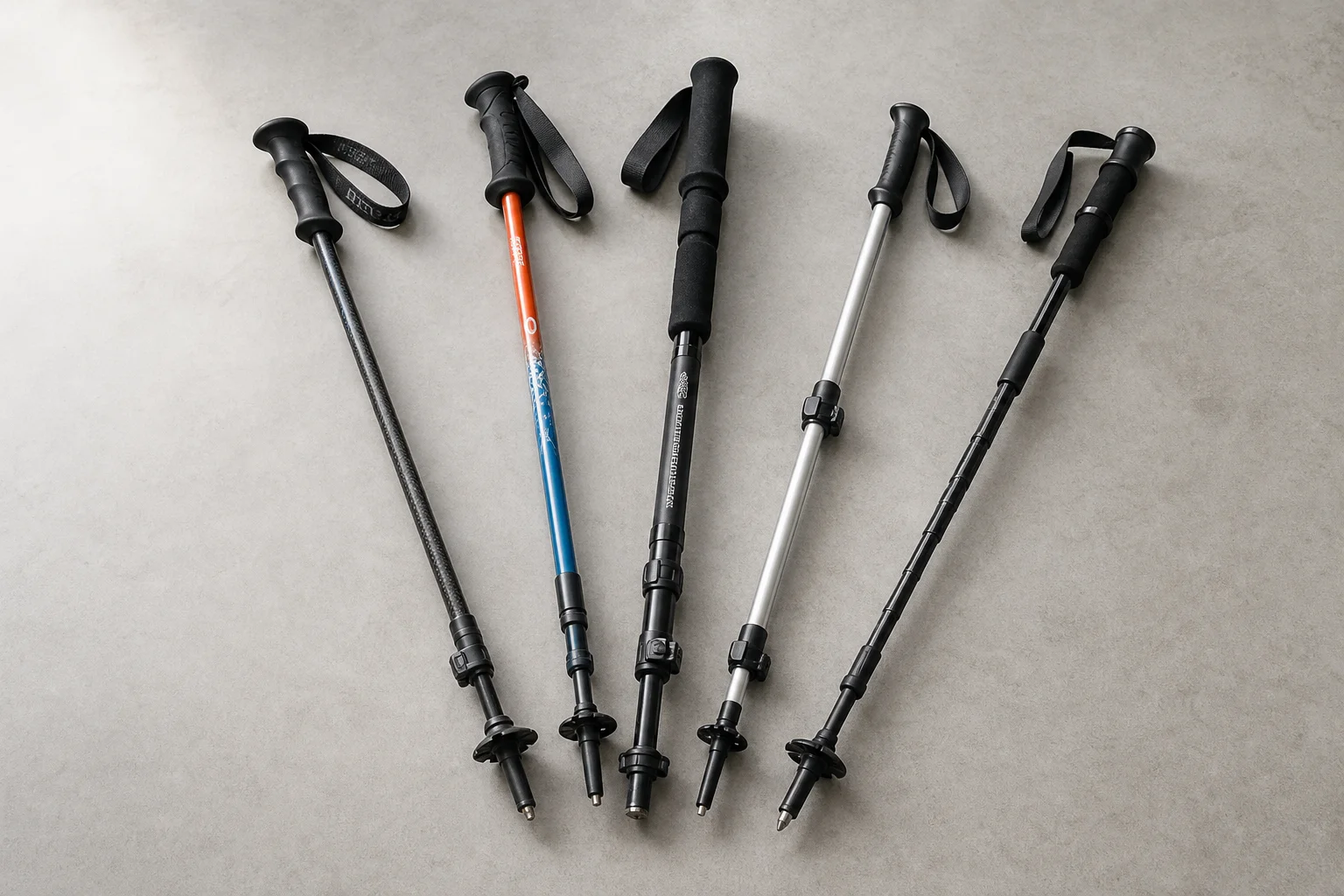
Best Hiking Poles 2026: Five Options for Different Trail Needs
A practical review of five hiking poles, from lightweight carbon designs to versatile all-terrain options, with clear strengths and trade-offs for each.
Hiking Gear
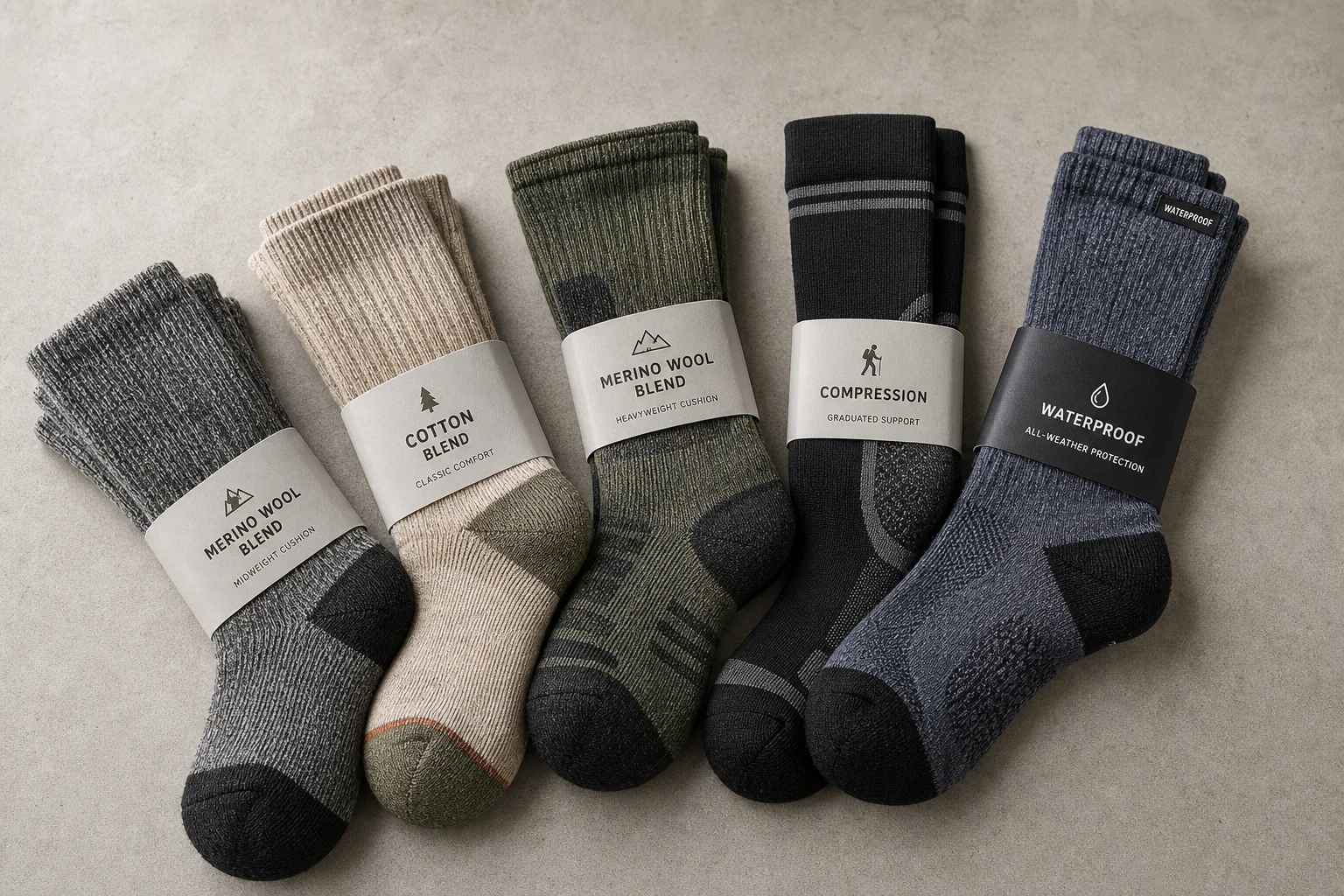
Best Hiking Socks 2026: Five Top Choices for Different Trail Needs
A practical roundup of five hiking socks, from lightweight merino options to heavy-duty compression styles, with clear guidance on which suits your outdoor activity.