Kitchen Knives
Best Wet Stones and Sharpening Accessories: A Practical Starter Guide
From beginner combination stones to premium Dabado series plates, here is how to pick the right Japanese wet stones, flattening tools, and accessories for your knives.
Introduction
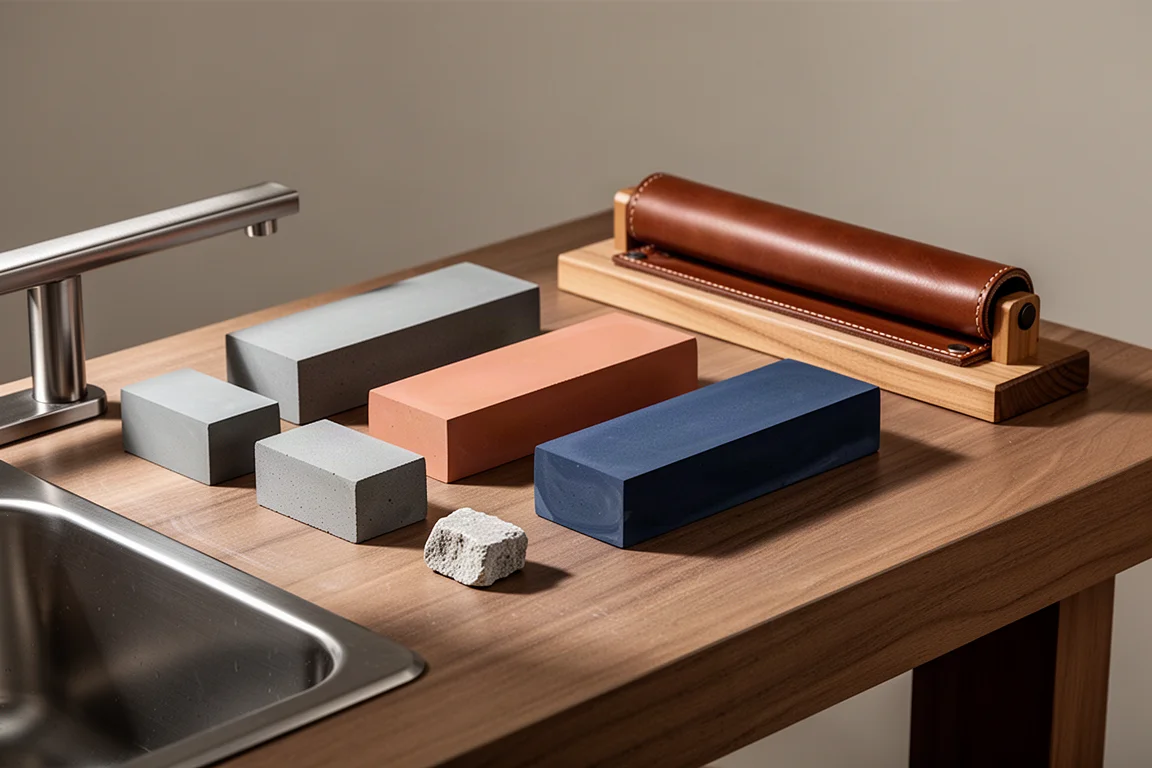
Getting started with wet stone sharpening can feel confusing. Grit numbers, splashing versus soaking, dressing stones, flattening plates: the terminology alone is enough to put people off. The good news is that building a sensible sharpening kit is simpler than it looks once you understand what each stone is actually for.
This guide walks through the sharpening stones and accessories worth knowing, ordered roughly from beginner-friendly to more advanced. The stones covered here come primarily from Suehiro, a maker based in the Sanjo region of Japan that manufactures all of its wares in-house, alongside the Naniwa Professional line, one of the most respected producers of sharpening stones in the world.
Beginner Combination Stones from Suehiro
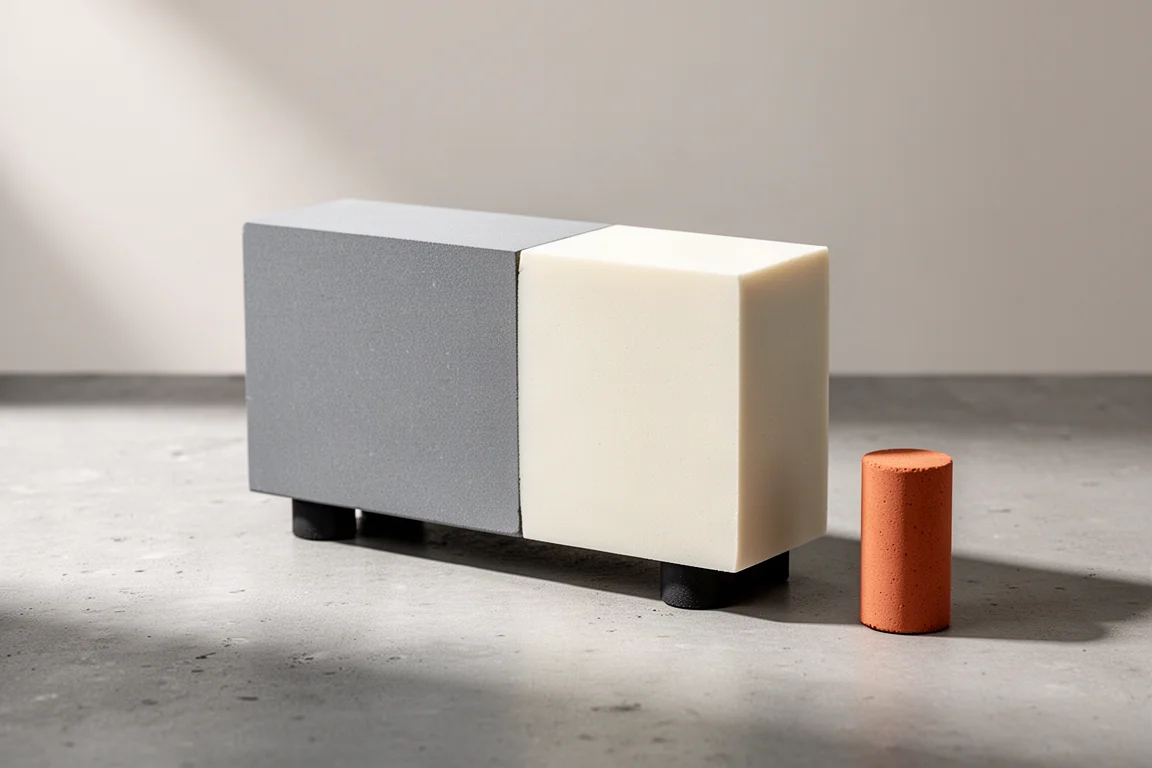
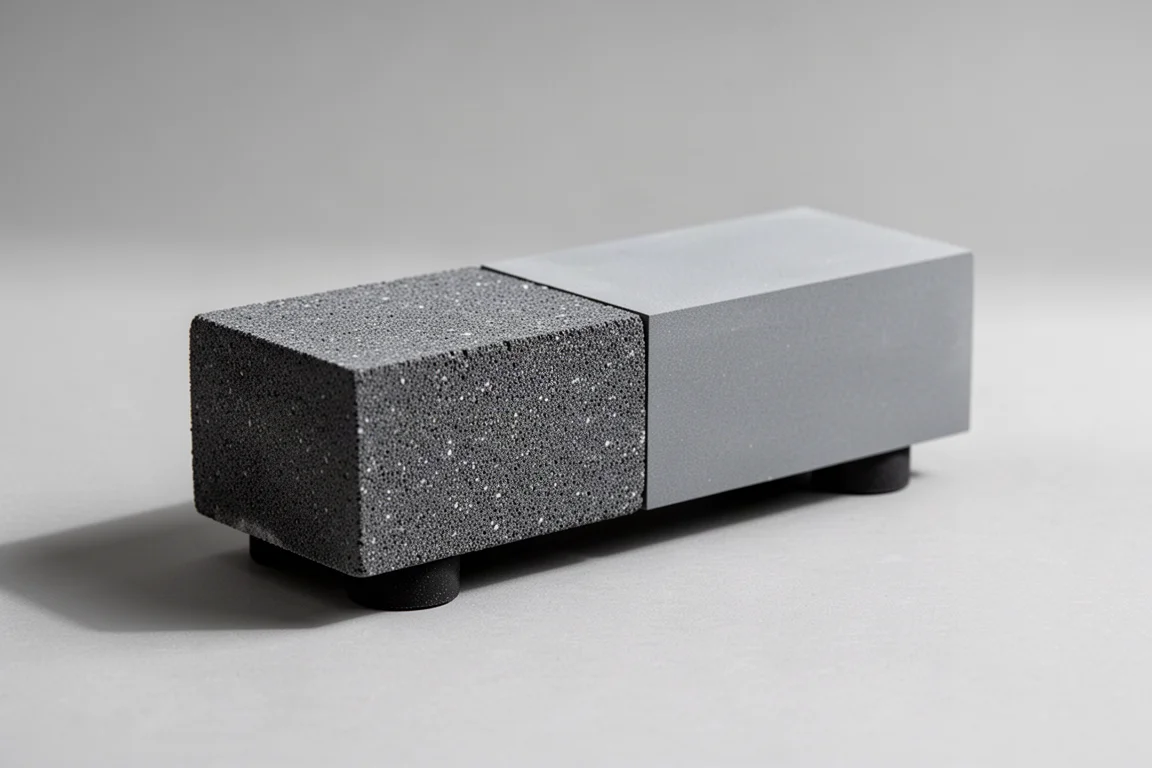
Combination stones are the easiest way to start. Suehiro makes two: a 1000/6000 combo and a 320/1000 combo. Both come with a nagura stone, which is often mistaken for a flattening tool but is actually a dressing stone. Dressing your stone means building up a slurry and pulling embedded steel out of the stone, which would otherwise ruin its effectiveness. Both stones also include small rubber feet that lift the stone off your work surface and keep it from sliding around.
Which one should you pick? It depends on the condition of your knives. Lower numbers mean coarser grit, and coarser stones remove material faster. If you are reviving old, very dull knives, the 320/1000 is the right choice: the 1000/6000 simply does not have the grit necessary to re-create an edge on a badly dulled knife.
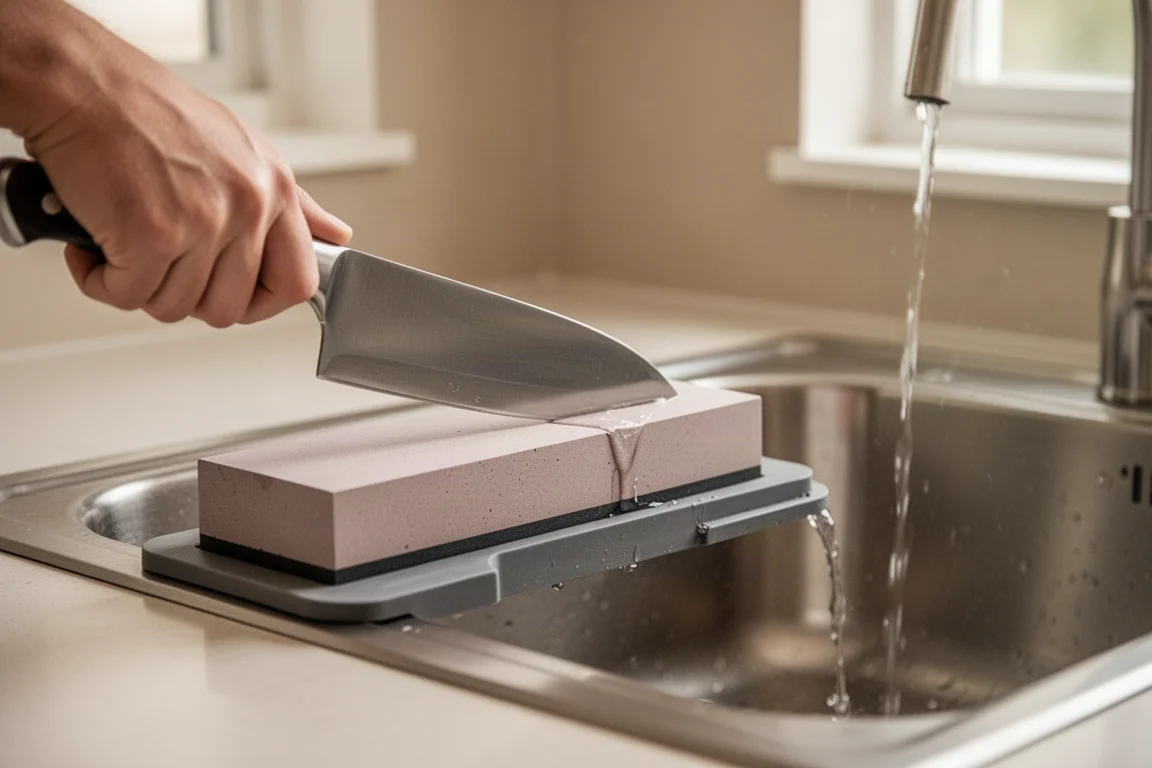
If you are buying a brand new knife and just want an affordable stone to maintain that factory edge, the 1000/6000 is the recommendation. The 6000 grit side is fine enough for frequent honing: daily for professionals, and roughly once a week for home cooks who use their knife every day. That fine side does lose its effectiveness quickly, so plan to drop down to the 1000 grit side about once a month as a home cook, or once a week as a professional, to reshape the edge before polishing it back up.
The Suehiro Cerax Line
Stepping up a level brings you to Suehiro’s Cerax line, available in 320, 700, and 1000 grits. The Cerax 320 is great for dull knives, though it is not quite coarse enough for serious repairs like working out chips quickly. The Cerax 700 is an excellent in-between stone: a primer for knives that are dull but not super dull, needing more than the 1000 can comfortably handle but less than the aggressive 320. The Cerax 1000 is a shop favorite and arguably the most versatile stone of the group, capable of daily maintenance and producing a genuinely fine edge, especially when paired with a leather strop.
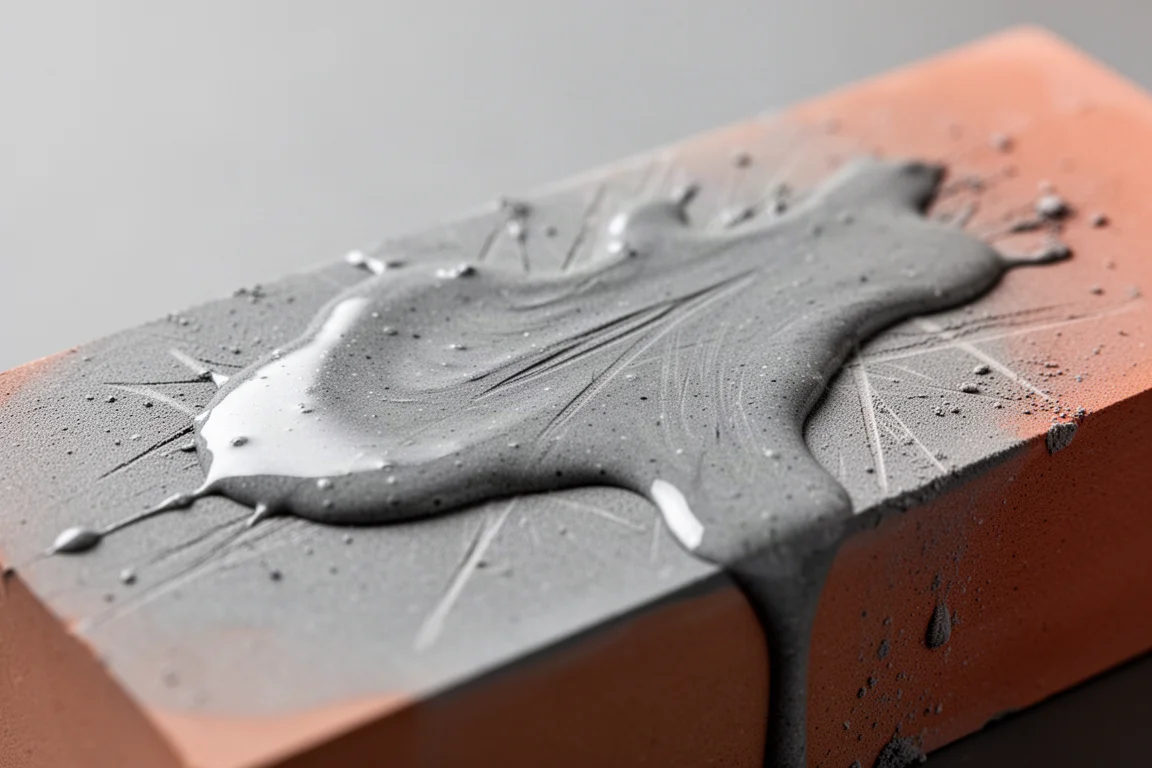
Why choose single-grit Cerax stones over the combination stones? Three reasons. First, surface area: full-sized Cerax stones give you noticeably more room to work. Second, thickness: a single-grit Cerax is thicker, so it lasts considerably longer. Third, quality: the Cerax stones are a step up in overall refinement, though the combination stones are by no means bad.
One more piece of advice: if you think you will really get into sharpening, it is generally better to buy single grits. Combination stones wear down at different rates, and you may find your 1000 side wears out long before your 6000. As for longevity, these stones last a very long time; expect to sharpen hundreds, perhaps thousands, of knives before they are worn out.
Higher Grits: Suehiro Uka and Eureka
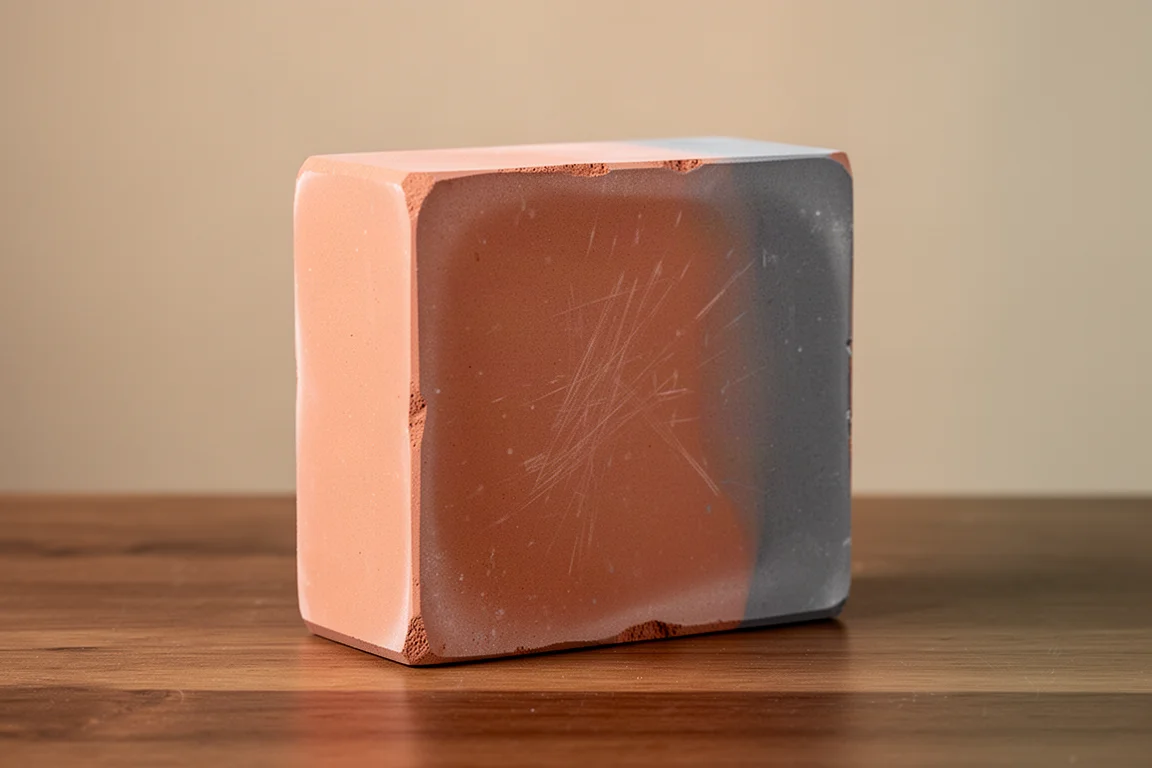
For cooks ready to go finer, the Uka (3000 grit) and Eureka (5000 grit) stones are worth knowing about. Some come with small stands, some do not, so check the listing. The Uka in particular is a shop favorite: it develops a really nice edge, especially on carbon steel knives. Knives that feel good but not quite right straight out of the box come back feeling fantastic after a touch-up on the Uka.
That said, these are more advanced stones. If you are still learning, focus on your technique first before experimenting with higher grits. It is also worth noting that high grit stones affect carbon steels noticeably more than stainless. For stainless knives, whether Japanese or German, finishing at 1000 grit is often all you need.
The Naniwa Professional Line
The Naniwa Professional line, formerly known as the Chosera line, is a splash-and-go family of stones available in 400, 800, 1000, 3000, 5000, and 10000 grits. These are hard stones that cut quickly and stay flat for a very long time, and the 400 grit in particular is described as one of the nicest 400 grit stones around.
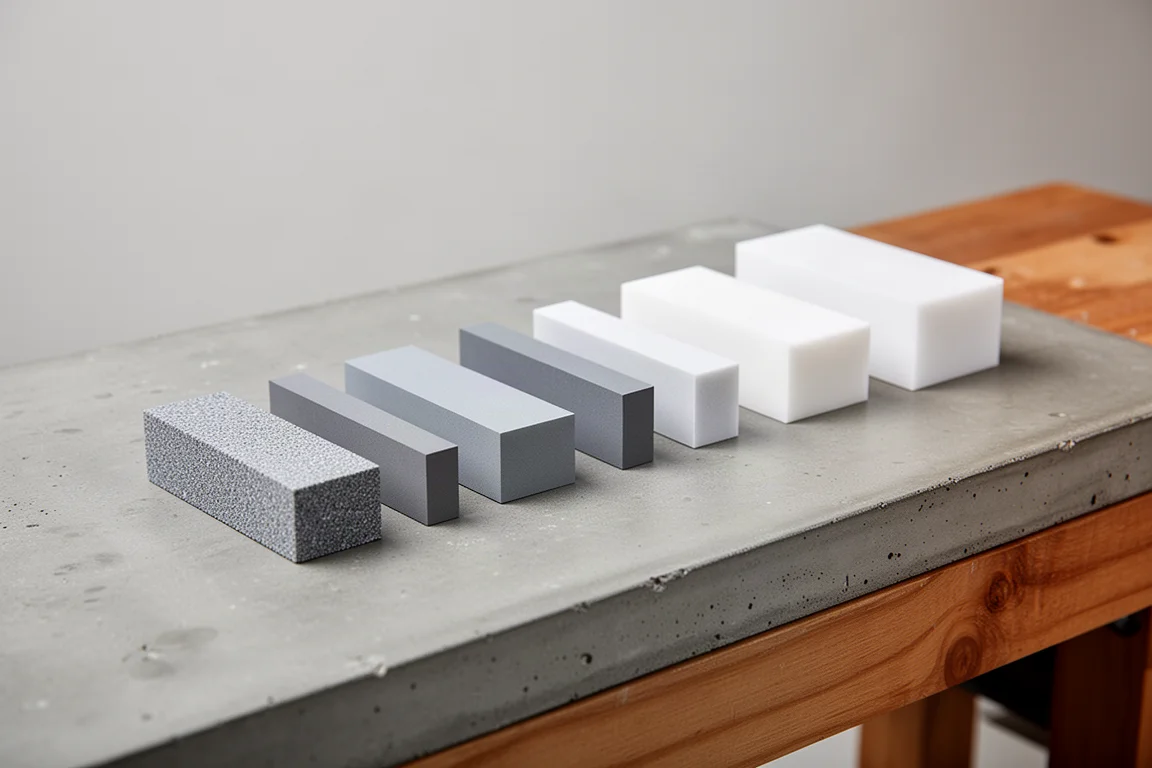
A note on personal preference: some sharpeners favor slightly softer stones and would still pick the Suehiro Cerax 1000 over the Naniwa Pro 1000, while plenty of others would disagree. Both are excellent; the difference is feel. The 10000 grit is the highest grit stone in the shop’s lineup and a genuine specialty tool. For most people, going all the way to 10K is overkill, but if you do a lot of delicate fish slicing, it is a worthwhile addition. A straight razor sharpener would also put it to good use.
The Suehiro Dabado Series
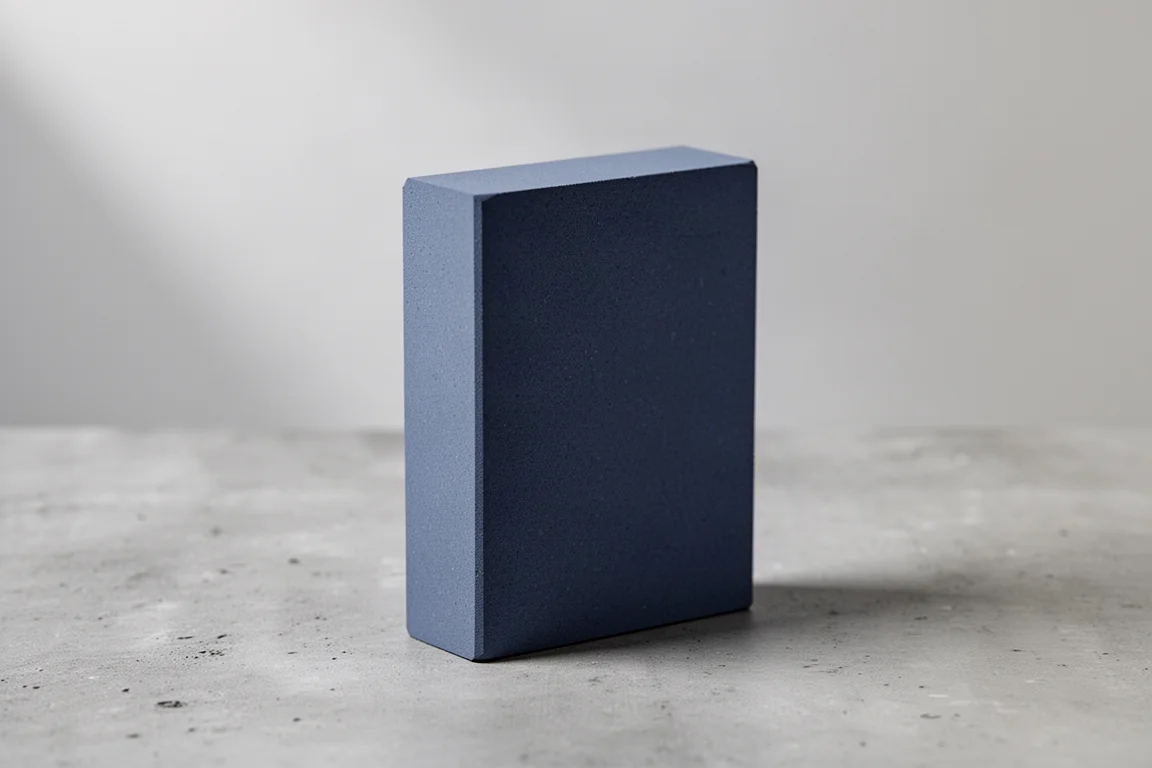
The Dabado series is one of Suehiro’s premium offerings. These stones are not cheap, but they are well worth it if you sharpen a lot. They offer a larger working surface than the Cerax line, a touch more thickness, and higher quality abrasive construction. What does higher quality mean here? More cutting agent and less filler in the matrix, which means the stone simply cuts steel faster, whether it is a 220 or a 1000.
The series comes in three grits: 220, 1000, and 4000, and all three can be purchased together as a natural progression. The Dabado 220 deserves special mention: it is a favorite low grit stone out of everything tried, including stones from Naniwa, Suehiro, and other makers. Low grit stones in this range typically wear quickly and feel sandy, which makes it hard to maintain a consistent edge. The Dabado 220 kicks up the slurry it needs without going overboard, and it does not wear quickly. If you are doing repairs or thinning bevels, it is the standout choice.
Flattening Tools: Keeping Your Stones Flat
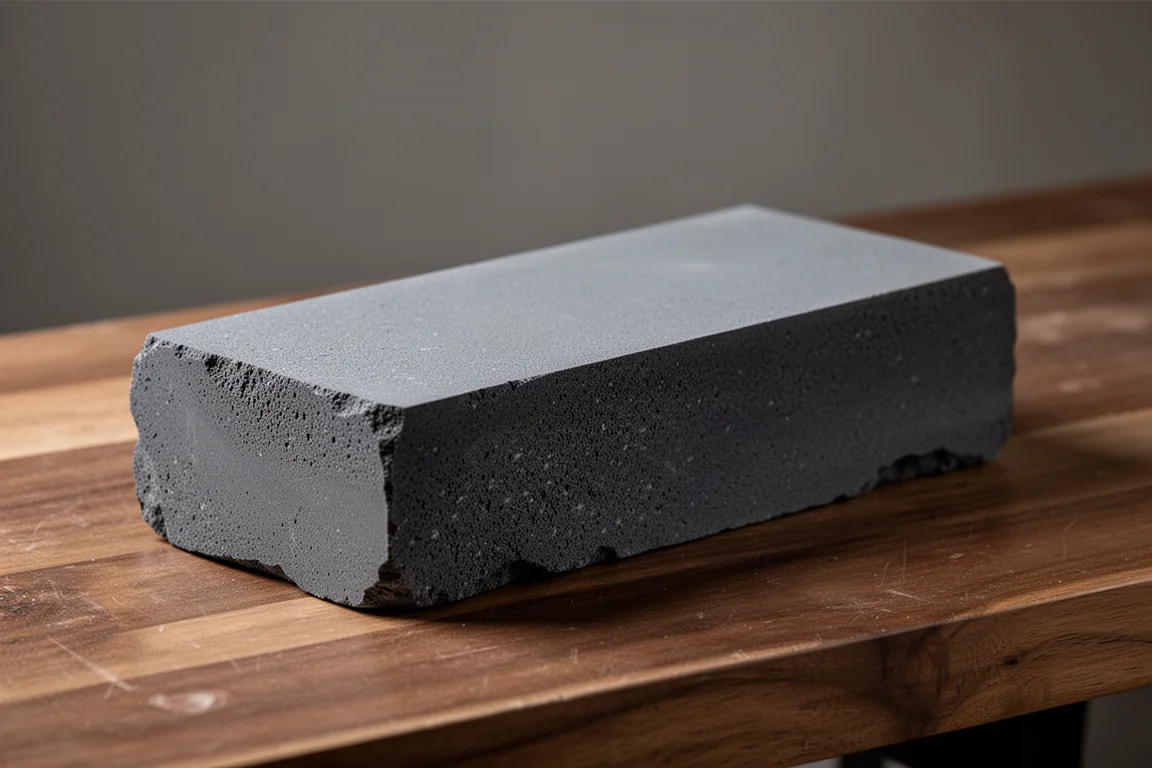
Every wet stone wears away, no matter how high the quality. Sharpening a single knife can require flattening the stone five times or more, and a stone that develops a rut will make it very hard to hold a consistent angle. So a flattening tool is genuinely necessary, not an upsell.
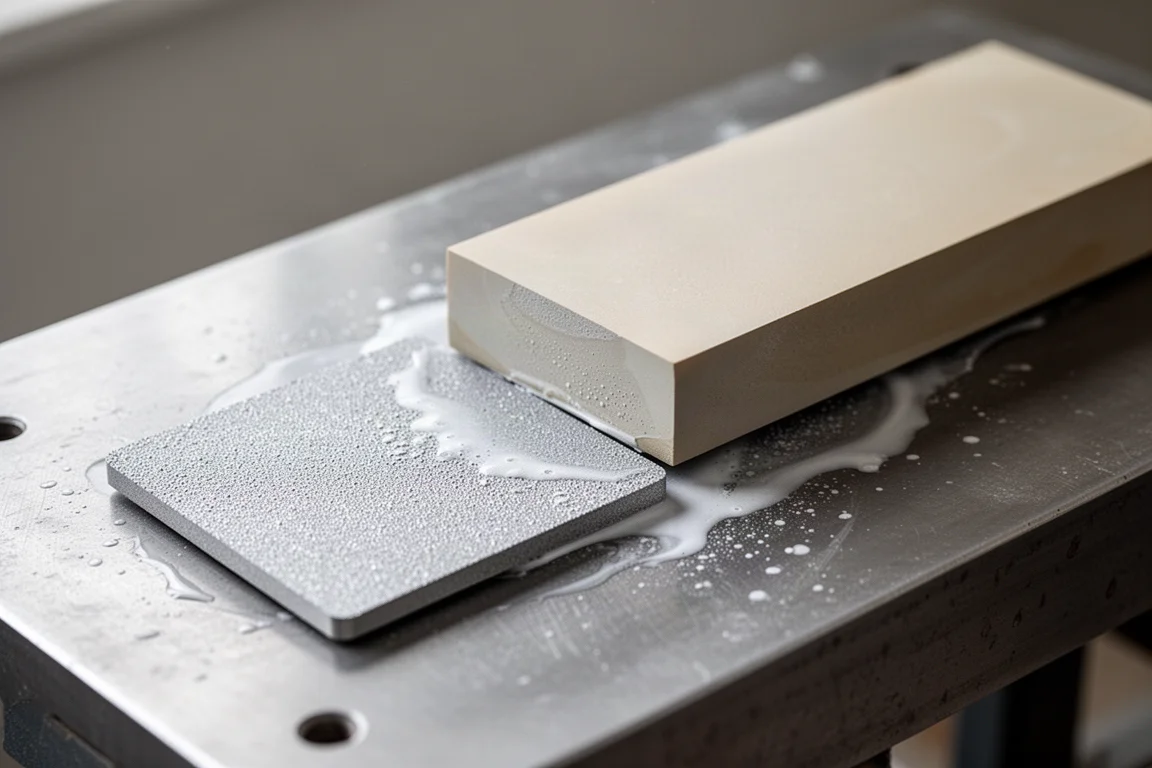
There are two options. The Naniwa truing stone is great for maintaining stones that are already flat. It has ridged sides and a flat side; the ridges prevent the truing stone and your wet stone from suctioning together so it moves freely as you scrub. The catch: if your stone has already dished into a half-pipe shape, the truing stone will not wear evenly either, and making a flat thing out of two non-flat things is very difficult.
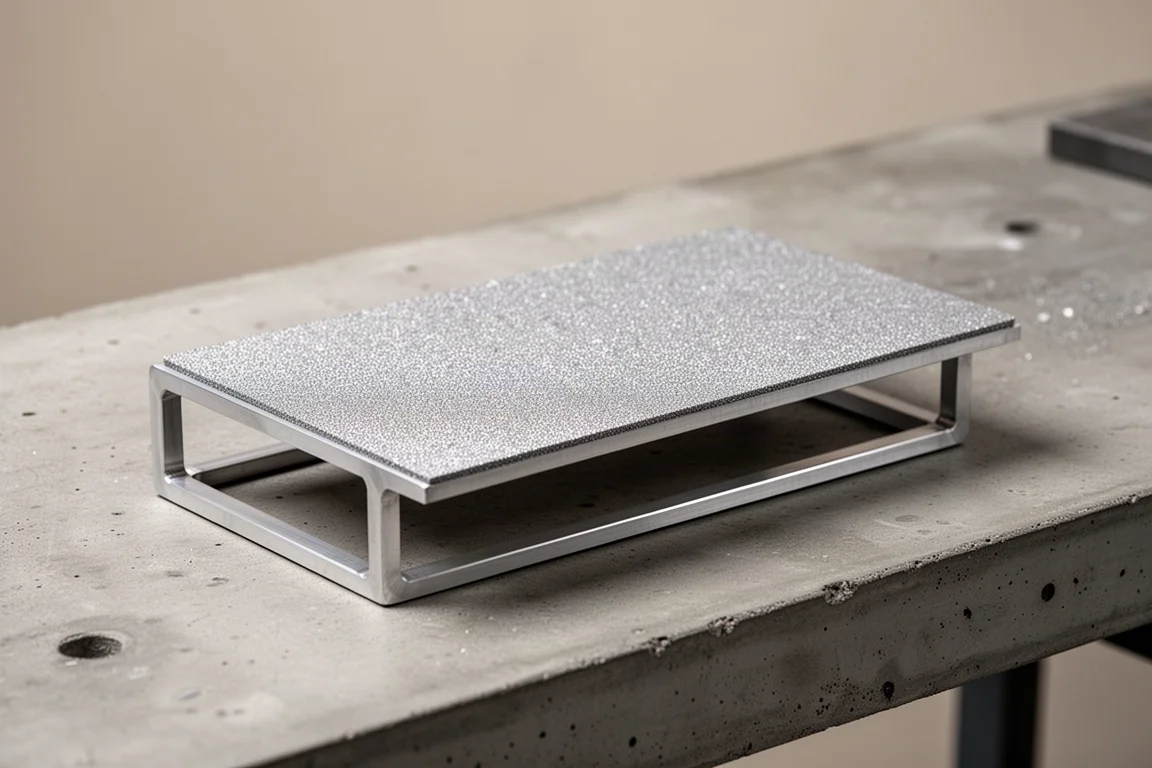
That is where the Atoma diamond plate comes in. It is an aluminum plate with an abrasive sheet glued on, sold in 140 and 400 grits. The 140 is ideal for flattening lower grit stones up to roughly the 1000 to 2000 range, and the 400 suits stones from 3000 grit upward, though the 140 has been used successfully on stones as high as 8000 without issue. The plate stays flat essentially forever and cuts very fast. The abrasive sheet does lose effectiveness over the years as diamonds get pulled out, and replacement sheets can be glued onto the reverse side, but you should get years and years of flattening out of one plate. It is not cheap, but if you sharpen a lot, it is well worth the price.
Accessories: Sink Bridge, Stone Holder, and Leather Strop
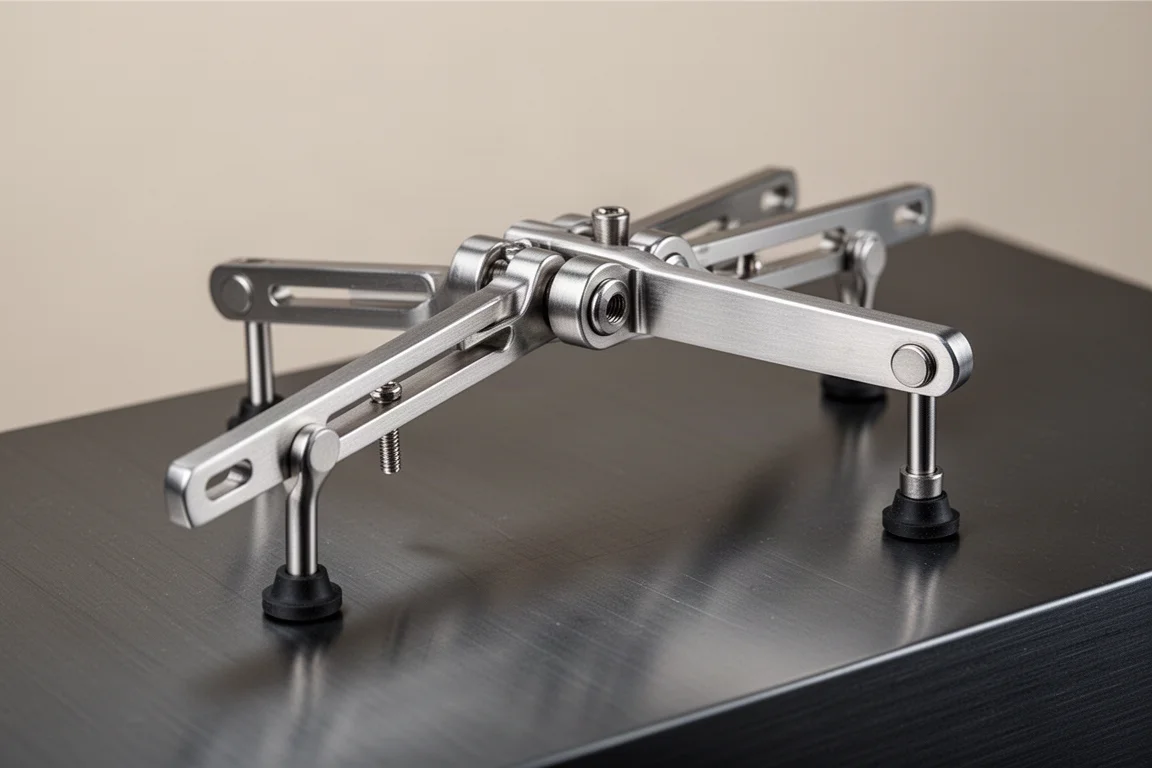
The sink bridge stone holder is a hefty stainless steel accessory that extends to fit essentially any sink and lays across the top so you can sharpen right over it without dirtying your countertop. It also puts water within easy reach, which makes the whole process cleaner and simpler. A simple plastic receptacle works too, but the bridge is a genuinely nice upgrade.
The stone holder is another not-strictly-necessary but very nice addition. It lifts your stone off the work surface, and its rubber feet keep everything from sliding around. Combined with the sink bridge, it makes for a really solid, luxurious sharpening setup.
Finally, the leather strop: a piece of wood with leather on both sides, a coarser suede side and a smooth side. You can load it with green polishing compound, though it also works well bare. The strop refines the edge, removes leftover micro burrs, and tightens everything up, much like the strops barbers used on straight razors. Used right after a 1000 grit stone with proper technique, it should get your knife to the point where it can shave arm hair.
Putting a Kit Together
Most of these stones are available in packages. The beginner sharpening packages pair either combination stone (320/1000 or 1000/6000) with a truing stone and a leather strop. The professional package steps up to a Cerax 320, a Cerax 1000, and an Uka, and adds a stone holder and an Atoma diamond plate instead of the truing stone, making it a comprehensive set you will not outgrow for years. The Dabado package mirrors the pro package but swaps in the Dabado stones, ideal for anyone doing heavy sharpening duty, such as the person responsible for a whole restaurant kitchen. Mixing and matching is usually possible too, and buying three or more stones at once often qualifies for a discount.
Conclusion
The right starting point depends on your knives and your habits. New knives and simple maintenance call for the 1000/6000 combination stone. Old, dull knives need the coarser 320/1000. If sharpening becomes a genuine interest, single-grit Cerax stones offer more surface area, longer life, and better quality, while the Naniwa Professional line and Suehiro’s Dabado series serve committed sharpeners who cut a lot of steel. Whatever you choose, budget for a flattening tool from day one, and consider a sink bridge, stone holder, and leather strop to round out the setup. A modest, well-chosen kit will last years and transform how your knives perform.
Further reading
Related Reviews

Kitchen Knives
Best Chef's Knives 2026: 27 Popular Options Tested and Ranked
A comprehensive review of 27 chef's knives ranging from $18 to $380, with honest assessments of handle comfort, blade balance, and real-world performance.

Kitchen Knives
Best Chef's Knives Under $75: Two Tested Recommendations
Two practical 8-inch chef's knives that balance sharpness, comfort, and durability without premium pricing.

Kitchen Knives
Best Chef's Knives 2026: 27 Options Tested and Ranked
A comprehensive review of 27 chef's knives ranging from $18 to $380, with honest assessments of handle design, balance, blade profile, and real-world performance.