Workshop Tools
Cutting Steel in the Shop: From a Stanley Hacksaw to a Skil Mag 77
A practical shop rundown of metal-cutting tools from the least expensive to the most, covering what each one does well and where it falls short.
Introduction
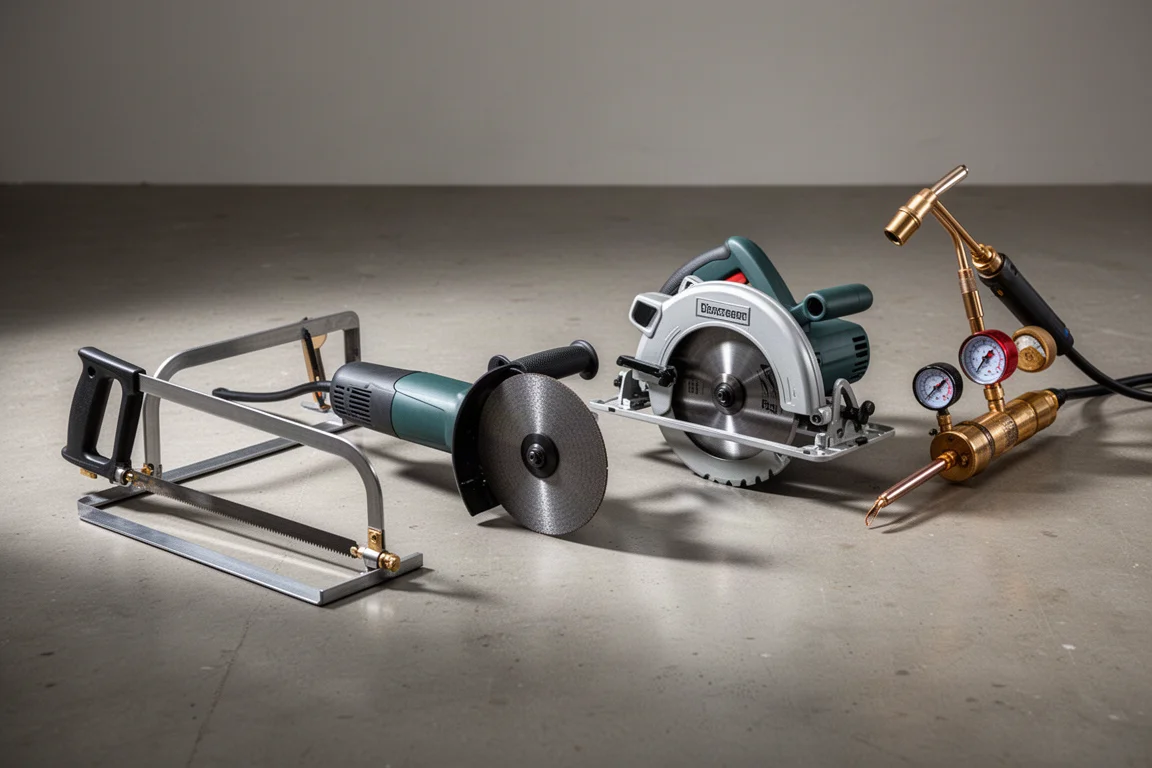
Cutting metal in a workshop covers a huge range of tools, from a few dollars for a blade to several thousand dollars for a full plasma setup. Some of these tools earn their keep every week, while others sit on a shelf for months and still justify their price the moment they are needed. This rundown works from the least expensive option to the most, with a note on what each one is actually good for.
The Humble Hacksaw: Stanley
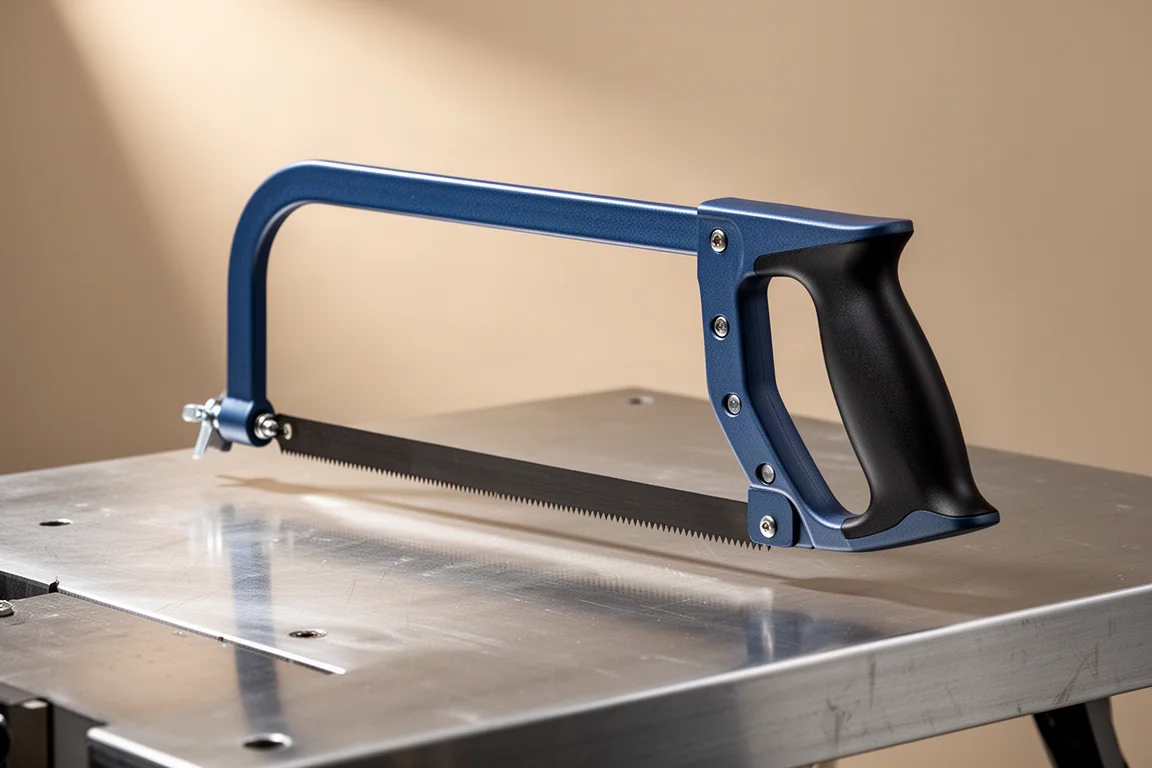
The hacksaw is the least expensive way to cut steel, and it still works. A simple Stanley hacksaw with a fine cutting blade will cut through mild steel just fine. The trick is patience: you do not have to go fast and you do not have to push hard. You let the teeth do their work. When it was first invented, essentially a file edge on carbon steel, it was hailed as a huge advance, and compared to what came before, it probably was.
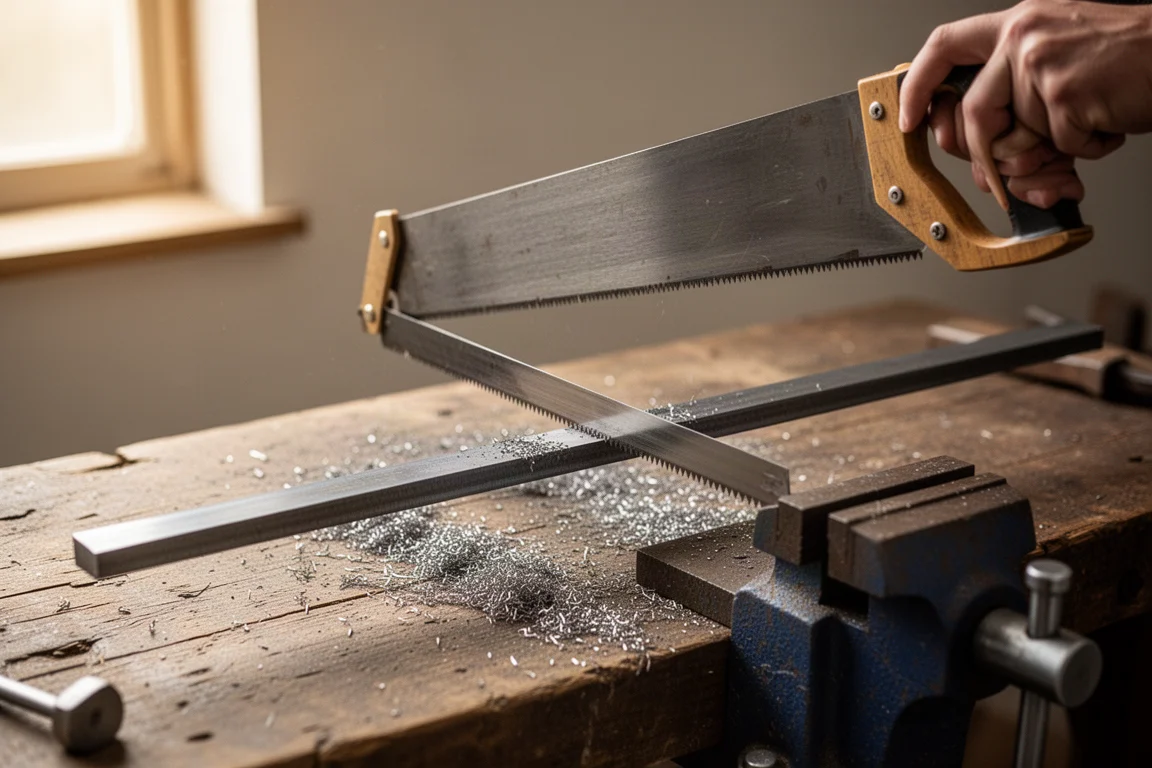
For occasional small cuts in mild steel, this remains the sensible starting point.
Shearing and Snips
Between the hacksaw and power tools, there are a couple of cheap manual options worth knowing. A large adjustable wrench can shear off small stock: clamp the piece in a vise, lean back until the metal yields, then work it back the other way until it snaps off with a surprisingly clean cut. It is a handy blacksmith trick for small bar stock.
Tin snips handle thin sheet metal, like 20 gauge steel. Old school straight cutters with no mechanical advantage cost very little secondhand and work fine. A set of straight, right, and left cutters runs about 42 dollars at a big box store, and well-used brand-name snips found at a garage sale or pawn shop are hard to beat.
Reciprocating Saw With a Metal Blade
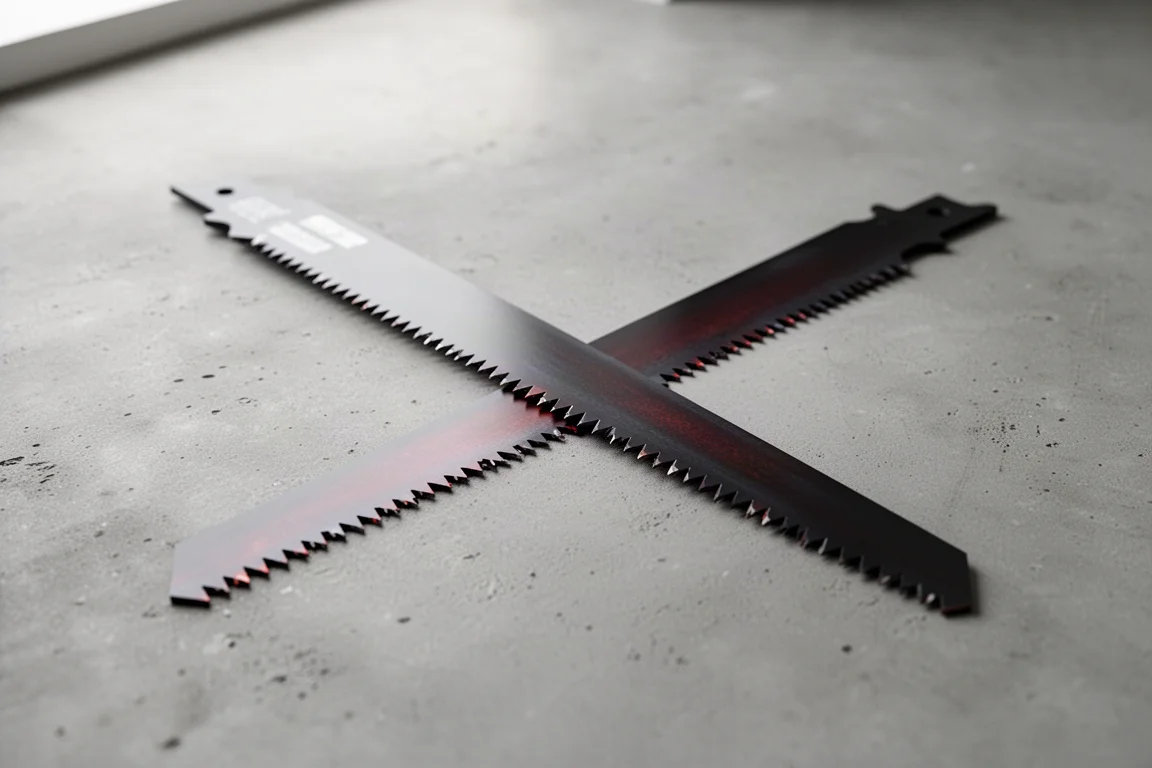
Nobody loves cutting metal with a reciprocating saw, but it can absolutely be done, and there is a world of difference between a dedicated metal-cutting blade and one designed for nail-embedded wood. The Milwaukee Torch blade is a standout here, cutting steel surprisingly fast. It is a wood and metal saw rather than a metal-only blade, which makes it versatile for a general-purpose saw.
Angle Grinder With Cut-Off Wheels
An angle grinder may be the most versatile tool you can own for dealing with metal. With a 5-inch cut-off wheel, it can cut just about anything, and both the grinder and the wheels are cheap. A budget grinder might only last weeks instead of years, but at around 30 to 40 dollars, that math can still work.
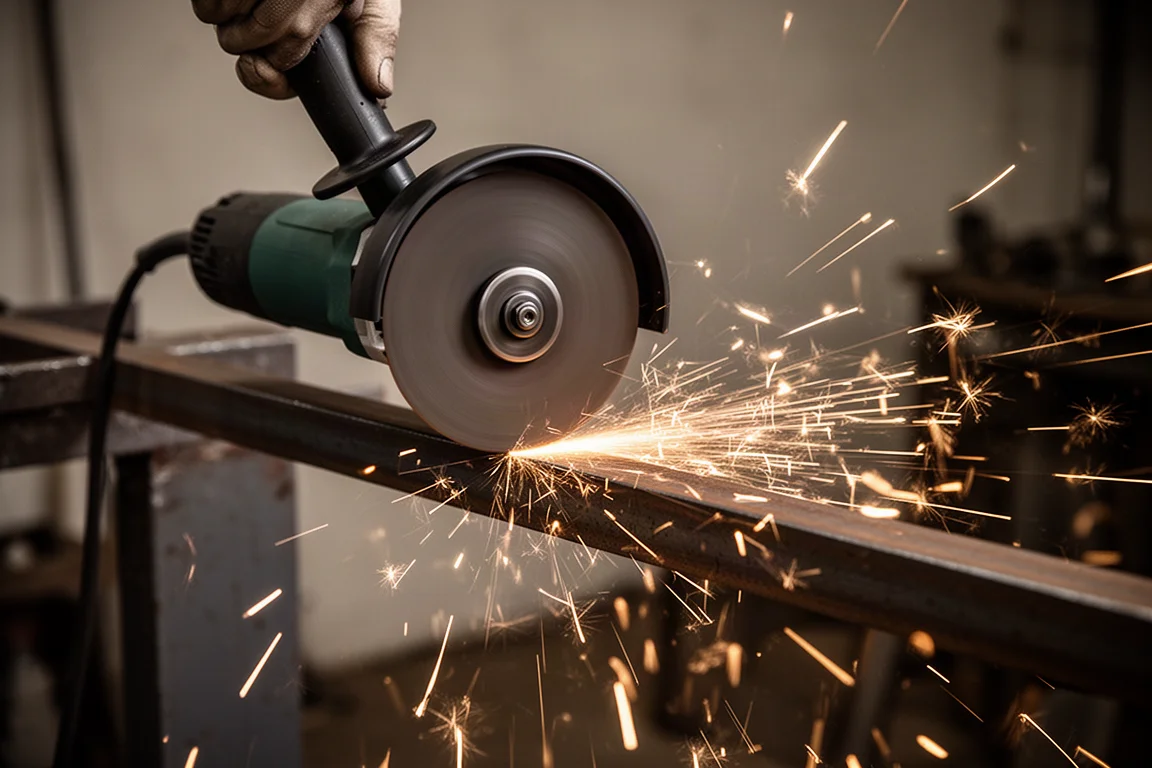
There are a few rules worth taking seriously. If you drop the grinder, remove the wheel and throw it away, because hidden cracks can turn the wheel into shrapnel when the trigger is pulled. Always wear eye protection. Never grind with the side of the wheel, since that cuts into the reinforcing threads. Keep track of where the sparks go, because they will set you on fire. And in general, letting the wheel pull itself into the work gives better results than forcing it.
Abrasive Cut-Off Saw
The abrasive cut-off saw is the noisy, messy, smelly big brother of the angle grinder, and it fills the shop with dust. But sometimes it is the right tool. Like a miter saw in a wood shop, it produces a fairly square cut on just about any material. Two details matter here: the blade is a 14-inch wheel, and cut-off saw blades are rated for lower speeds than hot saw blades, so never mix the two types.
Power Hacksaw: Portaband
A portaband power hacksaw sits further down the budget list, at roughly 300 to 350 dollars new, and it is fair to hold off unless you need it. It is quiet, controllable, patient, and produces no sparks, which counts for a lot. The blades cost something, loading them takes practice, and positioning can be awkward. But when a portaband is the right tool, nothing else will serve, and using it even twice a month is enough to justify keeping one around for years.
The Shop Workhorse: Wilton Horizontal/Vertical Band Saw
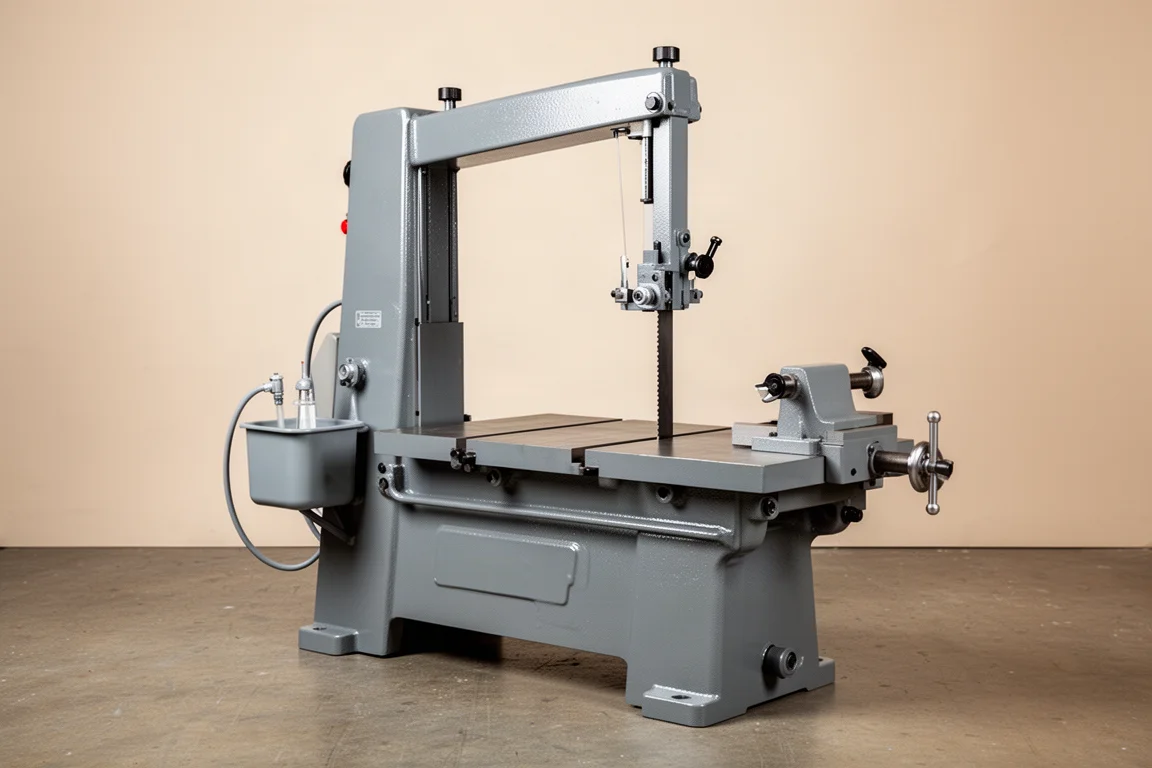
Roughly 80 percent of the metal cut in a busy fabrication shop can come off a horizontal/vertical Wilton band saw. It is quiet, it shuts itself off when the cut is done, and it does not throw dust or sparks around the shop. It is not perfectly accurate and the blade wanders a little, but a vertical cutting table compensates for much of that.
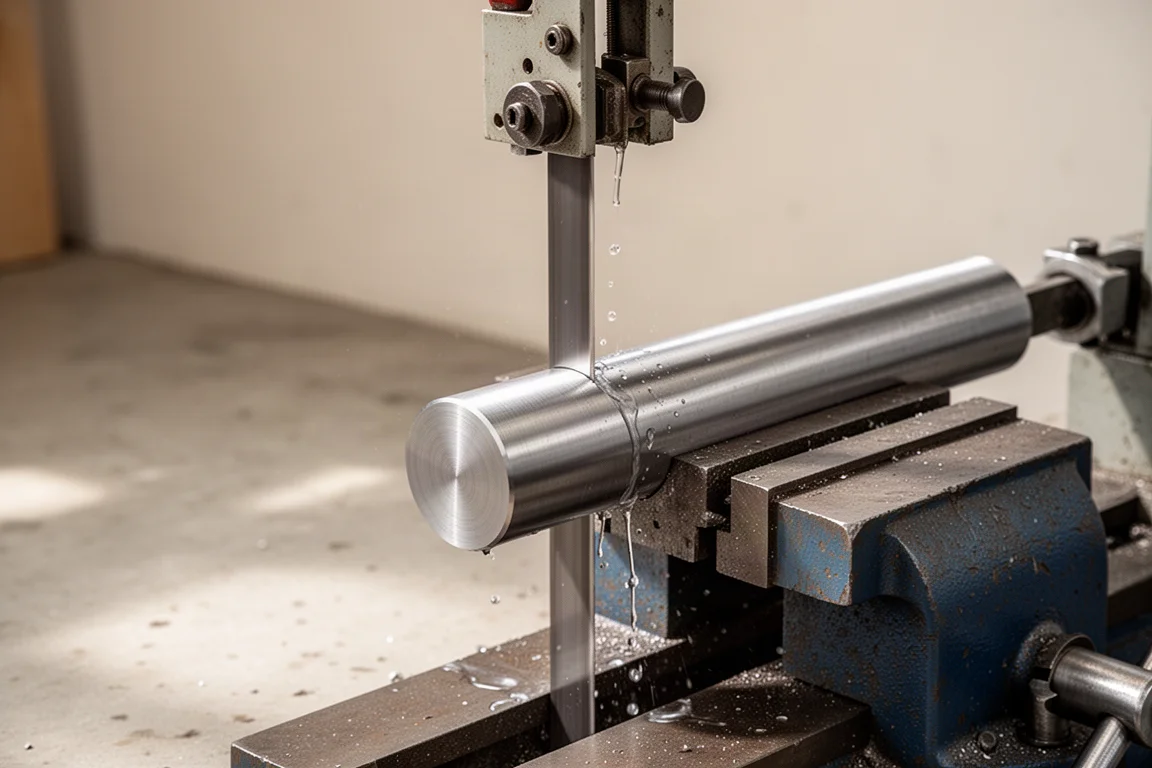
Operation is simple: open the valve to let the saw descend, close it to stop, and the saw pumps coolant as it cuts. Slowing the descent once the blade passes the top flange keeps the cut from wandering. These saws run around 1,800 to 2,000 dollars new, and a well-kept used one can be a once-in-a-lifetime find.
Cutting Torch: Victor Journeyman
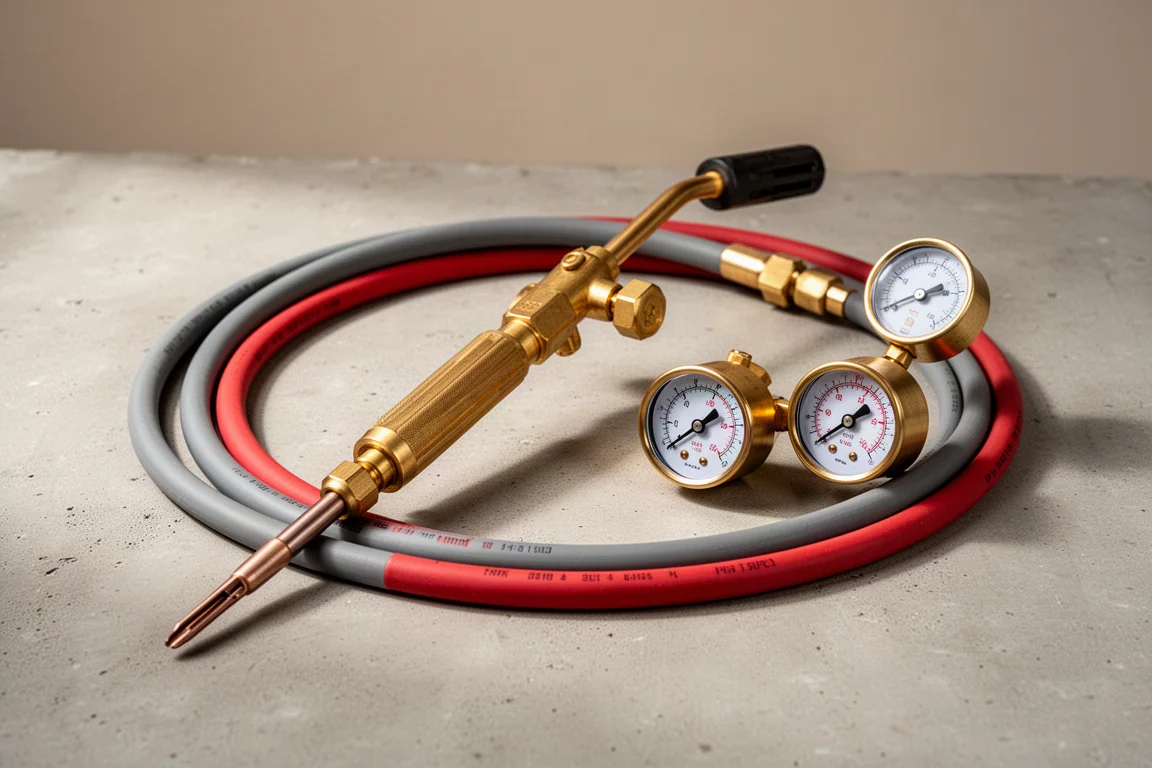
Until recently, the cutting torch was the hot-cutting tool. A Victor Journeyman set covers cutting, welding, brazing, soldering, and heating metal in a very specific spot. Between gauges, bottles, torches, tips, and a cart, expect to spend between 1,000 and 1,500 dollars, though shopping online can beat that price.
This is expensive gear for a reason: it is a life-safety issue. Acetylene is a highly volatile fuel, pure oxygen is an accelerant, and you are controlling fire through rubber hoses. Treated with that respect, it is an enormously capable tool and a genuinely satisfying one to learn.
Plasma Cutter
The plasma cutter is about as expensive as it gets, roughly 3,000 dollars for the unit plus a couple thousand for a proper compressor, since you need big compressed air and good electricity. It will cut up to 5/8 of an inch thick. The way it works feels like magic: air and electricity generate a small tornado of plasma hot enough and concentrated enough to blow through the metal.
One critical detail: without the grounding clamp attached, it will only etch a line instead of cutting. With it grounded, the cut comes out clean and cool enough to touch soon after, something a cutting torch could never allow. Even used only a few times a month, it is money well spent.
The Surprise Finisher: Skil Mag 77
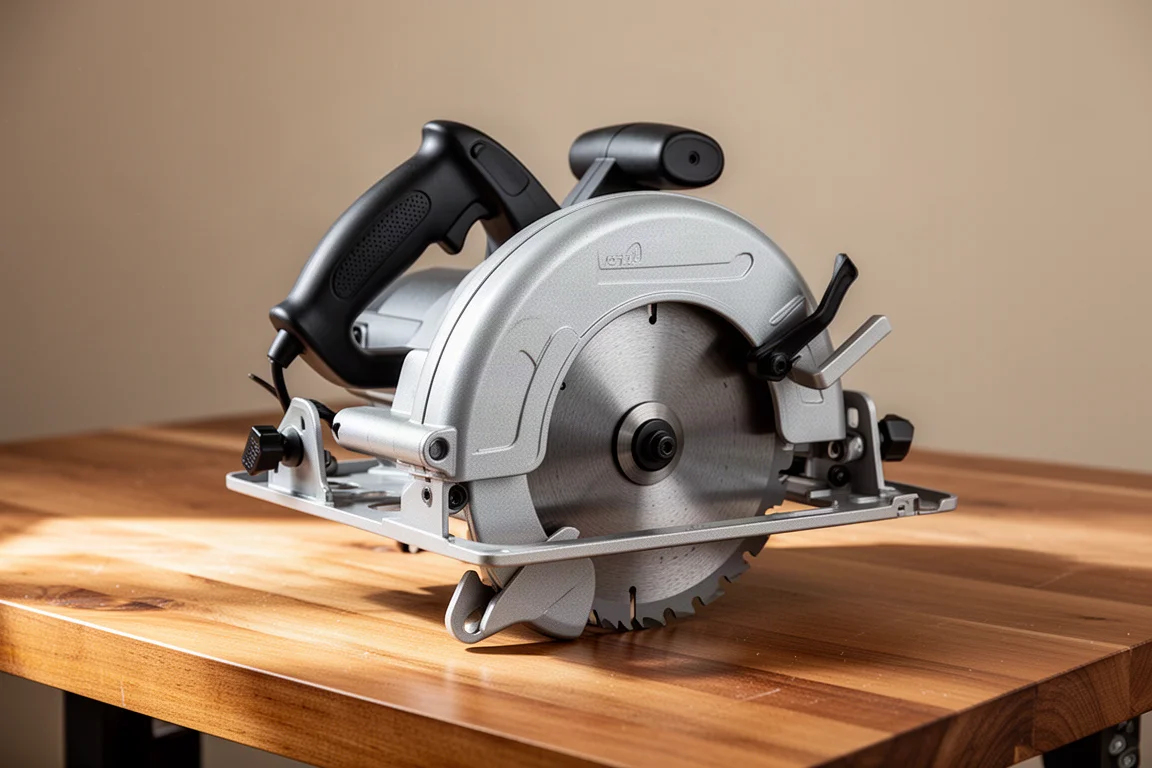
The last entry is a tool most carpenters already own. A Skil Mag 77 circular saw, better known for framing lumber, can sock straight into quarter-inch steel plate, and the result is a cut edge smooth as a mirror.
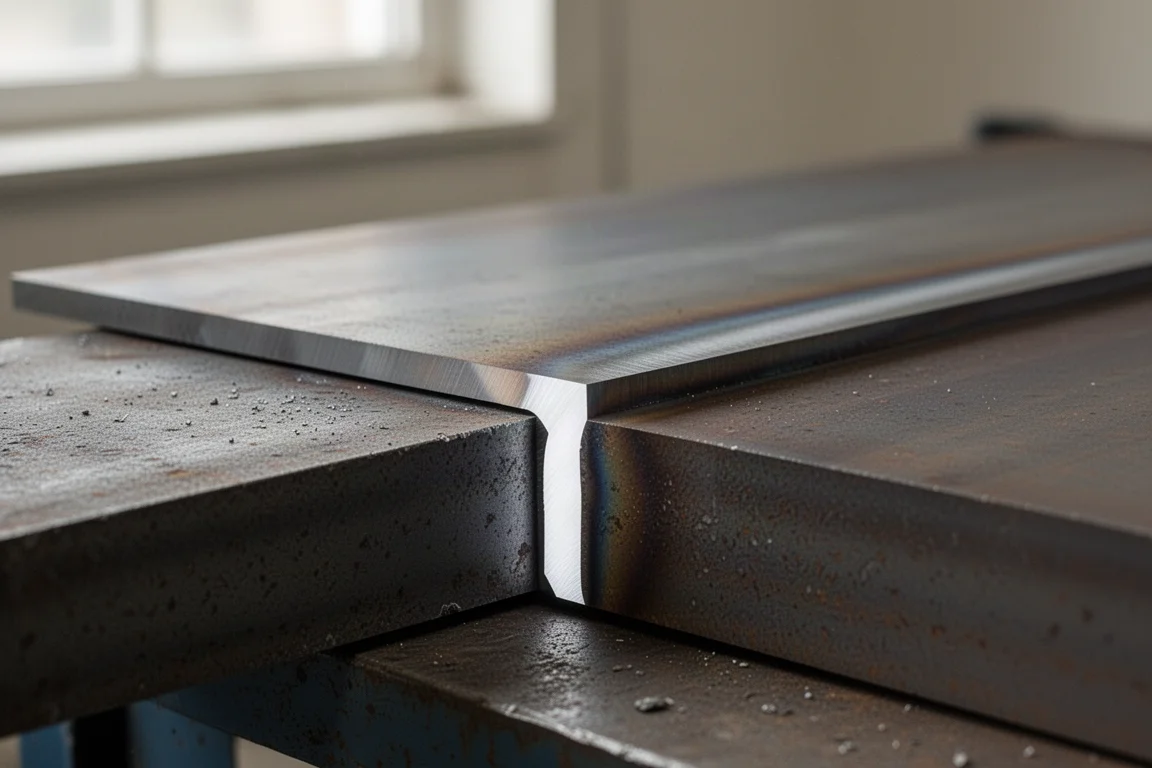
The edge does get hot, with one side reading around 100 degrees after a cut, but the finish is remarkable. If you already own a circular saw and use a proper metal-cutting blade, this can be a genuinely useful technique to add.
Conclusion
You do not need great tools to do great work, and a full shop is something most people add to 50 dollars at a time over decades. The better lesson is to match the tool to the job: a hacksaw for patient small cuts, a reciprocating saw blade for fast rough work, an angle grinder for versatility, a band saw for everyday shop cutting, a torch and plasma cutter when the work demands them, and sometimes the saw you already own. The biggest part of the craft is the determination to do the work with whatever tool you have.
Further reading
Related Reviews

Workshop Tools
Best Drill Tap Sets 2026: Top Picks Tested for Speed and Strength
We tested 17 drill tap sets to find the fastest drilling, strongest threading, and most durable options for your workshop.

Workshop Tools
Cool Shop Tools 2026: Five Clever Upgrades Worth a Closer Look
A practical look at five workshop tools that solve real problems, from smarter drill bits to a safer table saw guard.

Workshop Tools
Cool Tools for the Workshop: Five Smart Upgrades Worth Trying
A practical look at five workshop tools that make measuring, drilling, marking, and sawing easier, from a clever square to a top-tier bandsaw fence.