Running Gear
Best Waterproof Running Jackets: A Practical Buying Guide
Four running waterproofs worth knowing, plus what tape seams, hydrostatic ratings, and breathability actually mean before you buy.
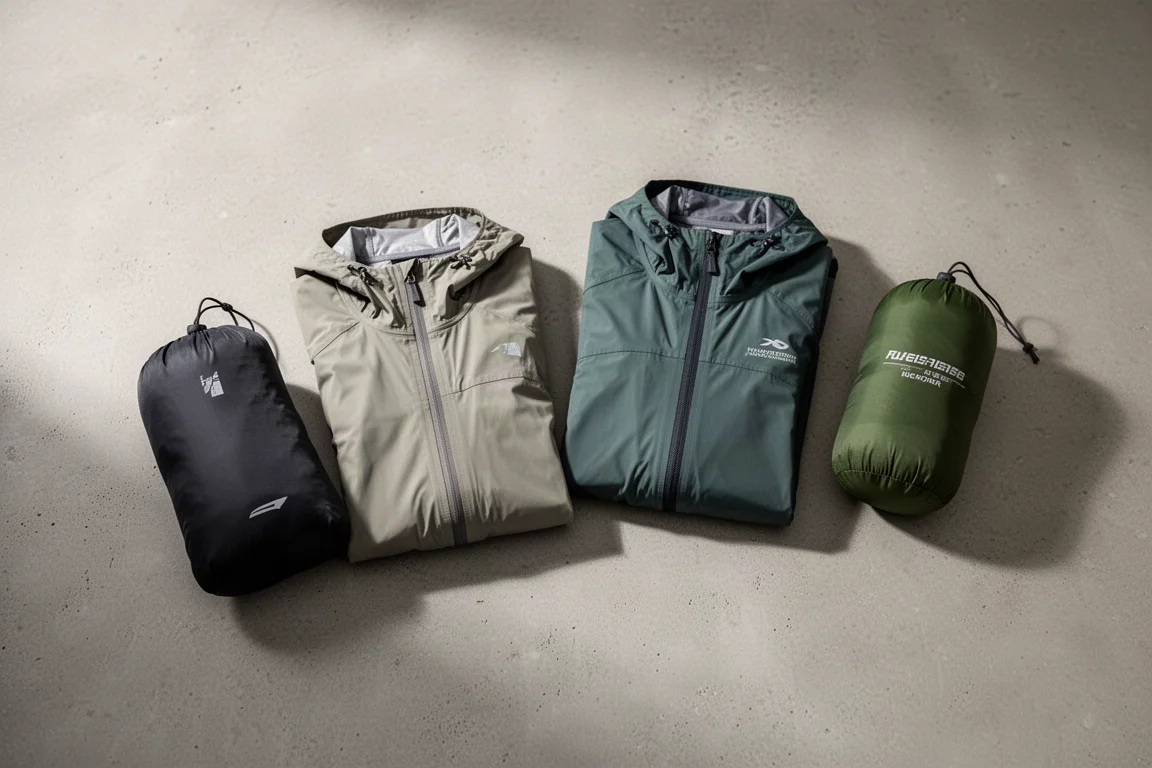
Introduction
When the clocks go back and the weather turns, a waterproof running jacket stops being optional gear and becomes the piece that decides whether your run happens at all. There are a lot of options out there from different brands, in different shapes, sizes, and colourways, and it can feel like a minefield, especially if you are new to running waterproofs.
This guide breaks down the construction jargon, the features that genuinely matter, and a few products that stand out for different types of runners.
Jargon Explained: Tape Seams, Hydrostatic Ratings, and Breathability
For a running jacket to be truly waterproof, the internal seams need heat-sealed tape. A seam is a weak point in any garment, and even the best waterproof fabric will leak if the seams are not taped internally.
The hydrostatic rating tells you how waterproof a jacket is. In the hydrostatic head test, fabric is stretched tight across the bottom of a sealed tube of water and observed for 24 hours to see how many millimetres of water it can withstand before soaking through. The basic British standard for waterproofing is 1,500mm, but that is nowhere near enough for running: a jacket rated that low will soak through within minutes of running in wind and rain, and it will not pass the mandatory kit checks most races now enforce. Look for at least 10,000mm, and many races ask for 10,000mm or even 15,000mm. The higher the rating, the more protection you get in harsh conditions.
Breathability is the trade-off everyone debates. Realistically, a sealed waterproof will never breathe like a technical tee, but some fabrics perform far better than others. Ventilation features, which we cover below, make a real difference.

How Waterproof Running Jackets Are Constructed
There are three main construction types. A two-layer jacket combines a fully waterproof outer shell with an inner lining membrane. A 2.5-layer jacket adds an inner polyurethane coating that protects the breathable membrane from dirt and sweat. Two-and-a-half-layer jackets are the most common in running waterproofs because they offer good protection while staying lightweight and packable at a more affordable price.
Three-layer jackets are the premium option: an external waterproof fabric layer, an internal waterproof and breathable membrane, and a bonded protection lining, all sandwiched into one technically efficient, super lightweight jacket. They offer the highest levels of protection and breathability, and modern fabric technology means some now pack down small too, though that technology usually comes at a steep price.
What to Look For: Fit, Hood, and Packability
Fit is often forgotten but directly affects how a jacket performs. You want a fitted body that will not flap around like a windbreak, but with plenty of movement in the shoulders for arm swing. Remember you will wear a long-sleeve base layer underneath, so factor that in when trying a jacket on.
Sleeve length matters more than most people expect. Too-long sleeves gather and crease, and as rain runs down the jacket it pools in those creases and pulls water into the fabric, wetting the jacket out. Not too short, but definitely not too long.
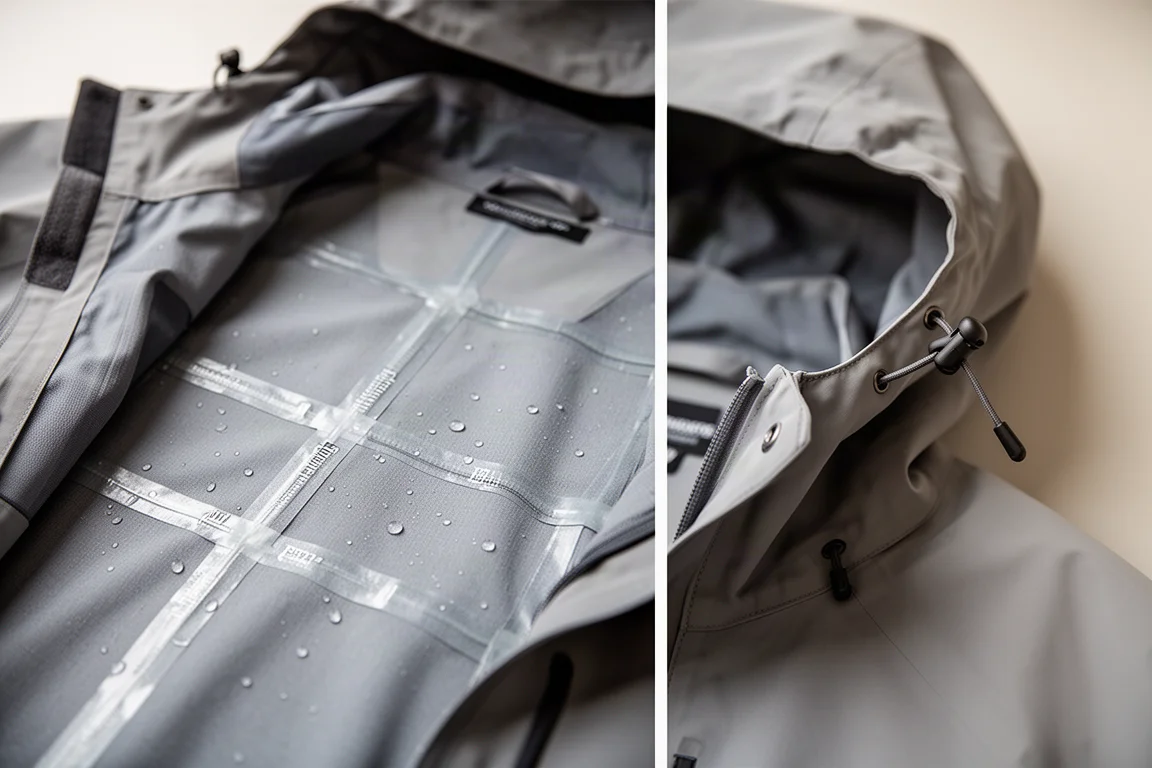
The hood is a mandatory requirement for most ultra marathons, so if ultras are your plan, your jacket needs one. Look for adjustment so you can pull it in tight around your face for protection and to stop it blowing off in wind. Wired or stiff peaks and stowable hoods are nice extras, but adjustment is the non-negotiable.
Packability matters if you need to stow the jacket in a race vest as mandatory kit. Older three-layer jackets offered great protection but were heavy and bulky; modern fabric technology now delivers three-layer protection in a light, breathable, packable form. Two-and-a-half-layer jackets remain lighter on the wallet and still pack down tightly.
Breathability and Ventilation Features
Some fabrics genuinely breathe better than others. Over years of long four-to-five-hour training runs on the coast path in shocking weather, one standout has been the Ron Hill Gore-Tex Shake Dry jacket: one of the most breathable waterproof running jackets experienced, keeping the wearer warm and dry even at the end of long, wet efforts. By contrast, some conventional waterproofs can feel like running in a bin bag depending on conditions.

Features that help include external vents across the shoulders and, increasingly, pit zips under the arms, as seen on the new Harrier Exmoor jacket. A simple but very effective feature is the press stud found on the Ron Hill Gore-Tex Shake Dry: unzip the front for airflow, then close the press stud so the jacket does not fill with wind and act like a parachute.
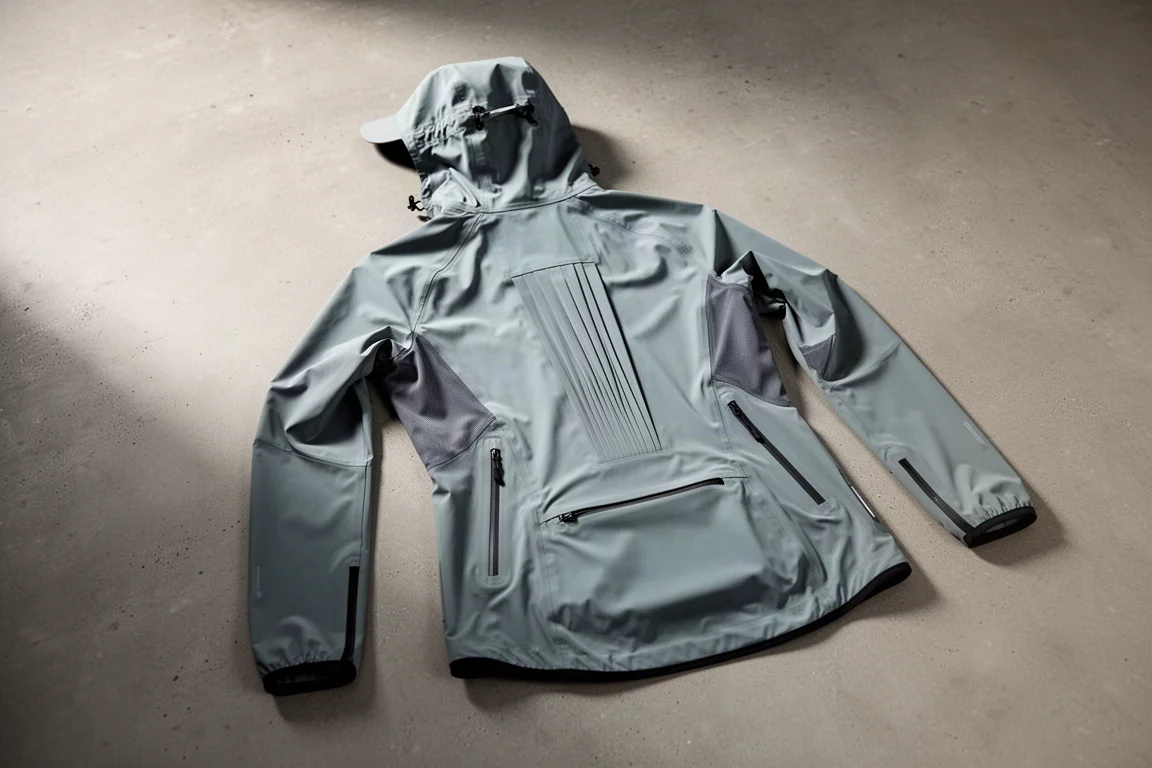
Two more practical tips: always wear a good long-sleeve tee or base layer under the jacket, because putting a waterproof over bare skin leaves you hot, clammy, and soaked in sweat. And look for a pleated back, like on the Harrier Exmoor: it lets you throw the jacket on over your running pack in a short shower, protecting both you and the mandatory kit inside your vest.
Standout Products Worth Considering
Harrier Exmoor waterproof running jacket. Tested over an extended period, the Exmoor pairs a 15,000mm waterproof rating with impressive breathability and a full feature set: pit zips, a three-way adjustable hood, silicone grippers on the shoulders for running with a pack, thumb loops, the press stud ventilation feature, and plenty of storage including a large lower-back pocket the jacket folds into. It can be worn under or over a running vest and is expected to retail at £89, which is remarkable value.
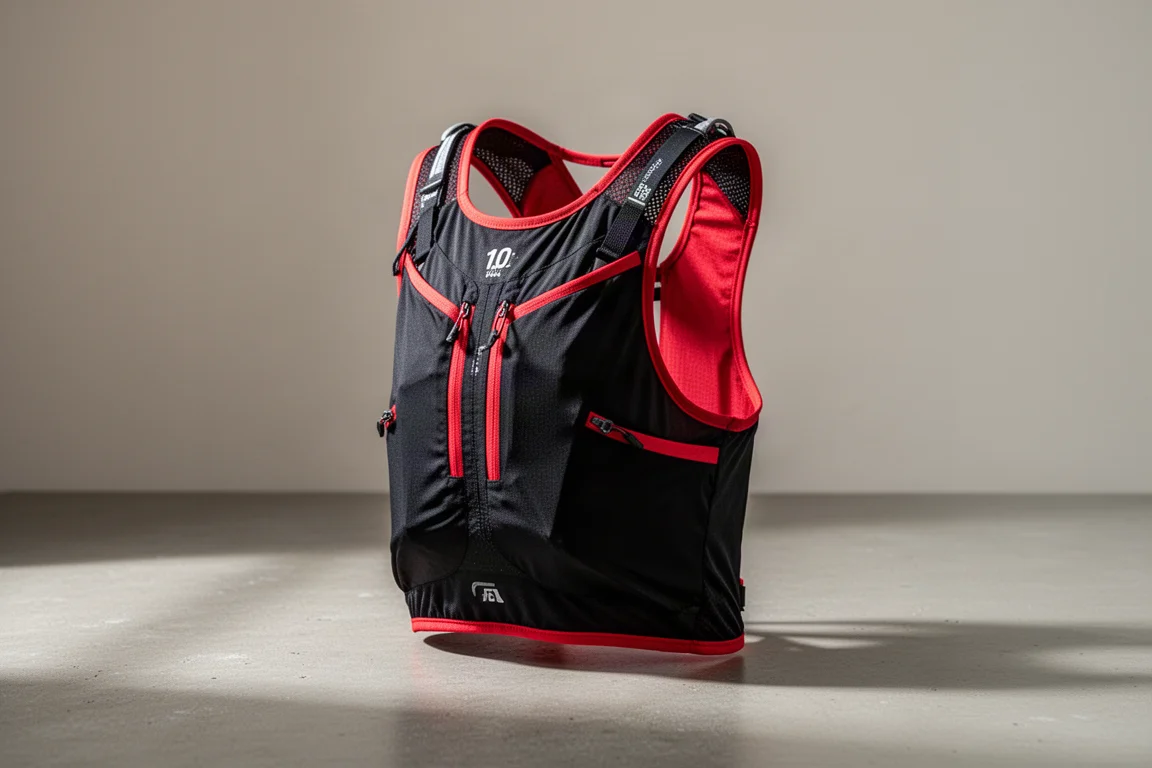
Harrier Kinder 10L running vest. For carrying your jacket and the rest of your mandatory kit, Harrier’s new Kinder 10L vest in a black and red colourway is a fresh option. It is designed for exactly the load-out described in this guide: jacket, base layer, and race-day essentials packed comfortably.
Ron Hill Gore-Tex Shake Dry jacket. The breathability benchmark here. Long, hard efforts in terrible weather end with the runner still warm and dry, and the simple press stud ventilation feature is a favourite detail.
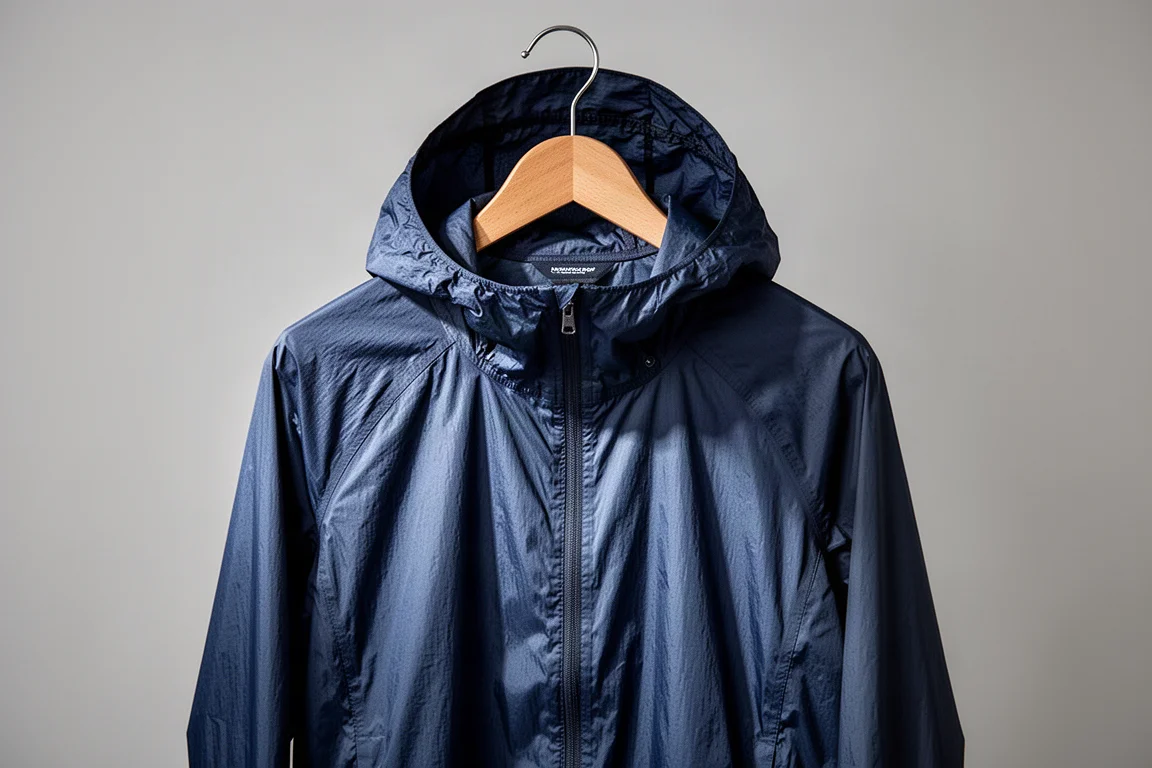
Buff waterproof jacket. A conventional waterproof option, and a useful reminder that not all waterproofs breathe equally well. It can feel clammy in milder, wet conditions, so it is best treated as a straightforward weather shell rather than a high-output running jacket.
Buying Advice for Waterproof Running Jackets
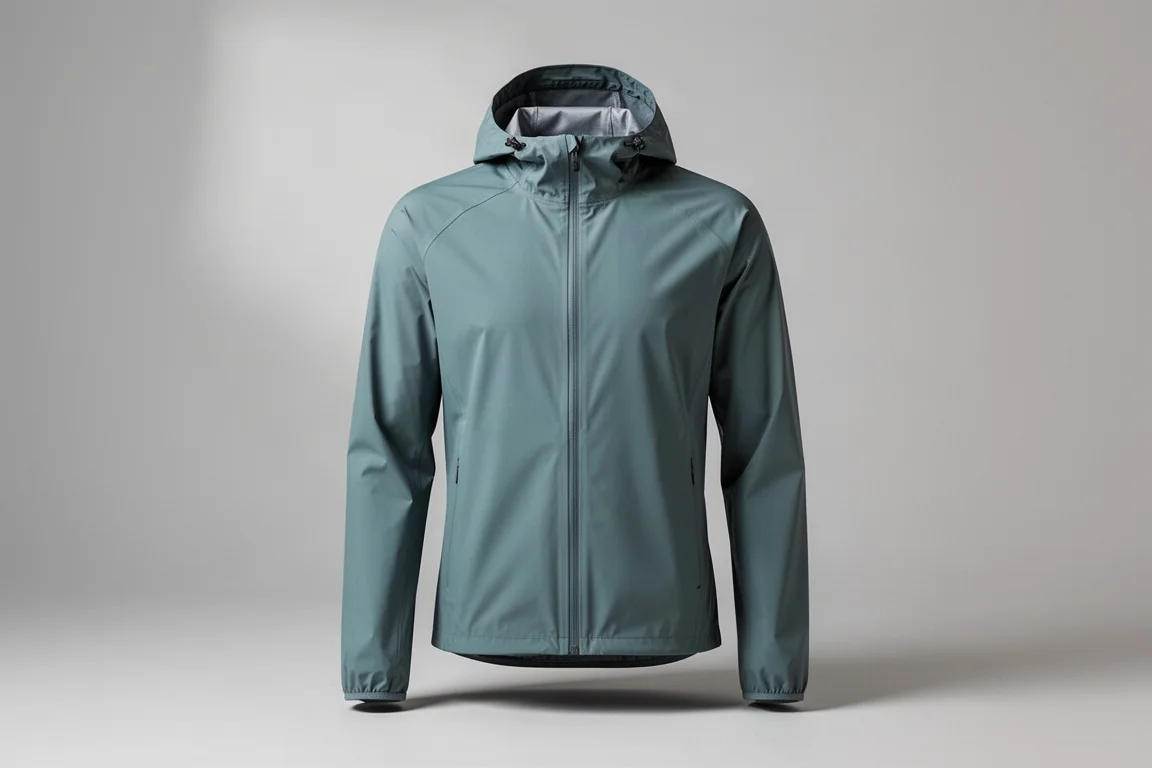
Get what you pay for is a fair rule in this category. The cheapest jackets generally offer poor protection and poor durability. You do not need to spend a fortune, but investing in a quality jacket from an established brand pays off long term. The Harrier Exmoor is a notable exception in pricing, delivering a 15,000mm rating and a full feature set at an accessible price.
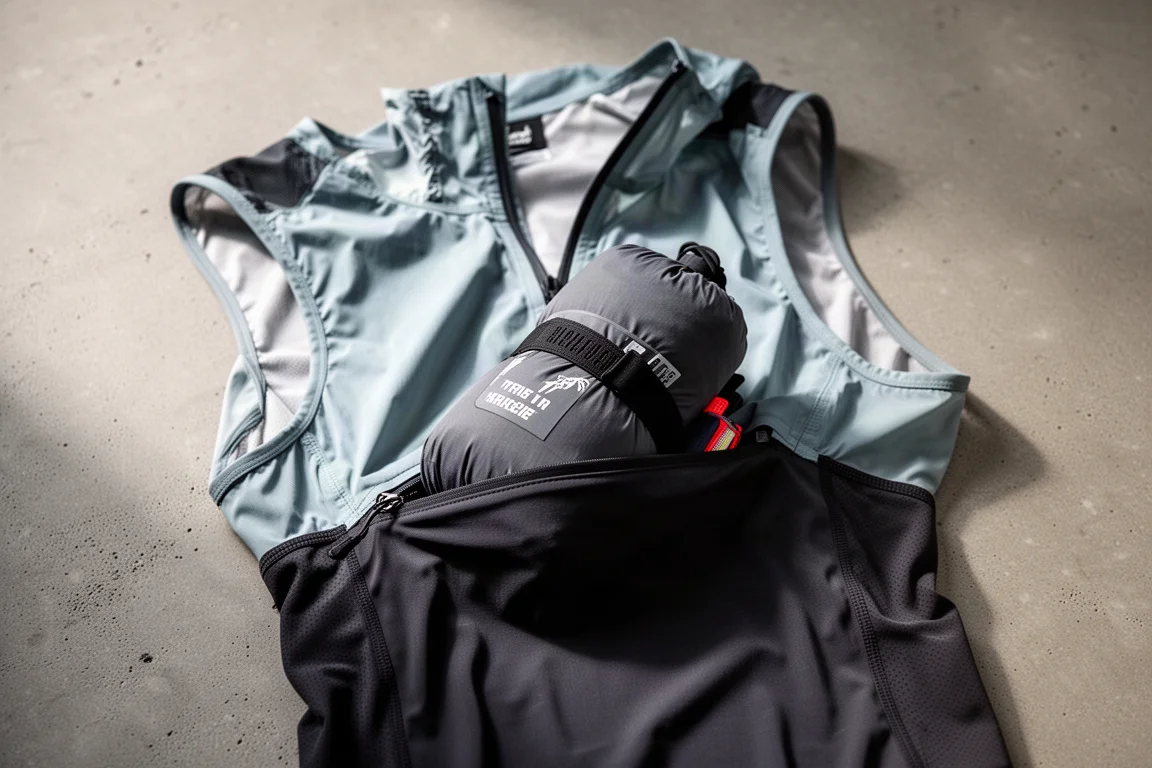
Always go for the highest waterproof rating your budget allows, with 10,000mm as the sensible minimum. Be wary of ultra stripped-back lightweight jackets designed purely to tick a mandatory kit box: ask yourself whether they will actually protect you when the weather turns, or if you are injured and waiting hours for help while sitting still. A jacket that once seemed light enough led to being soaked through in under 30 minutes while moving; stopped, it would have meant real trouble.
Conclusion
Waterproof running jackets come down to matching construction, rating, and features to your actual use. Short showers and quick runs need less than long ultras in all weather. Know the jargon, check the hydrostatic rating, prioritise fit and a good adjustable hood, and choose a jacket that protects you in the worst conditions you might realistically face, not just the ones on a spec sheet.
Further reading
Related Reviews
Running Gear
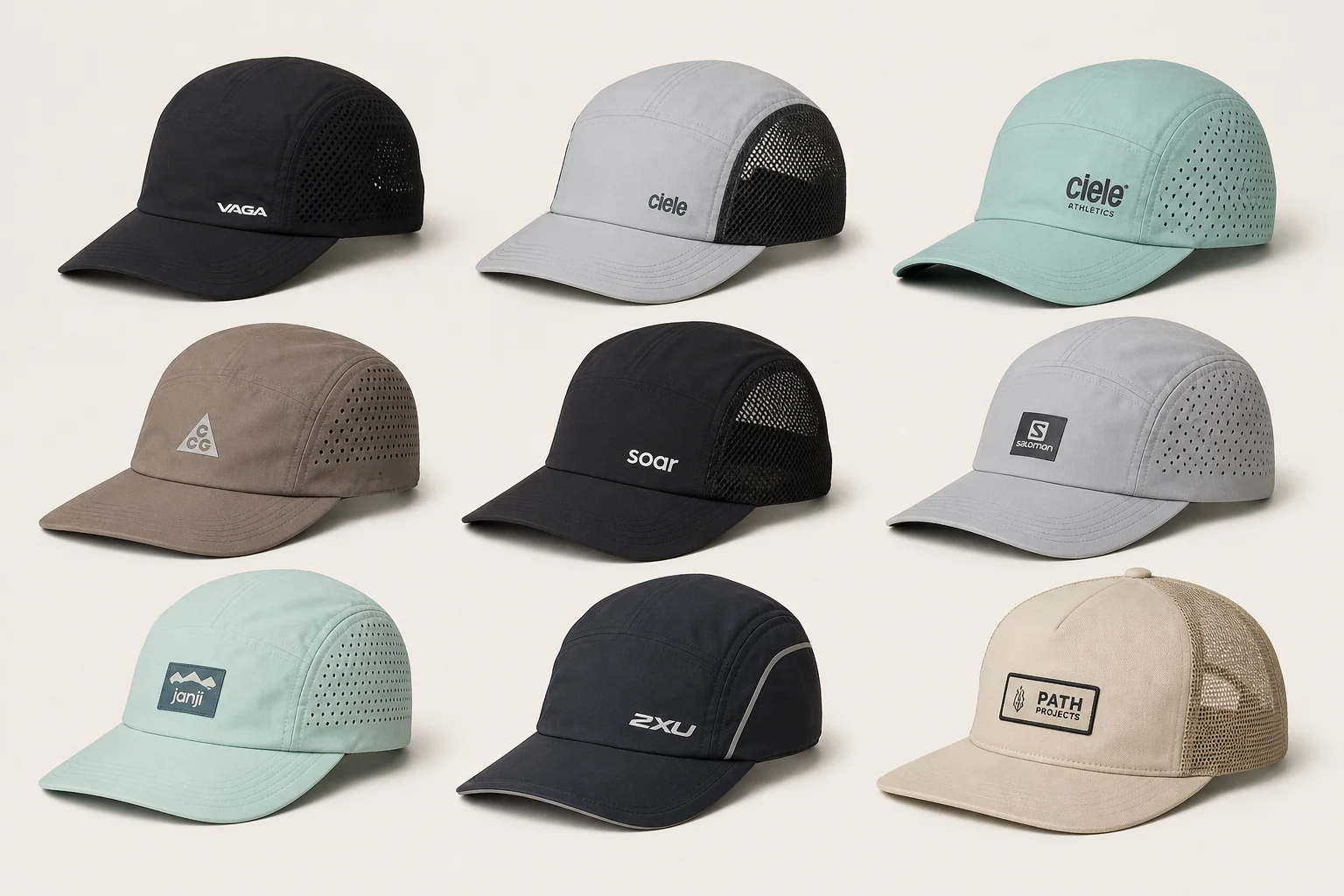
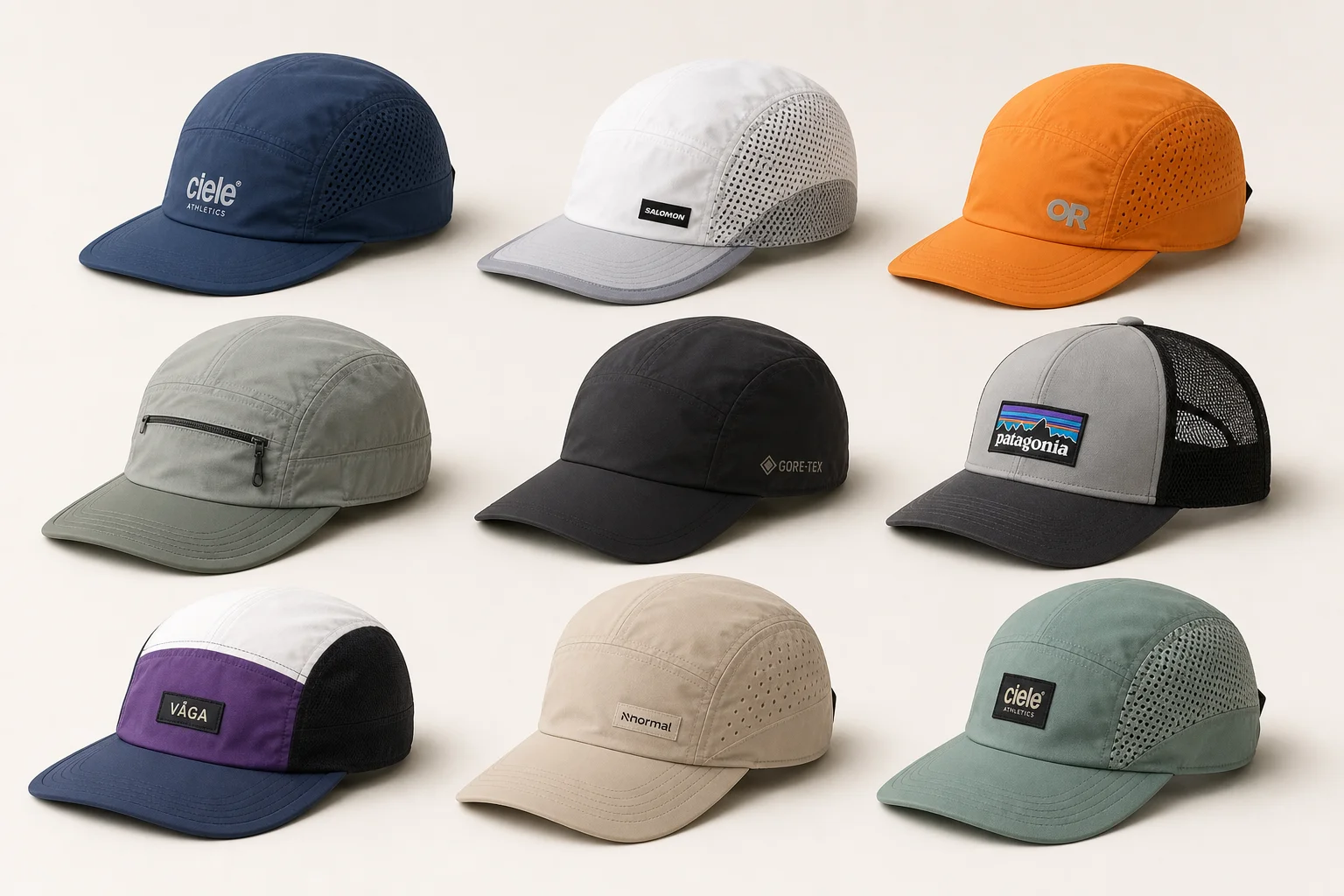
Best Running Caps 2026: Nine Tested Options for Summer and Winter
A comprehensive guide to nine running caps tested across different conditions, from lightweight summer options to waterproof winter choices.
Running Gear
Best Running Caps: A Guide to Summer and Winter Options
A comprehensive review of nine running caps for different conditions, styles, and preferences, from lightweight summer options to waterproof winter choices.
Running Gear
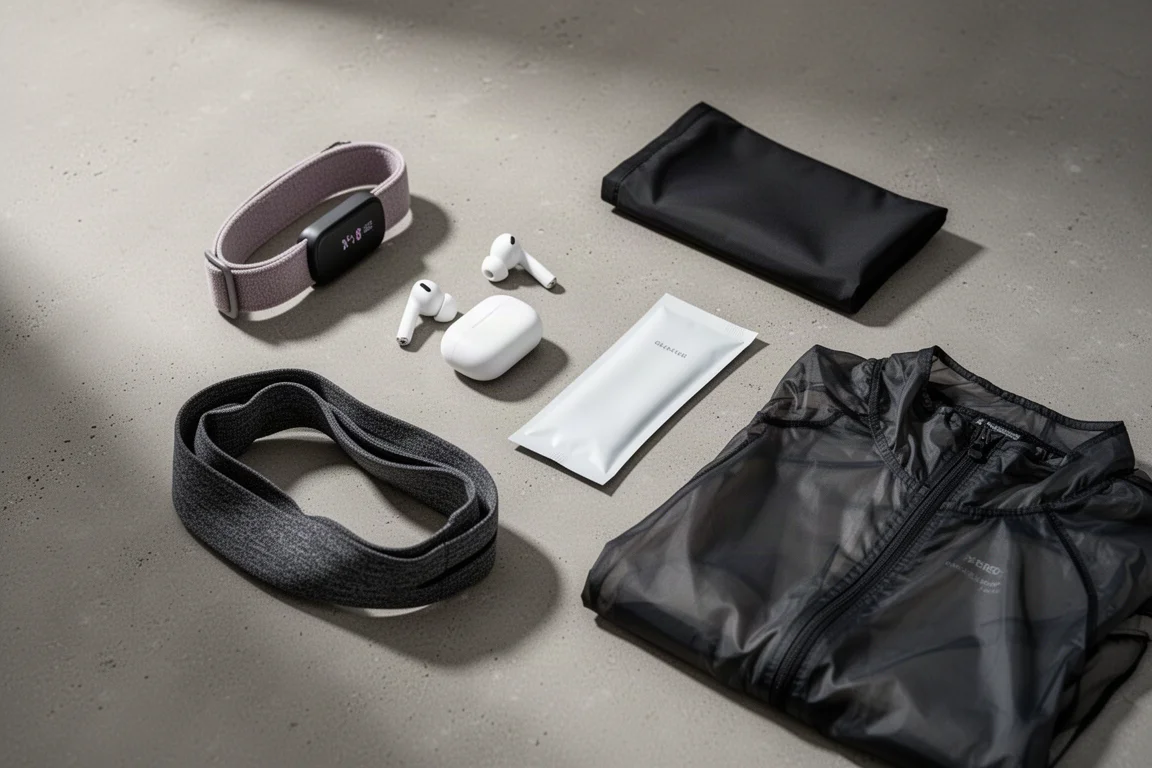
Best Running Gear 2026: Five Picks That Earn Their Place
Five running upgrades covering heart rate, audio, fuelling, carrying and weather protection, with the trade-offs worth knowing before you buy.