Cycling Jackets
Best Waterproof Cycling Jackets 2026: Four Top Picks Compared
Four standout waterproof cycling jackets compared on waterproofing, breathability, weight, fit and value, with clear guidance on which one suits which kind of riding.
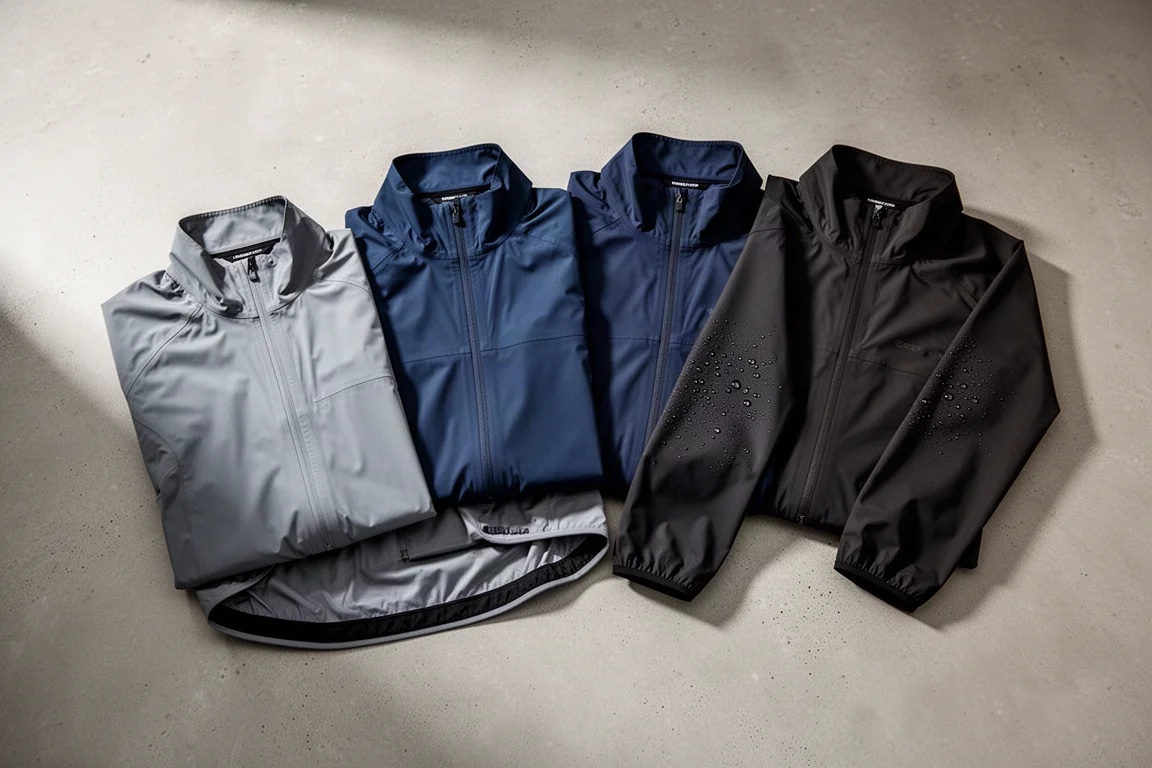
Introduction
A waterproof cycling jacket has to be waterproof, obviously. But breathability matters just as much, and if a shell also keeps the warmth in on a cold, wet ride, that is a genuine bonus. The holy grail is a jacket that delivers all of that without asking for an unreasonable amount of money.
The four jackets in this comparison share one important trait: they all use PFAS-free membranes, a shift that has reshaped the category now that ShakeDry fabric has been retired. That change pushed brands in different directions, and the differences show up clearly in how each jacket performs, how much it weighs, and how it feels on the bike.
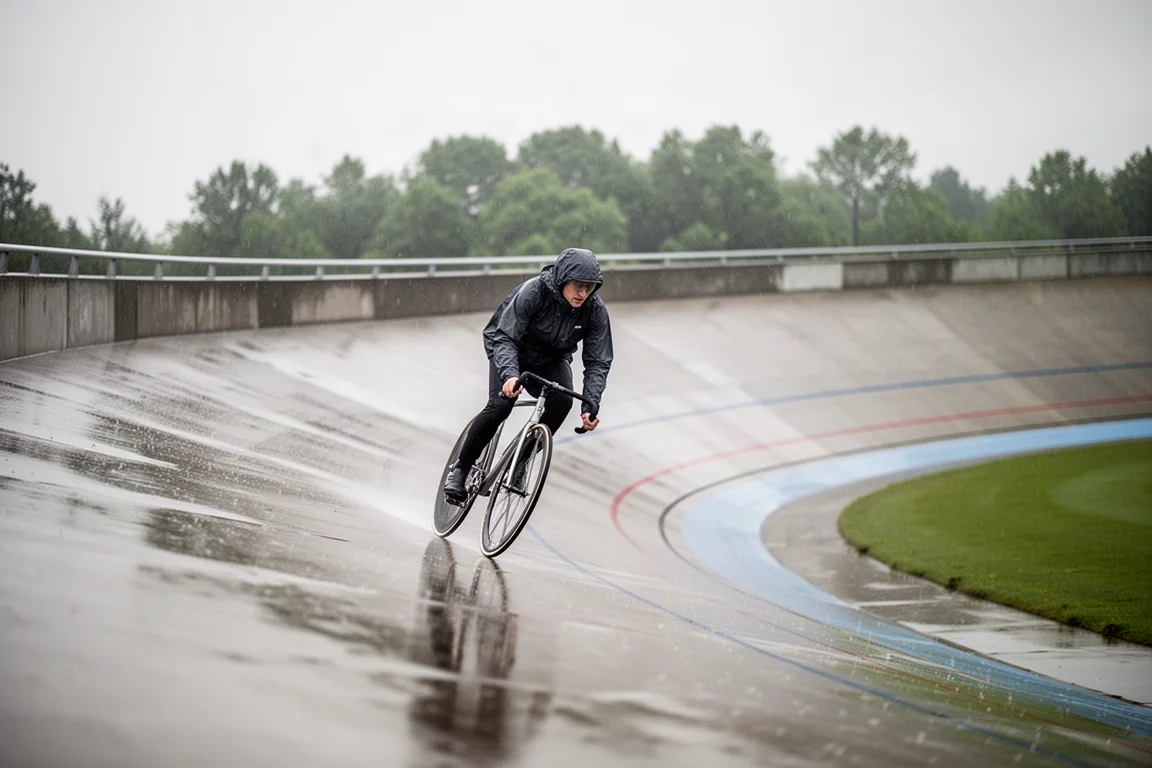
Each jacket was ridden in wet conditions at an outdoor velodrome and then put through a simple bench test to see how the seams and zips held up. What follows is a straightforward look at where each one shines and where you should think twice.
How These Jackets Were Assessed
Waterproofing was judged two ways. First, on the road, in steady rain. Second, with a simple water column test: a glass of water with the jacket stretched over the top, turned upside down and held in place with elastic bands, sitting on kitchen roll for ten minutes so that even the faintest drop of seepage would show. Crucially, that test was run directly over the shoulder seam rather than a flat panel of fabric.
That detail matters because modern waterproof fabrics are generally very good at their job. Where jackets tend to fail is at the seams. Making holes in fabric and stitching panels together creates exactly the kind of gap water looks for, which is why brands weld seams wherever they can. How well that welding is executed varies a lot, and the seam test is designed to expose those differences.
Zips were tested separately, and outdoor riding was used to confirm what the bench testing suggested, including what happens when a bag or pack presses water against the fabric for a long period.
Best Value: Rapha Core Rain Jacket II
The Rapha Core Rain Jacket II takes the value award here, and it is a genuinely well-executed jacket rather than simply a cheap one. It uses a 2.5-layer waterproof fabric: a nylon face with a DWR hydrophobic coating, laminate layers beneath, and a printed layer on top. That construction typically represents the best value in the waterproof category, since three-layer builds tend to function a little better, particularly for breathability, but come with added cost. This jacket is Rapha’s way of hitting the middle of the market, and it stays impressively waterproof in testing while keeping the price sensible.
The details are thoughtful. There is a YKK AquaGuard zip that proved highly water resistant, an adjustable elastic cord around the waist, and a subtle rubber gripper printed on the inside so the hem holds your waist well and does not ride up while riding. Perforated ventilation holes sit under the armpits, which is a smart addition precisely because 2.5-layer fabrics sometimes breathe less effectively than more complex constructions. The arm grippers are excellent, and the cuffs are a comfortable, quite tight fit, which matters if you ride at pace and do not want air chasing up your sleeves and inflating the jacket. The overall look is classy and the fit works well on a tall, lean build.
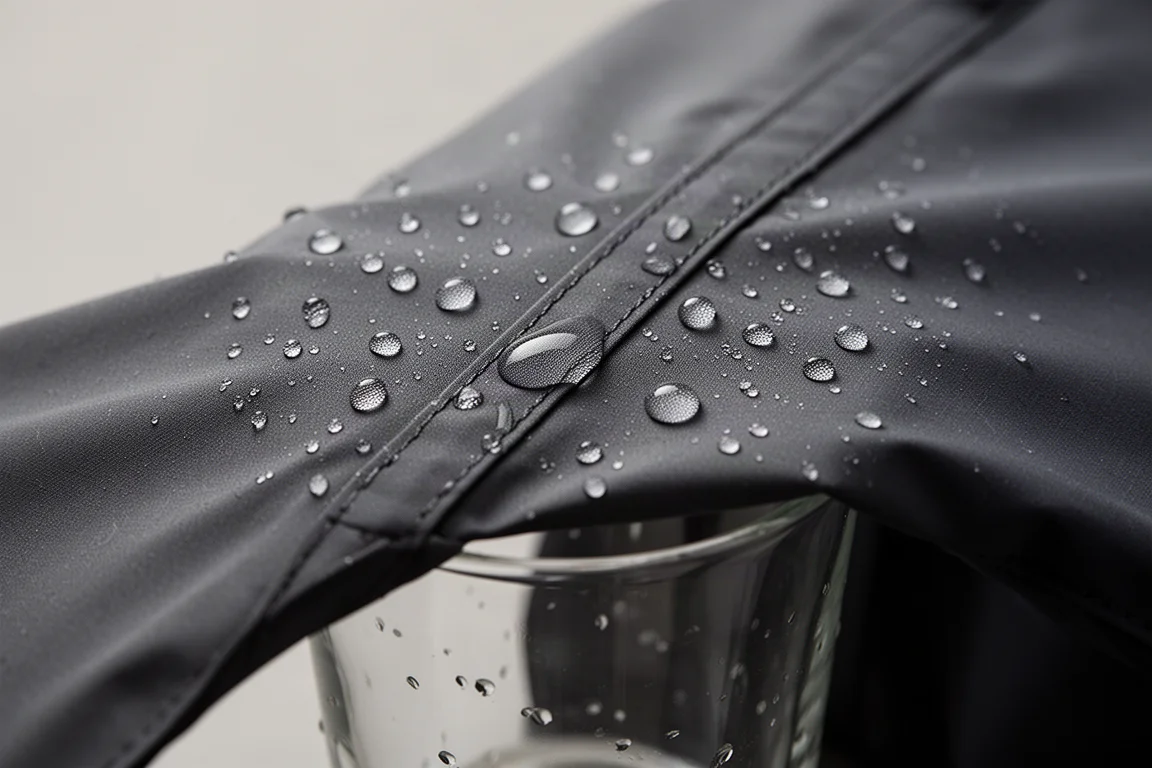
In the seam test it finished second best of the group. Over a ten-minute span there was a tiny amount of seepage, but nothing close to several of the other jackets here, and that result matched what showed up outdoors. It is lightweight and packable, and it was among the cheapest jackets on test. For riders who want strong rain protection without paying top-tier money, it is hard to fault.
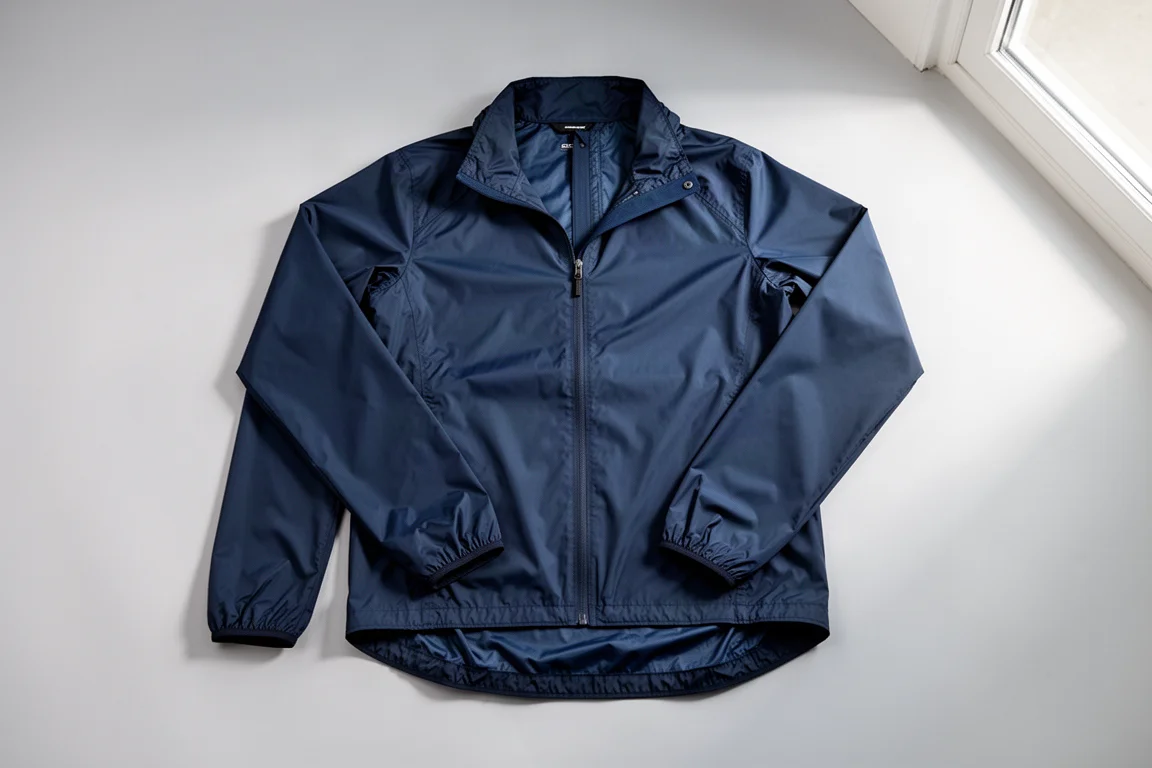
Best Breathability: 7mesh Cache Jacket
The 7mesh Cache Jacket takes the breathability award. It is built from an Airmap fabric, which is PFAS-free, with a three-layer construction across the main body and a two-layer construction on the under sleeves and side panels to save cost where it matters less. It is a very different jacket from the Rapha: noticeably heavier in the hand at 360g, and it feels more premium and more durable. Because it lacks the chemical coating used on the Rapha shell, it breathes very well.
The trade-offs are real. It packs down far less easily, and the fit is more relaxed. This is a jacket that sits closer to the bikepacking or everyday activewear end of the spectrum than the race-day end, and it would be equally at home on a commute. Side pockets and an internal chest pocket add practicality, though the chest pocket will only just take a phone and is not large enough to stuff the jacket into. The neck has a felt liner that makes it genuinely comfortable, and the elastic adjustable waistband is easy to use and feels well made.
In the seam test it finished second or third from last, and in the zip test it sat mid-pack. Outdoors there was not much seepage even on longer rides, but the stress testing simulates situations such as water trapped under a bag on a commute or a bikepacking setup, where some seepage would be expected. For hot, muggy conditions and riders who see cycling as an everyday activity, the breathability is the headline.
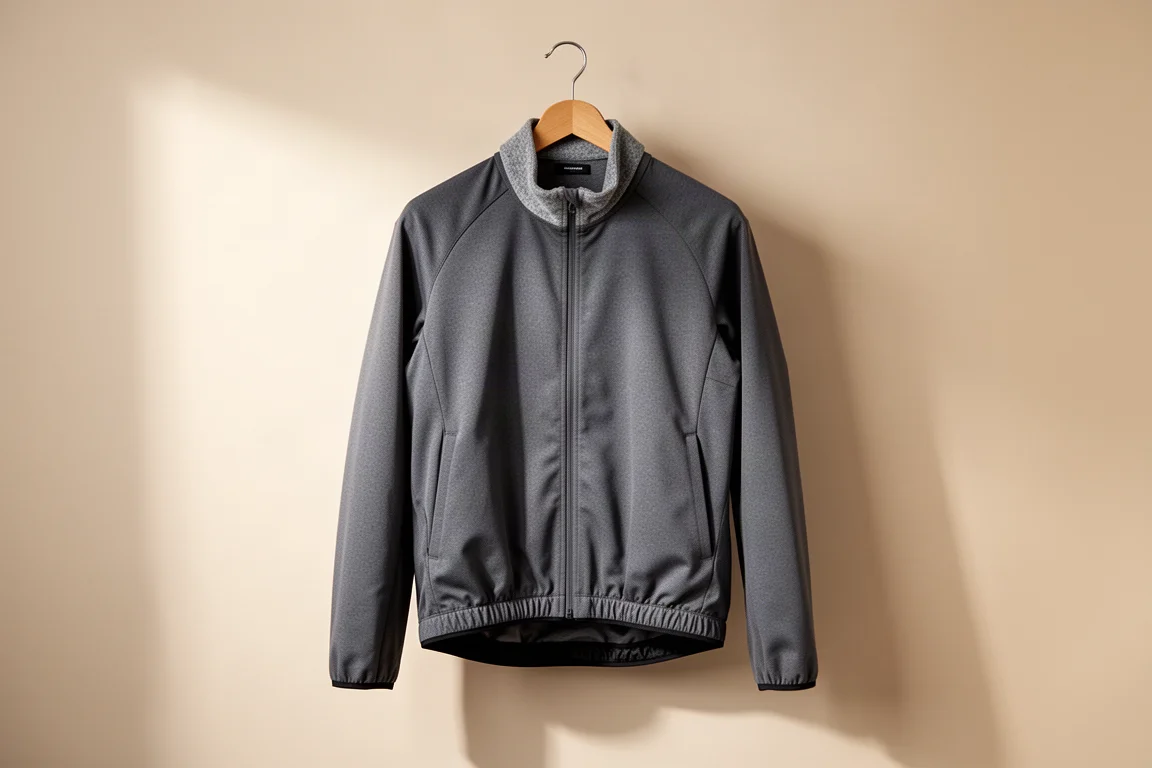
Best for Warmth: Castelli Slicker Pro Rain Jacket
The Castelli Slicker Pro Rain Jacket is the warmest option here, and it comes with a caveat. It does two things genuinely well: the fit is fantastic, and it is very windproof, keeping the chill off on cold days. The Slicker Pro uses a two-layer microshell construction in a fabric Castelli developed in-house after ShakeDry was retired, when most brands moved toward Airmap or Pertex instead. Additional materials on the side panels add a little flex.
That fit is the standout feature. It drops far down over your backside when you are riding and does not ride up at all. It is snug, but flexible enough to layer over a thermal jersey, a fuller shoulder line, or pockets loaded with food. It is also reasonably light at 209g.
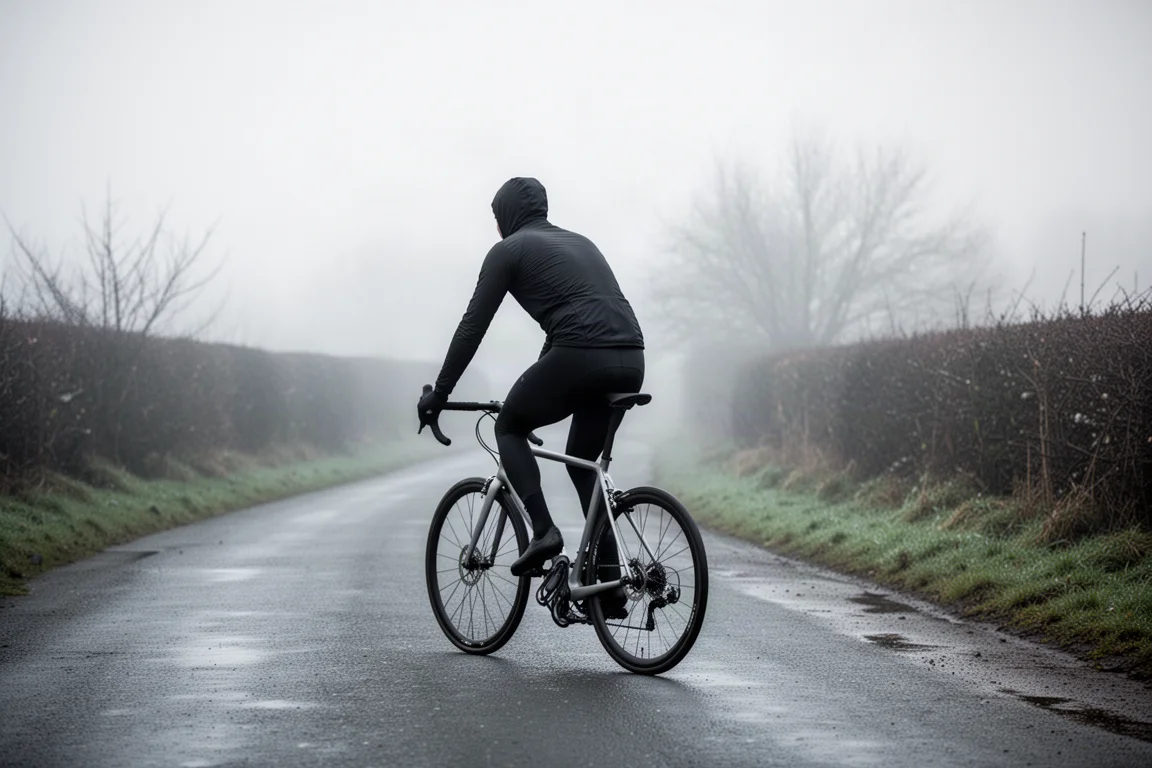
The compromises show up in testing. In the seam test it finished at the bottom of the pack, and in the zip test it was fairly average despite a YKK zipper, which suggests the material is still a little tricky to work with. The rear pockets are an unusual choice for an outer shell and they held water, so they are best reserved for sealed food rather than a phone. Price is the other sticking point, at around £450 at retail, although it can often be found cheaper online. This is a jacket for cold days, layering, and lighter rain.
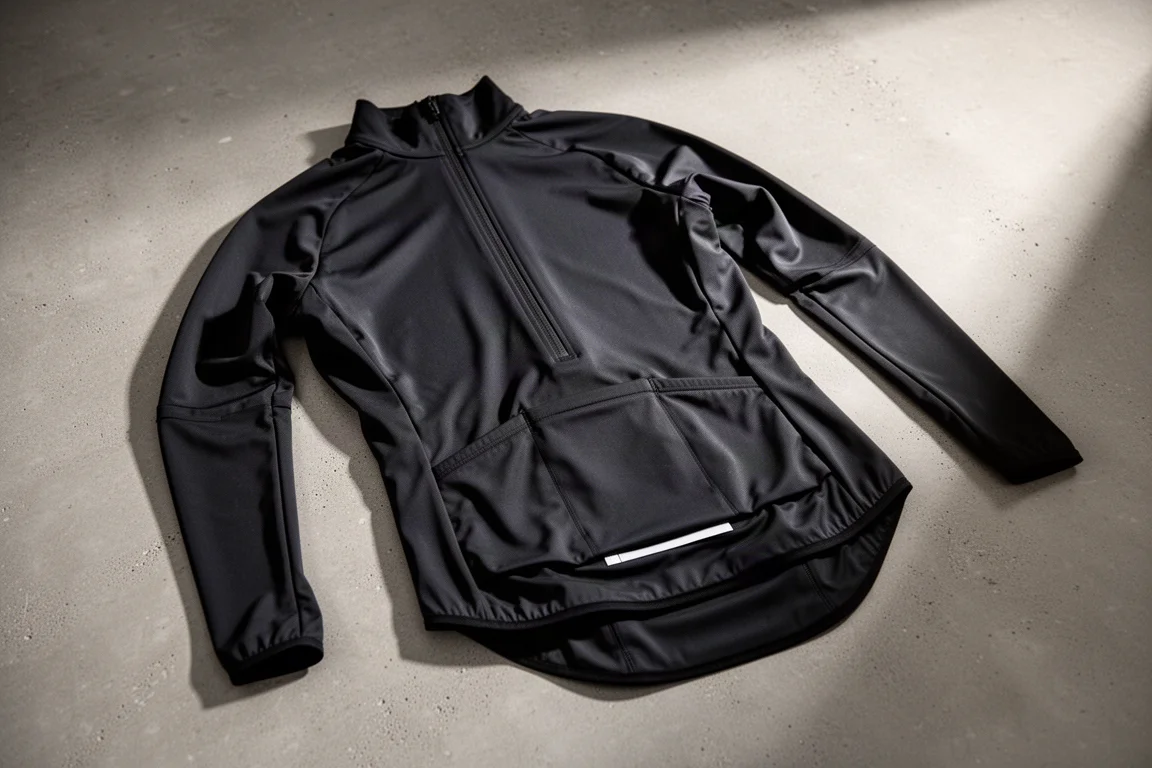
Best Overall: MAAP Atmos Rain Jacket
The MAAP Atmos Rain Jacket is the strongest all-round performer here. It is made from a Pertex three-layer Shield fabric and delivered excellent waterproofing alongside really good stretch, so it moves with you rather than fighting you. The design is deliberately simple: elastic cuffs that only wrap halfway around the wrist so they never restrict movement, and no adjustable waistband at all. Despite that, the fit is secure and it did not ride up on rides. The two-way YKK zipper is a highlight and a feature more rain jackets should adopt, since it lets you open the jacket from the underside to reach your pockets without undoing the whole shell.
Weight is another strength. At 125g it is extremely light, partly because there are no extra features adding bulk, and it packed down to the second smallest size on test. Where it outperformed everything else was comfort, specifically comfort on bare skin. When the Pertex material sat against a bare arm it stayed comfortable, never muggy and never constricting, which is a meaningful advantage for riders in warmer climates and for the changeable cold-rain conditions where you might not always have a long-sleeve layer underneath.
Value is the contentious part. It is expensive, and there is no pretending otherwise, but the combination of breathability, fit, comfort and outstanding waterproofing makes a strong case for it. It did not take the value award only because the Rapha jacket does enough for most riders at a much lower cost. If you want a single shell that handles almost everything well, this is the one.
Buying Advice: Matching a Jacket to Your Riding
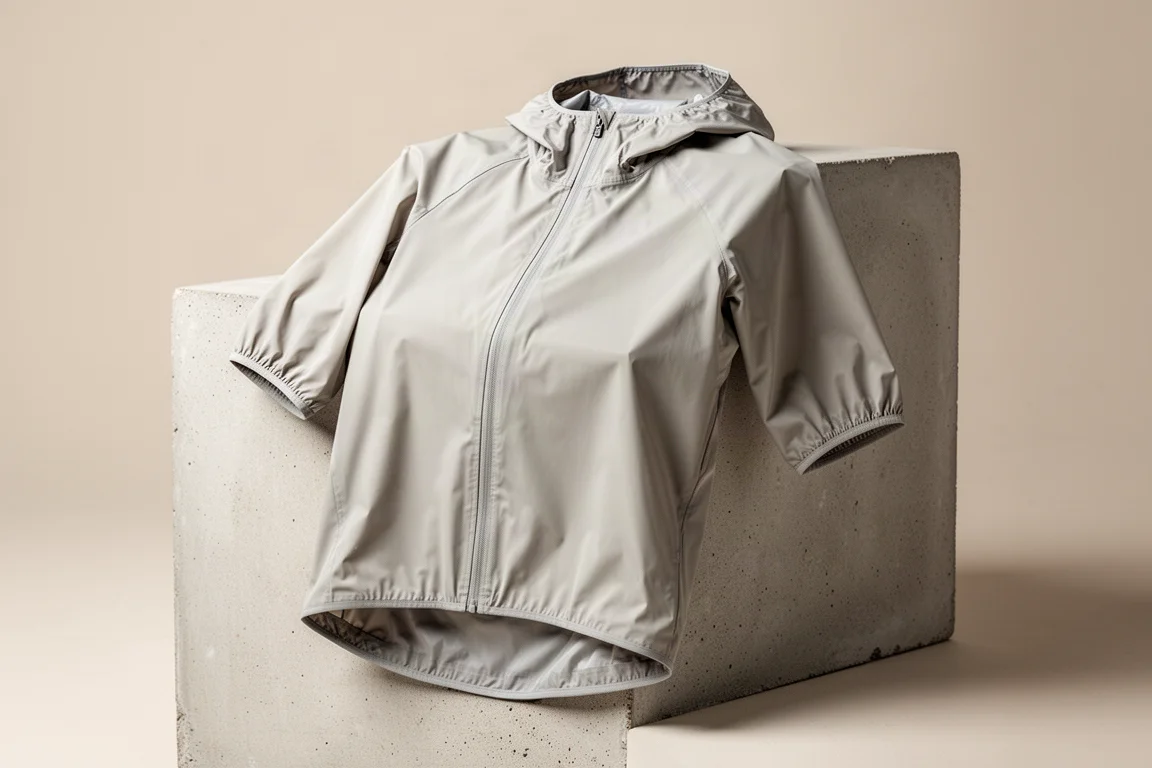
The right choice depends far more on your riding than on the spec sheet. If you ride at pace in changeable weather and want something you can stuff into a jersey pocket without thinking about it, the Rapha Core Rain Jacket II covers the essentials and stays genuinely waterproof, which is why it wins on value. If your riding leans toward bikepacking, commuting, or hot and humid days where breathability is the limiting factor, the 7mesh Cache Jacket is the more comfortable companion despite its extra weight and bulk.
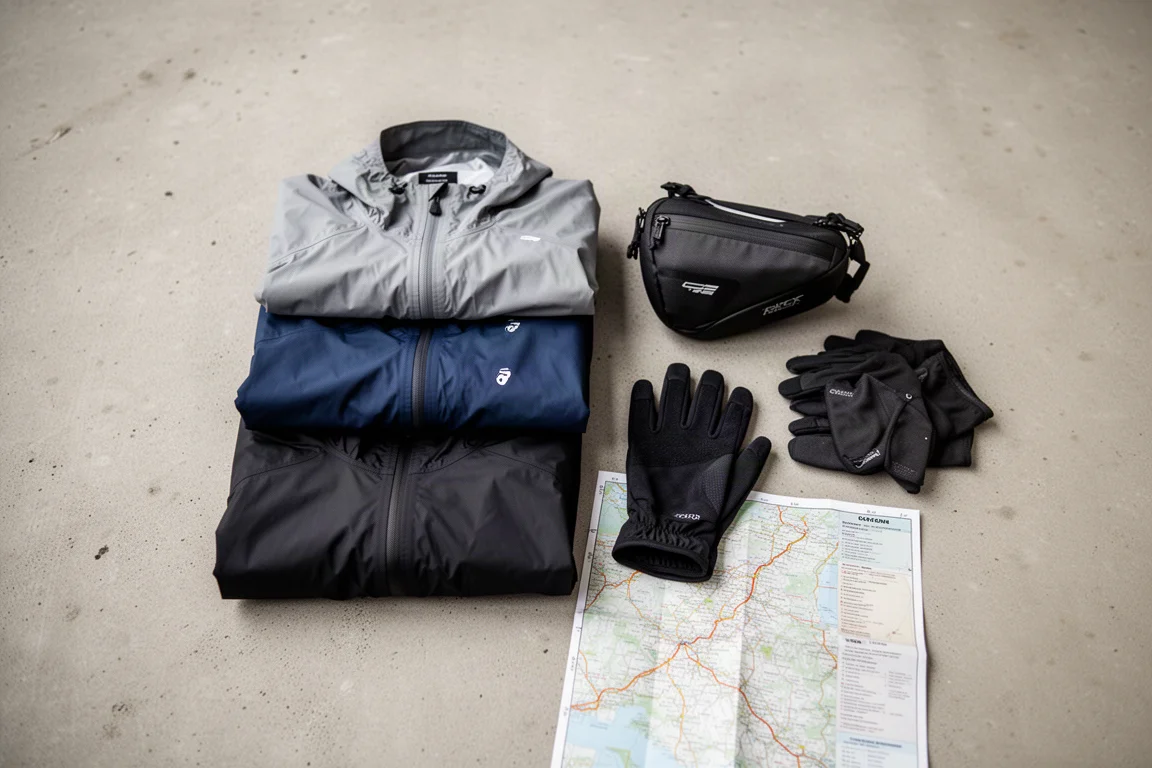
If your priority is staying warm on cold, windy days and layering over thermal kit, the Castelli Slicker Pro Rain Jacket has the best fit and the best wind protection of the group, provided you accept the price and the weaker seam performance. And if you would rather buy once and cover the widest range of conditions, the MAAP Atmos Rain Jacket combines the best waterproofing, the best comfort against skin, and the lightest, most packable build here.
A simple way to decide: start with the conditions you actually ride in, then weigh packability, breathability and warmth in that order. Any of these four will keep the rain out. The difference is how they feel after two hours in it.
Conclusion
These four jackets represent the strongest options in a category that has changed significantly now that PFAS-free membranes have taken over. The Rapha Core Rain Jacket II is the value pick and a genuinely impressive one. The 7mesh Cache Jacket wins on breathability for riders who prioritise comfort over pack size. The Castelli Slicker Pro Rain Jacket is the warmest and best fitting, with caveats around seams and price. The MAAP Atmos Rain Jacket is the best overall, pairing excellent waterproofing with remarkable comfort and a very light, packable build.
Match the jacket to the riding you actually do, and any of these will serve you well for years of wet-weather miles.
Further reading
Related Reviews
Cycling Jackets
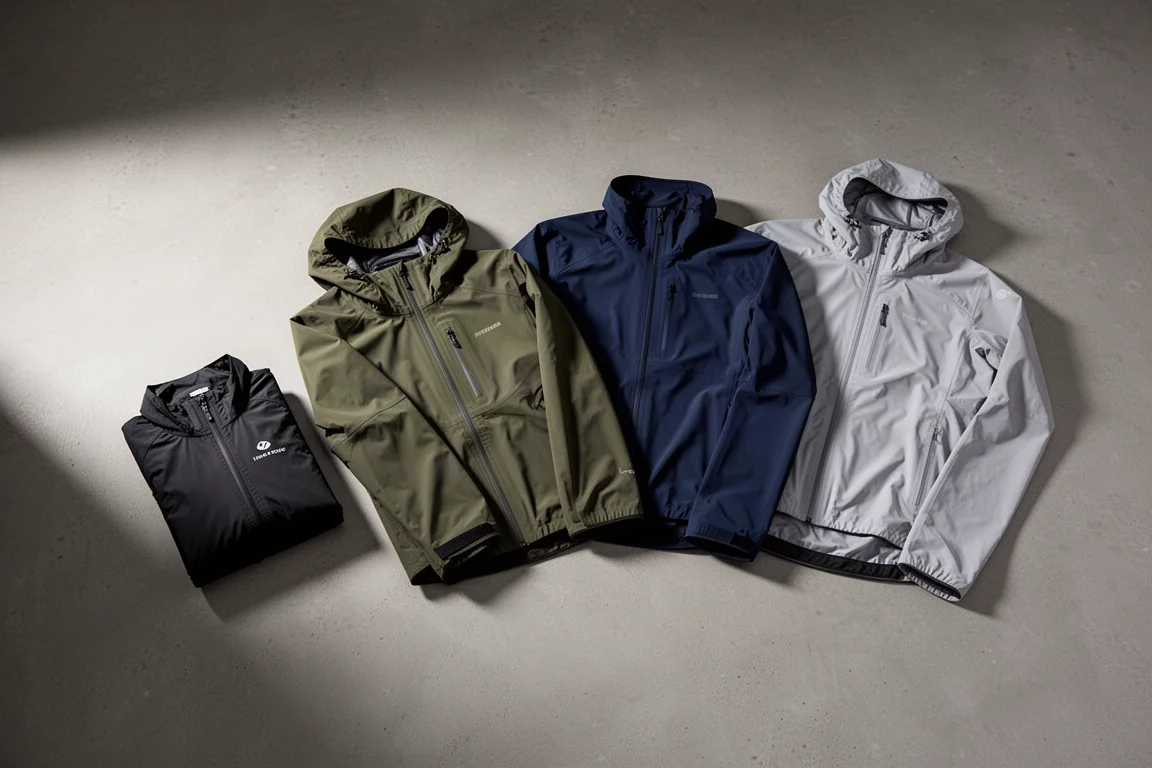
Best Waterproof Cycling Jackets: Four Top Picks for Rainy Rides
A practical roundup of four standout waterproof cycling jackets, covering value, breathability, warmth, and all-round performance.
Cycling Jackets
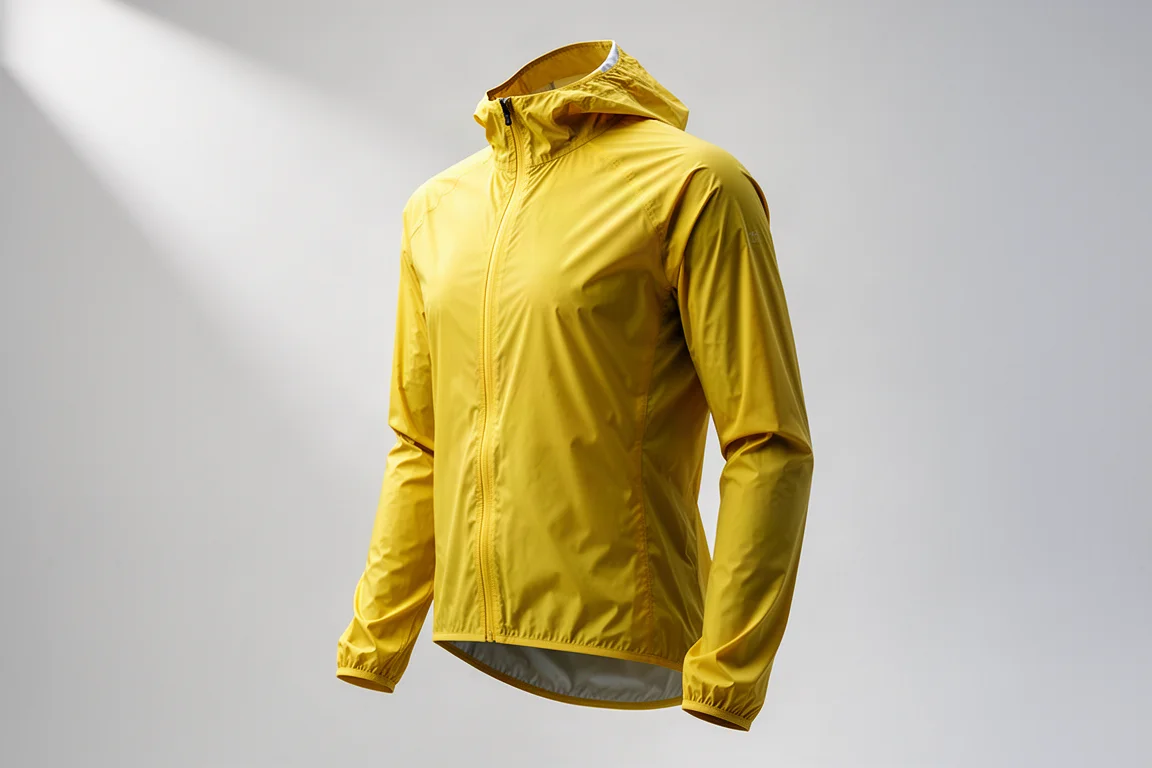
GORE Spinshift Jacket Review: The New Flagship Cycling Shell
A close look at the GORE Spinshift jacket, the three-layer waterproof shell built without the chemicals used in earlier fabrics, and what to know about sizing before buying.
Cycling Jackets
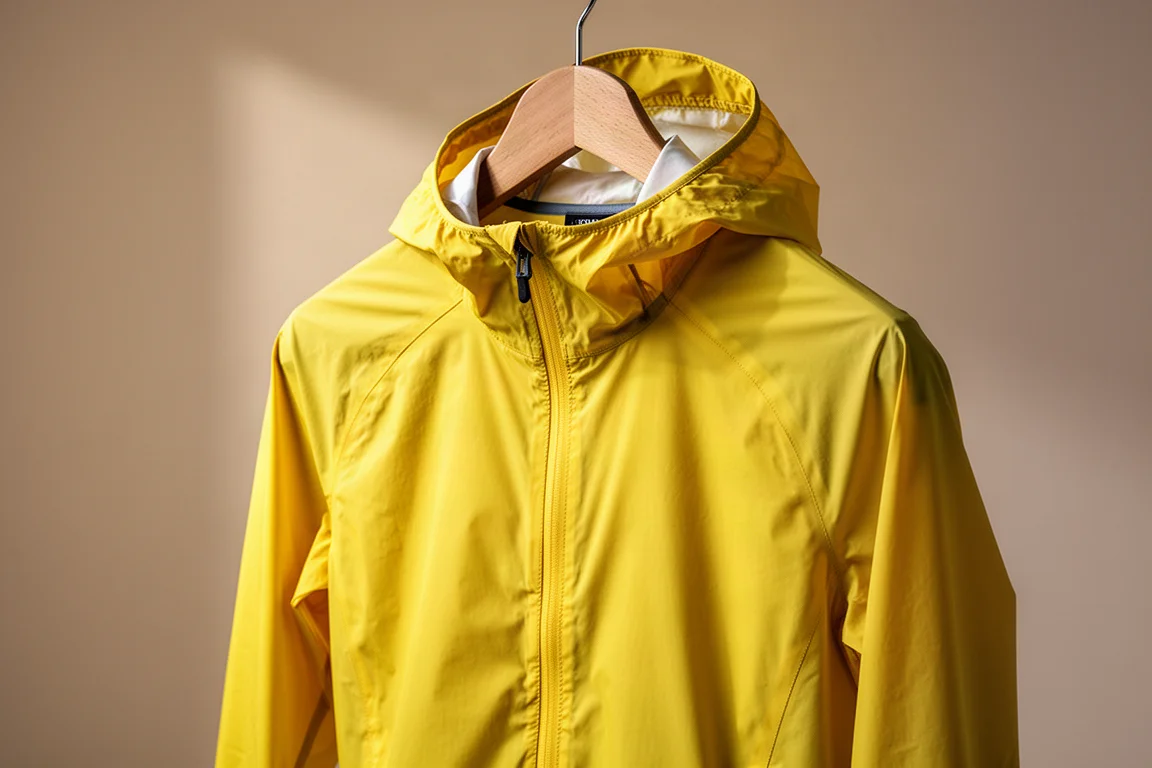
Gore Spinshift Review: A PFC-Free Cycling Rain Jacket Built for Real Weather
The Gore Spinshift replaces the discontinued Shakedry fabric with a PFC-free three-layer build. Here is how it performs in sustained rain, how it fits, and who should buy it.