Everyday Carry
Can Anyone Beat Victorinox? Nine Swiss Army Knife Alternatives Tested
From Nextool and Leatherman to Swiza, Roxon and Fox, we compare nine multifunction pocket knives against Victorinox to see where the rivals genuinely win.
Introduction
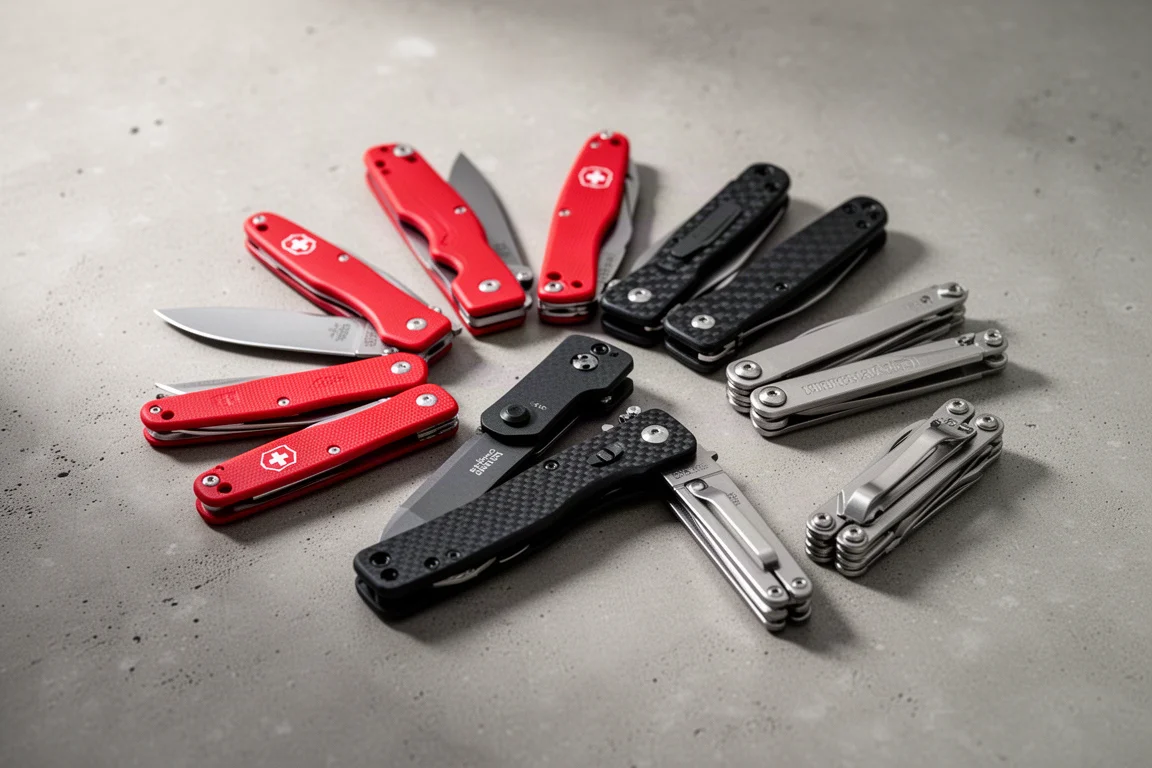
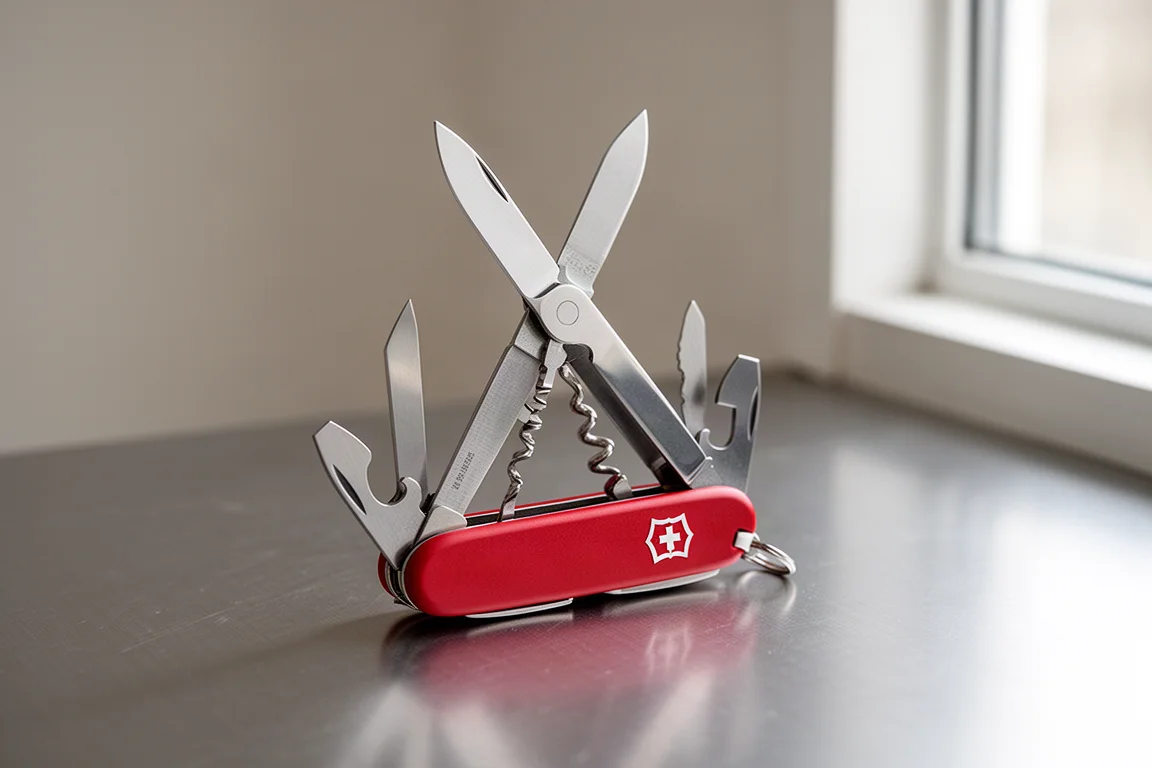
Victorinox has been making Swiss Army knives since 1884, and its dominance in the multifunction pocket knife market is no accident: Swiss-made quality, affordability, functionality and an enormous range of options. But it is not the only game in town. We rounded up nine of the most interesting rivals, from a Chinese mini knife to a premium Italian folder, to see whether any of them can genuinely beat Victorinox at its own game.
Evaluation Criteria
For each knife we looked at tool selection, build quality, ergonomics, steel, legal carry considerations and price. Scissors got particular attention, because on a Victorinox they are one of the most-used tools, and any serious competitor needs to match them. Weight and size relative to the standard 91 mm Victorinox format also mattered.
The Small-Knife Contest: Classic SD vs Nextool
The Victorinox Classic SD is the bestselling small knife in the range, and the Nextool Mini Pocket Knife is its most direct challenger. The Nextool is made in China and very slightly longer overall, with a slightly longer blade. Both share a small screwdriver and an effective nail file, and both have same-size scissors that can snip through paracord, which is impressive at this scale. The Nextool’s scissors are less pointed at the tips but carry a more substantial return spring.
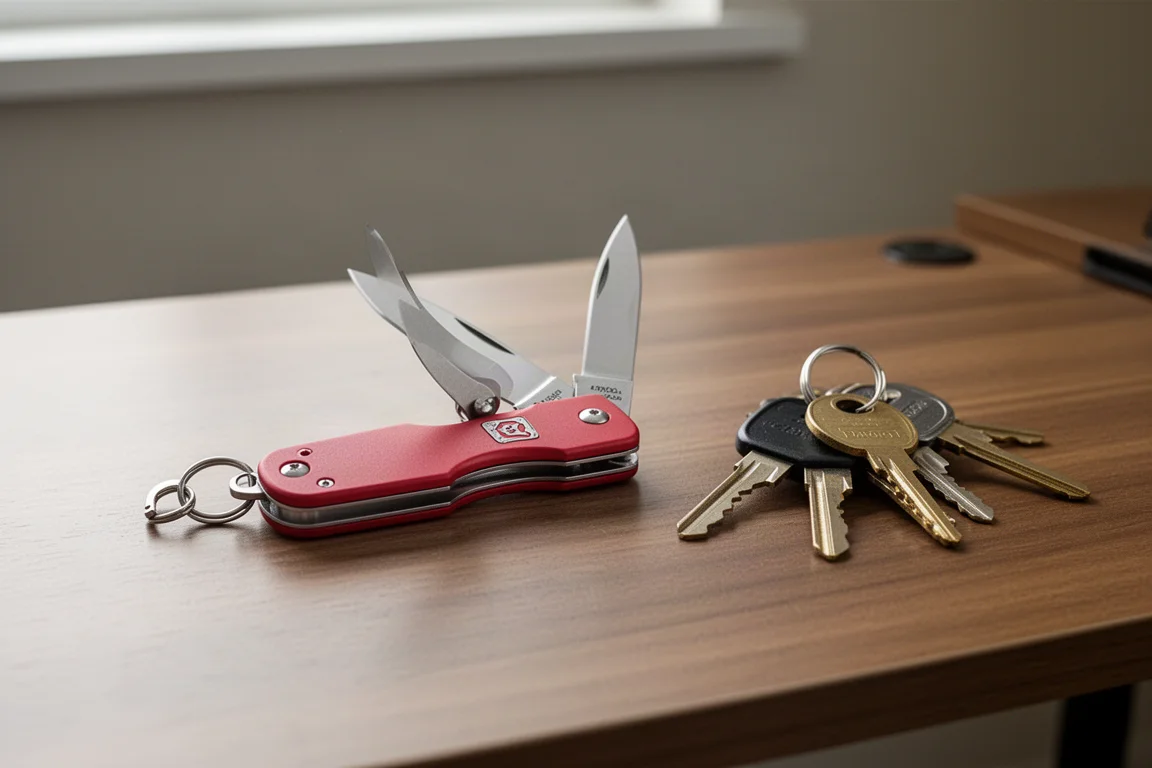
The Nextool uses aluminium scales versus the Victorinox’s plastic ones, a matter of personal taste, but it makes the Nextool slightly heavier at 28 g versus 22 g, though also slightly thinner. In the UK the Nextool costs £11 and the Victorinox is listed at £26, though the Victorinox is readily available for around £15, so price is not really the decider. That leaves one differentiator: the tweezers and toothpick on the Victorinox, plus Swiss-made pedigree and a huge choice of colors. The Victorinox wins this round.
The Multitool Challenger: Leatherman FREE T4
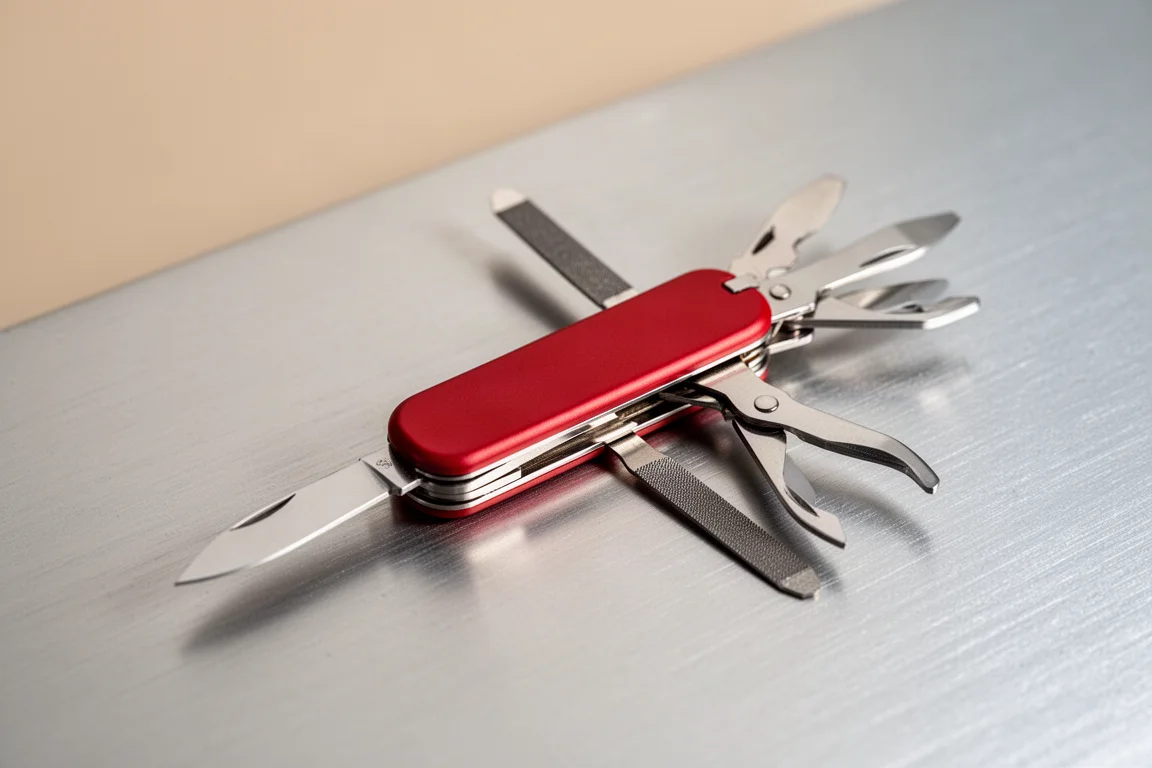
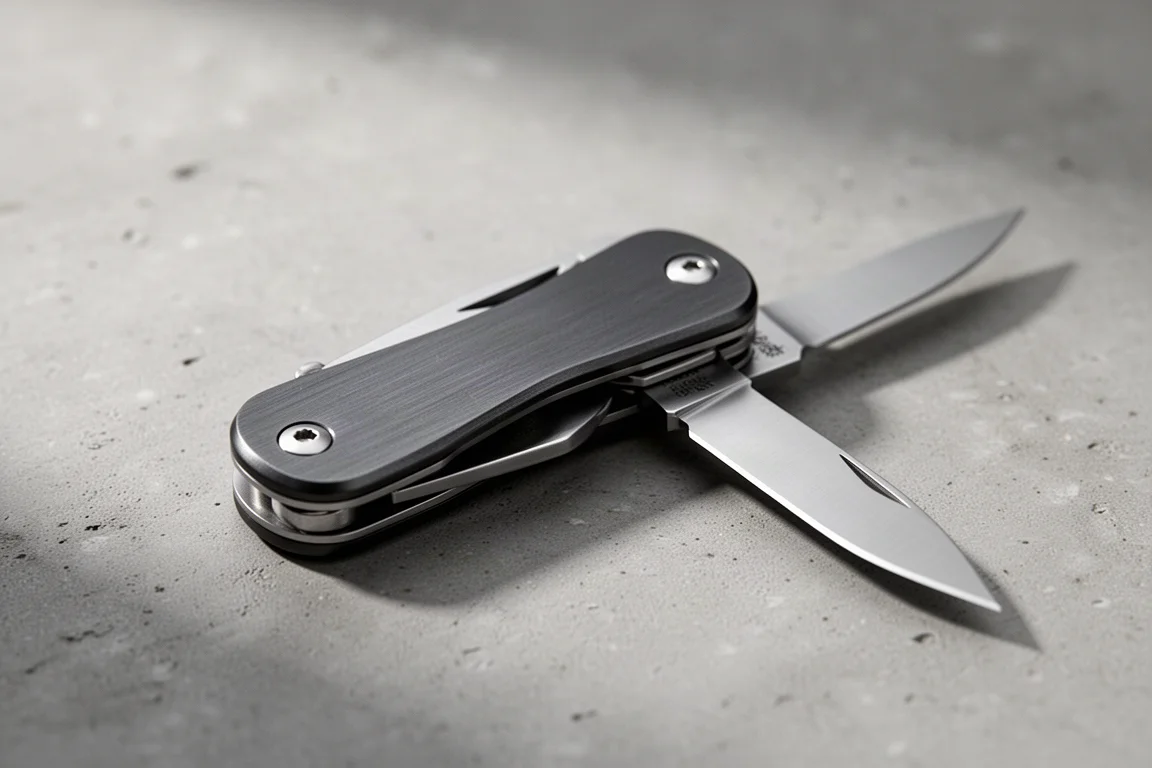
If anyone can beat Victorinox at its own game, Leatherman, the market leader in multitools, should be in with a shout, and the FREE T4 is its best attempt so far. The T4 has been criticised in the past for a tool set that falls short of a full-size multitool, but it fares much better against a multifunction pocket knife. Quality is evident throughout, the magnetic FREE-series system works really well, and every tool locks into place with a satisfying lock-and-release mechanism, great if you are allowed to carry locking blades in public, and not great if you are not, sorry UK.
The blade steel is 440HC, a good all-round steel with similar properties to what Victorinox uses. There is a deep-carry pocket clip that works really well and is substantial enough to double as a belt clip, plus multiple color options and included tweezers.
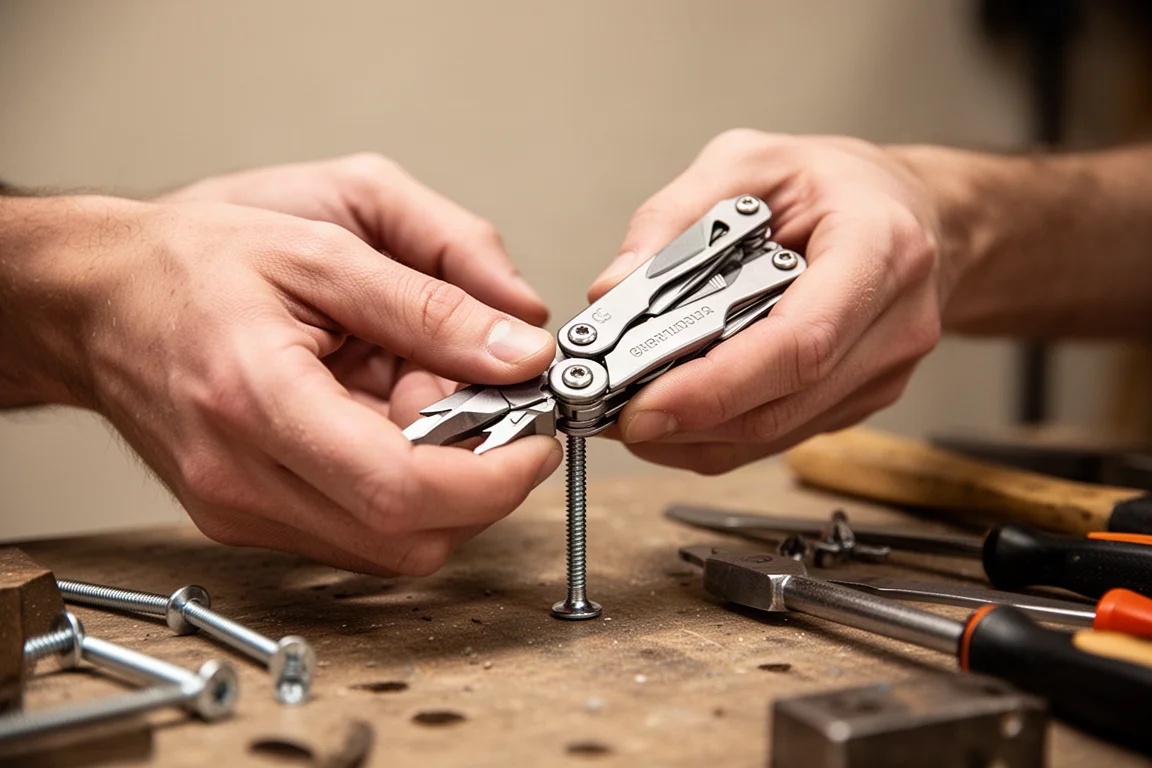
Problems do surface when you compare it directly with a Victorinox. The Leatherman blade is more substantial than a 91 mm Victorinox blade but shorter, despite similar overall tool length. The scissors are the same size and look more substantial, but are not quite as sharp. The awl doubles as a small screwdriver, tools which in our view should not mix, and the Phillips is a little two-dimensional. There is a genuinely likeable pry tool, package opener and flathead, but the file is too short to be useful.
Compare it to a Victorinox Super Tinker and you get a 3D Phillips, a longer knife, better scissors, an extra blade, a screwdriver pry tool and a proper can opener, plus a parcel hook and toothpick. The Victorinox is also far lighter at 86 g versus 122 g. In the US the Leatherman is $70 and the Victorinox $43, which still leaves some justification for the Leatherman on substance and locking. In the UK, where the Victorinox can be found for £23 and the Leatherman runs £70 to £80, it is very hard to justify. The T4 handles beautifully and the quality shines through, but the Victorinox nudges it out.

The Swiss Outsider: Swiza D4
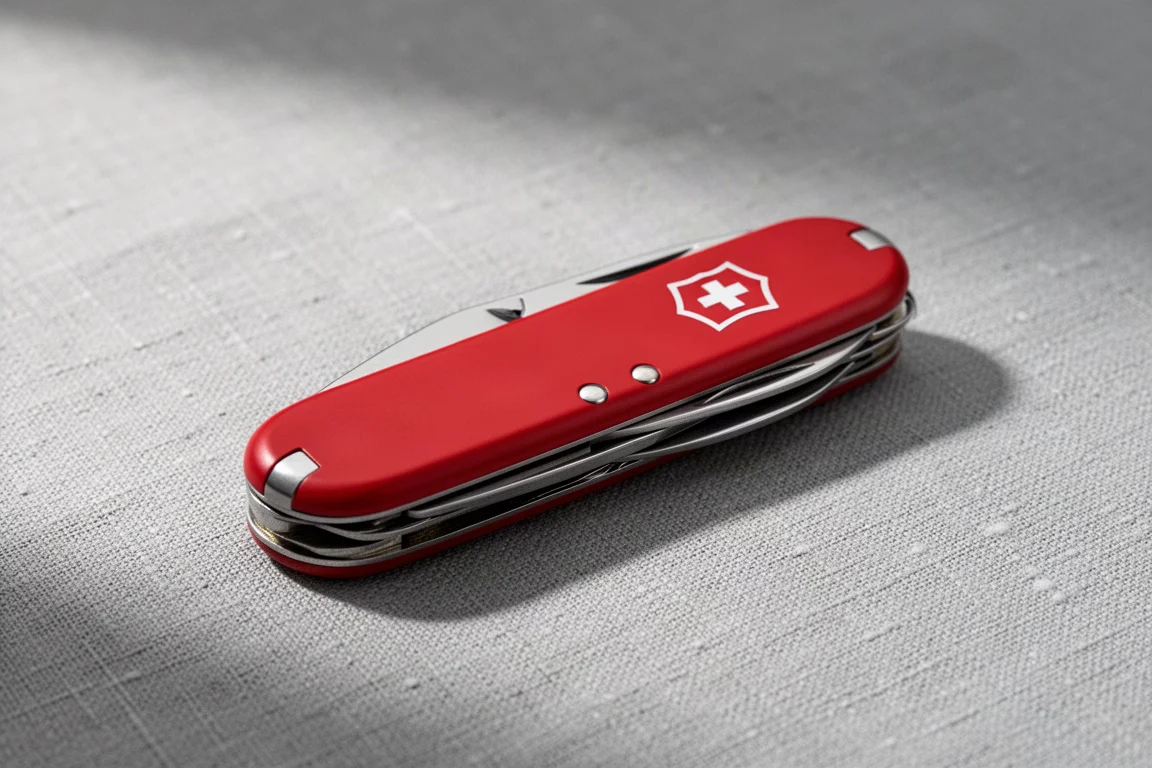
Most people know Victorinox makes its knives in Switzerland, but there is another Swiss maker of multifunction pocket knives. Swiza started as a watch and clock maker in 1904 and switched to pocket knives in 2015, with help from a few ex-Wenger employees. This D4 is a non-locking pocket knife, which makes it legal for UK carry, unlike most of the range where the logo doubles as a button to release the locking blade.
First impressions are very good, with an instant feel of quality. The scales have a soft, grippy feel and a more rounded, bulkier shape than a Victorinox, and the knife itself is curved, with the open blade and handle following the same curve. The tools, when closed, follow the shape of the main blade, a nice design detail. Tweezers are tucked away inside, a nice touch, though there is no keyring loop or pocket clip on this version unless you option it in.
This is a 95 mm tool, slightly bigger than a 91 mm Victorinox, with steel on par with Victorinox: easy to sharpen, good mix of properties, nothing special. The nail nick is actually a nail hole, easier to grab and nicer looking. You get an inline pointed awl with a small sewing eye, the familiar can opener and bottle opener with screwdriver ends, and the flathead keeps the 90-degree half stop. The T-handle Phillips is a bit more substantial than the Victorinox version. Swiza’s wider range includes some unusual options like a tick remover, a hoof tool for equestrians and an evisceration blade.
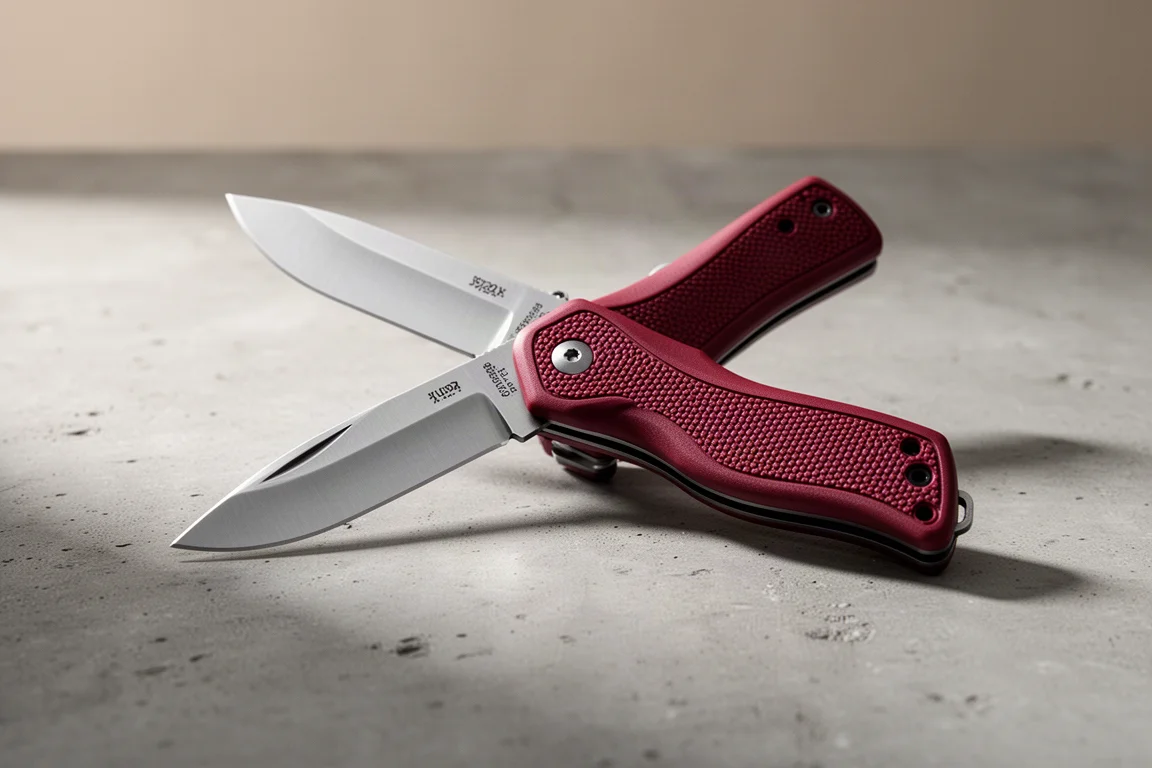
The catch is the scissors. Swiza offers scissors on four models, and they are best described as shears: large, unwieldy and awkward to use. This model cost £29, good value and the same list price as the Victorinox Tinker with a similar tool set. If the rubbery scales, curvy design and extra size appeal, and you can live without good scissors, it is worthy of consideration. If scissors matter, as they do for us, the Victorinox wins.
The Scissors Champion: Roxon KS2
The Roxon KS2 comes from China and does things differently. It is slightly shorter than a 91 mm Victorinox but quite a bit wider, with a thickness somewhere between a three- and four-layer Victorinox. The scales are textured G10, and the shorter, wider blade opens with a thumb stud and locks with a liner lock. The 5Cr15MoV steel is a little poor at holding an edge.
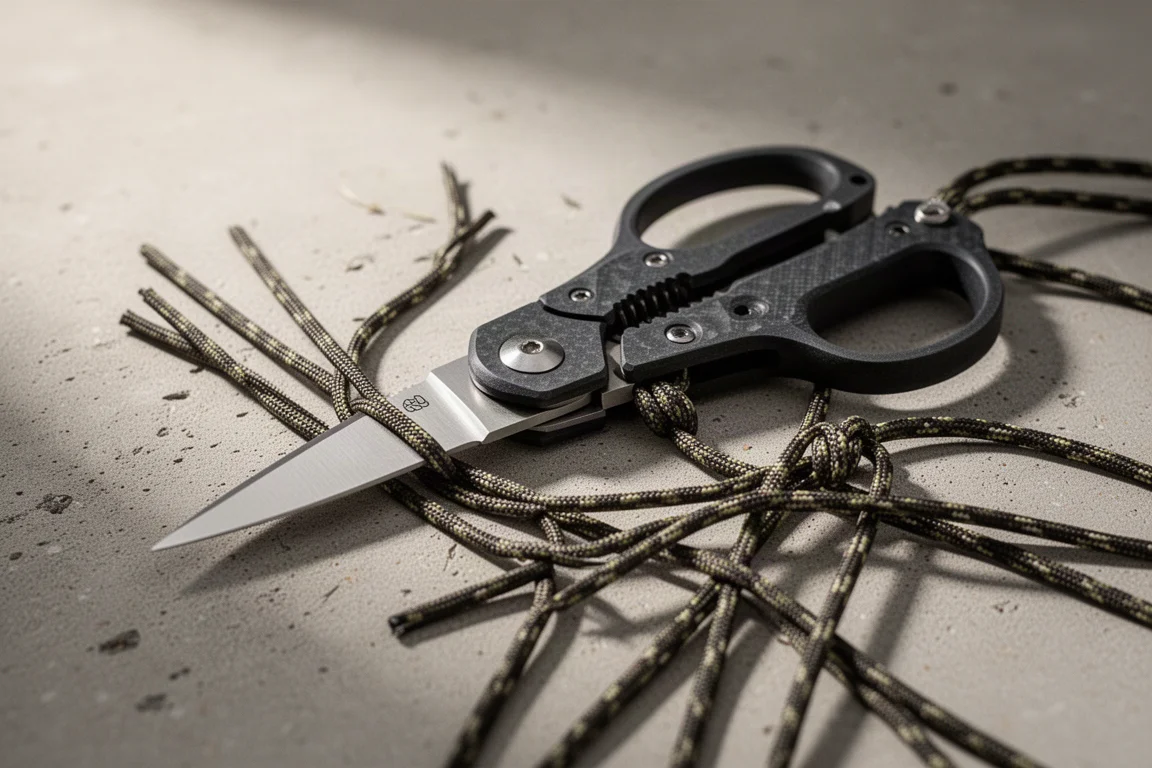
But those scissors. They are huge alongside a Victorinox, spring-loaded and very sharp, and they work really well, slicing through paracord with no trouble at all. If scissors are what you are looking for, you would be hard pushed to find much that improves on these. Inside the scissors handle there are tweezers, nice to have though not as good as the competition’s.
On the side there is a shorter-than-Victorinox saw with liner lock, and three more tools accessed via a button: a 3D Phillips with a short cross-cut file with a rule on the back, a very sharp bladed awl with a sewing eye, and a combined can and bottle opener plus small flathead. All three lock and release with the same button, a really nice feature. There is no large flathead, which Roxon always seems to omit, and a tungsten glass breaker sits in the bottom. The deep-carry pocket clip appears rather flimsy compared with the competition.
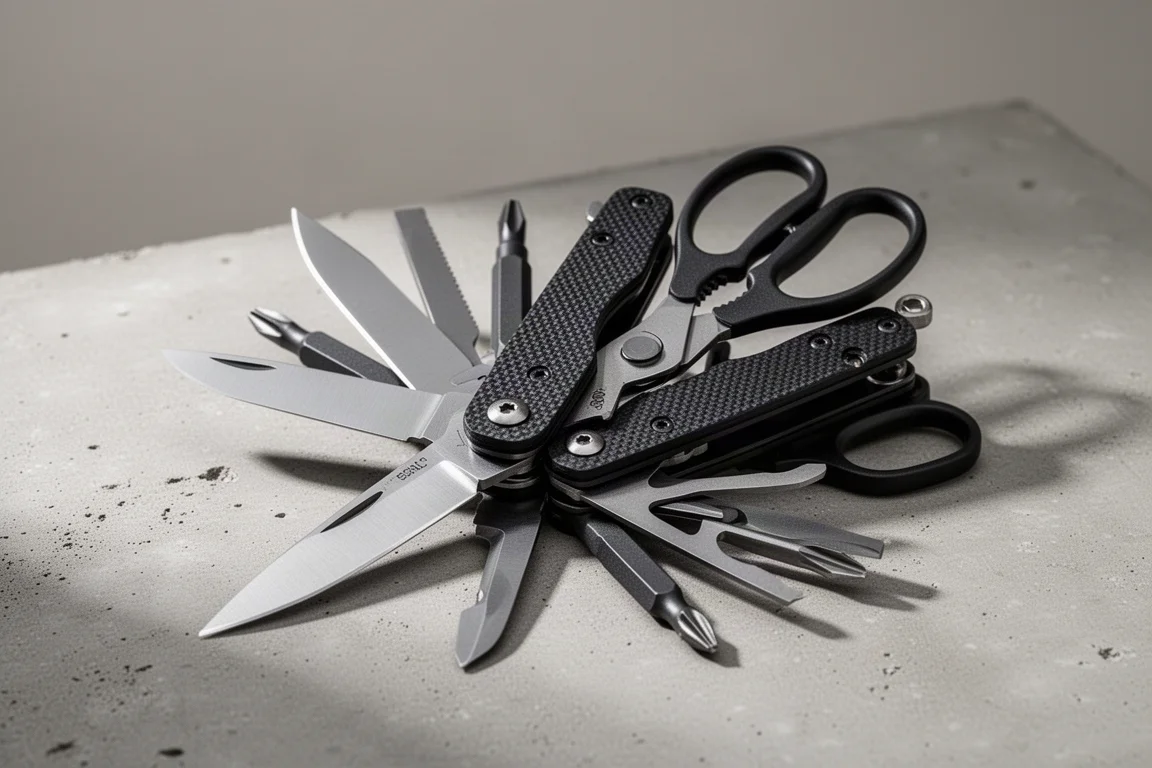
At £30 (roughly $30), the price is reasonable. The closest Victorinox match is the Fieldmaster at £33 in the UK, which adds an extra blade, parcel hook and toothpick, though its file would also be too short to be useful. The Victorinox’s fit and finish is vastly superior and it is lighter at 100 g versus 127 g. Victorinox gets the vote again, unless you want those huge capable scissors or locking tools.
The Goldilocks Option: Fox V
The Fox V comes from the well-known Italian knife brand and sits at around 73 mm, halfway between a 91 mm Victorinox and the small 58 mm models. There are three layer configurations and three scale materials: aluminium in orange, blue and green, carbon fibre, and titanium.
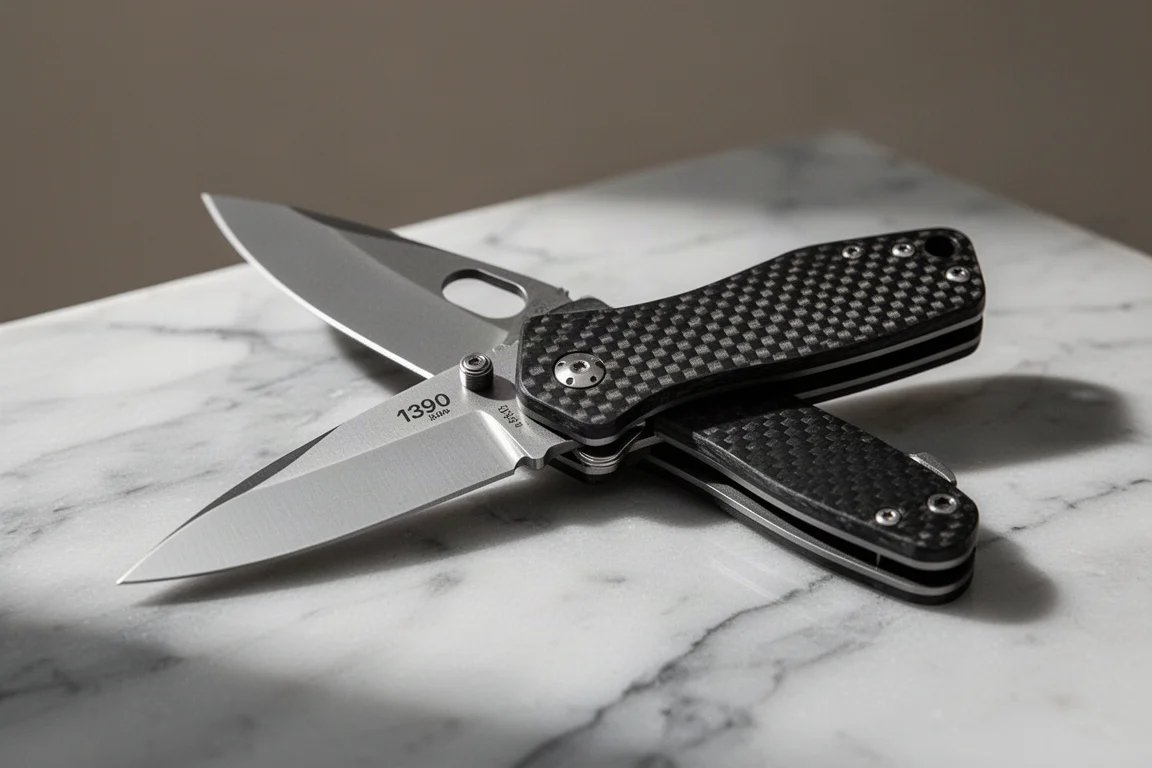
The two-layer version, tested here with carbon fibre scales, has a main blade slightly smaller than a 91 mm Victorinox but not massively so given the size difference. The M390 blade steel is excellent, and the slip-joint knife has a half stop and a very precise feel. The nail nick is a nail cutout, which helps access and looks good. Other tools include a can opener with a very precise screwdriver end that also makes a great controlled package opener, and a bottle opener with a slightly larger screwdriver and a keyring loop.
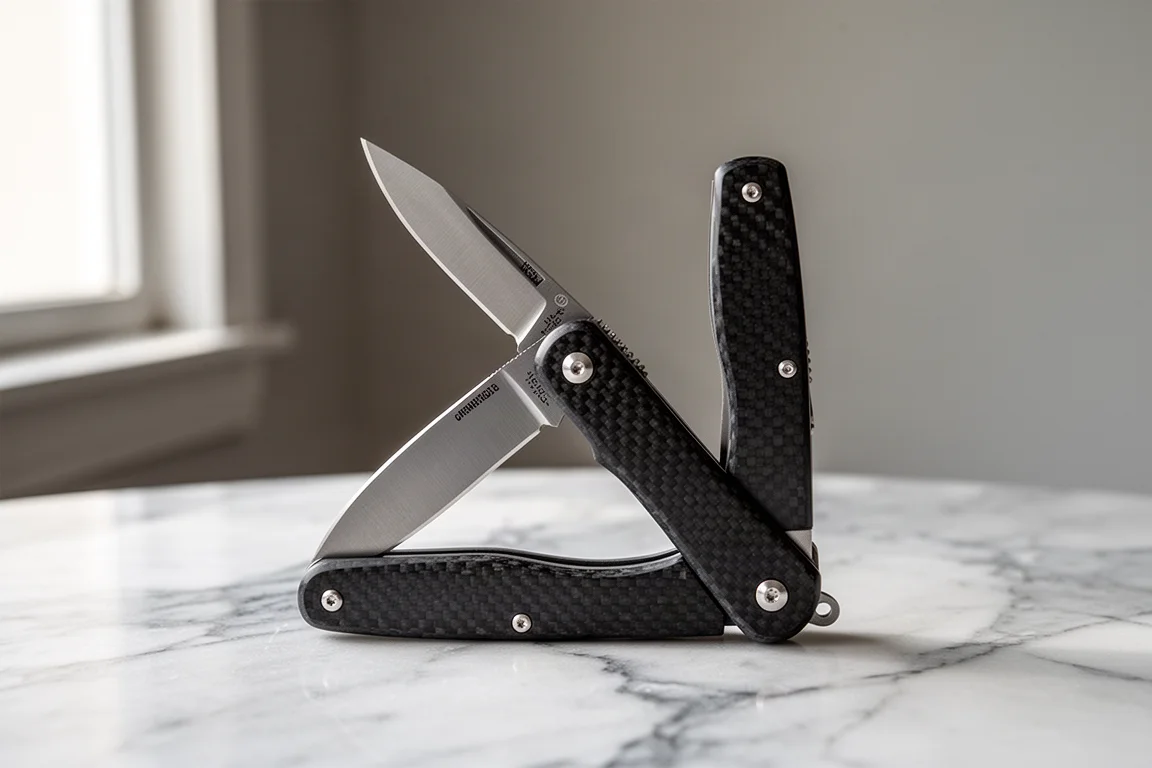
Moving to three layers adds either a saw or scissors; the tested saw is a little smaller than the 91 mm Victorinox equivalent, though scissors would be our preference in a small knife. The three-layer aluminium version uses N690 steel. The four-layer titanium version has both scissors and saw with an M390 blade, but the scissors are small and not as sharp, in fact even the smallest Victorinox scissors cut better.
Prices vary by scales and tools: around £48 to £49 for the tested versions and £75 for the top-of-the-range four-layer titanium. This is not a budget option, and you can get a bigger Victorinox with more features for less money. But if a 91 mm Victorinox is too big for your everyday carry and a 58 mm one is too small, this could be the Goldilocks knife you are looking for. The quality is good and the tools practical, though one of those near-identical screwdrivers would be better as a Phillips.
Overall Buying Advice
Across all nine comparisons, the same pattern holds: Victorinox wins on quality, fit and finish, scissors, weight and value almost every time. The exceptions are worth noting. If you specifically need locking tools and live where that is legal, the Roxon KS2 or Leatherman FREE T4 earn their place. If you want the best scissors in the category full stop, the Roxon KS2 is the standout. If you need a size between 58 mm and 91 mm with premium steel, the Fox V fills a genuine gap. And if you want Swiss-made with a curvy, grippy design and can skip the scissors, the Swiza D4 is a characterful option.
Conclusion
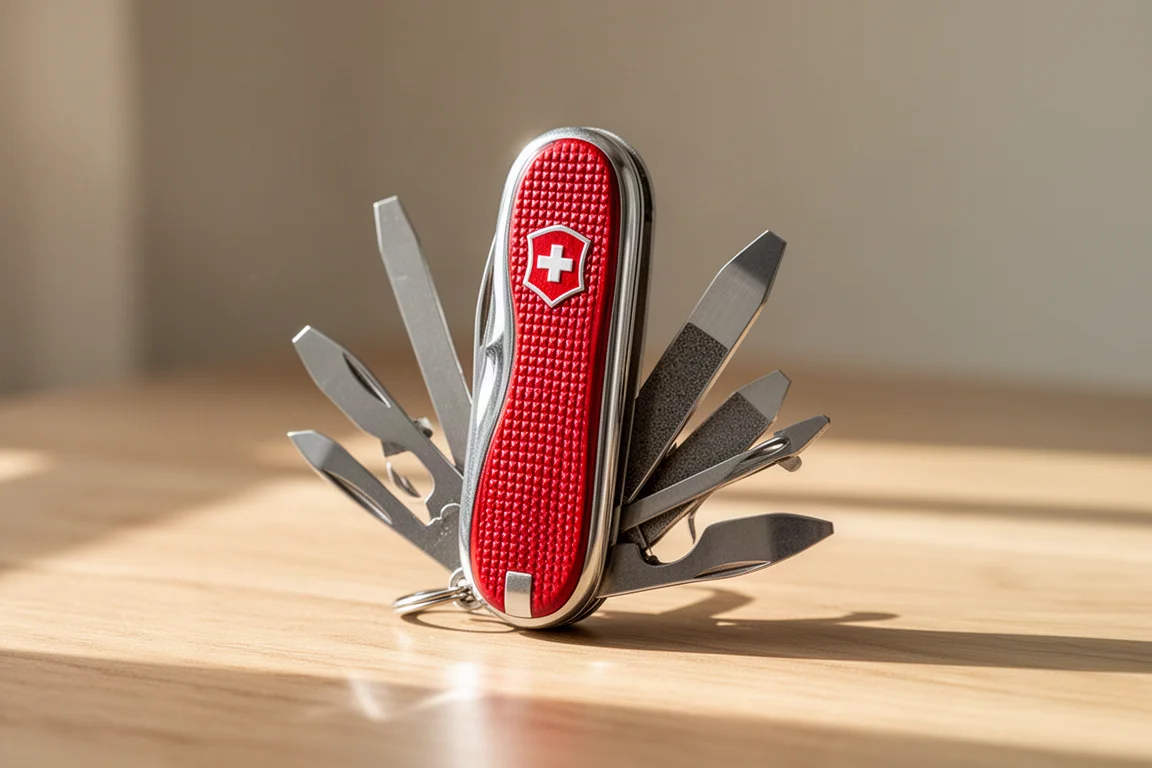
It is easy to see why Victorinox continues to dominate this market: superb quality, a vast selection and very affordable prices, a hard combination to beat. That also means if you do decide to pick a Victorinox, it is hard to go wrong. The rivals each carve out a niche, from locking tools to oversized scissors to premium compact steels, but for most buyers the classic Swiss option remains the sensible default.
Further reading
Related Reviews

Everyday Carry
Everyday Gear That Deserved a Second Look
A roundup of solid everyday carry items: watches, pens, a pencil, a knife, and a smart ring that each earned a place on the table.

Everyday Carry
KORE Tactical Bifold Wallet Review: A Durable Everyday Carry Option
A close look at the KORE Tactical Bifold Wallet, a reinforced nylon wallet with magnetic closure and room for cards, cash, and IDs.

Everyday Carry
Krabby Wallet Review: A Slim, Simple Carry That Has Stood the Test of Time
A closer look at the Krabby Wallet, a slim canvas and elastic design with a loyal following and a simple, functional approach to everyday carry.