Hand Tools
Vessel Screwdrivers Explained: Which Ones to Buy, Which to Skip
A practical guide to the Vessel screwdriver lineup, from ball grip classics to ratcheting favourites, compared against the best from Wera, Wiha, Tekton, and other top makers.
Introduction
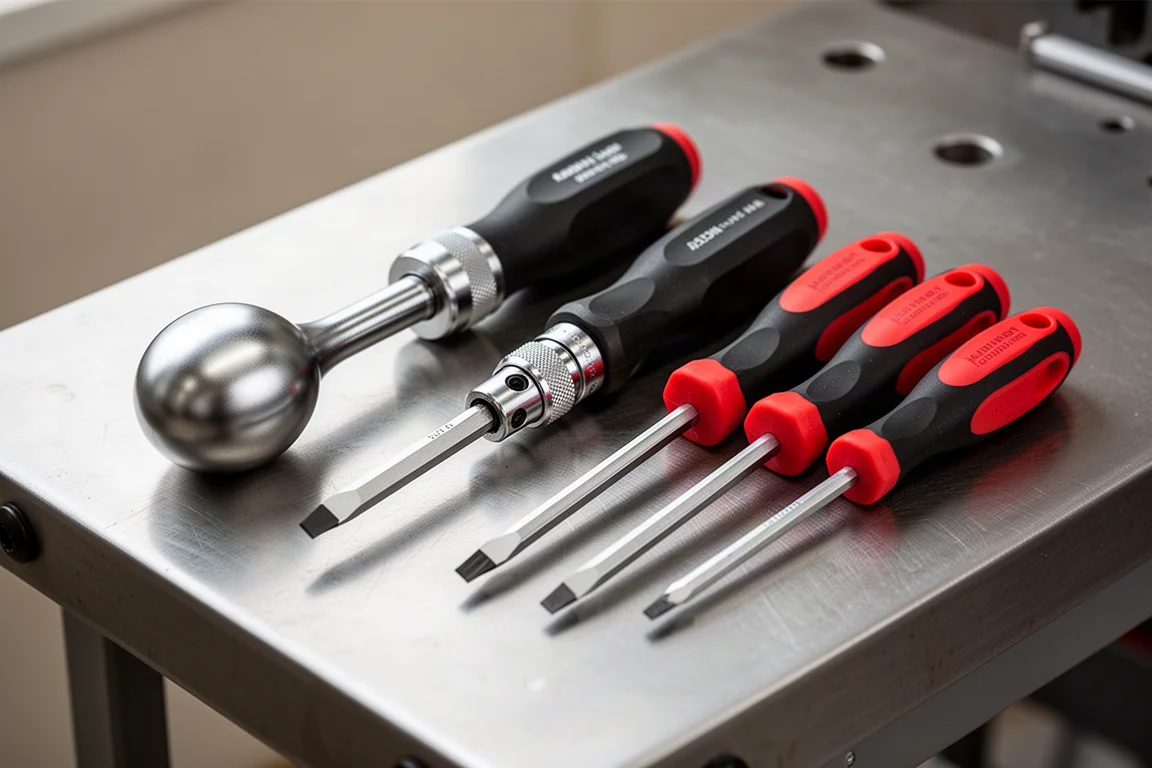
Vessel may be the best screwdriver brand you have never seen in a store. The Japanese maker has quietly built one of the most respected screwdriver lineups in the world, yet most people only discover it after running into a stripped screw on an old Japanese motorcycle carburetor. The problem is that the lineup itself is genuinely confusing: dozens of similar-looking models, overlapping product lines, and a mix of Japan-made and imported versions that are hard to tell apart online.
This guide walks through the standout models, flags the ones worth skipping, and compares Vessel against the best from Wera, Wiha, Tekton, Felo, PB Swiss, Klein, Icon, and Snap-on.
One thing worth clearing up first: most modern Japanese screwdrivers, including Vessel’s, use what is best described as a JIS modified tip rather than a strict Japanese Industrial Standard tip. In practice, that means they work equally well on old JIS screws and regular Phillips screws, so you do not need to worry about compatibility. If you work on vintage Japanese motorcycles or cars, a set is genuinely useful; for everyone else, they are simply excellent all-round drivers.
Vessel Ball Grip Interchangeable Shaft Screwdriver
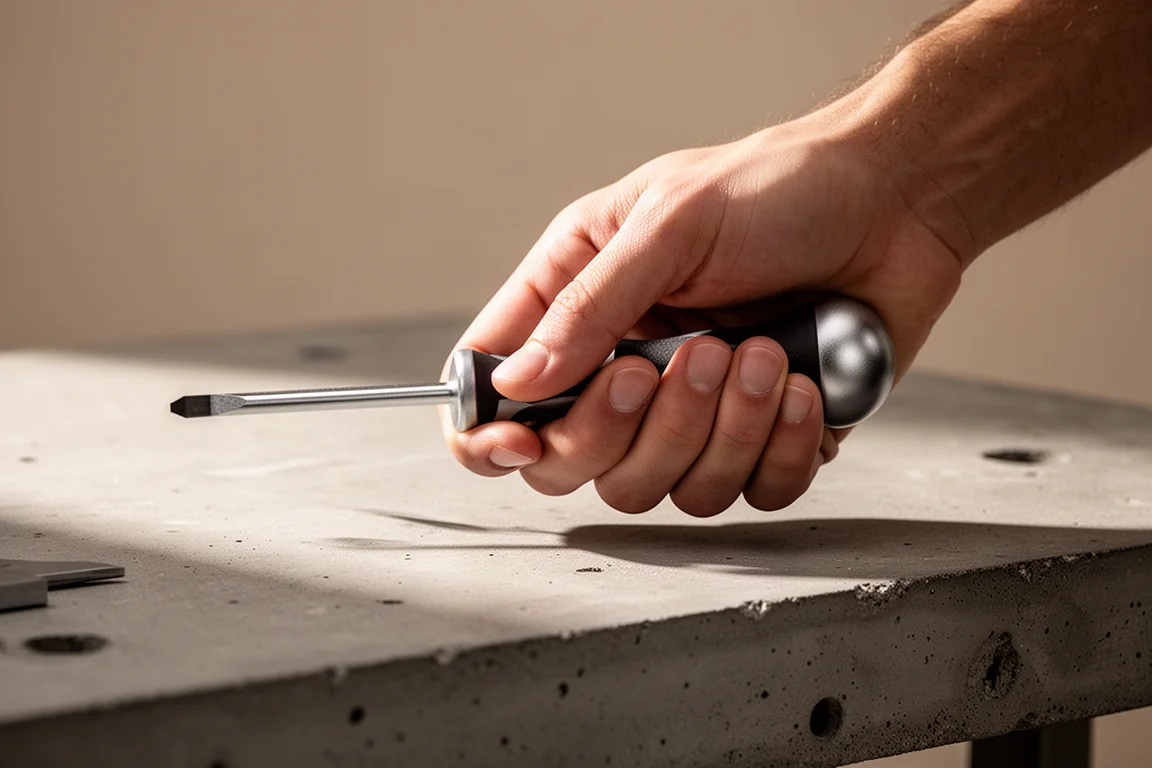
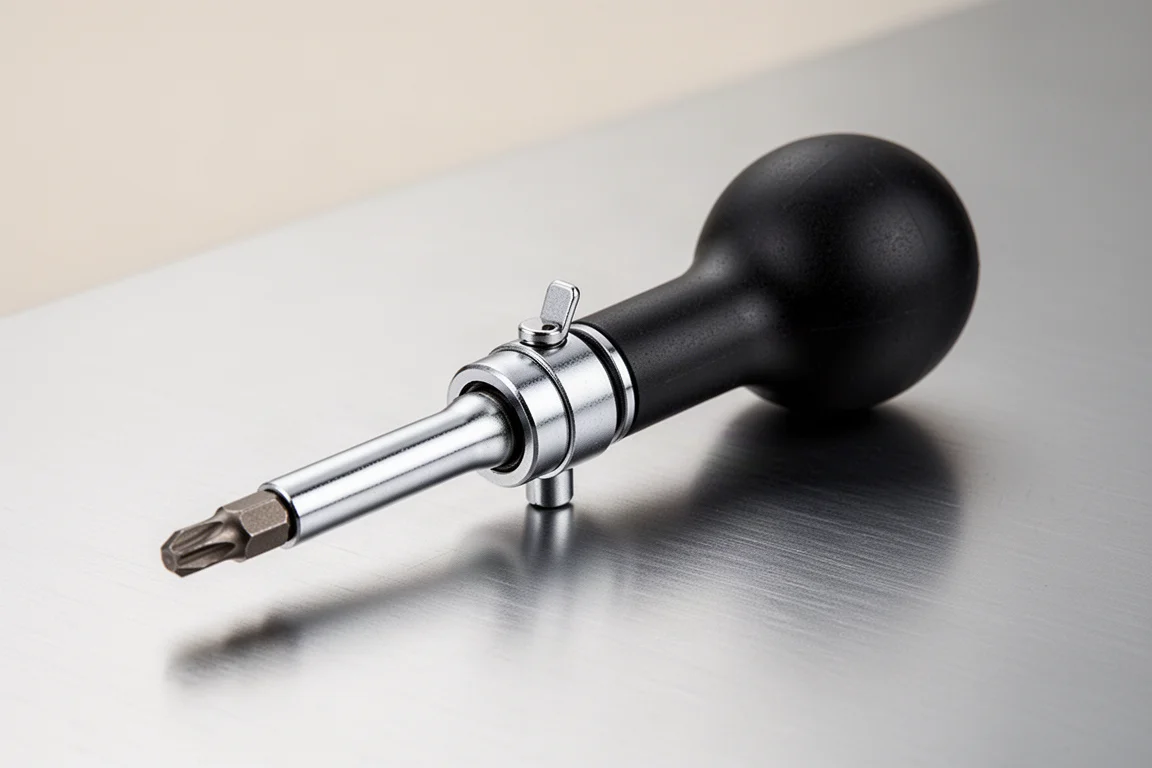
This is the most approachable entry point into the ball grip family. The rounded ball-shaped handle looks strange the first time you pick it up, but the ergonomics quickly make sense: your hand can rest over the back of the tool, grab the ball end for high-torque leverage, or choke down on the shaft for finer, lower-torque control. It is a simple idea that works remarkably well.
Quality is high, with well-finished bits and a solid handle, and it is made in Japan. At roughly 15 dollars including three sets of bits, it is the model to try if you have never used a ball grip screwdriver before.
Vessel Safety Screwdriver
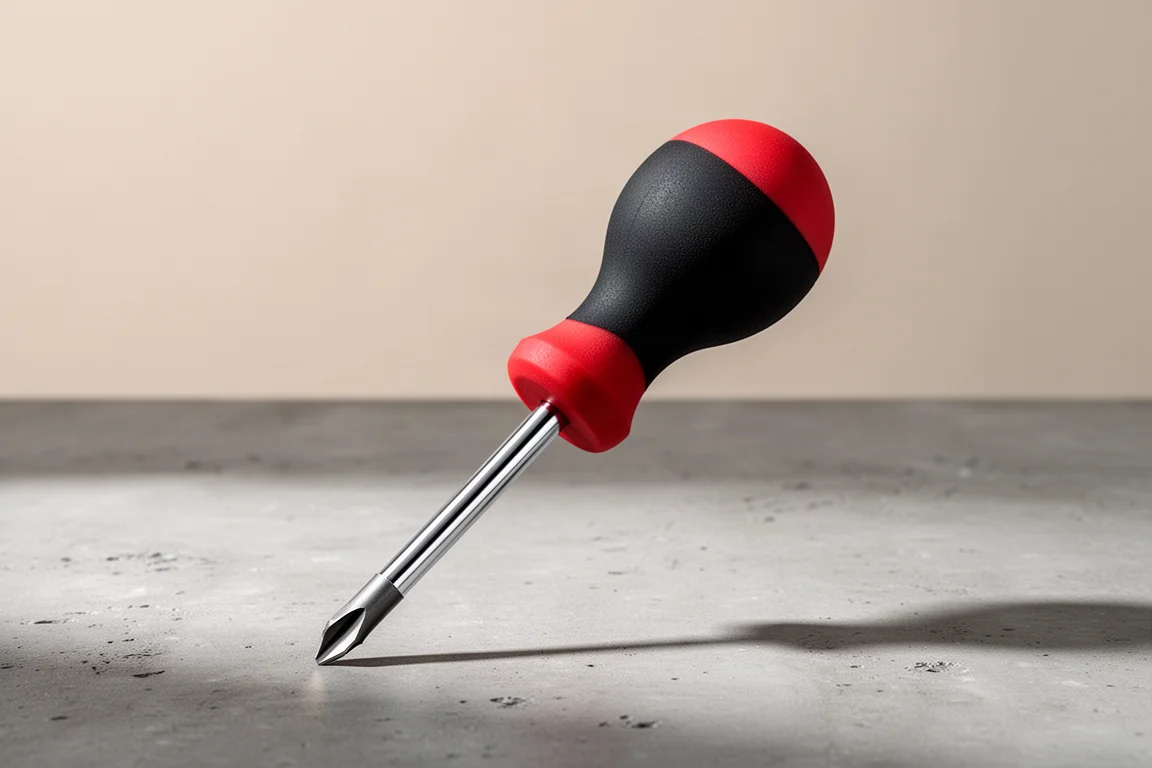
Despite the name, this is not a 1000V insulated electrician’s driver. The safety in question is a ceramic ball inside the handle that insulates the metal striking cap and shaft from the end portion, so you are not conducting household voltage straight into your palm if you slip while working near live wiring. That is a sensible extra, not a certification.
These are hammer-through screwdrivers with a metal striking end, and they are built accordingly: very heavy, very solid, and noticeably close to twice the weight of the lighter models. A single driver runs about 12 dollars, and you can pick up individual sizes rather than committing to a set.
Vessel Impactor
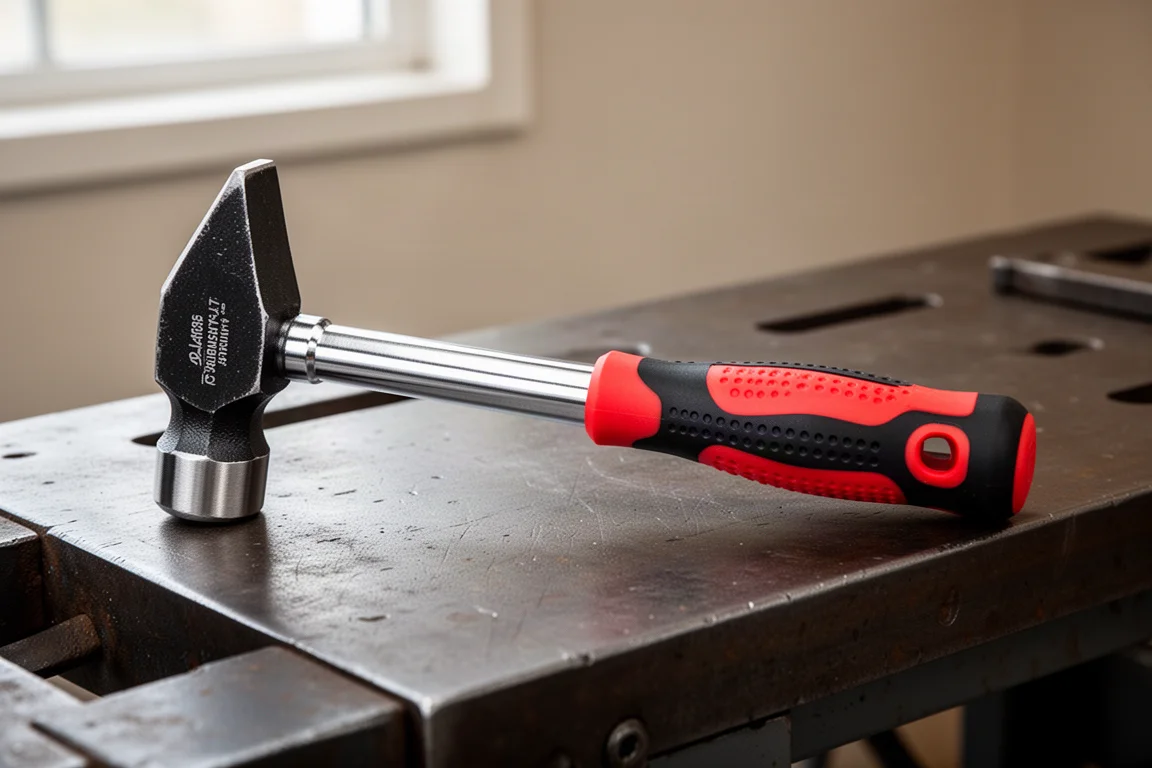
The Impactor is Vessel’s modern take on the old manual impact driver: hit it with a hammer and the spring-loaded mechanism converts the blow into a small rotational strike, useful for freeing stubborn fasteners. Unlike the bulky old-school impact tools, this one is compact and takes interchangeable bits.
One caveat: you should use Vessel’s own impact-rated bits with it. Any bit will fit, but bits not designed for impact use may not hold up when you start hammering. It is a somewhat specialized tool that will not leave the drawer often, but for stuck screws it earns its place.
Vessel Ball Grip Ratcheting Interchangeable Screwdriver
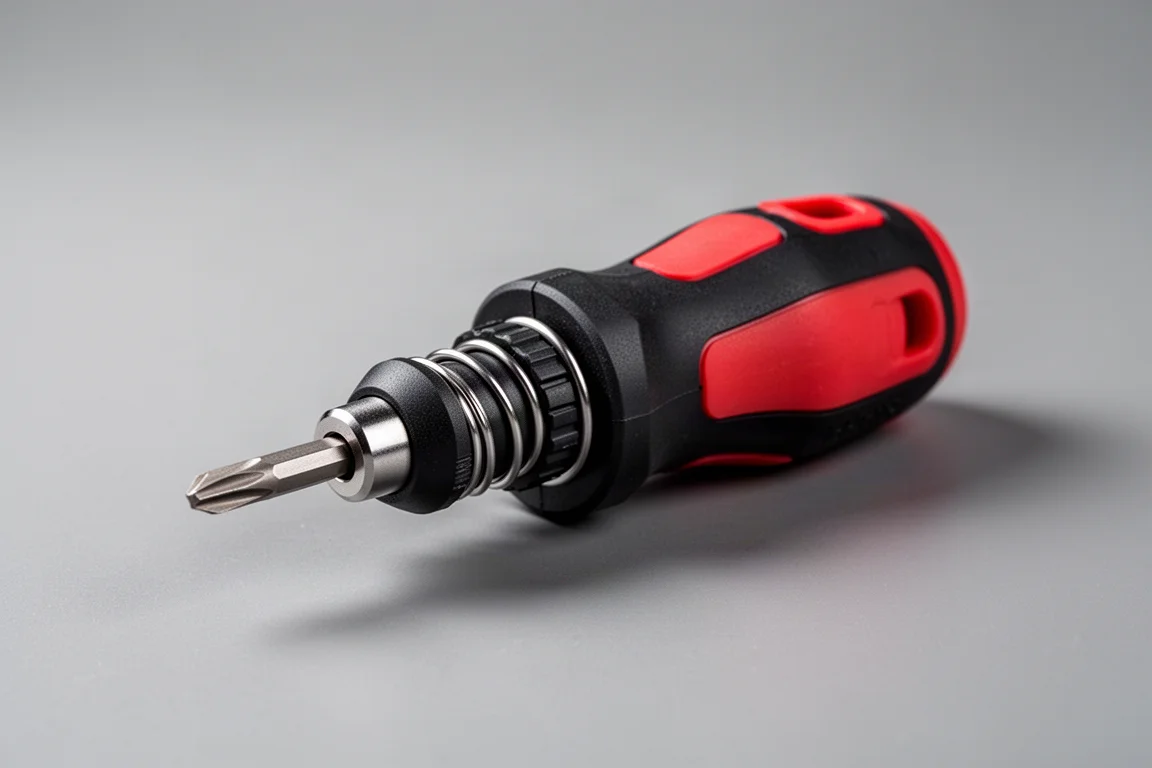
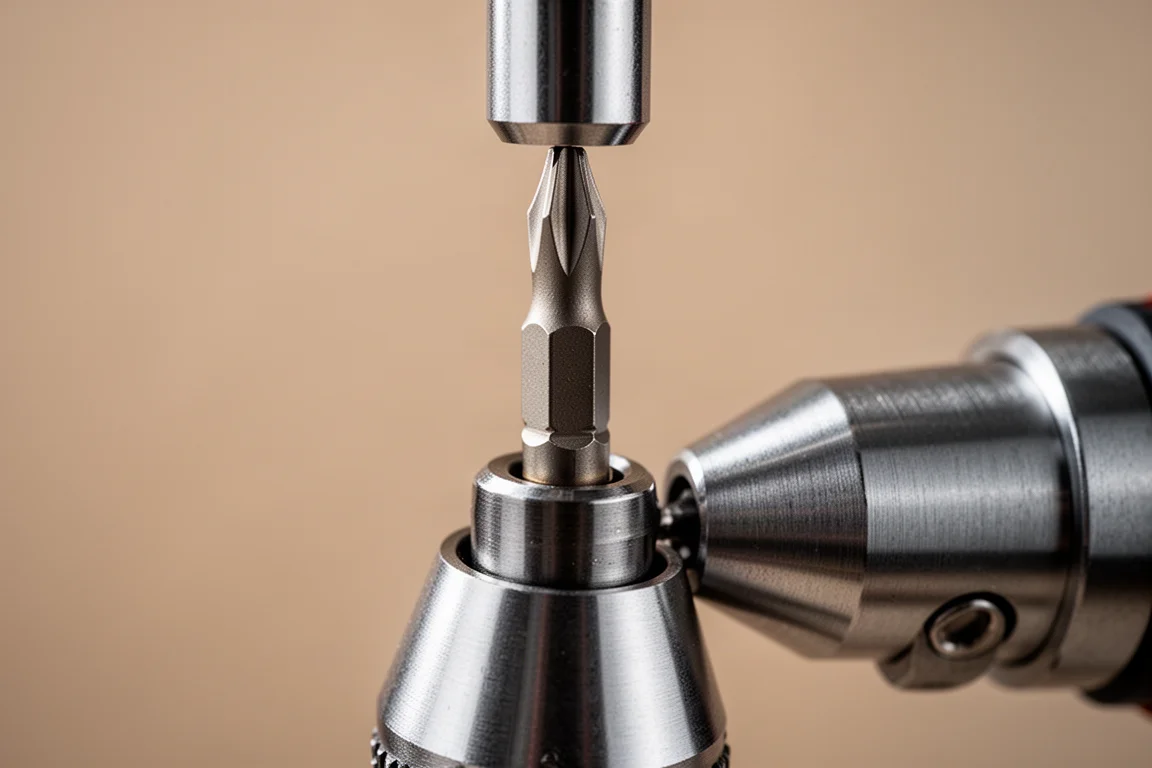
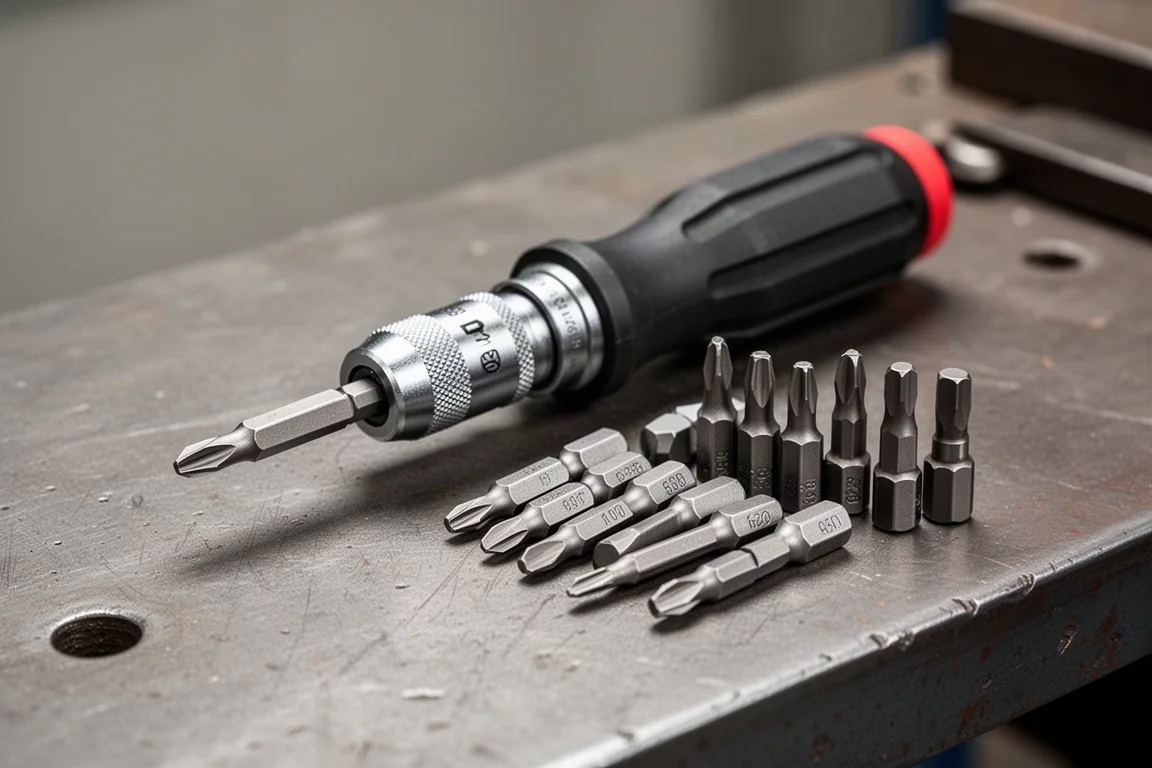
This is the model that turns a curiosity into an everyday favourite. It combines the ball grip handle with a three-position ratcheting collar: ratchet one direction, ratchet the other, or lock it in the middle for fixed use. The bits insert magnetically and hold tight, and the whole handle pulls off to reveal a stubby driver with a strong ball detent.
It works with any standard bit, which makes it genuinely versatile. Be aware of bit shank differences: Japanese-style bits use a 13mm shank while US-style bits use 9mm, and not every driver takes both. The bare driver is around 26 dollars, with a version including a Vessel bit assortment for roughly 10 dollars more. If you like the idea but prefer fixed-shaft tools, there is also a five-piece set of ratcheting drivers with dedicated shafts for around 75 dollars, though check which version you are ordering, since one variant shares a single removable shaft across drivers.
Vessel Stubby Screwdriver
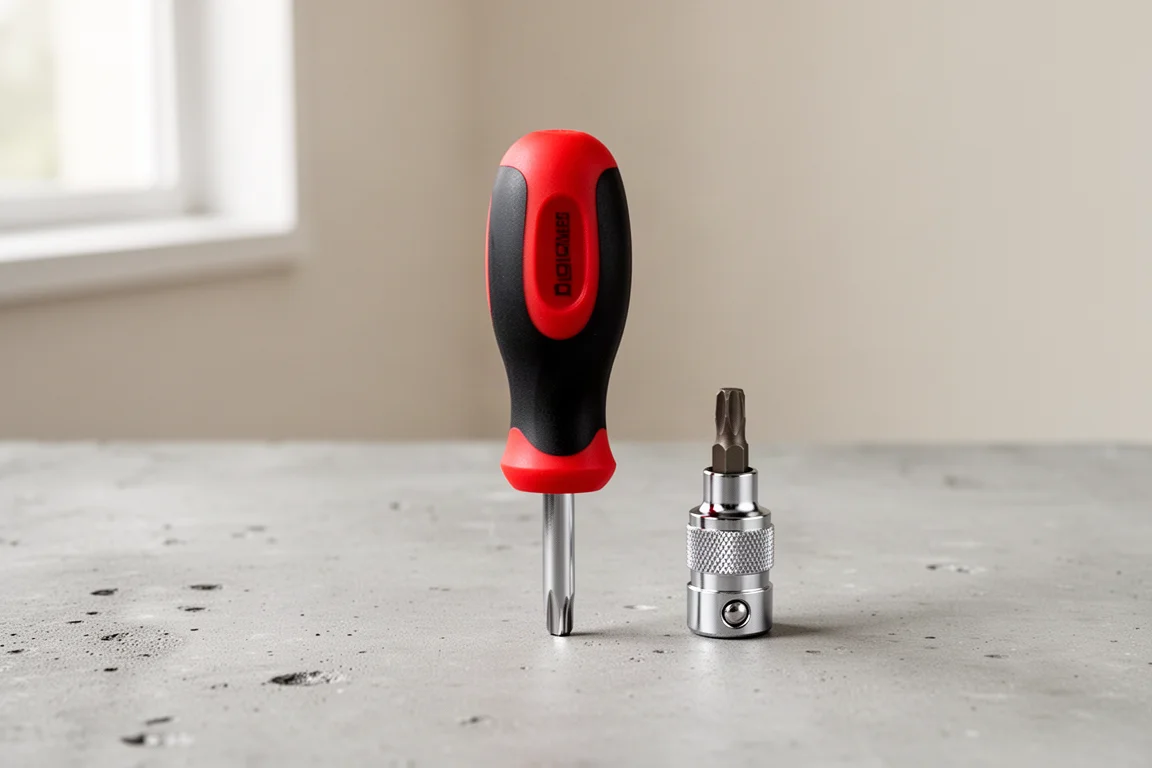
The little stubby Vessel is a charming addition to any EDC kit. It uses the same Procon-style handle design as the interchangeable model, comes with a removable bit, and pairs especially well with a compact ratcheting adapter for tight spaces.
At about 13 dollars, it is an easy impulse buy that solves a real problem: driving screws where a full-size driver simply will not fit.
What to Skip in the Vessel Line
Not everything in the catalogue is equal. The four-piece ball grip screwdriver set, around 25 dollars, is made in Thailand rather than Japan, and the difference shows: the drivers feel very light, the shafts are lower quality, and the rubber lacks the tackiness of the Japanese-made handles. If you just want to test the ball grip shape cheaply, it is tolerable, but as a daily driver it disappoints.
Similarly, the Vessel Armor Grip line at around 27 dollars is an imported, budget-oriented range. It is not bad, just nothing special, and easy to spot by its price.
The Vessel 220 USB power screwdriver is the most frustrating of the bunch. It works acceptably as a conventional driver and adds useful power for tasks like cover plates or dash work, but the bit interface does not lock up tightly with the 9mm US-style bits, and 13mm bits will not seat at all on the US version. On a tool in this price range, grinding down bits or shimming with foil should not be necessary. It also uses a micro USB port rather than USB-C. Skip it until the interface is fixed.
Vessel Megadora
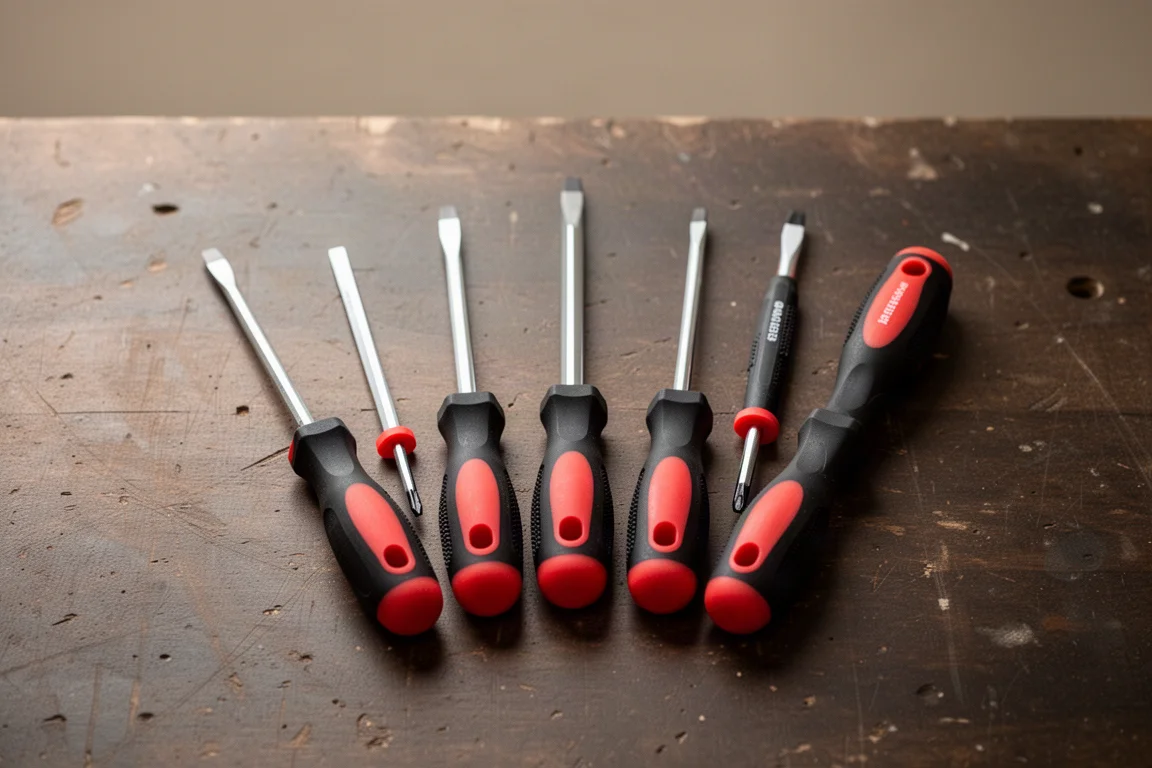
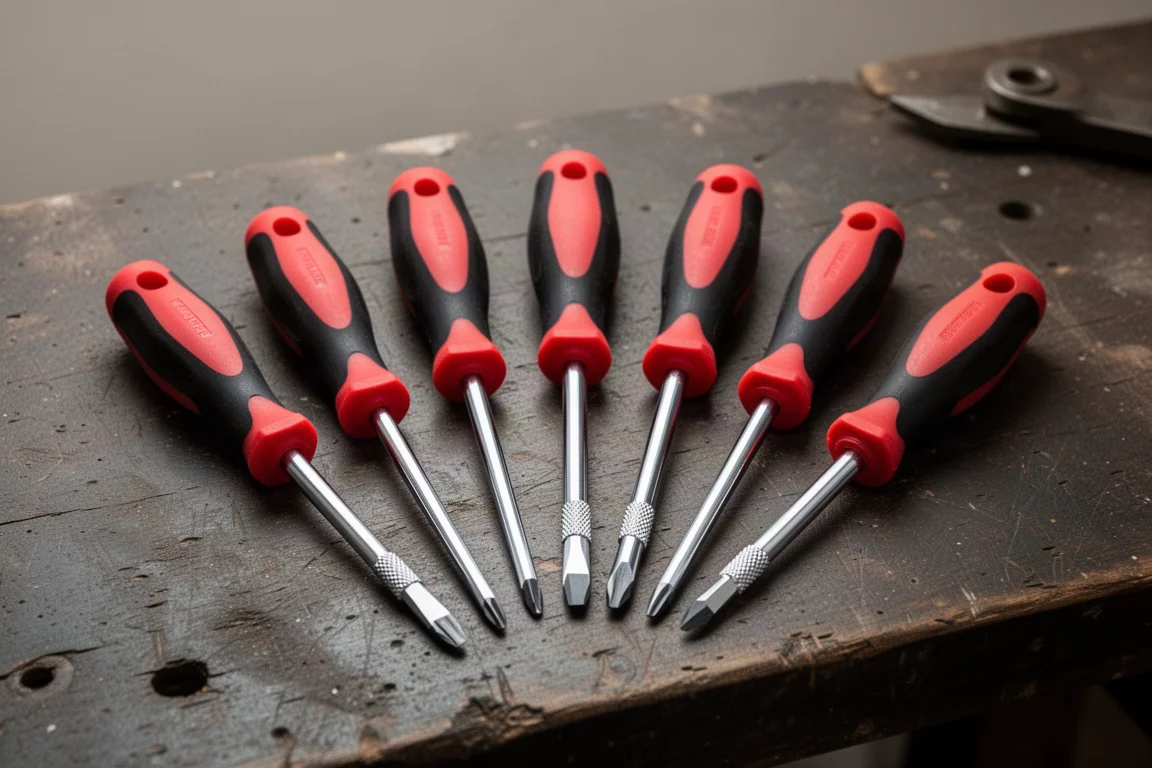
Among conventional fixed-shaft screwdrivers, the Megadora line is the highlight. The handles are beautifully shaped, slightly tacky for grip, and the weight feels right in the hand. The bits carry anti-cam-out serrations, and the shafts feature knurling near the tip for fingertip control when choking down.
A six-piece set runs about 53 dollars and is made in Japan. There are heavier-duty Megadora variants with striking bolsters and an Impactor sub-line with a through-shaft for hammering, though those are more niche purchases. For everyday turning, the standard Megadora set is the one to get.
Alternatives Outside Vessel
Wera Ratcheting Screwdriver
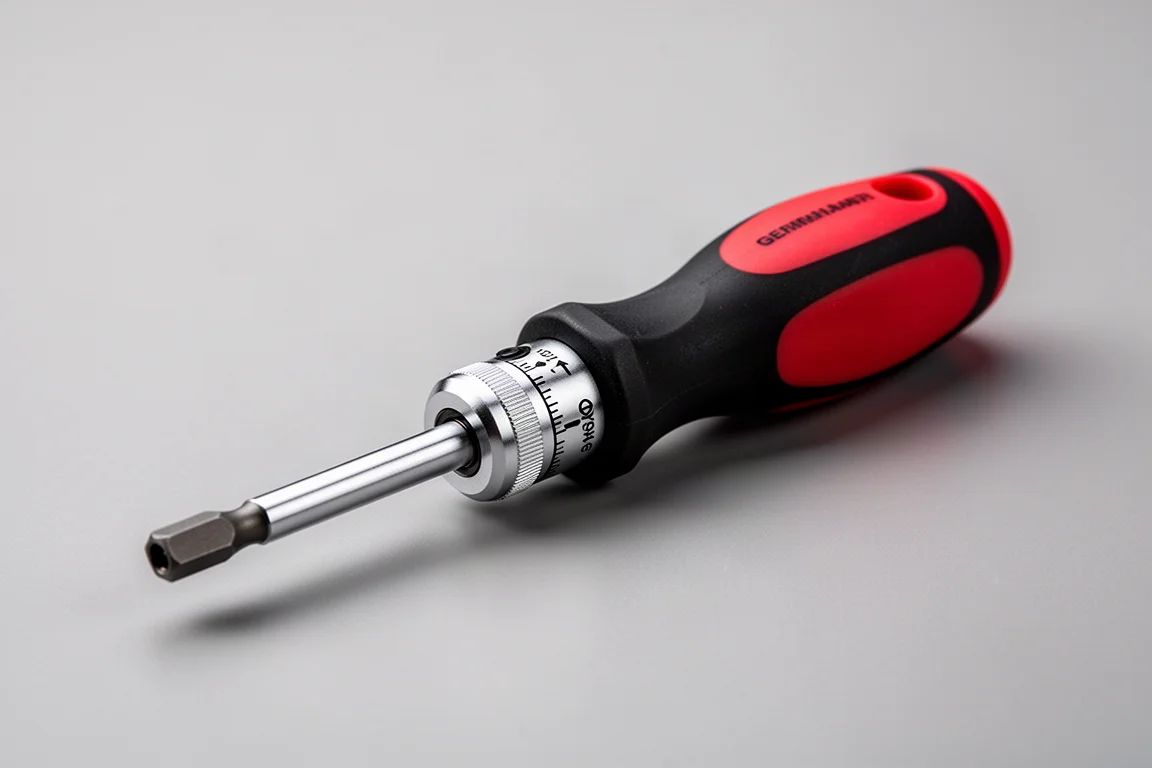
Wera’s ratcheting driver is a genuinely excellent tool. The comfortable handle sits nicely between conventional and ball grip shapes, the bit lockup is tight, and the rotating collar works in the direction you actually want to turn, unlike most ratcheting drivers where the collar moves opposite to the drive direction. That means you can also spin it with your fingertips. It accepts both 9mm and 13mm shank bits without fuss. Wera’s conventional screwdrivers are equally strong, with a comfortable handle shape and good anti-slip bit features, and their warranty service is well regarded.
Wiha Centrofix
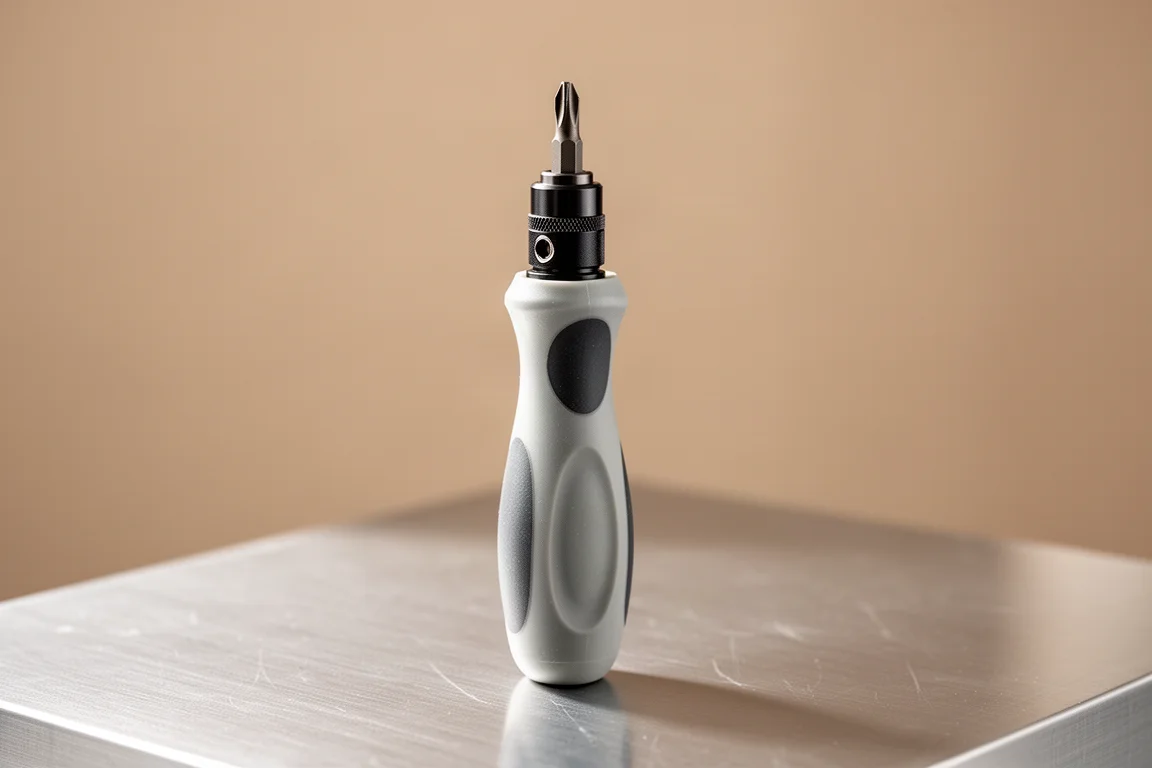
The Wiha Centrofix is superb if you work with quarter-inch hex bits. It offers some of the best bit lockup in this class, easy bit changes, and some of the nicest handles anywhere. Wiha’s conventional screwdrivers are also long-term favourites, including a hammer-through version with a bolster for striking work. Both are easy recommendations.
Tekton
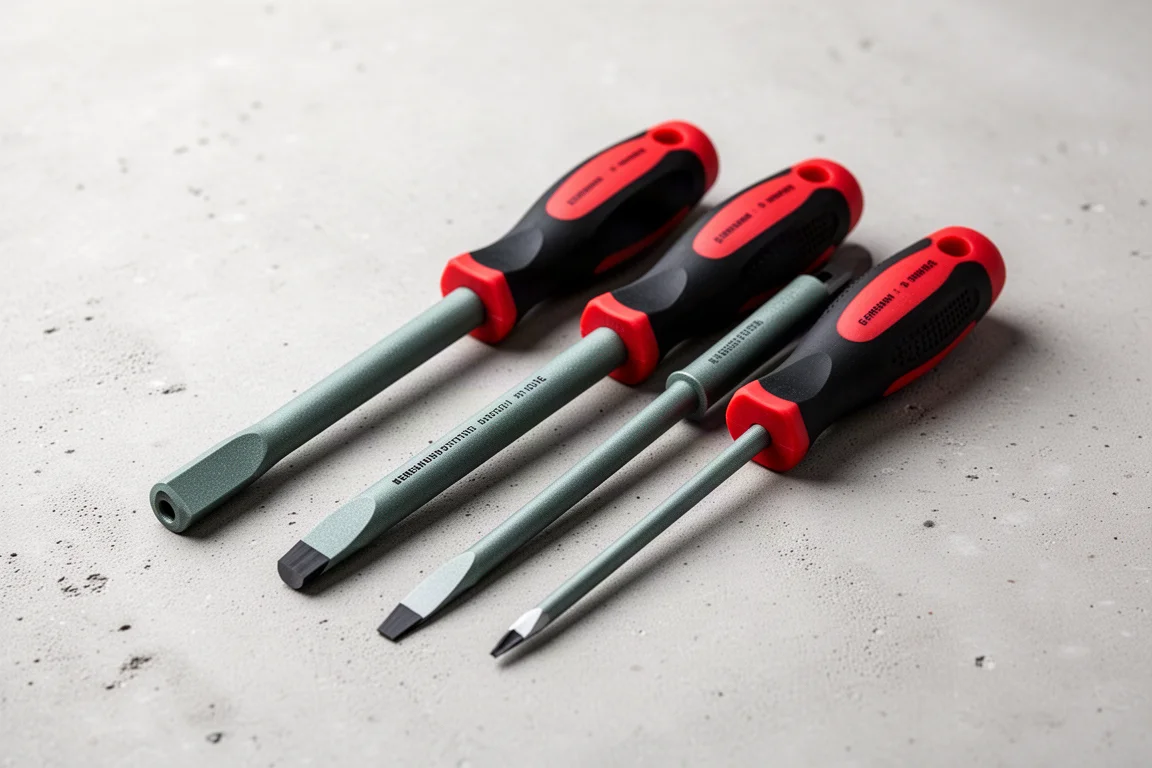
The newer Tekton screwdrivers, made by Witte in Germany, punch well above their price. The sandblasted finish looks great, the handle shape is excellent, and they are very reasonably priced. An easy buy.
Klein, Felo, PB Swiss, Icon, and Snap-on
Klein’s ball grip driver is reportedly made by Vessel and has a good handle with excellent bit lockup at about 15 dollars, but the included bits are a clear step down, and the support experience leaves much to be desired. Worth considering only if you plan to swap in Vessel bits.
Felo’s Ergonic line is top-tier German quality with a tacky, comfortable handle. PB Swiss makes some of the best bits in the business, but the handle shapes did not win us over, so try one in hand before committing. Icon’s screwdrivers are well made with a great warranty, but the handles are simply too bulky, especially on the larger sizes, and they are a skip despite low sale prices. Snap-on remains overpriced unless you find a cheap used set.
Final Verdict: Building a Sensible Screwdriver Collection
Start with the Vessel ball grip interchangeable driver if you are new to the brand, then move to the ratcheting model once you know you like the format. Add the Megadora set for conventional work and a stubby for tight spaces. Pair it with the Wera ratcheting driver or the Wiha Centrofix if you want a second system, and let Tekton fill out the bench. Avoid the Thai-made budget sets, the Armor Grip line, and the current 220 USB power driver.
Conclusion
Vessel’s reputation is deserved, but the lineup rewards careful shopping. Stick to the Japan-made models, mind the bit shank differences between Japanese and US styles, and buy from reputable sellers if warranty coverage matters to you. Get the right model and you may well end up with the best screwdrivers you own.
Further reading
Related Reviews
Hand Tools
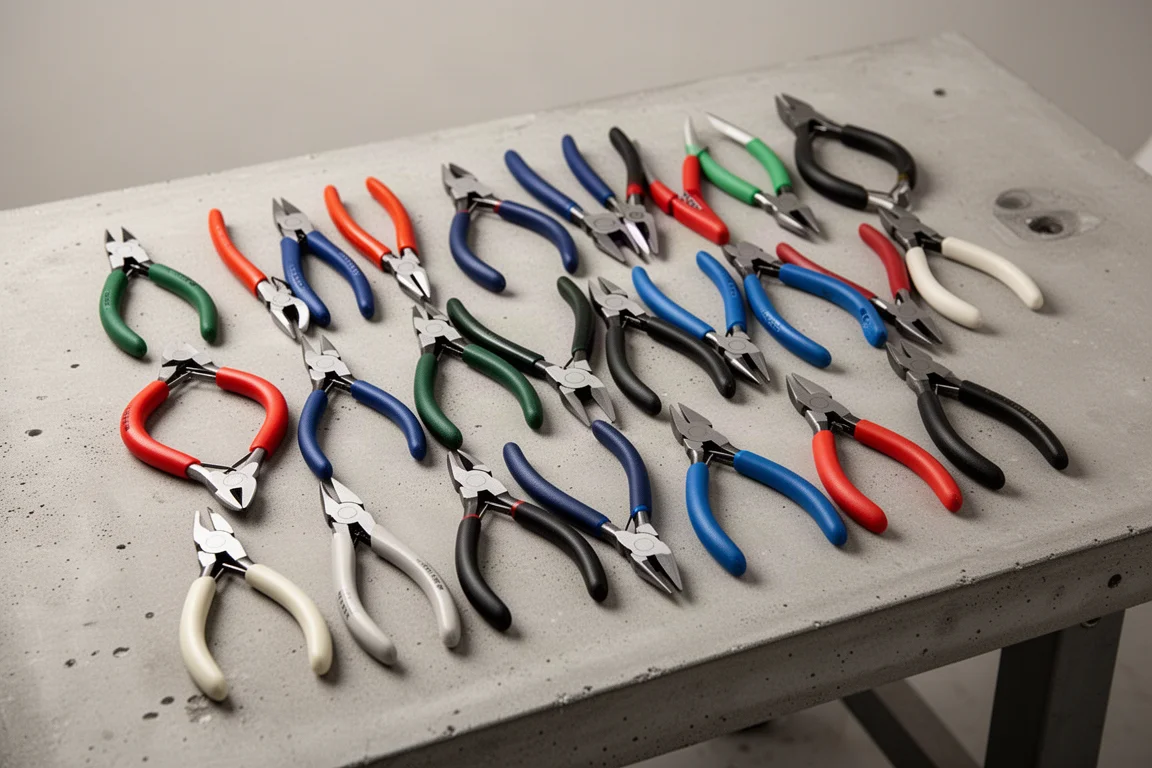
Best Diagonal Cutters 2026: 16 Pliers Tested for Cutting Power and Durability
We put 16 diagonal cutters through nail, screw, drill bit, and hex key tests to find the best value picks for your toolbox.
Hand Tools
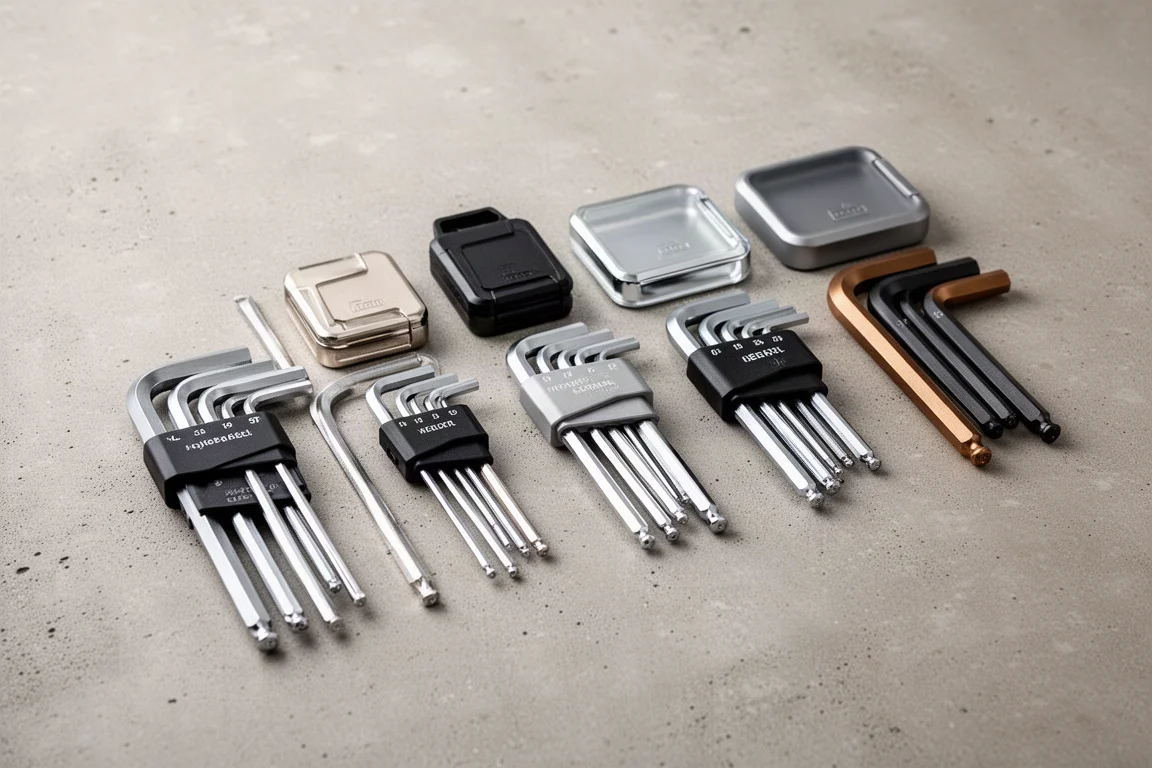
Best Hex L Key Sets 2026: Nine Sets Tested for Real-World Torque
Nine hex L key sets from budget to premium, tested for torque, fit, and durability. See which sets deliver real performance and which ones to skip.
Hand Tools
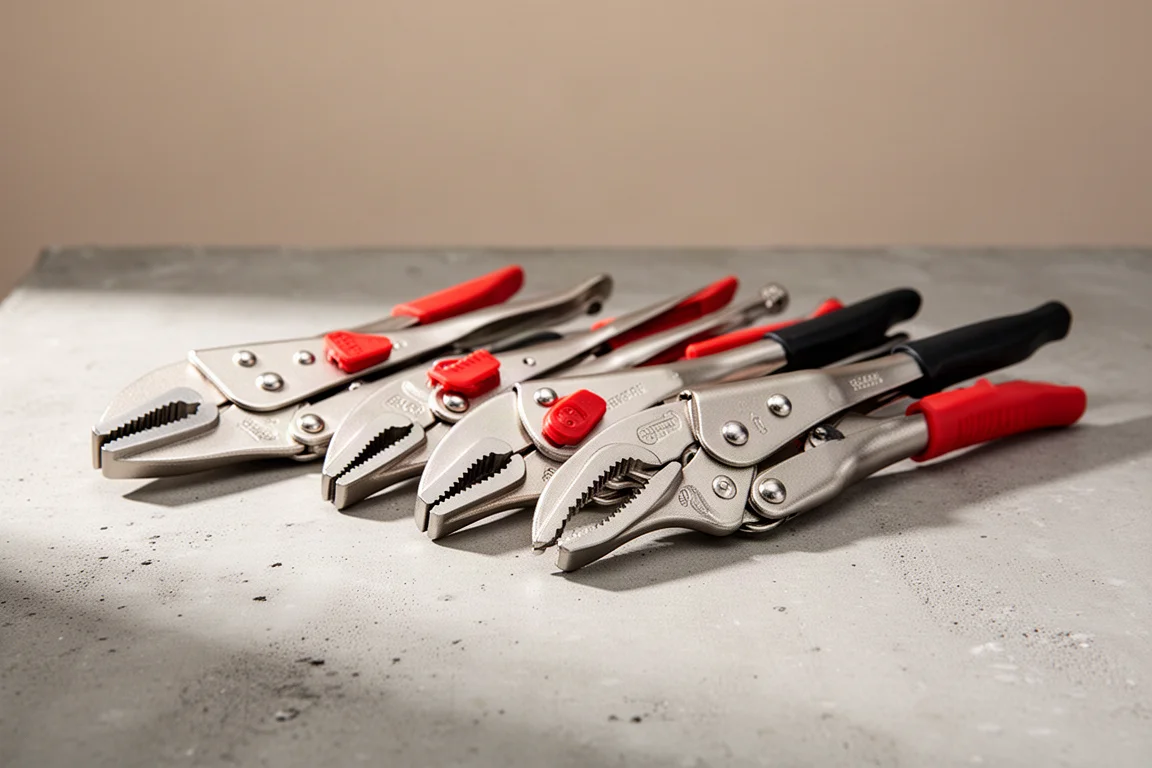
Best Locking Pliers 2026: Top Picks Tested for Grip and Durability
We tested 18 brands of 10-inch locking pliers for grip strength, jaw bite, build quality, and ease of release to find the best options for tough jobs.