Baking Ingredients
Vegan Baking Essentials: Four Pantry Products That Hold a Cake Together
We tested a batch of egg substitutes in vegan chocolate cake recipes, and four products stood out for structure, texture, and neutral flavor.
Introduction
Eggs are the main binding agent in a classic cake, which is exactly why vegan baking trips so many people up. Dairy substitutes are easy to find, but remove the egg and the structure tends to fall apart. To find out which egg replacements actually work, we baked the same chocolate cake recipe a dozen times, swapping in a different substitute each time, and rated every batch on taste, texture, and structure. Four pantry products earned a permanent spot on the shopping list.
Why Structure Matters in Vegan Cakes
Baking is a science, and eggs do most of the structural heavy lifting in a cake. Take them out and even a well-tested recipe can turn gummy, crumbly, or flat. The goal of the testing was simple: find substitutes that hold the crumb together without adding an off-putting flavor or a strange mouthfeel.
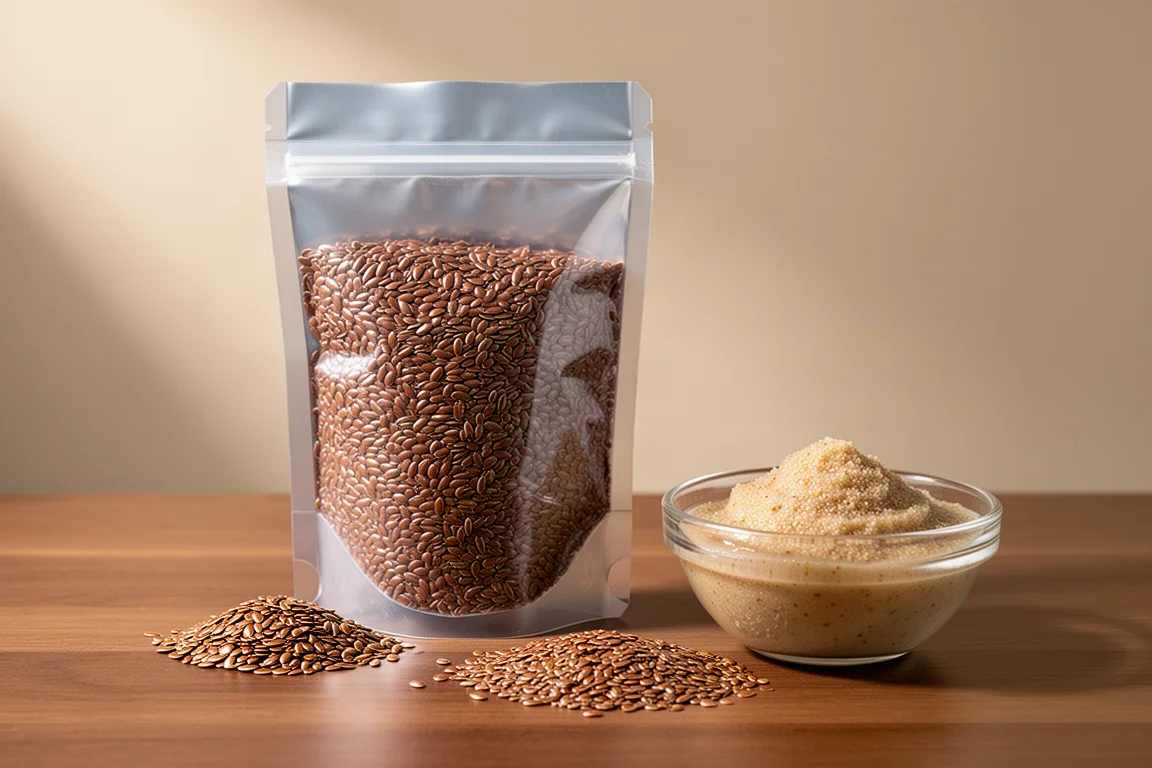
Ground flax seed has a reputation issue. Many bakers complain about little gritty flecks in the finished bake. Grinding it much finer changes that completely, producing a silky gel that disappears into the batter. The trick is not to over-grind, which turns the mixture hot and pasty.
How We Compared the Substitutes
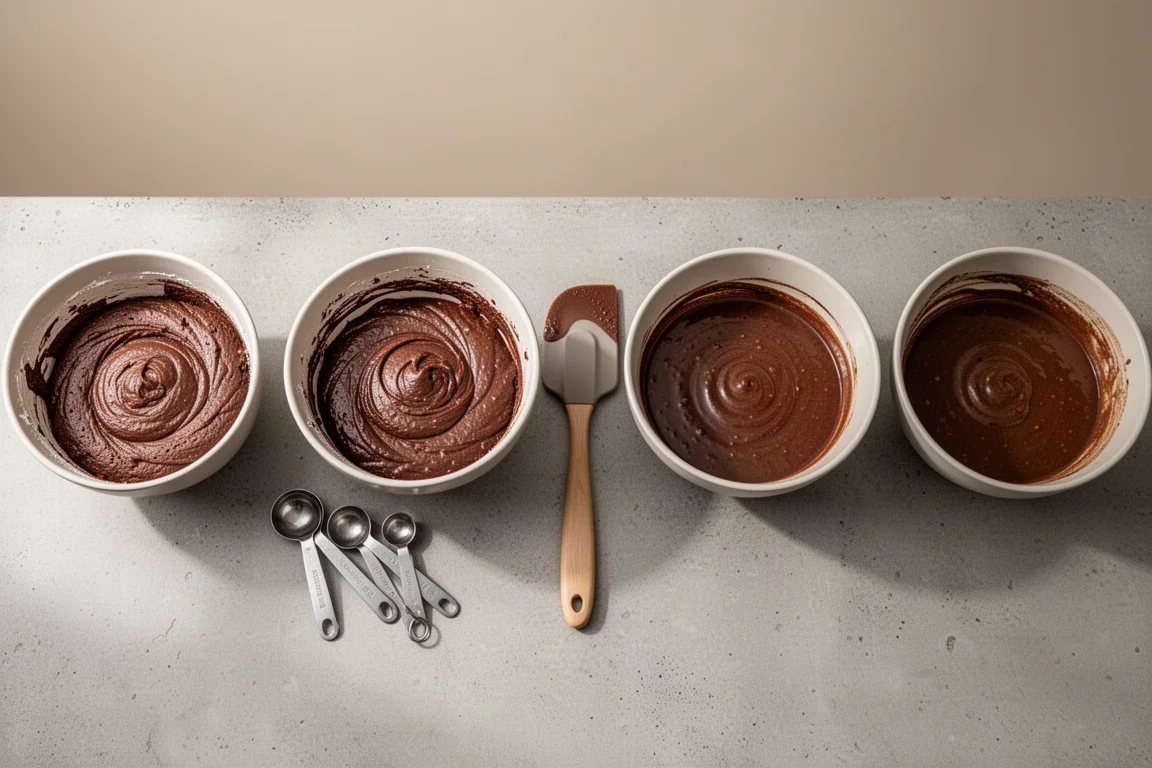
Every substitute was measured out as the equivalent of one egg, adjusted down to a fraction per bowl so all twelve recipes could be baked in the same session. Each batch was rated on three criteria: taste, texture, and structure. Flavor neutrality mattered a lot, since some substitutes dominate whatever you bake.
Not everything worked. Soy lecithin, sometimes described as a bakery secret, turned out to be the biggest disappointment: extremely sticky to handle and the worst structure of the entire test, with cupcakes that crumbled apart. Chia seeds produced a gummy, sticky texture, and mashed banana brought an overpowering banana flavor that clashed with chocolate.
The Winners: Flax, Yogurt, and Applesauce
Three substitutes clearly rose to the top: flax seed, yogurt, and applesauce. All three delivered solid structure and good texture, which is exactly what an egg normally provides. After cross-checking dozens of highly rated recipes ingredient by ingredient, flax and applesauce appeared most often in the best-reviewed versions.
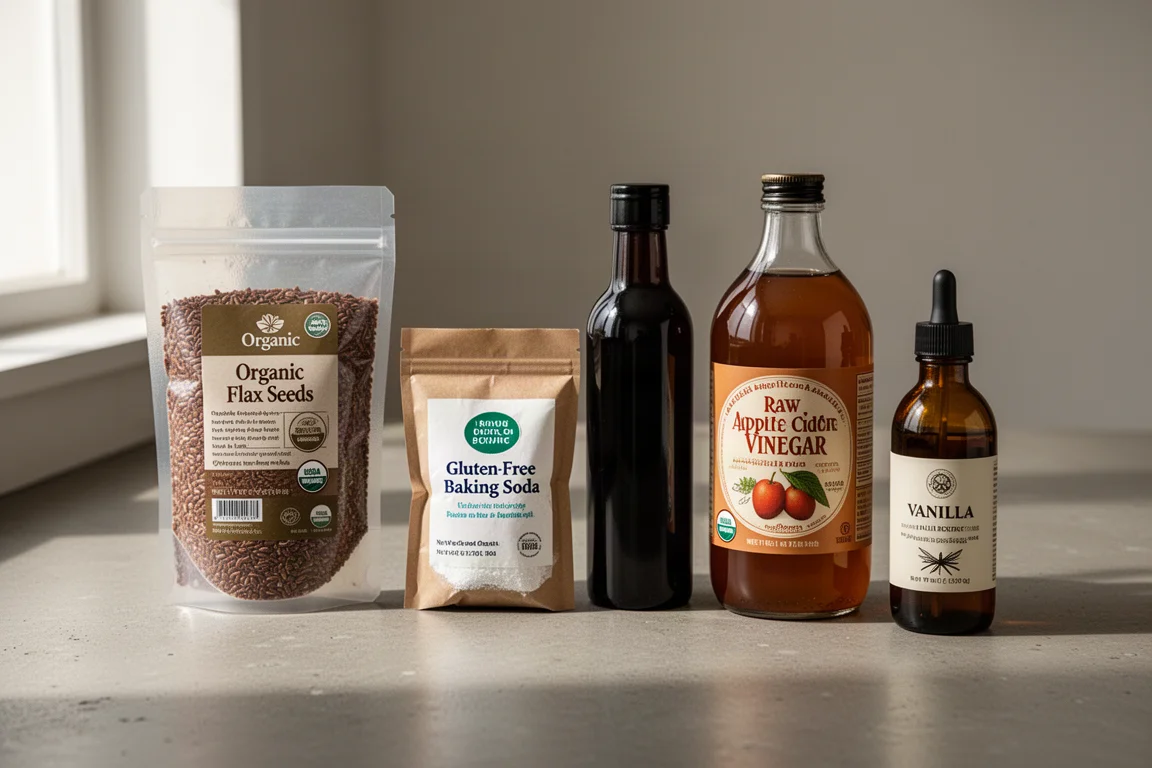
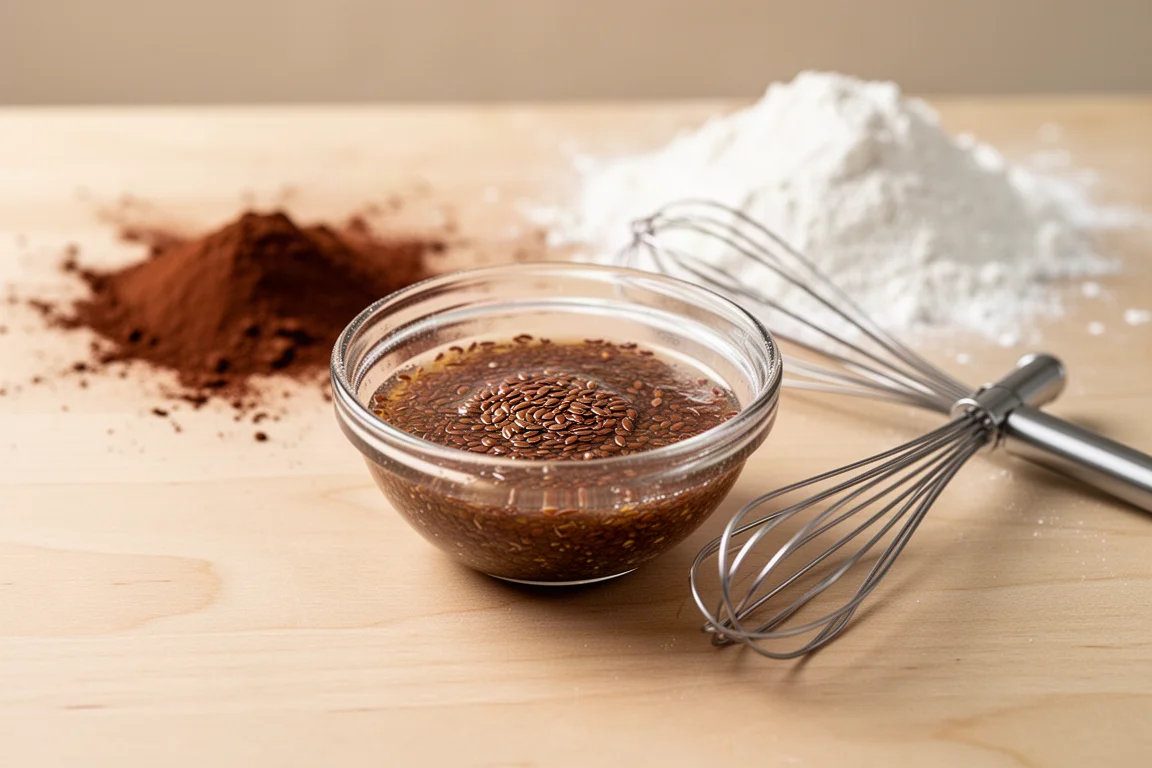
Flax seed was the standout overall, and the fine-grind gel version performed best of all. Spectrum Essentials Organic Brown Flax Seed is the pick for this job, since it grinds down to a smooth, silky consistency rather than the gritty texture that gives flax eggs a bad name. A simple mix of two tablespoons of ground flax with four tablespoons of water, left to bloom until sticky, replaced an egg with no flavor penalty.
Applesauce was the second reliable performer, adding moisture and binding without competing with the chocolate. Yogurt rounded out the winners with an excellent balance of structure and moisture. Both are easy options for anyone who wants an egg substitute with zero preparation.
The Supporting Cast: Chemistry in the Batter
Structure is not only about the egg substitute. The best vegan cake recipes lean on a little kitchen chemistry, and two products did quiet but important work in the winning recipe. Apple cider vinegar added to non-dairy milk creates a quick buttermilk substitute, which brings fluffiness and tenderness to the crumb, while a good gluten-free baking soda provides the lift.
Dynamic Health Raw Apple Cider Vinegar is the bottle to reach for here. Two teaspoons stirred into two cups of non-dairy milk is all it takes, and the reaction with the baking soda gives the batter its rise. In the testing, a baking powder and vinegar combination on its own crumbled apart, so the vinegar works best as part of a balanced recipe rather than as a standalone egg swap.

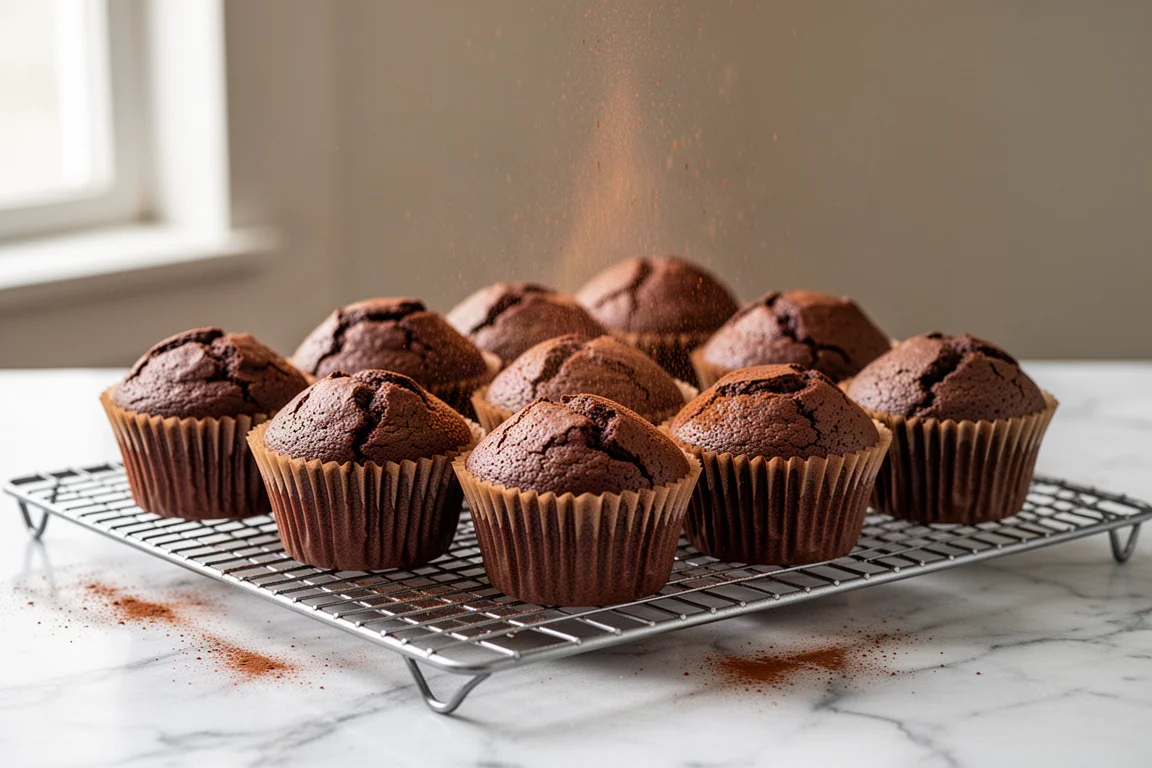
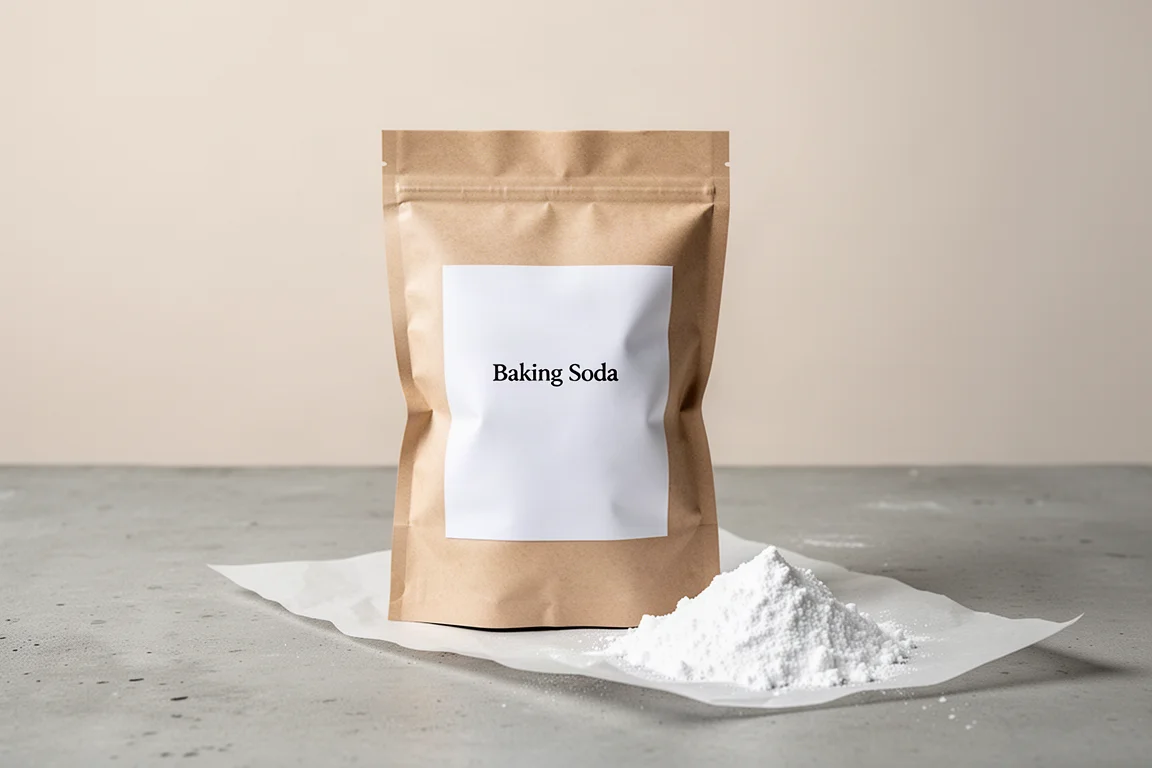
Bob’s Red Mill Gluten-Free Baking Soda handled the leavening in the final recipe alongside baking powder and salt. Combined with the vinegar-milk mixture and a cup of boiling water added slowly at the end, it produced a batter with the right lift and a consistently moist crumb across repeated bakes.
Don’t Skimp on the Vanilla
One lesson from the taste tests: fake vanilla extract is a false economy. Real vanilla noticeably deepens the chocolate flavor, and in a recipe with only a handful of ingredients, every flavor contributor counts.
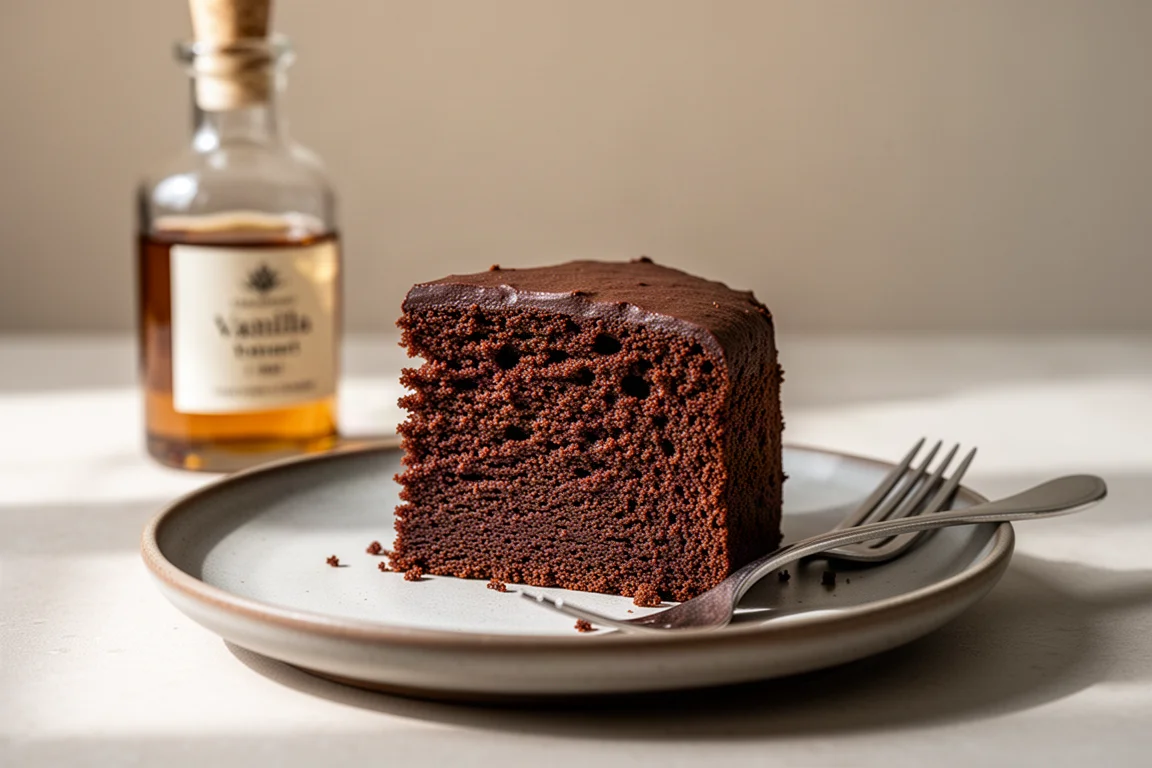
Simply Organic Madagascar Vanilla is worth the upgrade. Paired with a good quality cocoa powder and a creamy non-dairy milk such as macadamia, it helped the winning cake deliver the richest flavor in the final blind comparison. Any non-dairy milk works, but the creamier and sweeter the milk, the better the result.
Building the Final Recipe
The finished recipe combines all of these: flour, good cocoa powder, baking soda, baking powder, salt, and a little espresso powder sifted together, plus the flax egg, vinegar-spiked non-dairy milk, oil, sugar, real vanilla, and a cup of boiling water stirred in slowly at the end. In a blind taste test against cupcakes from a favorite bakery and a dedicated vegan bakery, the homemade version held its own, with the best moisture level and texture of the three, even if the professional entry had a slight edge in pure chocolate intensity thanks to chopped chocolate chunks folded in.
Conclusion
Vegan cakes do not have to fall apart. Flax seed proved to be the most reliable egg substitute for structure and neutral flavor, applesauce and yogurt are strong low-effort alternatives, and apple cider vinegar plus a quality baking soda supply the chemistry that makes the crumb light. Add real vanilla extract, and the gap between homemade vegan cake and bakery cake gets very small indeed.
Further reading
Related Reviews
Baking Ingredients
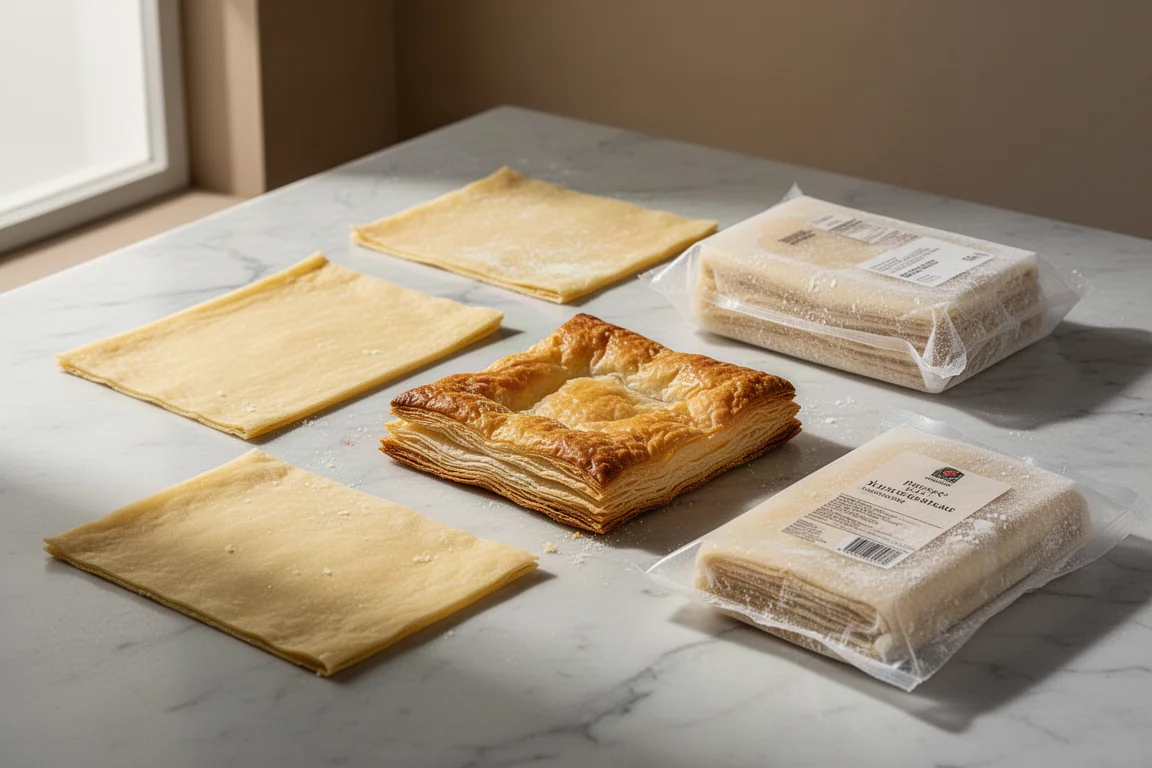
Best Puff Pastry Brands: Four Options Compared for Home Bakers
We compare four widely available puff pastry brands on butter content, format, ease of handling, and flavor to help you pick the right one for your next tart or pot pie.
Baking Ingredients
Best White Chocolate Baking Chips: Four Brands Tested and Ranked
We compare four white baking chips to find out which one delivers real flavor and which ones fall short, plus a tip on why real white chocolate is not always the best choice for candy making.
Baking Ingredients
Civilized Coffee Espresso Powder: The Secret to More Chocolatey Bakes
Espresso powder deepens chocolate flavor without adding any coffee taste. Here is why Civilized Coffee stood out in side-by-side bake tests.