Hand Tools
Universal Wrenches and Sockets Tested: Six All-in-One Tools Worth a Second Look
From a $5 universal wrench to a universal ratcheting socket, six multi-size tools put to the torque test to see which ones earn a spot in the toolbox.
Introduction
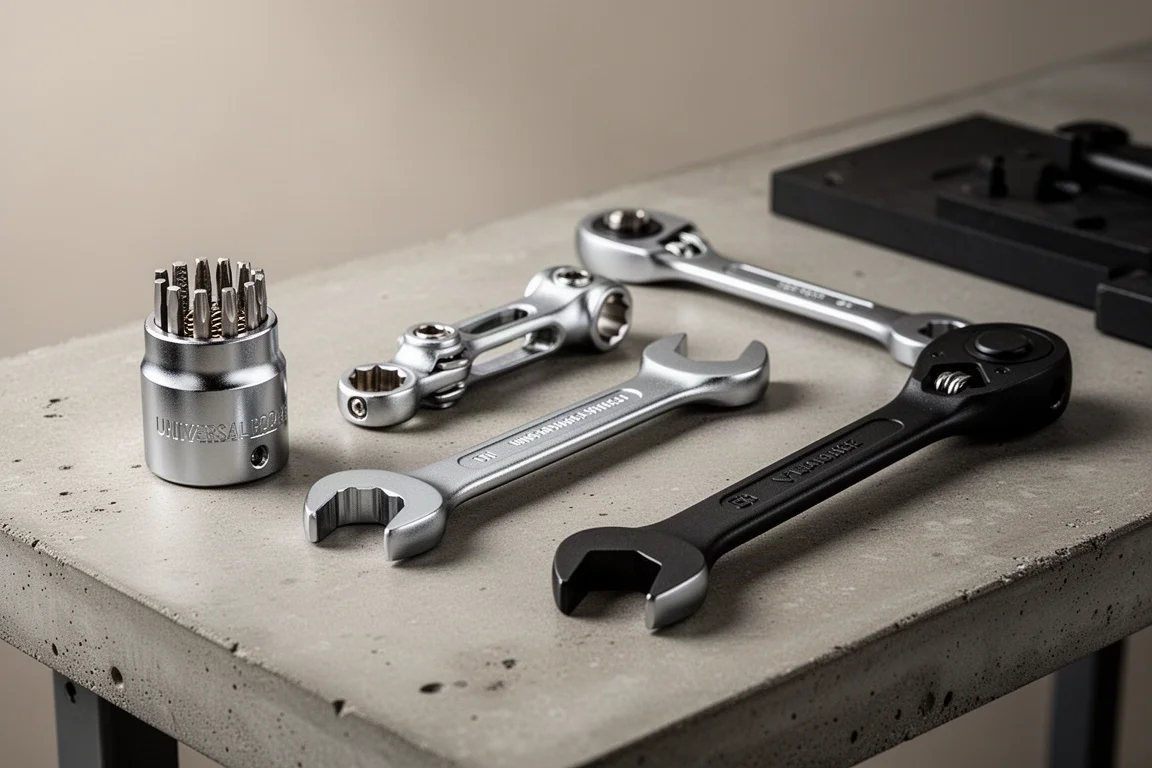
Multi-size wrenches and universal sockets promise something a full toolbox can only do with dozens of pieces: one tool that grips nearly every fastener you throw at it. The pitch is familiar from late-night television, but the more interesting question is whether these tools actually hold up under real torque. We looked at six of them, ranging from a $5 universal wrench to adjustable ratcheting sockets, and compared their results with standard engineering design targets for conventional sockets and wrenches.
Why These Tools Are Interesting
The core appeal is simple economics. A full set of metric sockets can easily run into the hundreds of dollars, and a single premium brand wrench can cost around $50. The tools tested here replace large portions of those sets with single pieces priced between roughly $5 and $30, covering both metric and SAE sizes in many cases.
How they work varies. Some use dozens of spring-loaded steel pins that conform to any hex shape. Others use multi-jaw clamping mechanisms, spline profiles, or adjustable V-jaws. Each approach brings its own strengths and failure modes.
Gator Grip Universal Socket
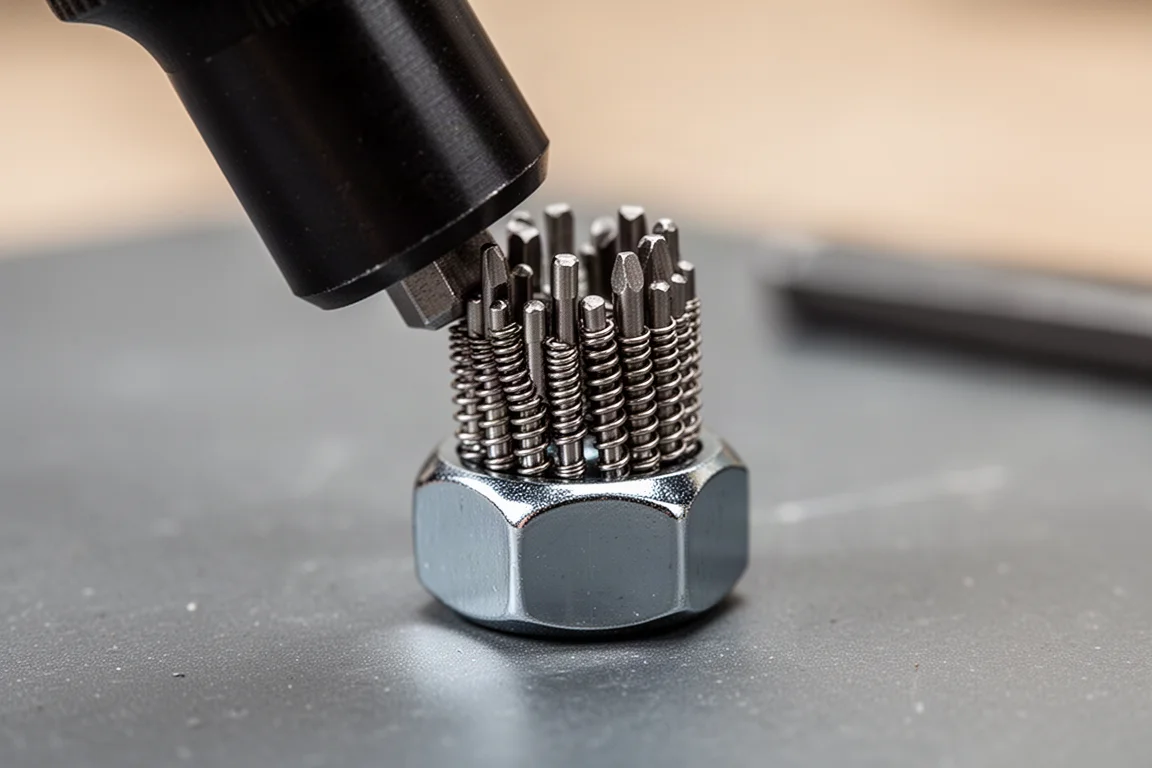
The Gator Grip is the original as-seen-on-TV universal socket, made or assembled in the US. It works by pushing directly onto a fastener, where its spring-loaded pins conform to the hex shape, so you never need to know the bolt size in advance.
Testing on a 12 mm fastener produced 70.3 Nm (about 51 ft-lb) against a design standard of roughly 124 Nm, with no damage to the tool. On 15 mm it reached 108.8 Nm before a popping sound, and it still kept gripping. On 17 mm it hit 122.7 Nm. Added up, that is a combined 301.8 Nm (222 ft-lb) across the test sizes, well beyond the 3/8 drive socket standard target.
One practical note: the pins push the drive square far enough off the hex that you may need a lower-profile 3/8 ratchet for the assembly to stack properly. The pins also encourage a slight wobble angle during use, which acts a bit like a built-in wobble extension.
A much cheaper imported clone advertising similar features produced far less torque on the same sizes, so if you want this style of tool, the original is the safer bet.
High Coal Universal Wrench
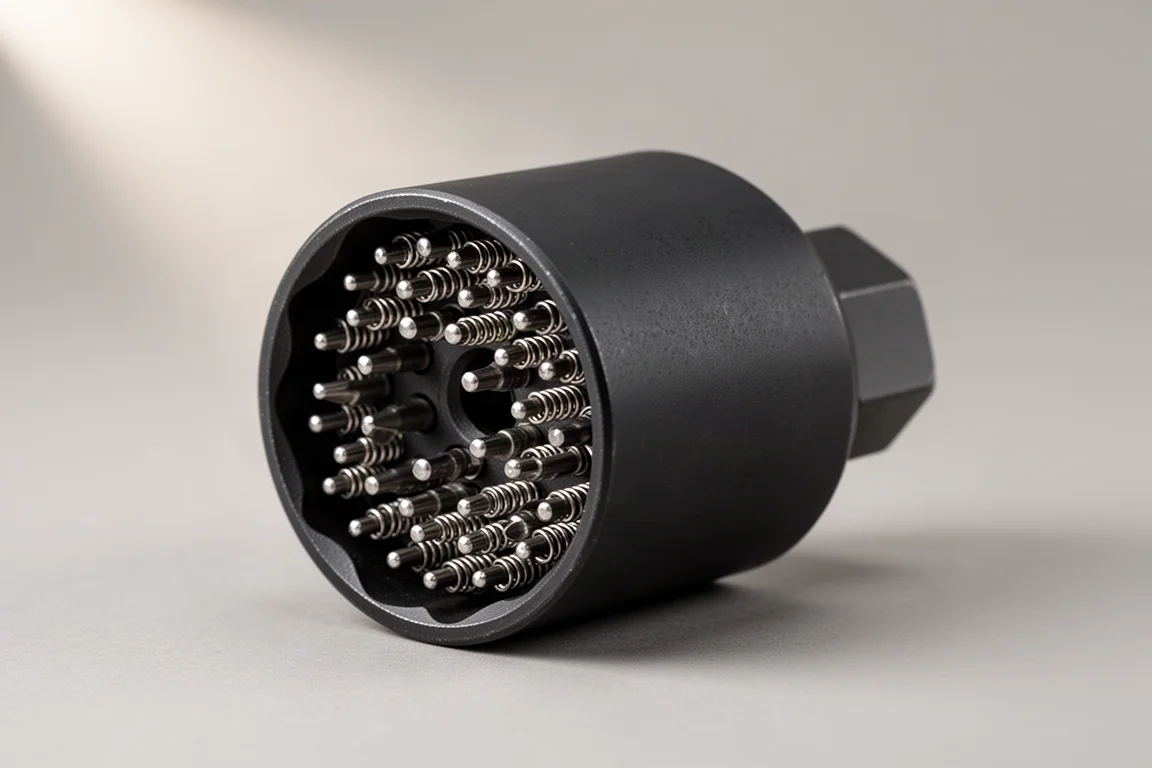
This $5 wrench claims coverage from 8 to 22 mm plus SAE 5/16 to 7/8 in one piece, with a stated 60 HRC material hardness. Compared with a single premium brand wrench at roughly $50, the value proposition is obvious on paper.
In practice, the sizing was quirky. The end marked for 13 mm did not fit a standard 13 mm hex, effectively pushing you toward smaller sizes. On a 10 mm fastener it produced 11.7 Nm and could be stripped by hand up to around 16 Nm. The contact pattern only engages the corners of the fastener rather than the flats, which limits grip.
This one is best treated as an ultra-budget backup rather than a primary wrench.
Bionic Wrench by Loggerhead Tools
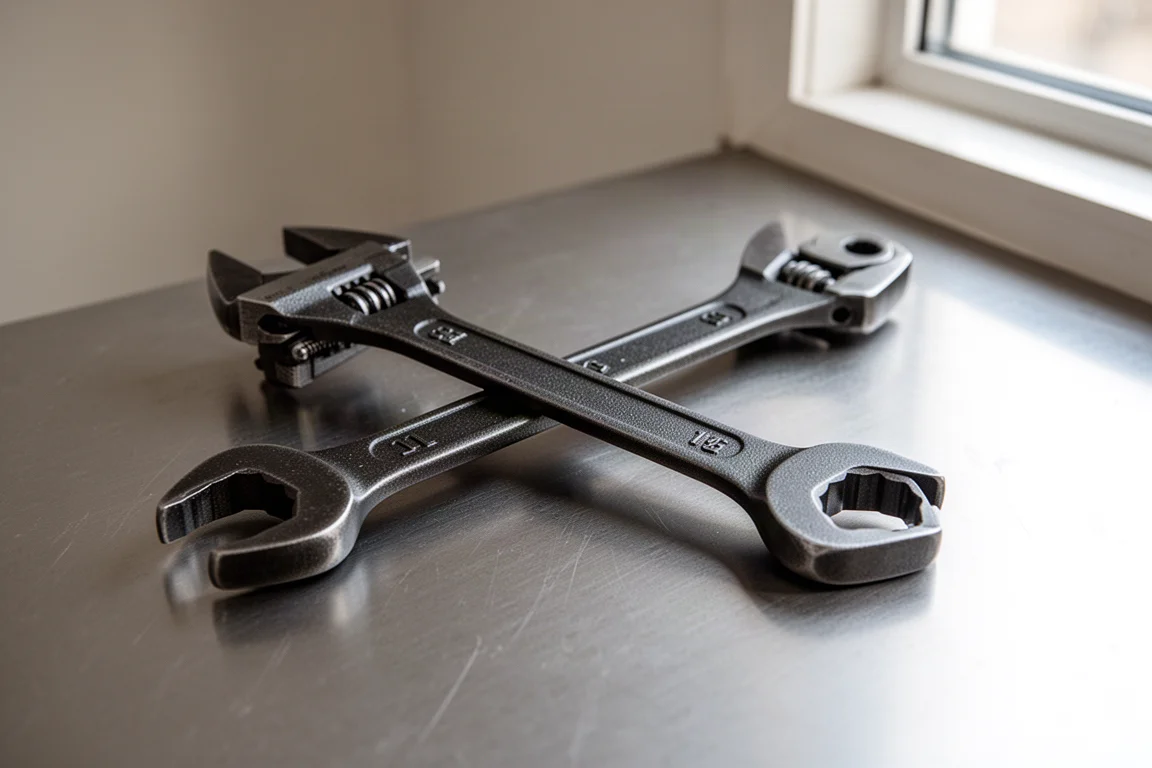
The Bionic Wrench is the original multi-jaw clamping wrench by Loggerhead Tools, designed for stripped and odd-shaped fasteners. Its design history is notable: the patented design was copied by Sears around 2012, and the lawsuit was settled in the inventor’s favor by 2017.
In testing on grade 5 15 mm hex hardware, it reached 68.4 Nm (about 50 ft-lb) by hand, limited mainly by lever length. With mechanical pushing assistance it climbed to 105.6 Nm with no damage to fastener or tool. Under extreme, unrealistic force it maxed out at 225.1 Nm before one of its pins sheared, which is above the design standard for a 15 mm box-end wrench.
The main limitation is ergonomics: unlike water pump pliers, the jaws must be squeezed to hold your chosen size while turning.
WorkPro Adjustable Wrench
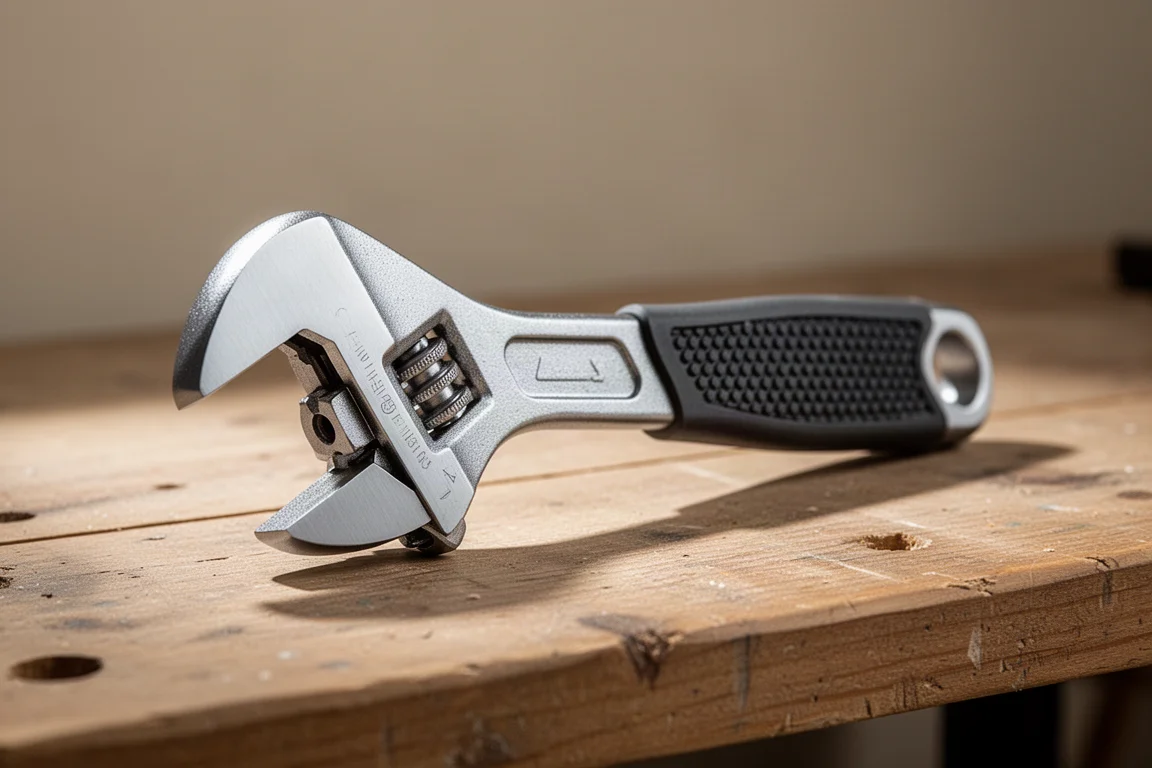
At $17, the WorkPro is among the pricier picks here, but it delivered the standout torque results of the group. It uses a push-button locking design with gauge sizes, and all the advertised sizes fit, if slightly less snug than ideal.
On a 13 mm box-end target with a 115 Nm proof torque standard, it produced 127.7 Nm (94 ft-lb). On 17 mm, where the standard steps up to 267 Nm, it reached an eye-opening 477.3 Nm (352 ft-lb) before the hex began digging into the tool jaws. Exceeding design standards at multiple sizes is genuinely impressive for a small-pattern wrench.
One access caveat: the fastener must stick up about halfway into the tool head for full engagement, so deeply recessed bolts may not work.
The Dog Bone Wrenches
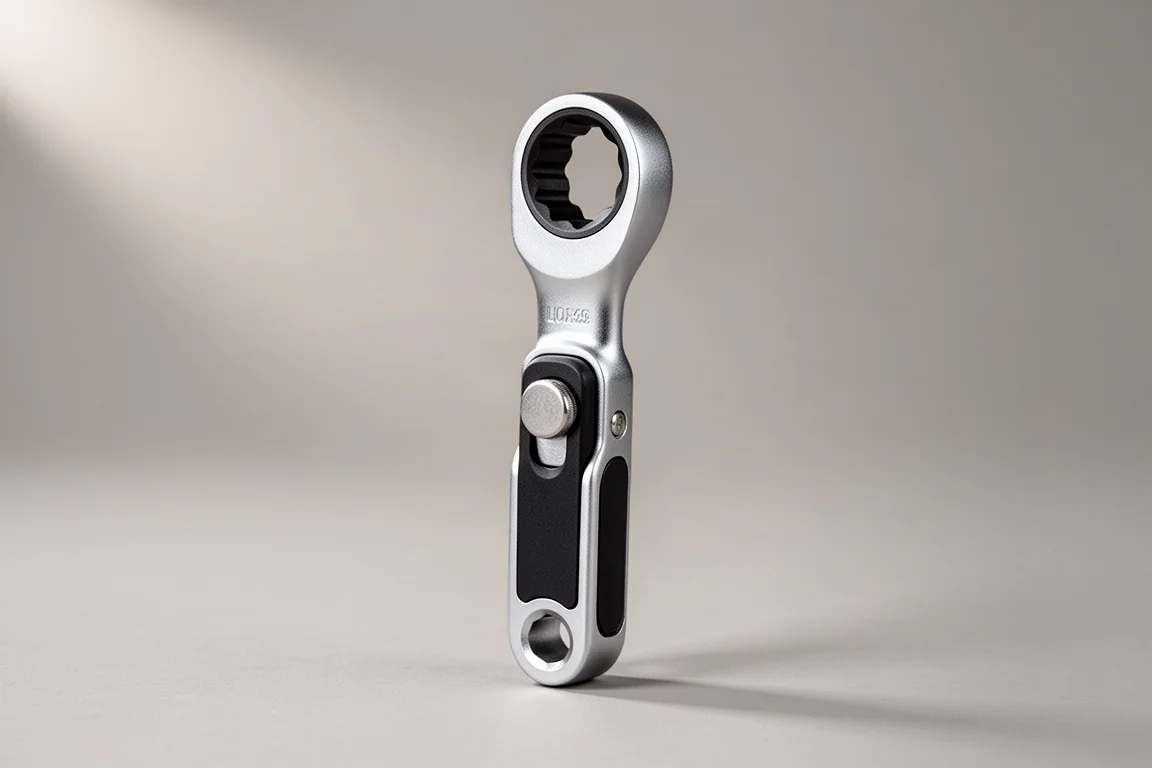
Two dog bone style multi-size wrenches round out the wrench category: a $12 six-point version with full chrome finish, and a $17 spline-profile version advertised as working on SAE, metric, square, hex, and 12-point fasteners.
The $17 spline model reached 244.1 Nm on a 19 mm fastener, a bit under the 323 Nm target, but it shaved the hex points off the test hardware with remarkable evenness. Its clear strength is gripping damaged or odd-profile fasteners rather than protecting pristine ones.
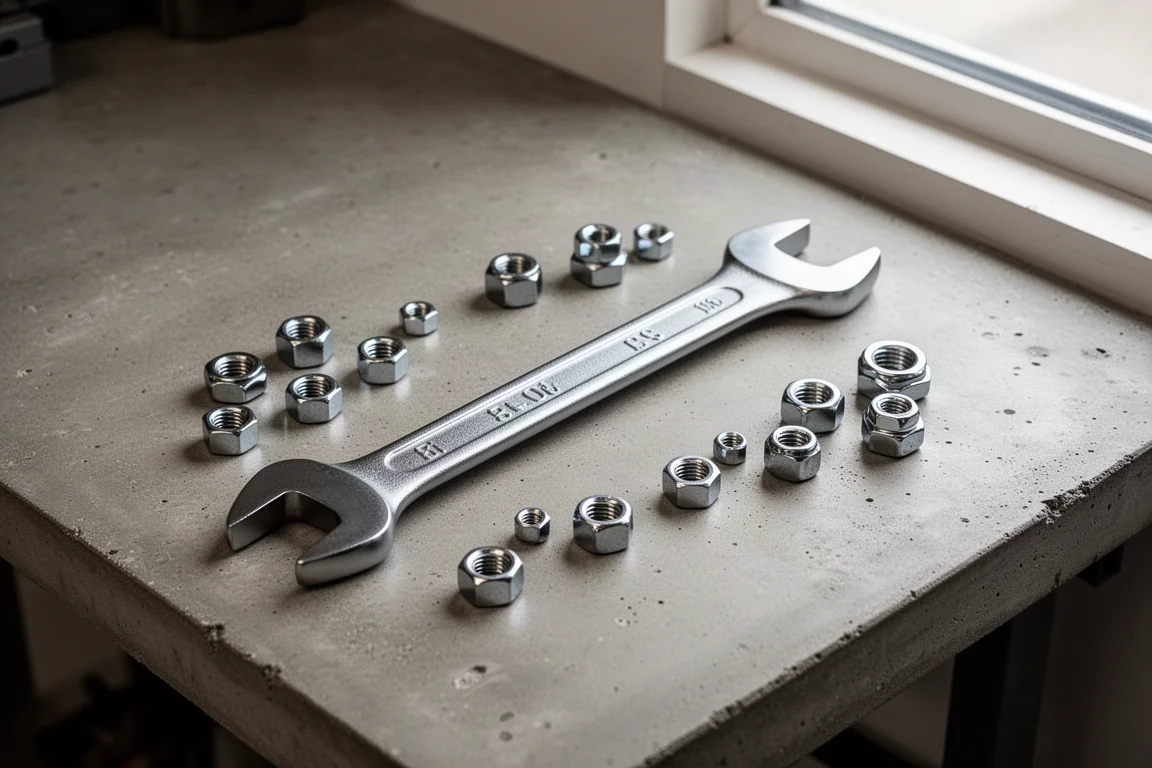
The $12 six-point version has an unusual quirk: its larger marked sizes all measure roughly 0.05 mm undersized, so the 19 and 17 markings do not fit standard hex hardware. This appears deliberate, making it a natural fit for worn or slightly undersized fasteners. On the conventional smaller end (8 to 13 mm), it cracked its rotating dog bone end at 222.8 Nm (164 ft-lb), well beyond the 13 mm socket standard, so the tool itself is beefy.
View more details for WorkPro Adjustable Wrench
Gopy Adjustable Ratchet
The Gopy adjustable ratchet ($16) is the only true ratcheting entry here. It uses sprung internal teeth that clamp down on the fastener, similar in concept to the Bionic Wrench but in ratchet form, with two opposing V-jaws mounted in a reversible ratchet mechanism.
Adjusting it requires seating it on the hardware first, since there are no size markings, which can be awkward in tight spaces. During adjustment the mechanism froze at one size. On a 17 mm fastener it made 89.5 Nm (66 ft-lb) before the hardware began turning in the jaws, and the jaws wore themselves non-slip cuts and grooves in the process.
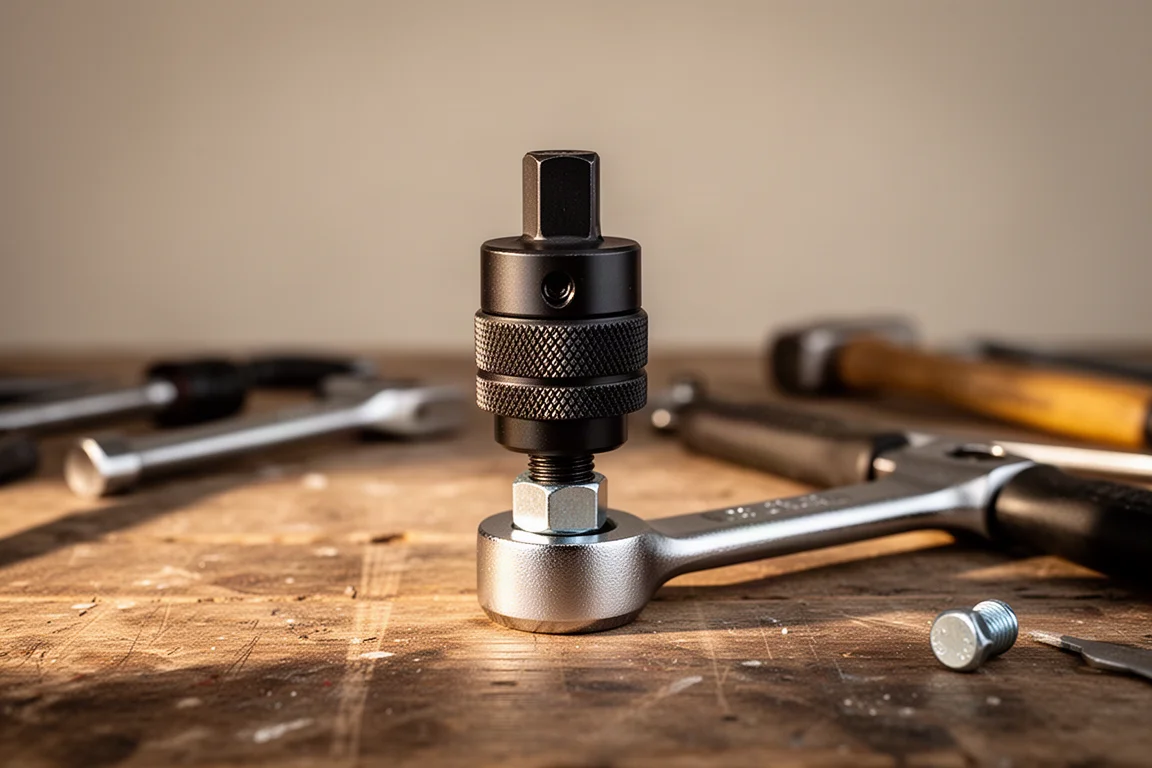
Its real value is versatility: unlike fixed-size multi-tools, the adjustable design covers metric, SAE, half sizes, quarter sizes, and undersized fasteners within its range.
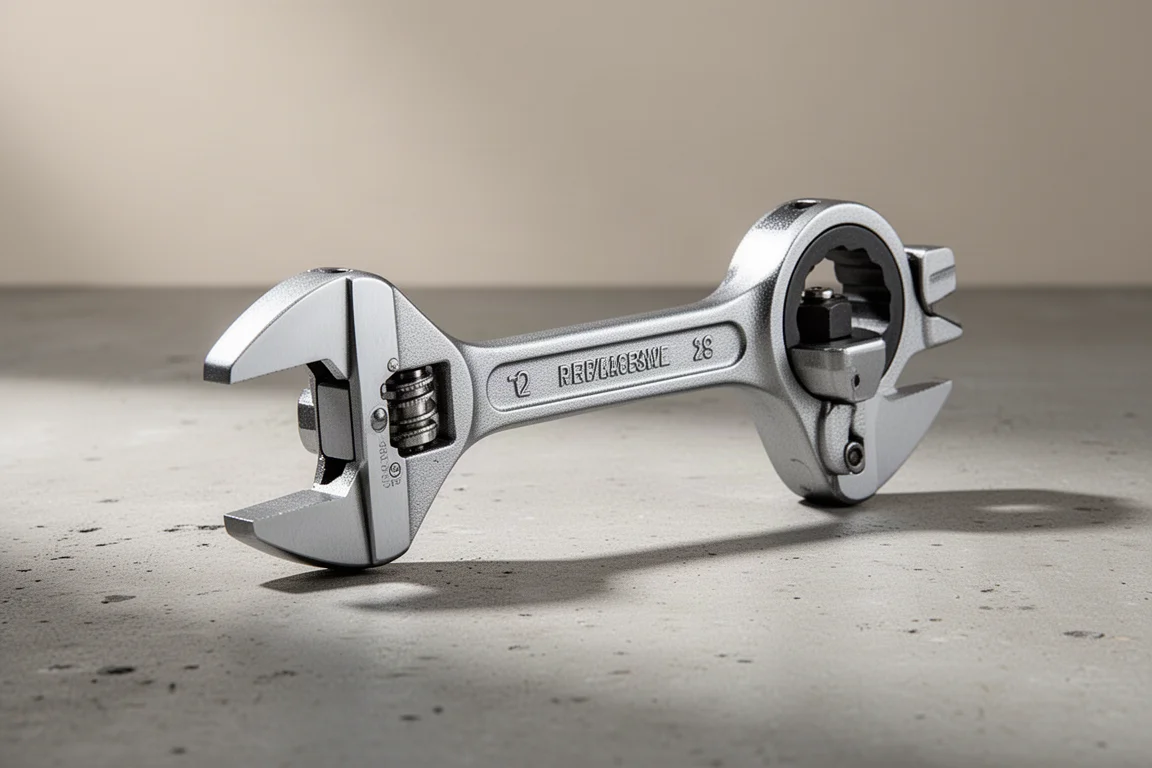
Arbuga Universal Adjustable 3/8 Drive Socket
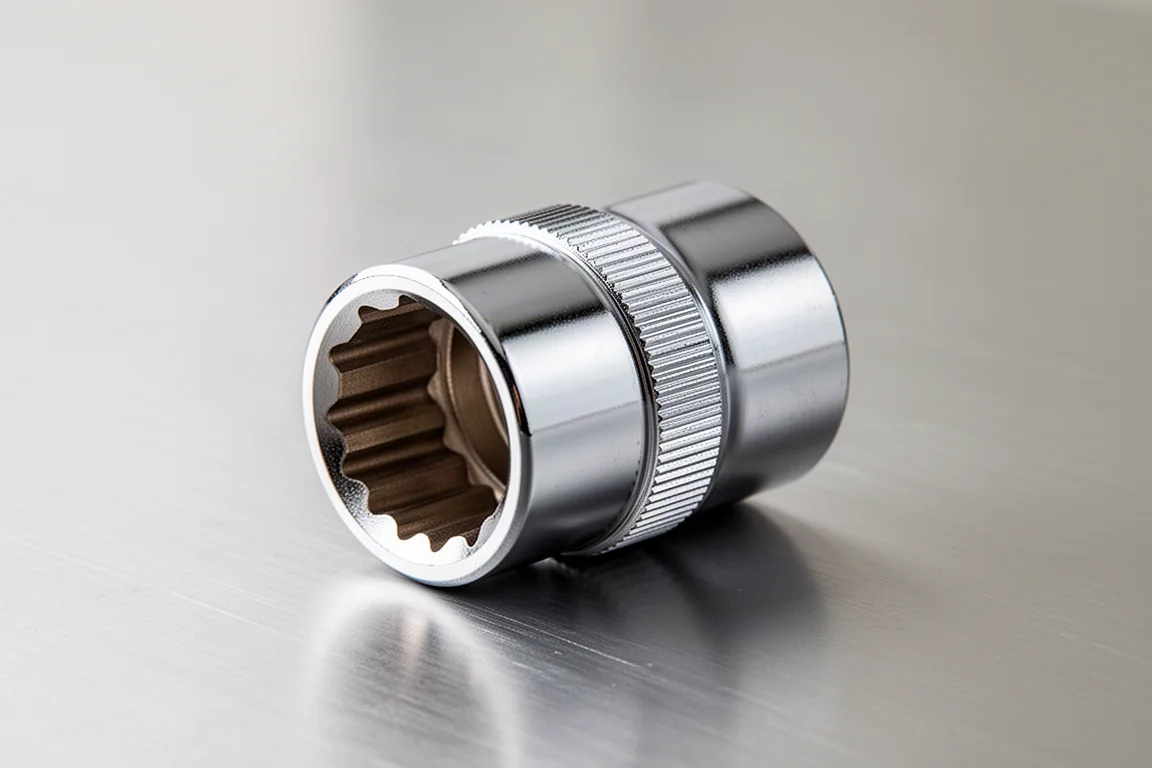
The Arbuga universal adjustable 3/8 drive socket ($15) uses a rotating grip collar that you tighten until it clamps the hex size you want. Because it is a socket rather than a wrench, you can cinch it extremely tight, which helps grip.
In testing it reached around 222 Nm, below the 249 Nm target for a 3/8 drive tool, and failed structurally when thrown into reverse. Unlike many fixed multi-size tools, though, its adjustable design handles metric, SAE, half sizes, quarter sizes, and undersized fasteners across its 8 to 19 mm range, giving it broad use cases for the price.
Buying Advice
If you want a universal socket that survives hard use, the Gator Grip is the proven pick, with cumulative torque results well above 3/8 drive standards. If raw torque matters most, the WorkPro significantly exceeded box-end design standards at multiple sizes. The Bionic Wrench remains the best choice for stripped or odd-shaped fasteners, while the Gopy and Arbuga adjustable designs offer the widest fastener coverage per dollar despite lower peak torque. The High Coal wrench is best kept as an ultra-budget emergency tool.
Conclusion
Universal and multi-size tools have come a long way from infomercial gimmicks. Several of these exceeded standard torque targets for their size class, and the adjustable designs cover fastener types and sizes no conventional single tool can. Match the mechanism to your actual use case, and any of these can replace a surprising amount of toolbox real estate for very little money.
Further reading
Related Reviews
Hand Tools
Best Diagonal Cutters 2026: 16 Pliers Tested for Cutting Power and Durability
We put 16 diagonal cutters through nail, screw, drill bit, and hex key tests to find the best value picks for your toolbox.
Hand Tools
Best Hex L Key Sets 2026: Nine Sets Tested for Real-World Torque
Nine hex L key sets from budget to premium, tested for torque, fit, and durability. See which sets deliver real performance and which ones to skip.
Hand Tools
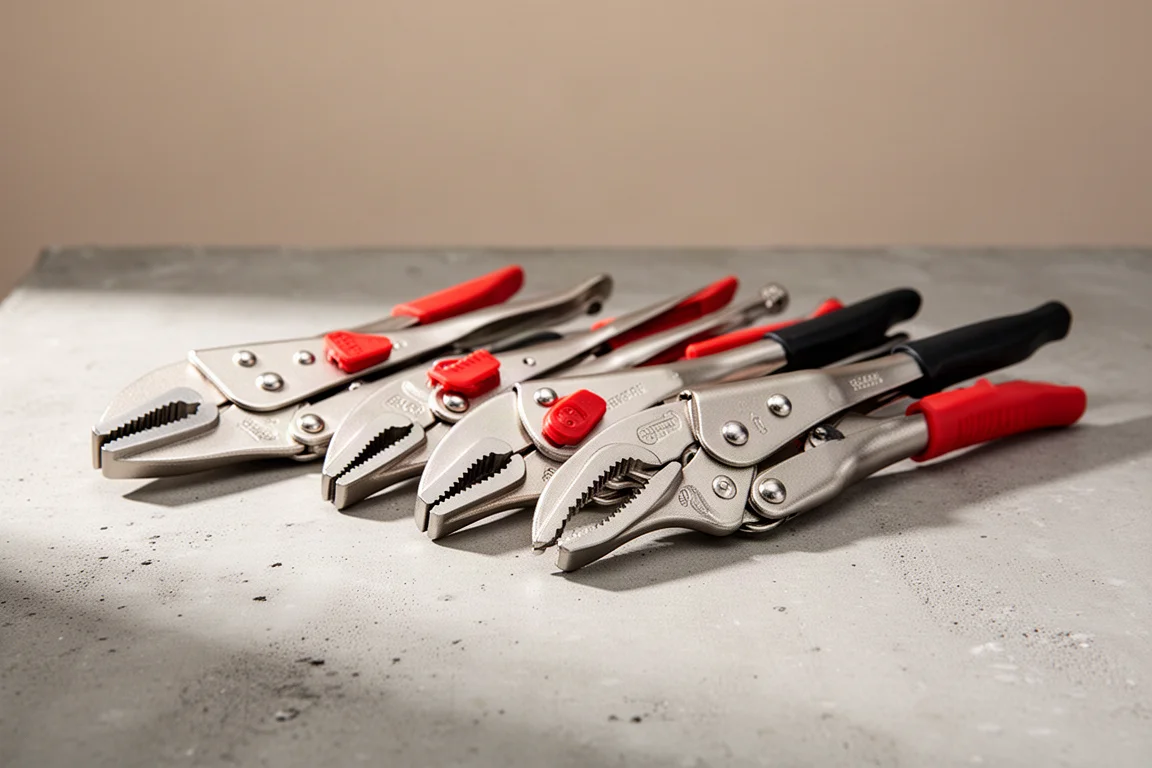
Best Locking Pliers 2026: Top Picks Tested for Grip and Durability
We tested 18 brands of 10-inch locking pliers for grip strength, jaw bite, build quality, and ease of release to find the best options for tough jobs.