Power Tools
Three Impact Drivers That Break the Mold: Metabo, Milwaukee, and DeWalt Compared
A triple-hammer workhorse, a quiet hydraulic driver, and an ultra-compact powerhouse. Three impact drivers with qualities that set them apart from the usual suspects.
Introduction
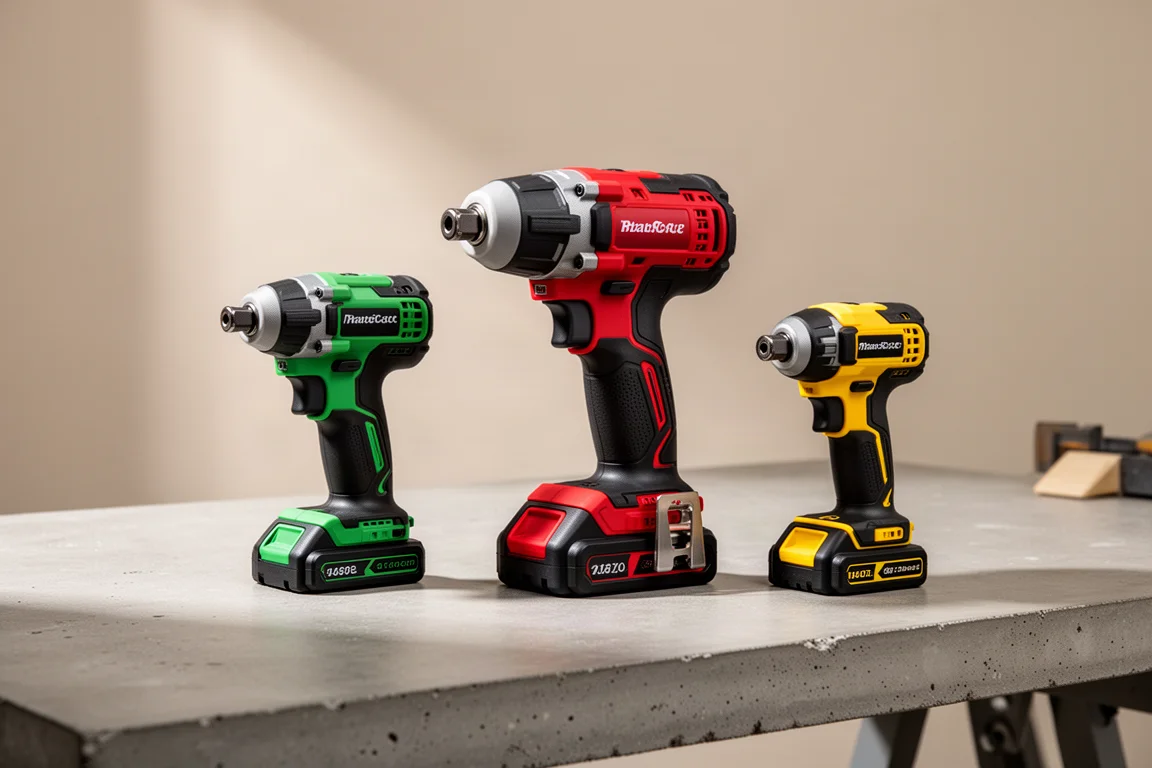
Most impact drivers do the same job: spin a bit, hammer on rotation, and drive fasteners fast. But a few models bring something genuinely different to the table. In this comparison, we look at three impact drivers that each carry a unique quality setting them apart from run-of-the-mill options: a triple-hammer mechanism with serious weather sealing, a hydraulic oil-drive driver built for quiet precision, and a 20V driver that is about as short as they come.
Why These Three Stand Out
None of these three wins on raw speed alone, and that is the point. Choosing an impact driver is as much about comfort, durability, and which tool you reach for first as it is about power. Each of these models earns its place by solving a specific problem: the Metabo handles wet, dirty job sites without complaint, the Milwaukee keeps things quiet and precise around metal, and the DeWalt slips into spaces where other 20V tools simply cannot fit.
Milwaukee M18 Fuel Surge: The Quiet Precision Driver
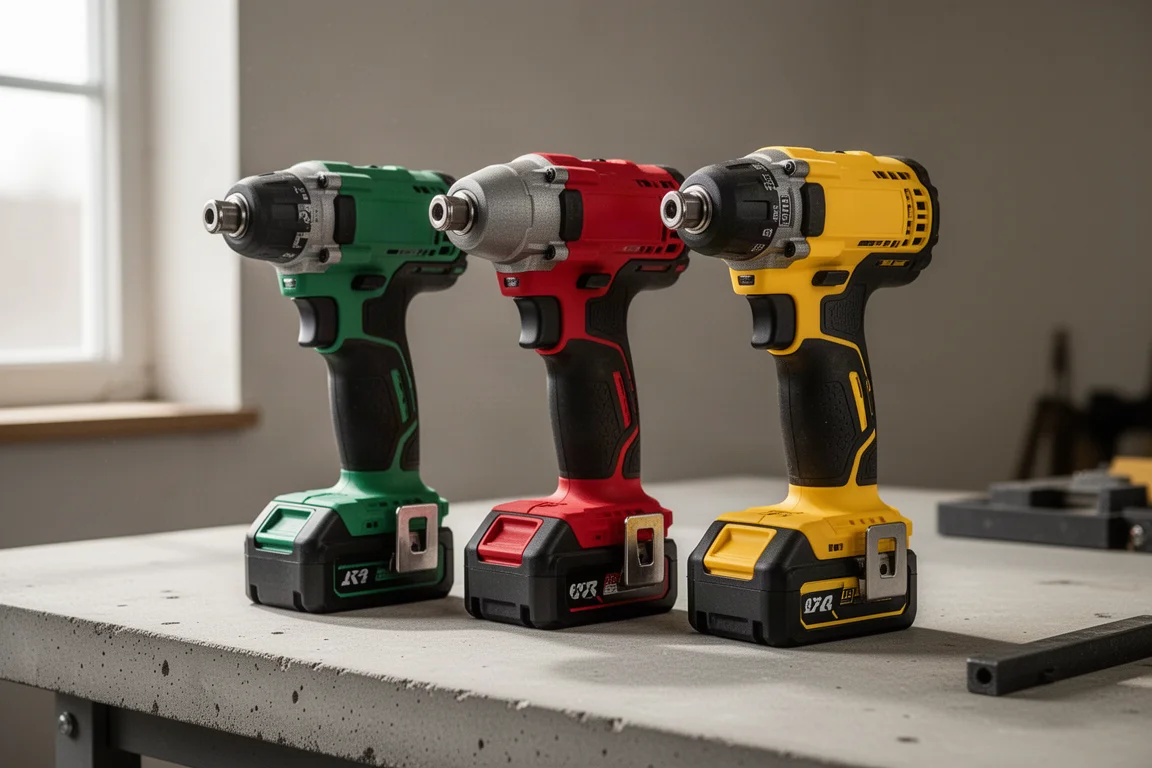
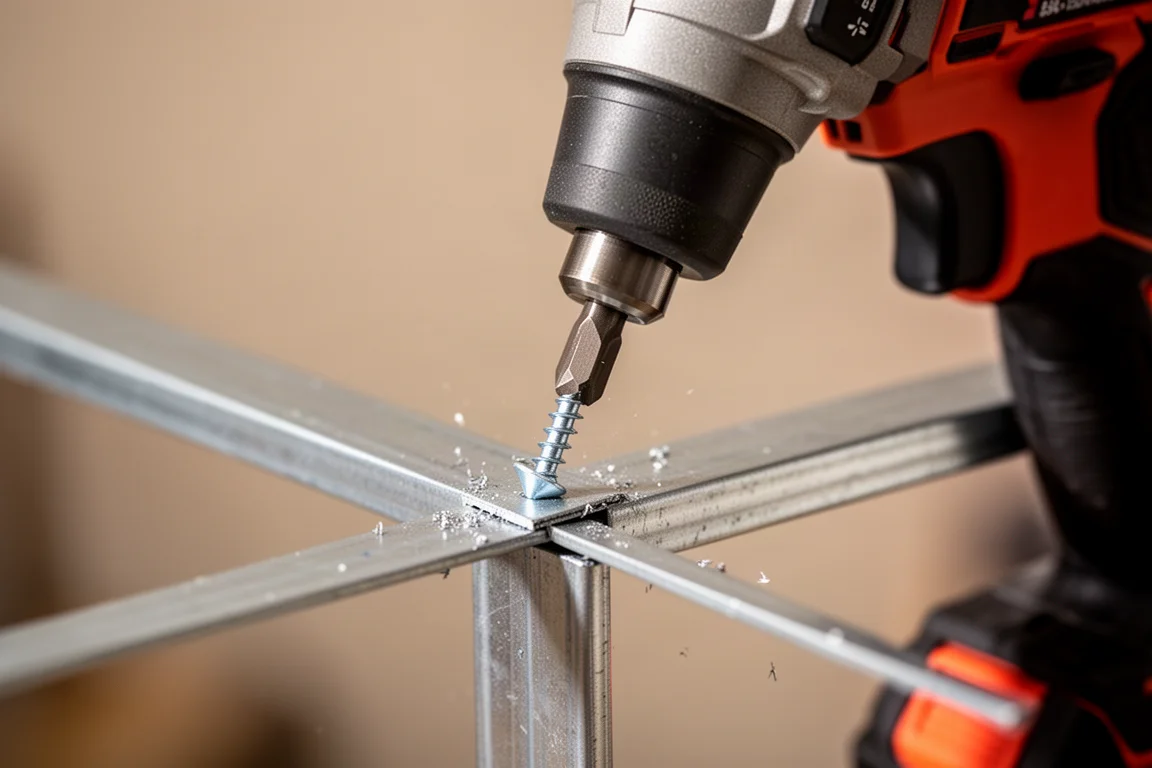
The Milwaukee M18 Fuel Surge is easily the least powerful and slowest of the three in terms of RPM, so driving large fasteners takes a bit longer. Where it really shines is metal fasteners and self-tappers, making it an excellent choice for work around steel and in metal enclosures.
The Surge uses a hydraulic oil-drive mechanism instead of conventional metal-on-metal impacts. That makes it noticeably quieter than most impact drivers, and it also enables something a standard driver cannot do: at its lowest speed setting, it keeps impacting even when the driver is barely moving. That means you can drive or remove a screw with remarkable precision and a very clean finish, something a regular impact driver simply cannot match.
The trade-offs are a slightly longer body than most drivers, a result of how the hydraulic mechanism works, and settings that closely mirror the regular M18 Fuel impact driver. Pricing can be very reasonable on the used market; one was picked up for roughly 45 to 55 dollars second-hand, still under warranty after a repair center replaced a faulty reverse switch. Compared with the Makita oil pulse driver, which runs over 200 dollars and often closer to 220 to 240, the Surge offers similar specs at roughly a quarter of the price.
Metabo 18V Triple Hammer: The Durable All-Rounder
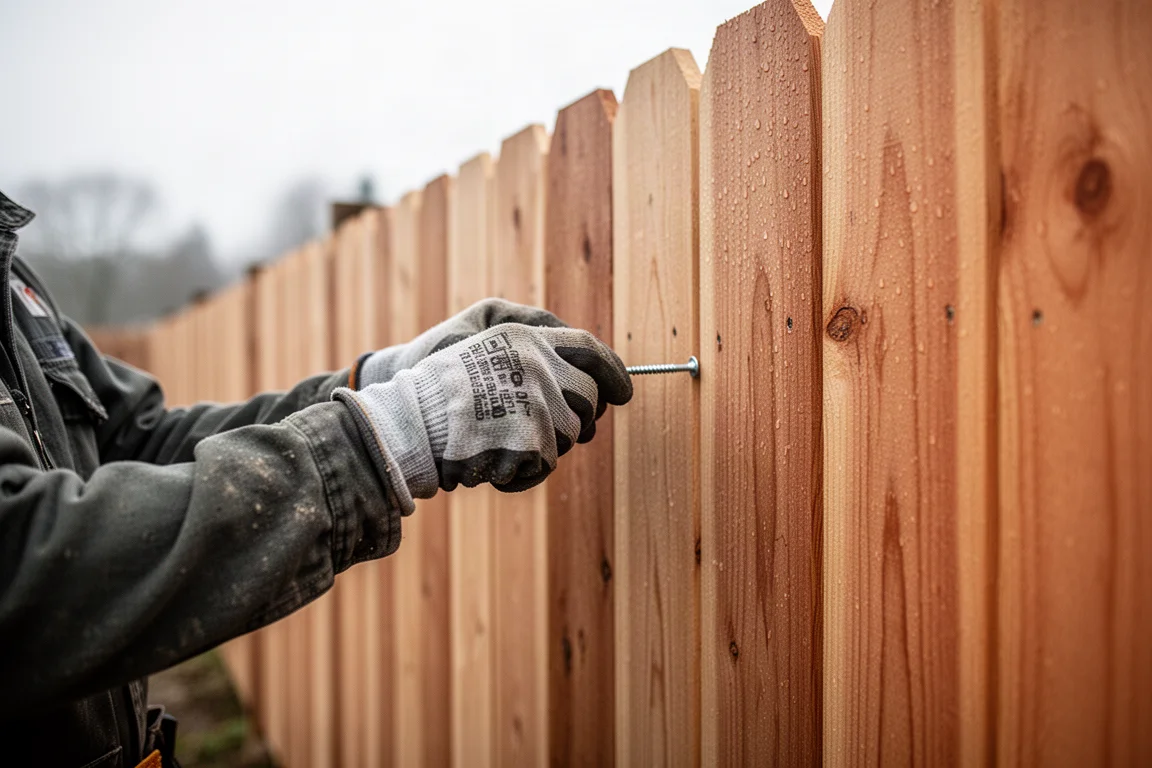
The Metabo 18V Triple Hammer is the second most powerful driver in this trio and a genuinely smooth tool to use. Its triple-hammer mechanism feels pleasant through hundreds of screws driven nonstop, which made it the go-to for an entire fence build.
The headline feature is the IP56 rating. Dust, dirt, and water are non-issues: light rain mid-job is not a concern, and the tool can literally be rinsed off. For anyone working outdoors, that peace of mind is hard to put a price on.
Value is another strong point. One kit, bundling the hammer drill, two 3.0Ah batteries, and a charger, came in at about 150 dollars, working out to roughly 75 dollars per tool all in. Metabo also offers a new 36V version of the line, though it is pricier at around 300 dollars with a battery and kit and has been easier to find online than in stores.
DeWalt 20V Impact Driver: Compact Power
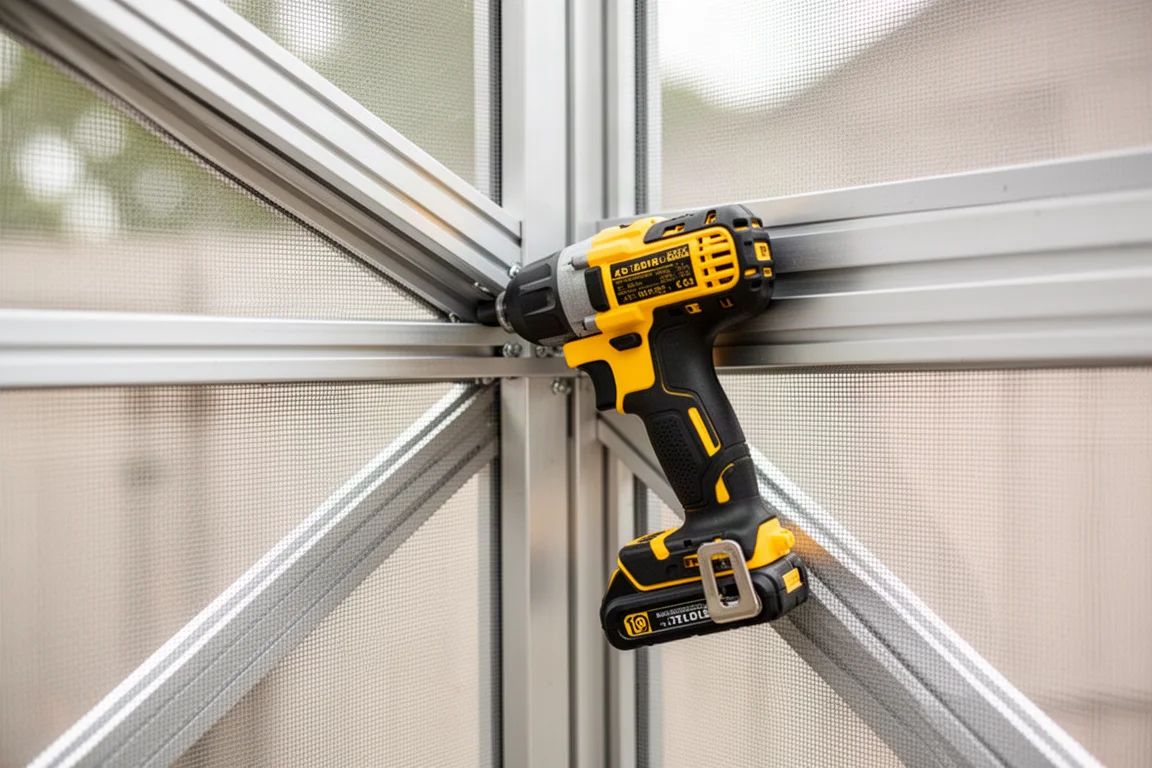
The DeWalt is the most conventional of the three, but with one striking difference: it is quite possibly the shortest impact driver you can buy, dwarfing even some 12V options for compactness. Despite its small size, it remains very powerful, and it was the most powerful of the three drivers tested.
That compactness matters in real jobs. Screen enclosure work, with its tight corners and narrow framing, is exactly where a short 20V driver beats reaching for a smaller 12V tool. Price-wise, it sat at the top of this group: a deal through Home Depot included the driver, two 5.0Ah batteries, and a charger for 200 dollars, which is a strong package for what you get.
Which One Should You Buy?
It is less about a single winner and more about matching the tool to the work. If you drive a lot of self-tappers or need quiet, controlled fastening around metal, the Milwaukee Surge is the clear pick. If you want a durable, smooth-running driver that shrugs off rain and dust at a great price, the Metabo Triple Hammer earns its spot. And if tight spaces are a regular part of your work, the ultra-compact DeWalt is hard to beat.
Conclusion
Three impact drivers, three genuinely different strengths. The Metabo brings durability and all-round value, the Milwaukee brings quiet precision for metal work, and the DeWalt brings compact power where nothing else fits. Pick the one that matches the way you actually work, and any of the three will feel like a step up from a standard impact driver.
Product link
View more details for Metabo 18V Triple Hammer Impact Driver
This product is mentioned in the review. Check the specifications, options, and compatibility before buying.
View more details for Metabo 18V Triple Hammer Impact DriverFurther reading
Related Reviews

Power Tools
Best 1-Inch Pistol Impact Wrenches: Three Heavy-Duty Options Compared
We compare three 1-inch pistol impact wrenches, from a budget-friendly Harbor Freight model to a premium Caterpillar unit, to help you choose the right one.

Power Tools
Best 3/4-Inch Impact Wrenches 2026: Five Contenders Compared
We compare five 3/4-inch impact wrenches across price and performance, from a budget Amazon option to Snap-on's most powerful model yet.

Power Tools
Best Budget Cordless Tools 2026: Walmart Finds That Punch Above Their Price
We tested five cordless tools from Walmart, including a high-torque impact wrench that trades blows with Milwaukee and a $35 duster that outperforms its price class.