Ski Reviews
Best Twin Tip Skis for All-Mountain and Park: 16 Models Compared
Sixteen twin tip skis from 97 to 104 mm underfoot, broken down by construction, flex, shape, and who each model really suits.
Introduction
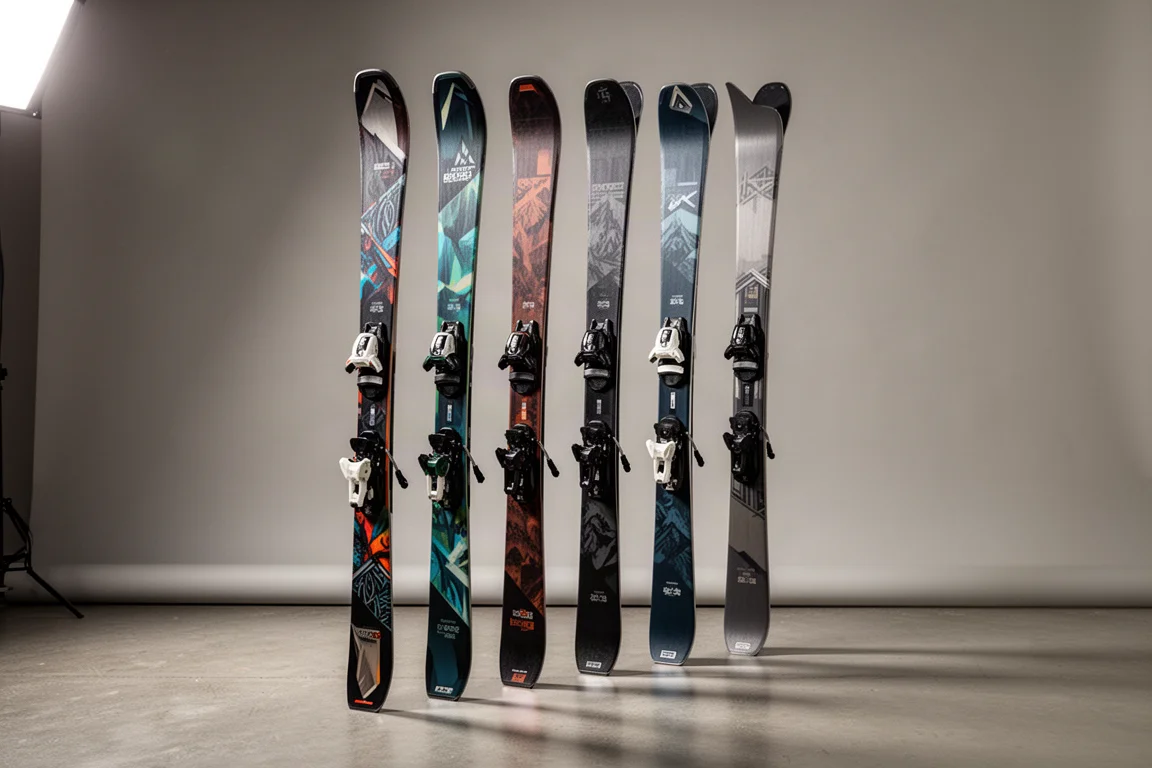
Twin tips are no longer just for park rats. The models in this comparison range from 97 to 104 mm underfoot, and they split cleanly into two camps: narrower skis that perform better on trail, and wider skis that shine in soft snow. Several lean hard toward freestyle use, while others lean toward all-mountain capability without giving up their park credentials. There is also a clear split between playful, surfy shapes and more traditional, directional builds, and knowing which side a ski sits on is the fastest way to narrow this list down.
Armada ARV 100
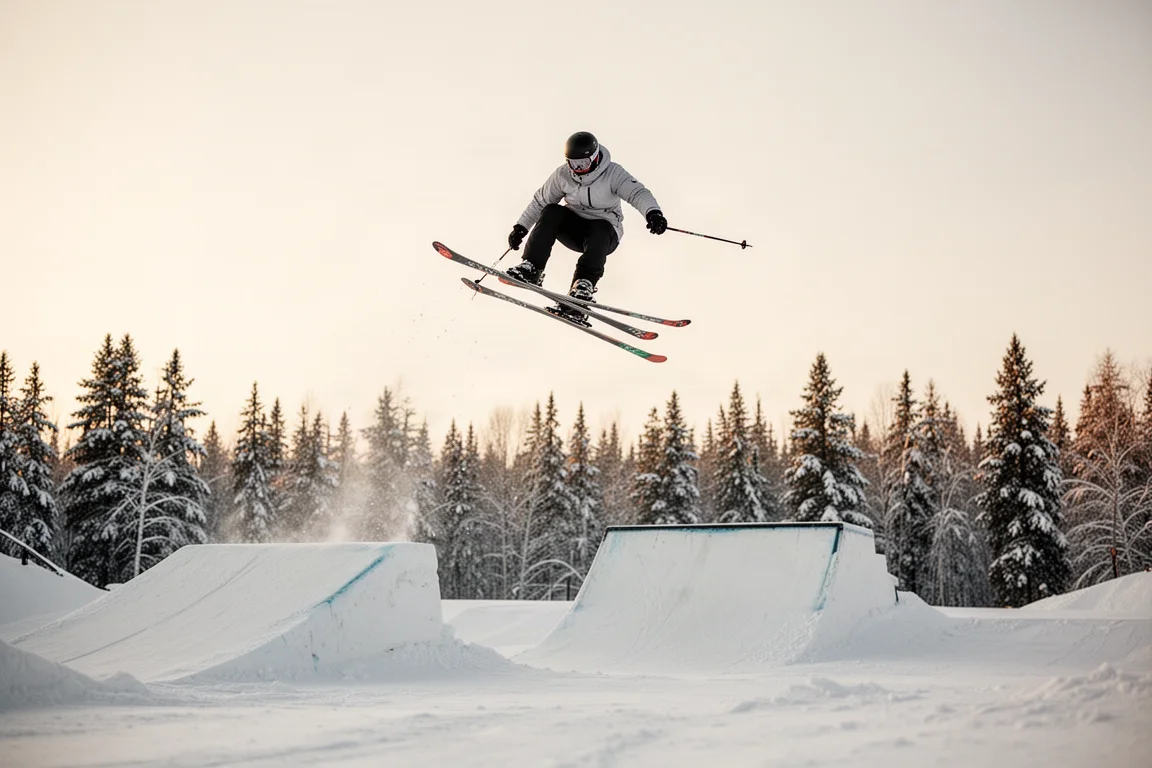
The ARV 100 is a new build for this season, moving to a lighter wood core than the old ARV 96 while keeping a denser Ash insert underfoot for solidity in the mid-body. The headline construction story is Wedge Wall technology, a tongue-and-groove sidewall pressed into the core that improves cohesion, flex consistency, and durability. It weighs under 1,700 g, sheds drastic weight versus the old platform, and the modern tapered shape makes it a significantly better soft-snow and all-mountain ski. If there is one trade-off, it is slightly reduced straight-line stability because of how light it is. Skiers who found previous ARVs lacking in pop will find it here in spades, and the same build is offered in the women’s ARW graphic.
Armada Edollo
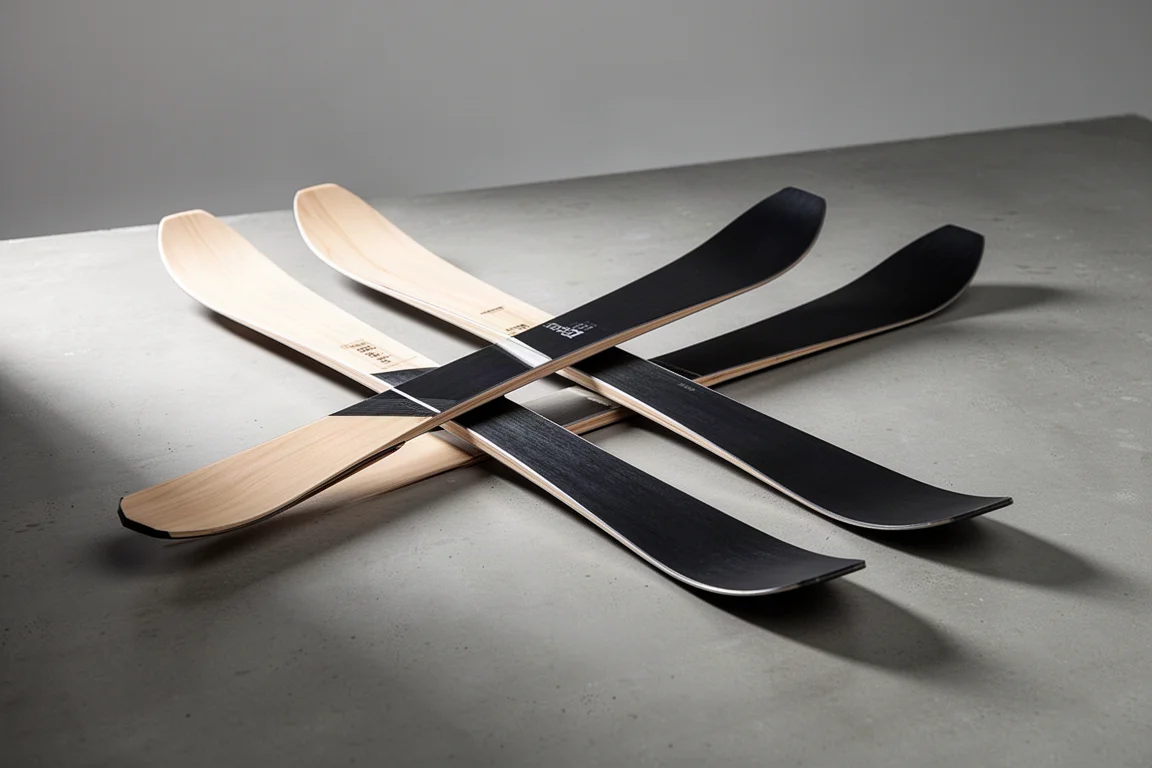
The Edollo is Henrik Harlaut’s signature ski, and it is far more traditional than most people expect. It uses a poplar and Ash core, comes in around 2,100 g, and is one of the stiffest skis in this group, with limited rocker and no taper. That contradicts the intuition that a progressive park skier’s pro model would be soft and noodly. Instead, it is a strong, durable ski built to withstand high-speed all-mountain skiing, urban rails, and heavy impacts all season on one pair. The single recommended mount point is not true center, and it sits closest to the Nordica Unleashed 98 and Rossignol Black Ops 98 on the sturdier, more directional end of this spectrum.
Atomic Bent 100
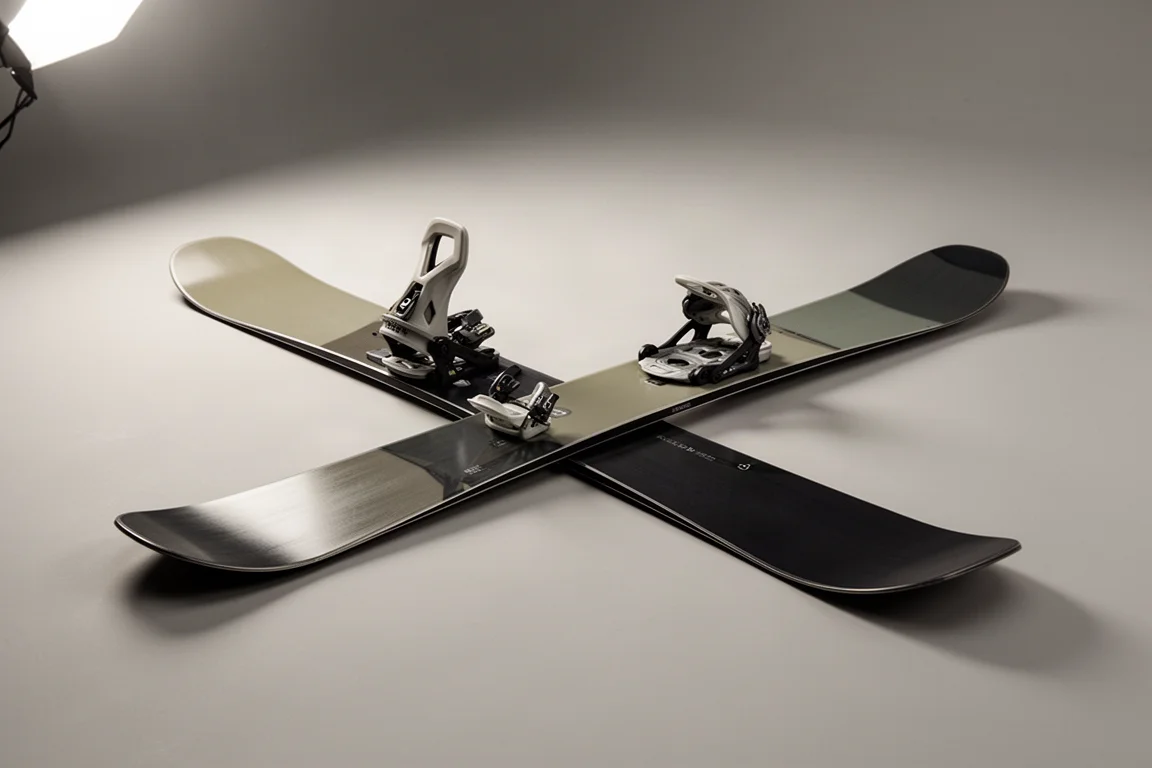
The Bent 100 is one of the most directional twins here in shape, profile, and mount point, with roughly a 10 cm range of mount positions and a huge size range from youth up to 189 cm. It is among the lightest on the wall at around 1,690 g, essentially matching the ARV 100, thanks to a full poplar core, a thin cap topsheet, and Horicycle-style curved tip and tail shaping that keeps things playful and floaty in soft snow. It performs surprisingly well on firm snow for lighter skiers who initiate turns laterally rather than from the shovel, and it is a genuinely strong bump ski with a compliant tip and supportive tail. Just be careful with mount point: at plus 6 it becomes mostly a park ski, while plus 3 or 4 keeps the all-mountain balance.
View more details for Atomic Bent 100
DPS Koala 103
The Koala 103 marks a different direction for DPS, using Foundation-style construction with a poplar bamboo core and unidirectional carbon stringers, coming in at 1,820 g in a 184. It looks playful on paper but skis stiffer than its shape suggests, and it takes a few runs to learn that you cannot pressure the tip the way you would on a Chronic 101. Ski it centered and let the tip float and eat up terrain rather than forcing it. Its soft snow performance is the standout, though it carries more substance in the tail than the Revolt 104, making it supportive for big natural landings and backcountry booters. It is not the best park feel, and it is the only twin tip option in the DPS line.
Dynastar M-Free 99
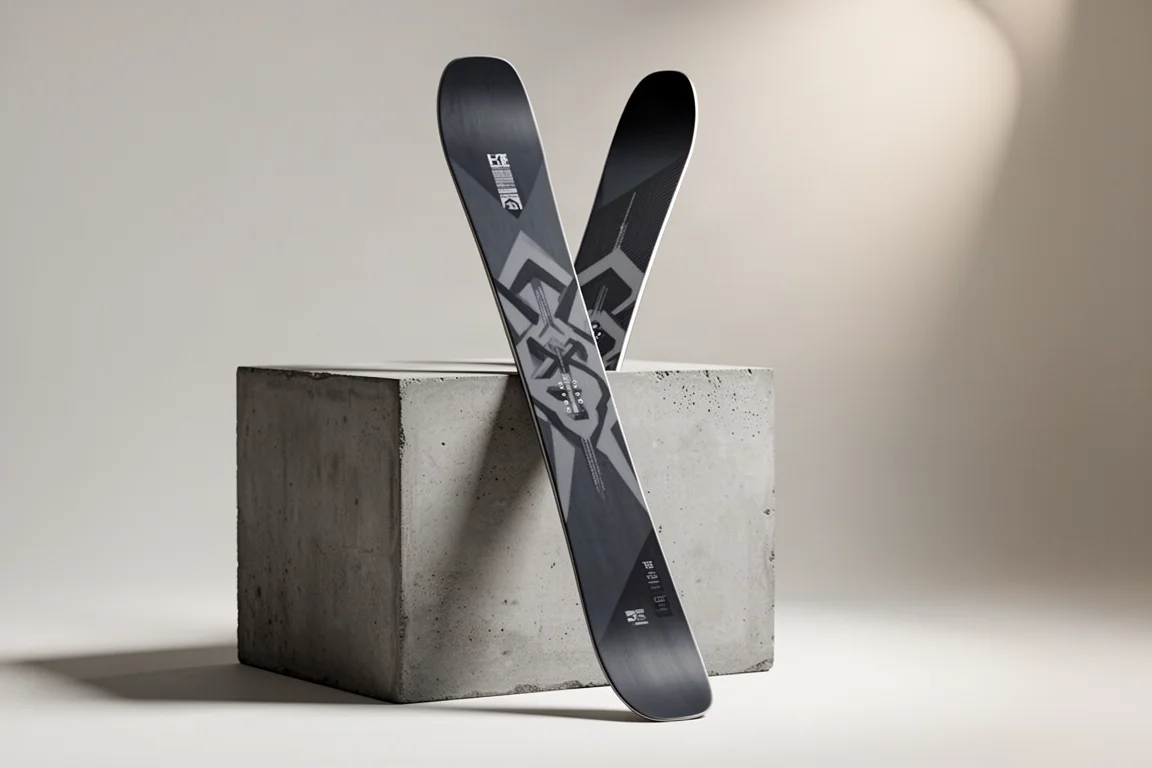
The M-Free 99 is a wonderfully well-rounded option for skiers mixing off-piste opportunities with resort creativity. It uses Dynastar’s hybrid core with polyurethane along the sidewalls around a poplar core wrapped in fiberglass, weighing just under 2,000 g in a 179. The PU smoothing effect makes it super maneuverable and surfy, with a flexible shovel and a smooth tapered shape, yet it is more ski than the Playmaker, Reckoner 102, or Blend, and holds its own in the park with a smearier personality than the Bent. One caution: the 185 measures 182, so bigger skiers should size accordingly. It is an easy recommendation for twin-tip-curious skiers who may never enter a park.
Elan Playmaker 101
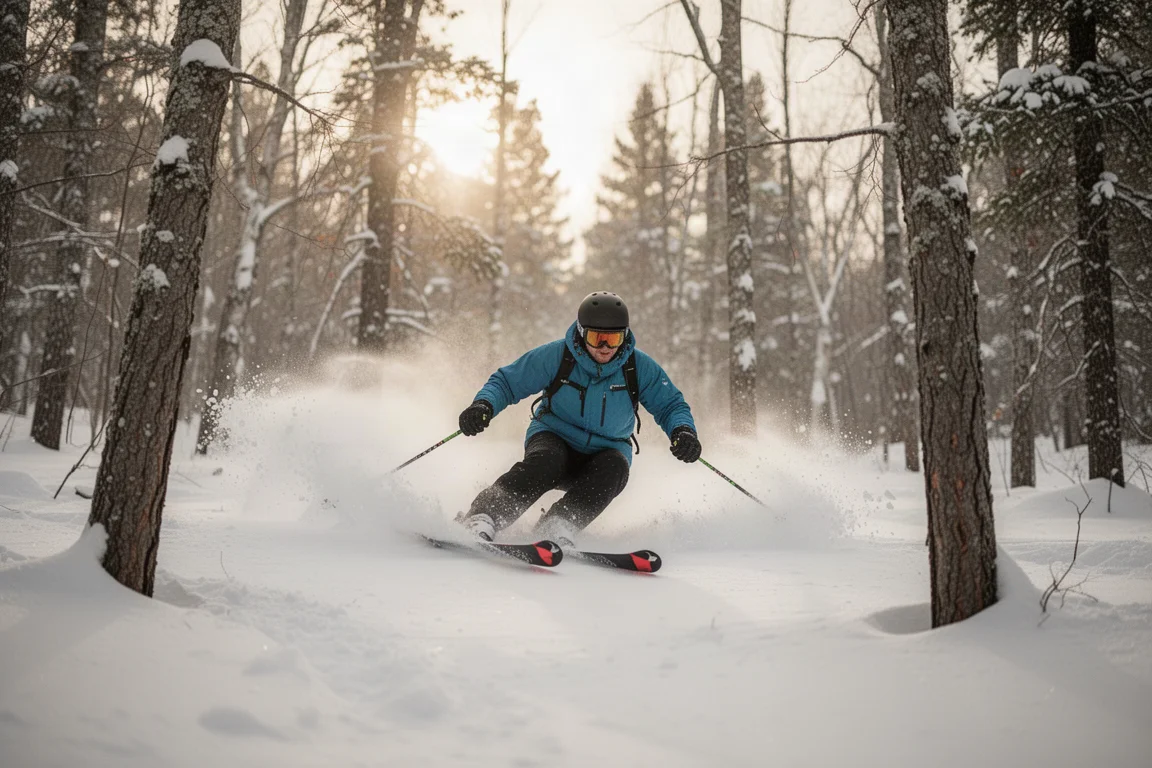
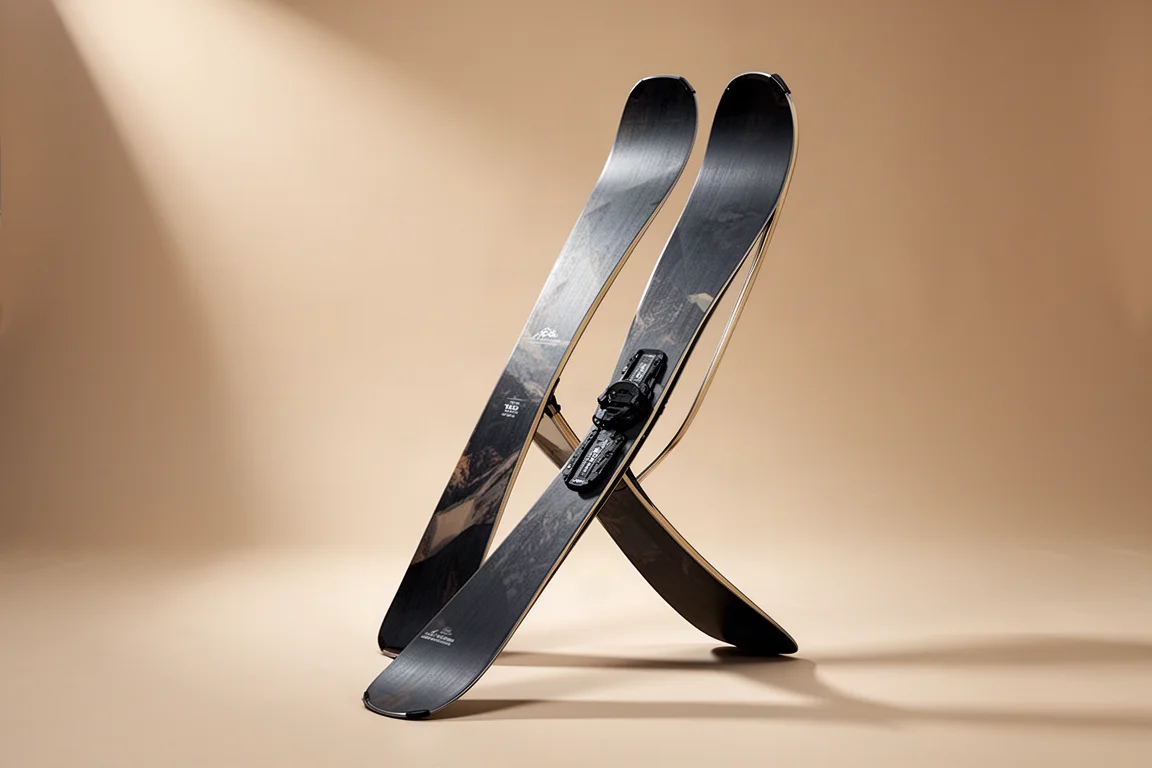
The Playmaker 101 is one of the most playful, agile, and smeariest skis here, built with Elan’s tube wood core with carbon rods focused underfoot, leaving the tips and tails very soft. At just over 1,700 g it matches the ARV 100 and Bent 100 as one of the lightest twins available, and its modern, nearly symmetrical shape can be mounted close to center. Precision comes from that underfoot strength, and lighter skiers will find it holds an edge well and feels almost weightless on flat skis. The trade-off is stability: it skips around at speed in chop and can wash out on big park landings, so aggressive or heavier skiers should look elsewhere or size up. For everyone else, it makes moguls and off-piste trains dramatically easier.
Faction Prodigy 2
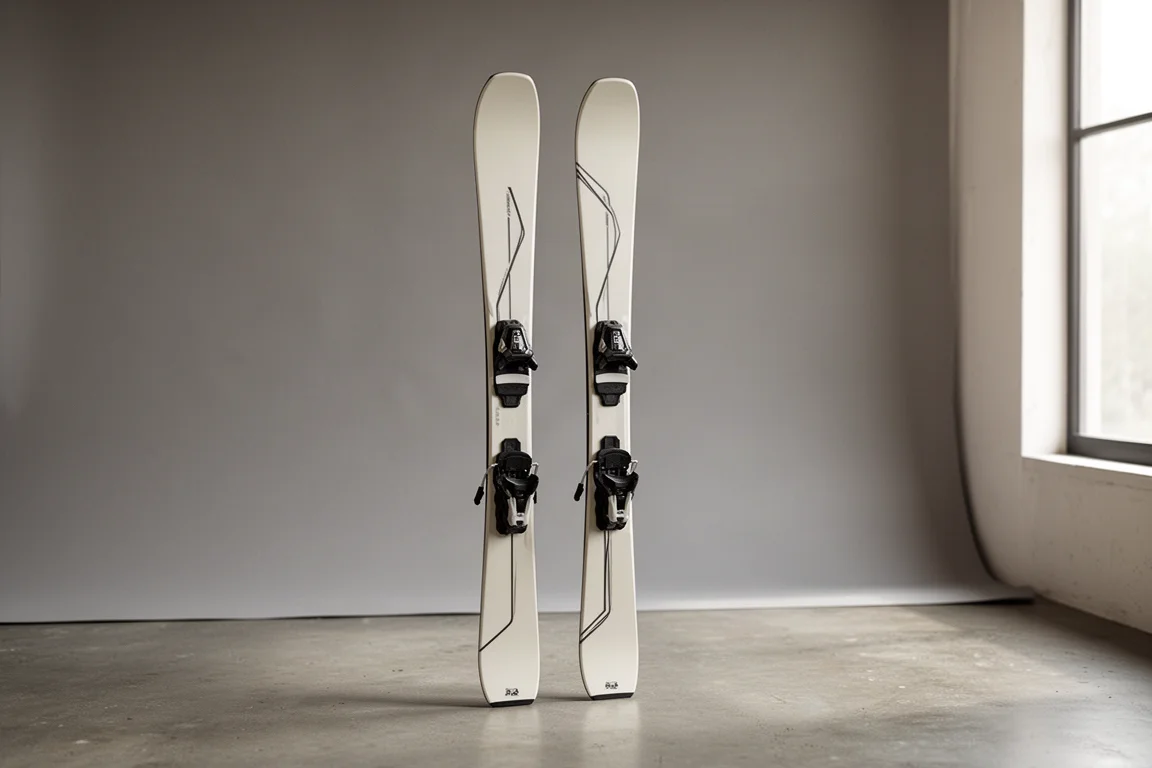
The Prodigy 2 is a traditional 98 mm twin tip at around 1,980 g, and it fills a clear niche: the park skier who wants all-mountain performance. It uses a lightweight poplar core with thicker bases and edges for durability, plus a vertical sidewall that tapers to cap where the rocker begins. That splits the ski into a playful freestyle tip and tail with solid, full-sidewall edge grip underfoot. It is more stable and trustworthy at speed than the Playmaker, though less powerful than the Faction Mana 2. The size range runs from 159 to 189, fitting everyone from young up-and-comers to pro-level athletes, and it remains a staple in this category for good reason.
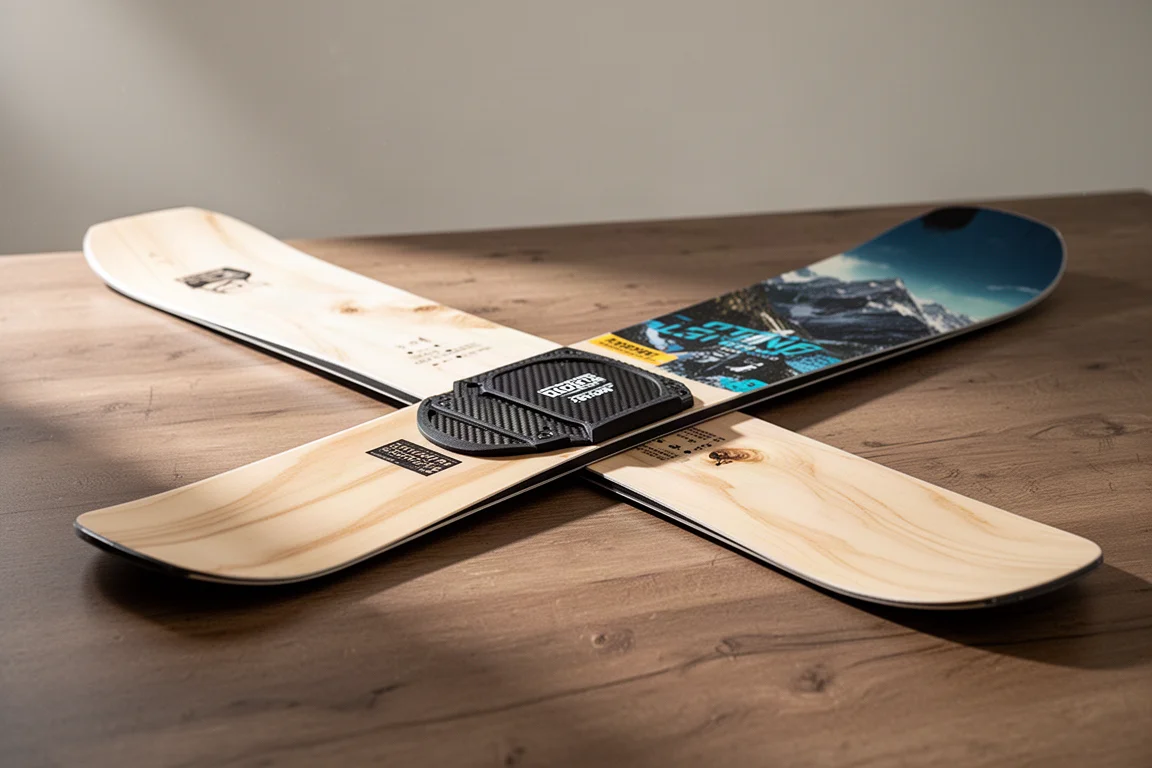
Fischer Nightstick 97
The Nightstick 97 targets the same skier as the Prodigy 2: a park skier who also wants all-mountain performance. Construction is simple, a poplar core with a strip of metal placed just underfoot primarily for durability, and that metal earned its keep through a summer of heavy rail laps at Whistler with no edge damage. At around 1,950 g it sits in the middle of the wall for both weight and flex. The tip and tail offer good rocker and taper for a very catch-free feel on rails, jumps, and in soft snow, and the +2 mount line skis park great. The weak spot is groomers, where the tail lacks bite, but if your focus is park and off-piste playfulness, you will never miss it.
View more details for Fischer Nightstick 97
Head Oblivion 102
The Oblivion 102 is a lighter, more reactive take on a traditional twin tip, built with a Koruba wood core, recycled PET stringers, and dual carbon laminates in a thinner profile, all at just 1,734 g. It is the most carbon-focused ski in this group and the best carver after the Unleashed 98, with strong torsional and longitudinal stiffness. The shape is very traditional: minimal rocker, abrupt rise, no taper, and a long 23 m turn radius that grows even longer in the 189. It rewards heavier, direct skiers who like round, consistent turns and can hook it into basins at high edge angles, but it is less forgiving, less maneuverable in soft snow, and more tiring than modern tapered shapes. Note the one-of-each black and white graphics, so matching pairs takes some creativity.
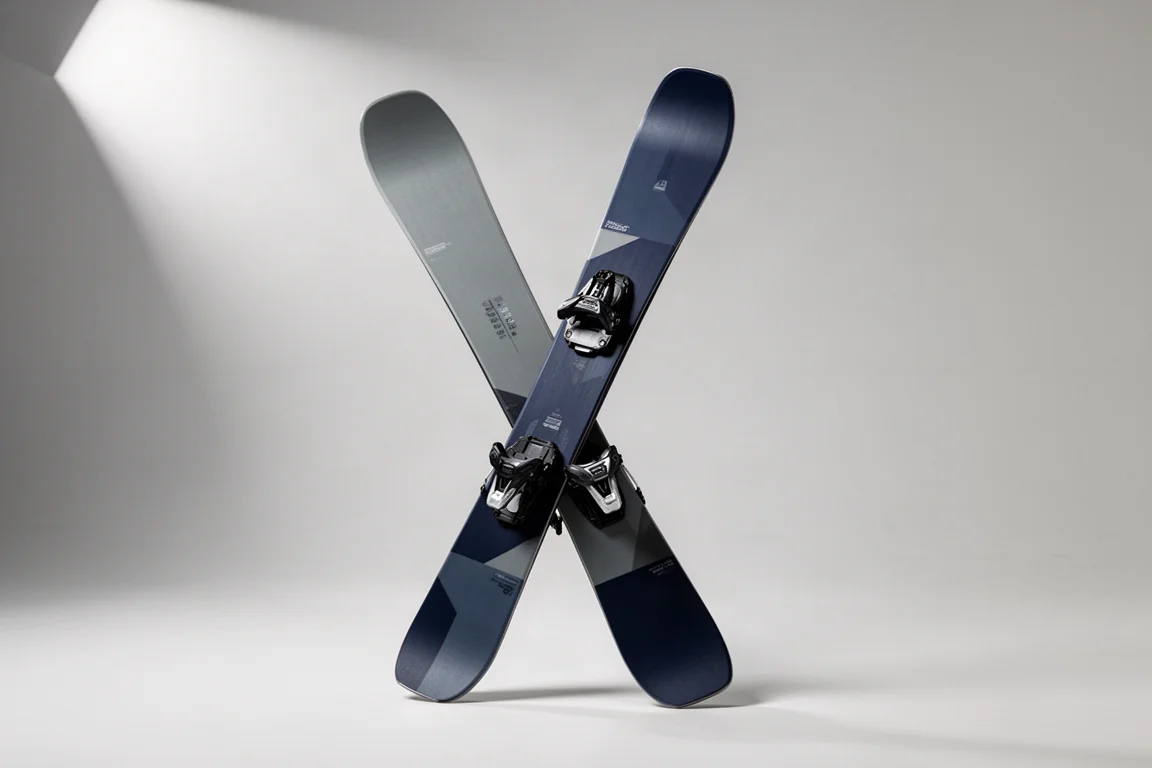
K2 Reckoner 102
The Reckoner 102 shares its width and near-1,720 g weight class with the Oblivion 102 but is a completely different ski. Its Carbon Spectral Braid is woven tightest underfoot and loosest in the tips and tails, delivering enormous playfulness at the extremities with bite in the middle. Combined with lots of rocker and a soft longitudinal flex, it produces deep, trenchy short-radius carves for lighter skiers and is a dream in soft snow, agile, smooth, and surfy. This ski demands finesse: heavy, aggressive skiers will overpower it and may see chips and wear, and it should be skipped entirely by that crowd. Ski it balanced and gently and it is one of the most rewarding, fun skis here, especially in the trees and the park.
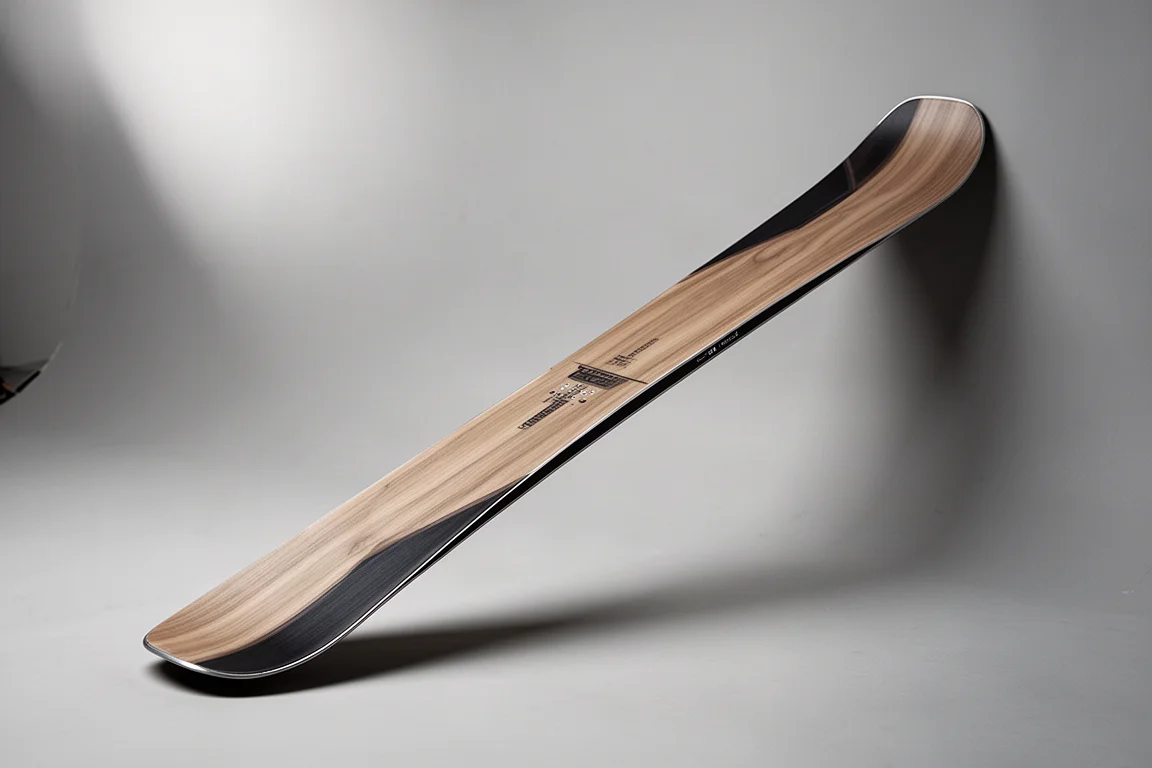
Liberty Helix 98
The Helix 98 brings Liberty’s freestyle heritage to a 98 mm twin tip using bamboo and poplar with carbon stringers through the middle. Its core profile is the thickest on this wall by a decent margin, paired with a vertical poured sidewall that gives it an unusually smooth, quiet, composed feel. It is snappy and energetic thanks to a stiffly cambered mid-body, with a soft tail and more abrupt, traditional rise at the ends rather than a modern progressive shape. That makes it an easy ski to get on and go, more responsive and precise than Liberty’s own Origins, which are better in soft snow. It hits a lot of middle notes in its own way and is a genuinely good addition to any shortlist.
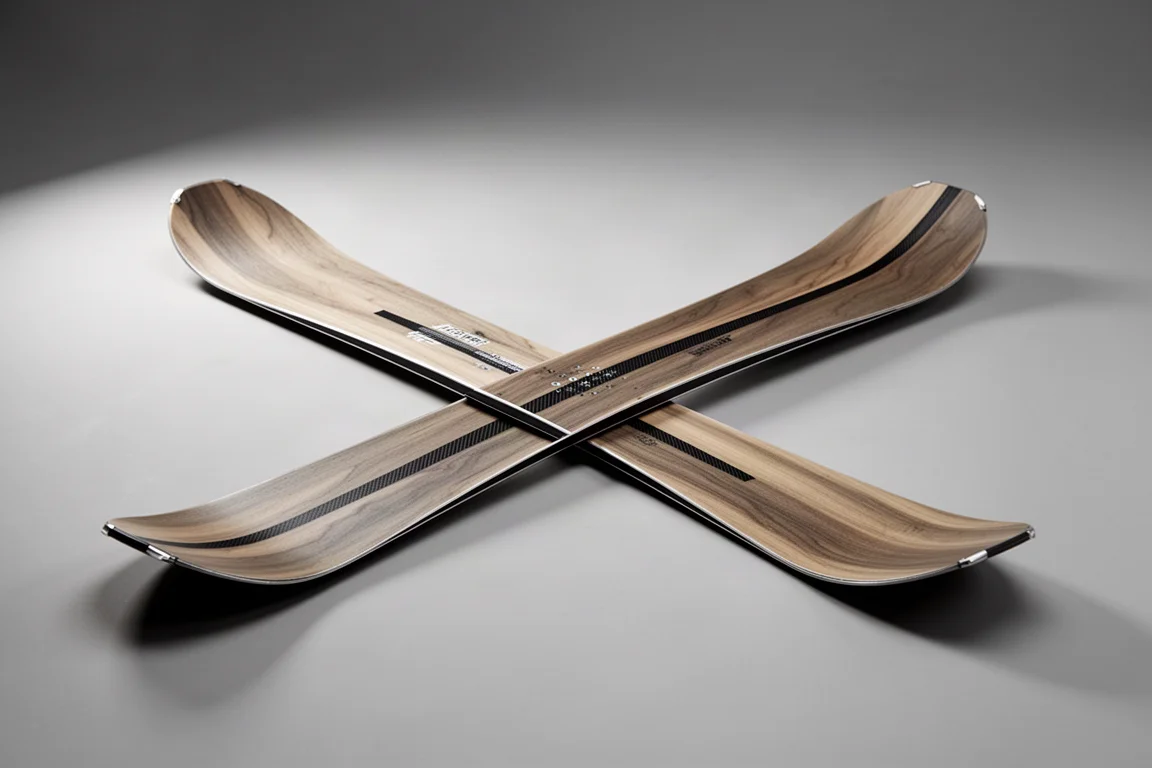
Line Blend
The Blend is a highly specific tool, and it is unapologetic about it. Built around a new-growth maple macroparblock core and weighing just 1,710 g, it is the softest ski here by a wide margin, soft enough to bend in half with one hand. That flex was tuned with longtime Line athlete Will Wesson for techy rail skiing: nose blocks, presses, butters, smears, and ground tricks all come remarkably easily. Because the ski is so soft, it does not need much shape, and its modest rocker de-cambers into a surfy feel underfoot. It is not a good all-mountain or groomer ski, and big jumps will wash out landings unless they are perfect, but for a wider playful park ski in the right hands, nothing else compares.
Line Chronic 101
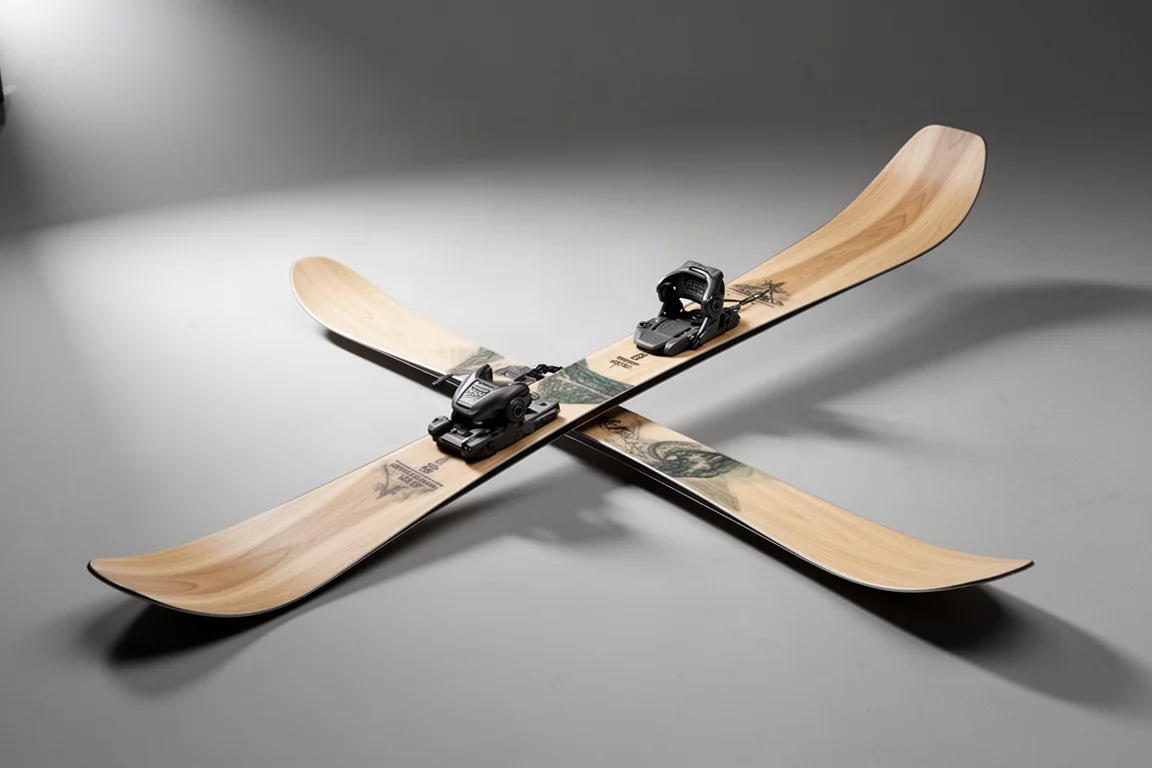
The Chronic 101 is essentially a stronger, heavier Playmaker, using an aspen core in a Liberty-style thick profile with full vertical sidewall, coming in around 1,900 g. Its tips and tails stay flexible for playfulness while the mid-body carries real substance, mixing playful and rugged personalities in one ski. The Thin Tip and Thin Tail construction eliminates wood at the very ends, cutting swing weight and making it insanely maneuverable, yet it rewards on-trail performance beyond expectations. The rocker profile and smooth early taper are as modern as it gets, and this width leans more toward soft snow and freeride potential than the park-focused 94. It is an everyday-ski candidate even for skiers who rarely touch the park.
Nordica Unleashed 98
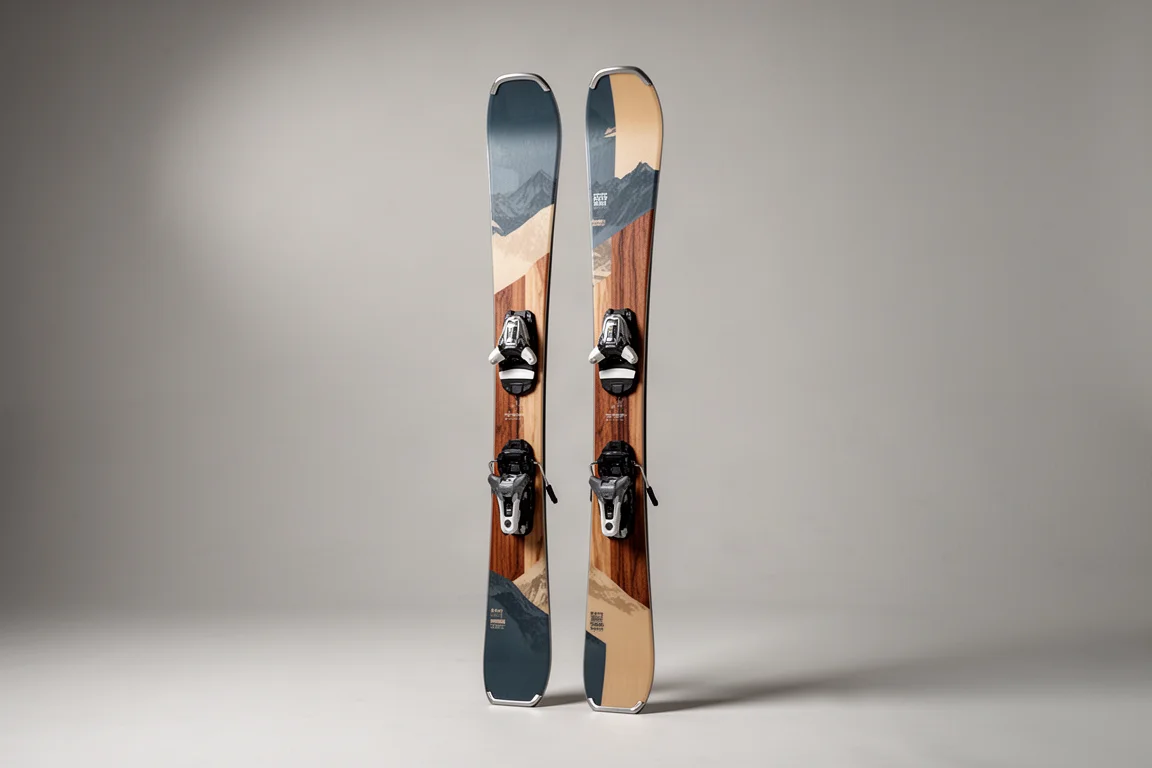
The Unleashed 98 replaced the Soul Rider and slots in as a less metal-heavy alternative to the Enforcer 104, but the terrain-specific metal layout is the story: full width in the tip, thinning out, then full width underfoot and again in the tail. That puts weight in the extremities, the opposite of most twins here, and at 1,890 g with one of the stiffest builds in the group, it is the best carving ski on this wall. It is also the most precise and among the most stable in a straight line, but it demands an engaged skier with real skill; passive skiers will be underwhelmed. In the park it is extremely trustworthy and never washes out, though landings feel more like a precise rally car than a cloud. For intermediates who love carving and want to dabble in park, it is the pick on paper, if you are ready for it.
Rossignol Black Ops 98
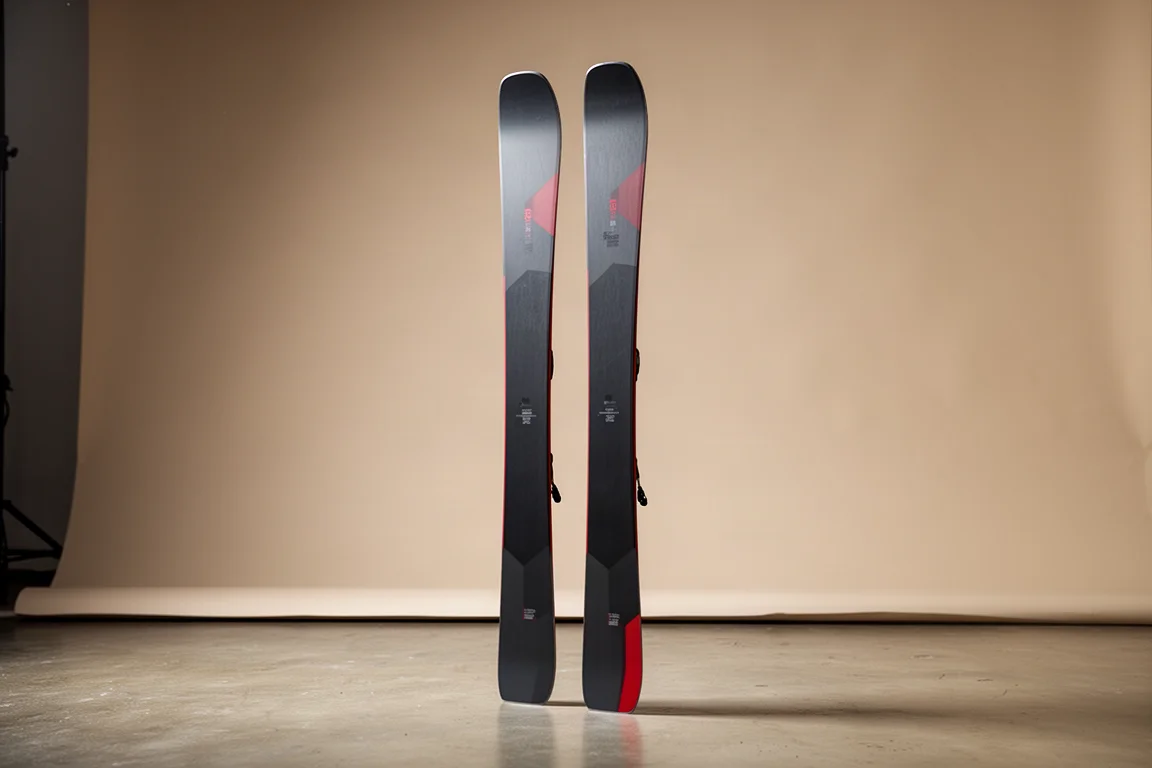
Before the Unleashed 98 existed, the Black Ops 98 held the same title, and it is the most consistent comparison question in this category. Construction is simpler: poplar core, plenty of fiberglass, and rubber damping in the tips and tails, which pushes the weight to around 2,150 g. The shape is more drifting, with longer rocker in tip and tail, a little more flex, and a slightly longer turn radius that makes it easier to point where you want. It is quieter and damper in soft snow, better in moguls and trees, and floats a bit better, while the Unleashed wins on trail and in the park thanks to its precision and lighter weight. Neither is clearly better; they are different tools with different personalities.
Völkl Revolt 104
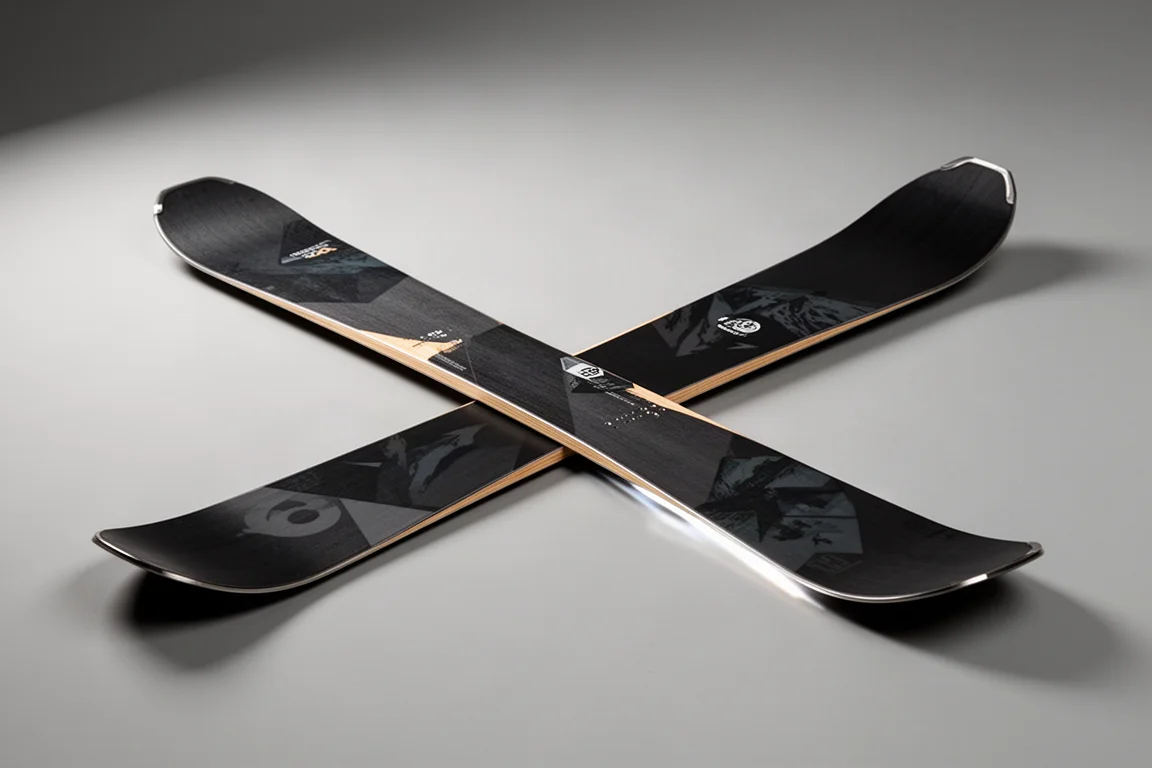
The Revolt 104 ends the list as the most unique ski here, now in its third or fourth season and still nothing like anything else on the wall. Construction is straightforward: a multi-layer woodcore sandwich with vertical sidewalls, around 1,990 g, and a moderate flex. The shape is where it diverges, with enormous tip and tail rocker, half the ski effectively rockered, minimal camber height, and severe tip-to-tail taper that narrows to a pointy tail. The result is by far the best soft-snow ski here, approaching powder-ski feel, plus it is arguably the best backcountry jump ski thanks to its looseness and forgiveness on imperfect takeoffs. It works on groomers if you ski it flat and wait for soft snow, but it is not a precision park tool compared to the Revolt 90 or 96.
Overall Buying Advice
If you spend most of your time in the park, start with the Line Blend for rails, the Fischer Nightstick 97 or Faction Prodigy 2 for a park-first balance, and the Armada ARV 100 or Elan Playmaker 101 for a lighter, more all-mountain-capable freestyle feel. If soft snow is your priority, the Völkl Revolt 104 and DPS Koala 103 lead the way, with the K2 Reckoner 102 close behind for lighter skiers. If you want a twin tip that carves and holds up at speed, the Nordica Unleashed 98 and Head Oblivion 102 are the clear choices, while the Dynastar M-Free 99, Atomic Bent 100, and Line Chronic 101 are the best all-arounders for skiers who touch a bit of everything. Heavier, aggressive skiers should favor the Edollo, Unleashed 98, or Prodigy 2 and avoid the softest options like the Blend and Reckoner 102.
Conclusion
This is a strong era for twin tips, with genuine variety from catch-free park tools to precise, metal-laden carvers. Match the ski to where you actually ski, be honest about your weight and aggressiveness, and any of these sixteen will reward you. Narrower skis for trail, wider skis for soft snow, softer skis for finesse, and stiffer skis for precision: pick your lane and enjoy.
Further reading
Related Reviews
Ski Reviews
Armada Antimatter 108 Review: A Freeride Ski Built for Speed and Deeper Snow
The Armada Antimatter 108 carries over the beloved Declivity X 108 shape with new construction that adds compliance in soft snow and composure in crud, aimed squarely at strong, aggressive skiers.
Ski Reviews
Armada Antimatter 92 vs Invictus 92: Two All-Mountain Skis Compared
A closer look at two Armada all-mountain skis, one playful and nimble, the other composed and smooth, to help you pick the right one for your skiing.
Ski Reviews
Armada Antimatter 92W Review: A Smoother Take on a Proven All-Mountain Footprint
The Antimatter 92W keeps the trusted Reliance 92Ti footprint but softens the ride with a new metal construction, making it more versatile in softer snow without losing on-trail grip.