Hiking Gear
Best Trekking Poles at Decathlon 2026: Five Models Tested and Rated
A practical guide to five trekking poles from Decathlon and Kiprun, rated on weight, collapsibility, features, and sturdiness to help you choose the right pair.
Introduction
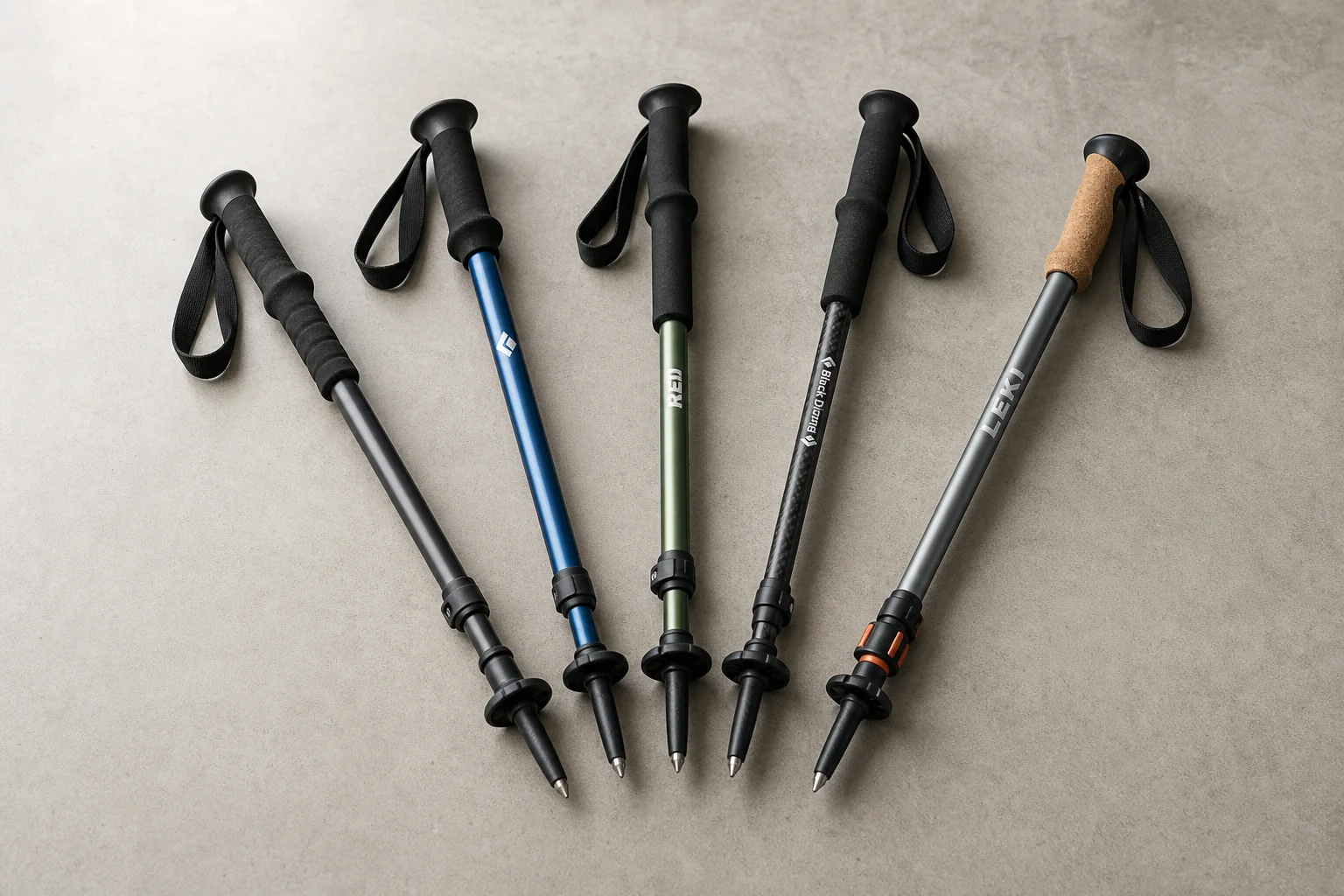
Modern trekking poles represent a curious paradox: we invest significant engineering effort to create something that mimics the simplicity of picking up a stick from the forest floor. Yet when it comes time to choose, the variety can feel overwhelming. To cut through the confusion, I tested five trekking poles from Decathlon and Kiprun, evaluating them across four practical criteria: weight, collapsibility, features, and sturdiness. The goal is straightforward: help you find a pair that matches your actual hiking needs without paying for features you will not use.
Weight and Material Considerations
Decathlon’s trekking pole lineup relies almost entirely on aluminum construction with foam handles, which keeps costs down and performance consistent. The weight spread across the range is notable: the cheapest models are the lightest, with weight increasing by up to 40 percent as features are added. This matters because extra weight only makes sense if you actually want the features that come with it.

For context, the lightest carbon poles available on the market, such as the Black Diamond Distance Carbon, weigh around 90 grams per pole. That is genuinely light. However, carbon poles come with trade-offs: they are more expensive, less durable, and easier to break than aluminum. If you are willing to accept those compromises, the weight savings can be worthwhile for long-distance hiking or ultralight backpacking.
The key takeaway: do not automatically buy the most expensive pole in the range. Heavier does not mean better; it usually just means more features. Buy what you will actually use.
Collapsibility and Deployment
All five poles in this comparison collapse, but the systems differ. The cheaper Forclaz MT100 uses a pop-up flute-style locking mechanism, while the more expensive Forclaz MT900 combines folding with a buckle system. The MT500 includes a twist-lock on its shock absorber variant, though that is not a feature worth seeking out.
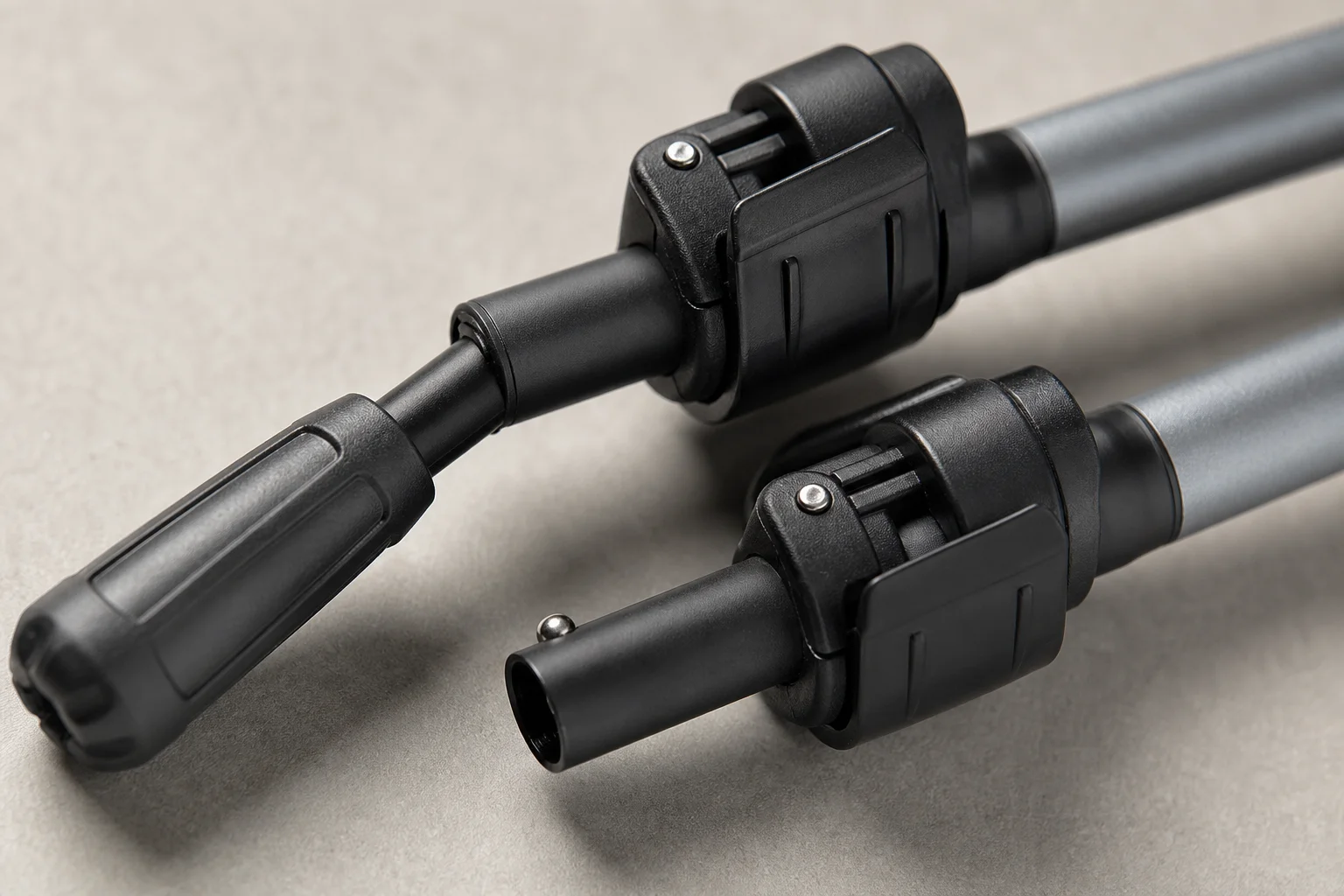
Only the Forclaz MT900 collapses small enough to fit reliably into most daypacks. This matters more than it might seem. If a pole is too bulky to pack, you will leave it at home. The MT900 also deploys faster than the other models, which is a genuine convenience when you need them quickly.
For most hikers, collapsibility is about practicality: keeping poles in your pack means you have them when you need them, even if you did not plan ahead. The MT900 excels here, though it comes at a higher price point.
Handle Design and Comfort
This is where the pricing structure becomes most apparent. The cheaper Forclaz MT100 has minimal foam contouring, making the grip less comfortable during long hikes. Moving up to the Forclaz MT500 and beyond, the handles improve noticeably. By the time you reach the MT900, the grip is genuinely pleasant to hold for hours.
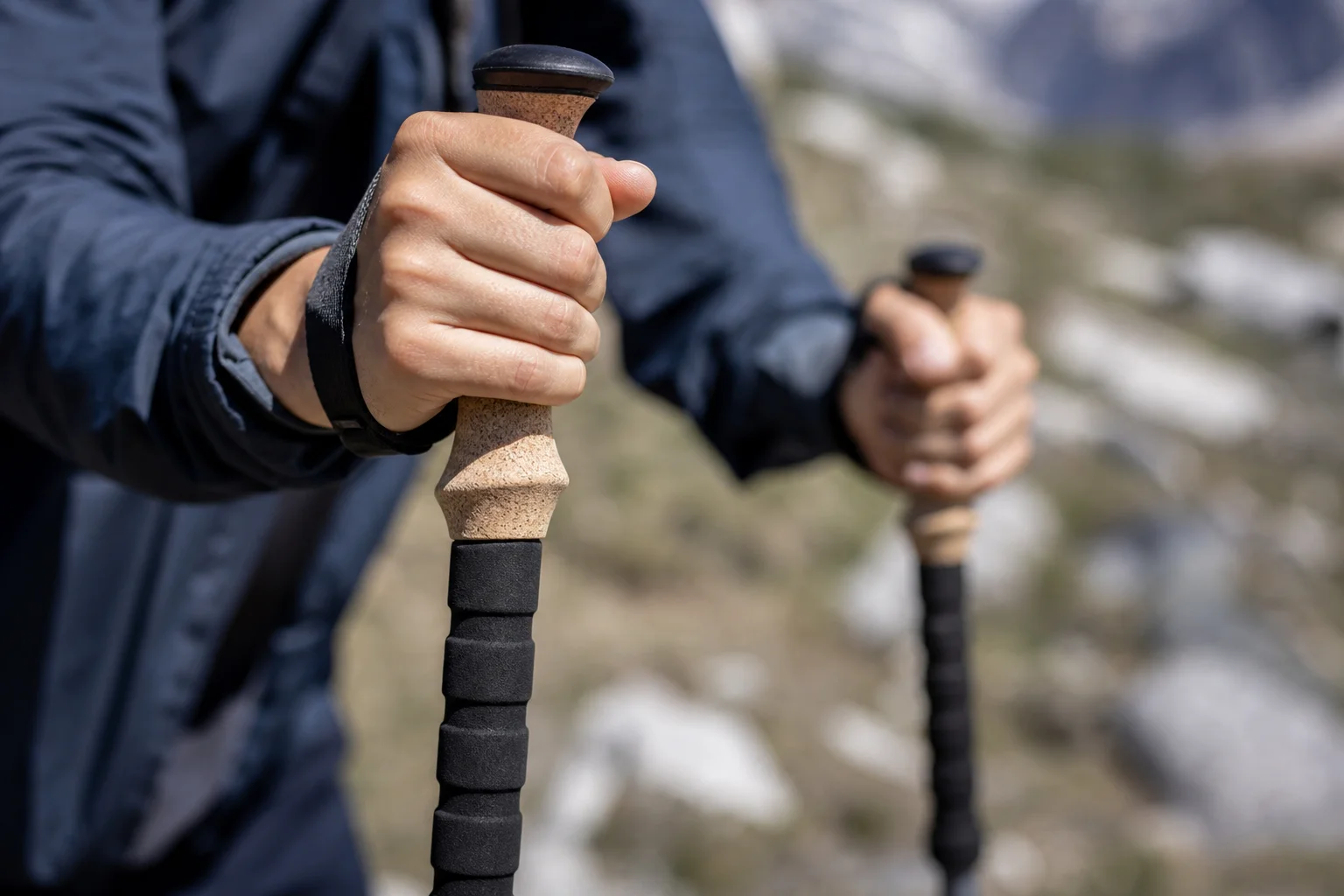
One exception stands out: the Forclaz MT900 Ergonomic model features a cork handle and a cane-style top, which is a departure from the standard design. It also maxes out at 105 centimeters in length, making it shorter than the other models. This variant appears aimed at a different type of hiker, possibly those preferring a walking cane aesthetic over a traditional trekking pole.
The MT100’s grip is the weak point in the lineup. If you choose this budget option, consider replacing the strap with one from your own gear or purchasing an aftermarket option. Decathlon provides wide attachment points, making this an easy upgrade.
Adjustability and Features
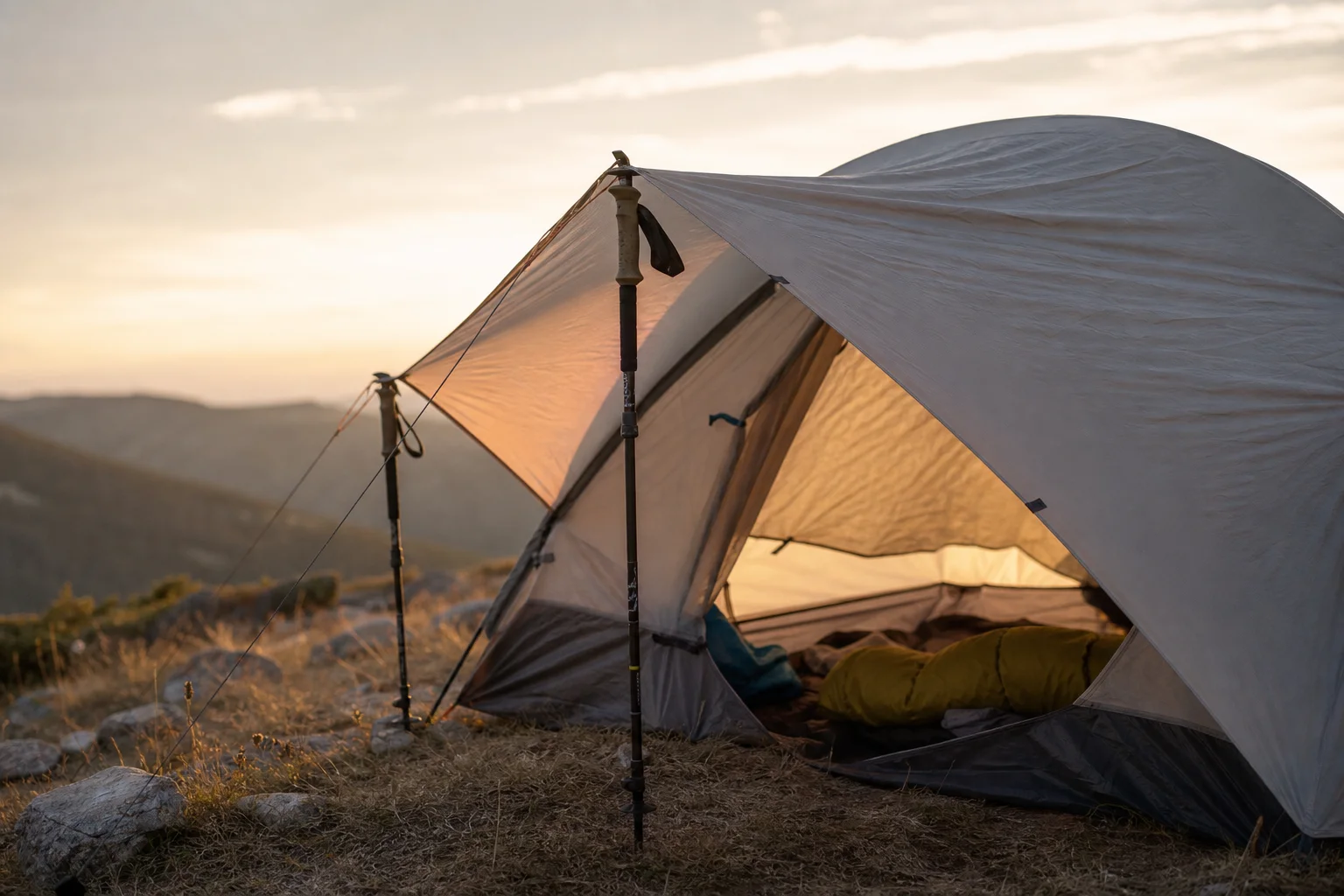
All poles are adjustable, with some offering 5-centimeter increments and others featuring free adjustment via buckle. For general hiking, the increment system is adequate. However, if you plan to use poles to pitch a tent, the buckle system on higher-end models gives you finer control, which is genuinely useful.
The Forclaz MT500 includes an anti-shock system on one variant. This feature adds weight, introduces instability, and creates an annoying spring sound inside the pole. If you use trekking poles correctly, there should be no real shocks to cushion. The anti-shock system can be locked, but that defeats the purpose. This is the least favorite pole in the entire lineup.
Decathlon does not include hiking pole caps or winter baskets with any of these models, so you will need to purchase those separately if you plan to use the poles on pavement or in snow. The good news is that Decathlon stocks extensive replacement parts at reasonable prices, which is rare for budget gear.
Sturdiness and Real-World Performance
All five poles tested are sturdy enough to hold your weight and inspire confidence over years of use. The simpler, cheaper models actually show slightly less flex than the more complex ones. Adding features like shock absorption and collapsibility introduces more moving parts, which can add marginal flex. However, this difference is not significant enough to be a deciding factor for most hikers.
The Forclaz MT100 and MT500 are rock-solid. The MT900, despite its collapsibility, remains reliable. The MT500 with shock absorption is the only model that feels noticeably less rigid, though it is still adequate for normal use.
Buying Recommendations
Three poles stand out as solid choices depending on your priorities and budget.
The Forclaz MT100 is the budget winner at approximately 7 euros per pole. For the price, it does the job well. The only drawback is the grip, which you can easily upgrade with aftermarket straps.
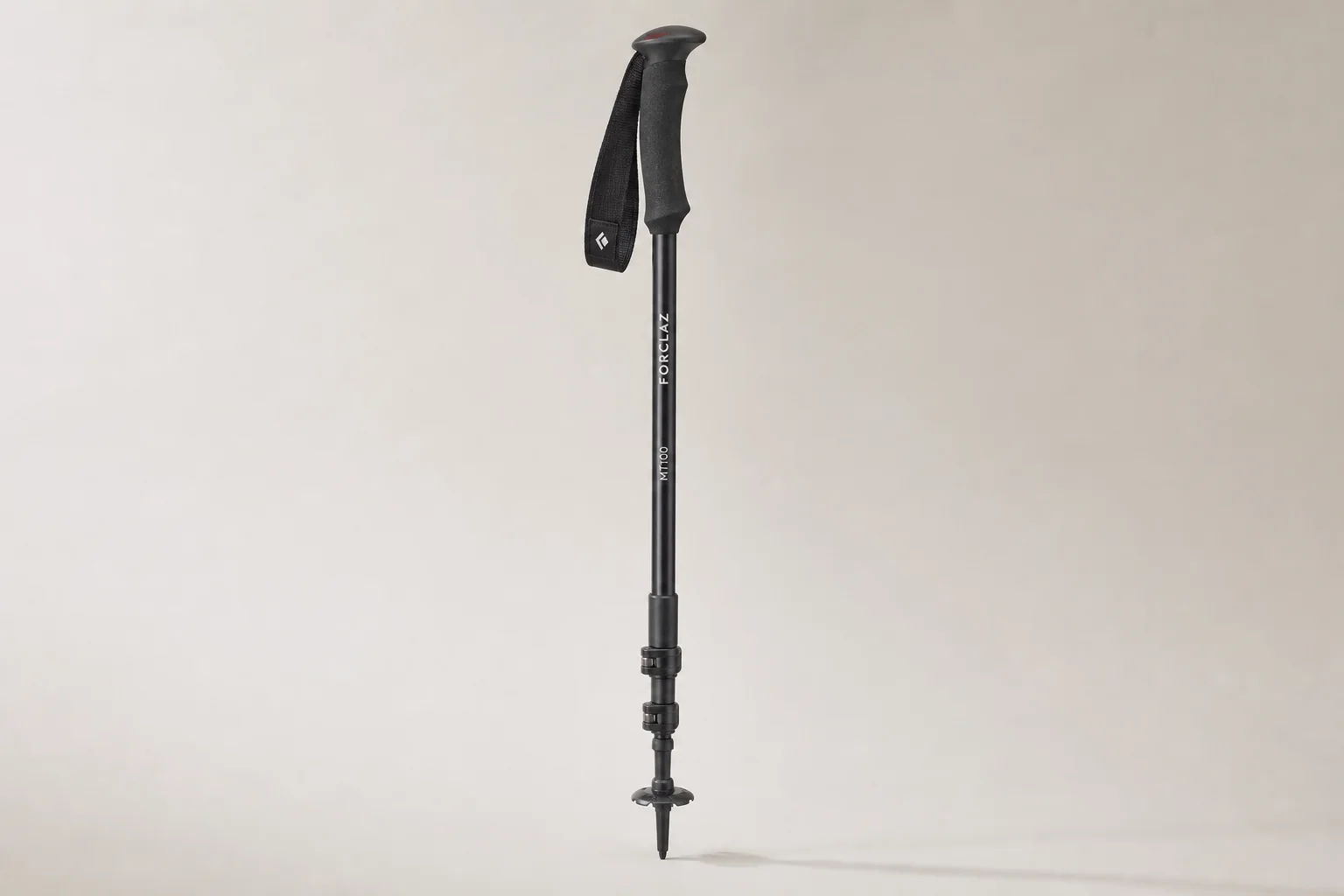
The Forclaz MT500 at around 17 euros per pole is the recommendation for most hikers. The improved grip is worth the extra cost, since you will be holding it all day. The buckle adjustment system is also a genuine bonus if you ever use poles to pitch a tent.
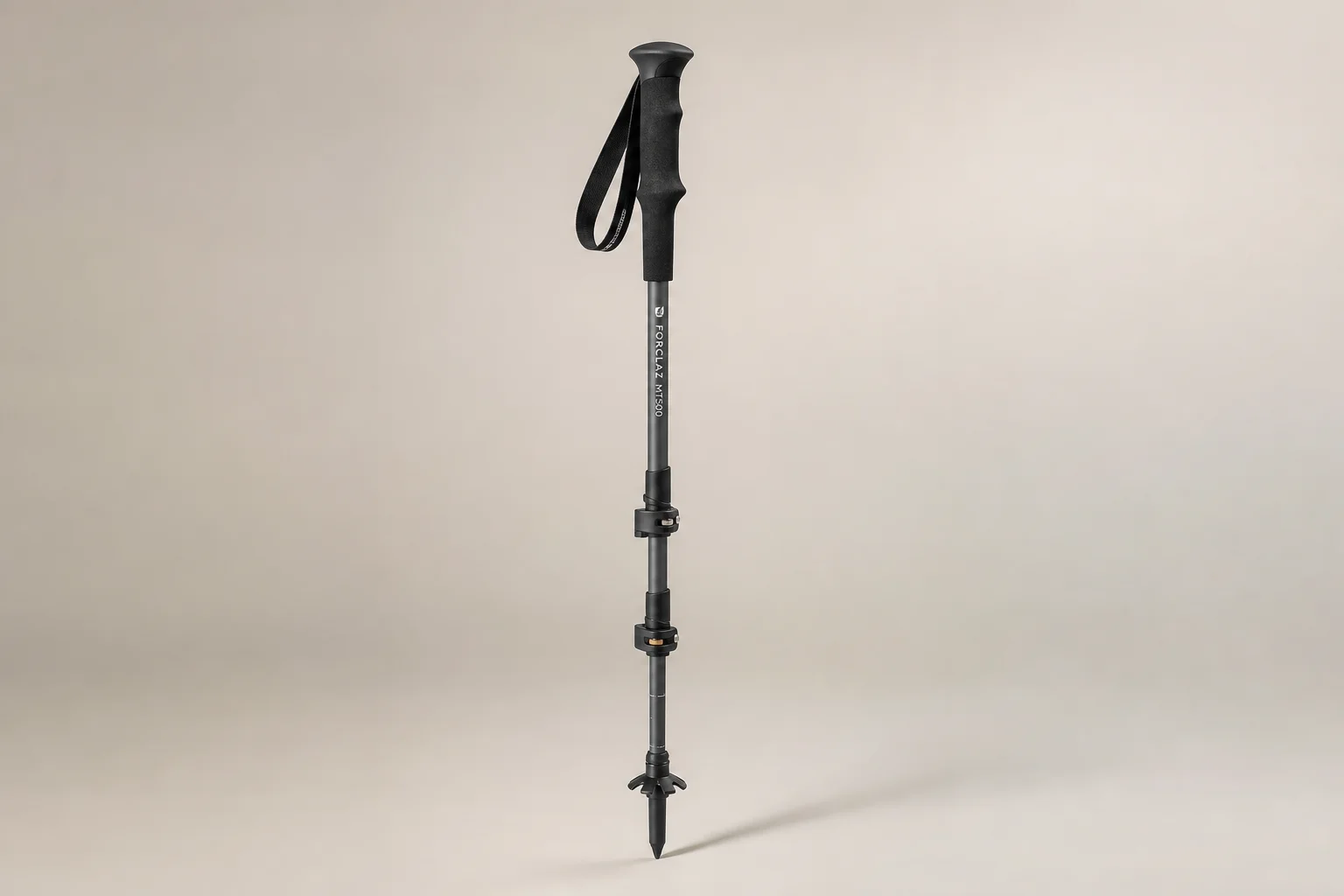
The Forclaz MT900 is the premium choice, offering excellent collapsibility and fast deployment. You could argue that they do not offer dramatically more than the MT500 for double the price, but if your backpack is spacious and you want poles that pack down small, the extra foldability might convince you to actually bring them. That is the key: the best pole is the one you bring.
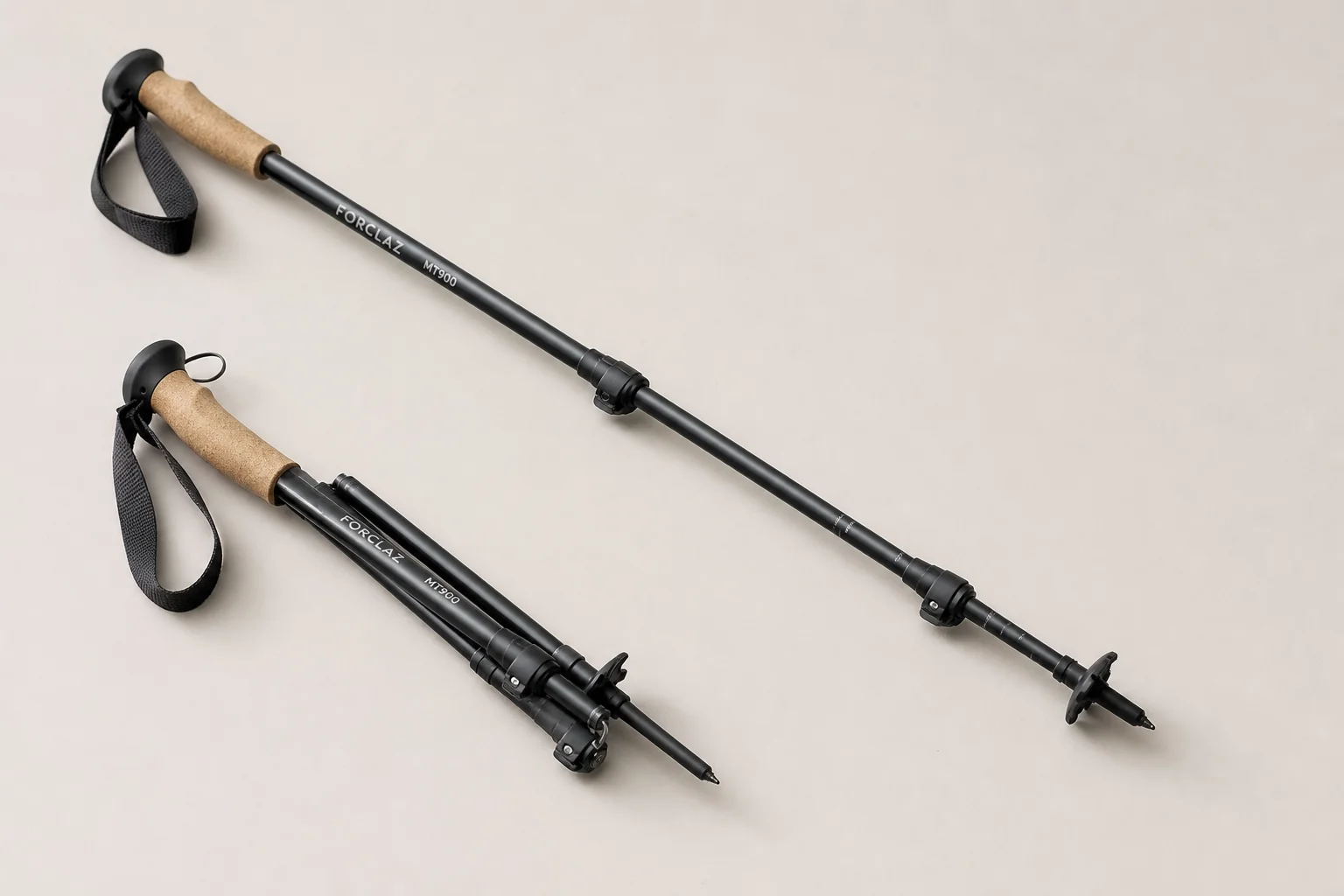
For weight-conscious hikers willing to spend more, the Black Diamond Distance Carbon weighs around 90 grams and represents the lightest option available. Carbon poles are more fragile and expensive, but the weight savings are significant for ultralight backpacking.
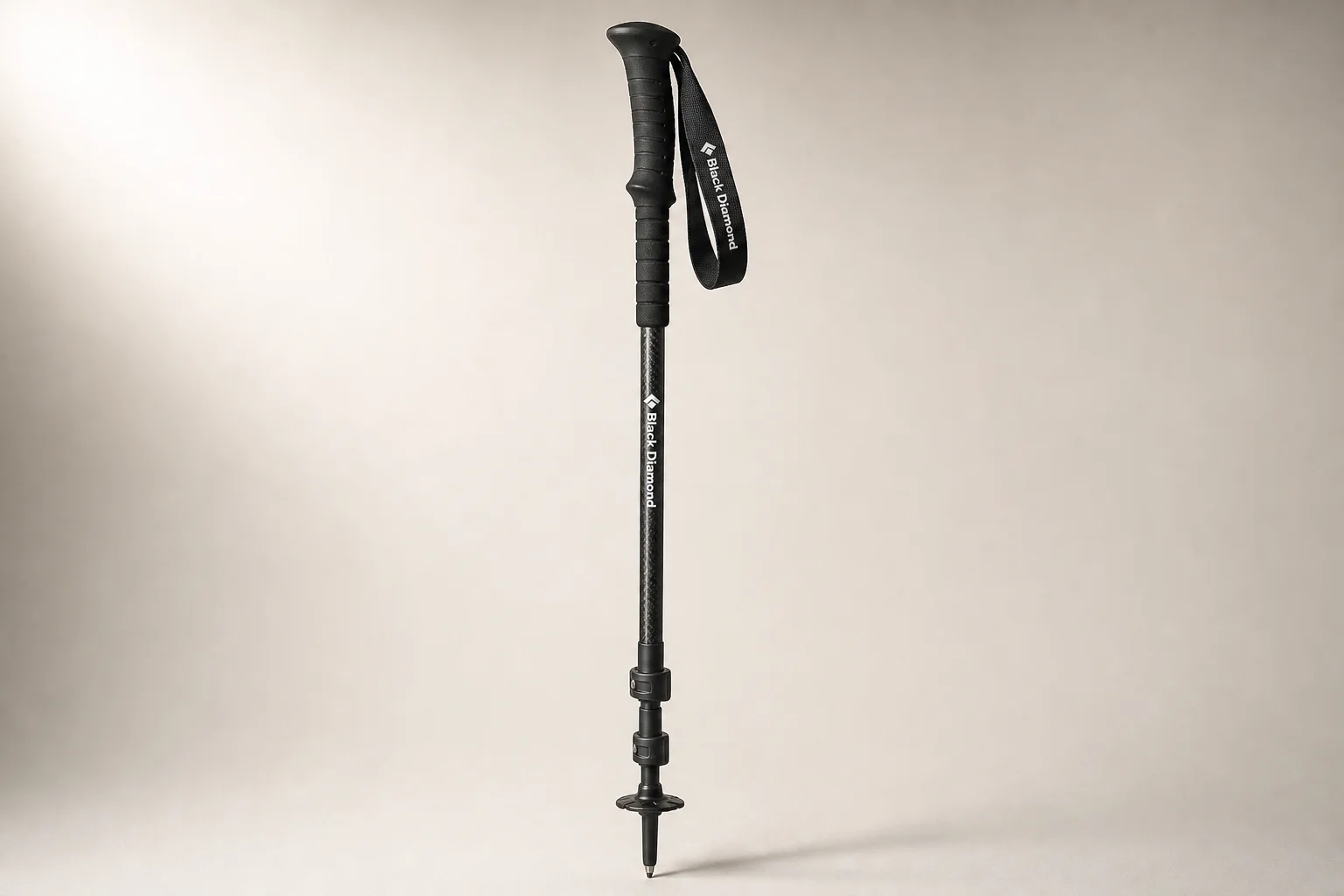
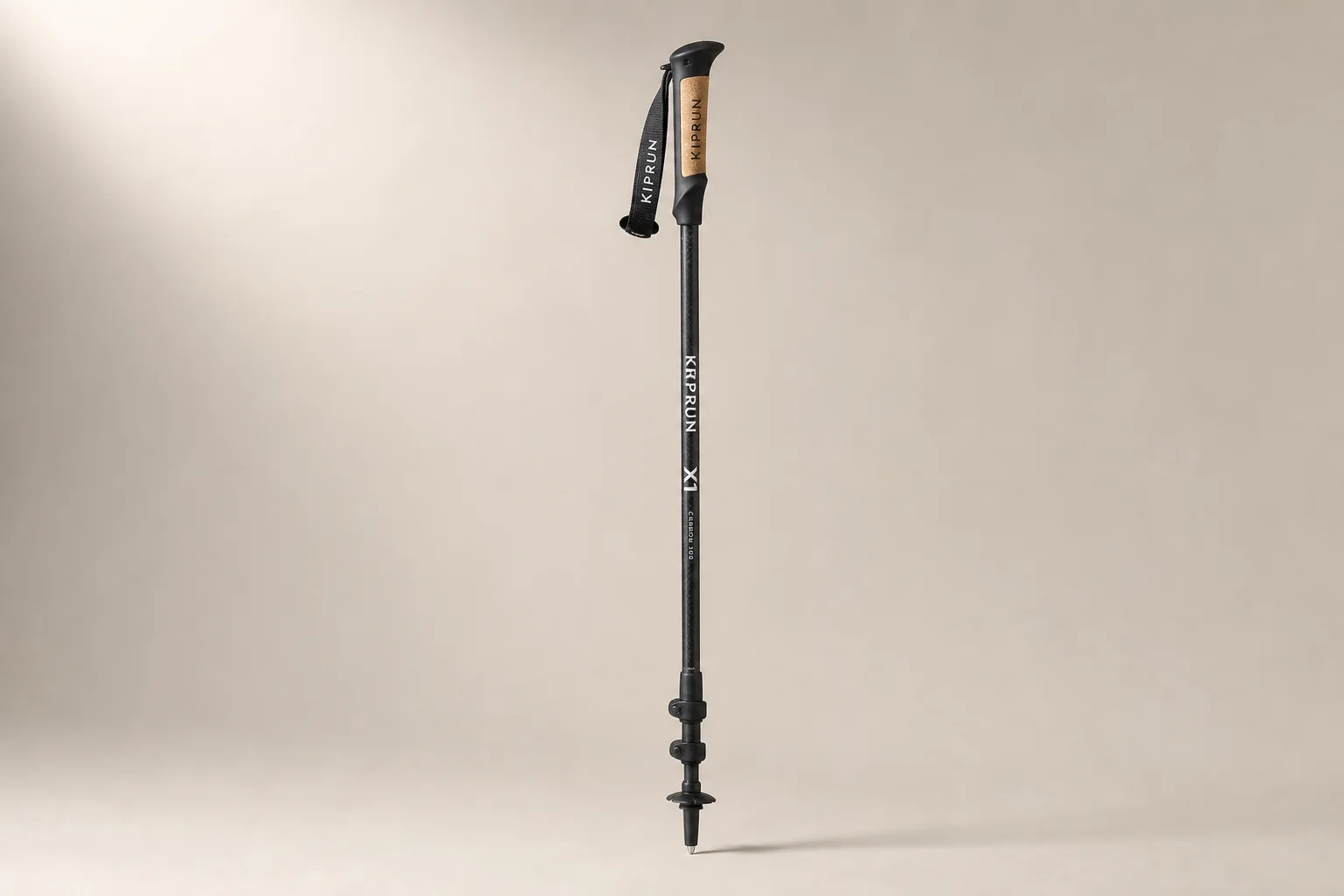
Finally, if you want to stay within Decathlon’s ecosystem and prioritize weight, the Kiprun X1 trail running poles in carbon are worth considering. They are similar to carbon poles reviewed elsewhere, lighter than aluminum but less durable and more expensive. Depending on your priorities, they may be worth the investment.
Conclusion
Choosing trekking poles comes down to matching the pole to your actual use case. Budget hikers should grab the MT100 and upgrade the grip. Most recreational hikers will find the MT500 strikes the right balance. Ultralight backpackers and weight-conscious trekkers should consider carbon options like the Black Diamond Distance Carbon or Kiprun X1. The MT900 is for those who want maximum packability and are willing to pay for it. Whatever you choose, the best pole is the one you bring with you.
Further reading
Related Reviews
Hiking Gear
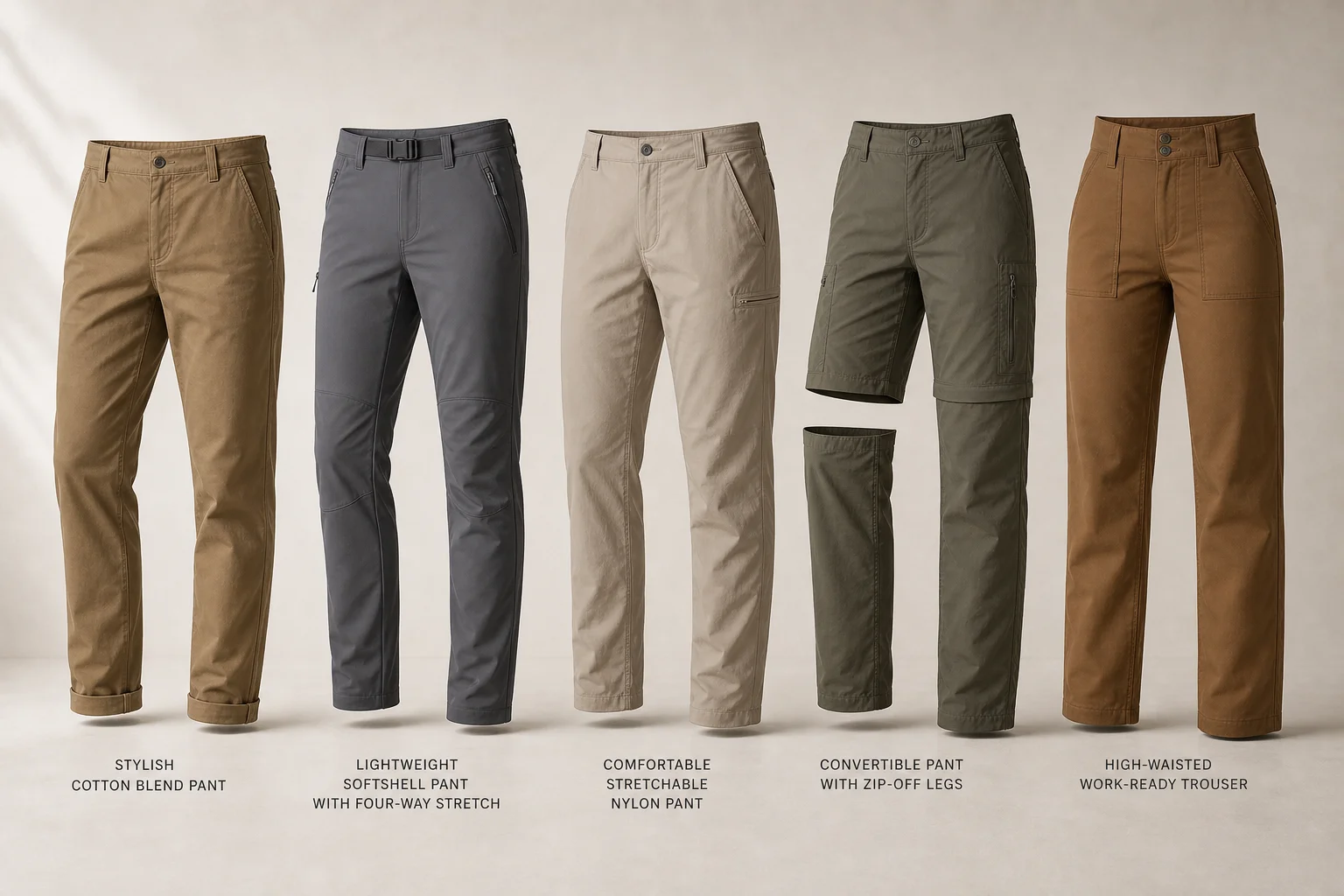
Best Hiking Pants on Amazon: Five Practical Options for Different Needs
A practical review of five hiking pants with clear strengths and trade-offs, from lightweight convertible styles to durable work-ready trousers.
Hiking Gear
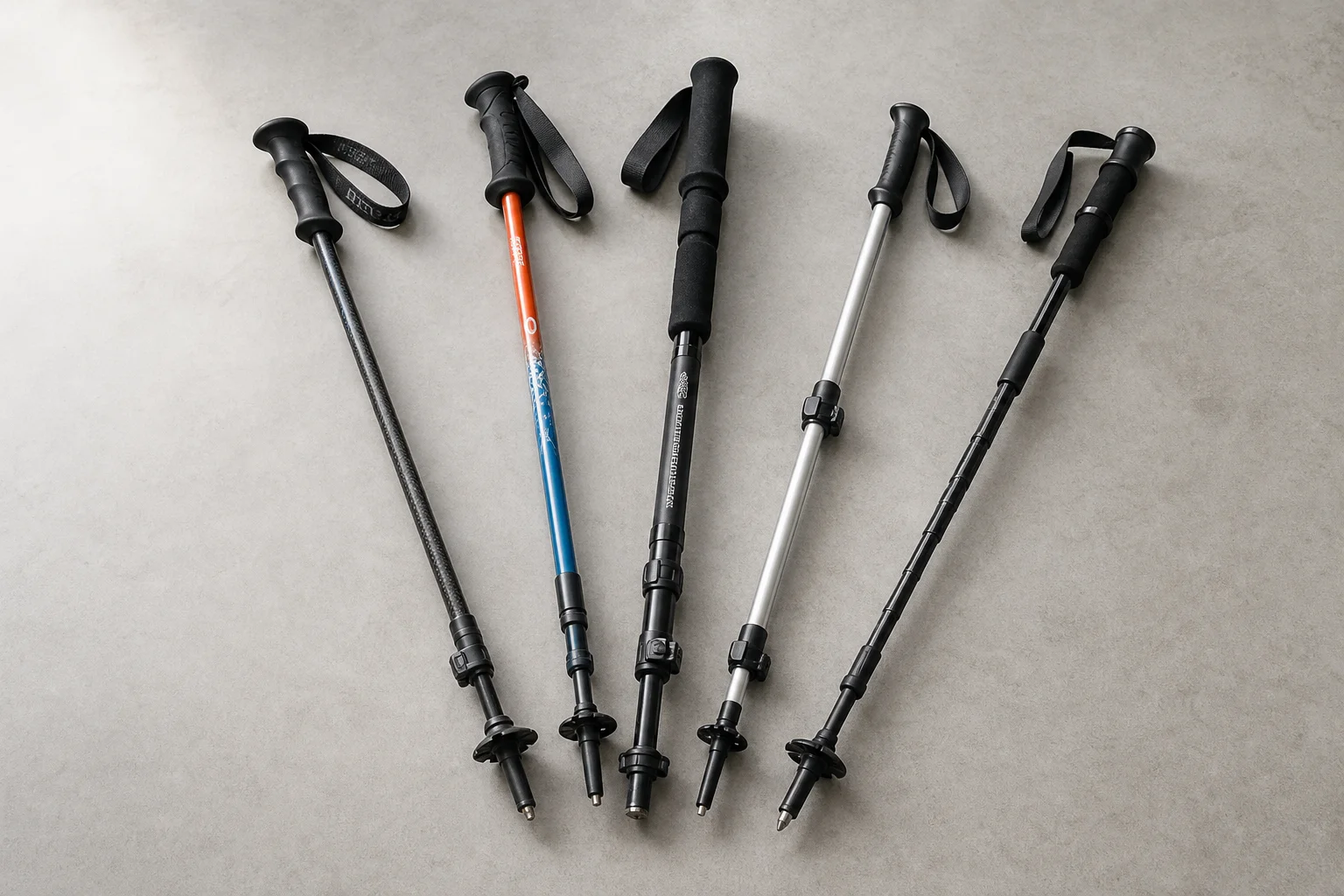
Best Hiking Poles 2026: Five Options for Different Trail Needs
A practical review of five hiking poles, from lightweight carbon designs to versatile all-terrain options, with clear strengths and trade-offs for each.
Hiking Gear
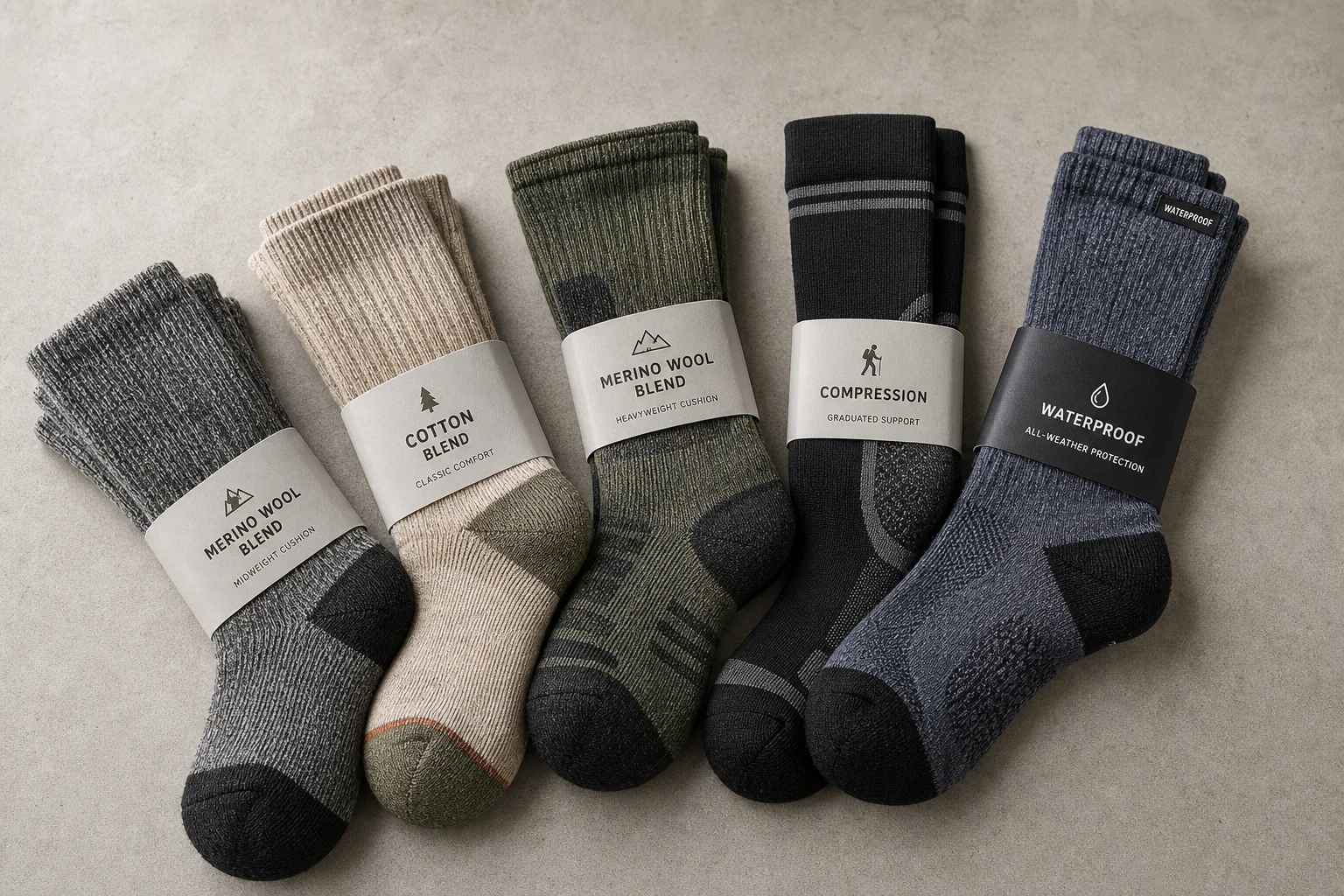
Best Hiking Socks 2026: Five Top Choices for Different Trail Needs
A practical roundup of five hiking socks, from lightweight merino options to heavy-duty compression styles, with clear guidance on which suits your outdoor activity.