Ski Reviews
Best Travel Ski Quiver Picks: Seven Skis Worth Packing in 2026
Seven standout skis for East Coast ice, West Coast powder, and European carving trips, based on what actually earns a spot in the car.
Introduction
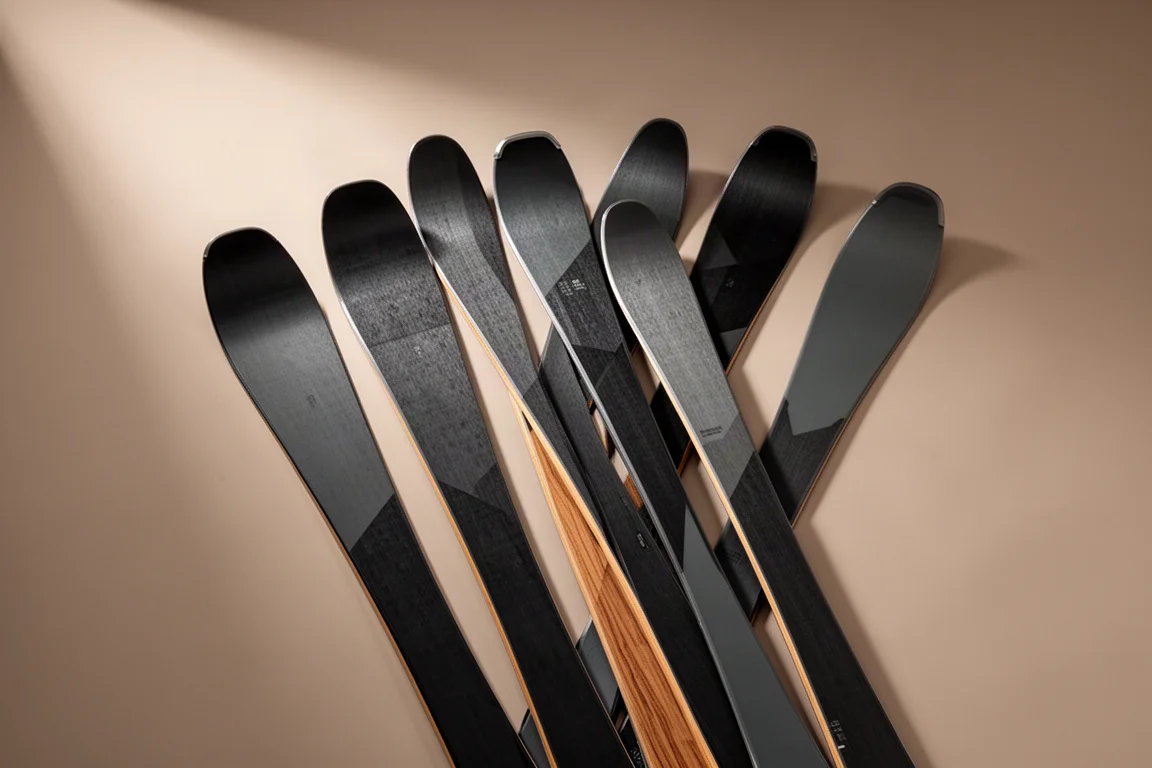
Choosing skis for travel is a different problem from choosing one do-it-all ski. Weather forecasts are reasonably reliable, so if you wait until you know where you are going, you can pick a ski that suits the snow rather than compromise on a single all-rounder. That thinking shaped this selection: a set of skis that each earn their place in a travel bag for a specific region or snow type.
The picks below lean toward damp, forgiving construction, because most skiers who travel between regions will meet firm snow at some point. A few skis here are confidently premium, and a couple reward a lighter touch. Here is what stands out and who each ski is really for.
Why the Right Quiver Matters
Ask anyone who skis both coasts: the Midwest needs edge grip and short radius control, the East rewards a damp carver, and the West is all about powder and chop. Bring the same two skis everywhere and you will feel the mismatch on at least one of them.
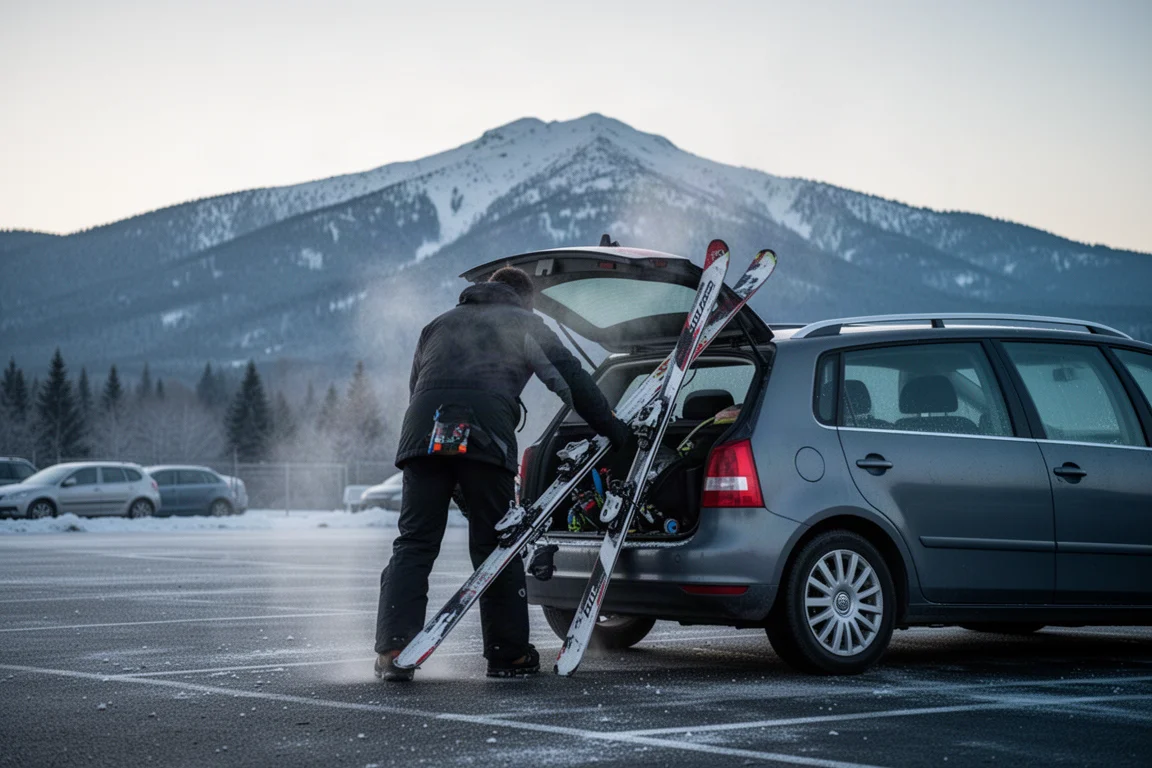
The smarter approach is a small, deliberate quiver: one carving-focused ski, one all-mountain ski that hedges conditions, and one soft-snow specialist. The seven picks below map cleanly onto that structure.
The Damp All-Rounder: Stöckli Stormrider 88
The 2026 and newer Stöckli Stormrider 88 is the ski that keeps coming up when someone wants smooth and powerful. It is notably damp, which makes it a strong candidate for East Coast firm snow and chopped-up afternoon conditions alike. It works as a genuine travel ski too: it performs on both the East Coast and the West Coast, and it suits open radius turns if that is the kind of turn you prefer.
For skiers who like to throw some speed and want the ski to stay composed doing it, this is the safe bet. It may not be marketed as a mogul ski, but it rewards skiers who value smoothness over playfulness.
Short Radius Control: Nordica Unleashed 98 CA
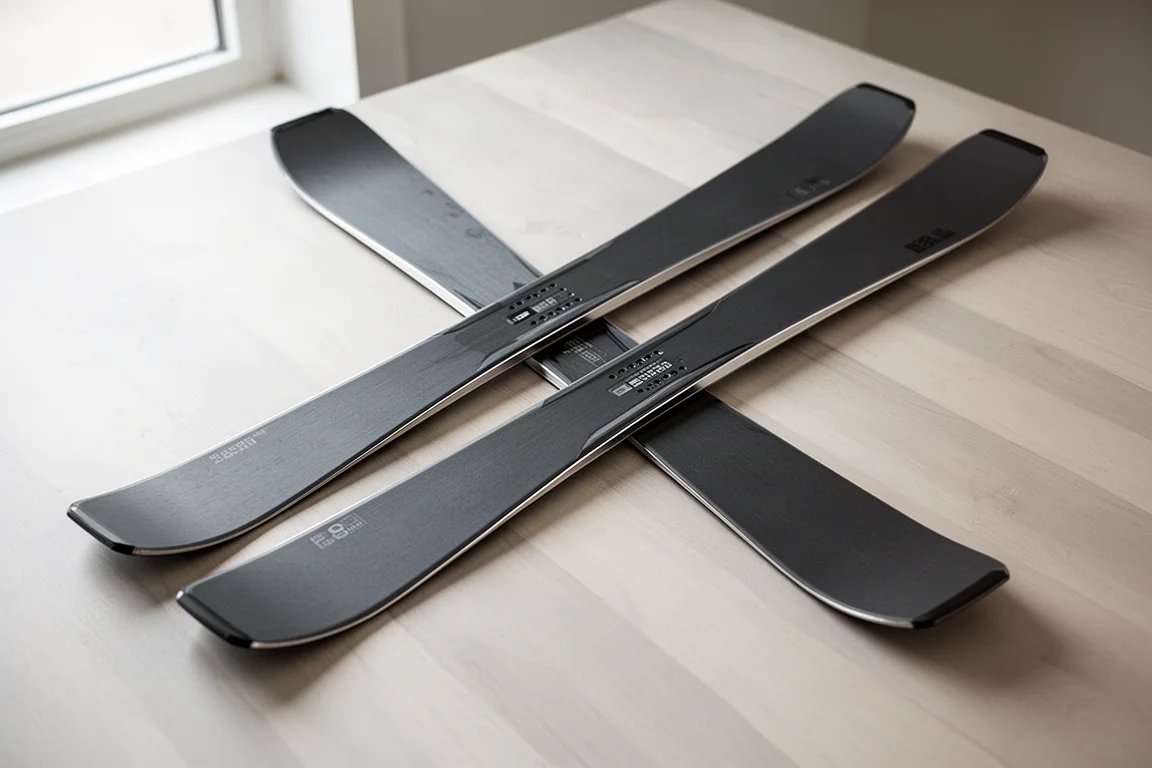
The Nordica Unleashed 98 CA is an easy ski to recommend for shorter radius turns. It has a slightly smaller sweet spot because of its twin-tip-esque tail and lack of a square tip, but in exchange it pivots well and handles moguls far more comfortably than a heavier charger. That makes it relevant for skiers who take mogul lessons or spend time on bump runs that firm up in the afternoon.
It is also a genuinely good travel ski. It carves with an edge across the hill, handles light powder in the trees, and stays manageable in refrozen crud. If you want one ski that does a lot of different jobs without being a plank, this is it.
For Long GS Turns: Stöckli Montero AR
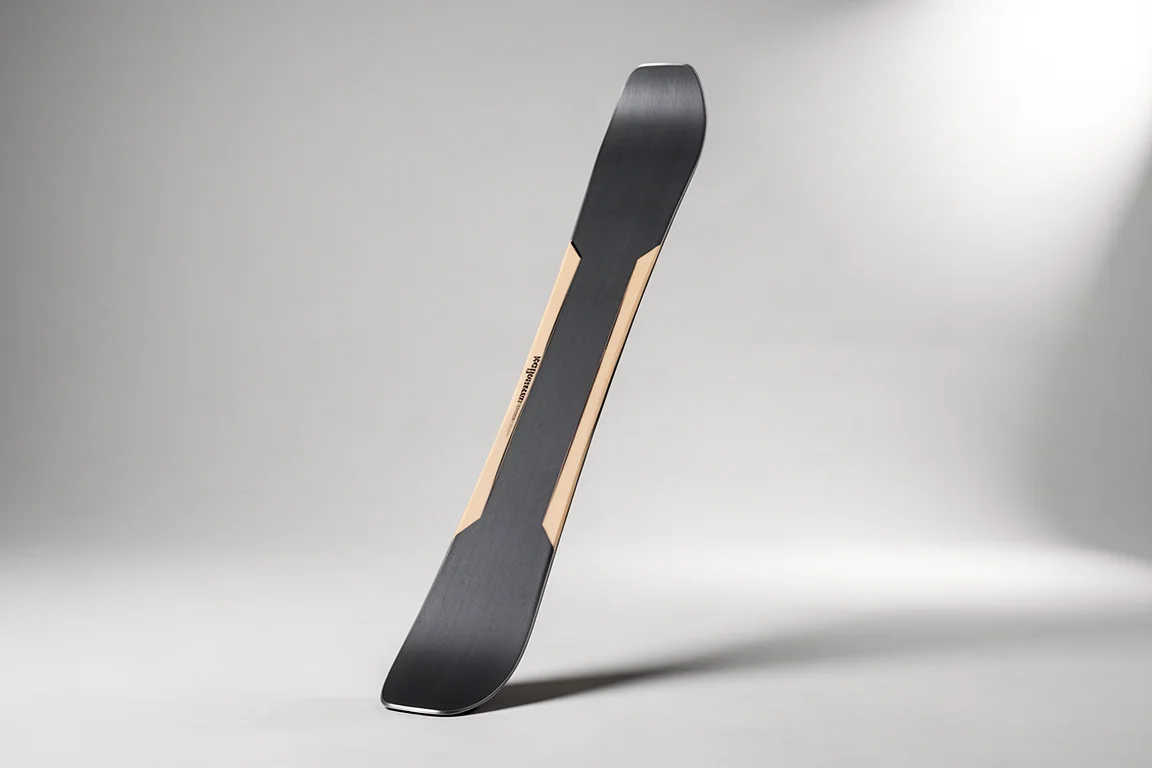
The Stöckli Montero AR is the nostalgia pick, in the best sense. It is the ski for former racers who want to throw speed down a super G hill and not act their age. It does long, fast GS-style turns with real authority, and the build quality reflects its premium Swiss pedigree.
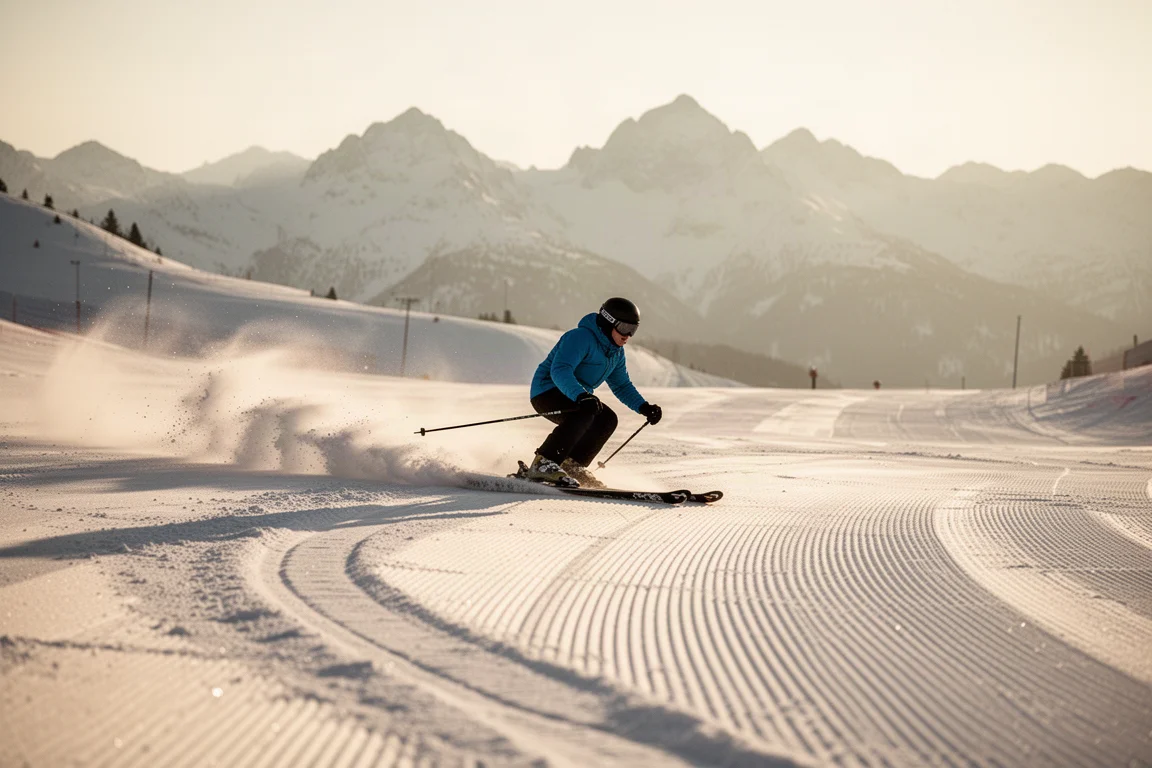
If your travel plans include big open pistes in Europe or a fast groomed morning back home, the AR is the tool. Skiers who want to tighten the turn radius a notch should look at the Montero AS instead, which trades some speed for a shorter, more controlled arc.
For Deep Days and One Big Hike: DPS Wailer 107
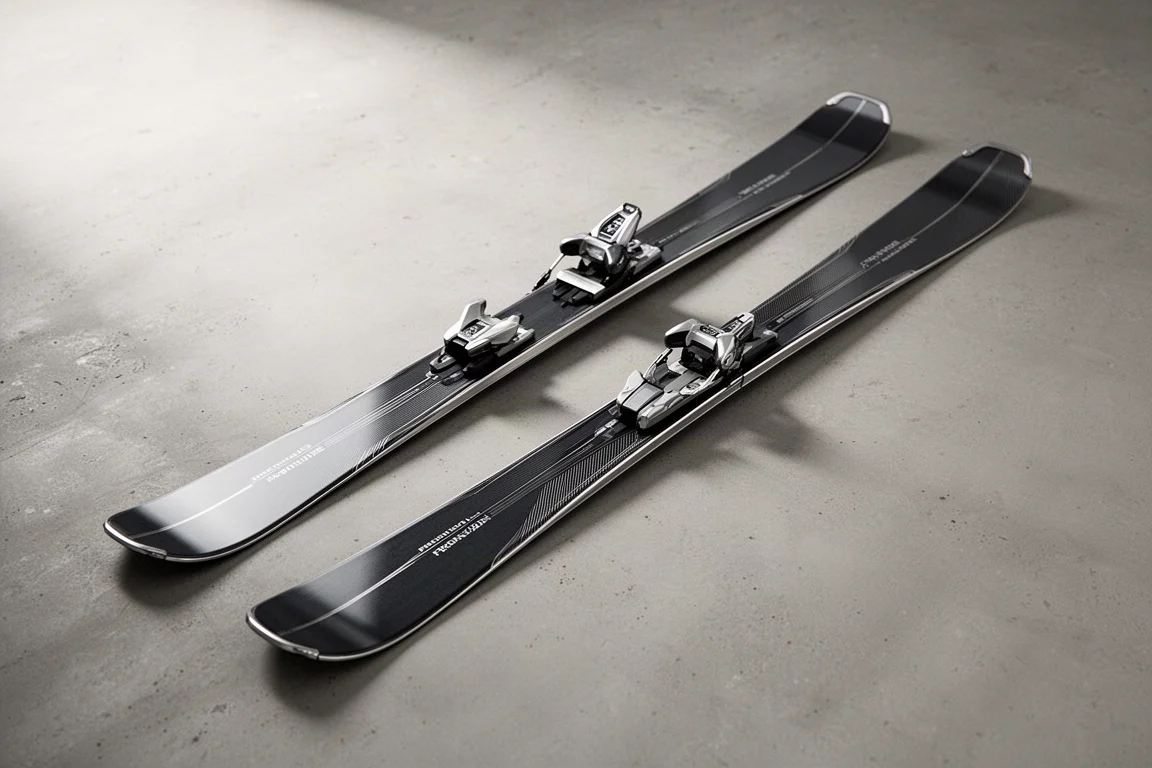
The DPS Wailer 107 has a devoted following for good reason: it is fun in a way few skis match. It excels in deep powder and light powder, and it is light enough that it is the only ski some reviewers are willing to carry up a mountain for a single run. The early splay in the tip gives bigger skiers extra forgiveness in the trees, making turns easier and more forgiving.
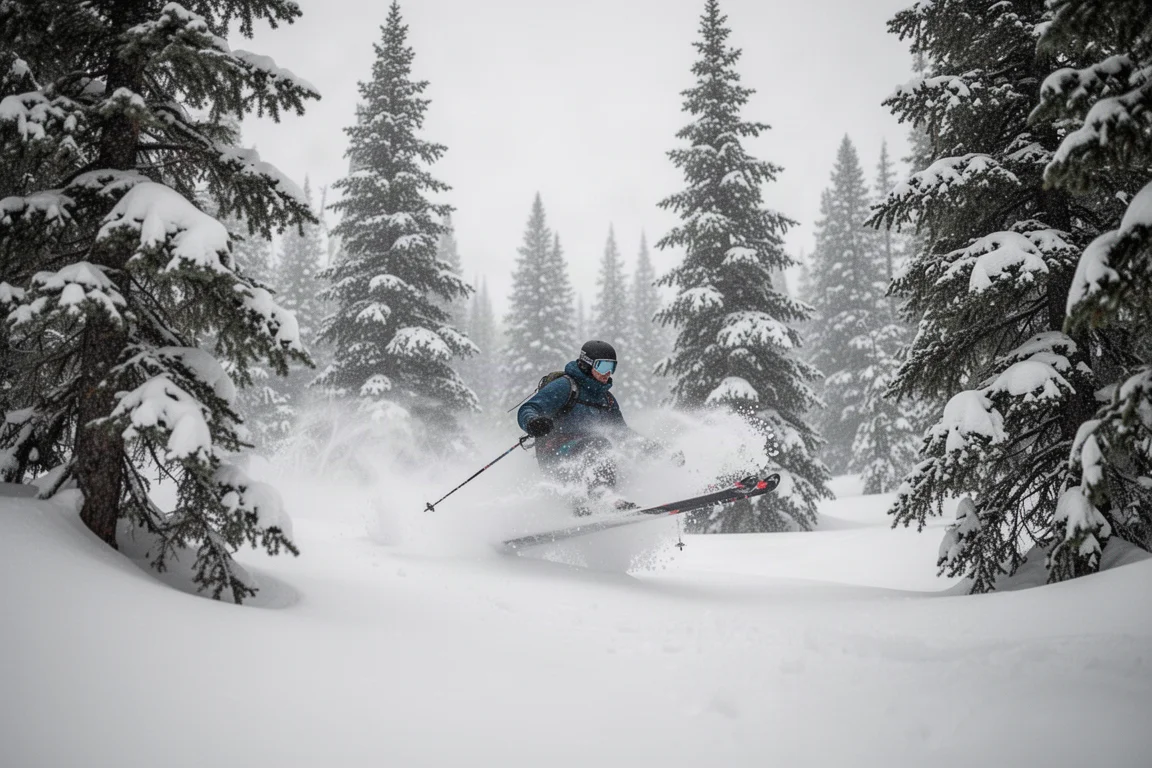
The trade-off is firm snow. The Wailer struggles more on hardpack, so treat it as a good-weather ski. If the forecast is dry and the snow is deep, take it. If you are hedging your bets, pair it with something damper.
The Damp Smooth Edges Pick: Head Kore 106 Ti
Two years ago a Kore recommendation would have raised eyebrows, but the new Kore 94 Ti and 106 Ti are genuinely different skis. The dampening around the edge of the ski makes both models smooth and composed, particularly for bigger skiers who power through softer skis. The 106 Ti is the width worth watching for mixed conditions.
They are also strong on value. Good deals are common, and Head’s manufacturing scale shows in the build quality. If you want a hedging ski for a trip where snow quality is uncertain, this belongs on your radar.
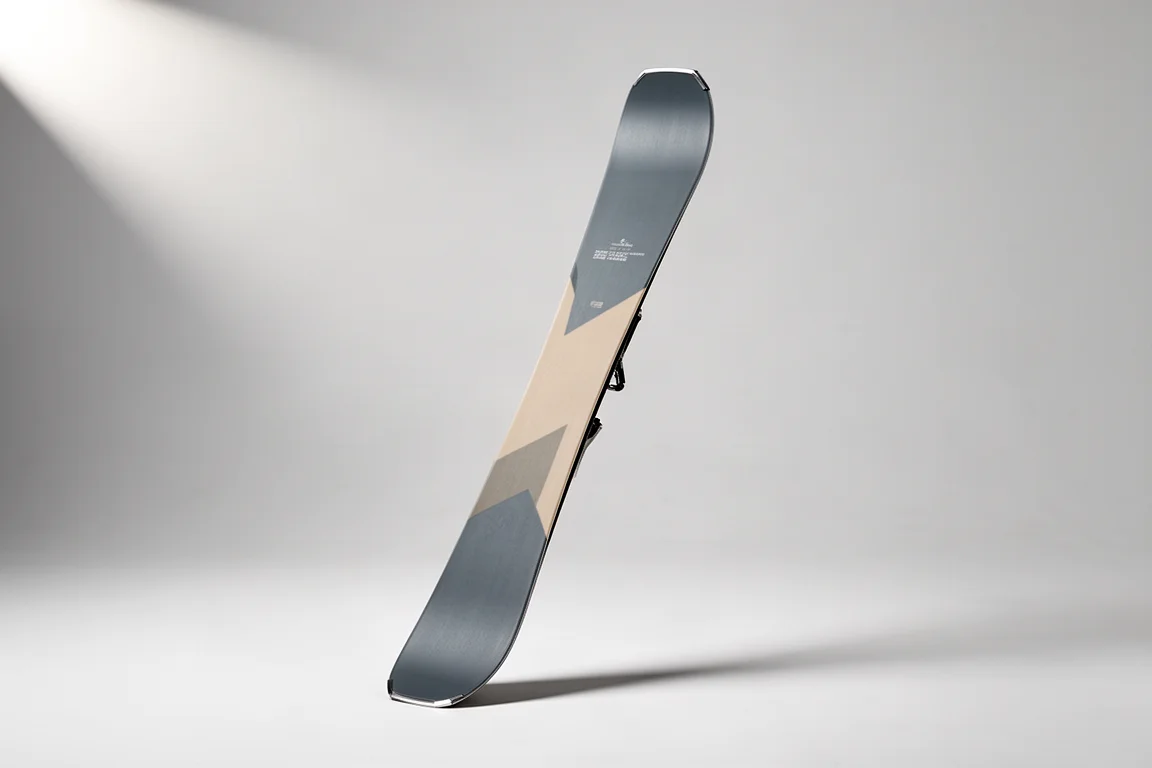
Best All-Mountain Ski: DPS Peace Work 89
The DPS Peace Work 89 gets some of the highest praise in the category. Some describe it as a generational change in all-mountain design, almost alien in how it performs. It is the ski you want when the snow is decent and you plan to carve: best taken out on a good day rather than into the worst conditions.
It is a distinct style of ski, so it will not match every skier, particularly heavier chargers. But if you get a chance to try one at a demo day, it is worth a spot on your list. This is the pick for a perfect-day ski bag.
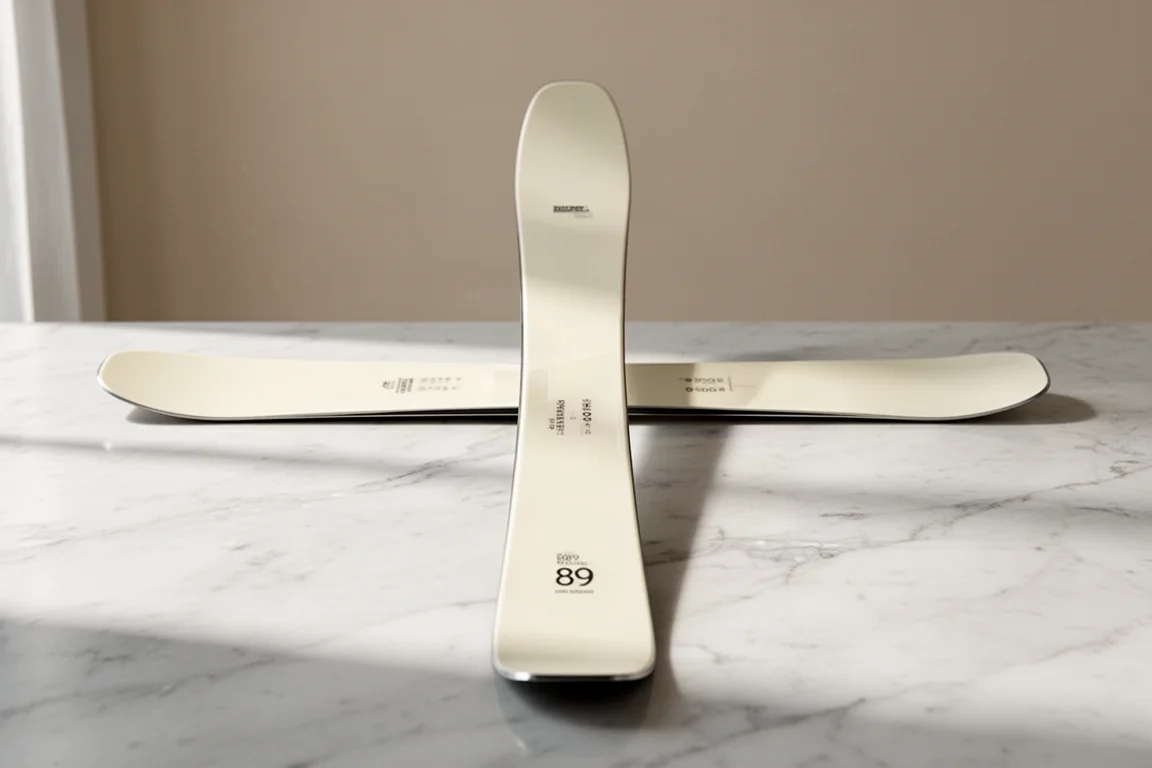
For East Coast Glades: Volkl Revolt 101
For East Coast tree skiing, where good snow is found in the glades, the Volkl Revolt 101 is the ski that keeps earning a spot in the car. It handles quick turns in tight trees, copes with light powder, and stays fun in varied snow. It also makes a credible mogul ski for skiers who found wider planks too punishing.
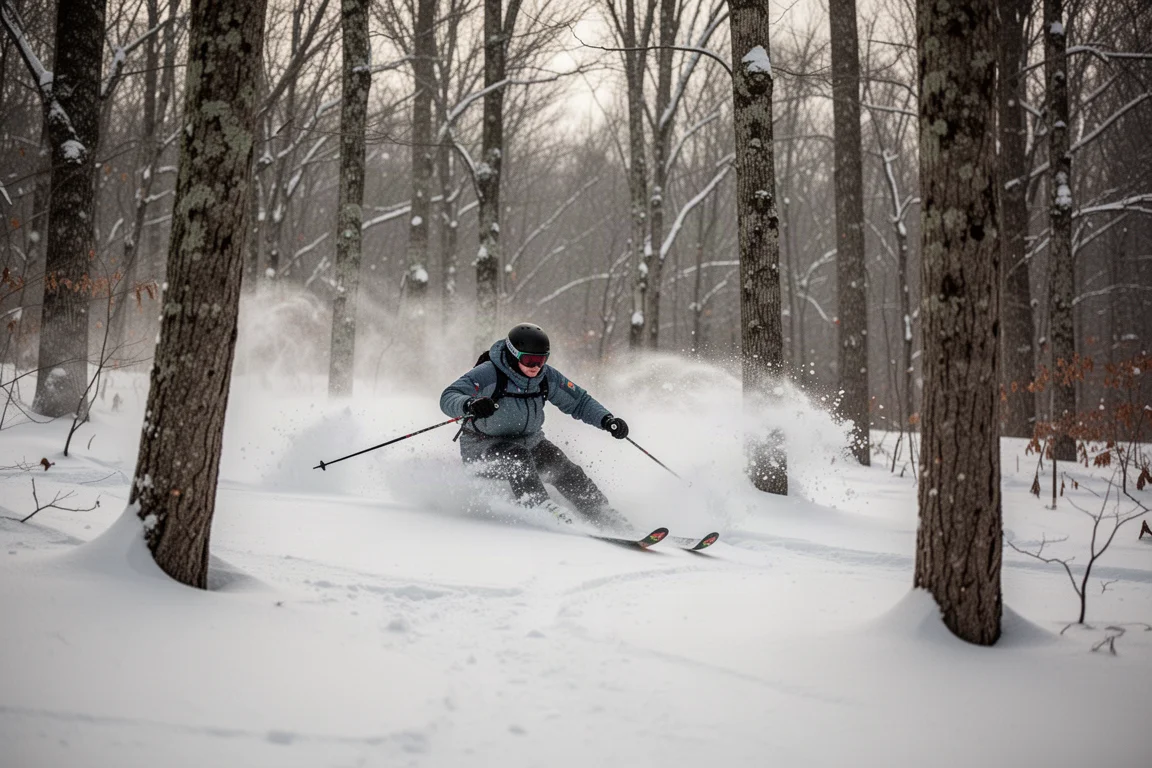
It is not the dampest ski in this roundup, so on genuinely firm days you may prefer something else. But for the specific job of eastern glades and mixed soft snow, it is hard to beat.
Buying Advice
Build your travel quiver around three jobs. First, a damp carving ski for firm snow: the Stöckli Stormrider 88 or Montero AR, depending on whether you want open radius speed or tighter control. Second, a hedging all-mountain ski that handles imperfect conditions: the Nordica Unleashed 98 CA or Head Kore 106 Ti. Third, a soft-snow specialist for when the forecast delivers: the DPS Wailer 107 for deep powder, the Volkl Revolt 101 for eastern glades, and the DPS Peace Work 89 for perfect carving days.
If you can only bring two skis on a trip, the most repeated combination is simple: a Stöckli carver and a Head Kore 106 Ti. That pairing covers fast groomers, chopped-up afternoons, and light snow without ever feeling badly matched to the conditions.
Conclusion
There is no single perfect ski for everywhere, which is exactly why a deliberate quiver beats a compromise ski. Match each ski to a real snow type, be honest about how you like to turn, and travel light. Any of the seven above will make a trip feel better planned than it actually was.
Further reading
Related Reviews
Ski Reviews
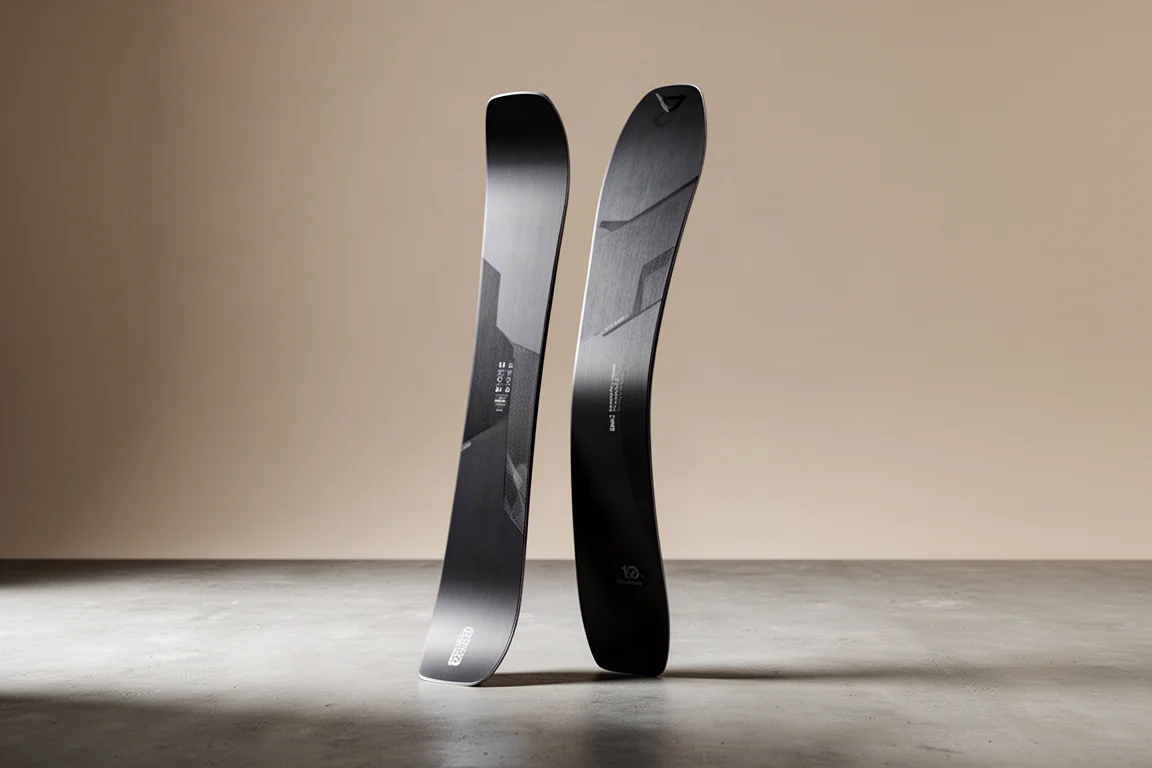
Armada Antimatter 108 Review: A Freeride Ski Built for Speed and Deeper Snow
The Armada Antimatter 108 carries over the beloved Declivity X 108 shape with new construction that adds compliance in soft snow and composure in crud, aimed squarely at strong, aggressive skiers.
Ski Reviews
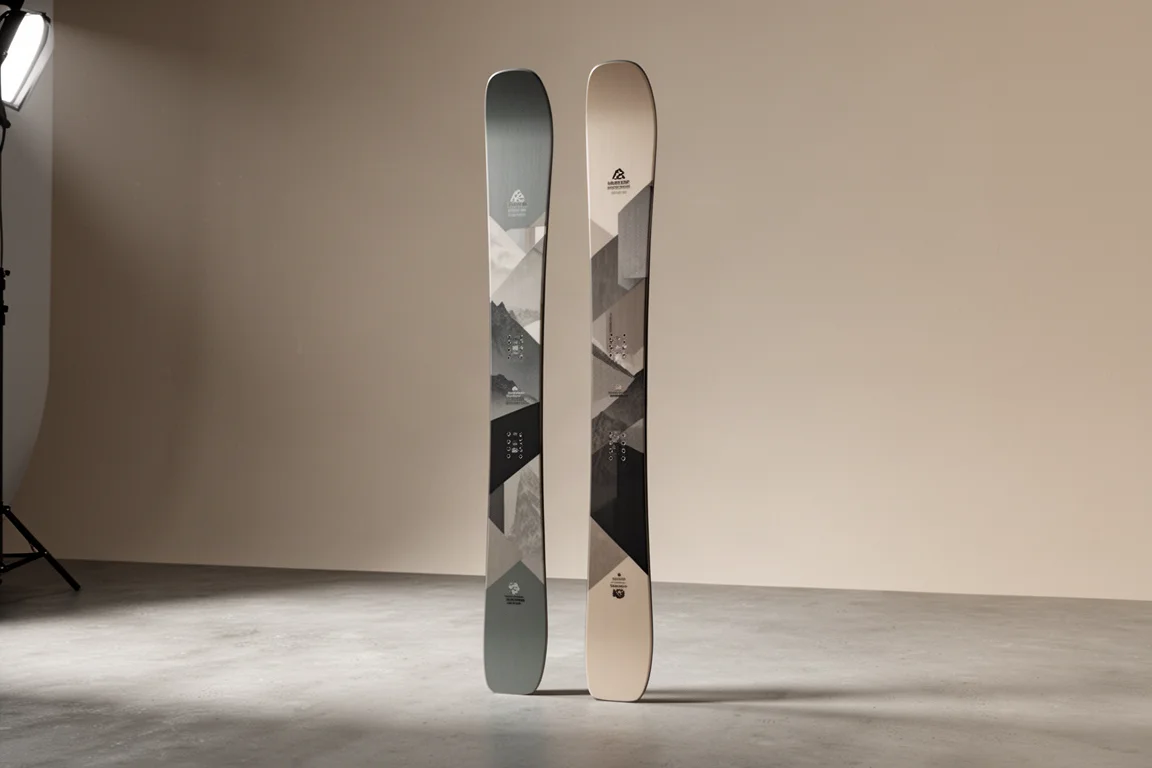
Armada Antimatter 92 vs Invictus 92: Two All-Mountain Skis Compared
A closer look at two Armada all-mountain skis, one playful and nimble, the other composed and smooth, to help you pick the right one for your skiing.
Ski Reviews
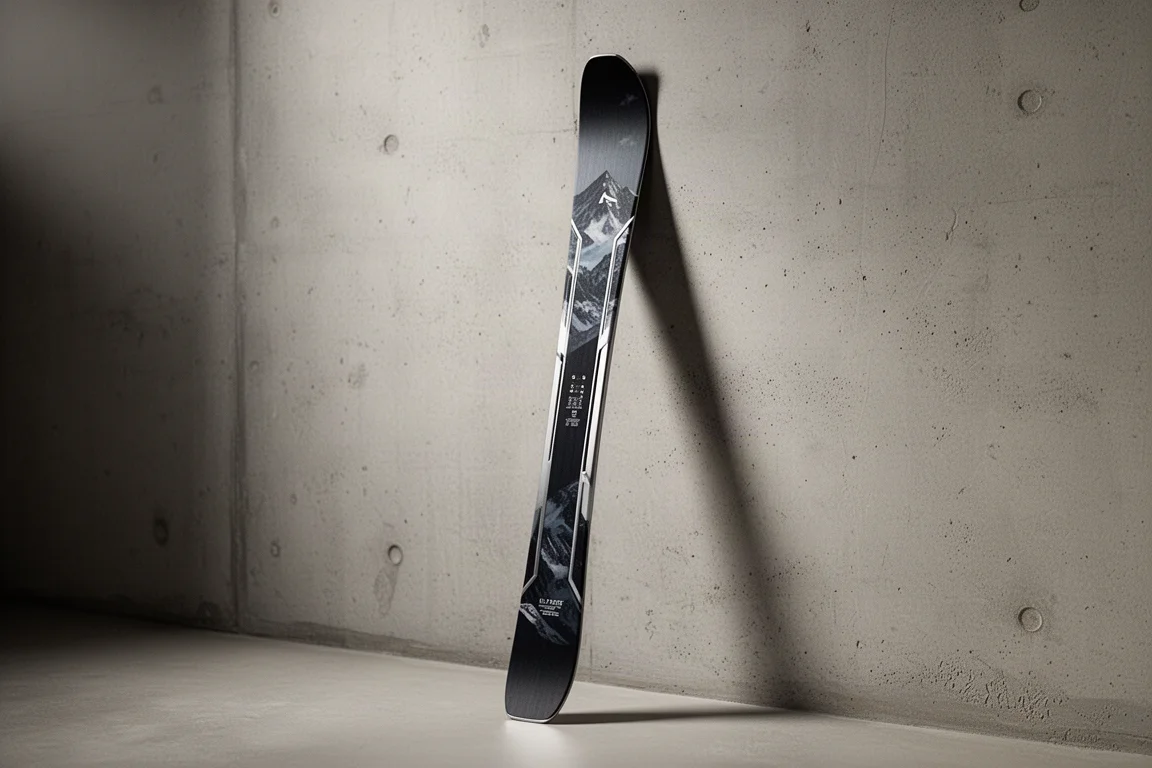
Armada Antimatter 92W Review: A Smoother Take on a Proven All-Mountain Footprint
The Antimatter 92W keeps the trusted Reliance 92Ti footprint but softens the ride with a new metal construction, making it more versatile in softer snow without losing on-trail grip.