Watches
Best Watches for When the Going Gets Tough: Four Options Compared
From a Rolex GMT Master II to the Luminox Navy SEAL, a practical look at four watches for daily wear and hard use.
Introduction
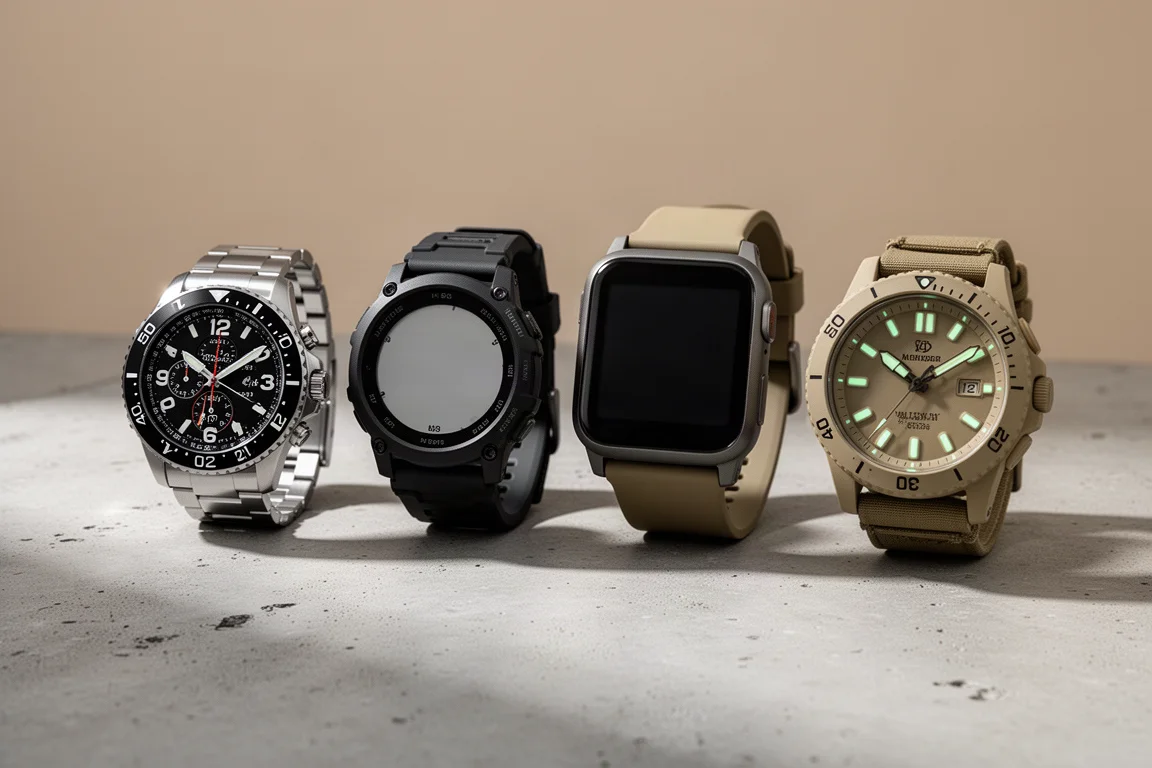
A watch is a deeply personal purchase, and arguably the most commonly carried piece of true everyday carry gear there is. But daily wear and hard use are two different jobs. A precious watch you love wearing to town is rarely the one you want on your wrist while rattling down a rocky trail on a mountain bike, where it could be slammed into a rock, violently shaken, crushed, scraped, bashed or smashed. That gap is what this guide is about: one proven daily wear option, two capable alternatives that were considered, and the rugged quartz divers watch that ultimately ticked every box as a dedicated backup for when the going gets tough.
What a Rugged Backup Watch Needs
The shopping list for a hard-use backup watch is refreshingly simple. It needs to be super rugged, wearable in all conditions and on all activities, and waterproof. It needs to be reliable and accurate, with a quartz movement, since quartz copes much better with rough treatment than a mechanical one. Complexity is out: anything that requires re-reading the manual every time you wear it is a non-starter. An easy-read analog dial matters too, because a clock face gives a feel for where you are in the day in a way a digital readout does not, and it stays legible even blurred, without glasses. No regular recharging is essential, and a date plus a second hand covers basic timing without needing a chronograph. Finally, you have to genuinely like how it looks.
The Daily Wear: Rolex GMT Master II
A steel Rolex GMT Master II has served as the everyday watch for many years, and it earns its place. The build quality is exceptional, it feels like a miniature precision machine on the wrist, and the classic design works flawlessly. It is also worth knowing that not every Rolex claim is hype: several models are in significant demand, which is why they can be hard to obtain and why resale values stay high. This particular GMT, no longer available with the black bezel configuration, has roughly doubled in value over a few years of ownership and is now worth upwards of £12,000, having been bought and sold at a financial gain in addition to the pleasure of wearing it.
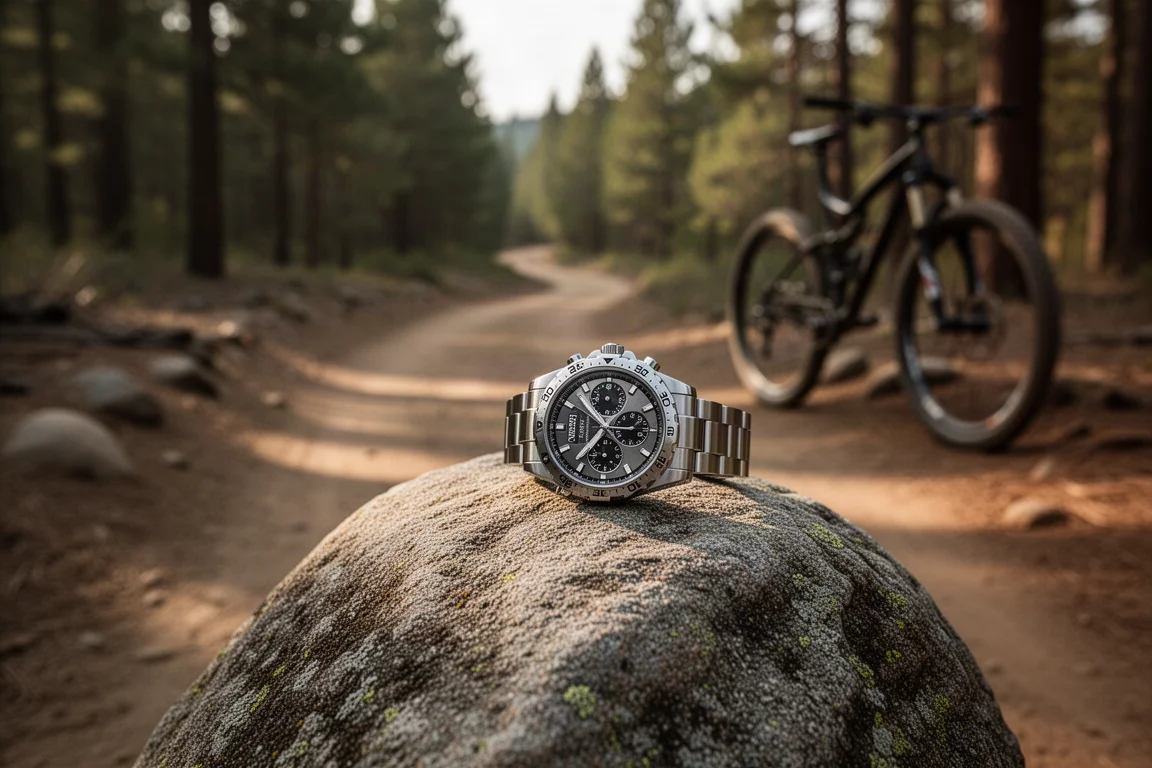
The catch is situational, not qualitative. On a rocky trail, or in any scenario where the watch might take a violent impact, it makes sense to leave it at home. Beautifully made as it is, this is not the watch you risk against granite.

The Backup Candidate: Garmin Instinct Solar
The Garmin Instinct Solar was the long-standing backup choice, and it remains a genuinely great watch. The original version shown here has since been joined by a version 2 with a higher definition display and a few more features. Two reasons drove the original purchase: first, the monochrome display is clear to read in any light, particularly direct sunlight where color displays often become harder to read. Second, not being a full color display seriously prolongs battery life, and the watch can run for days without charging, extended further by solar charging in daylight and by switching off the more battery-intensive features.
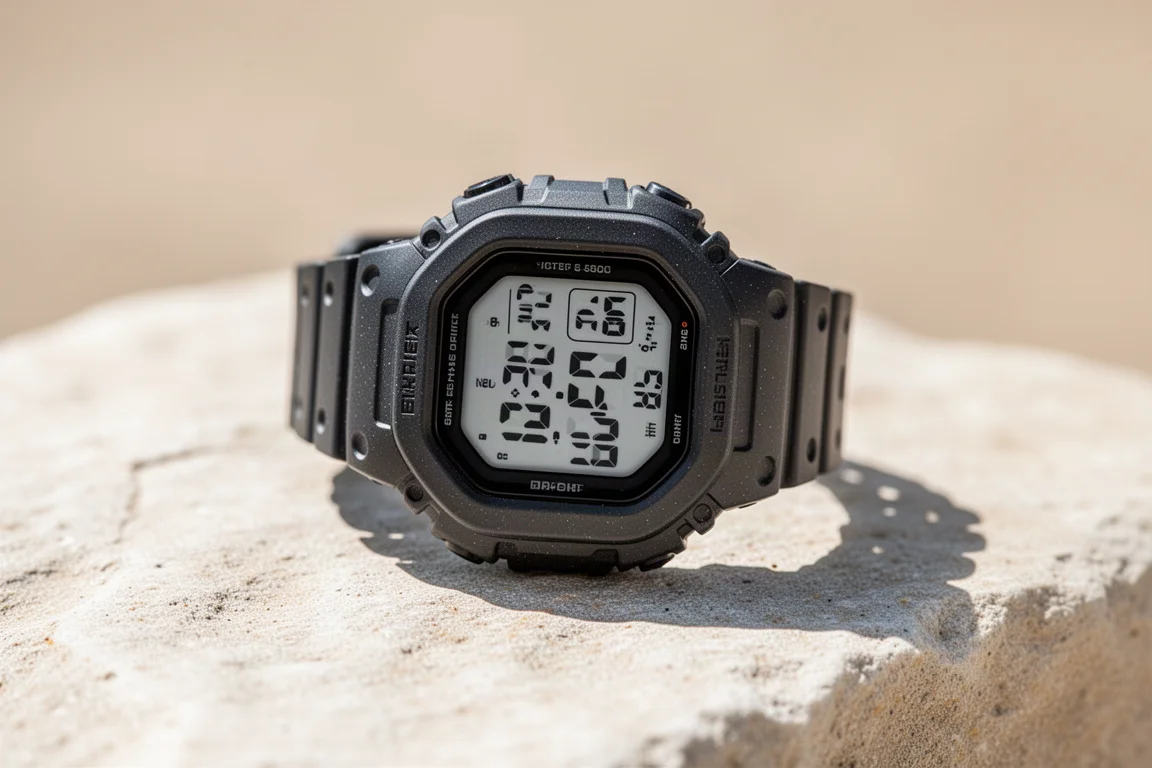
The challenge is the learning curve. Like all highly featured wearables, it takes time to relearn even basic functionality every time you put it on if you only wear it intermittently, and the in-depth features never stick. That says more about occasional use than about the watch itself, but it is a real consideration for a backup you rarely wear.
The Ecosystem Option: Apple Watch Ultra
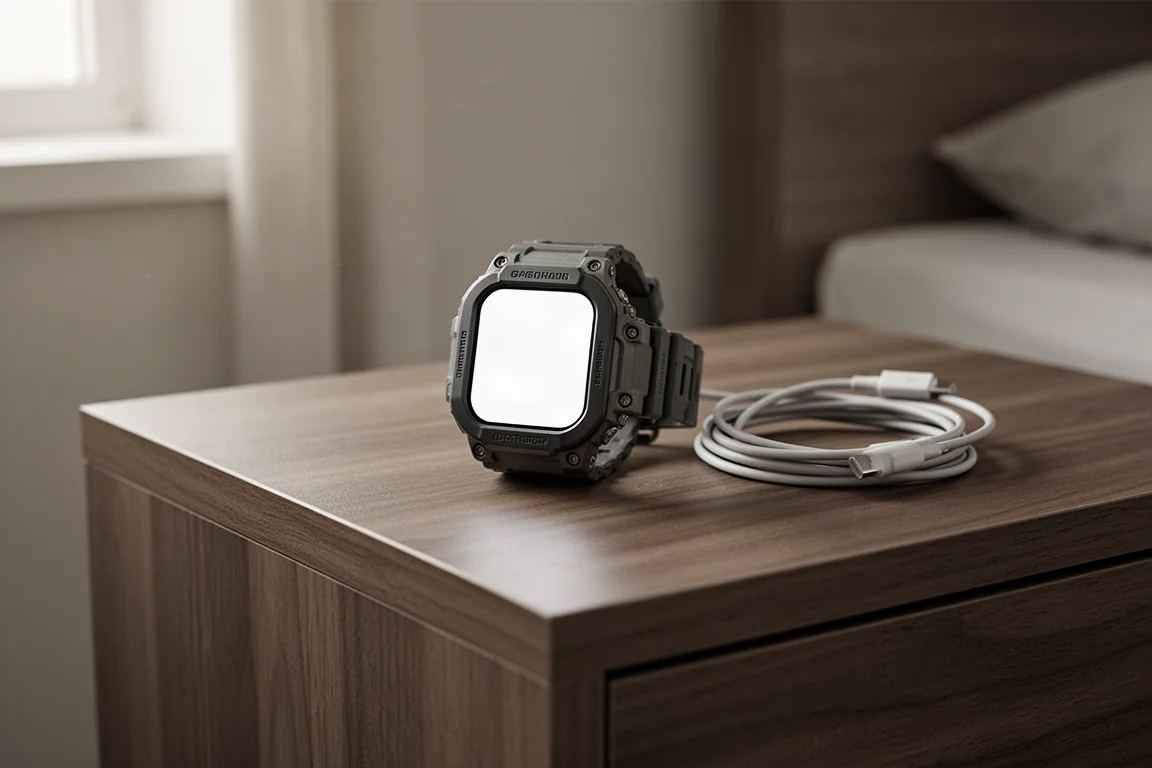
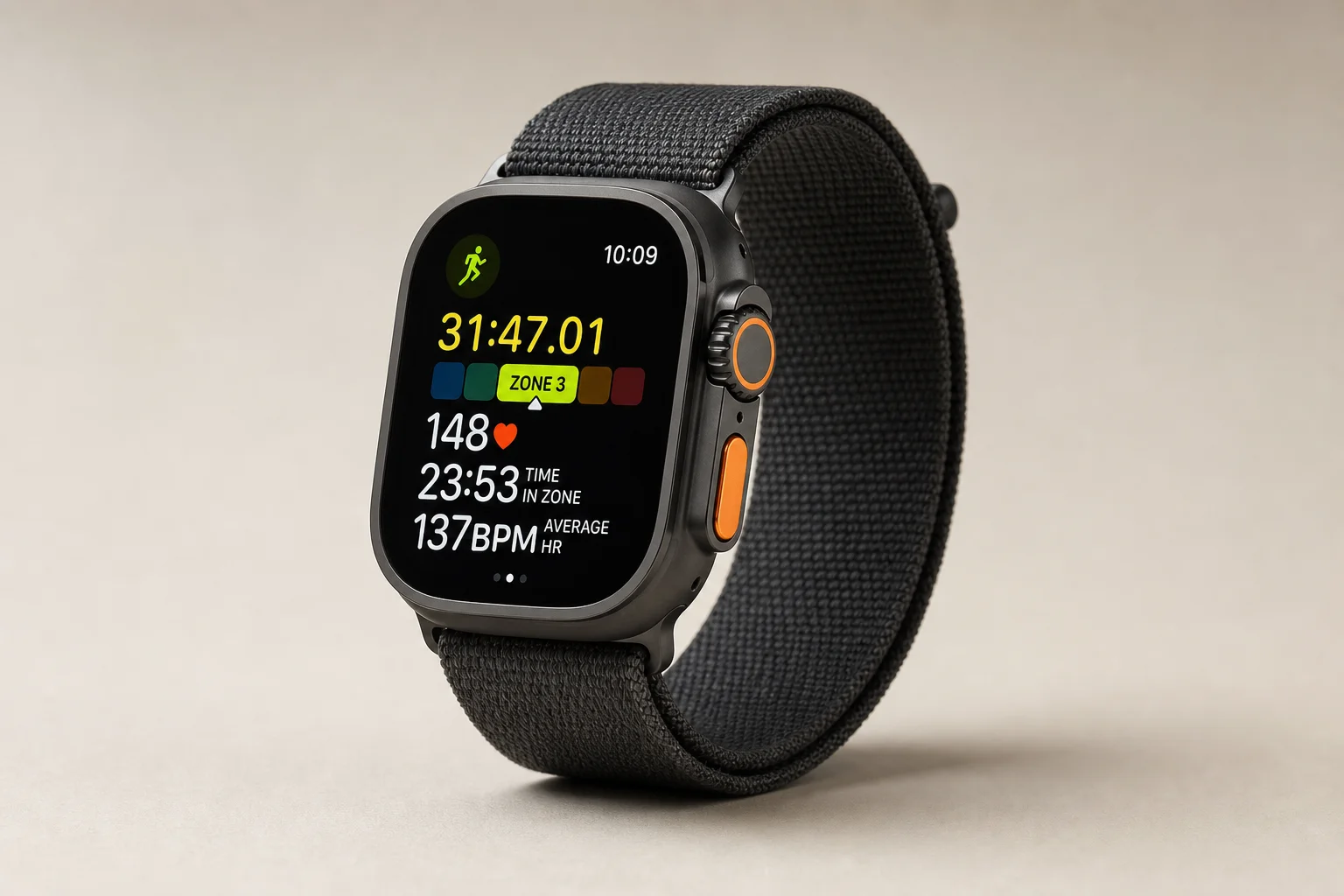
An Apple Watch, particularly the rugged Ultra, was seriously considered. Being firmly entrenched in the Apple ecosystem would have made it an easy choice, and it is a very capable wearable with a lot of extra features. But the practical reality pushed the other way. With a phone always carried, replicating that functionality on the wrist adds little, and constant notifications interrupt the day rather than help it. There is also the charging question: adding another device to the rotation that regularly needs charging is exactly what a backup watch should avoid. And frankly, not everyone wants a daily reminder of just how unfit they are.
For those already invested in a smartwatch ecosystem who want a big, rugged screen and deep fitness tracking, it remains a strong option. As a set-and-forget backup, it is harder to justify.
The Pick: Luminox Navy SEAL 45mm
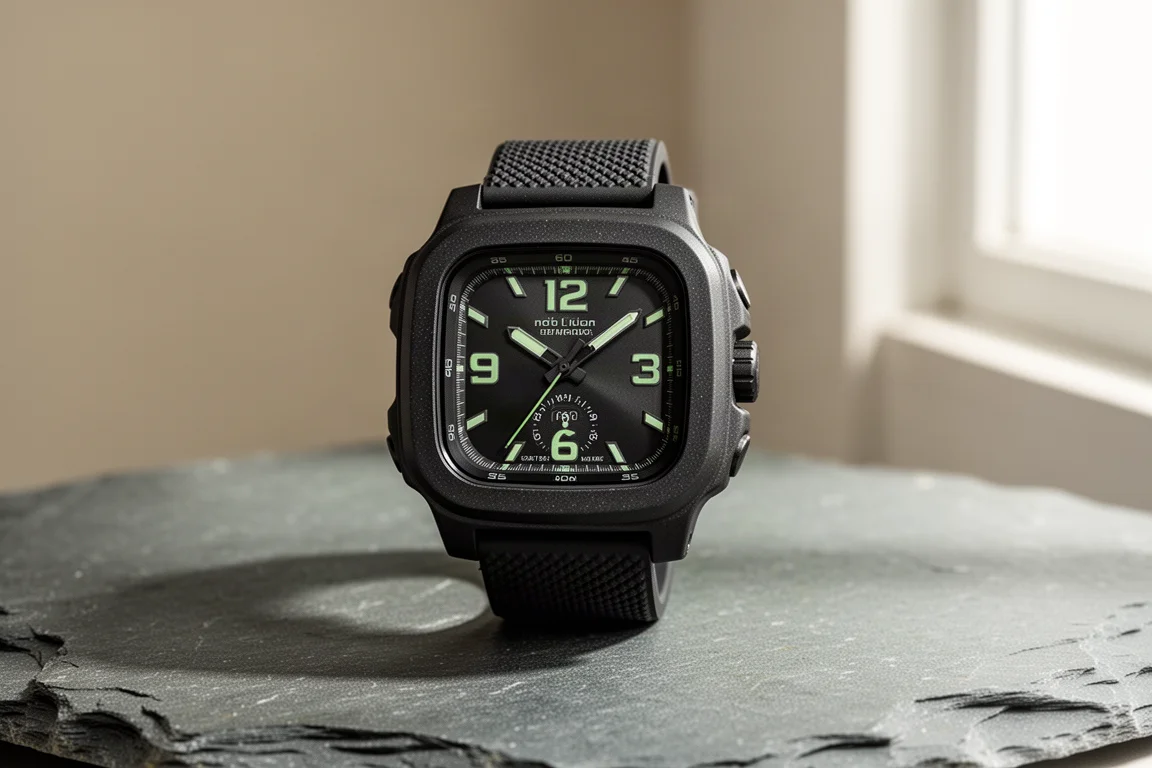
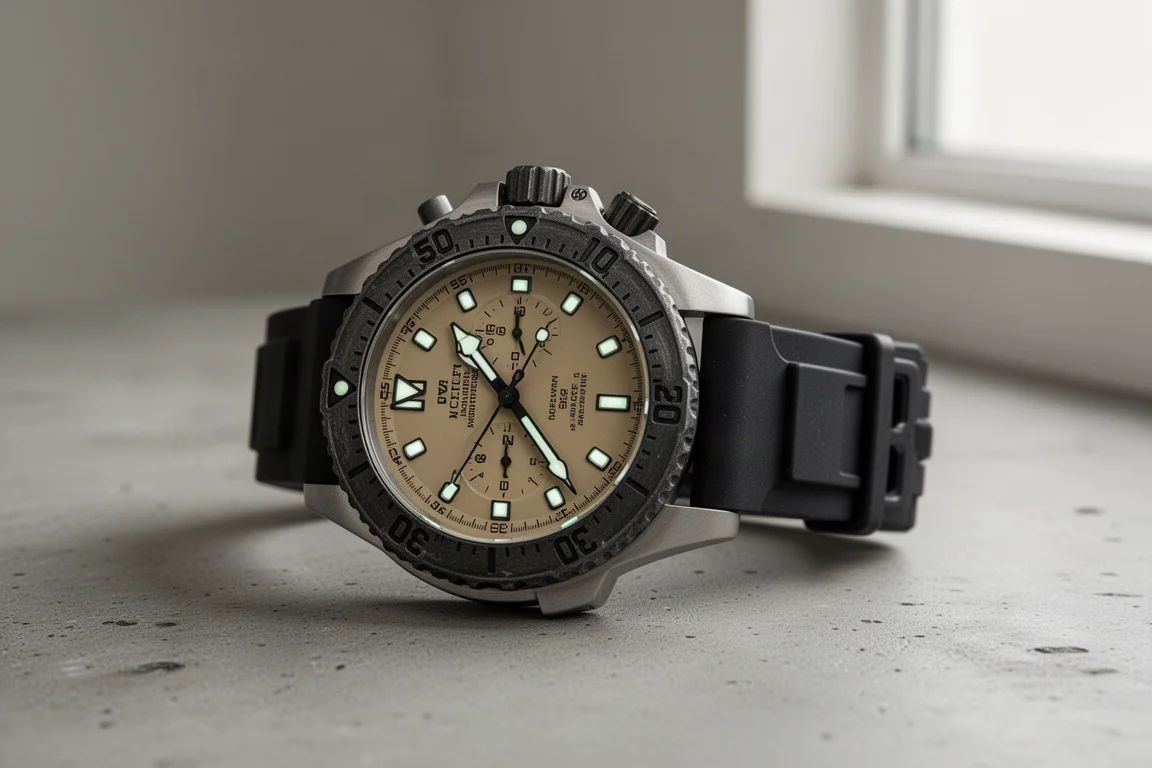
The watch that ticked every box is the Luminox Navy SEAL 45mm military divers watch. It is super rugged, water resistant to 200 meters, and built around a Swiss made quartz movement with a battery life of around six years, so there is no charging by the bedside or in the backpack. The analog dial is easy to read at a glance, there is a date, a second hand for basic timing, and a one-way rotating bezel that is quick and simple for timing tasks. The sapphire crystal carries an anti-reflective coating, the screw-down crown is protected, and the metal case feels a step more premium than the Carbonox carbon composite case offered on many models in the range.
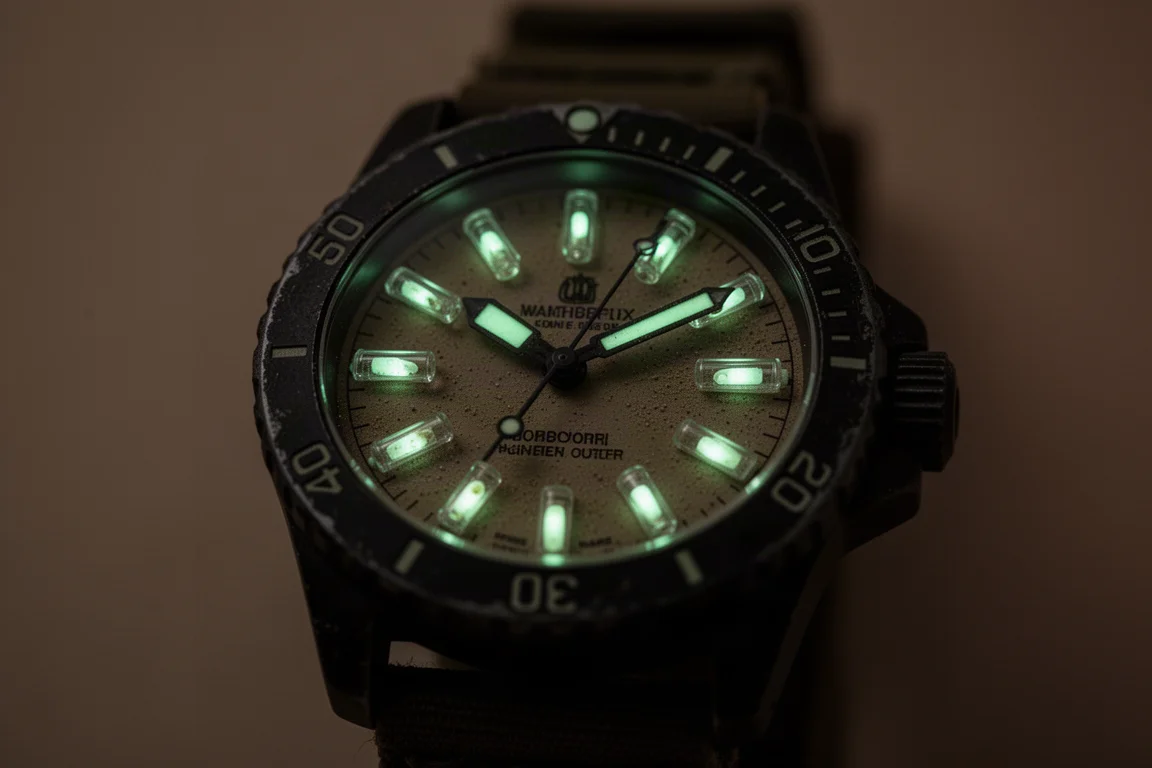
The standout feature is what Luminox calls Luminox light technology: tiny self-powered tritium glass vials, 15 of them here, set into the hour markers, hands and bezel. They glow constantly in total darkness for around 25 years with no input, no power and no button pressing. It requires no learning and it is genuinely useful, and it is the reason the watch was put into service by the Navy SEALs, who collaborated with Luminox on this range with a core emphasis on time readability in all conditions. Luminox has supplied the Navy SEALs for the last 30 years, which is reassuring if you care about reliability being validated by seriously demanding organizations.
This edition was chosen partly for looks, with a sand-colored dial that works particularly well, and partly on practicality: it comes with two straps, a rugged rubber strap for outdoor use and a more fashion-focused nylon strap. The rubber strap keeps weight at 106 grams, with a Carbonox buckle and bezel. Luminox was founded in 1989, an American company with Swiss-made watches and Swiss movements, and the name says it all: Lumi is Latin for light, Nox for night. This particular edition also supports the Navy SEAL Foundation, which helps veterans and their families. At £595, it does everything a rugged backup watch needs and then adds the tritium light technology, which makes it hard to think of a better option at the price.
Buying Advice
Match the watch to the job. If you want one watch for everything and value provenance and resale strength, the Rolex GMT Master II is a remarkable daily wear, but treat it gently. If you want GPS features, activity tracking and days of battery life in a rugged shell, the Garmin Instinct Solar makes sense, just accept the learning curve of occasional wear. If you live inside a smartwatch ecosystem and want notifications and fitness data on a rugged screen, the Apple Watch Ultra fits, provided regular charging is acceptable. If the priority is a rugged, waterproof, quartz-powered watch that works instantly, never needs charging, reads in total darkness and is worn for genuinely tough activities, the Luminox Navy SEAL 45mm is the one that ticks every box.
Conclusion
Everyday wear and hard use demand different watches, and pretending otherwise risks an expensive mistake. The Rolex GMT is a pleasure and an investment but stays home for rough terrain. The Garmin Instinct Solar and Apple Watch Ultra are capable wearables with trade-offs in complexity and charging. The Luminox Navy SEAL 45mm, with its self-powered tritium illumination, Swiss quartz movement and 200 meter water resistance, delivers exactly what a rugged backup watch should: simple, reliable, always ready.
Further reading
Related Reviews

Watches
Best Moonphase Watches 2026: From Budget to High-End
A curated look at some of the most compelling moonphase watches across the market, from an affordable Casio to a spectacular Arnold & Son.

Watches
Best Tissot Watches 2026: The Models Collectors Voted For
A look at the Tissot models that stood out in a collector-driven tournament, from the PRX Titanium 38 mm to the Heritage 1938.

Watches
Best Watches Under $500 in 2026: A Brand-by-Brand Guide
A practical guide to the best watches around the $500 mark in 2026, covering mainstream Swiss and Japanese brands plus a few standout microbrands.