Tool Reviews
Best Torque Wrenches for the Home Garage: Clicker, Split Beam, and Digital Compared
We compare clicker, split beam, and digital torque wrenches from Quinn, Suzi, Icon, Precision Instruments, and Snap-On to find which styles actually earn a spot on your bench.
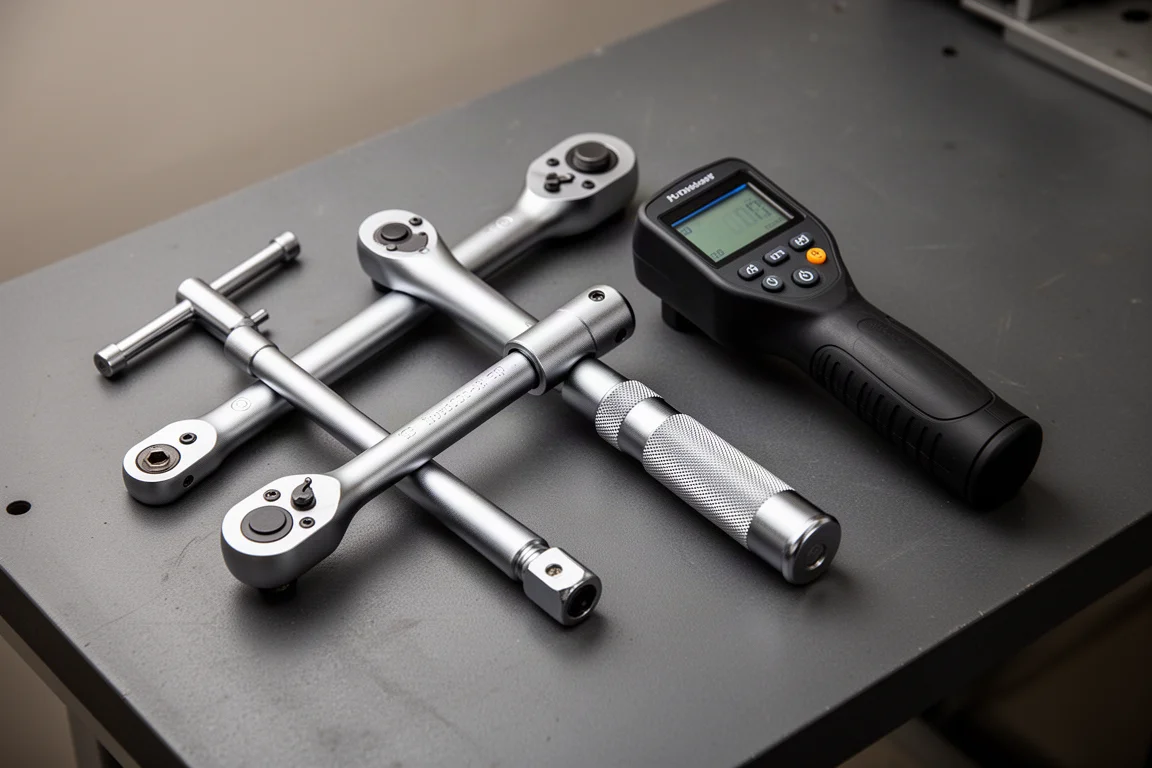
Introduction
Spend any time around a workbench and you will eventually face the same question: which torque wrench should you actually buy? The market is full of clicker, split beam, and digital styles from brands like Quinn, Suzi, Icon, Precision Instruments, and Snap-On, and the price spread is enormous. The confusing part is that price does not always track with usefulness.
This guide walks through the main styles, what each one is genuinely good at, and which specific wrenches are worth putting on your bench. If you are assembling a collection from scratch, the short version is this: a small clicker set for low-torque fasteners, a solid half inch clicker or split beam for bigger jobs, and only a digital if you truly need one.
Why the Type of Torque Wrench Matters More Than Accuracy
Here is the uncomfortable truth about torque wrenches: nearly all of them are accurate enough. Many are rated at 2 to 4 percent, and in testing even an abused, decades-old Pittsburgh-style clicker delivered readings within a couple of foot-pounds at a 75 ft-lb target. Accuracy is not where wrenches fail you. Usability is.
A wrench that is hard to set, hard to read, or easy to overs torquing is more dangerous than an inaccurate one. Overshooting a spec by five or eight foot-pounds because a digital wrench has no positive stop does far more damage than a one or two foot-pound calibration error. Along the same lines, always match the wrench size to the fastener: a big half inch wrench on a 20 ft-lb bolt is how you snap bolts, because the first sound you hear is the bolt breaking rather than the wrench clicking.
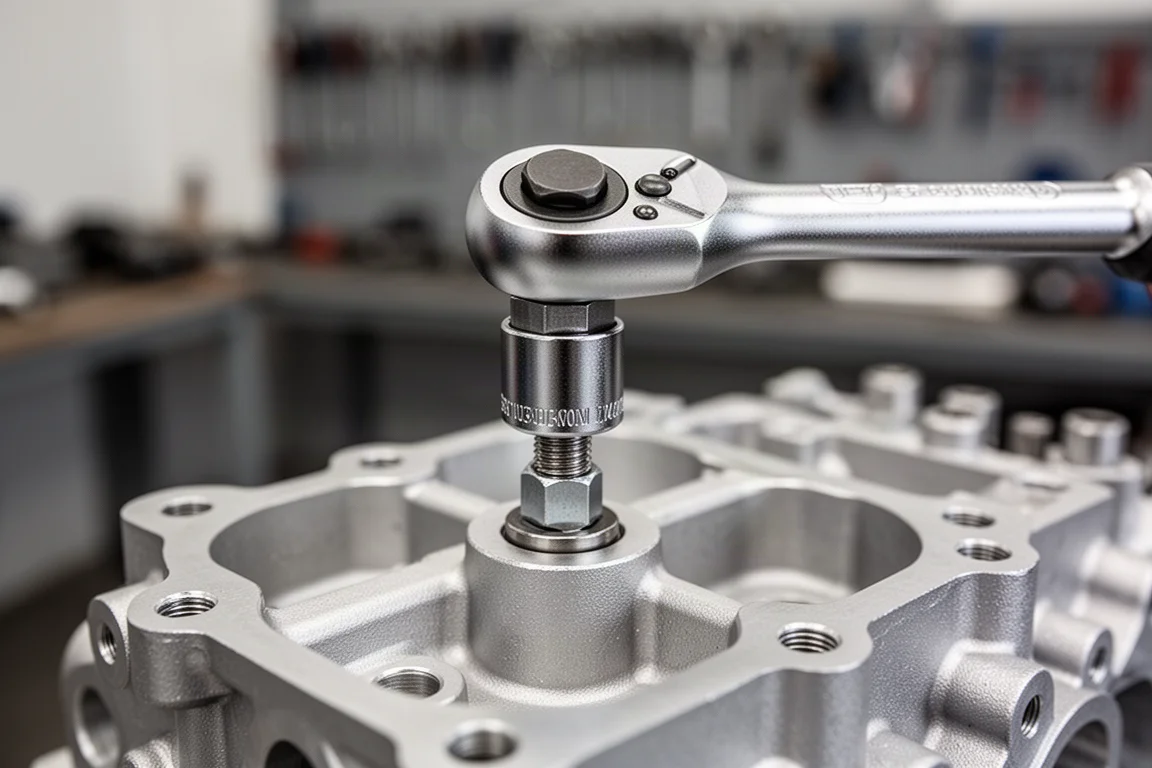
Also worth knowing before you buy: if you need angle torque, you do not automatically need an angle torque wrench. A simple angle gauge adapter that sits between the wrench and the bolt costs around eight dollars, and for occasional 90 or 180 degree specs, a marker on the bolt head works too. True angle torque wrenches only make sense for repetitive precision work like engine building or setting up differentials.
Best Split Beam: Icon Split Beam Torque Wrench
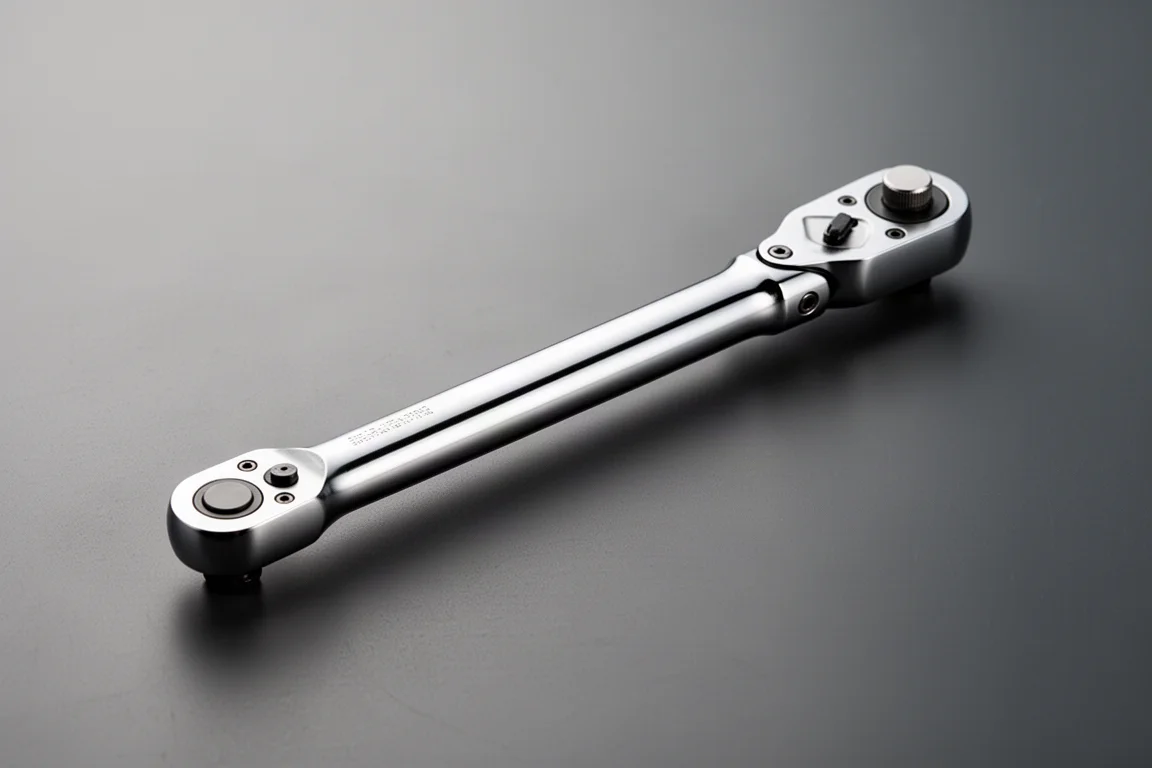
Split beam torque wrenches are quietly some of the best tools you can own. There is no spring to wind down when you are done, they adjust with a flip-open latch, and they deliver a clean, positive break that is very hard to overshoot. The Icon half inch split beam sits at $144, with a 3/8 inch version at $107, and both come with an easy to use lifetime warranty.
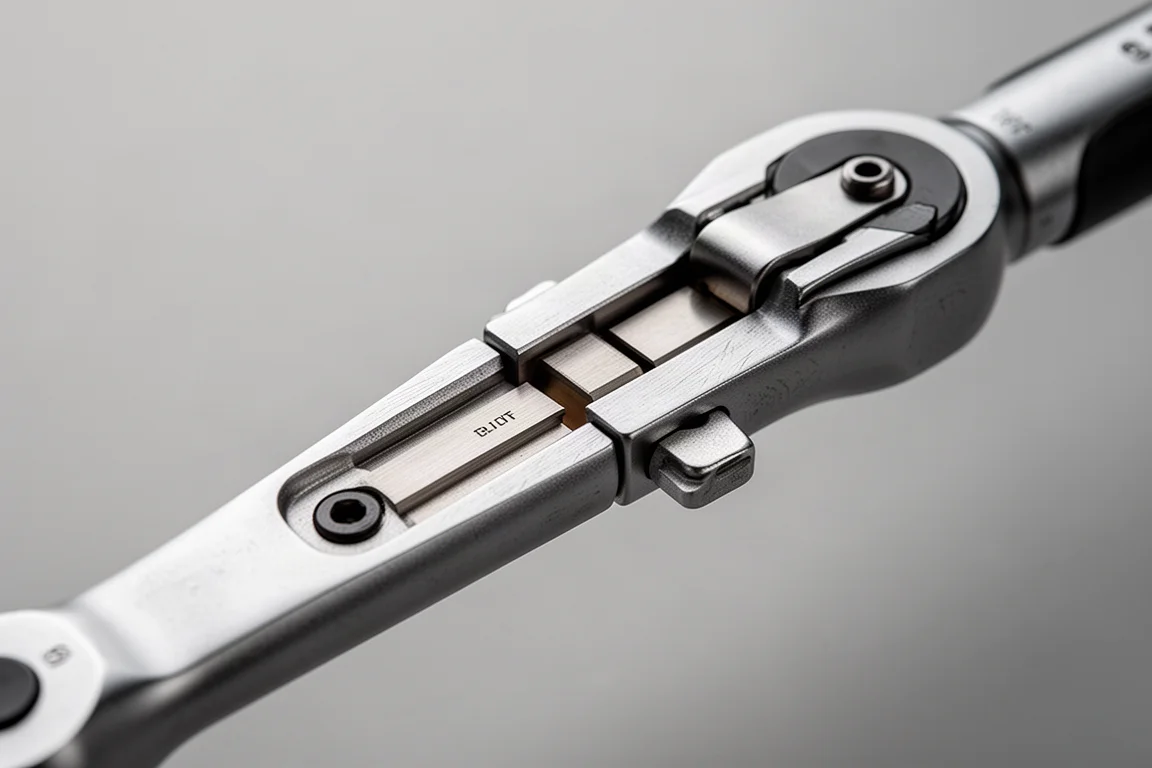
In testing, the Icon 3/8 inch split beam set to 75 ft-lbs broke consistently right around 73 to 75. The trade-offs are modest: the scale can be hard to read without reading glasses, and split beams only work clockwise, so they will not handle reverse-threaded fasteners. If you want the nicer original, the Snap-On split beam (actually made by Precision Instruments) is a step up in finish, but the Icon is a genuinely good tool for a lot less money.
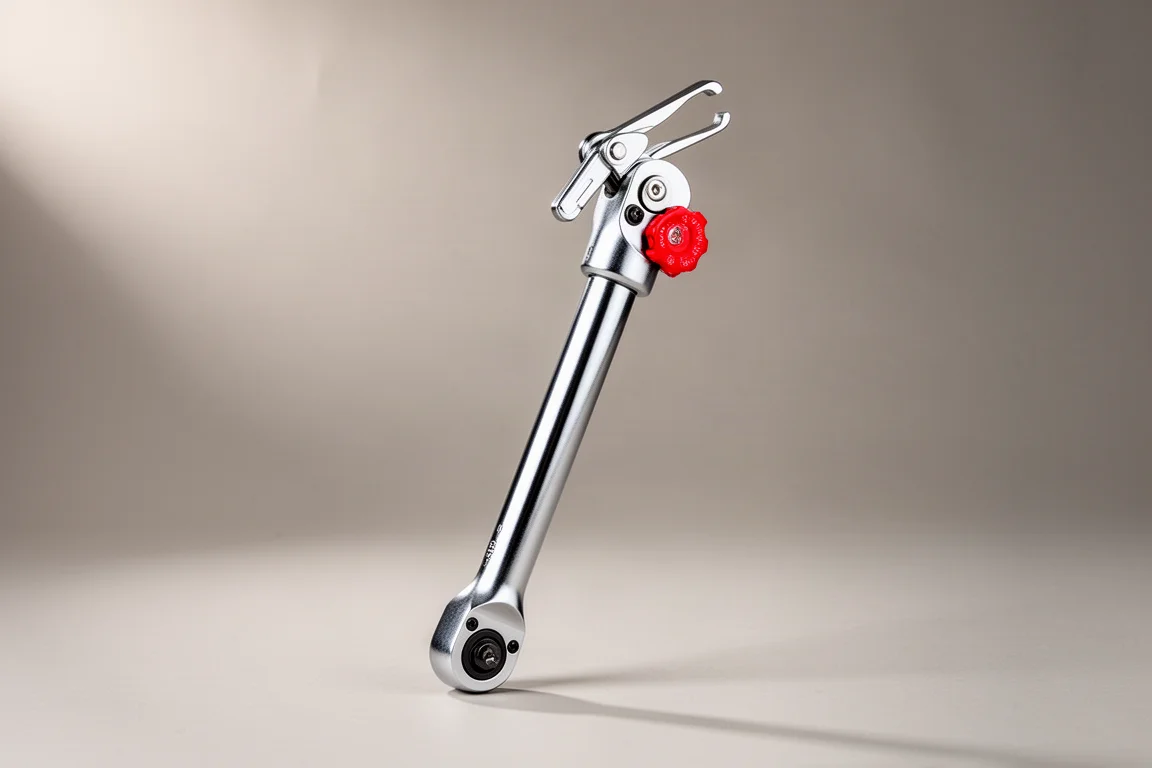
Premium Split Beam: Precision Instruments Split Beam Torque Wrench
The Precision Instruments half inch split beam is arguably the nicest wrench on any bench it lands on, and it is the wrench the Icon split beam is modeled after. It breaks cleanly and loudly, adjusts easily, needs no winding down, and holds its calibration remarkably well even after years of use. The half inch runs about $250, and a 3/8 inch version about $240.
Best Clicker: Quinn Clicker Torque Wrench
If you prefer a traditional clicker, the Quinn half inch clicker is a standout. At $82 before a 35 percent discount, with a 3/8 inch version at $73, it tested impressively out of the box: set to 75 ft-lbs, it read anywhere from 72 to 76 on repeated pulls. The pull-down collar adjustment is easy to use, and it comes with a calibration certificate.
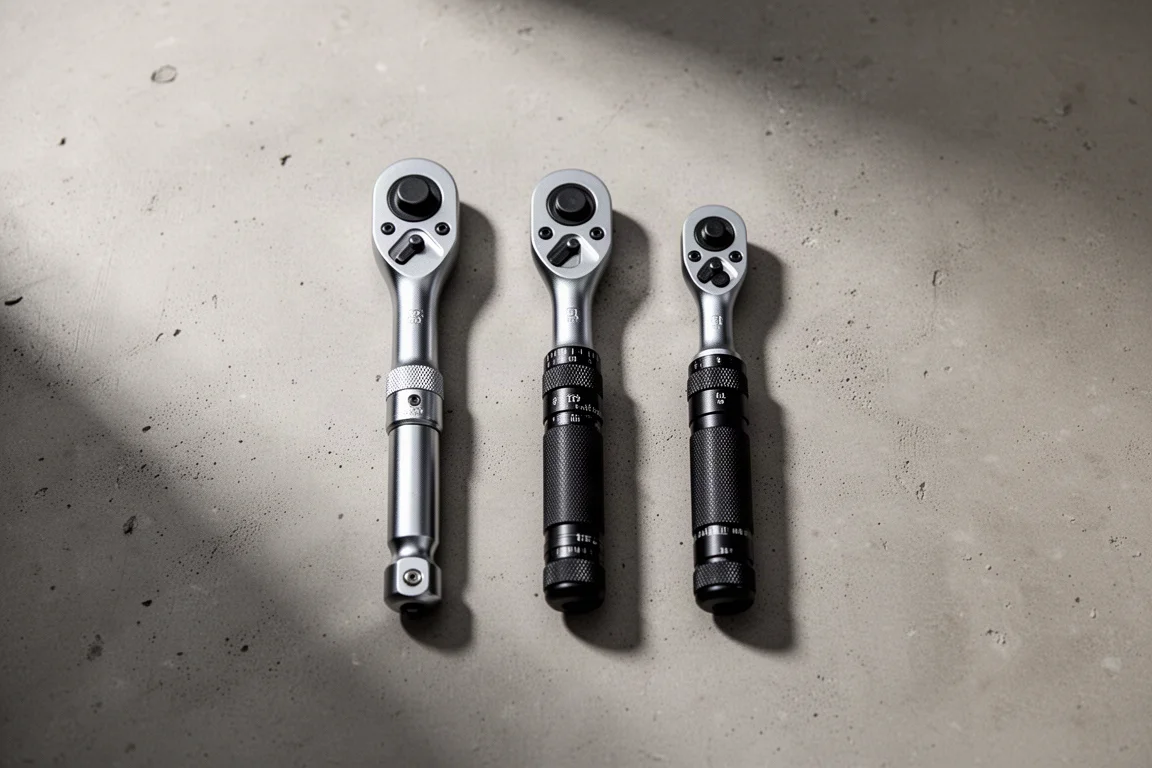
The Quinn clicker makes a sensible companion to a smaller wrench set, covering the higher torque jobs like lug nuts that compact sets top out below. Avoid the cheap Pittsburgh-style clickers with the small bottom screw adjuster: they work, but they are difficult to read and frustrating to adjust.
Best Value Set: Suzi 3-Piece Clicker Torque Wrench Set
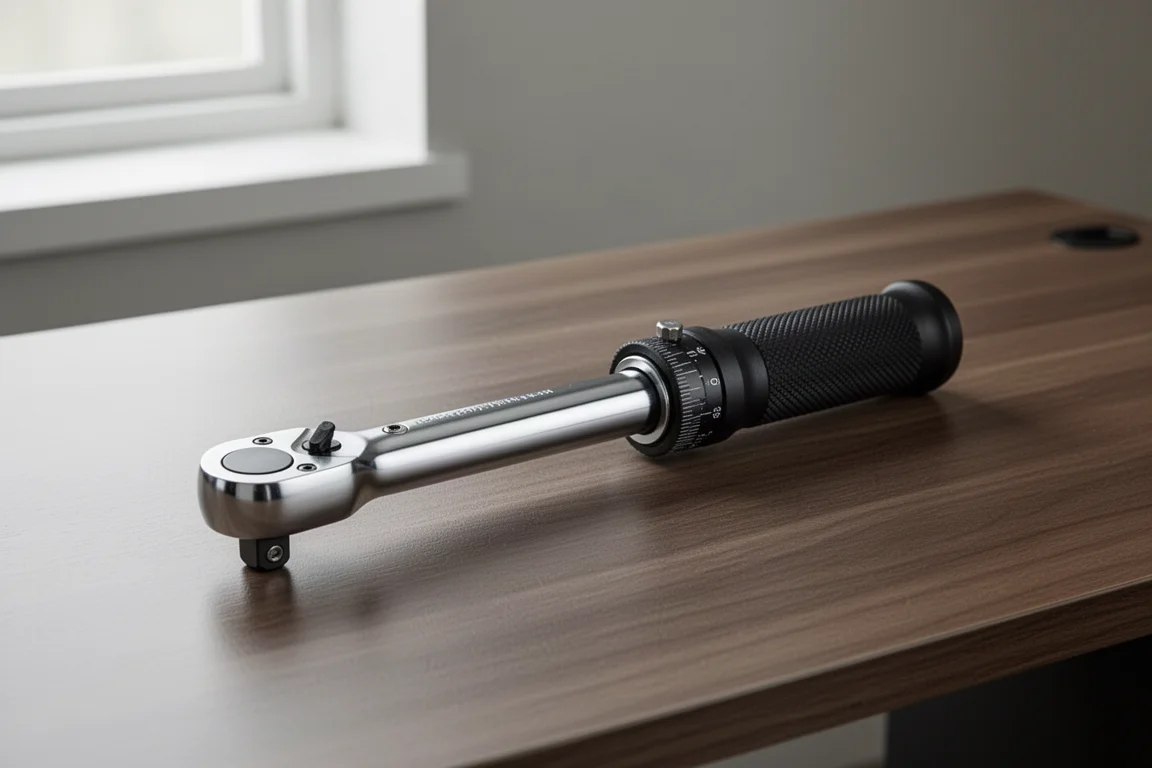
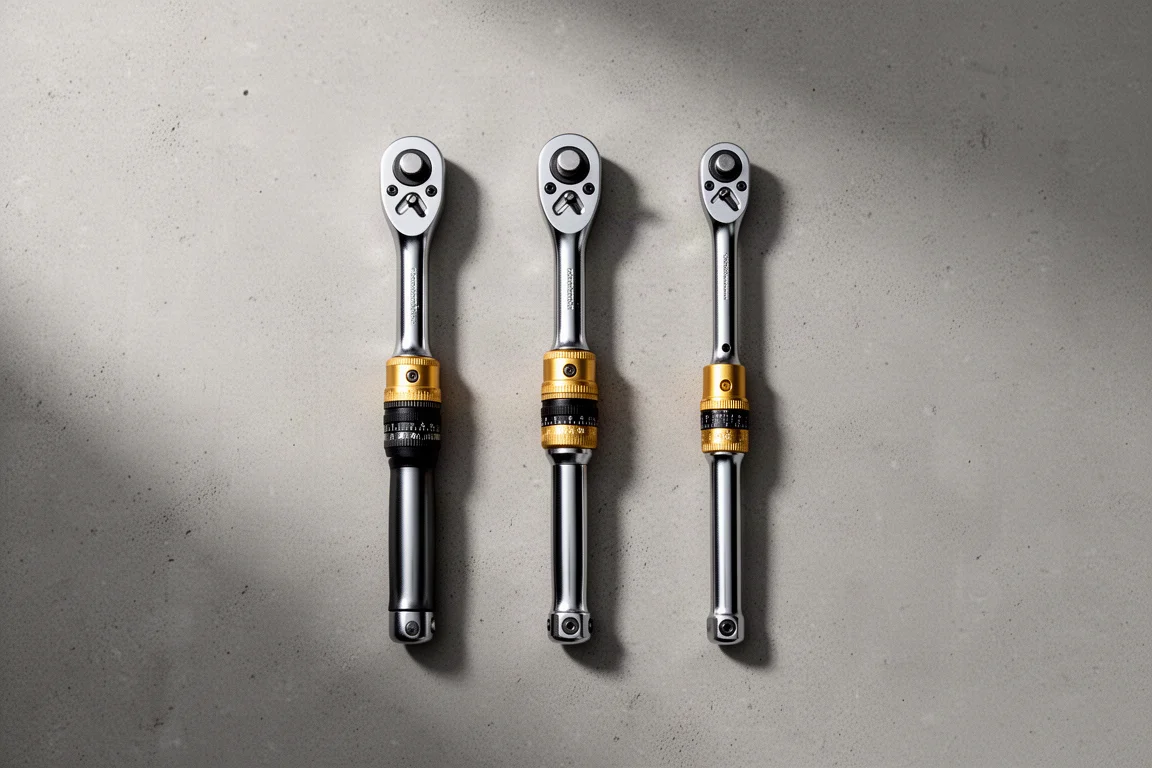
For a complete starter collection, the Suzi three-piece clicker set is remarkable value at around $63 on sale. You get a half inch, a 3/8 inch, and a quarter inch wrench, all with easy pull-collar adjusters and gold-on-black scales that are easy to read. In testing, the half inch set to 75 ft-lbs read 73.6 to 75.6, and the smaller wrenches tracked just as well at low torque values.
The only real limitation is range: the half inch tops out around 170 ft-lbs, which covers most work but feels a little short if you are tightening lug nuts to 120 ft-lbs regularly. That is exactly why pairing this set with the Quinn half inch clicker or an Icon half inch split beam is such a strong combination. The nearly identical CC three-piece set is a little cheaper still, but the Suzi tested slightly more accurate and reads better.
Best Budget Digital: Suzi Digital Torque Wrench
Digital torque wrenches are seductive on paper but tricky in practice. The Suzi half inch digital, at roughly $83 to $90, is the most sensible entry point if you want to try the style before spending more. It reaches well past most competitors’ ranges, and with a breaker bar attached it works like any other digital wrench.
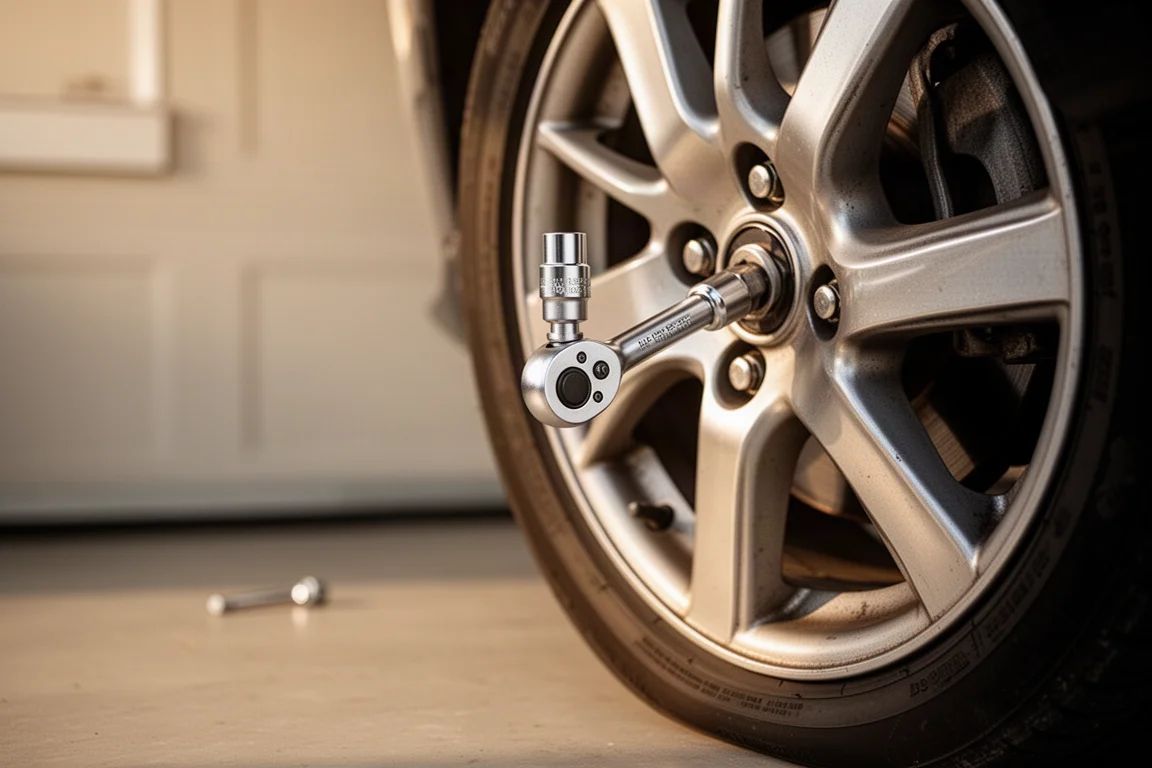
The caveats are real: digital wrenches with no positive break are easy to overs torquing because you are chasing beeps and vibrations rather than a physical click, and they auto-shutoff, which can trick you into torquing way past the spec without noticing. In one test at a 75 ft-lb setting, an un-noticed shutoff led to an 80 ft-lb pull. If you insist on digital, this is the affordable way to find out whether the style suits you.
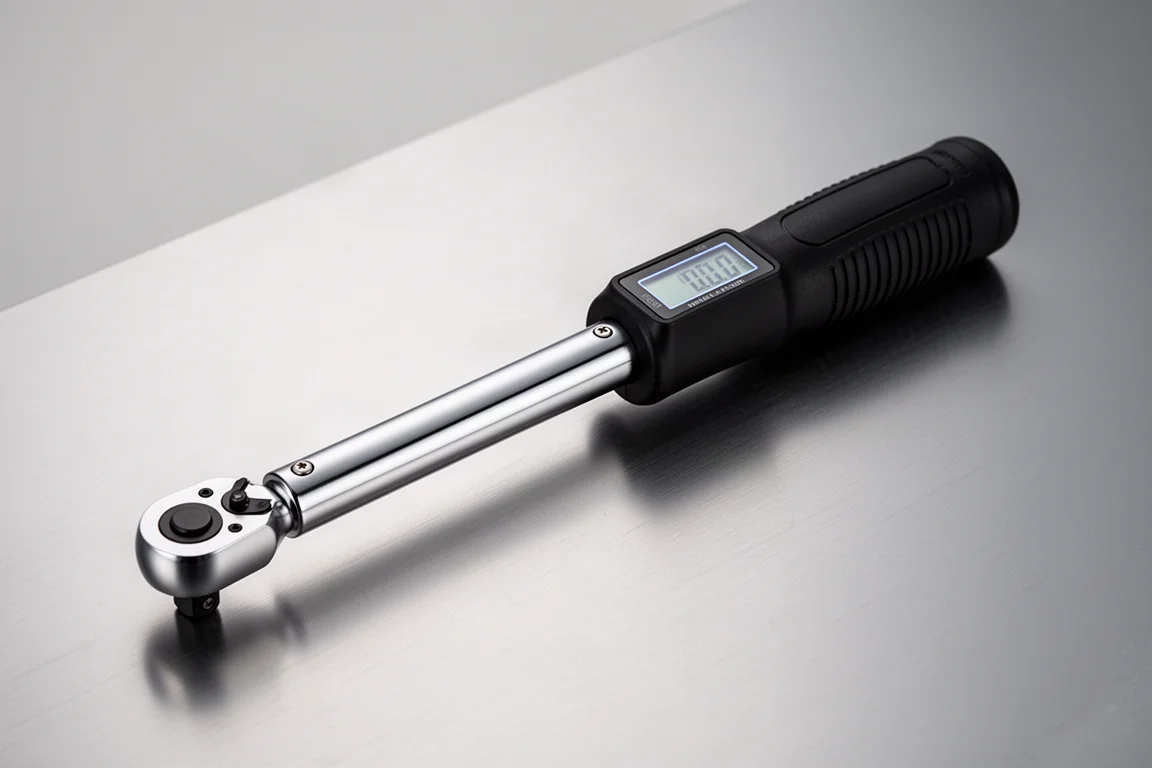
Premium Digital: Snap-On Digital Torque Wrench
The Snap-On digital torque wrench shows what the best digitals can do. Its user interface is genuinely easy to set, and instead of a confusing symphony of noises it gives you light beeps as you approach the value, then a loud beep plus a vibration at the break. It was rebuilt by Snap-On with a new circuit board and calibration, and repeated pulls tracked within about three pounds of a 75 ft-lb setting with excellent repeatability.
The downsides: it is expensive, and the older version covers 5 to 100 ft-lbs only, so you still need other wrenches for the extremes. Unless you do repetitive precision work that truly benefits from memory presets, most home mechanics are better served by a good split beam or clicker.
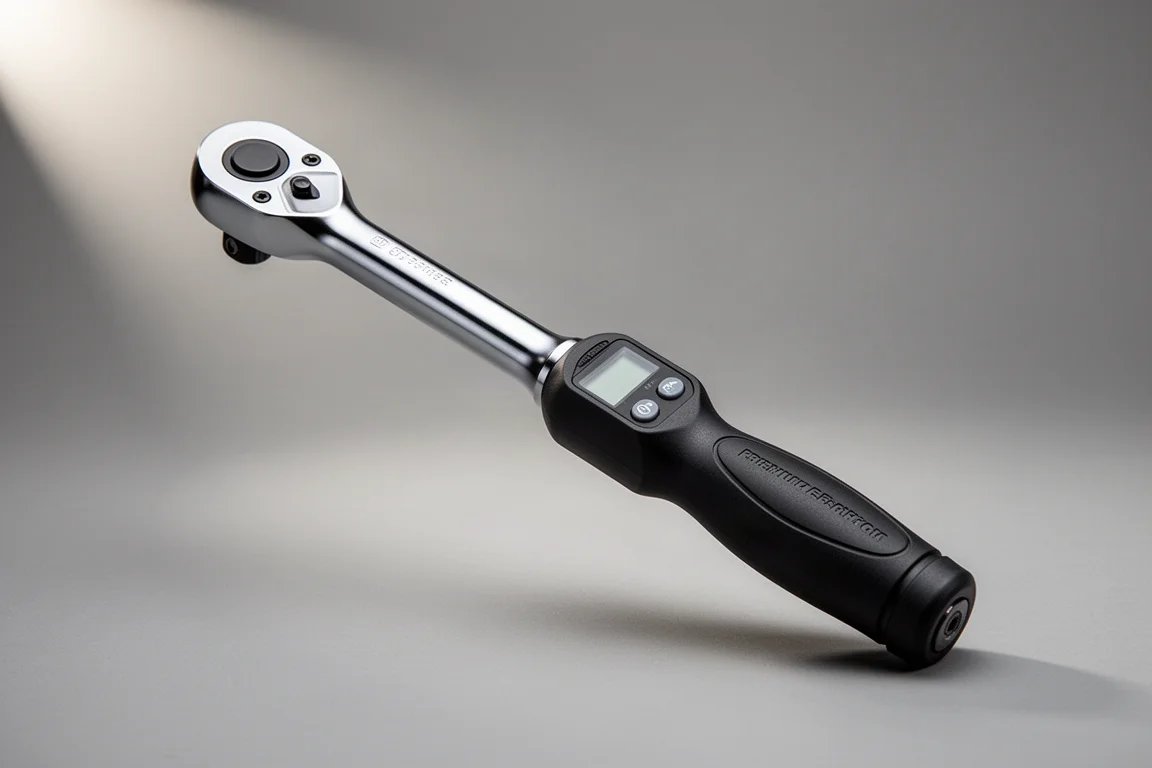
Buying Advice: Building a Bench That Covers Everything
If you want maximum coverage for minimum fuss, a combination of three or four wrenches handles almost everything. Start with the Suzi three-piece clicker set for low-torque work like oil pan plugs and bicycle components, where using a big wrench would be asking to snap bolts. Add either the Quinn half inch clicker or, better yet, the Icon half inch split beam while it is discounted for your higher torque jobs. That combination should cover the vast majority of automotive work.
Two habits worth keeping: use the smallest appropriate wrench for the torque spec, and if you do try a digital, double-check that it is awake before every pull. For angle torque needs, an eight-dollar adapter beats a thousand-dollar wrench unless you do that work professionally. For specialty low-torque jobs like hose clamps, a torque screwdriver such as the CDI quarter inch hex driver model is a nice dedicated tool.
Conclusion
The best torque wrench is the one you can set quickly, read easily, and control confidently. Split beams are the most foolproof style, and Icon makes a very good affordable one while Precision Instruments makes the reference standard. For clickers, the Quinn half inch and the Suzi three-piece set offer outstanding value. Digitals are best reserved for people who genuinely need their features, with the Snap-On as the polished example and the Suzi digital as the low-risk trial. Choose for usability first, and the accuracy will take care of itself.
Further reading
Related Reviews

Tool Reviews
Best Mechanic Tool Sets 2026: Ten Sets Tested for Real Workshop Performance
Ten mechanic tool sets compared across wrench strength, ratchet efficiency, back drag, adapter durability, and overall value.

Tool Reviews
Best Tools of 2025: Top Performers Across Nine Categories
A roundup of the standout tools from a year of head-to-head testing, covering drills, saws, blowers, mowers, trimmers, and more.

Tool Reviews
Metmo Fractal Vise 32 and Dual M18 Battery Adapter: Two TikTok Finds Put to Work
We bought two tools that keep showing up in our feed: a fractal vise that clamps almost anything and a dual battery adapter that promises more power and runtime.