Hand Tools
Best Torque Wrench: 10 Brands Put to the Test
Ten torque wrenches from $44 to $451 were tested for accuracy, consistency, counterclockwise performance, and durability after 1,000 cycles. Here is how they stack up.
Introduction
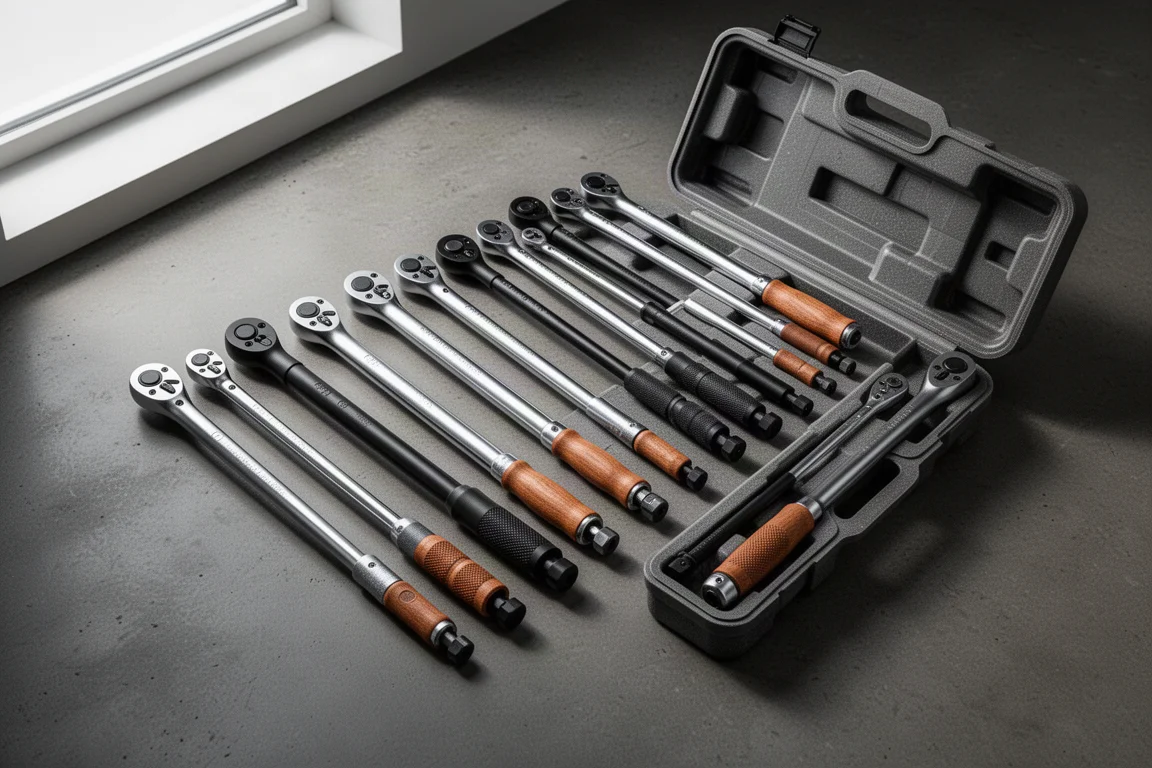
A click-type torque wrench either lands within its stated tolerance or it does not. There is no middle ground when a cylinder head bolt or a wheel lug nut depends on the right clamp load. To find out whether price actually buys accuracy, ten click-type torque wrenches were tested, ranging from a $44 Lexivon to a $451 Snap-on. The results turned up a few surprises, including a budget option that beat some tools costing four times as much.
Every wrench in this comparison includes a certificate of calibration, and most are made in Taiwan, with SK Tools, Proto, and Snap-on made in the USA.
How We Evaluated Each Wrench
Each wrench was tested on a Proto torque tester, the same type of unit many calibration shops use, accurate to a tenth of a ft-lb. The tester was set to peak mode so it recorded the exact torque at the moment of the click, and the error window was set to the plus or minus 4% tolerance that most of these wrenches claim.
Why the tolerance matters: at 40 ft-lb, a bolt carries roughly 7,500 lb of clamp load. Add just 10 ft-lb and the clamp load jumps by about 1,500 lb. A wrench that consistently overshoots can stretch or snap fasteners, while one that undershoots can let joints loosen.
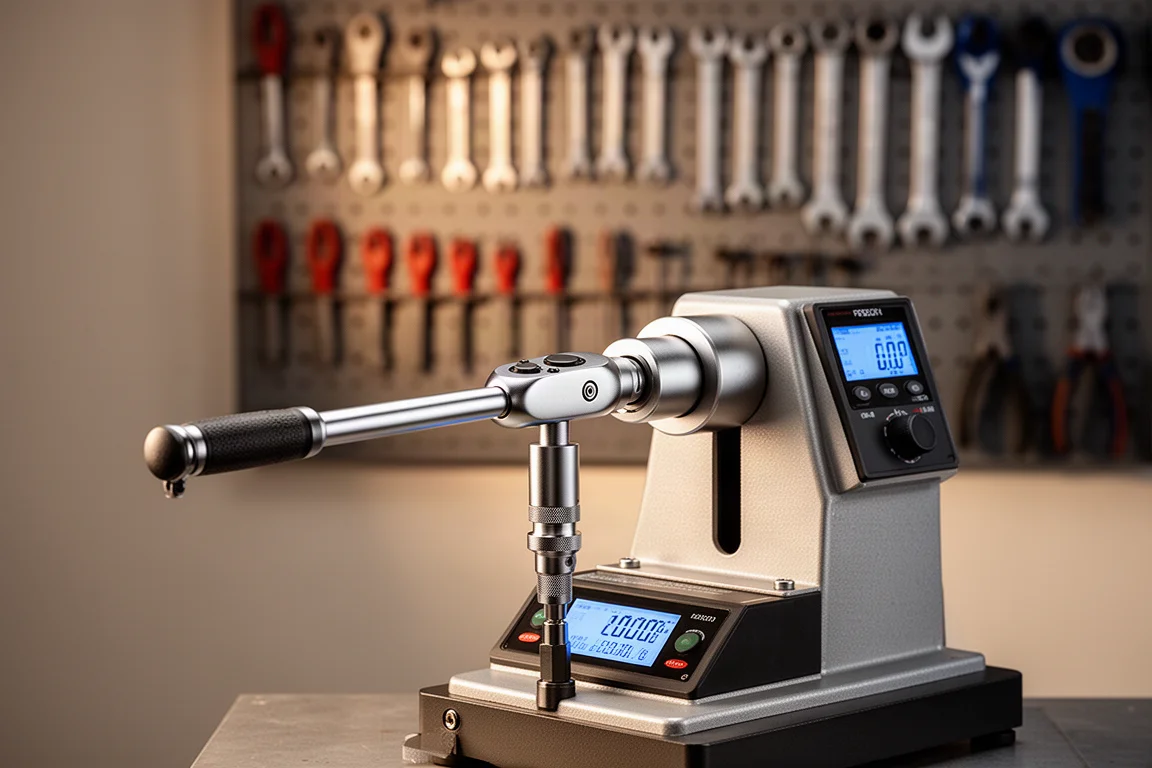
The testing had three rounds: six measurements at the 50 ft-lb setting, a wider sweep of six measurements at 100, 150, 200, and 250 ft-lb (30 total per brand), counterclockwise accuracy, and finally a 1,000-cycle endurance test followed by re-testing.
Lexivon Torque Wrench: The $44 Bargain
At $44, the Lexivon is the cheapest wrench in the test. It has a 25 to 250 ft-lb range, a reinforced ratchet gear head in hardened, heat-treated chrome vanadium steel, a 24-tooth reversible ratchet, 2.5 ft-lb increments, plus or minus 4% claimed accuracy, a 25-inch length, and a very nice carrying case. Note that it measures torque in the clockwise direction only.
On the test bench, it passed its first two measurements at 50 ft-lb but overshot well beyond the 4% window on the last four attempts, with readings climbing past 55 ft-lb. If you buy one, plan on verifying it against a known reference before trusting it on critical fasteners.
Performance Tool Torque Wrench: Budget, But Struggling
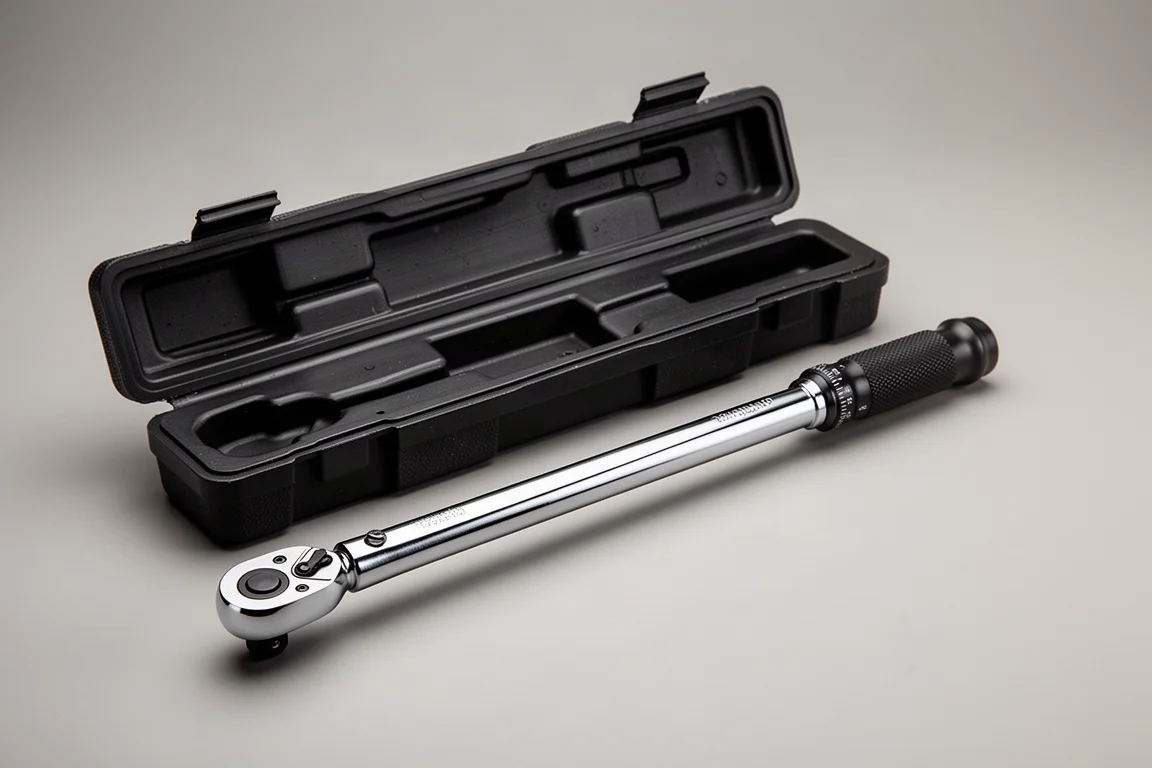
The $76 Performance Tool covers 25 to 250 ft-lb with a 41-tooth ratchet head, clockwise and counterclockwise operation, ft-lb and Newton meter scales, and a twist-collar locking mechanism. It is certified to plus or minus 4% clockwise and 6% counterclockwise, and at 22 inches it is the shortest wrench here besides the Wera.
It was the weakest performer of the group, blasting past the 50 ft-lb plus-4% limit on all six measurements, with the worst attempt near 59 ft-lb and an average of 55.2 ft-lb. In counterclockwise testing it also went outside the 6% window twice, averaging 261.8 ft-lb at a 250 ft-lb setting.
Craftsman Torque Wrench: Long and Mostly Dependable
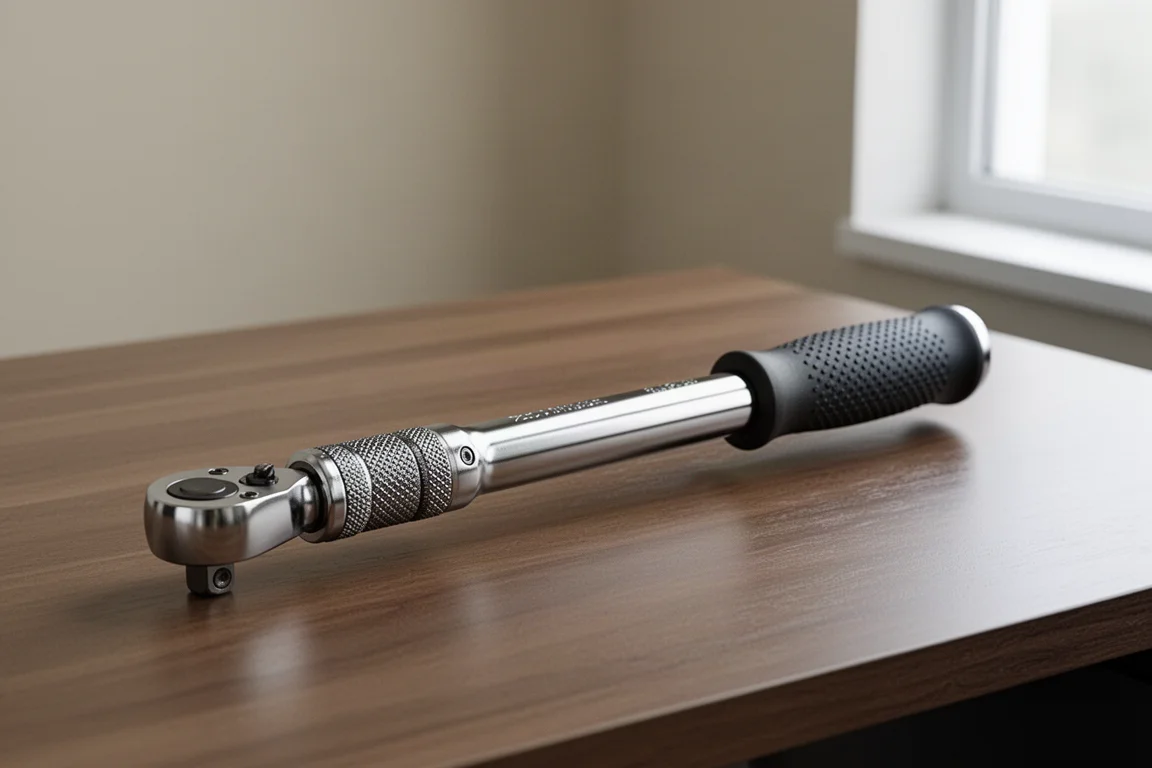
At $95, the Craftsman offers a 50 to 250 ft-lb range, a scale stamped into the housing in both inch and metric units, plus or minus 4% accuracy clockwise and 6% counterclockwise, a bi-material comfort handle, and a quick locking adjustment. At 27.25 inches, it is one of the longest wrenches in the field, which helps with leverage.
It passed four of six measurements at 50 ft-lb, averaging 52.18 ft-lb, about 4.2% off target. Counterclockwise performance was a genuine highlight: an average of 247.85 ft-lb with all six measurements inside the 6% tolerance. It also has a slim ratchet head, at 0.71 inches front-to-back, tied with DeWalt and Proto for the thinnest.
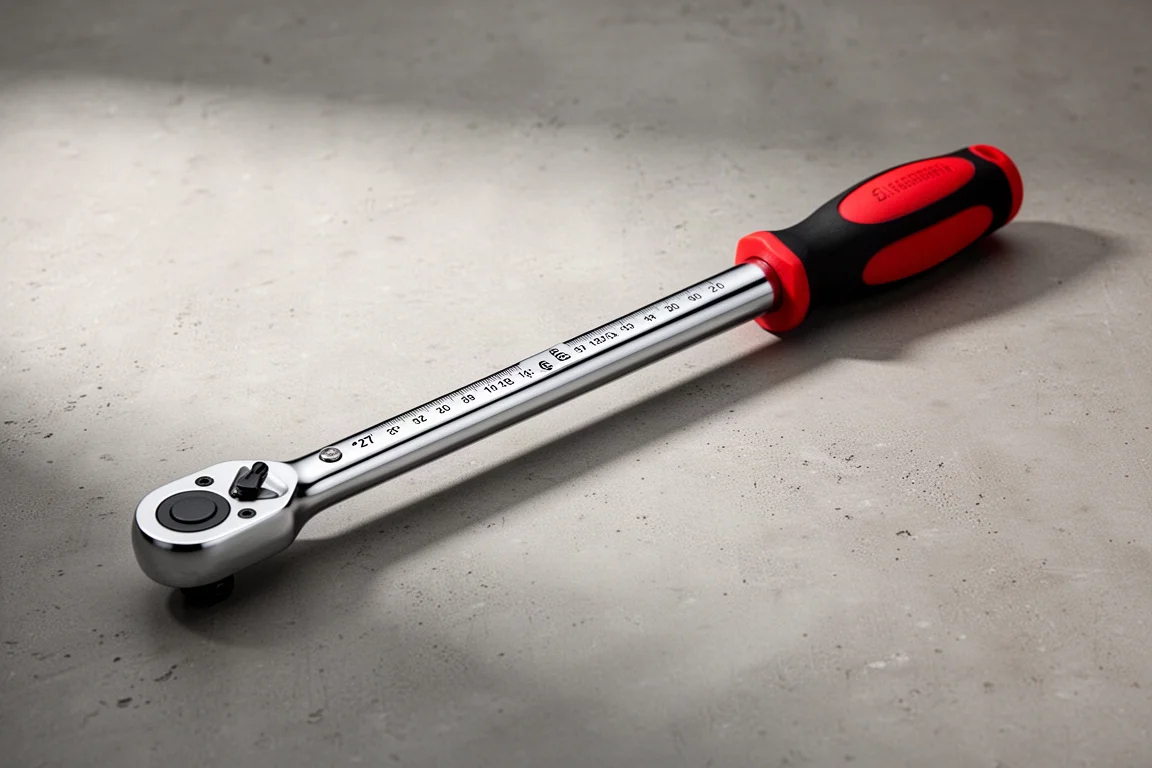
Kobalt Torque Wrench: Tight Patterns for $100
For $100, just $5 more than the Craftsman, the Kobalt covers 50 to 250 ft-lb with a positive locking mechanism, a reversing ratchet head for left- and right-hand fasteners, and plus or minus 4% torque tolerance. It is clockwise-only for torque measurement, has an SAE-only scale, and its storage case is less durable than most of the competition.
Where it shone was consistency out of the box: readings between 51 and 52 ft-lb, averaging 51.25 ft-lb with a standard deviation of just 0.42 ft-lb, a much tighter pattern than the three cheaper brands. The endurance test hit it hard, though. After 1,000 cycles it had four measurements outside the 4% window and a standard deviation above 2 ft-lb.
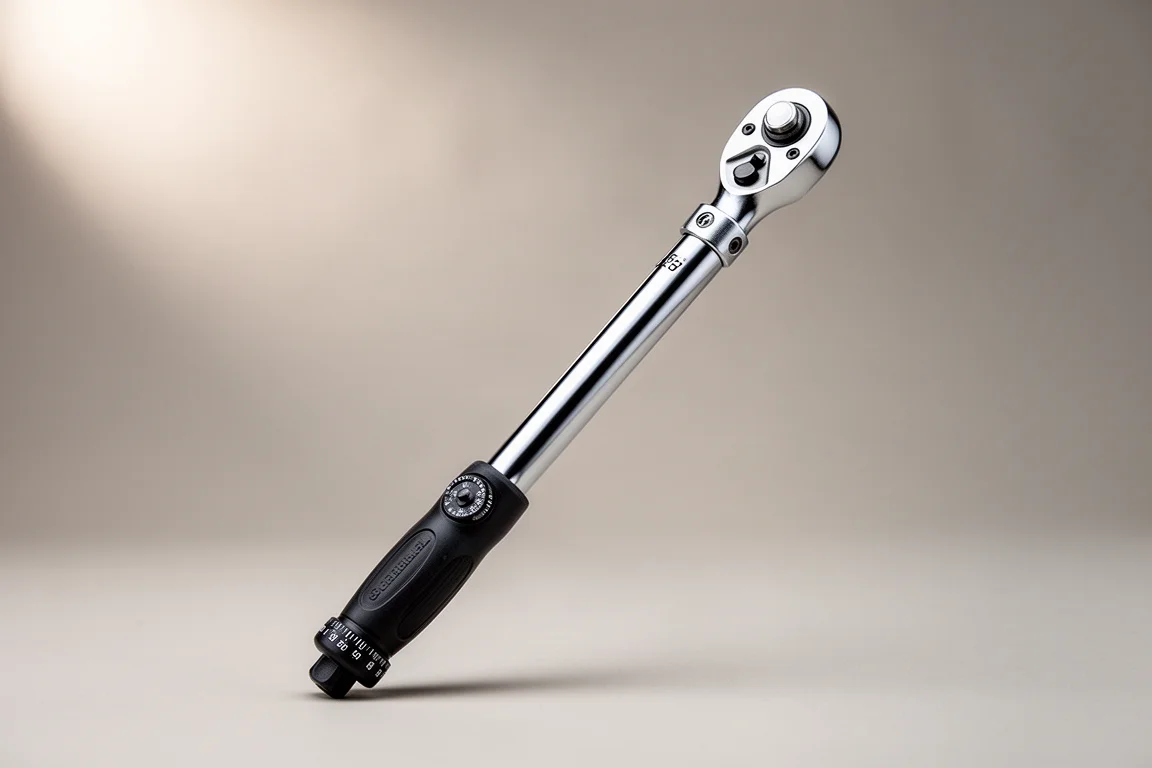
Icon Torque Wrench: The Overall Accuracy Leader
At $125 from Harbor Freight, the Icon covers 50 to 250 ft-lb with a 90-tooth ratcheting mechanism, chrome-plated hardened steel body, roll-marked SAE and metric scales, and plus or minus 4% accuracy clockwise, 6% counterclockwise. At 23.5 inches it is compact, and its ratchet head has the narrowest side profile of the group at 1.61 inches.
It finished the 50 ft-lb test with the best average of the first round, 50.7 ft-lb, only 1.7% over target, and across all 30 measurements it was one of just three brands that never left the plus or minus 4% window. Across the full testing range it averaged closest to target of any wrench, missing by only 0.2%. The 1,000-cycle test dented that record slightly with one measurement nearly 5.5 lb off, but it remained within tolerance on nearly every reading.
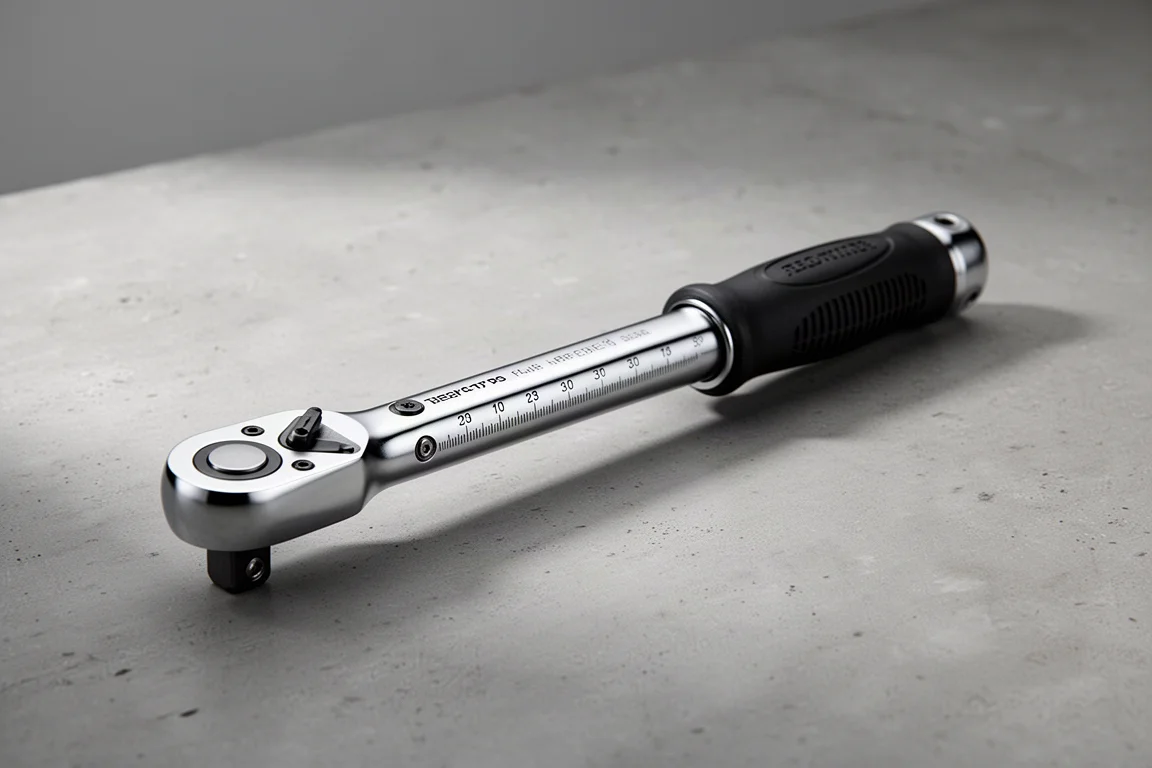
DeWalt Torque Wrench: Closest to Target, Best Value
The $138 DeWalt covers 50 to 250 ft-lb with 1 ft-lb increments, a protective head bumper, a locking trigger, a bi-material grip, and SAE plus metric scales. Guaranteed accuracy is 4% clockwise and 6% counterclockwise, and at 27.5 inches it is the longest wrench in the test.
Out of the box it was the star of the 50 ft-lb test: an average of 50.11 ft-lb with a standard deviation of just 0.38, the closest to target of any brand, with all six measurements inside the 4% window. In counterclockwise testing it averaged 1.4% under target with a standard deviation of only 0.67 ft-lb, and across 18 counterclockwise measurements it was one of three brands with no readings outside the 6% window. After 1,000 cycles it slipped modestly to an average of 51.33 ft-lb with two misses.
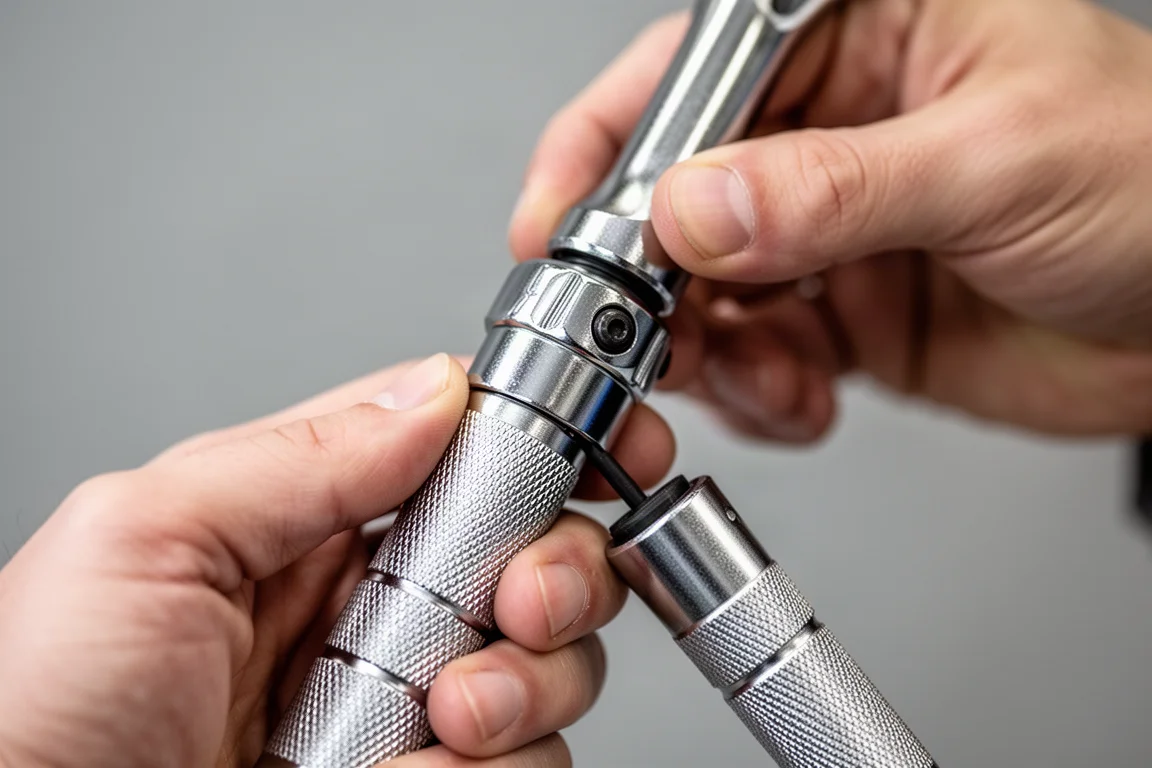
For most home and DIY mechanics, this combination of accuracy, consistency, and price makes the DeWalt the easiest recommendation of the group.
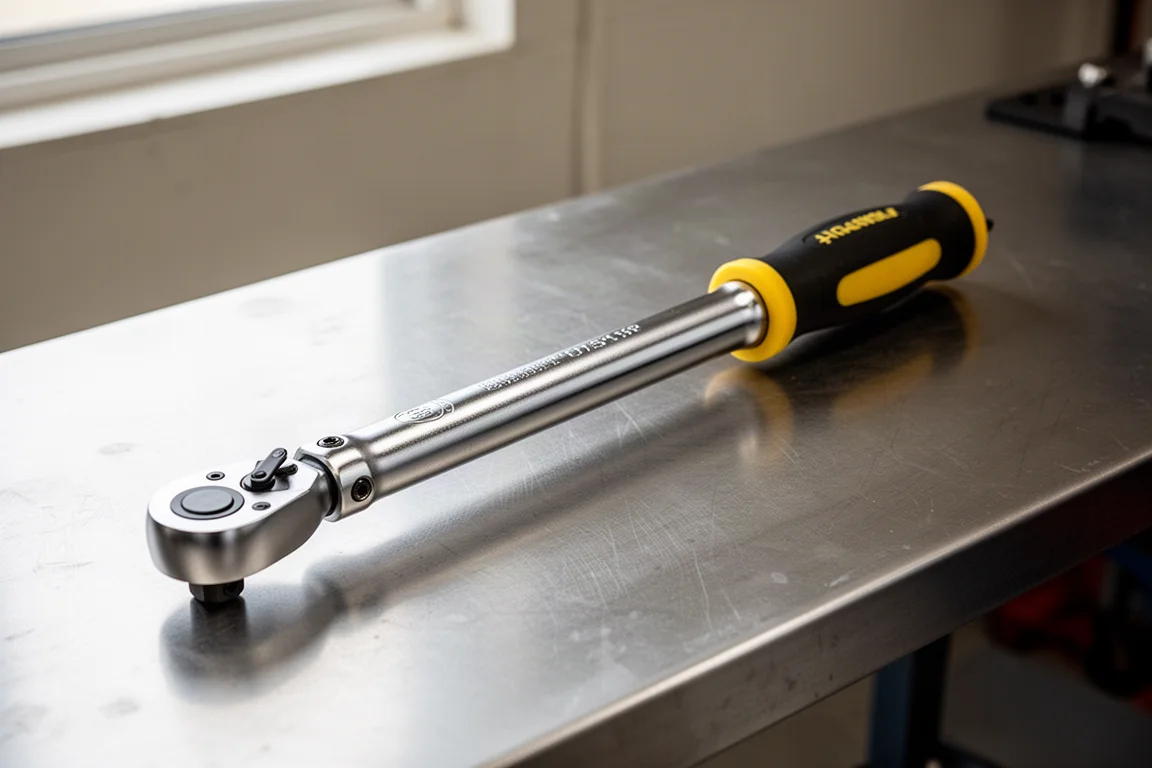
SK Tools Torque Wrench: The $200 Sweet Spot
At $200, the SK Tools wrench is made in the USA from US and foreign parts. It covers 50 to 250 ft-lb, has a locking collar handle that prevents accidental torque changes, a strong and durable ratchet design, a ratchet lockout position, a dual SAE-metric scale, and a very nice case. Clockwise tolerance is 4%, counterclockwise 6%.
It delivered a 50.49 ft-lb average with all readings tightly clustered, finished all 30 measurements within the 4% window, and its average missed the target by just 0.8%. After 1,000 cycles it barely moved, averaging 50.17 ft-lb with only one measurement outside tolerance. Counterclockwise it overshot by 2.2% on average with a 1.45 ft-lb standard deviation.
If your budget sits around $200, this is the wrench to shortlist.
Proto Torque Wrench: Aerospace-Grade Credentials for $236
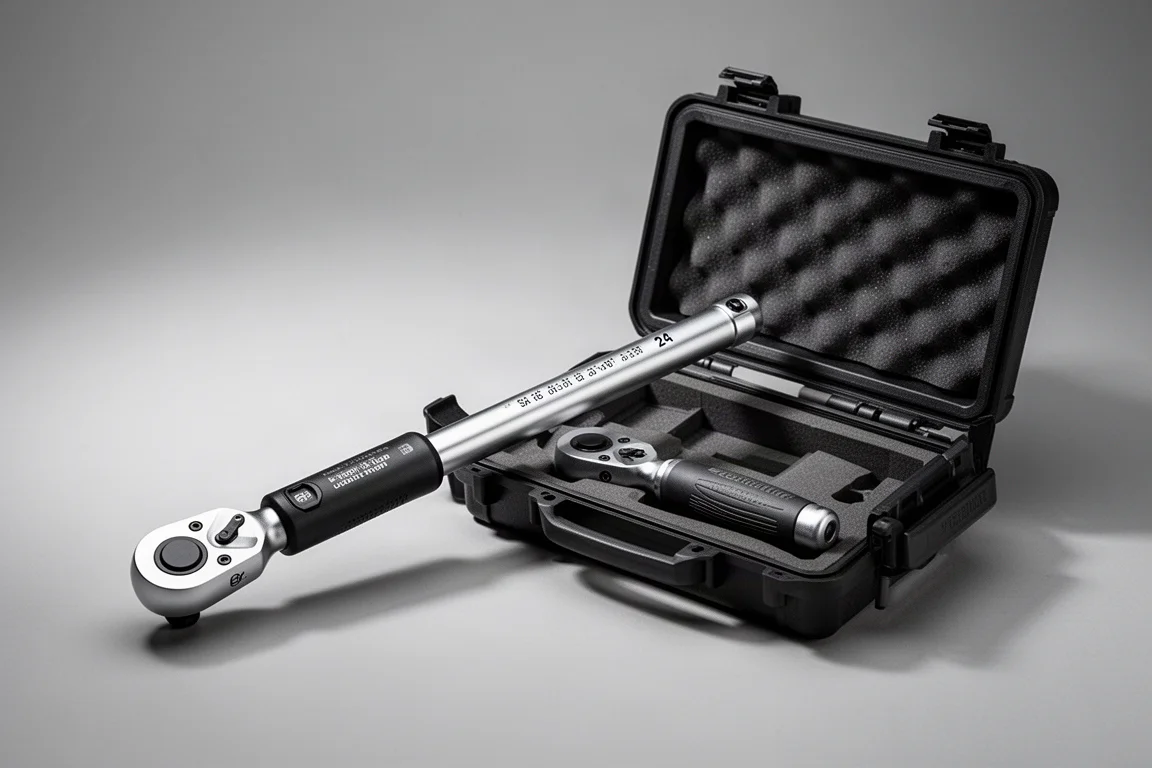
The $236 Proto is manufactured to meet precision applications such as military and aerospace work. It includes a certificate of calibration, a quality carrying case, SAE and metric scales, plus or minus 4% clockwise and 6% counterclockwise tolerance, and a slim 0.71-inch ratchet head. It is made in the USA.
Results were strong but not flawless: three of the first attempts sat very close to 50 ft-lb, one measurement overshot, and it finished the 50 ft-lb test at 50.59 average. Across 30 measurements it left the 4% window only once. Counterclockwise it averaged just 2% over target with an excellent 0.72 ft-lb standard deviation, and after 1,000 cycles it held nearly the same accuracy at 50.24.
Wera Torque Wrench: Excellent, But One-Directional
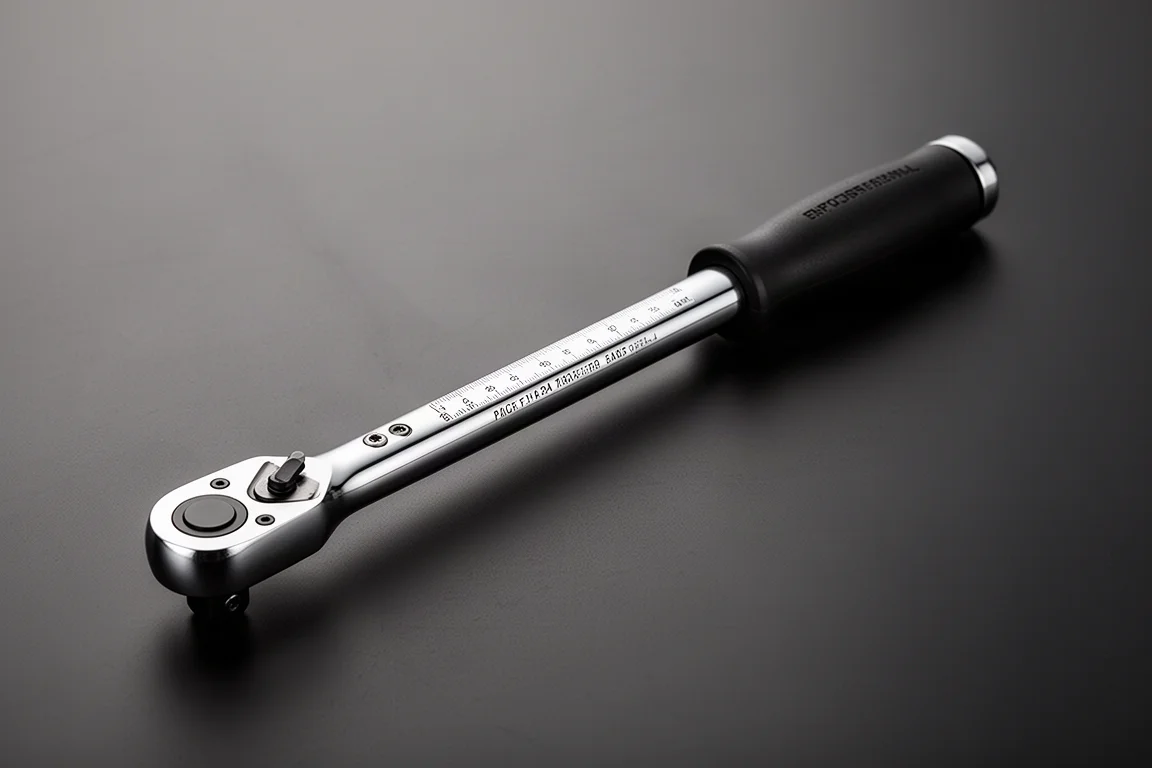
The $290 Wera has a 45 to 220 ft-lb range, a 45-tooth reversible ratchet mechanism, audible and tactile clicks at each scale value, SAE and metric scales, and easy setting and saving of torque values. It can only be used clockwise, and it is made in Taiwan.
Its average at 50 ft-lb was very close to target at 49.84 ft-lb, only 0.7% off, though one measurement fell outside the 4% window. Counterclockwise use is simply not supported. The endurance test is where it impressed: after 1,000 cycles, every measurement landed within the 4% window at an average of 49.28 ft-lb, making it one of only two brands to manage that.
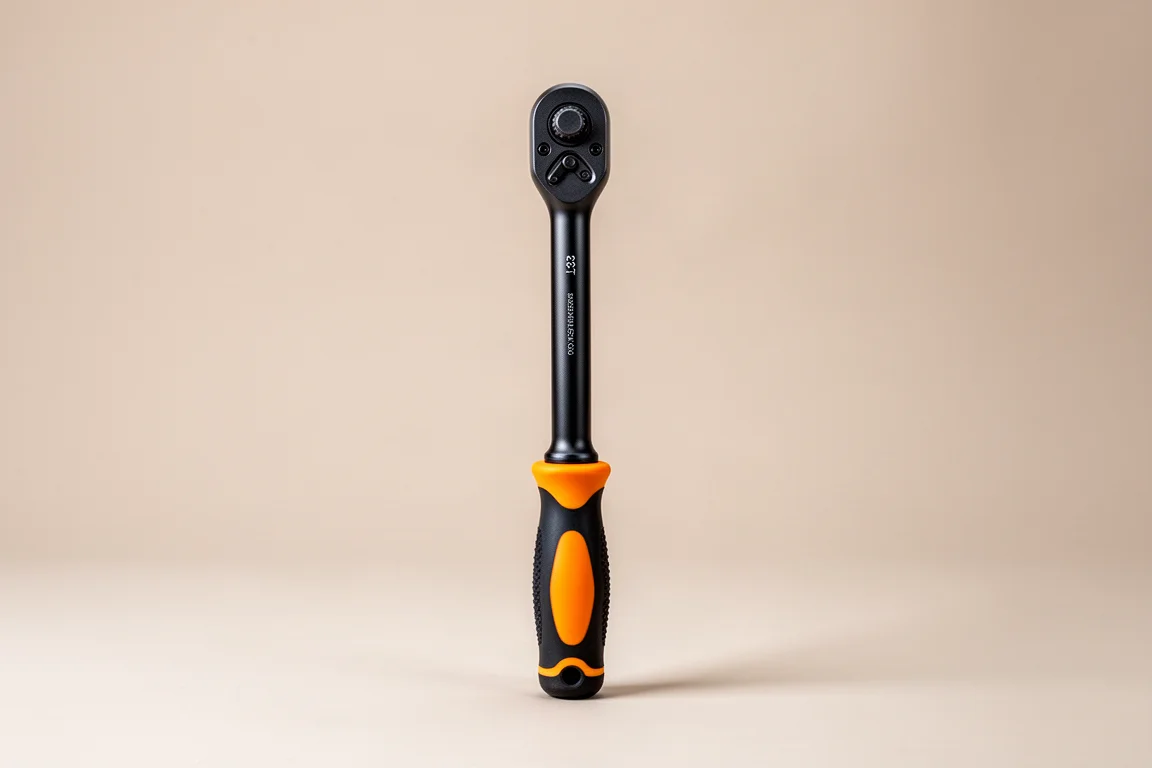
Snap-on Torque Wrench: The Most Consistent, At a Price
The $451 Snap-on covers 50 to 250 ft-lb with SAE and metric scales, is designed for clockwise use only, is made in the USA, and includes a certificate of calibration and a generous, if somewhat oversized, carrying case.
It averaged 51.39 ft-lb at 50 ft-lb, about 2.7% over, but with the best standard deviation of the group at just 0.34 ft-lb. Across all 30 measurements it stayed inside the 4% window every time. Counterclockwise, even though it is not advertised for that use, it delivered the best result of any brand: only 0.7% over target with a 0.52 ft-lb standard deviation. The 1,000-cycle test barely touched it, with a 50.47 average and a standard deviation that actually improved to 0.17 ft-lb. Its 15.6-degree swing arc, the tightest measured, also makes it the best choice in confined spaces.
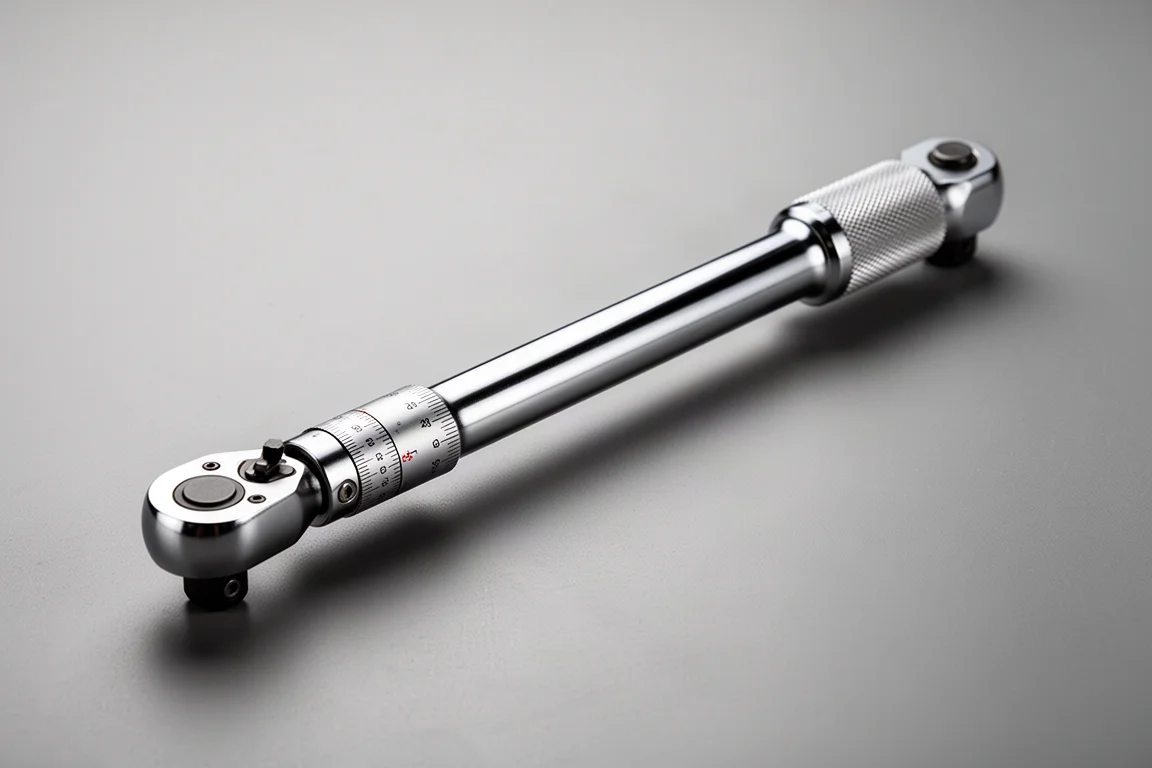
Precision Work: Consistency Under Load
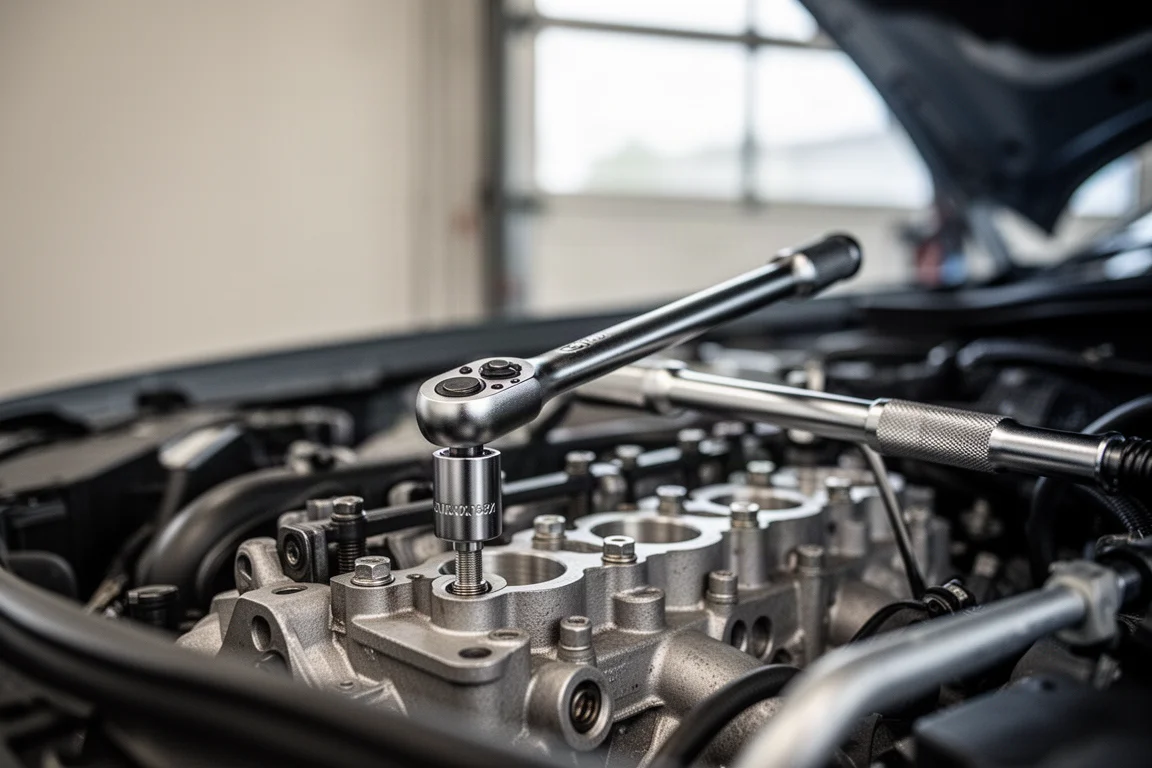
For critical repairs such as torquing a cylinder head, what matters most is not the average but the repeatability, because identical clamp load on every bolt is what keeps a gasket sealed evenly.
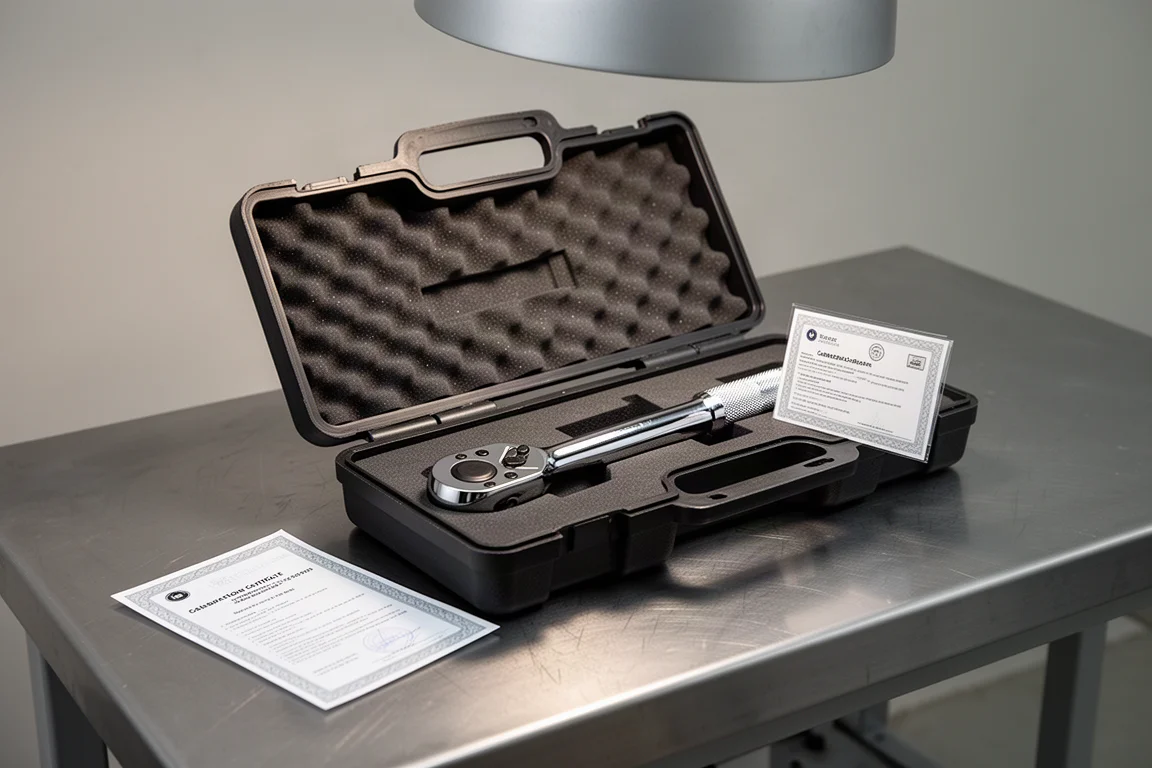
The Snap-on led every consistency measurement, with standard deviations of 0.51 ft-lb under load conditions, 0.85 counterclockwise, and 0.17 after 1,000 cycles. Proto finished second in the loaded tests at 0.68, followed by SK Tools at 0.96 and Icon at 1.02. The Kobalt and DeWalt posted the tightest patterns out of the box at the 50 ft-lb setting, but both wobbled more after heavy use.
Which Torque Wrench Should You Buy?
If money is no object, the Snap-on simply does not make mistakes: best consistency in every test, flawless tolerance records across 30 measurements, and the best swing arc. At $451, though, it is out of reach for most buyers.
If your budget is around $150, the Icon and DeWalt are the standout picks. The Icon came closest to target on average and never left the 4% window across 30 measurements, while the DeWalt had the best out-of-the-box average and consistency. At around $200, the SK Tools is a great choice and earns a strong recommendation. Skip the cheapest options for critical work: the Lexivon and Performance Tool both struggled badly on accuracy, and the Kobalt and Craftsman lost consistency after extended use.
Further reading
Related Reviews
Hand Tools
Best Diagonal Cutters 2026: 16 Pliers Tested for Cutting Power and Durability
We put 16 diagonal cutters through nail, screw, drill bit, and hex key tests to find the best value picks for your toolbox.
Hand Tools
Best Hex L Key Sets 2026: Nine Sets Tested for Real-World Torque
Nine hex L key sets from budget to premium, tested for torque, fit, and durability. See which sets deliver real performance and which ones to skip.
Hand Tools
Best Locking Pliers 2026: Top Picks Tested for Grip and Durability
We tested 18 brands of 10-inch locking pliers for grip strength, jaw bite, build quality, and ease of release to find the best options for tough jobs.