Hand Tools
Best Torque Multipliers Put to the Test: Five Tools From $60 to $4,000
We ran five torque multipliers, from budget Amazon pepper grinders to a $4,000 ratcheting beast, through real measured torque output to see which claims hold up.
Introduction
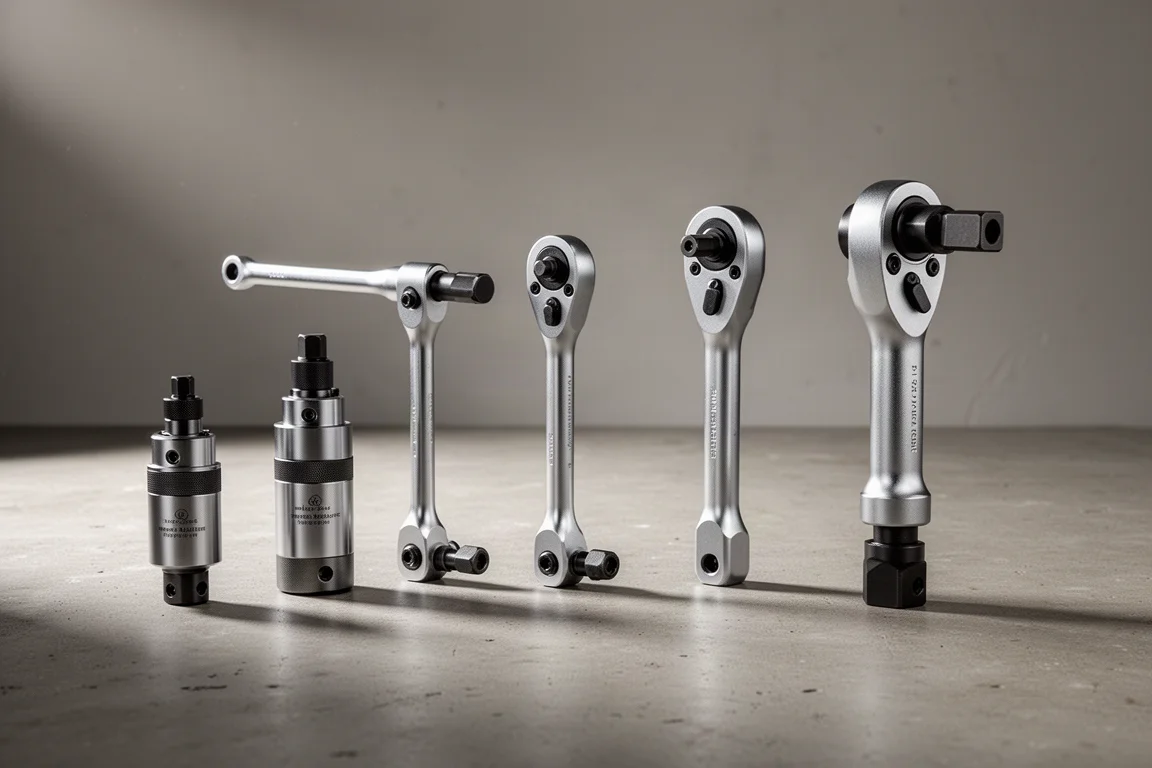
Torque multipliers make bold promises: a few dozen turns of a handle on one end, thousands of foot-pounds on the other. The prices are just as dramatic, ranging from about $60 on Amazon to roughly $4,000 for a professional-grade unit. We put five of them through measured output testing on a large Skidmore torque dyno to find out whether the claims survive contact with reality, and how much of what you pay actually buys performance.
How We Evaluated These Tools
Every multiplier was measured on a large Skidmore torque dyno using its largest bolt and nut setup, specced to roughly 460 ft-lbs on the gauge with a 500 ft-lb 3/4-inch torque wrench and a 1.1 pressure conversion applied. We recorded actual input-to-output torque ratios at several input levels, verified gear ratios by physically counting rotations, and tore down the budget units to inspect build quality.
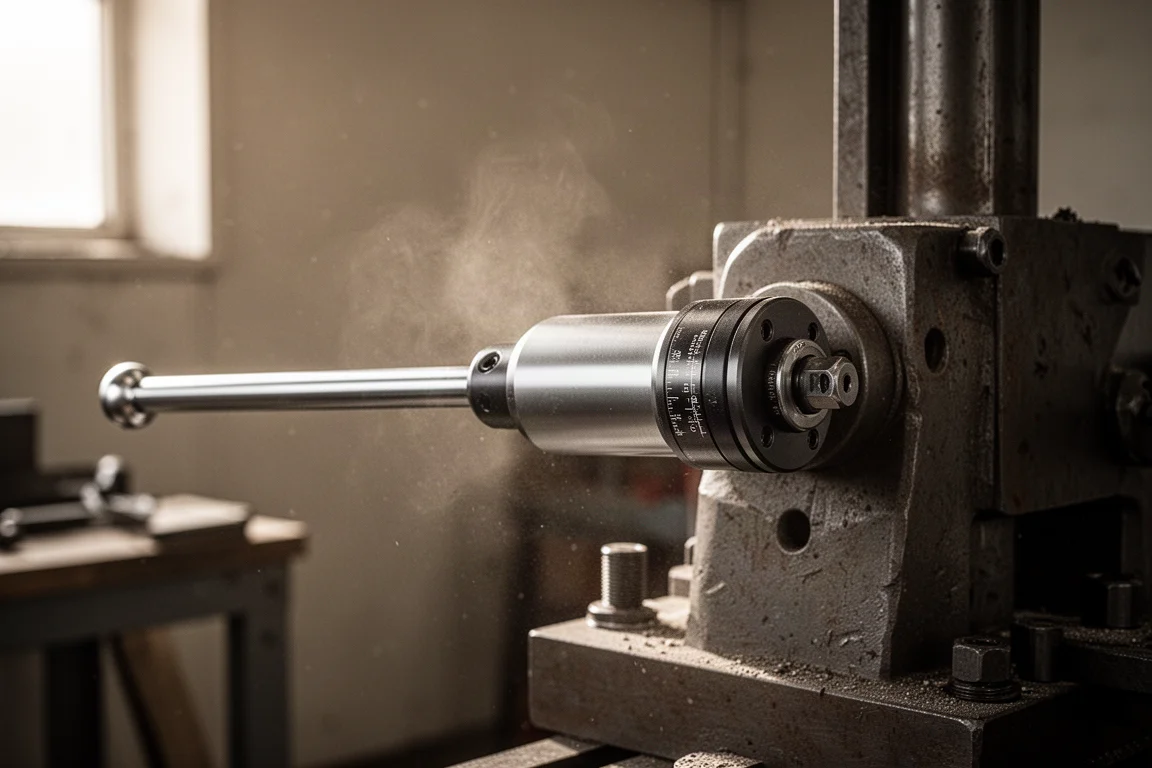
One practical note for anyone using these: the reaction arm must brace against something solid. Lug nuts work for loosening, bracing against the ground works for heavy equipment, but at very high forces the setup can lift or shift, so plan your reaction method carefully.
Budget Contender: Homcom Torque Multiplier
The Homcom units from Amazon lean hard into the pepper-grinder form factor. We bought the highest ratio and torque rating we could find: a 1:64 ratio model at $60 claiming 3,540 ft-lbs, and a larger, heavier unit advertising a 1:78 ratio and a claimed 5,530 ft-lbs for roughly twice the price.
Reality was less generous. Under sustained effort both units topped out around 1,100 ft-lbs, with the pricier 78:1 model reaching about 1,230 ft-lbs at similar effort. The handle requires around 130 lbs of force near the top, and the supplied lever is short by design. Chalk-marked rotation counting also showed the advertised ratios are inflated: the larger model actually measured 1:56, not 1:78. For emergency loosening of something stuck around 1,000 ft-lbs, they generate real torque, but treat the marketing numbers as fiction.
Bestselling on Amazon: Neiko Torque Multiplier
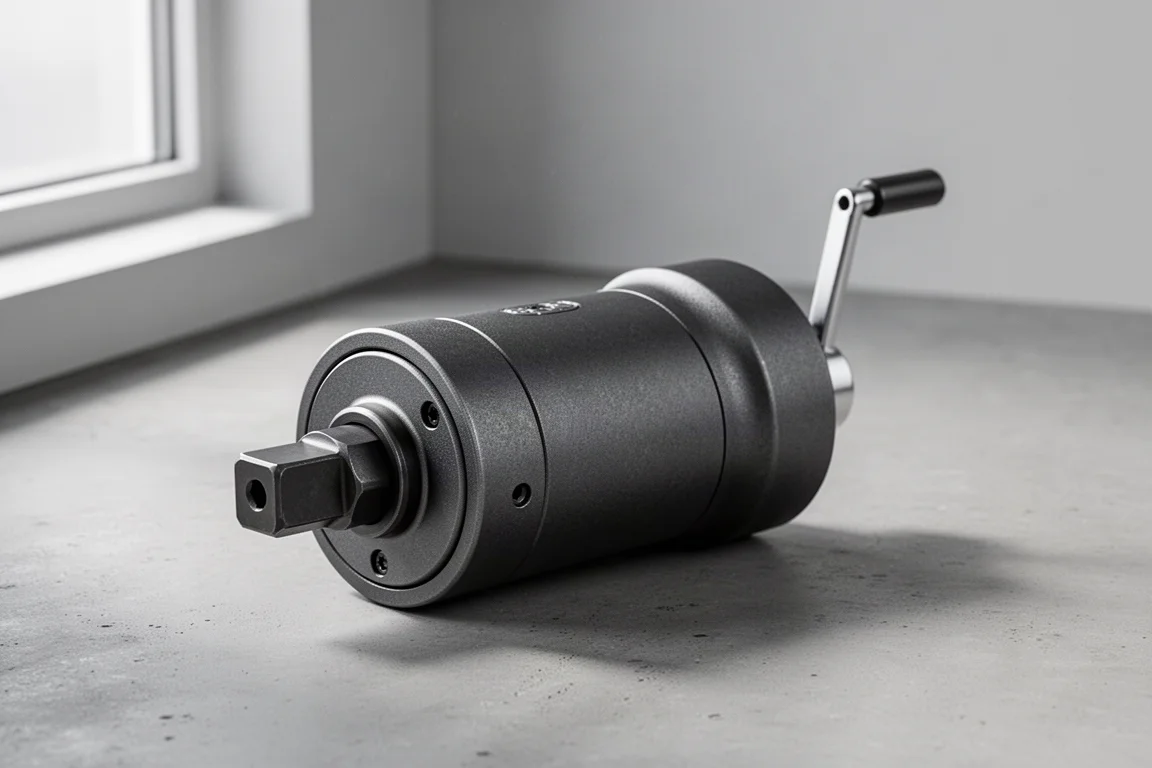
The Neiko is a different breed: a slim-head multiplier with a longer reaction arm, rated for 1,100 ft-lbs with 1/2-inch drive input up to 365 ft-lbs. It lists a 3:1 torque ratio, though our measured gear ratio came in around 3.25 to 3.3:1.
The interesting part is that the effective torque ratio is not static. We measured about 2.35:1 at a 100 ft-lb input, 2.46:1 at 200, and 2.56:1 at 250, climbing with torque. Fed from a breaker bar, it reached about 1,050 ft-lbs before the head flexed noticeably, the only tool here that actually performed within its advertised wheelhouse. That also means if you use the advertised 3:1 as gospel with a torque wrench, you may be under-tightening. Ignore the impact wrench hack; impacting through a gear set barely does anything.
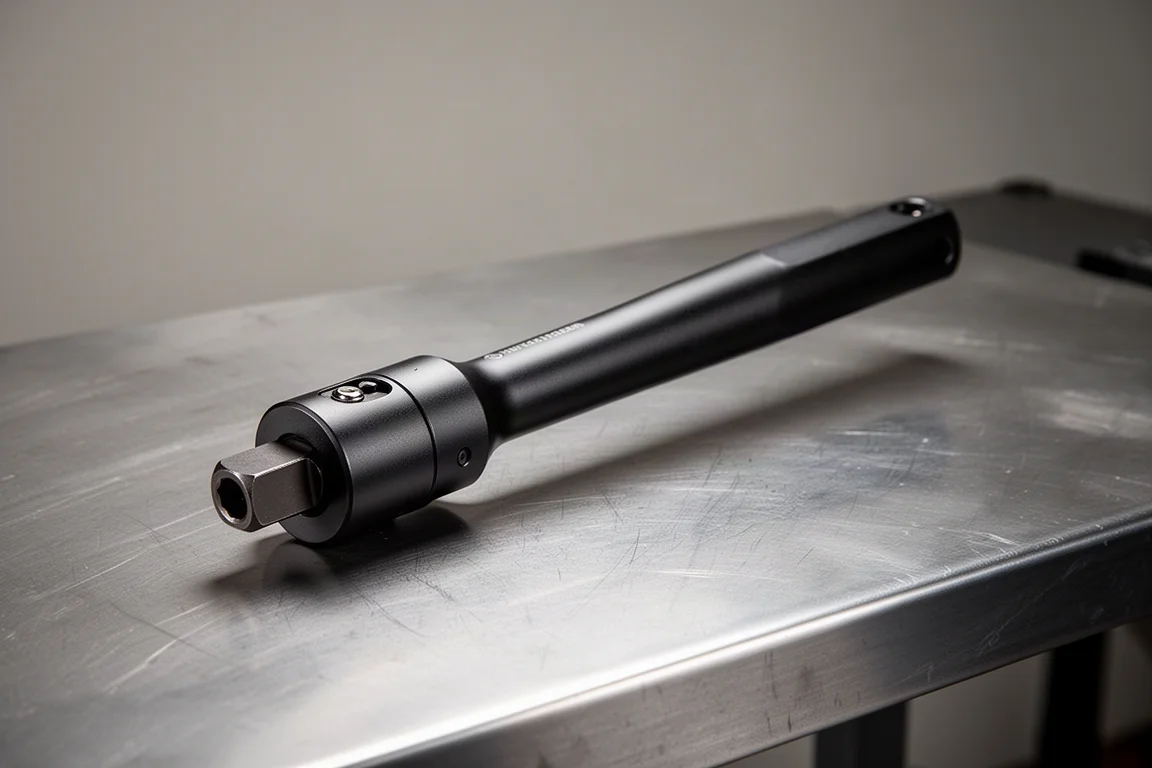
The Professional X4: Snap-on GA 185 Torque Multiplier
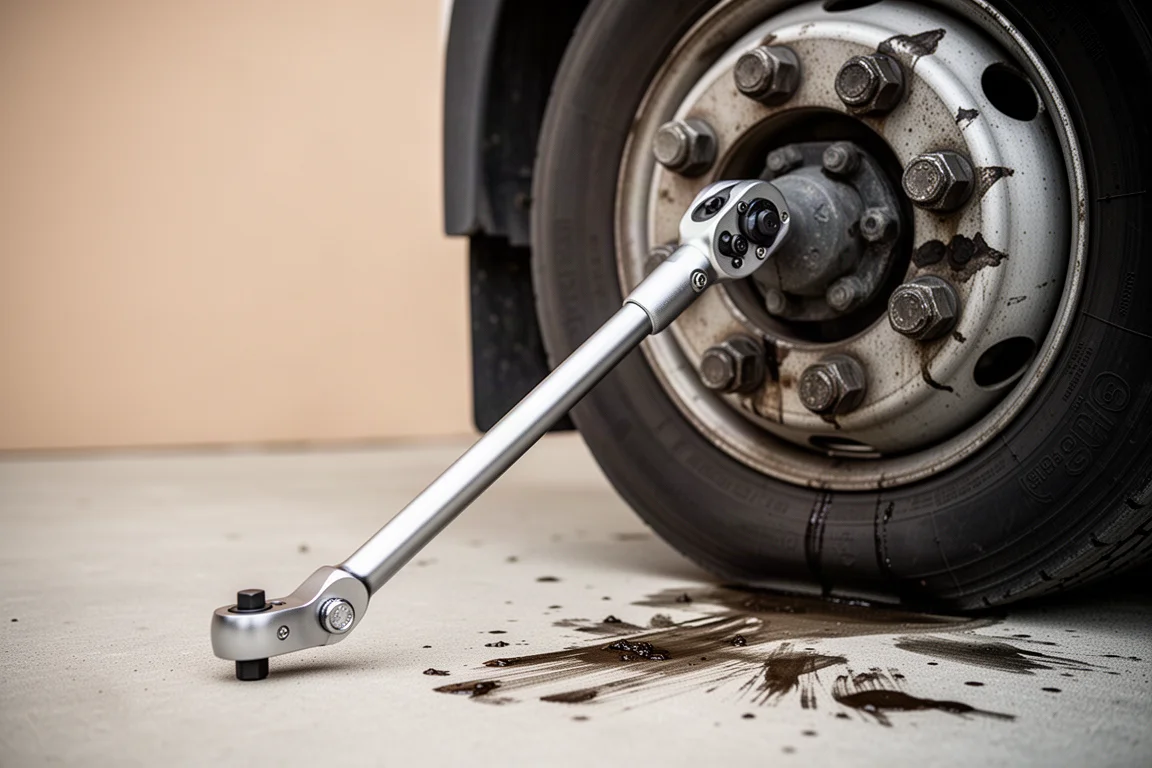
The Snap-on GA 185, also sold under UDA, TMX, and Williams branding as an X4 multiplier, is USA-made, runs around $750, and is rated for 2,000 ft-lbs with a 4:1 ratio and up to 500 ft-lbs of input via 3/4-inch drive.
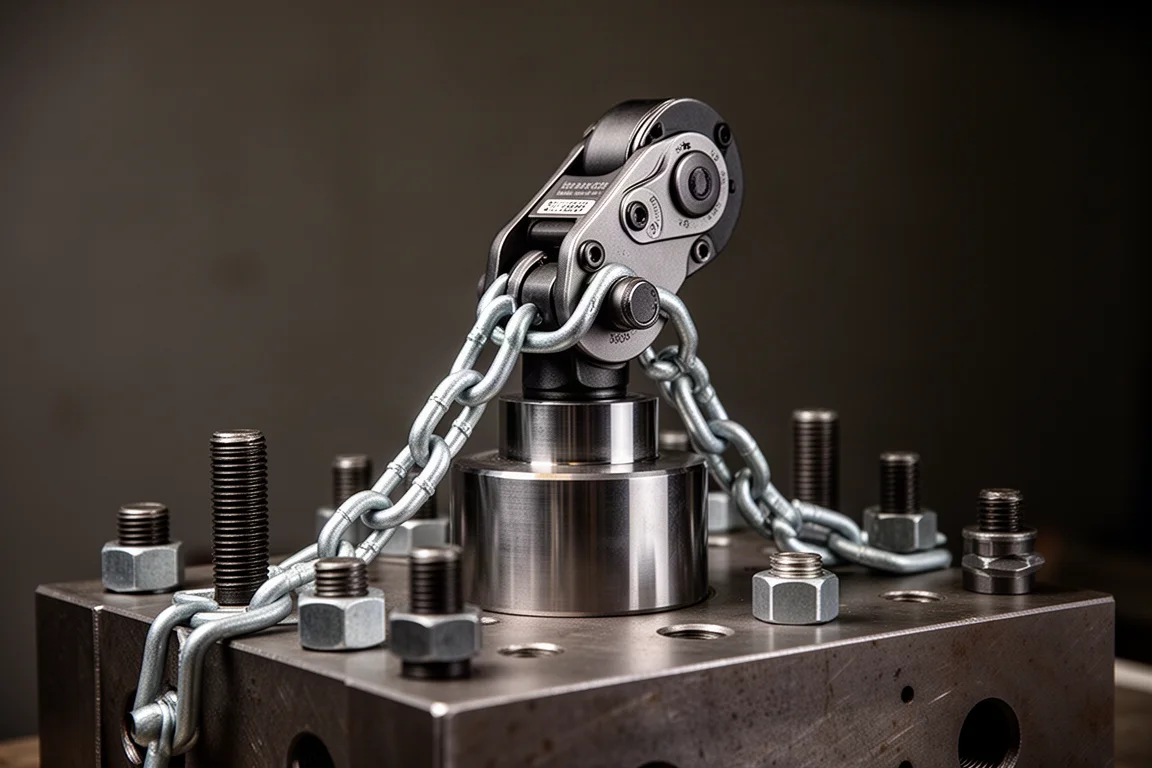
It delivered. At a 400 ft-lb input we measured 1,710 ft-lbs out, and at the stated 500 ft-lb max it produced about 2,170 ft-lbs, averaging over 4.3 times the input and still increasing as torque climbed. Even with the reaction arm held by a chain rather than braced on the ground, output stayed consistent. After a teardown, clean, and repack with fresh grease, it turned noticeably smoother. Among tested tools, this is the sweet spot of capability versus cost if you regularly work near 2,000 ft-lbs.
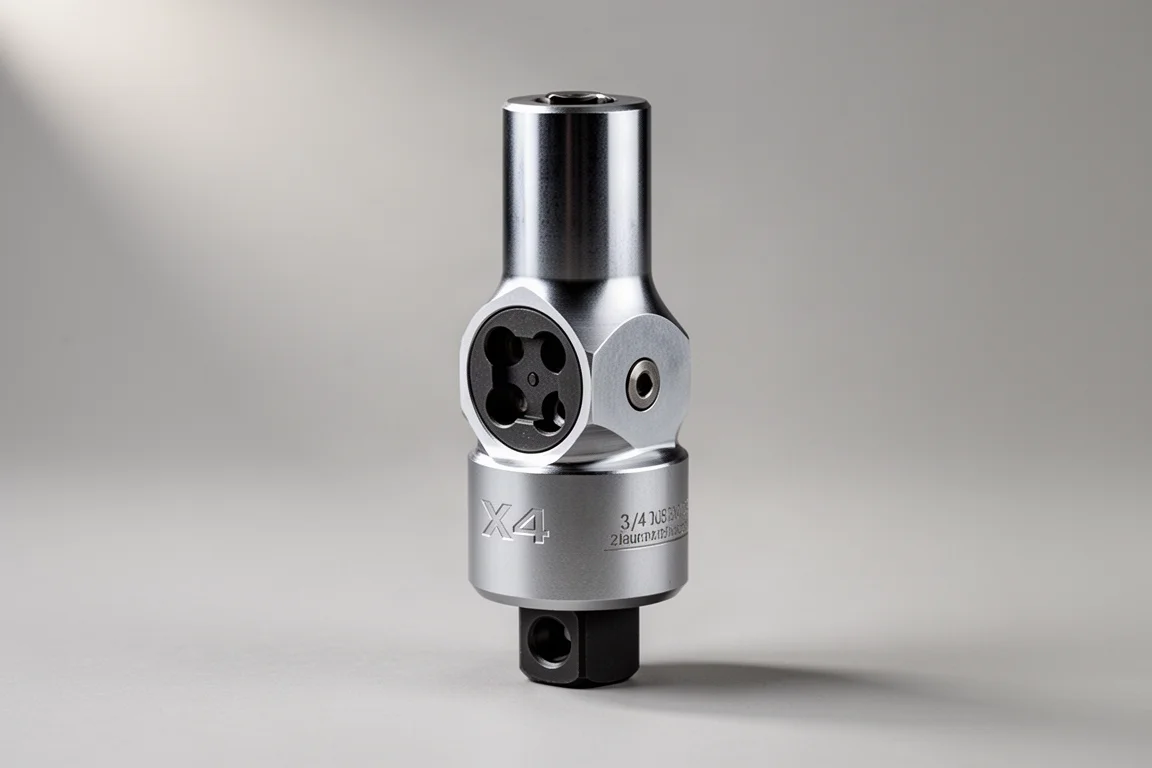
Wright Tool 9S 391 Torque Multiplier
From Wright Tool, the USA maker behind well-regarded wrenches, the 9S 391 is rated for 1,200 ft-lbs at roughly $1,300. Like the Neiko it takes 1/2-inch input, but its 6:1 ratio means you only need 200 ft-lbs to max it, which is friendlier on a hand-drive tool.
It is a more solid tool than the Neiko, with none of the head flex, and reached around 1,000 ft-lbs output from a 200 ft-lb input, roughly a 5.25:1 effective ratio. The trade-off is feel: heavy backlash winds up behind each swing and seesaws back at you, making the 200 ft-lb max input a genuine workout. Our take: the performance gain over the Neiko is real but modest, and hard to justify purely on price.
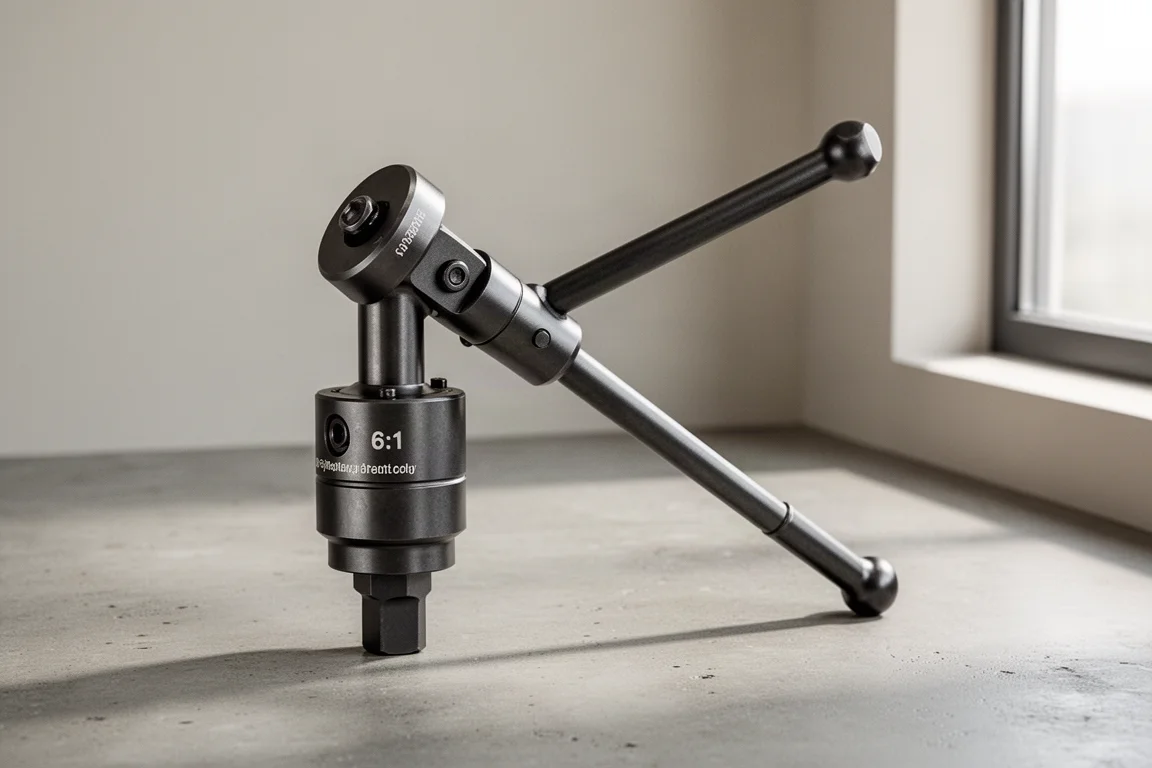
The Flagship: Wright Tool 9S 393A
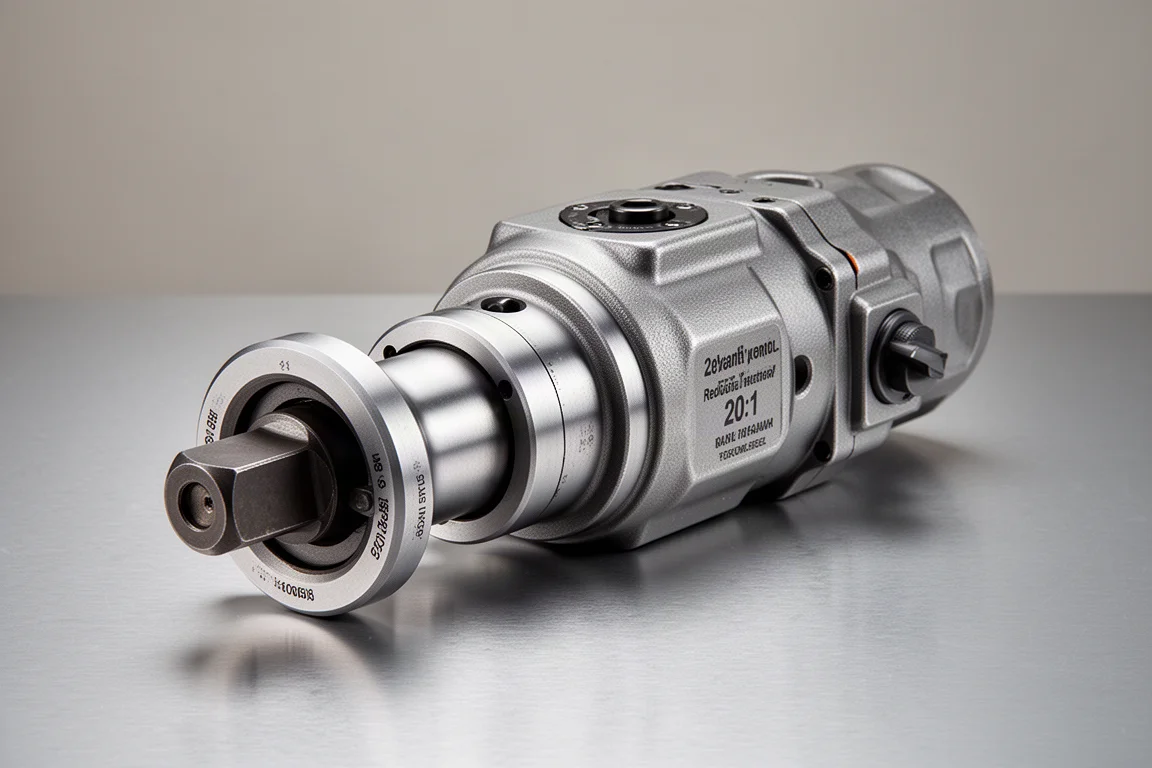
Then there is the Wright Tool 9S 393A, rated for 3,200 ft-lbs at just about $4,000. Big money, but this one is special. It has a ratcheting pawl switch that ratchets only to remove backlash, so it snugs itself against the fastener and stays clamped there while you work. With a 20.25:1 gear ratio and a simple 1/2-inch drive input, torque climbs fast and feels effortless, like tightening a valve cover bolt.
The numbers back the feel: 100 ft-lbs in produced 1,600 ft-lbs out, a 16:1 effective ratio, and at a 150 ft-lb input the gauge showed 2,600 ft-lbs, or 17.4:1. The tool is rated to 173 ft-lbs input, but we stopped short for obvious reasons. Loosening 2,600 ft-lbs one-handed with a cheap extendable ratchet is a genuinely remarkable experience. If money is no object, this is the one to buy.
What the Teardowns Revealed
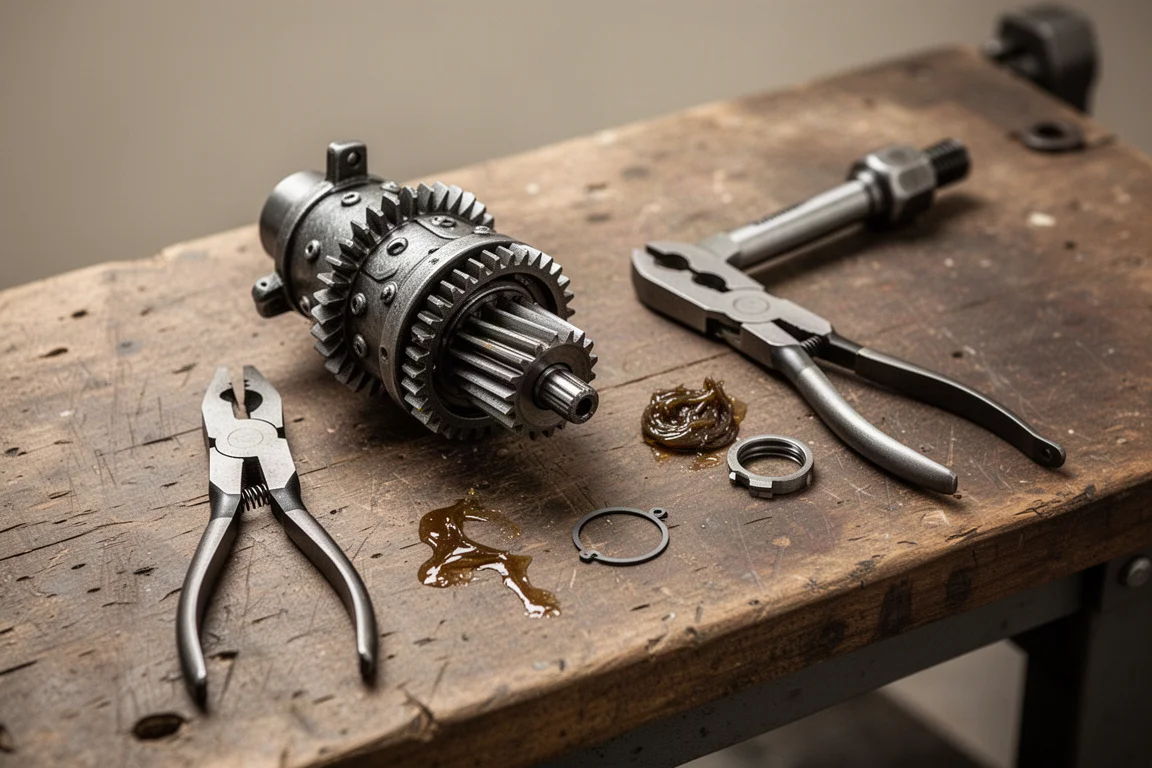
Opening the budget units exposed sand-cast everything, gears soft enough to show wear after brief max use, and on the pricier Homcom, porous, penetration-free welds with slag still attached. Functional, but built to a price. The Neiko and Snap-on share a similar single-stage planetary architecture, with the Snap-on using larger-diameter, taller, thicker gears and four drive pins instead of two, spreading load over a larger tooth engagement to justify its higher torque ceiling.
View more details for Homcom Torque Multiplier
Buying Advice: Which One Should You Get
For next-day emergency unsticking on a budget, a pepper-grinder style unit like the Homcom works, as long as you ignore the torque claims and verify the ratio, and never use it near its max regularly. For consistent 1,000-plus ft-lbs work you own and reuse, the Neiko at $240 is a strong value, just remember its effective ratio is closer to 2.5:1 in the range most people use. If you routinely work on 2,000 ft-lbs fasteners, the Snap-on X4 is the balanced professional choice, and a cheap 3/4-inch breaker bar covers the input side. The Wright Tool 9S 391 makes sense if you want Wright build quality in a 6:1 half-inch-drive package, and the 9S 393A is the no-compromise pick if budget allows.
A final honesty check: real-world torque through a torque wrench and multiplier is always lower than textbook math suggests, because efficiency losses pile up. Measure, do not assume.
Conclusion
Money buys genuine capability here, but not linearly. The budget units deliver real torque at a fraction of their claimed ratings, the Neiko is the honest value, the Snap-on X4 is the dependable professional sweet spot, and the Wright Tool 9S 393A is an unforgettable tool if you can stomach the price. Match the tool to the torque you actually face, and every tier has a clear winner.
Further reading
Related Reviews
Hand Tools
Best Diagonal Cutters 2026: 16 Pliers Tested for Cutting Power and Durability
We put 16 diagonal cutters through nail, screw, drill bit, and hex key tests to find the best value picks for your toolbox.
Hand Tools
Best Hex L Key Sets 2026: Nine Sets Tested for Real-World Torque
Nine hex L key sets from budget to premium, tested for torque, fit, and durability. See which sets deliver real performance and which ones to skip.
Hand Tools
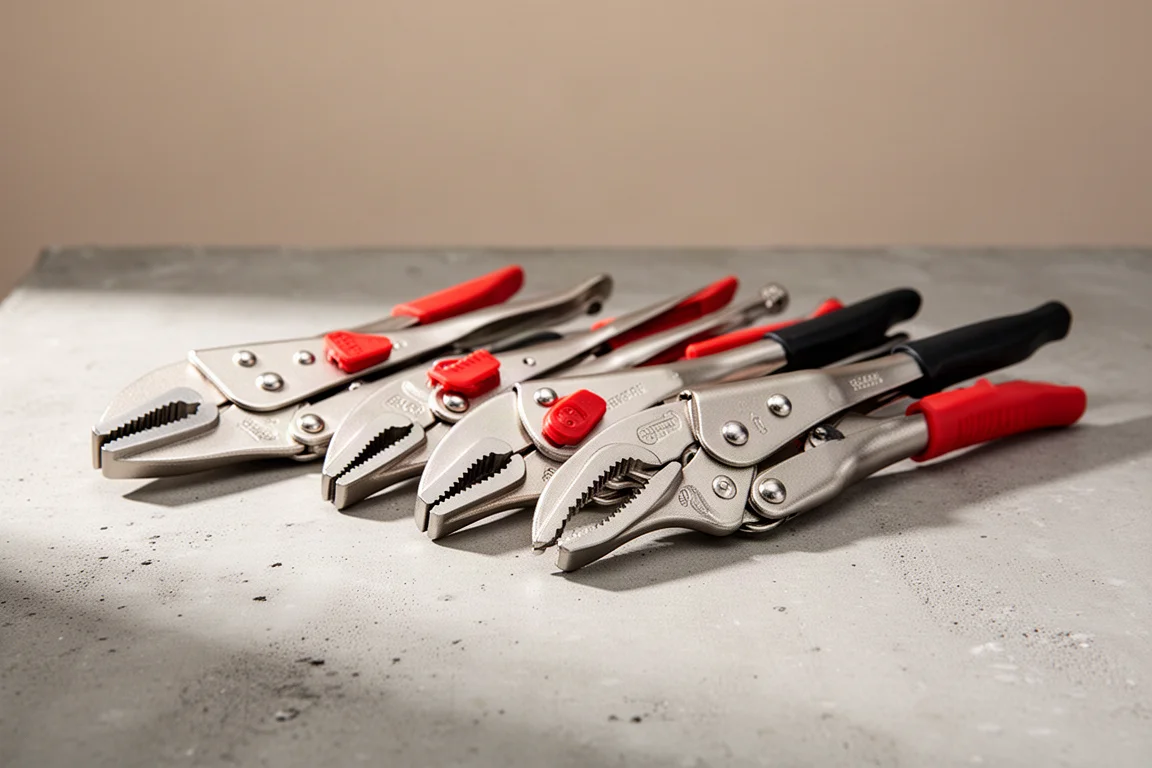
Best Locking Pliers 2026: Top Picks Tested for Grip and Durability
We tested 18 brands of 10-inch locking pliers for grip strength, jaw bite, build quality, and ease of release to find the best options for tough jobs.